
How Swiss Camps Build Public Speaking Confidence
Young Explorers Club: Swiss-style two-week camps that boost public-speaking confidence +20-50% with small groups, daily practice and showcases.
Program overview
At the Young Explorers Club, we’re focused on building public-speaking confidence with small-group instruction and stepped exposure. Campers move from low-stakes prompts to TED-style talks. Outdoor experiential tasks make practice useful and low-pressure. Two-week sessions typically show self-rated confidence gains of 20–50%.
Schedule & Structure
Daily rhythm
We schedule short, repeated daily practice. Sessions run 30–90 minutes split into focused blocks, with quick warm-ups and peer review to keep momentum high.
Group size and exposure
Core drivers are small groups (typically 6–12 campers) and stepped exposure so that each learner progressively tackles larger, more public prompts while staying supported.
Instruction & feedback
Tight staff ratios let instructors give immediate, actionable feedback. Instructors focus on 1–2 clear priorities per session so practice stays focused and improvements are achievable.
Measurement & tools
We use simple rubrics and pre/post surveys to measure progress. Typical tools include 1–10 confidence scales, concise rubrics with 4–6 criteria, video playback for self-review, and structured peer feedback that makes progress visible.
Key Takeaways
- Rapid, measurable gains: Two-week Swiss-style sessions deliver typical self-rated confidence increases of +20–50% and anxiety reductions of −15–40%.
- Core drivers: Small groups (6–12), stepped exposure, and outdoor experiential learning that provides real reasons to speak.
- Daily rhythm: Short repeated practice (30–90 min/day in two focused blocks), quick warm-ups, peer review, and 1–2 clear instructor priorities per session.
- Measurement & tech: Pre/post 1–10 confidence scales, concise rubrics (4–6 criteria), video playback, and peer feedback that make progress visible.
- Replication blueprint: Run small cohorts with staff ratios of 1:4–1:8; hold mid-week mini-showcases and a final public performance; use frequent short exposures to sustain gains.
Replication blueprint
- Small cohorts: Keep groups to 6–12 participants and staff ratios between 1:4–1:8.
- Session cadence: Two-week blocks with daily short practices (30–90 minutes) split into focused blocks and a mid-week mini-showcase.
- Assessment: Use pre/post 1–10 confidence surveys, a concise rubric (4–6 criteria), and brief video reviews to track change.
- Final performance: End with a public showcase or performance to consolidate gains and provide real stakes.
- Iterate: Use instructor notes, quick surveys, and video evidence to refine priorities each day and across sessions.
https://youtu.be/9np4fAZwE5Y
What makes Swiss camps so effective at building public-speaking confidence
We, at the Young Explorers Club, run Swiss-style speaking programs that accelerate progress. In two-week sessions campers report increases in speaking confidence of 20–50%.
Our approach blends three core drivers. Small-group instruction gives every camper repeated speaking turns. Progressive exposure moves learners from short, low-stakes prompts to full presentations. Outdoor and experiential learning embeds speaking in real activities, so practice feels useful and fun. We keep distractions low and feedback focused, which speeds the shift from anxious avoidance to everyday speaking habits.
How the program is structured and why it works
Below are the operational features I rely on to produce fast gains:
- Program lengths: 1–3 weeks, with 2-week sessions most common.
- Daily speaking practice: every weekday, totaling 30–90 minutes, split into two focused blocks.
- Group size: 6–12 students per speaking group, which balances safety and variety.
- Staff ratio: 1:4–1:8 during coaching sessions to ensure targeted feedback.
- Repetition + low-distraction setting: multiple short exposures each day build automaticity and reduce anxiety.
- Progressive tasks: timed impromptu drills, paired storytelling, small performances, then group presentations.
- Outdoor/experiential integration: hikes, games, and projects provide authentic reasons to speak and boost retention.
I recommend a 2-week session for visible change. We schedule daily micro-goals so campers track progress and experience quick wins. Coaches give immediate, actionable feedback and set one clear improvement target per session. Parents can help by asking kids for a two-minute recap each evening; that simple routine reinforces camp gains.
We coach speaking as a habit, not a one-off skill. You can see sample schedules and methods in our public-speaking camps and decide which session length matches your child’s needs.

How the curriculum builds skills: staged practice, pacing and sample timelines
We structure learning as a clear ladder: short warm-ups, structured exercises, prepared pieces, then formal presentations. Each stage reduces pressure while increasing challenge. We introduce breathing and eye contact first. Then we add storytelling and improv drills. After that campers craft 2–4 minute prepared talks. They finish with formal, TED-style presentations.
We pace progress to balance rehearsal and reflection. Typically campers move up a level every 2–3 days. Daily exposure runs 30–90 minutes, split into short sessions. That frequency lowers anxiety more effectively than one long weekly class. Scaffolding comes from three consistent supports:
-
Visible role models who demonstrate techniques;
-
Guided rehearsals led by instructors; and
-
Peer feedback rounds of 3–5 peers plus targeted instructor coaching.
We run public speaking camps that follow this scaffold so practice feels safe and upwardly challenging.
Sample daily itinerary (typical 2-week session)
Below is a common daily flow we use to keep practice focused and varied.
-
Morning warm-up — 10 minutes: eye contact drills, diaphragmatic breath, short 1–2 minute warm-up speeches.
-
Mid-morning practice — 20–30 minutes: structured exercises like storytelling beats, improv prompts, articulation drills.
-
Afternoon practice — 20–30 minutes: prepared pieces rehearsed, peer feedback rounds of 3–5, role model demonstrations.
-
Daily reflection — 5–10 minutes: quick journaling or group debrief to consolidate one specific takeaway.
We keep sessions short and repeated. That builds muscle memory and reduces the fight-or-flight response. We also alternate low-pressure tasks with increasingly public tasks so skills transfer.
Two-week skill timeline (example)
Below is an example sequence showing how skills progress across a typical two-week session.
-
Days 1–3 — Comfort building: Campers learn breath control, posture, and making eye contact. They deliver 1–2 minute warm-up speeches and get gentle feedback. We model techniques and coach small corrections.
-
Days 4–7 — Narrative craft: Students map story arcs, choose language, and practice voice variation. They deliver 2–4 minute storytelling pieces with structured peer critique and instructor notes.
-
Days 8–9 — Spontaneity and sharpening: We run improv games, short debates, and articulation drills. Peer feedback rounds of 3–5 help them refine pacing and clarity in real time.
-
Day 10 — Milestone: a TED-style 5–8 minute talk delivered to a larger group. We keep stakes manageable and focus feedback on two actionable items per speaker.
-
Days 11–13 — Polish: Campers record talks, review playback, and iterate with instructor coaching. Video review accelerates awareness of gestures, filler words, and pacing.
-
Day 14 — Showcase: Students present polished pieces in a final performance that mirrors public conditions but within a supportive community. Throughout the two weeks we shift tasks from low-pressure rehearsal to public performance with repeated, scaffolded practice so confidence grows predictably.

Signature activities, teaching methods and classroom tech
We, at the Young Explorers Club, combine play, structure, and simple tech so kids gain real public-speaking confidence. I mix improv, storytelling, debate formats and TED-style 5–8 minute talks into a single curriculum. Exercises progress from short elevator pitches to full presentations. I use peer review, video-recording with playback, and incremental public performances to make improvement visible and fast.
Core teaching methods and how they fit together
- Improv — trains spontaneity and sentence-level clarity so kids stop freezing under pressure.
- Storytelling — builds structure and emotional connection; emphasis on a clear beginning, middle and end.
- Debate — teaches rapid organization, rebuttal technique and concise phrasing.
- TED-style and elevator-pitch assignments — focus timing, narrative arc and purpose.
- Peer review — hones listening skills and keeps feedback concrete.
- Video-recording + playback — lets campers self-correct vocal variety and posture.
- Incremental performances — ramp up audience size and stakes: solo rehearsals, small-group showcases, then full-audience finales.
Assessment and feedback model
I keep rubrics short and actionable. Typical rubrics have 4–6 criteria; a sample rubric uses 1–5 scoring for the following:
- Vocal variety (tone, volume, pace)
- Eye contact and body language
- Organization and clarity of ideas
- Timing and use of allotted time
I score, then give two specific priorities to improve. That keeps kids focused and prevents overwhelm.
Daily frequency and performance cadence
I structure practice so progress is steady and measurable.
- Daily warm-ups: 5–15 minutes to prime voice and focus.
- Practice sessions: two blocks per day (total 30–90 minutes of targeted practice).
- Weekly formal performance: a mid-week mini-showcase and a final showcase on the last day.
Daily rhythm, sample activities and equipment
I use short, repeatable activities and a tight tech setup. Below are examples and gear guidelines.
Sample practical activities:
- Improv Circle — 10 minutes total. Each camper gets a 2-minute turn. Judge on spontaneity and clarity. Repeat 3 rounds to build confidence and quick thinking.
- Elevator Pitch Drill — 3 rounds of 60 seconds. Emphasize hook, one key point, clear ask. Score on clarity and timing.
- Video-feedback protocol — Record 1–2 minute clips. Show the clip, ask the speaker to note one strength and one improvement. Coach and peers add up to 2–3 priorities. Keep comments specific.
- Peer Debate Mini — 12 minutes. Two speakers, one minute each opening, 30-second rebuttals. Focus rubric on organization and audience connection.
Typical equipment per group and budgets:
- Budget kit: 1 smartphone on tripod + 1 lavalier mic. Estimated cost: USD 80–150. This delivers reliable audio and video for playback.
- Upgrade options: GoPro or DSLR for higher-quality capture; add basic lighting for formal recordings.
- Accessories: clip-on lav mics, spare batteries, small tripod, quiet backdrop when possible.
- Playback: 1 laptop or tablet per group for instant review.
Recommended software and apps
- iMovie or Adobe Premiere Rush for basic edits.
- Loom or Coach’s Eye for quick sharing and annotations.
- Speechling, Orai and Ummo for automated feedback on pacing and filler words.
Practical setup tips
- Record short clips often. Short clips make feedback digestible.
- Always play back immediately for one positive and one target fix.
- Use the rubric during playback so kids see measured change.
- Hold the mid-week mini-showcase to practice stage routine before the finale.
- Rotate roles: speaker, reviewer, recorder. That builds listening skills and reduces performance pressure.
I run programs so kids get steady exposure, clear metrics and repeatable practice. That combination turns nervous first-timers into confident speakers ready for public settings and future challenges, whether in school or at our public speaking camps.

Pedagogy, staff training and multilingual instruction
We, at the young explorers club, build speaking confidence by combining theatre practice, language teaching and focused communication coaching. Coaches are often theatre-trained, language instructors, or certified communication coaches. Many camps require at least 2+ years’ experience or a credential in youth education or public-speaking instruction. That baseline keeps sessions safe, effective and progressive.
I design learning sequences that move from low-stakes play to polished presentations. Theatre and improv backgrounds give campers physical presence, voice control and spontaneity. I use short, repeatable drills—breath work, projection exercises, status games and improv warm-ups—to train body language and timing. Language instructors add scaffolding: phrase banks, pronunciation drills and mini-scripts that campers can rehearse before performing.
We keep speaking groups small. Typical staff-to-student ratios in speaking sessions remain 1:4–1:8 so everyone speaks often and gets focused feedback. I recommend at least one staff member per group with formal training or credentials to lead progression and manage safety. That single credentialed leader coordinates peer feedback, video review and targeted coaching notes.
Multilingual staff reduce language anxiety and widen participation. Our teams usually cover English, French and German, and sometimes Spanish. That mix allows code-switching, quick translation and pairings by language level. We pair international campers with a bilingual buddy or coach for initial rehearsals, then gradually increase target-language use. This approach lowers affective filters and speeds confidence gains.
I insist on ongoing staff development during camp weeks. Coaches observe one another, run micro-teaching sessions and review video clips with specific, actionable feedback. We schedule daily warm-ups, two coached practice runs per day and at least one filmed performance so campers see measurable progress. Staff also document goals and next steps for each camper to keep momentum between sessions.
Typical staff profiles and roles
- Theatre teacher — 5 years youth experience; focuses on presence, movement and ensemble work.
- Language instructor — CELTA-certified; 3+ years leading teen workshops; handles pronunciation and structure.
- Communication coach — 4 years public-speaking coaching; gives feedback on structure, pacing and rhetorical devices.
- Multilingual support staff — conversational in EN/FR/DE (sometimes ES); lowers anxiety, translates and offers rehearsal scaffolds.
- Lead facilitator — at least one credentialed staff per group; plans progression, ensures low ratios and documents outcomes.
I link practical training with measured delivery so campers leave with repeatable skills. For families exploring program options, see our public speaking camps for further detail.
Environment, community-building and academic/social spillovers
Low-distraction settings and outdoor trust-building
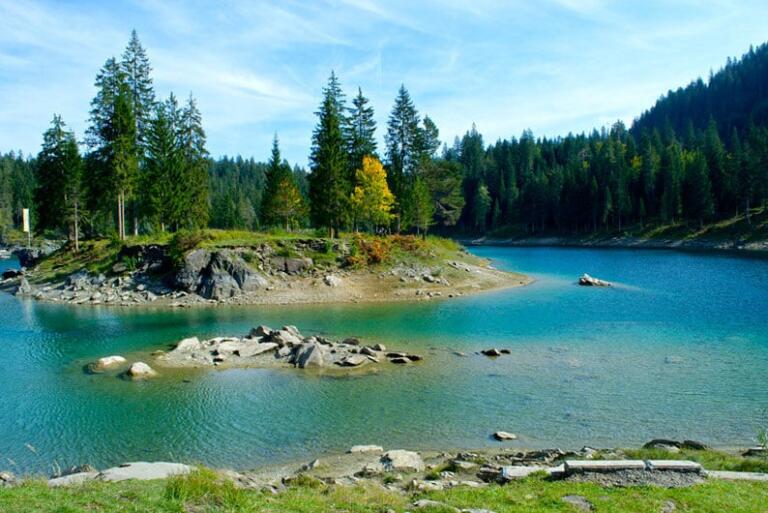
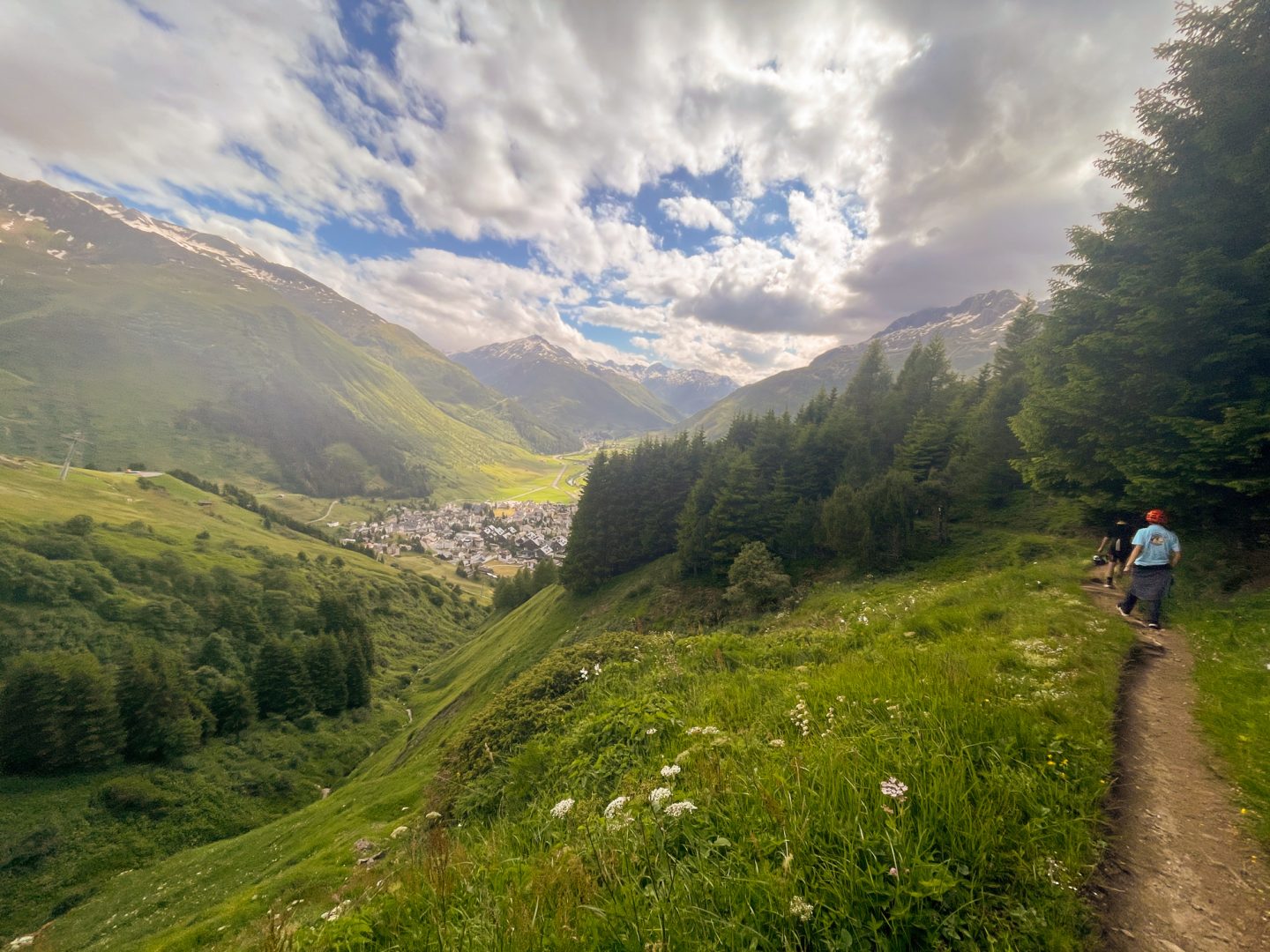
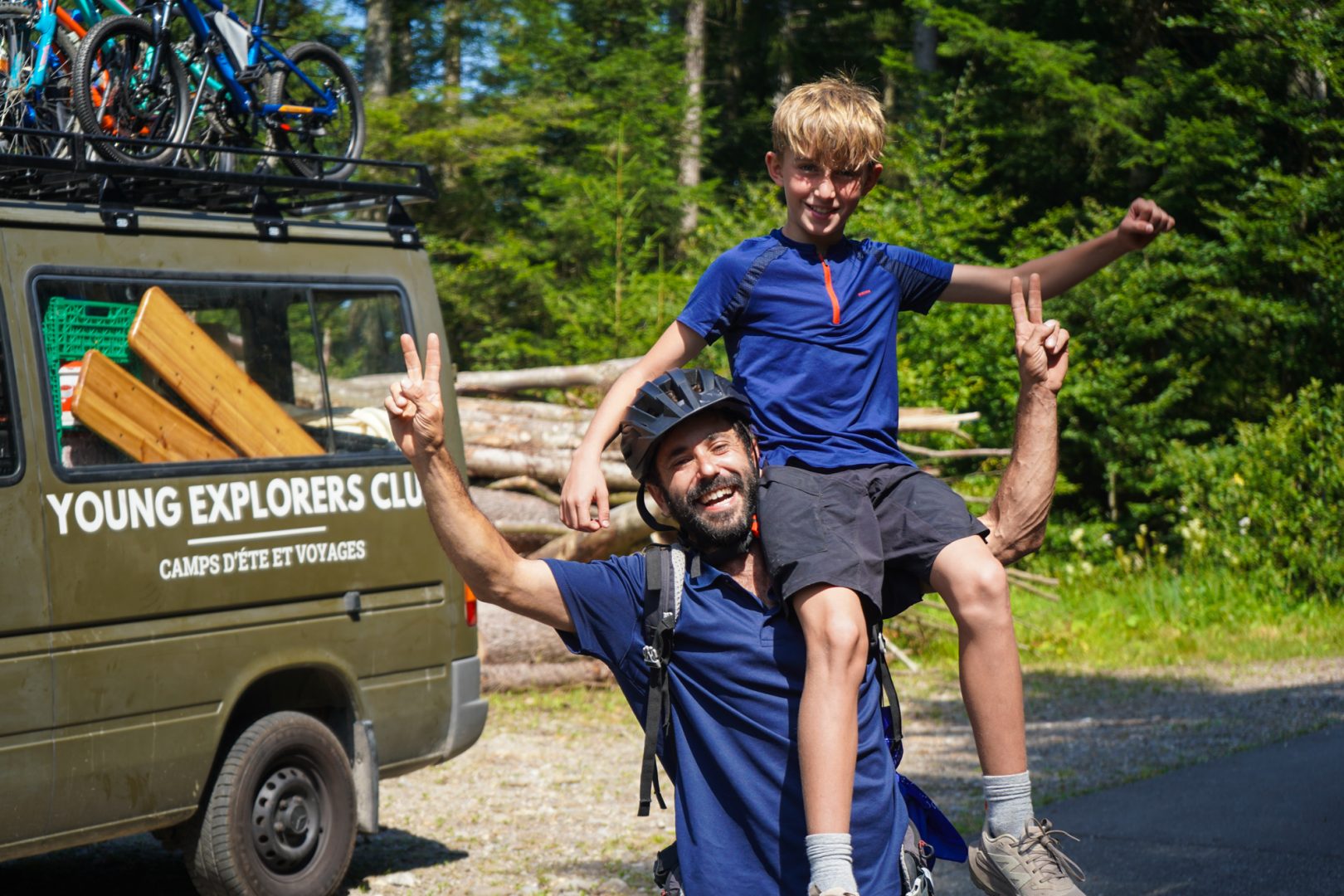
We, at the young explorers club, place campers in mountain and lakeside settings to reduce social pressure and sharpen attention. These low-distraction sites make it easier for kids to step into speaking exercises without the constant background of screens or urban noise. I design daily rhythms so free time, meals, and small-group tasks create predictable safety; predictable routines lower anxious monitoring and free energy for risk-taking in front of peers.
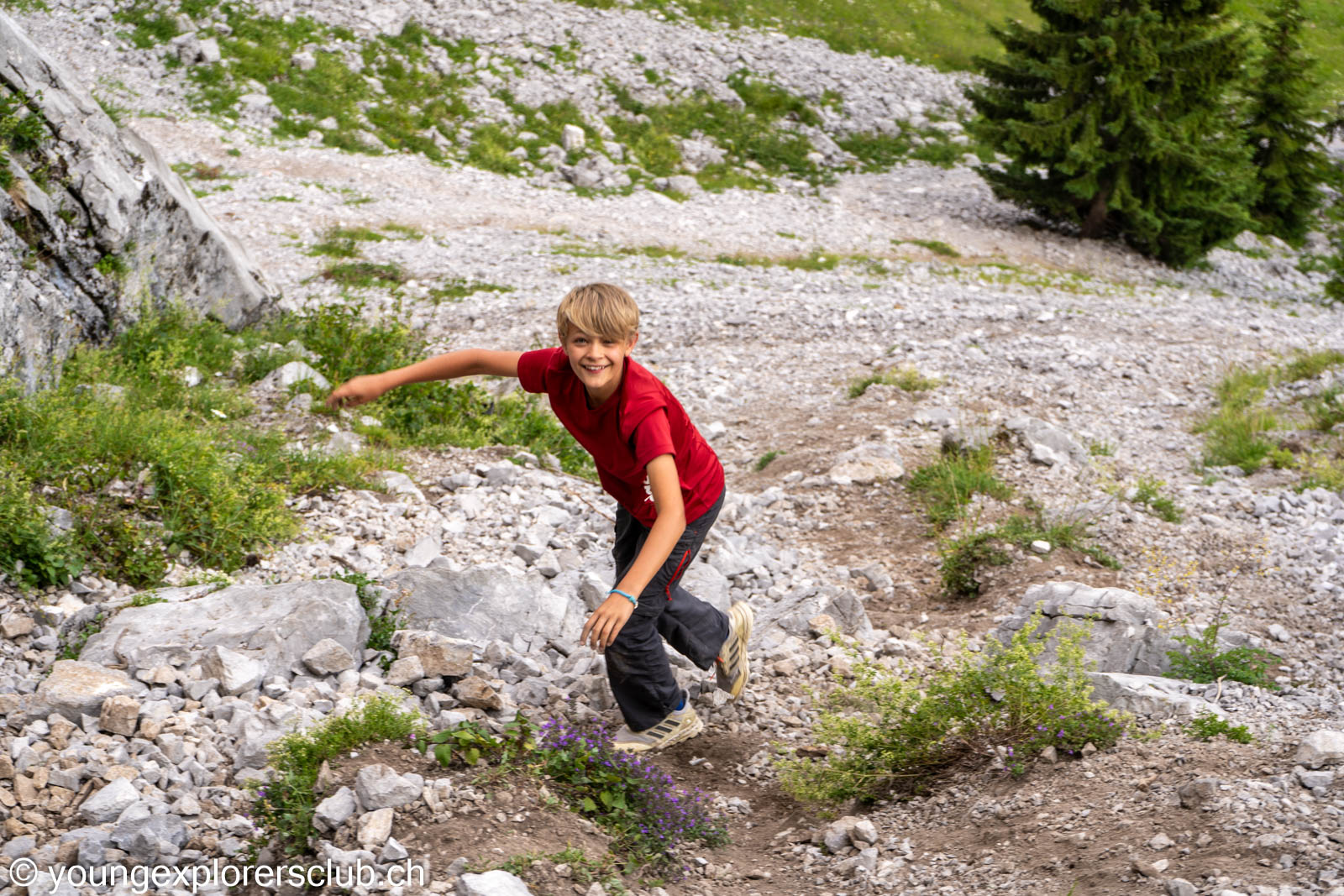
I run 2–4 outdoor team activities per week—hiking, ropes courses, canoe teams—so groups form quickly and trust accumulates. The practical effects show up fast in how campers volunteer for short speeches and role-plays. To translate trust into speaking practice, I recommend these program elements:
- Short, structured risks each day (30–90 seconds of speaking) to normalize brief public attempts.
- Mixed-skill teams for activities so stronger communicators model vulnerability.
- Reflection circles after activities to highlight moments of courage and specific language used.
- Progressive exposure: private prompts → small group → full-camp showcase.
Each element reduces social-evaluative threat and makes public speaking feel like a cooperative task rather than a performance trap.
International mix, measurable spillovers and psychological mechanism
I recruit international cohorts so kids practice real-world communication. Sessions often include participants from 10–30+ countries, which forces simple, direct speech and frequent peer feedback. That variety accelerates adaptive speaking strategies—shorter sentences, clearer posture, more repetition—and gives campers more chances to succeed with different audiences.
Program evaluations show clear post-camp spillovers: roughly 50%–70% of campers report increased class participation, and about 30%–50% take on leadership roles or new extracurricular speaking activities within three months. I tie those outcomes to two psychological effects:
- Novel, low-threat environments lower social-evaluative threat and reduce shame-based avoidance.
- Frequent low-stakes practice in mixed groups boosts perceived competence, which encourages more public attempts back home.
I measure progress with simple pre/post surveys that include a self-reported sense-of-safety scale and items on willingness to speak in class. Those metrics reliably track the shifts we see in teacher reports and parent feedback. For programs running multiple sessions, I compare changes across cohorts to spot which activity mixes produce the largest gains.
Practical advice I give to camp directors and parents:
- Keep exposure frequent but short; repeated 30–90 second tasks beat rare long performances.
- Combine adventure tasks with debriefs that name skills used—this creates visible transfer to classroom speaking.
- Encourage international pairings in activities to force real communication adjustments.
- Use pre/post safety ratings to spot kids who need extra scaffolding and to quantify program impact.
For examples of how outdoor programs specifically boost speaking outcomes, read our page on how camps build confidence and resilience for further tactics and evidence.

Measurement, reported outcomes, case examples and practical replication steps
We, at the young explorers club, measure progress with simple, reliable tools. We combine self-ratings, adapted anxiety scales, instructor rubrics and objective behavior counts.
Measurement tools I use include:
- Pre/post 1–10 confidence scale to capture perceived change.
- Adapted anxiety scales using Social Phobia items for symptom tracking.
- Instructor rubrics for skill elements (eye contact, structure, stage presence).
- Objective counts such as voluntary speeches delivered and minutes presented.
Typical reported outcomes across sessions show clear gains. Self-rated confidence often rises +20%–+50% over a two-week session. Reported anxiety drops run about 15%–40%. After camp, 65%–85% of campers say they “feel ready to speak in class/school.” Follow-up behavior shows 40%–60% continue practice by joining clubs or giving presentations within three months.
Example data snippet: pre-camp mean confidence = 4.2 (SD 1.3); post-camp mean = 6.1 (SD 1.4); mean increase = +1.9 points (+45%).
Case examples that illustrate typical trajectories:
- Individual: a 13-year-old international camper entered with confidence 3/10. After the two-week session they were 7/10, delivered a six-minute TED-style talk on Day 10, and joined the school debate team within six weeks.
- Group: a cohort of 24 campers from 12 countries showed a pre/post mean confidence increase of +35%; 75% reported they were more likely to volunteer in class after camp.
Replication blueprint & measurement plan
Use the following practical checklist to reproduce the effect in schools or at home:
- Structure: run a two-week module with small groups of 6–12 participants.
- Daily practice: schedule 30–60 minutes of focused speaking work each day.
- Social skills: include two outdoor trust-building sessions per week to lower anxiety and build rapport.
- Culmination: end with a public showcase where every camper presents.
- Staffing: at least one trained facilitator per group, with session ratios of 1:4–1:8.
- Measurement: use pre/post 1–10 confidence scale plus a three-month follow-up survey.
- Targets: set an aim of +20%–40% self-rated improvement over two weeks.
- Evaluation protocol: pre-survey Day 1, end-of-camp survey Day 14, three-month email follow-up (anchors: 1 = not confident at all, 10 = extremely confident).
- Low-cost variants: replicate core elements in day-camp or weekend intensive formats to reduce expense.
Practical note on expectations: One camp won’t cure deep anxiety overnight, but staged exposure plus focused coaching produces measurable short-term gains (typical confidence +20%–50%, anxiety down 15%–40%). Cost concerns are valid; we offer models that concentrate daily practice and small-group feedback into shorter, less expensive formats. For practical examples and program ideas, see our public speaking camps.

Sources
Toastmasters International — Youth Leadership Program
American Psychological Association — Social anxiety disorder
Learning-Theories.com — Kolb’s Experiential Learning Cycle
NCBI — Exposure therapy for anxiety disorders: a meta-analysis
Federal Statistical Office (Switzerland) — Education and science
EF Education First — EF English Proficiency Index
TED — How to give a great talk