How To Pack Light For A Three-week Camp Stay
Pack light for a three-week camp: 7–10 day laundry cycles, 40–65L bag, ~11–14kg, capsule wardrobe and essential safety gear—check baggage rules.
Trip Overview
We plan a three-week camp kit around 2–3 laundry cycles and a 7–10 day clothing rotation. That approach lets you pack a compact capsule wardrobe instead of clothes for all 21 nights. Aim for a lightweight, organized setup: a 40–65 L main bag and about 11–14 kg total (daypack excluded). Choose technical, quick-dry fabrics, limit shoes, carry compact toiletries and essential safety items. We’ll confirm camp and transport baggage policies before departure.
Key Takeaways
- Plan 2–3 laundry cycles (wash every 7–10 days) and pack for the laundry interval, not the entire 21 nights.
- Target a 40–65 L main bag and ~11–14 kg total weight (daypack excluded); choose smaller volume if you’ll carry it.
- Use a capsule wardrobe (~9–11 tops, 3–4 bottoms, 10–14 underwear, 8–12 socks). Pick merino or other technical fabrics. Stick to 2–3 pairs of shoes.
- Bring essential safety items and ID: headlamp, whistle, emergency-contact card, small cash, and a compact first-aid kit. Label all belongings.
- Pack smart: use packing cubes or compression sacks. Wear bulky items on travel day. Keep electronics to a minimum. Rent specialty gear when you can.
Packing Suggestions
- Clothing
- Tops: 9–11 quick-dry shirts (mix of short- and long-sleeve depending on climate).
- Bottoms: 3–4 pairs (lightweight hiking pants, shorts, convertible pants if desired).
- Underwear & socks: 10–14 underwear, 8–12 socks—favor merino or synthetic blends.
- Outer layers: Lightweight insulated layer and waterproof shell.
- Shoes: 2–3 pairs (hiking shoes/boots, camp shoes, optional sandals).
- Toiletries & small gear: compact toiletries, small towel, sunscreen, insect repellent.
- Safety & documents: ID, emergency-contact card, small cash, headlamp, whistle, compact first-aid kit.
- Organization: packing cubes, compression sacks, label tags, lightweight stuff sacks for laundry.
Practical Tips
Confirm baggage policies with your camp and transport providers before departure to avoid surprises. If you’ll be carrying your main bag, aim for the lower end of the volume and weight ranges. Prioritize multi-use items, limit electronics, and consider renting or borrowing bulky specialty gear at the destination.
Essential planning: volume, weight, laundry and safety
We, at the young explorers club, plan clothing around two to three laundry cycles for a 21-night stay. A practical schedule is start, wash after 7 days and wash after 14 days. With two cycles you only need a 7–10 day rotation rather than packing for the full 21 nights. Use this formula: needed items = daily need × laundry interval + spares. For example: 1 top/day × 7 days + 2 spares = 9 tops. That laundry strategy typically reduces clothing needed by about 40–60% compared with no-laundry packing.
I aim for a target total luggage weight (not including the daypack) of 11–14 kg (25–30 lb) for a light, comfortable kit. Many airlines set an absolute checked-bag maximum near 23 kg / 50 lb — confirm your specific carrier and factor any camp transport baggage allowances. Choose a 40–65 L main bag (backpack or duffel): 40–50 L if you’ll carry it; 55–65 L if you must pack bulky items like a sleeping bag or extra boots. To give scale: a 40 L pack fits a capsule wardrobe (9–12 tops, 4–6 bottoms, sleepwear, toiletries); a 65 L pack allows bulky items and multiple footwear pairs.
We always check transport rules and adapt volume to the trip. Compare your kit against the typical airline limit and the camp’s baggage policy before you leave. We also stress one packing shortcut: pack for the laundry interval, not the entire stay. For a compact checklist and specifics you can consult our summer packing list.
We label everything — durable luggage tags plus an inside ID card — so lost items return quickly. Weather can change fast at camp; check forecasts 3–7 days before departure and adapt outer layers. Expect temperature swings up to 10–15°C between day and night in many camp locations.
Pack the following safety items
- Headlamp (100–200 lumens)
- Whistle for signaling
- Emergency contact card with camp and family numbers
- Small cash (~$20–50) in local currency
- Basic first-aid items (plasters, antiseptic wipes, blister treatment)

Quick packing templates: Minimal, Activity-Focused, Counselor
We give three ready-to-use templates you can adapt fast for a three-week camp stay. We, at the young explorers club, keep these compact so parents and staff can pack with confidence.
Ready-to-use lists
Below are the three templates. Each list assumes laundry every 7–10 days so you can cut counts without stress.
-
Minimal Camper — 40–45 L, 11–12 kg
- 9 tops (5 short, 3 long, 1 thermal) — total 9–13 tops fits the category’s lower end
- 3 bottoms (2 pants, 1 shorts)
- 10 underwear — fits the 10–14 underwear guideline
- 8 socks
- Lightweight jacket (~350 g)
- Rain shell
- 1 pair hiking shoes (trail runners)
- Sandals
- Micro towel
- Toiletries (30–60 mL each) — remember to leave full-size toiletries at home
- Power bank 10,000 mAh
- Headlamp (100–200 lumens)
- Small first-aid kit
-
Activity-Focused — 50–60 L, 13–15 kg
- 11–13 tops (mix of quick-dry and a couple warmer layers)
- 4 bottoms (include convertible pants)
- 12 underwear
- 10–12 socks
- Packable down 350–450 g
- Rain jacket
- Dry bag 10 L
- Daypack 20–30 L
- Water shoes and hiking boots
- Extra activity gear as needed (climbing/paddling kit, gloves, harness covers)
- Small repair kit for technical gear
-
Counselor — 55–65 L, 14–16+ kg
- About 14 tops to cover extra shifts and spills
- 4–5 bottoms
- 12–14 underwear to give flexible rotation
- Two pairs of shoes (trail runners + casual/work shoes)
- Packable warm layer and rain shell
- Laptop/tablet (optional) protected in a sleeve
- Extra supplies: tape, repair kit, markers, spare clipboards or small teaching aids
- Power bank and a practical charging routine for duties
Laundry cycles, what to leave home and a packing rule
We recommend washing clothes every 7–10 days; that cycle is why counts are low and realistic. Check the camp’s schedule and gear list before you pack so you don’t duplicate items they provide (bedding, towels, specific safety gear). For activity-focused weeks, add one extra change for wet or dirty days.
Leave these at home:
- Full-size toiletries — leave full-size toiletries and bring travel bottles instead.
- Multiple heavy shoes — one solid hiking pair plus light sandals is usually enough.
- Non-essential electronics — reduce weight and distractions.
- Extra shirts for every single day — laundry removes that need.
Packing rule: Explain in one sentence why you need each item; if you can’t, don’t pack it.

Clothing capsule and footwear: counts, fabrics, layering and shoe strategy
We, at the young explorers club, recommend a capsule wardrobe for a three-week camp with laundry every seven days. Avoid cotton except for sleepwear and favor lightweight technical fabrics that dry fast and resist odor.
Capsule counts and fabrics
Below are the counts and fabric notes to pack light and stay flexible:
- Tops — 9–11 tops total: 5–7 short sleeve, 3–4 long sleeve. This mix covers daily wear plus spares.
- Bottoms — 3–4 bottoms: 2 convertible/hiking pants, 1 casual, 1 shorts. Keeps variety without bulk.
- Underwear — 10–14 to allow a 7-day wash cycle plus wet-day spares.
- Socks — 8–12 (include 3–4 hiking socks).
- Base layers/thermals — 1–2 sets if nights get cold.
- Outer layers — 1 lightweight rain jacket and 1 insulating layer (packable down 300–400 g).
- Sleepwear — 1–2 sets; cotton OK here.
- Swimwear — 1–2 suits.
Fabric guidance:
- Favor merino wool and synthetic blends. Merino resists odors and can be worn multiple days.
- Technical synthetics dry 2–3× faster than cotton, cutting drying time and reducing spare garments.
Use the packing formula: 7–10 tops = (7 days × 1 top/day) + 2 spares. Outfit math shows 9 tops × 3 bottoms = 27 permutations; layering multiplies that further.
Footwear strategy
Limit shoes to 2–3 pairs. Choose a durable walking/hiking pair, quick-dry sandals for showers and water, and an optional casual shoe. I suggest trail runners for weight savings or waterproof hiking shoes for wet conditions. Wear your bulkiest pair on travel day to save pack volume and weight, and break them in 2 weeks before departure.
Expect a hiking pair to weigh roughly 0.9–1.4 kg.
Recommended models:
- Salomon Speedcross
- HOKA Speedgoat
- Merrell Moab
- Sandals like Teva/Chaco
For more packing ideas see what to pack.

Activity gear, bedding and towels: what to bring, rent or skip
I recommend matching kit to the activities on your camp schedule and avoiding duplicate specialty items. We, at the young explorers club, tell families to rent or borrow specialty gear if a sport or challenge appears only once or twice. That saves weight and suitcase space and keeps packing simple.
For day hikes bring a compact, comfortable hiking setup: a daypack 20–30 L, a 1–2 L water bottle, trail snacks, a sun hat and sunscreen SPF 30+. Add gaiters if trails will be muddy; they pack flat and prevent soaked socks. Keep clothing layers light and breathable so you can adapt to quick weather shifts.
For water sports favour quick-dry swimwear and protective footwear. I recommend water shoes (Keen) or a similar model with good toe protection and secure straps. Bring a dry bag 5–10 L for a phone, spare clothes and snacks, plus a waterproof phone case if you plan to film or use your device on the water. If boating is rare at camp, rent or borrow specialty gear rather than packing heavy equipment.
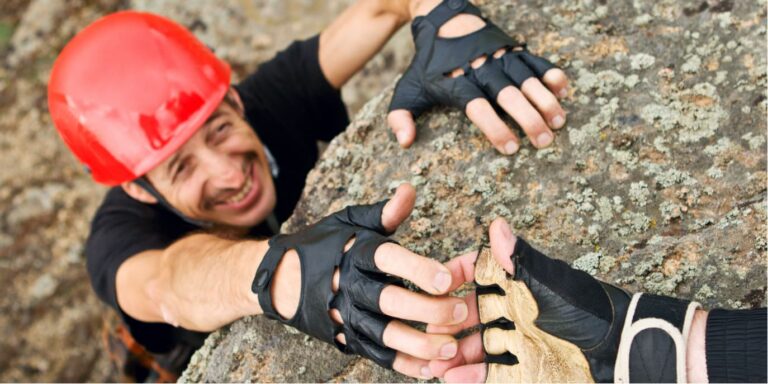
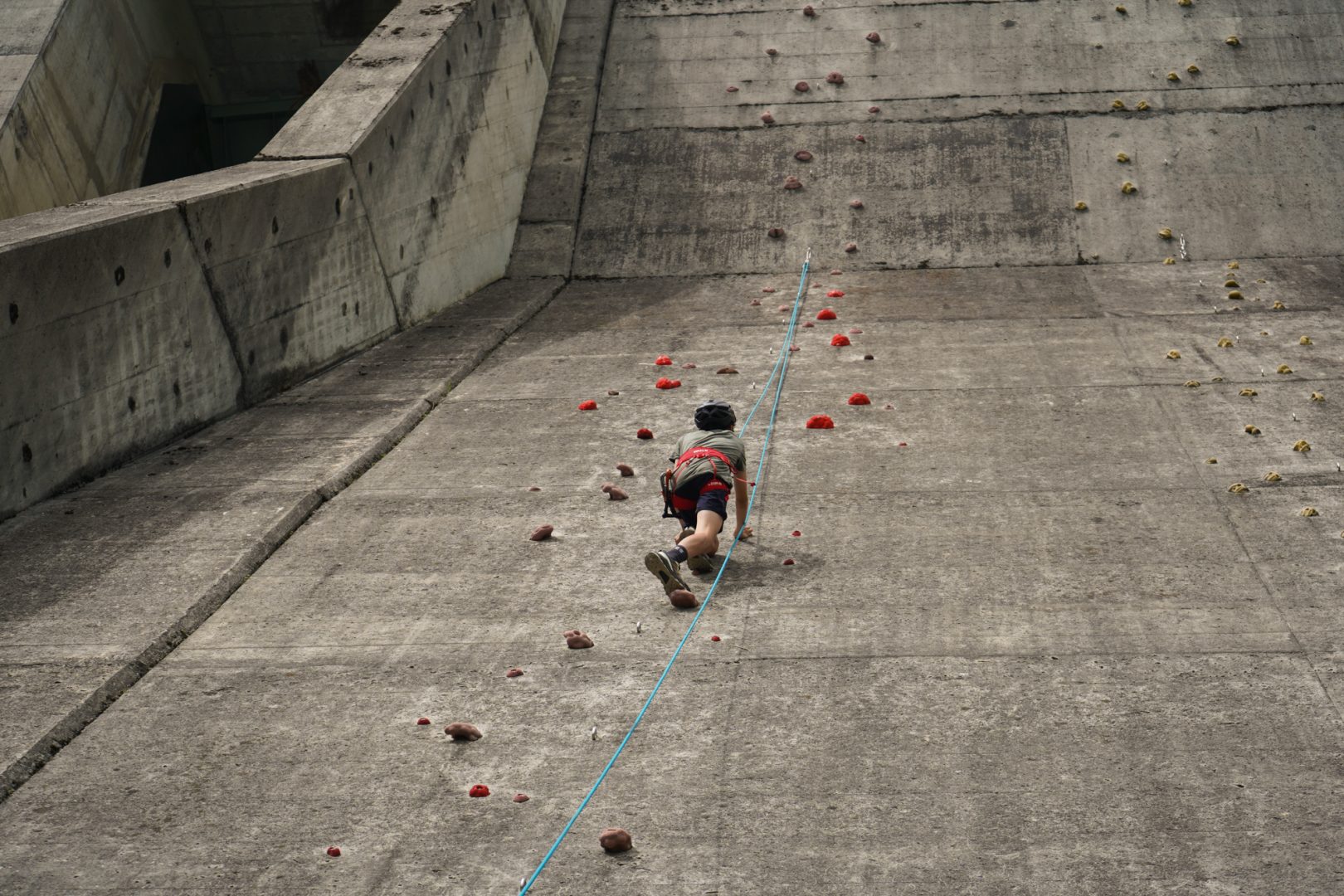
For ropes courses and climbing include one pair of gloves and a long-sleeve layer to protect forearms from friction. Gloves are cheap to carry and make a big difference in comfort. Avoid bulky personal harnesses unless the camp specifically asks for them.
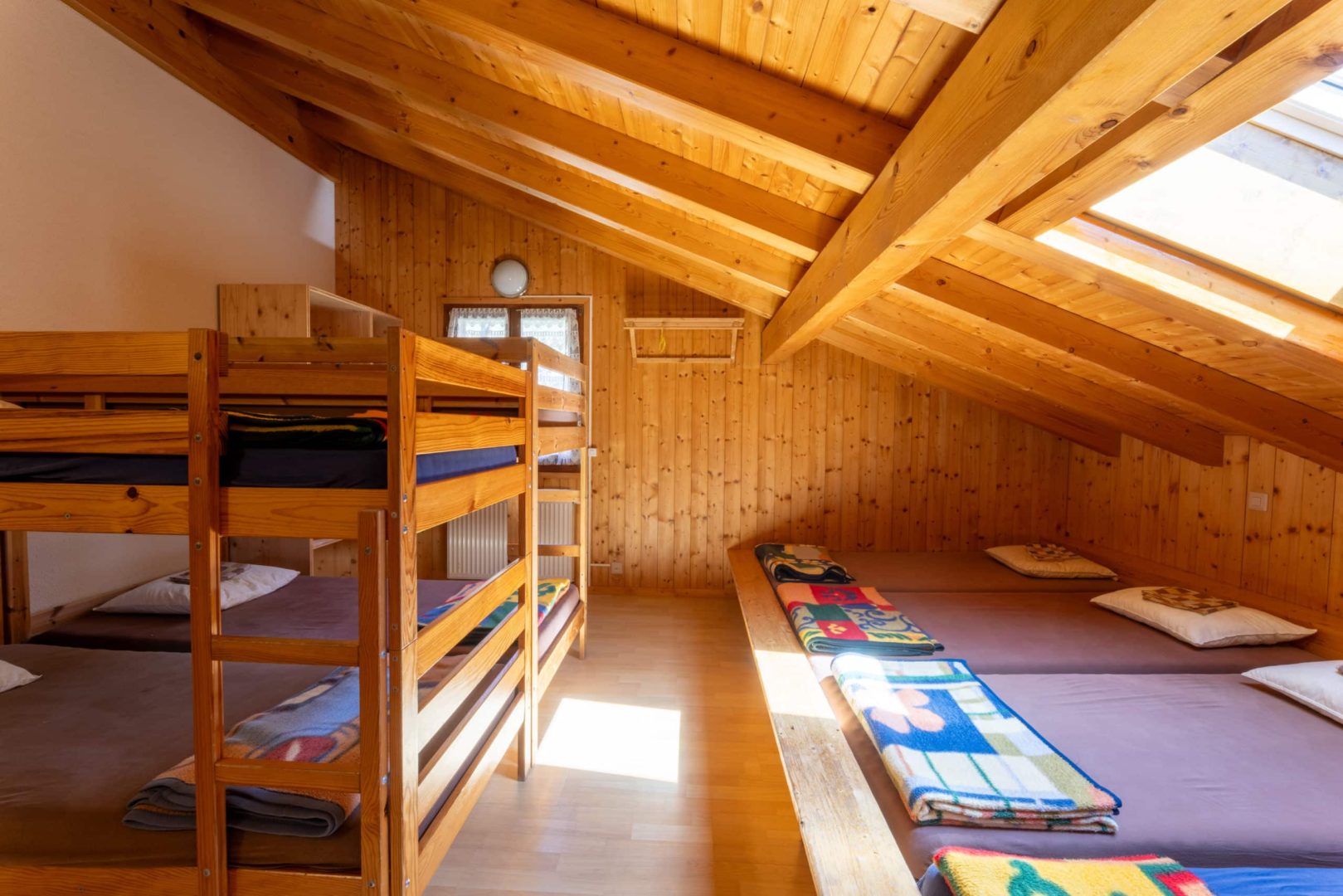
Confirm bedding policy before you pack. If the camp supplies sheets and pillows, skip duplicating those items. If bedding isn’t provided, bring either a lightweight sleeping bag or a liner. Aim for a sleeping bag 500–900 g for summer trips; a summer bag 10–15°C rating covers most mild alpine and lowland camps. For very warm nights a simple liner can replace a full bag and cuts weight.
Choose a towel that dries fast and packs small. A microfiber towel 60×120 cm is the sweet spot for shower and lake use and typically dries 1–2 hours. For a pillow use a compressible travel pillow or a stuff-sack filled with clothes — that trick saves roughly 300–500 g and gives good loft.
We favour down if weight and compressibility are top priorities, but note it loses insulation when wet. Synthetic is heavier and bulkier but preserves loft when damp and dries faster. Decide based on likely wet conditions and how much you want to compress your kit.
Recommended items to pack or rent
Below are items I recommend you either pack or arrange to rent/borrow before camp:
- daypack 20–30 L
- 1–2 L water bottle
- dry bag 5–10 L (Sea to Summit or similar)
- water shoes (Keen)
- quick-dry swimwear
- gloves (1 pair) and a long-sleeve layer for ropes courses
- sleeping bag 500–900 g or Sea to Summit Reactor liner (summer bag 10–15°C rating)
- microfiber towel 60×120 cm (PackTowl Personal; dries 1–2 hours)
- compressible travel pillow or stuff-sack for clothes
For fuller packing guidance, check what to pack from our essentials page; it lines up with light-packing choices and helps you decide what to rent or bring.
https://youtu.be/oBnHz4C4SfI
Toiletries, laundry care and first aid: minimize volume and care for garments
We cut weight by choosing solids and concentrated liquids. At the Young Explorers Club, we favor compact items that still cover 21 days.
Toiletries: go solid and measure deliberately
We carry travel-sized essentials: 75–100 mL toothpaste and 30–60 mL soap/shampoo when liquids are needed. We swap bottles for solid bars whenever possible, since solid bars (soap/shampoo) save ~30–50% space/weight vs liquids. We bring a biodegradable soap bar or a small liquid for multi-use cleaning. We include a small tube of concentrated toothpaste and a tiny fold-up toothbrush holder to avoid moisture issues. We pack hand sanitizer at the ready and keep the bottle between 60–80% alcohol strength.
We put liquids into clear, leak-proof pouches and limit them to what we’ll actually use. We replace bulky bottles with soap sheets or mini shampoo bars for day-to-day washing and hair rinses.
Laundry routine and compact first-aid checklist
We plan for 2–3 laundry cycles over a 21-day stay and aim to wash every 7–10 days. We confirm the camp’s laundry facilities first; if none exist we sink-wash clothing. We expect active hand-wash time to be 5–10 minutes and drying to take 4–24 hours depending on fabric and airflow. We pack a 2–3 m clothesline and plastic clips. We carry either 10–20 laundry strips or a 30–60 mL concentrated detergent bottle; strips and soap sheets save weight and eliminate leaks.
We follow this small, fast hand-wash method:
- Fill a basin or sink with 4–8 L warm water.
- Add ~10–15 mL detergent or drop in one laundry strip.
- Agitate garments for 3–5 minutes, then let them soak briefly.
- Rinse twice, wring gently, and hang to dry in a ventilated spot.
We prepare medicines and first aid to avoid surprises and keep prescriptions accessible in original packaging, with a folded note listing generic names and dosages. We also bring an extra ~30% supply of prescriptions (roughly 7–10 days extra) stored separately from the originals.
We pack the compact first-aid items below and fit them into a single pouch for day hikes or cabin use:
- 6–12 blister pads
- 10–20 adhesive bandages
- Antiseptic wipes (pack of ~10)
- Small tube topical antiseptic/ointment
- Ibuprofen and paracetamol in travel quantities
- Hand sanitizer 60–80%
- Any prescription meds plus folded dosage note
- Compact Adventure Medical Kits–style kit and blister products (Compeed or equivalent)
We keep the first-aid pouch in an easy-to-reach place and teach campers basic self-care for blisters and minor cuts. We recommend checking full packing lists before departure; for a detailed list see what to pack.

Electronics, important documents and packing techniques for a light, organized bag
Electronics and essential documents
We, at the young explorers club, prefer to keep devices minimal for a three-week stay. One phone plus one accessory cuts weight and chargers. Limit devices to 1–2 (phone plus an e-reader or small tablet). The ideal setup uses one charging cable and a single power bank in the 10,000–20,000 mAh range. A 10,000 mAh bank gives roughly 2–3 full phone charges; a 20,000 mAh bank gives about 4–6 charges depending on the phone. Expect typical power bank weight around 200–400 g. Consider a Kindle Paperwhite (180–200 g) if you want books without bulk.
Use the list below to double-check what goes in your electronics and documents pouch:
- Devices: phone and optional e-reader/tablet (keep it light).
- Chargers: one charging cable, wall adapter, and the power bank.
- Documents to carry physically: ID, camp registration papers, insurance card, emergency contact list, and copies of prescriptions.
- Backup copies: keep both physical and digital versions and email copies to a trusted contact.
- Security: store photocopies of ID and medical forms in a waterproof bag and keep a digital photo in your phone.
Keep gadgets in a small top-access pocket for quick security checks. I recommend a slim organizer pouch so cords don’t tangle.
Packing techniques for space and order
Use packing cubes and compression tactics to save space and keep gear accessible. Compression sacks reduce volume 30–50% for clothing and sleeping bags when used correctly. A 10 L clothing cube compressed with a compression sack often shrinks to about 5–7 L, freeing space for other gear. Rolling saves 10–20% versus loose folding—combine rolling with packing cubes for best results. Bundle-wrapping keeps wrinkles down for nicer items.
Follow a simple packing order to keep balance and comfort:
- Place the heaviest items close to the back panel.
- Compress the sleeping bag and stash it at the bottom.
- Put packing cubes in the middle for core clothing.
- Keep toiletries in a top-access pocket for quick reach.
Wear bulky items during travel to reduce pack volume and weight. Test your pack before departure: if it feels overloaded, rethink extras and stick to the essentials. Check our what to pack checklist for more packing ideas.
Sources
REI Co-op — How to Pack Light for a Trip
Backpacker — How to Pack Light
American Camp Association — Health & Safety Checklist for Campers and Staff
Federal Aviation Administration — Baggage Information for Travelers
Consumer Reports — How to Pack a Suitcase (Packing Tips)
Adventure Medical Kits — First Aid Information & Kit Guidance
Sea to Summit — Travel Towels & Product Information
Icebreaker — Merino Wool: Benefits and Care
Smartwool — What Is Merino Wool?
REI Co-op — Down vs. Synthetic Insulation
National Weather Service (JetStream) — Diurnal Temperature Range