Multi-sport Camps: Variety For Young Athletes
Multi-sport camps build movement literacy and transferable skills, reduce injury/burnout, with age-appropriate sessions, certified staff.
Multi-sport camps: Approach and benefits
Overview
Multi-sport camps rotate activities and pair play-based learning with intentional cross-training. This approach builds movement literacy and transferable skills, and it lowers injury and burnout compared with single-sport specialization. We design programs with age-appropriate session blocks, load management, certified staff and measurable metrics. Those measures improve fitness, boost motivation, and support long-term participation.
Key Takeaways
- Rotating sports and play-based progressions speed up movement literacy and transferable sport skills.
- Sampling multiple activities reduces overuse injuries and burnout, and raises the chance of continued participation.
- Use age-specific session structures to balance learning and load: short rotations for 5–8, 30–45 minute skill blocks for 9–12, and more specialized work for teens.
- Enforce safety and load management: certified coaches, proper coach-to-player ratios, standardized warm-ups and cooldowns, RPE×minutes tracking, and clear emergency protocols.
- Measure and share outcomes (skill gains, retention, injury rates, satisfaction) and use those data to guide program changes and inform families.
Program design recommendations
Age-specific session structures
- Ages 5–8: Short rotations and highly play-based activities to build basic movement patterns and engagement.
- Ages 9–12: 30–45 minute skill blocks that combine play-based progressions with deliberate practice for fundamental sport skills.
- Teens: More specialized work, gradual increases in load, and opportunities for choice and ownership to support advanced skill transfer and motivation.
Staffing and load management
- Certified staff trained in child development, safe progressions, and emergency response.
- Appropriate coach-to-player ratios to allow supervision, feedback, and individualized load adjustments.
- Standardized warm-ups and cooldowns to reduce injury risk and improve readiness.
- Track load using RPE×minutes and simple logs to spot spikes and prevent overuse.
- Clear emergency protocols and accessible first-aid resources.
Measurement and outcomes
Collecting and sharing data makes programs accountable and helps refine design. Key metrics to track include:
- Skill gains (pre/post assessments or observable progressions)
- Retention and repeat enrollment
- Injury rates and incident reports
- Participant and parent satisfaction surveys
Use these metrics to iterate on sessions, communicate progress to families, and demonstrate the long-term benefits of a multi-sport, play-based approach.
https://youtu.be/V0k0kCVlY_w
What Multi-Sport Camps Are and Why They Matter
We, at the Young Explorers Club, run programs that rotate sports across days or sessions so kids get exposure to soccer, basketball, baseball, swimming, tennis and athletics instead of a single-sport focus. These multi-sport camps pair varied skill practice with play-based learning and deliberate cross-training; that mix builds movement literacy faster than repetitive drills in one sport.
Key benefits and common formats
Below are the main reasons multi-sport camps matter and the formats you’ll commonly find.
- Better overall athleticism: Rotating sports develops balance, coordination, spatial awareness and sport-specific skills that transfer. We program drills so motor patterns complement each other rather than clash.
- Lower injury and burnout risk: Sampling different movement demands reduces repetitive strain on growing bodies and keeps motivation high. Coaches rotate intensity and recovery days to manage load.
- Stronger long-term engagement: Variety keeps kids curious and confident, which increases the chance they’ll stay active into adolescence. We emphasize fun and mastery over early specialization.
- Public-health reach and scale: Multi-sport programming can influence population-level activity because millions attend camps. 11 million children attend camps annually (ACA), which shows multi-sport models can affect large numbers of youth and support healthier habits.
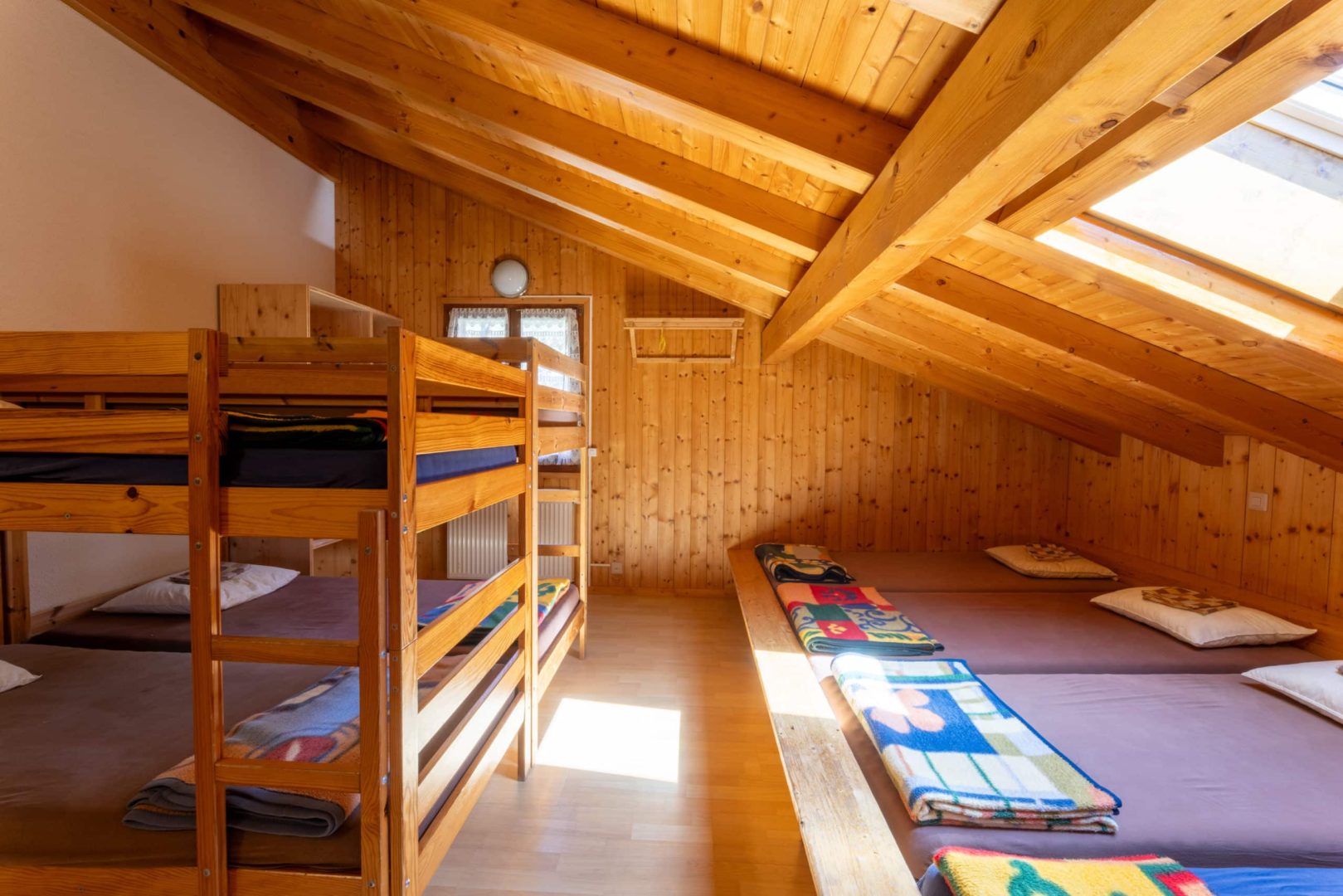
- Typical camp types: Day, Overnight, Holiday/Seasonal and Travel formats each suit different family needs and training goals. We design session blocks to match the chosen format so campers get consistent cross-training even on short stays.
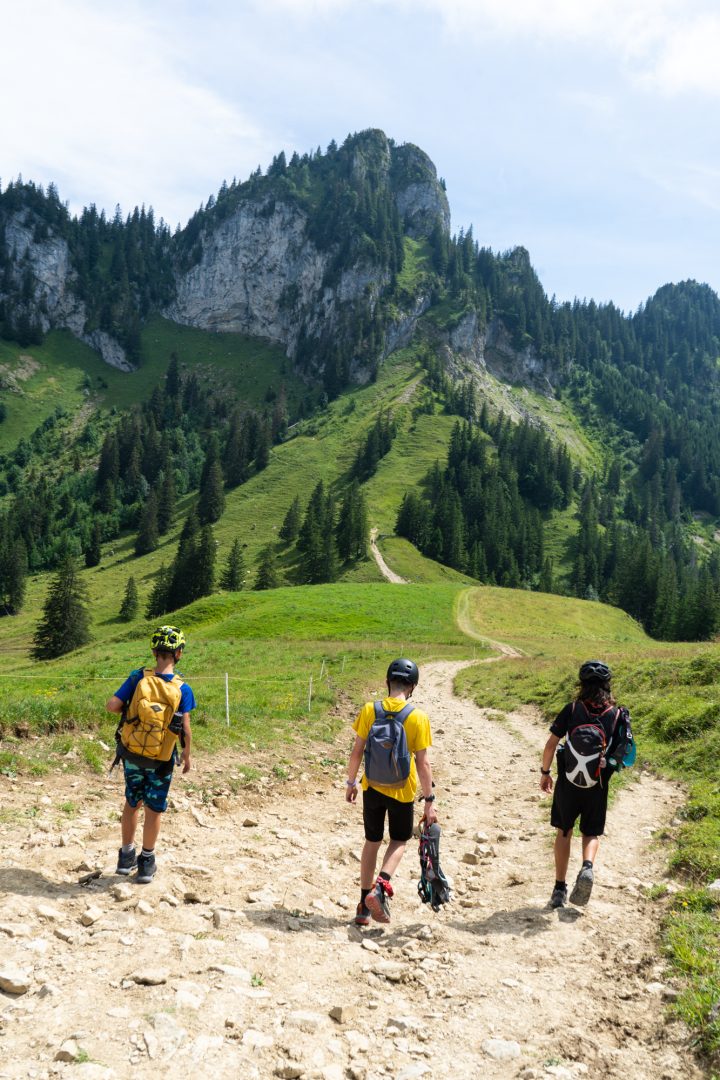
For a practical preview of daily flow and what families can expect, see what kids should expect at a Swiss outdoor adventure camp. That example shows how sessions rotate, how coaches structure recovery, and how play-based progressions look across a week.

Benefits for Young Athletes: Physical, Mental and Long-Term Gains
Physical development and injury resilience
We see multi-sport exposure build broader movement literacy faster than single-sport repetition. Kids develop general motor skills, aerobic endurance, strength and agility through varied movement patterns and load distribution. This variety spreads mechanical stress across tissues, which helps lower overuse risk and strengthens complementary muscle groups.
Below are the practical physical gains I emphasize for parents and coaches:
- Improved coordination and balance from cross-disciplinary drills.
- Greater aerobic capacity from alternating endurance and interval activities.
- Functional strength from sport-specific and cross-training movements.
- Enhanced agility and proprioception from diverse footwork and reaction work.
- Reduced overuse stress because loads aren’t concentrated in one pattern.
Specialized youth athletes have been shown to be about 1.5x more likely to sustain overuse injuries than multi-sport peers (Jayanthi et al.). That finding comes from a large cohort-style analysis that controlled for training hours and covered multiple sports, and it aligns with what I watch on the field and trail.
Structured multi-sport camps are an efficient way to deliver moderate-to-vigorous activity while managing load. The CDC recommends 60 minutes per day of MVPA for ages 6–17, and about 24% of kids currently meet that guideline (CDC). We use rotating sessions to make hitting daily activity targets realistic and fun.
Mental health, motivation and long-term success
We rotate sports to lower burnout and keep enjoyment high. Rotating challenges keeps learning fresh and boosts intrinsic motivation. Evidence shows multi-sport exposure correlates with higher long-term participation and sustained motivation compared with early specialization (Jayanthi et al.). That pattern shows up again in retention and adult participation rates.
I recommend thinking of long-term athletic development as staged exposure, not early lock-in. Many elite athletes report multi-sport backgrounds; those experiences create transferable skills—spatial awareness, decision speed, and adaptability—that benefit later specialization. The AAP Clinical Report also discourages early season-long single-sport focus and recommends delaying specialization for most kids (AAP Clinical Report).
We make camp schedules that mix skill transfer and recovery. Parents and coaches should look for programs that:
- rotate intensity and skill focus daily,
- prioritize play and competence over year-round specialization,
- and teach load management and self-awareness.
Our camps emphasize fun while building confidence. For practical examples of how varied programming boosts fitness and coordination, see our piece on camp activities, which explains session design and progression.
Designing Age-Appropriate Multi-Sport Programs and Sample Schedules
We, at the Young Explorers Club, build programs around clear age-specific goals and practical session structure. For the youngest campers (ages 5–8) I focus on fundamental movement skills, short, play-based tasks and lots of novelty. I use frequent multi-activity rotations every 20–30 minutes so attention stays high and physical load stays varied. For ages 9–12 I shift toward longer technical learning with 30–45 minute “skill block” sessions that teach sport-specific movements, basic tactics and decision-making. For teens 13–16+ I increase tactical complexity and sport specificity while keeping rotation to prevent specialization — I always follow the guideline to avoid season-long single-sport focus for under-13s.
Weekly time allocation should reflect development priorities. I recommend:
- 60–75% skill development focused on progressive drills and guided repetition.
- 15–25% fun or competitive play to apply skills under pressure.
- 10–15% conditioning, mobility and education, including deliberate recovery and injury prevention.
Session-length rationale is simple and evidence-aligned. Shorter, frequent rotations reduce cognitive fatigue and repetitive load in younger children. Longer 30–45 minute blocks suit ages 9–12 where focused technical learning happens. I schedule regular recovery breaks and snack windows to support hydration, attention and tissue recovery. Include a light mobility session on high-load days and rotate primary movement patterns each session to lower overuse risk.
Color-coding intensity improves coach clarity and parent communication. I suggest:
- Green = low intensity/recovery (warm-up, snack, cooldown)
- Yellow = skill development (30–45 minute “skill block” sessions)
- Orange = moderate/high intensity (conditioning circuits, scrimmages)
Place hydration/snack breaks after every 45–60 minutes of moderate or higher intensity. For conditioning ideas and coordination drills see conditioning.
Sample schedules
Below are templates you can copy, adapt or color-code for staff and families.
-
Half-day (ages 5–8) sample:
- 9:00–9:15 arrival/warm-up (low intensity)
- 9:15–9:35 rotation 1 (20 min)
- 9:35–9:55 rotation 2 (20 min)
- 9:55–10:10 snack/recovery
- 10:10–10:30 rotation 3 (20 min)
- 10:30–11:00 group play/cooldown
-
Full-day (ages 9–12) sample:
- 9:00–9:30 warm-up & movement games
- 9:30–10:15 sport A skills
- 10:15–10:30 snack/recovery
- 10:30–11:15 sport B skills
- 11:15–12:00 mini-games
- 12:00–1:00 lunch/free play
- 1:00–1:45 conditioning/coordination circuit
- 1:45–2:30 sport C scrimmages
- 2:30–3:00 cooldown/reflection
-
Overnight week template:
- Daily structure mirrors the full-day sample with evening low-intensity activities (skill workshops, team-building) and morning recovery sessions (mobility/stretch 20 min).
- Keep one lighter day mid-week for active recovery and social time.
Program notes for coaches and administrators
- Use “rotation” often in staff briefings so everyone understands pacing and equipment needs.
- Keep drills short and progressive in younger groups; lengthen challenge and decision-making in older groups.
- Track load across days and avoid repeating the same high-impact task more than twice without a recovery day.
- Label schedule visuals with the color-coding system for instant intensity recognition.
- Include the phrase “sample schedule” on public-facing documents so parents know the agenda is a template and may vary.
- Reinforce the program’s age-specific focus in registrations and staff training materials to set expectations and reduce dropouts.
I emphasize transferable movement and variety over early specialization. Coaches should plan rotations, monitor perceived exertion, and prioritize fundamental movement skills in every curriculum block.
Safety, Injury Prevention and Staffing: Qualifications, Ratios and Load Management
Staffing and coach qualifications
At the Young Explorers Club, we set clear minimums for staff training and screening so every session runs safely. Our coaches hold sport-specific coach certification and complete CPR/first aid and concussion training before they lead groups. We require background checks on all staff and have a formal behavioral and classroom management curriculum in pre-camp prep.
We run 6–12 hours of pre-camp training days and schedule in-season refreshers focused on skill progression, safeguarding, and emergency procedures. Coaches get regular feedback cycles and scenario-based drills so decision-making under pressure becomes routine. We track certifications centrally and remove anyone with lapsed CPR/first aid or concussion training from direct supervision until re-certified.
Operational safety, warm-up routines and load management
Below are the practical guidelines and templates we include in camp materials.
- Recommended coach-to-player ratios (guideline):
- Ages 5–7: 1:6
- Ages 8–10: 1:8
- Ages 11–14: 1:10–12
- Ages 15+: 1:12–15 (adjust by activity intensity)
- Mandatory medical and session protocols we enforce:
- Pre-participation screening completed for every camper before arrival.
- Standardized warm-up/cool-down protocols and hydration and nutrition guidance included in daily briefs.
- A written concussion protocol and on-site concussion awareness checks after any head impact.
- A signed Emergency Action Plan (EAP) with AED location, designated EAP leader, parent contact, nearest ER address and estimated travel time.
- Sample warm-up progression (per session):
- Dynamic mobility: 8–10 minutes
- Movement prep: 5 minutes
- Sport-specific skill ramp-up: 5–10 minutes
- Brief skill-focused cooldown and mobility: 5 minutes
- Load-tracking and thresholds:
- Daily load-tracking template: record RPE × minutes for each activity, sum per-session and total daily.
- Use the age-in-hours rule as a conservative weekly guide: weekly organized-sport hours shouldn’t routinely exceed a child’s age in years.
- Flag growth: if weekly total exceeds the age-in-hours rule or sudden RPE spikes occur, reduce planned load and reassess.
- Protocol for reducing load and referral triggers:
- Persistent pain reported by the camper.
- RPE jumps +2 above baseline for two consecutive sessions.
- Noticeable sleep or mood changes.
- Action: reduce organized load by 30–50% immediately and refer for medical follow-up.
- Emergency action checklist to staple to the EAP:
- AED location and access code.
- On-site first aid kit inventory and refill point.
- Designated EAP leader and alternates.
- Parent/guardian contact list for every camper.
- Nearest ER address and estimated travel time from all site gates.
We emphasize variety to lower the risk that specialization increases injury risk; specialized athletes have an overuse injury 1.5× higher risk than multi-sport peers. Coaches monitor training monotony and encourage cross-skill days to protect long-term development. For guidance on how diversified activity improves baseline conditioning and recovery practices, check our piece on physical fitness.
We document every incident and run weekly load reviews so trends emerge before injuries do. Staff know the exact steps for concussion protocol activation and who calls emergency services. Practical prevention, clear roles, and simple tracking keep kids active and returning safely day after day.

Logistics: Equipment, Facilities, Pricing and Parent Communication
Equipment & facilities
We, at the Young Explorers Club, set clear minimums so every session runs smoothly. Below are the essentials we bring or require:
-
Standard equipment checklist:
- Cones (various sizes)
- Agility ladders
- Shin guards for soccer
- Age-appropriate balls: basketballs, soccer balls, baseballs, tennis balls
- Portable goals/nets and rebounders
- Plyometric boxes / soft hurdles
- First aid kits and AED
- Hydration stations / coolers
- Protective gear (helmets if including biking or baseball batting; mouthguards as needed)
-
Facility needs:
- Open grassy field, gymnasium or courts
- Reliable indoor backup for bad weather
- Shaded rest areas and easy access to restrooms
-
Recommended ball sizes by age:
- Youth soccer size 3 for under-8s
- Size 4 for ages 8–12
- Size 5 for 13+
-
Equipment budget per camper:
- Plan $10–$50 per season for replacement and consumables
- Adjust to local prices and buy in bulk where possible
Safety is front and center: an AED and trained first-aid staff are non-negotiable. We also rotate age-appropriate gear each session to reduce injury risk and support steady skill progression.
Pricing, scheduling and parent communication
We price programs to reflect staffing, facility rental and equipment replacement. Typical ranges we use are:
- Half-day: $100–$300 per week
- Full-day: $200–$600 per week
- Overnight: $500–$2,000+ per week depending on amenities
We offer flexible scheduling models: weekly sessions (1–8 weeks), daily drop-in and weekend clinics. Revenue levers we deploy include:
- Sibling discounts
- Early-bird registration
- Multi-week discounts
- Paid add-ons like specialty clinics or private lessons
For sport rotation ideas and inspiration, I point parents to our list of top outdoor activities.
Clear parent communication reduces stress and no-shows. Required documents we collect include:
- Consent form
- Medical / food allergy form
- Emergency contact info
- Photo release
- Concussion / sports injury disclosure
Pre-camp orientation covers the daily schedule, drop-off/pick-up procedures, what to pack, sunscreen/hydration rules and the behavior code. Core topics we emphasize:
- Daily schedule and staff-to-camper ratios
- Drop-off / pick-up procedures and authorized pick-up list
- Packing list (snacks, water bottle, sun protection, extra clothes)
- Health and safety rules (hydration breaks, shade times, injury reporting)
- Behavior expectations and consequences
I send a structured email timeline so parents know what to expect:
- 30 days before: welcome plus logistics and payment reminder
- 14 days before: packing list and any special notes
- 3 days before: final checklist and health-screening reminder
- Day-of: arrival instructions and staff contact info
We provide downloadable packing checklists and an example consent form checklist parents can adapt. Emphasize age-appropriate equipment and safety essentials in every communication so parents arrive confident and campers stay safe.
Measuring Success: Metrics, Case Studies and Templates to Publish
We track both operational health and program impact so families and funders can see real outcomes. We, at the young explorers club, report clear, comparable metrics and use them to improve curriculum, staffing and safety.
Key metrics to track
Below are the core indicators I recommend you collect and publish regularly.
- Operational metrics:
- Enrollment numbers (total and by session)
- Retention year-to-year (retention rate)
- Capacity utilization and average session fill rate
- Revenue per camper/week
- Program effectiveness metrics:
- Skill test improvements (before/after)
- Physical fitness metrics (short shuttle/run time trials)
- Injury rates reported as injury incidence per 1,000 athlete-days
- Camper satisfaction (NPS or % recommend)
- Suggested public benchmarks to aim for:
- >85% camper satisfaction
- <1 injury per 1,000 athlete-days for non-contact multi-sport programs
- Publishable transparency items (examples to include on camp pages or brochures):
- camper-to-staff ratio
- coach certifications
- injury incidence (annual)
- average satisfaction rate
- number of sports offered
- sample daily schedule
How we measure, visualize and share — with case studies
I recommend a three-point testing cadence: baseline on Day 1, midpoint check (midweek or week 2), and final test on the last day. Keep tests simple and repeatable: short shuttle/run, balance and coordination drills, and sport-specific skill tasks. Track load for older athletes to avoid spikes. Visualize progress with line charts for individual improvements and pie charts to explain families’ sport choices.
Case study snapshots show what good measurement looks like in practice:
-
Community YMCA multi-sport camp drove measurable access and retention.
- Baseline: enrollment 60, average age 9.5, 45% on financial aid.
- Intervention: 4-week full-day rotation focusing on fundamental movement and low-cost equipment.
- Outcomes: retention rate increased by 12% year-over-year, >88% satisfaction, injury incidence 0.6 per 1,000 athlete-days (Community YMCA multi-sport camp).
- YMCA Program Lead said, “Kids try new sports and stay active all week — parents loved the variety.”
-
Elite academy multi-sport week focused on development and load monitoring.
- Baseline: enrollment 120 (ages 11–15), average 6 hours/day training.
- Intervention: targeted multi-sport skill blocks, advanced conditioning, 30–45 minute skill blocks and individualized load tracking.
- Outcomes: dribble/serve accuracy improved ~15% on average, retention into academy programs rose, injuries stayed below 1 per 1,000 athlete-days (Elite academy multi-sport week).
- Head Coach noted, “Rotating sports reduced overuse complaints while improving transferable skills.”
-
Family testimonial illustrates enjoyment and injury reduction.
- Baseline: one child, age 12, prior single-sport season with recurrent elbow pain.
- Intervention: 2-week multi-sport camp with recovery education.
- Outcomes: increased enjoyment, no recurrent pain during camp, child returned to sport with less pain and more motivation (Family testimonial).
- Parent said, “After camp he wanted to play more sports, not quit his team.”
For transparency I publish summary templates and materials families expect: packing list, parent orientation slide deck, coach training checklist and daily attendance roster. I also surface summary metrics on program pages so families can compare offerings quickly. When I prepare JSON-ready fields for camp pages, I include: “retention rate”, “skill improvement”, “injury incidence per 1,000 athlete-days”, “NPS”, “camper-to-staff ratio”, “coach certifications”, “satisfaction rate”, “sports offered”.
Use local baseline data to adapt targets. Share clear charts during orientation so parents understand progress. For details on how activity design links to fitness gains, see our piece on camp activities.

Sources
Centers for Disease Control and Prevention — How much physical activity do children need?
Centers for Disease Control and Prevention — Physical Activity Facts
American Academy of Pediatrics — Intense Training and Sports Specialization in Young Athletes
American Camp Association — Research & Trends
Aspen Institute — State of Play
American Orthopaedic Society for Sports Medicine — Youth Sports Specialization (practice resources)
British Journal of Sports Medicine — (search results and articles on sport specialization and injury)
NCAA — Research and resources on athlete development and multisport backgrounds