
Outdoor Camps As A Foundation For Lifelong Skills
Outdoor camps reach 14M kids yearly — building fitness, SEL, leadership and stewardship through active, inquiry-based outdoor learning.
Outdoor Camps: Reach, Formats, and Impact
Outdoor camps reach 14 million children each year. They run as day, overnight, specialty, therapeutic, wilderness, family, and hybrid programs. Those settings concentrate time and intent for building physical, social-emotional, cognitive, and stewardship skills. We combine structured daily activity, scaffolded SEL, and inquiry-based outdoor learning with measurable assessments and leadership tracks. These elements turn short-term experiences into lasting health benefits, career pathways, and stronger community habits.
Key Takeaways
Scale, seasonality, and evaluation
Camps operate at scale within a multi‑billion youth services segment. They intentionally shape habits, skills, and community across seasons. Plan for seasonal staffing cycles and program evaluation to keep impact consistent.
- Operational actions:
- Forecast staffing needs by season and maintain an active recruitment pipeline.
- Embed evaluation into program design so outcomes are tracked year-round.
- Use continuous improvement loops to iterate on programming based on data.
Formats and targeted outcomes
Different camp formats map to specific outcomes:
- Day camps boost access and frequency.
- Overnight camps deepen social bonds and experiential learning.
- Specialty camps support career pathways and skill specialization.
- Wilderness and therapeutic programs build resilience and can offer clinical support.
Physical activity dose and measurement
Typical camp schedules deliver 60–120 minutes of MVPA per day (moderate-to-vigorous physical activity), versus roughly 15–30 minutes in many school settings. That dose improves fitness, aids metabolic regulation, and cuts sedentary time and screen use. Track activity with validated devices and protect participant privacy.
- Measurement tips:
- Select validated accelerometers or devices with peer-reviewed algorithms.
- Establish privacy protocols and consent processes for wearables and data storage.
- Report aggregate outcomes to protect individual data while demonstrating impact.
Social-emotional learning and leadership pathways
Programs produce measurable SEL gains and leadership growth. We employ scaffolded challenge-by-choice models, CIT tracks (counselors-in-training), internships, and certifications. Those pathways often translate into sustained vocations.
- Design scaffolded progressions so participants move from supported challenges to independent leadership.
- Offer recognized certifications and internship credit to strengthen career pathways.
Responsible growth and equity
Responsible growth requires clear management systems, mixed-methods measurement, comprehensive safety and staff training, pilot data and privacy protocols for wearables, and targeted access strategies (scholarships, sliding scales, transport) to expand equity. Implement phased pilots and continuous improvement loops to scale responsibly.
- Equity strategies:
- Offer scholarships, sliding-scale fees, and reliable transportation.
- Run phased pilots to test access models before wide rollout.
- Combine quantitative and qualitative evaluation to understand outcomes across populations.
Camps at Scale: 14 Million Kids, Formats, Trends and Economic Reach
At the Young Explorers Club, we reach a population that mirrors the sector: 14 million children attend camp annually (American Camp Association). That scale sits inside a multi‑billion‑dollar youth services segment of the outdoor recreation economy and drives habit, skills and community formation across seasons.
Common formats and what each delivers
Below are the camp types that dominate programming and impact:
- Day camps — high-frequency local participation, low barrier for families.
- Overnight (residential) camps — deep social bonding, longer skill cycles.
- Specialty camps (science, arts, adventure) — focused pathways that feed careers.
- Therapeutic camps — clinical outcomes and targeted support.
- Wilderness programs — resilience and outdoor skills.
- Family camps — multi‑generational revenue and on‑site spending.
- Hybrid/virtual offerings (post‑2020) — reach families beyond geography.
Industry trends and digital tools
Current industry trends shape how we scale and measure impact. Virtual and hybrid models grew sharply after 2020 and now act as audience multipliers. Wearables such as Fitbit and Garmin vívofit jr. are in regular use for safety checks, activity baselines and engagement incentives. We also embed digital citizen‑science tools — iNaturalist, eBird, SEEK — to give kids real data to collect and to provide evaluators quantifiable learning outputs. Camp‑management platforms like CampMinder, UltraCamp and ACTIVE Network let us automate registration, reporting and marketing so programs scale without losing compliance.
Recommendations for responsible growth
Practical steps for programs that want to grow responsibly:
- Prioritize a single camp‑management system before expanding locations so you keep consistent policies and reporting.
- Pilot wearables in one age group to build data protocols, privacy rules and consent workflows.
- Use citizen‑science projects for curriculum that doubles as evaluative evidence and authentic learning tasks.
Economic and societal effects
Camps create seasonal employment and form counselor pipelines that feed education, outdoor professions and nonprofit work. Local economies benefit from family visits, weekend events and rentals. We catalyze career pathways through CITs, internships and certifications that convert seasonal roles into sustained vocations. Integrating technology and in‑person programming raises per‑participant revenue, but we guard against over‑automating relationships so staff development and mentorship remain central to long‑term outcomes.
We link these operational choices back to outdoor learning as the delivery method that turns scale into lifelong skills.

Filling a Health Gap: Physical Activity, Obesity and Screen Time
We see a clear public‑health gap in children’s daily movement. Only about 24% meet activity guidelines (CDC — 60 minutes per day recommended). Childhood obesity sits at roughly 19.7% for ages 2–19 (CDC, 2017–2020). Teens now average 7+ hours recreational screen time each day (Common Sense Media). Those numbers add up to higher cardiometabolic risk and more sedentary habits.
Camps reverse that pattern through concentrated daily movement. Typical schedules commonly provide 60–120 minutes of activity at camp, mixing structured and unstructured moderate-to-vigorous physical activity (MVPA). At home or in school kids often get 15–30 minutes of MVPA during recess or PE; at camp they usually get 60–120 minutes. That difference compounds quickly over a week.
I track three practical mechanisms where camps change health trajectories:
- Repeated daily MVPA improves cardiovascular fitness and endurance. We build steady gains by stacking activity days across a session.
- Regular MVPA helps metabolic regulation—better glucose handling and healthier lipid profiles over time—so risk factors for obesity decline.
- Motor-skill practice and varied play create habits. Kids learn to move confidently, which reduces sedentary behavior and lowers obesity risk later.
Common camp activities and MVPA impact
Below are typical activities and realistic MVPA ranges you can expect at camp:
- Swimming: 30–60 minutes MVPA.
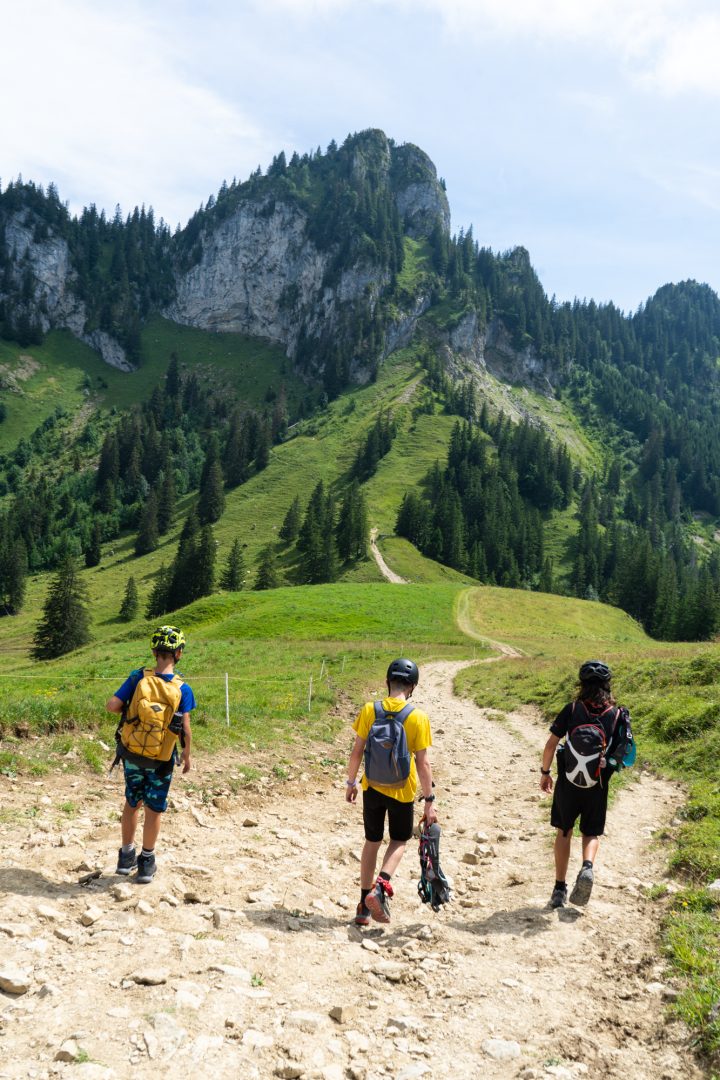
- Hiking: 30–90 minutes MVPA (intensity dependent).
- Team sports (soccer, basketball): 30–60 minutes MVPA.
- Free play/active games: variable, often 30–60 minutes MVPA.
We set daily routines that prioritize active blocks, then layer in skill coaching and recovery. That structure cuts screen time naturally because kids are engaged for hours each day. For parents and program planners, focus on consistency and progressive challenge: longer sessions and varied intensities boost fitness, while repeated skill opportunities transform short-term activity into lifelong behaviour. For deeper context about outdoor learning benefits see outdoor learning.
Nature, Stress Reduction and Mental‑Health Benefits
We at the Young Explorers Club base programming on evidence that outdoor exposure and structured camp time change bodies and minds. We note that forest‑bathing/shinrin‑yoku literature reports “reduced cortisol ~12–15% in forest studies”. We also see program evaluations that associate camp participation with “reduced stress” and “improved mood and sleep“. By contrast, we know that high daily screen time (“7+ hours recreational screen time“) correlates with poorer sleep and mood. Camp time delivers bright natural light, movement, sensory regulation and real social connection — a package that lowers physiological stress and builds resilience.
We translate those findings into practical choices for daily camp rhythms and for families planning time outdoors. Simple shifts in schedule and activity amplify the biology behind recovery: morning light and midday activity help set circadian timing; steady exertion and outdoor play deepen sleep drive; face‑to‑face play and group problem‑solving boost mood and reduce anxiety; lower cortisol and autonomic arousal speed recovery after stressors.
Key mechanisms and how we use them
I’ll introduce the concrete mechanisms we target each day, and how we turn them into activities campers actually enjoy:
- Daylight‑entrained circadian rhythms — We get campers outside within the first hour after waking. Morning hikes and breakfast on the lawn expose them to blue‑enriched daylight, which strengthens sleep timing and improves next‑night sleep quality.
- Moderate physical exertion — We schedule active sessions (canoeing, trails, games) in the late morning and afternoon. That boosts sleep pressure and reduces ruminative thinking at bedtime.
- Social support and face‑to‑face play — We pair cooperative challenges and small‑group reflections after activities. Those interactions lower anxiety and lift mood through real social feedback, not likes or notifications.
- Sensory regulation — We design sensory‑rich but predictable activities (campfires, nature crafts, quiet listening walks). They calm autonomic arousal and give the nervous system safe signals to relax.
- Reduced cortisol and faster recovery — We structure short, repeated nature breaks and teach breathing techniques to accelerate physiological down‑regulation after stress.
We push these elements consistently because repetition matters. Small daily exposures add up into measurable change. Families tell us that swapping late‑night screens for an evening walk or a pre‑bed wind‑down at camp makes a visible difference in sleep onset and daytime calm.
We connect program outcomes with broader ideas about health and development, and we highlight practical supports for returning home. Read more on how camps support mental well‑being for tips you can use after camp.
We also collect firsthand reports. One camper captured the shift perfectly: “After my week at camp I slept through the night for the first time in months and felt calmer during the day,” reported one camper about improved sleep and mood. We use such stories alongside physiological markers to refine schedules and ensure every camper leaves with better sleep habits and stronger stress recovery skills.

Social‑Emotional Learning, Leadership, Resilience and Career Pathways
We, at the young explorers club, run programs that produce measurable SEL outcomes consistent with broader research. Our sessions show academic gains similar to the reported “11 percentile point academic gain” (SEL meta-analysis). Independent evaluations also record improvements in independence, cooperation, conflict resolution and self-confidence (ACA surveys). I frame activities so emotional learning is explicit, practiced, and reflected on.
Measured SEL gains and everyday practice
Below are the core outcomes we track and how we build them into daily camp life:
- Observable academic and behavioral gains, including an average empirical boost consistent with the “11 percentile point academic gain” (SEL meta-analysis).
- Increases in independence and teamwork after short-term stays, documented in post‑camp assessments (ACA surveys).
- Better conflict resolution and heightened self-confidence noted in counselor reports and family feedback (ACA surveys).
- Improved peer relationships and communication through structured reflection and role-play; we strengthen healthy social skills with guided practice.
We design sessions so skills transfer to school and home. Staff lead brief, frequent debriefs after activities. Those debriefs link feelings to choices and concrete strategies. Reflection becomes routine, not optional.
Leadership tracks, resilience training and career pathways
We use progressive, supported risk models—challenge-by-choice—starting with low-ropes and moving to solo or overnight options with staff debriefs. That sequence builds resilience and grit through graduated responsibility.
- Low-ropes and introductory team challenges.
- Supervised solo experiences and reflection sessions.
- Overnight or extended leadership options with increased responsibility.
Our CIT tracks, internships and certifications (Wilderness First Aid, Wilderness First Responder) give youth practical credentials and real supervision experience. Participants practice communication, risk management, program design and team leadership. Many campers convert those roles into outdoor careers or use the skills in other workplaces. We structure evaluation rubrics so employers and schools can see demonstrated competencies, not just anecdotes.
Environmental Stewardship, Academic and Cognitive Benefits
We, at the Young Explorers Club, center programs on direct outdoor experience because it reliably increases environmental knowledge and pro‑environmental attitudes. Research by Ernst & Theimer shows hands‑on, place‑based activities lift stewardship attitudes and make conservation action more likely. I emphasize active contact with ecosystems — touching soil, testing water, recording birds — because those moments change how kids feel and what they do later.
Outdoor STEM modules sharpen observational and scientific skills while boosting academic engagement. Practical activities like water‑quality testing, ecological surveys and astronomy nights teach hypothesis formation, data collection and critical thinking. I pair those modules with intentional social‑emotional learning so kids practice teamwork, reflection and resilience while doing real science. That combined approach consistently produces measurable gains; programs that blend SEL and inquiry‑based outdoor work can produce academic improvement framed by the 11 percentile‑point SEL gain benchmark.
Hands-on programs and projects
Below are program models I use to translate fieldwork into skill development and stewardship:
- Citizen‑science with tools such as iNaturalist, eBird and SEEK to build species ID, data literacy and contribution to real research.
- Water‑quality testing workshops that teach sampling protocol, parameter interpretation and reporting.
- Habitat restoration days where students plan plantings, remove invasives and measure vegetation recovery.
- Longitudinal monitoring projects that train cohorts to collect repeatable data across seasons and years.
- Evening astronomy nights that strengthen pattern recognition, spatial reasoning and wonder for scientific careers.
Turning short visits into lasting outcomes
I design reflections, repeat projects and alumni follow‑up to convert single experiences into enduring behaviors and career interest. Short trips spark curiosity, but structured reflection cements learning. Journals, photo logs and group debriefs turn impressions into evidence and questions.
Repeating the same monitoring route or restoration plot over months teaches persistence and shows measurable ecological change. I keep alumni involved through follow‑up surveys, mentoring and remote data tasks; that continuity sustains nature connection and often steers students toward environmental careers.
Program evaluation matters. I build assessment into activities so gains in knowledge, attitudes and skills are documented. Pre/post surveys, field skill rubrics and contributions to citizen‑science databases create tangible evidence for funders and families. That evidence loop helps refine curriculum and shows how outdoor inquiry translates into stronger science habits, higher engagement and practical stewardship behavior.
I also integrate clear pedagogical moves that boost cognition: scaffolded questioning, short inquiry cycles, immediate feedback and focused reflection. Those methods help novices form accurate mental models and help advanced learners extend inquiry into independent projects. Combining these teaching moves with outdoor settings maximizes attention, memory and curiosity. For background on why experiential methods work, I often point educators to resources explaining how outdoor learning supports academic and cognitive development.
Designing, Measuring, Safeguarding and Expanding Access to Lifelong Skills
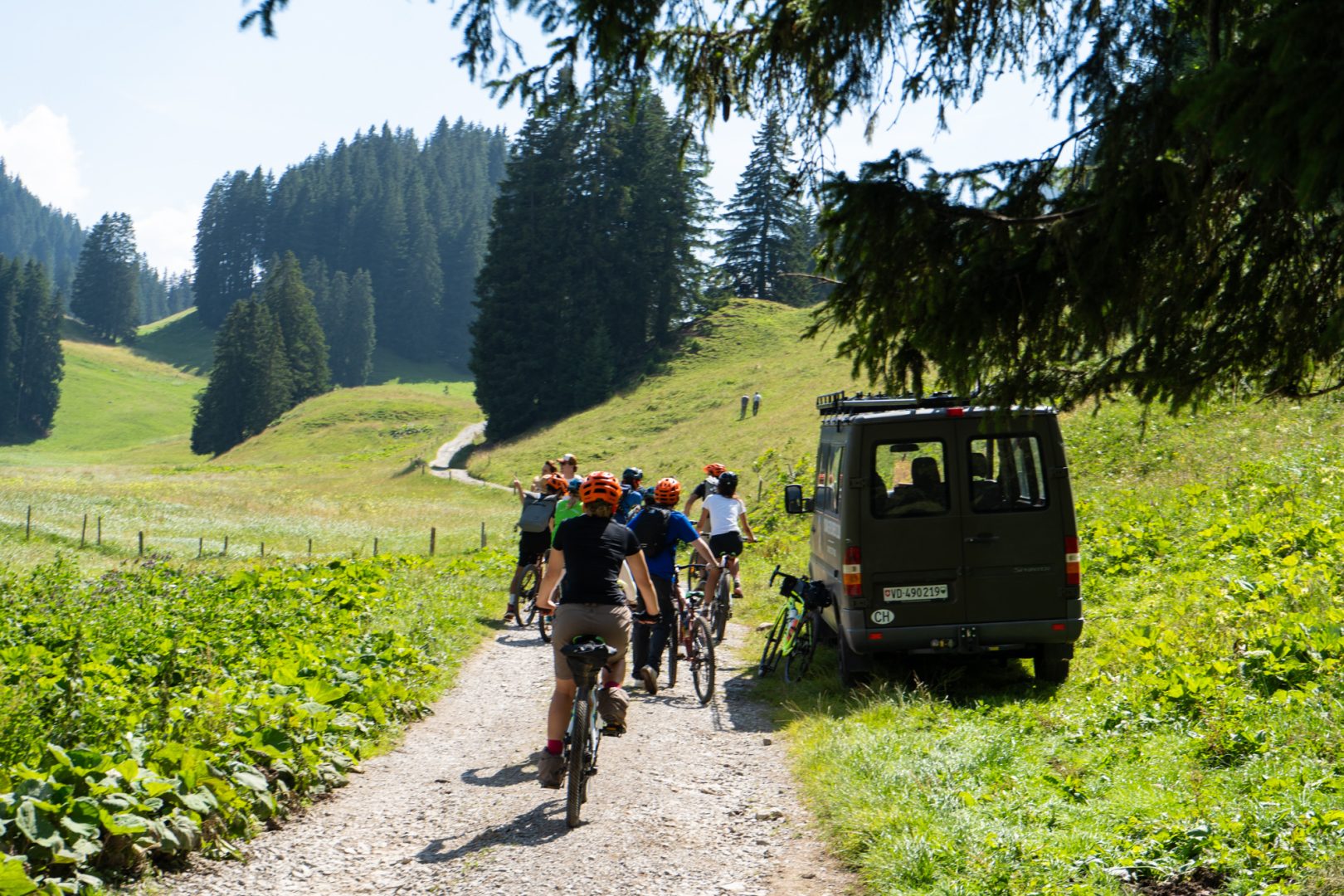
We, at the Young Explorers Club, design programs with clear intentions. Every session begins with explicit learning objectives tied to social-emotional learning, physical skills, stewardship, and leadership. We scaffold skills across weeks so campers move from guided practice to independent application. We embed regular reflection and debrief after activities so lessons stick. We apply challenge-by-choice in high-adventure elements to respect agency and manage risk. We run leadership tracks (CIT) to give older youth structured responsibility and mentoring practice.
A model week shows how those pieces fit together. Day 1 focuses on orientation and community-building routines that set expectations for safety, respect, and cooperation. Days 2–3 split into focused skill blocks (navigation, low-rope problem solving, outdoor-first aid) paired with a challenge course to practice those skills under controlled stress. Day 4 centers on a service project — habitat restoration or trail work — plus leadership tasks for CITs. Day 5 is reflection day with individual and group debriefs and a family share-back so accomplishments are visible to caregivers.
We measure outcomes with mixed methods that combine objective and subjective data. Start with pre/post assessments using validated SEL instruments to capture growth in empathy, self-regulation, and teamwork. Track MVPA with simple wearable exports or activity logs from smartphones for objective activity minutes. Add stewardship indices to quantify environmental behaviors and run alumni follow-up at 6–12 months to see which gains persist. For practical data collection, use Google Forms, SurveyMonkey and Qualtrics for surveys and pull MVPA summaries from wearables or phone activity exports for activity verification.
Safety sits at the center of program quality. Verify American Camp Association (ACA) accreditation — the American Camp Association (ACA) accredits roughly 2,000+ camps in typical years — as a baseline standard. Insist on thorough staff background checks and phased staff training that includes emergency action plans. Require first-aid and wilderness certifications from recognized providers such as the American Red Cross and WFA/WFR. We also rehearse scenarios regularly so staff respond quickly and calmly.
We push to expand access and equity across our programs. I acknowledge historical participation gaps and we allocate scholarships, sliding-scale fees, and transport solutions to remove barriers. We adapt curricula to be culturally responsive and provide staff anti-bias training so every child sees themselves reflected in program content. We also emphasize outdoor learning as a core strategy for cognitive and emotional growth: outdoor learning plays a direct role in persistence, creativity, and stress reduction.
Practical parent and partner checklist
Use this quick checklist when evaluating a camp partner or program:
- Accreditation: Ask about accreditation and verify American Camp Association (ACA) status.
- Staff screening and training: Confirm staff background checks, ongoing training, and first-aid certifications (American Red Cross, WFA/WFR).
- Activity targets: Request sample daily active minutes (MVPA) targets and how activity is tracked.
- SEL assessment: Review SEL goals and the specific curricula or validated instruments you’ll use for assessment.
- Leadership progression: Inquire about leadership tracks (CIT) and age-appropriate progression plans.
- Access supports: Check financial aid, sliding-scale options, and transportation supports.
- Follow-up and impact: Ask about post-camp follow-up, alumni tracking at 6–12 months, and stewardship measurement.
We focus on pragmatic implementation: clear objectives, measurable outcomes, proven safety practices, and concrete access strategies. That keeps programs effective, safe, and open to more families.

Sources
American Camp Association — The Value of Camp
American Camp Association — Accreditation
Centers for Disease Control and Prevention — How much physical activity do children need?
Centers for Disease Control and Prevention — Childhood Obesity Facts
Common Sense Media — The Common Sense Census: Media Use by Tweens and Teens
Ernst, J. & Theimer, S. — Evaluating the effects of environmental education programs on students’ conservation knowledge, attitudes, and behavioral intentions
Outdoor Industry Association — The Outdoor Recreation Economy
Cornell Lab of Ornithology / eBird — eBird