
Summer Camp In Switzerland For American Families: What To Expect
Swiss summer camps for American families: 1–4 week English/bilingual programs (ages 7–17). Alpine activities, trained staff, safety protocols.
Swiss summer camps for American families
Swiss summer camps for American families typically offer short-to-medium sessions that last 1–4 weeks. Most international residential campers fall in the 7–17 age range, although camps may serve a broader 3–18 range. Programs commonly operate in English or provide bilingual options and include activities such as language immersion, STEM, alpine hiking, sailing and equestrian sports. Before booking, check safety and medical protocols, required paperwork, and recommended travel insurance. Staff ratios often sit around 1:6–1:12, with certified guides and lifeguards on site. Travel logistics usually favor arriving 24–48 hours before camp begins to adjust and handle transfers.
Key Takeaways
- Program basics:
- Camps serve ages approximately 3–18, with most international residential campers 7–17.
- Typical session lengths are 1–4 weeks.
- Most programs operate in English or offer bilingual instruction.
- Typical activities include language immersion, STEM, alpine hiking, sailing and equestrian sports.
- Safety and medical:
- Verify staff credentials and staff-to-camper ratios.
- Review on-site medical care, evacuation plans, and procedures for allergies and medication.
- Carry travel insurance that covers emergency care and air evacuation.
- Travel and entry:
- Fly into Zurich, Geneva or Basel; Swiss rail links provide reliable connections to camp regions.
- U.S. citizens usually do not need a Schengen visa for stays ≤90 days, but check passport validity and any entry-authorisation updates before travel.
- Plan to arrive 24–48 hours before camp starts for recovery and transfers.
- Costs and timing:
- Expect roughly CHF 1,500–4,500/week for residential programs (≈ USD 1,650–4,950/week).
- Budget for airfare and transfers, typically CHF 50–300 each way.
- Book early for popular sessions and specialty activities.
- Packing and gear:
- Pack layered clothing for alpine conditions, sturdy hiking boots, and a waterproof jacket.
- Bring a Type J adaptor for Swiss outlets.
- Consider renting bulky or seasonal equipment on site when possible.
Practical tips before you book
Documentation and paperwork
Check each camp’s list of required paperwork well in advance—this often includes vaccination records, signed medical forms, emergency contacts, and consent for activities. Confirm any COVID-19 or other health-related entry requirements that may be in effect.
Staffing and safety checks
Ask camps for details on staff-to-camper ratios, staff certifications (wilderness first aid, lifeguard, child safeguarding), and whether they use certified guides for mountain activities. Request written information on medical facilities on site and nearby hospitals, plus their evacuation procedures.
Travel logistics
Major international airports for Swiss camps are Zurich (ZRH), Geneva (GVA), and Basel (BSL). From there, Swiss Federal Railways and regional connections are reliable for reaching camp regions. Plan transfers in advance—many camps offer organized pickups for scheduled arrival windows. Aim to arrive 24–48 hours before camp starts to handle jet lag and any last-minute paperwork or transfers.
Money and currency
Camps price in Swiss francs (CHF). Expect weekly residential fees in the range of CHF 1,500–4,500. Factor in airfare, transfers, equipment rental, and pocket money for souvenirs or optional excursions.
Packing checklist (quick)
- Layered clothing for variable alpine weather
- Sturdy hiking boots and comfortable trainers
- Waterproof jacket and quick-dry clothing
- Type J adaptor for electronics
- Copies of medical records and travel insurance
- Any prescription medications in original packaging with instructions
Final recommendations
Choose camps that provide clear, written safety protocols and transparent staff credentials. Confirm travel and medical insurance coverage, and plan to arrive early to smooth transfers and acclimatize. With the right preparation, Swiss summer camps can offer American families a safe, enriching international experience.
Quick snapshot: what American families should know first
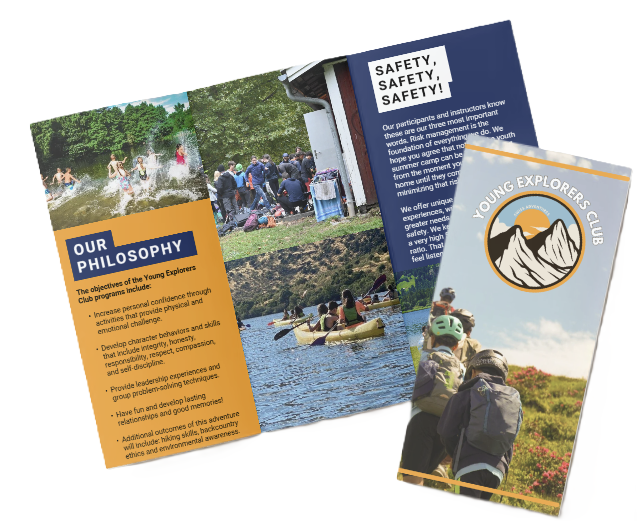
We, at the Young Explorers Club, give you the essentials so you can decide fast. Expect camps that span a broad age range, short-to-medium sessions, and multilingual settings.
Fast facts to keep on hand
- Typical ages: Swiss programs often accept campers from 3–18 years, with most international residential camps concentrating on ages 7–17 (typical camper ages 7–17).
- Session length: Most sessions run 1–4 weeks; some camps offer 2–8 week options or multi-week combinations (session lengths 1–4 weeks).
- Languages: Switzerland’s national languages are German, French, Italian and Romansh, but many international camps operate in English or provide bilingual programming (languages: German, French, Italian, Romansh).
- Entry rules: U.S. citizens generally don’t need a Schengen visa for stays up to 90 days—double-check current guidance before booking (U.S. citizens: no Schengen visa for stays ≤90 days (check current rules)).
- Passport: Your child’s passport should be valid at least 3 months beyond planned departure from the Schengen area (passport validity: at least 3 months beyond stay).
- Action note: Verify ETIAS/entry-authorisation updates and current entry requirements with the U.S. Department of State and the European Commission before you book.
For a clear packing checklist, consult our what to pack page — it saves time and prevents last-minute scrambles.
Types of camps, daily life, accommodation and parent communication
Camp types and sample activities
Here are common camp categories you’ll find and the activities they usually include:
- Language immersion — intensive language classes paired with cultural workshops and local excursions.
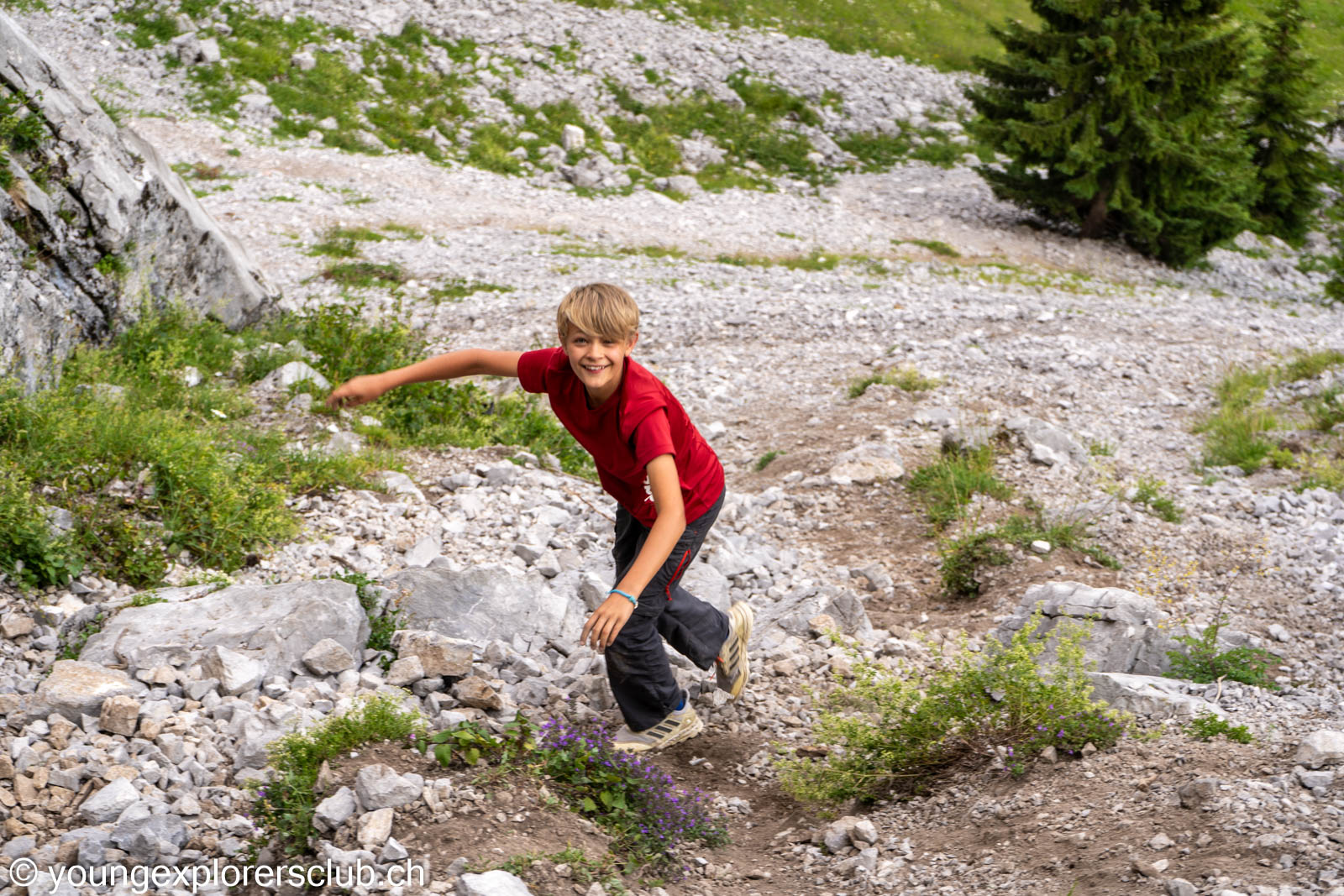
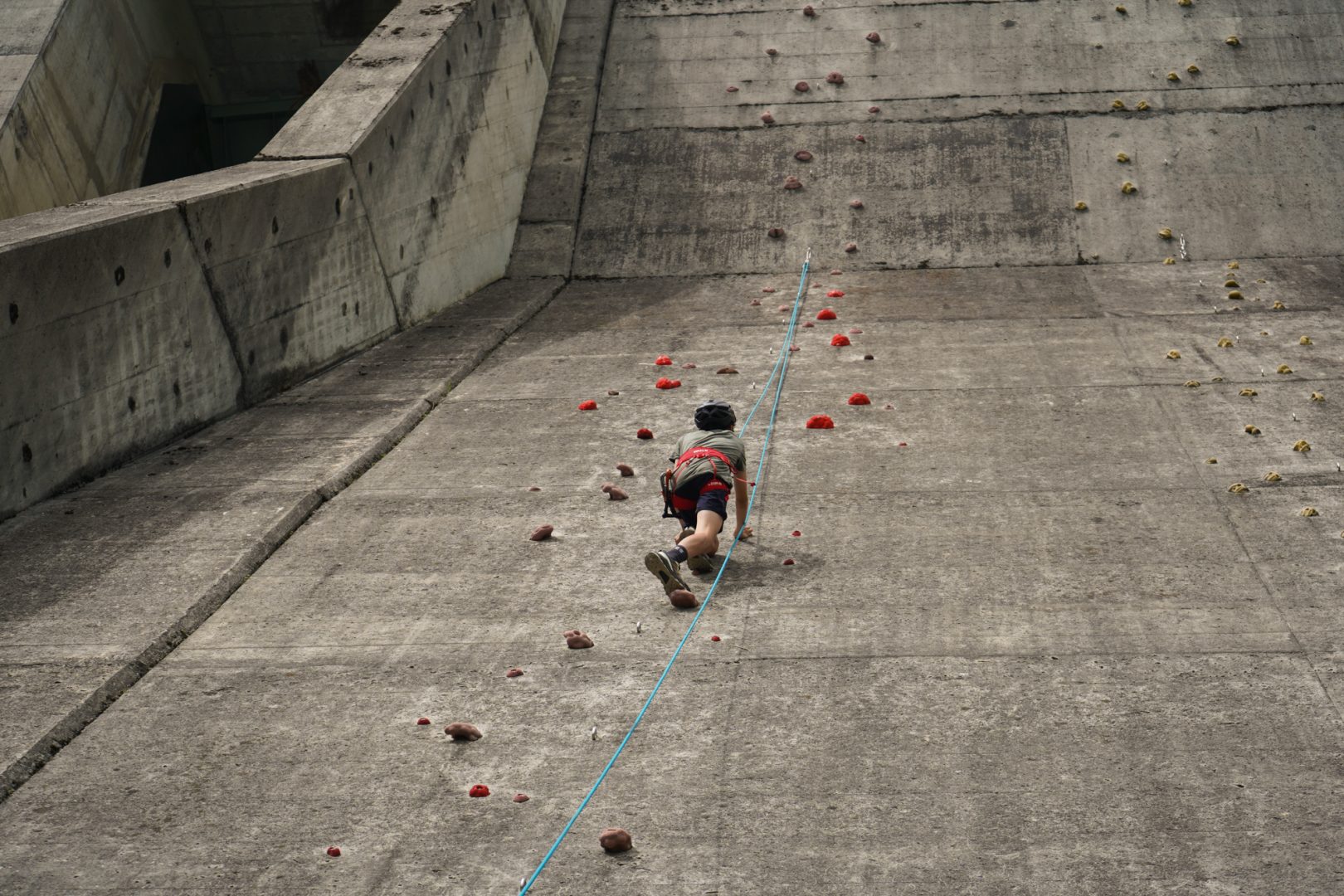
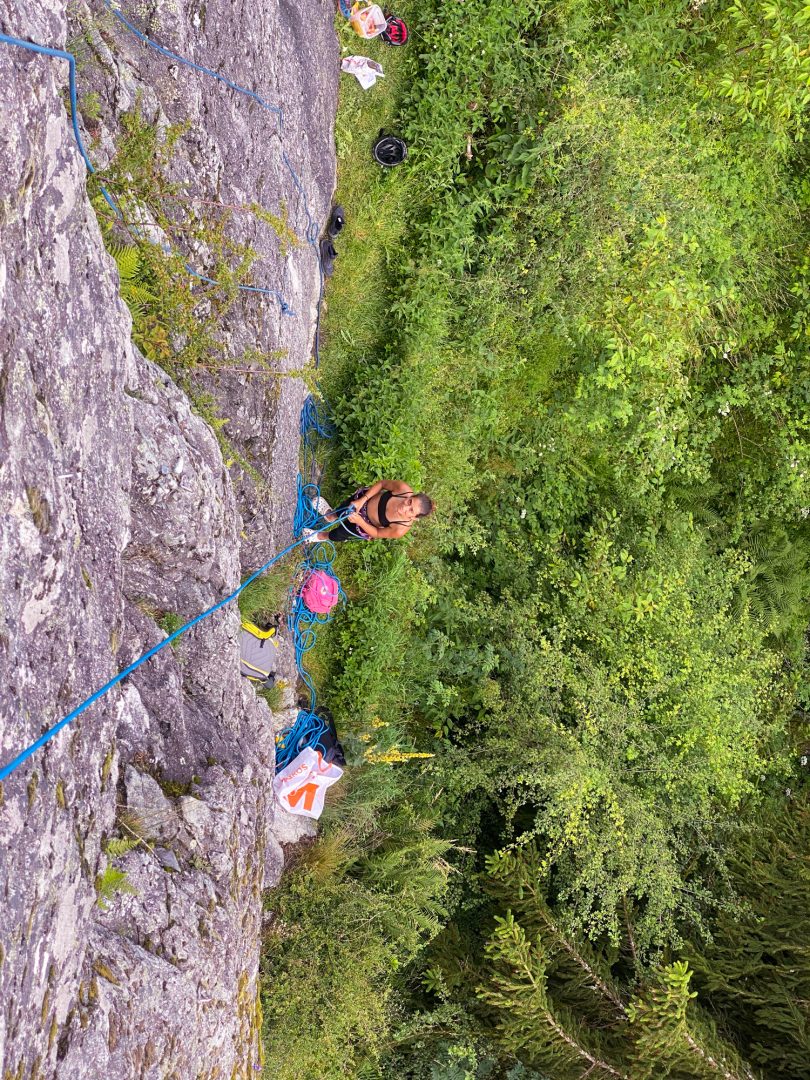
- Alpine hiking and climbing — day hikes, via ferrata and multi-pitch climbing for older campers.
- Sailing and kayaking on Swiss lakes — lake sailing, flat-water kayaking and basic navigation.
- Mountain sports — mountain biking and zipline courses on certified routes.
- Traditional sports — tennis, football (soccer) and team competitions.
- Arts & performing arts — theater, music and visual-arts studios.
- STEM/robotics — hands-on robotics labs, coding and science projects.
- Equestrian — riding lessons, stable care and trail rides.
We, at the Young Explorers Club, recommend matching the camp type to your child’s fitness and interest level. Ask for age-specific curricula and sample daily schedules before you commit.
Staff, safety and qualifications
I expect clear answers about staffing and risk management. Typical staff-to-camper ratios range from 1:6–1:12 depending on age and activity intensity; younger campers and high-risk programs usually have the lowest ratios. For high-mountain outings look for IFMGA/UIAGM mountain guide credentials. Aquatic programs should list certified lifeguards on staff. For more on how staff are selected and trained see our page on staff supervision.
Accommodation and meals
Camps use three common housing models:
- Dormitory-style rooms
- Small shared cabins
- Private rooms in premium programs
Beds and linens are typically provided, and cabins often group campers by age. Meal service is usually multi-course and camps accommodate allergies and dietary preferences — vegetarian, halal and vegan options are commonly available. I advise you to request sample menus and allergen protocols ahead of time.
Typical daily structure
Days are structured and active, usually running 6–10 hours of organized programming. A typical day looks like:
- Breakfast
- Morning activity block
- Lunch
- Afternoon activity block
- Evening program
- Lights-out
Schedules balance skill sessions, free play and rest. I suggest packing layered clothing and a reusable water bottle to keep kids comfortable throughout varied alpine weather.
Communication, tech and homesickness
Most camps offer parent portals with weekly updates and photos. Phone use is often limited; camps schedule specific phone or video calls to reduce homesickness and keep kids present. Counselors provide homesickness support through trained staff and buddy systems. I encourage families to discuss communication preferences with camp directors before arrival and set realistic expectations about daily contact.

Health, safety, insurance and risk considerations
Switzerland has high-quality healthcare, so serious cases usually get excellent treatment quickly. Keep emergency contacts programmed before travel and teach older kids how to call local services. Key numbers are 112 (general), 144 (ambulance), 117 (police) and 118 (fire).
Routine childhood immunizations (MMR, DTP) cover most needs for travel to Switzerland; check the CDC travel guidance before you go. We always advise families to bring a current vaccine record and any prescription notes for controlled medications. For unaccompanied minors, provide written medical consent for minors and power-of-attorney–style authorizations so staff can make timely medical decisions.
Medical costs in Switzerland are high. Non-resident visitors should carry travel insurance that includes:
- emergency medical care,
- medical evacuation/air-ambulance,
- a 24/7 local assistance number.
Common providers U.S. families use include Allianz Global Assistance, World Nomads and AXA Schengen. Ask for a policy that covers repatriation and pre-existing conditions if applicable.
Confirm the camp’s on-site medical setup before you book. Review the camp’s medical care policy and verify these items:
Quick reference items to verify with the camp
- On-site medical staff (nurse or physician) and their certifications.
- Distance and typical response time to the nearest hospital.
- Medication protocols, storage, and daily administration plans.
- Allergy management, EpiPen availability and staff training.
- Current COVID and other vaccine policies.
- Written medical consent for minors and emergency authorization forms.
- Incident logs, medical-evacuation history and documented evacuation plans.
Mountain activities add specific risks: falls, rapid weather shifts and altitude sickness risk. Require certified guides for hikes and high-altitude activities. Ask camps for safety statistics and recent evacuation examples so you understand their real-world track record. We, at the young explorers club, push camps to provide explicit evacuation plans and nearest-hospital response times before families commit.

Travel logistics, timing and sample budgeted itinerary
We, at the young explorers club, plan travel so families arrive calm and rested. Major international gateways are Zurich (ZRH), Geneva (GVA) and occasionally Basel (BSL). Swiss trains link airports to mountain towns reliably via Swiss rail SBB.
Typical rail times to keep in mind are:
- Zürich–Interlaken — ~2h20 by train
- Geneva–Verbier — ~2h45
- Zurich–Zermatt — ~3h by train
Transatlantic flight lengths influence arrival windows. New York to Zurich runs about 7–8 hours, Chicago about 8.5–9 hours, and Los Angeles about 11–12 hours. Switzerland uses CEST (UTC+2) in summer, so expect a time difference of EDT +6 hours and PDT +9 hours. We advise arriving 24–48 hours before camp start so kids recover sleep cycles and adapt to local time.
Many camps provide scheduled airport transfers and will meet groups at set times. Private transfers are common for late or off‑schedule arrivals. Budget airport transfers at CHF 50–300 each way depending on distance and whether you choose a private service or group transfer. For family days in Switzerland consider a Swiss Travel Pass for flexible sightseeing (book through the SBB network).
Costs to plan for
We break down typical price ranges so you can estimate quickly:
- Residential programs commonly run CHF 1,500–4,500 per week (approx USD 1,650–4,950 per week; CHF 1 ≈ USD 1.10).
- Day camp fees sit around CHF 150–600 per week.
- Equipment rental usually costs CHF 20–100 per item/week.
- Travel insurance typically ranges USD 40–200 per camper for the usual coverage window.
Sample 2‑week itinerary and mid‑range budget
Below is a compact two‑week sample and a practical budget so families know what to expect.
- Day 0: Arrival into Geneva, transfer to base and light orientation.
- Day 1: Full orientation, medical check‑in and acclimatization.
- Days 2–12: Activity blocks—language, outdoor sports and multi‑day excursions.
- Day 13: Packing, closing ceremony and final paperwork.
- Day 14: Depart for airport.
Sample mid‑range 2‑week budget (realistic estimate):
- Camp fee: CHF 4,000 (~USD 4,400).
- Round‑trip airfare (NY–ZRH): USD 900–1,500.
- Transfers round‑trip: CHF 200–400 (~USD 220–440).
- Travel insurance: USD 80–150.
- Equipment and incidentals: USD 100–300.
Total estimated outlay (mid‑range): USD 5,700–6,800. For higher‑end programs and extras, expect broader budgets around USD 6,000–12,000 for a two‑week residential stay.
We recommend reviewing our practical packing checklist before you finish bookings; see the guide for what to bring and rental options for sports gear (what to pack). We also suggest buying refundable fares where possible and confirming transfer meeting times with camp coordinators to avoid last‑minute taxi charges.

Packing, gear and equipment rental checklist
We, at the Young Explorers Club, pack for a Swiss summer by expecting quick weather shifts and layered dressing. Lowland July averages run warm, but mountain weather stays cooler and can change fast (July temps lowlands 18–28°C). Bring layers you can add or shed on the trail.
Gear, rentals and electrical items
We recommend buying fit-critical items like hiking boots and a rain jacket for comfort and injury prevention. Rent bulky or seasonal kit — skis, wetsuits, bikes and climbing harnesses — to save luggage space and money (rent equipment CHF 20–100/week). Choose breathable waterproof shells and supportive boots for Alpine routes. For plugs and chargers, Switzerland uses the Type J plug, so bring a travel adaptor and voltage-compatible chargers (Type J plug Switzerland).
We suggest these product examples and why they work:
- Salomon X Ultra or Merrell Moab for boots — durability and grip.
- Patagonia Torrentshell or Arc’teryx Beta for rain jackets — breathable, waterproof.
- Osprey Daylite for a daypack.
- La Roche-Posay Anthelios for broad-spectrum sunscreen.
- DEET-based Sawyer repellent for ticks and midges.
I personally buy boots and a jacket for repeated use and rent skis, wetsuits or bikes unless I plan heavy seasonal use.
Packing checklist (mandatory / recommended / optional)
Below are compact lists I use when preparing families for camp.
Mandatory:
- Passport + photocopy, medical forms and prescribed meds.
- Layered clothing (base, mid, insulating), waterproof jacket, sturdy hiking boots.
- Travel adaptor and voltage-compatible chargers (Type J plug Switzerland).
- Sunscreen SPF 30–50 and insect repellent.
- Day-to-day basics: socks, underwear, quick-dry shirts.
Recommended:
- Daypack, reusable water bottle, closed-toe activity shoes.
- Lightweight sleeping bag liner if the camp requests one.
- Basic first-aid items and blister care.
Optional:
- Camera, small comfort item for homesickness, extra spending money.
Layers and a good waterproof handle alpine microclimates and sudden showers. Quality footwear reduces sprain and hotspot risk during long hikes or via ferrata. I urge families to check specific activity gear lists from camp and consider renting heavy items on-site — that keeps checked luggage light and lets kids use properly serviced equipment. For kit rules and medical protocols I direct parents to our camp medical guidance and specifics on what to pack: medical care and what to pack.

How to choose a camp, enrollment timeline, paperwork and key FAQs
We, at the Young Explorers Club, recommend a clear checklist for choosing a Swiss summer camp. Start with program fit: confirm the camp offers age-appropriate activities and a daily structure that match your child’s interests and energy level. Prioritize camps with recognized accreditation and transparent safety practices; look for evidence of external review (ACA accreditation) and ask for recent inspection or audit reports. Verify staff credentials, including background checks and first-aid or lifeguard certifications. Ask for references from other American families and read cancellation and refund terms before you commit.
Compare the following practical selection points:
- Program focus: language immersion, adventure sports, arts, or academic prep — match intensity to your child.
- Safety record: request incident logs and health protocols.
- Staff ratios and turnover: lower turnover and higher staff-to-camper ratios mean more consistent supervision.
- Contracts: check refund deadlines, force majeure clauses and insurance requirements.
Book early and watch for discounts. I recommend you secure a spot well ahead of travel: many camps open enrollment 6–12 months before start and popular international programs can fill by early spring (book 6–12 months ahead). Offering incentives is common; early-bird discounts typically range from 5–15%. Factor in deposit deadlines and final payment dates when you plan flights.
Paperwork is straightforward if you collect everything in advance. Most camps require completed medical forms, current immunization records, signed parental consent and emergency contact forms, travel authorizations and copies of passports and travel insurance policies. Make scanned copies of every document and store them in a secure cloud folder for quick sharing. You can also cross-check packing and prep items on our list for families curious about gear and documents (what to pack).
Key FAQs (quick answers for busy parents)
- Do U.S. kids need a visa? Generally no for short stays up to 90 days, but confirm entry requirements and any ETIAS rules before travel (visa not required ≤90 days).
- What about language barriers? Most international camps operate in English. If you choose a language-immersion program, expect instruction in the local language and staff trained for learners.
- How much spending money should I send? Budget CHF 50–200 per week for souvenirs, snacks and occasional outings.
- Will my child get homesick? Camps use structured homesickness protocols and train counselors to handle emotional transitions; ask for the camp’s specific approach and sibling contact rules.
- Are parents allowed to visit? Many camps permit scheduled visiting days but discourage frequent or unscheduled visits to support camper adjustment.
- Which camps should I research first? Start with Les Elfes International (Verbier), TASIS Summer Programs, Aiglon College Summer, Alpadia Language Schools (Swiss campuses), and International School of Geneva Summer programs — verify current details directly with each site.
I encourage you to request sample daily schedules and the camp’s medical and emergency plan before you enroll. We help parents compare options and interpret policies so families can make confident choices.

Sources
U.S. Department of State — Switzerland Travel Advisory
European Commission — ETIAS – European Travel Information and Authorisation System
Centers for Disease Control and Prevention — Switzerland – Traveler view
Federal Office of Public Health (FOPH) — Federal Office of Public Health
MeteoSwiss — Climate of Switzerland
Federal Statistical Office (FSO) — Tourism statistics
SBB CFF FFS (Swiss Federal Railways) — Timetables and Connections
Institute for Economics & Peace / Vision of Humanity — Global Peace Index
American Camp Association — Standards and Accreditation
Allianz Global Assistance — Travel Insurance