
Summer Camp In Switzerland Vs. Summer Camp In Italy: Pros And Cons
Swiss vs Italian summer camps: compare cost, safety, programs and logistics to match family priorities—alpine adventure vs coastal culture.
Swiss vs Italian Summer Camps: Purpose, Cost, Safety, Program Mix, and Logistics
Purpose: We compare camps in Switzerland and Italy to help families match choices to their priorities: alpine adventure and elite sport training versus cultural, coastal, and culinary programs.
Key Takeaways
- Switzerland: Ideal for mountain and adventure programs and elite sports. Camps offer high-quality facilities and strong healthcare. Many provide English-language international options. Expect residential fees around CHF 1,200–3,500 per week. Plan for cooler, changeable alpine weather.
- Italy: Best for beach and sea sports, plus cultural and culinary immersion. Weather tends to be warmer and access usually easier. Typical residential fees run about €350–1,200 per week. Provider quality and emergency access can vary more by site.
- Common logistics: Sessions run 1–8 weeks for ages 6–17. Most international families pick 1–3 weeks. Compare total cost, not tuition alone—add transfers, insurance, and extras.
- Language and camper mix: Swiss camps often host larger international cohorts and multilingual programs. Italian camps deliver stronger Italian immersion when staff and campers are local. Verify advertised language hours and native-speaking staff ratios.
- Vetting: Ask for full fee sheets, sample daily schedules, staff credentials, and medical/emergency plans. Request recent references before booking.
- Recommendation: Choose Switzerland if safety and elite training top your list. Choose Italy if cost, warmth, and cultural immersion matter more.
Purpose and Program Focus
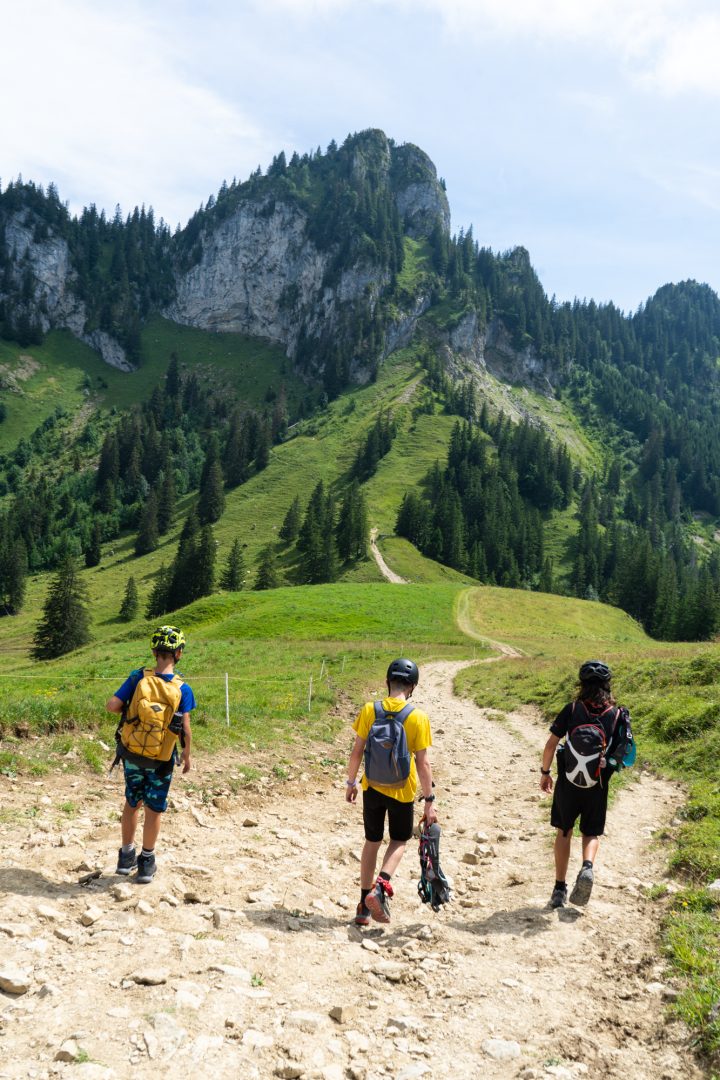
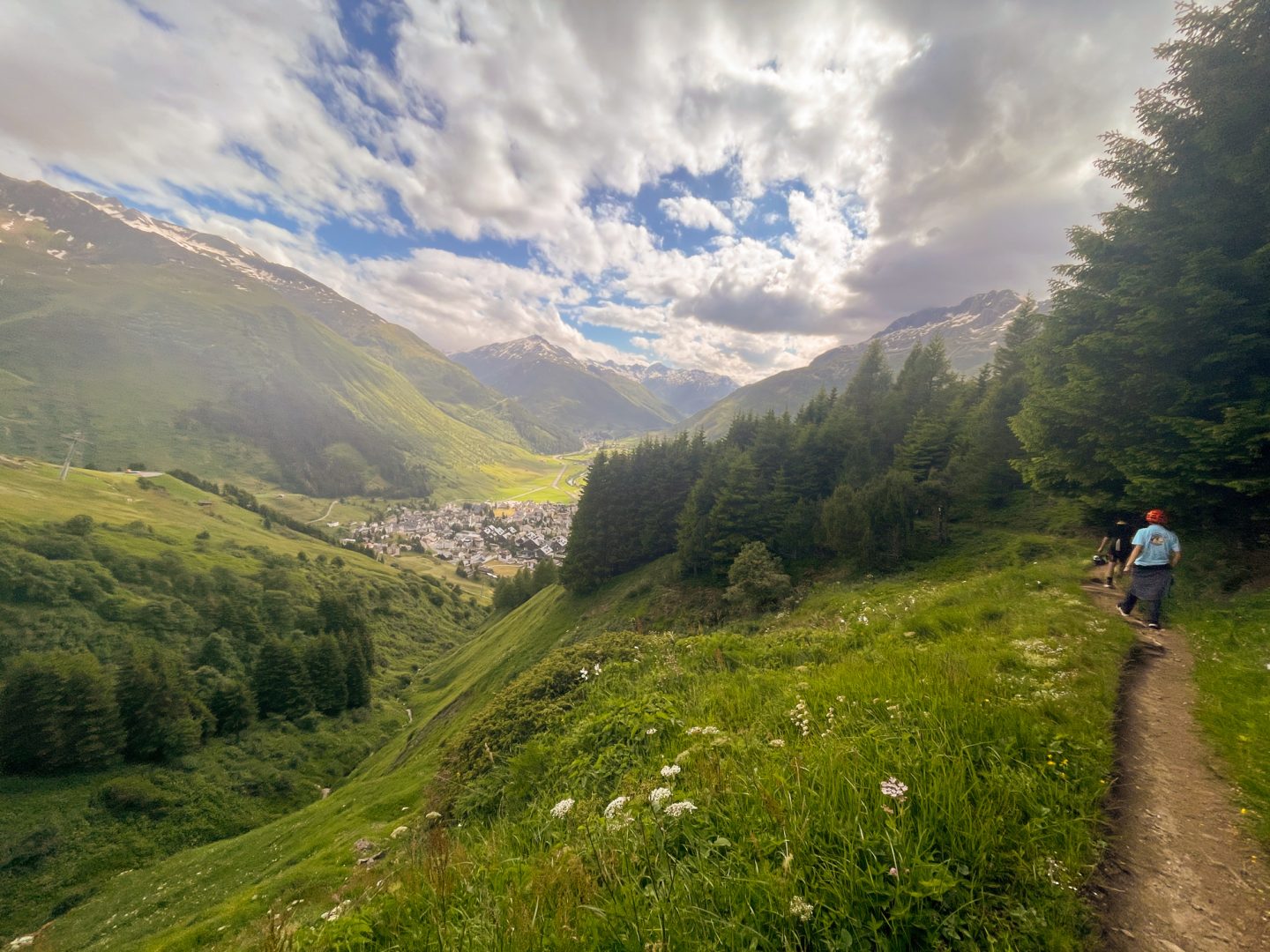
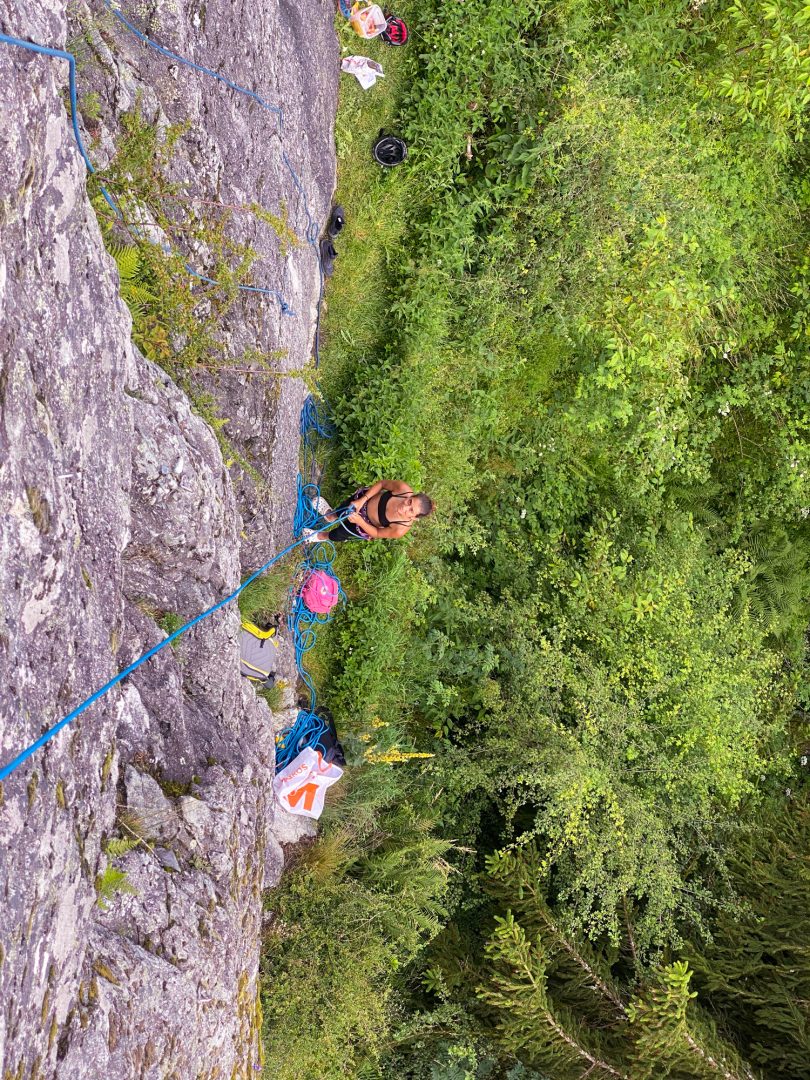
Switzerland focuses on alpine adventure (hiking, climbing, mountain biking), elite sports (tennis, skiing, multi-sport academies), and structured residential experiences with a premium on safety and medical support. Italy emphasizes coastal activities (sailing, windsurfing, swimming), culinary and cultural programs, and language immersion tied to local communities and summer tourism areas.
Cost and What to Budget For
Compare total trip cost, not just tuition. Key cost components:
- Tuition/Residential fees: Switzerland ~ CHF 1,200–3,500/week; Italy ~ €350–1,200/week.
- Transfers: Airport or train transfers can be significant, especially in remote alpine areas.
- Insurance: Travel, medical, and activity-specific coverage (e.g., high-altitude sports) may be required.
- Extras: Equipment rental, excursions, special coaching, and optional certifications.
Safety and Healthcare
Switzerland typically scores higher for on-site medical resources, standardized safety protocols, and proximity to hospitals in many regions. In Italy, safety and emergency access depend more on location—coastal camps near towns generally offer quicker access; remote sites may have longer response times. Always request the camp’s medical plan and local emergency contacts.
Program Mix and Language
Camps in Switzerland often run multilingual or English-first programs with a higher proportion of international campers. Italy offers stronger opportunities for Italian immersion, especially when staff and campers are locally sourced. Verify the hours of instructed language and the ratio of native-speaking staff to campers if language learning is an objective.
Logistics and Session Lengths
Typical session lengths are 1–8 weeks, and families from abroad commonly choose 1–3 weeks. Consider travel time, jet lag, and whether the camper will handle longer stays away from home. Check arrival/departure days, transfer windows, and whether the camp runs back-to-back sessions with stable staffing.
Questions to Ask Providers
- Can you provide the full fee sheet including all extras and a sample billing?
- May I see a sample daily schedule and a recent weekly activity plan?
- What are staff qualifications, ratios, and background-check procedures?
- Can you share the medical and emergency response plan, including nearest hospital contact?
- Do you have references from families in the last season?
- How much of the day is spent in the target language and how is that monitored?
Recommendation
If your priorities are safety, structured elite training, and alpine adventure at a premium, favor Switzerland. If you prioritize lower average cost, warmer weather, beach and coastal activities, and stronger local cultural immersion, favor Italy. In all cases, vet providers thoroughly using the questions above and compare total trip costs before booking.
Quick side-by-side snapshot: which country fits your priority
We, at the Young Explorers Club, map the essentials so you pick with confidence. This snapshot focuses on purpose, cost, safety and program mix so you match camp choice to family priorities.
Switzerland — profile & fit
We position Switzerland as the go-to for mountain adventure and multi-sport focus. Camps emphasize alpine skills, glacier and ski preparation, and elite sports academies. Families who prioritize high standards and organized outdoor challenge will find excellent options. We also point out that many programs run in English and offer high-quality facilities plus high safety and healthcare standards.
Pros for Switzerland include:
- Outstanding mountain and outdoor programs suited to sporty, confident kids.
- A strong international camp presence with English-language options.
- Facilities and medical coverage at a premium level.
Cons to weigh:
- Costs are significantly higher (CHF 1,200–3,500 per week).
- Weather can be cooler and less predictable at altitude.
- Some remote camps require longer transfers and logistics planning.
Italy — profile & fit
We describe Italy as ideal for cultural immersion, beach and sea sports, language and culinary experiences. Camps cluster along coasts and lakes, which keeps days warm and activities centered on sun, sea and food culture. Travel tends to be simpler from many European cities, so transfers are often shorter.
Pros for Italy include:
- Lower average costs (€350–1,200 per week).
- Excellent beach and cultural programs with strong language and culinary elements.
- Warmer weather and easy access from major hubs.
Cons to watch:
- Fewer high-end international boarding options compared with Switzerland.
- Quality varies by provider, so vetting matters.
- Some rural or coastal sites may have uneven emergency access or less-specialized staff.
Quick stats and commonalities
We see the same baseline across both countries, which helps comparison:
- Session length: 1–8 weeks — most international families choose 1–3 week intensives.
- Age range: 6–17 with typical groupings around 7–12 and 13–17.
- Program formats: residential vs day camps, language immersion and sports academies.
- Camper mix: international vs local campers varies by camp and location.
Concise side-by-side summary
Switzerland — purpose = adventure/mountain; session length = 1–8 weeks; age range = 6–17; cost tier = high (CHF 1,200–3,500 per week).
Italy — purpose = culture/sea & beach; session length = 1–8 weeks; age range = 6–17; cost tier = lower (€350–1,200 per week).
Recommendation
We recommend Switzerland if high safety, elite outdoor training and top-tier facilities are your priority. We recommend Italy if lower cost, warm weather and cultural immersion carry more weight.
Cost, value and sample budgets (day vs residential)
We, at the Young Explorers Club, break down what families can expect to pay for Swiss versus Italian summer camps and why the gap exists. Expect higher headline prices in Switzerland, but also tighter quality controls, shorter travel times for many international families, and different staffing and facility cost bases. To decide which offers the best value for your child, compare total outlay rather than tuition alone — and choose the best camp that fits your priorities by visiting our resources on how to choose the best camp.
Switzerland tends to carry a premium because of broader economic factors. GDP per capita in Switzerland sits substantially higher than in Italy (recent estimates place Switzerland roughly in the USD 80,000–85,000 range versus Italy around USD 30,000–40,000), which translates into higher staff wages, accommodation costs, and service prices at camp. Expect that gap to show up in tuition, food costs, and included services.
Additional fees and sample budgets
Below are industry pricing ranges and typical 2-week totals (typical ranges (2020–2024 industry estimates)). Use these as planning checkpoints and compare line-by-line when you get provider quotes.
- Typical pricing ranges (industry ranges):
- Switzerland residential international camps: CHF 1,200–3,500 per week (common full-board 2-week sessions CHF 2,400–7,000).
- Switzerland day camps: CHF 200–500 per week.
- Italy residential camps: €350–1,200 per week.
- Italy day camps: €100–300 per week.
- Additional fees to factor (these often change provider to provider):
- Travel to/from airport and transfers.
- Insurance (medical, cancellation, liability).
- Excursions and off-site activities.
- Equipment rental and special-activity fees.
- Visas where applicable and deposits.
- Optional activities and extras.
Note: the common summary of additional fees: travel, insurance, excursions.
- Sample totals — 2-week examples (tuition + round-trip transfer + mandatory insurance):
- Switzerland residential 2-week total: tuition CHF 2,400–7,000 + transfer ~CHF 150–400 + insurance ~CHF 40–150 → total approx CHF 2,590–7,550 (typical ranges (2020–2024 industry estimates)).
- Switzerland day-camp 2-week total: tuition CHF 400–1,000 + transfer ~CHF 50–200 + insurance ~CHF 20–50 → total approx CHF 470–1,250 (typical ranges (2020–2024 industry estimates)).
- Italy residential 2-week total: tuition €700–2,400 + transfer ~€80–300 + insurance ~€30–100 → total approx €810–2,800 (typical ranges (2020–2024 industry estimates)).
- Italy day-camp 2-week total: tuition €200–600 + transfer ~€30–150 + insurance ~€20–50 → total approx €250–800 (typical ranges (2020–2024 industry estimates)).
Recommendation: ask providers for a full fee sheet that lists what’s included and what’s extra. Compare meals, onsite medical care, staff ratios, and excursion frequency — these drive value. Verify current provider prices, exchange rates and confirm which fees are included/excluded before booking.
Activities, program focus and weather implications
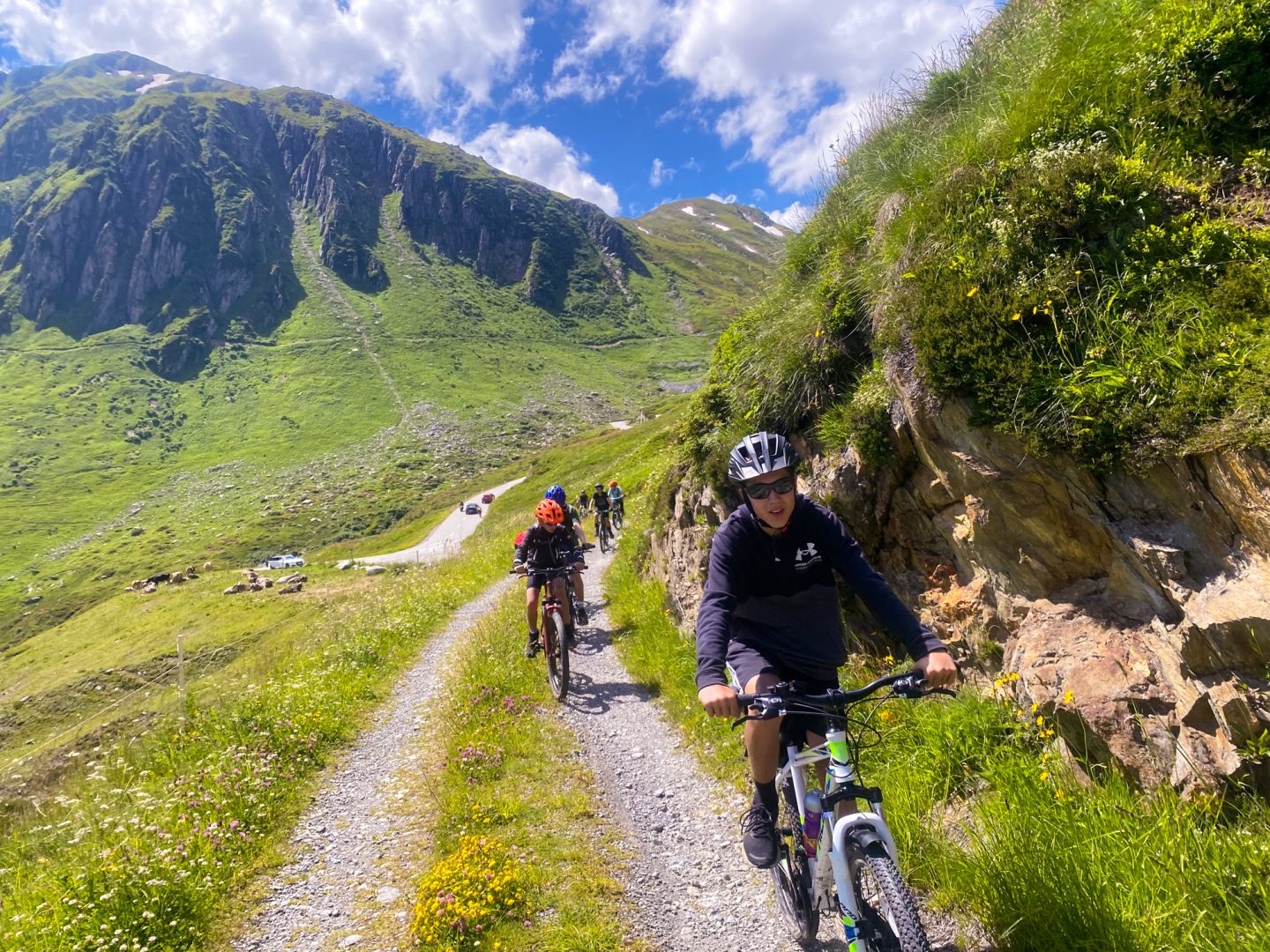
We, at the Young Explorers Club, design Swiss programs around high-alpine adventure and skill development. Swiss schedules emphasize mountain hiking, via ferrata, mountain biking, ropes courses and alpine survival work, with plenty of lake options like sailing and kayaking for balance. I include multi-sport days, elite sports academies and English-language immersion; some sessions add glacier skills or ski-prep modules for older teens. That mix favors stamina, navigation, and technical outdoor skills.
Italy camps lean into sea, culture and creative skills. Coastal programs center on sailing, windsurfing and kayaking, plus beach games and water-safety drills. I schedule football/soccer academies and arts or performing-arts tracks alongside cultural excursions — history walks, museum visits and cooking classes — and strong Italian language immersion; we also run dedicated Italian language camps. This blend builds sea confidence, artistic expression and local cultural fluency.
Typical weekly activity split (illustrative averages)
Below are representative weekly splits to set expectations:
- Switzerland: ~60% mountain/adventure, 20% team sports, 20% cultural/free time.
- Italy: ~40% sea/beach, 30% cultural excursions, 30% sports/skills.
Season window and temperature realities shape programming. Camps run mid-June to mid-August. Swiss lowlands in July average about 15–25°C, while alpine sites see daytime temps near 10–20°C and nights around 5–15°C. Mountain storms tend to form in the afternoons; I schedule major hikes for mornings and keep alternate indoor or low-exposure activities ready. For alpine camps at 800–1,800 m I insist on layering, thermal sleep systems, and flexible itineraries so weather won’t derail core learning outcomes.
Italian July and August conditions skew hotter and drier. Lowlands and coasts average 24–32°C, northern lakes and some coastal areas sit closer to 20–28°C, and the south can feel significantly hotter. I shift high-intensity work to mornings and evenings, add extended shade and hydration breaks, and plan swimming or water-based sessions at midday. Heat means lighter bedding, portable shade and strict sunscreen protocols.
Practical program takeaways
Key practical approaches I apply across both countries:
- Pack strategy: layers and waterproofs for Switzerland; light breathable clothing and sun gear for Italy.
- Scheduling: morning technical sessions in mountains; late-afternoon watersports in hot coastal zones.
- Safety: afternoon storm contingency plans in alpine areas; heat management and medical monitoring in southern Italy.
- Skill focus: use specialist academies and language immersion blocks to concentrate progress during the most favorable weather windows.

Language, cultural immersion and international camper mix
Switzerland offers a true multilingual landscape: German 62% / French 23% / Italian 8%. Many Swiss camps operate in English as the international lingua franca, while local immersion is achievable by selecting camps in a specific canton or language area. Italy is primarily Italian; a lot of camps run bilingual Italian‑English programs, but regionally focused camps give stronger Italian immersion. We, at the young explorers club, advise matching the camp’s language profile to the skill you want your child to gain.
How we evaluate language immersion
Use the following checkpoints to judge claimed immersion before you book:
- Compare advertised language hours per week to the actual daily schedule.
- Check staff native‑speaker ratios and which staff lead core activities.
- Confirm whether promotional language reflects day‑to‑day use or just marketing copy.
- Look at activity types: sports and games rarely force language use; classes and small‑group workshops do.
- Ask about single‑language policies in cabins and meals.
- Verify excursions and local host interactions are conducted in the target language.
We recommend asking camps for sample weekly schedules and staff bios. If they won’t share them, treat that as a red flag.
International camper mix: practical implications
Swiss prestige residential camps typically show a higher international camper share (40–70% Swiss / 10–40% Italian (estimates) for comparison). Italian camps often skew local or regional, with international representation roughly 10–40% and higher percentages at coastal tourist locations. Those mixes change the social and linguistic dynamics:
- For stronger Italian fluency: choose Italian‑dominant camps with mostly local campers and high native‑Italian staff ratios.
- For a multicultural experience: pick Swiss camps or Italian tourist‑area programs with larger international cohorts.
- For balanced outcomes: opt for bilingual camps that split activities between English and the local language.
We push parents to prioritize evidence over promises. Ask for recent camper demographics and request a reference from a family whose child had similar language goals. If your priority is language immersion, also consider camps listed under our language immersion guidance; that resource focuses on concrete selection criteria and what to inspect on arrival.
Location, access, travel logistics and documentation
We place camps in contrasting settings so families can pick the experience they want. Switzerland focuses on alpine camps at elevation 800–1,800 m, with activities set in mountain valleys and high pastures. Italy spreads camps between coastal, lagoon and lake sites (Amalfi, Liguria, Tuscany, Lake Garda, Lake Como) and northern alpine camps in the Dolomites.
Major gateways differ and shape travel times. Switzerland’s airports: Geneva (GVA), Zurich (ZRH), Basel (BSL). Expect a transfer 1–3 hours by car or train from those hubs to mountain camps. Italy’s airports: Milan (MXP/LIN), Rome (FCO), Venice (VCE); transfers typically run 1–4 hours depending on region and traffic.
Rail accessibility influences transfers. Switzerland has a dense, punctual rail network with regular regional trains to mountain towns, which keeps transfers predictable. Italy offers high-speed rail between major cities and local trains to many camp regions, but availability varies by area and season.
Practical itineraries show the difference: London → Zurich is a 1h40 flight plus roughly a 1.5h transfer to an alpine camp; London → Milan is about a 2h flight plus a 1h transfer to a lake camp.
We handle documentation and visas proactively. Both Switzerland and Italy fall under Schengen rules, so a Schengen visa covers short-stay camp travel for nationals who need one. Staff recruitment requires attention: work permits for non-EU staff follow Swiss immigration rules, which are separate from EU procedures.
We require families to provide key documents well before arrival. Submit medical and administrative items on schedule to avoid last-minute problems.
Camp registration checklist (submit on time)
- Copy of passport (photo page).
- Health/medical form with allergies and medications.
- Vaccination records.
- Parental consent signed and dated.
- Travel insurance proof and policy number.
- Emergency contact form with local and home numbers.
- Visa documentation (if a Schengen visa is required).
Apply for visas 6–8 weeks in advance. Send medical forms 2–4 weeks before travel so staff can review needs and arrange medication. Buy travel insurance before you leave; we can’t finalize placement without policy details. For practical planning tips and how logistics affect camp choice, see how to choose.

Safety, health care, staff standards, accreditation and parent checklist
We, at the Young Explorers Club, treat safety and medical readiness as non-negotiable priorities. Swiss camps score very high on public safety metrics and benefit from excellent healthcare infrastructure and short emergency response times in populated areas (“healthcare quality“, “emergency response“). Italy is generally safe too; it offers good regional hospitals, though emergency response can vary in remote coastal or island locations.
I handle insurance and immunization requirements with the same firmness I use for on-site procedures. Most camps insist on proof of travel & medical insurance and up-to-date vaccination records before arrival. I recommend you scan and upload policy documents and vaccination records to the camp portal and carry physical copies in luggage.
Staff standards and accreditation
I expect clear documentation on licensing and staff credentials. There is no single EU-wide camp accreditation, so I look for national licensing, recognised associations, or international standards (“national licensing“). Ask for membership or licensing numbers and any recent inspection summaries.
I insist on industry-recommended staff-to-camper ratios and specific certifications. Typical recommended staff-to-camper ratios are:
- Ages 6–8: 1:4–1:6.
- Ages 9–12: 1:6–1:8.
- Teens: 1:8–1:12.
These figures reflect staff-to-camper ratios 1:4–1:12 depending on age and should appear in writing. Key staff credentials to request include:
- First-aid certification.
- Safeguarding training and background checks for staff.
- Teaching/coach certifications.
- Evidence of on-site nurse or doctor availability.
Food safety and dietary care are part of staff responsibilities. Swiss menus commonly include central European options with vegetarian, vegan and allergy-aware choices. Italian camps serve a Mediterranean diet rich in fresh produce, pasta and fish; reputable programmes will follow allergy protocols if alerted in advance. I still advise sending labelled snacks for severe allergies and confirming food-prep segregation procedures.
Parent checklist and written verification
Ask camps to provide the following items before you confirm a booking:
- Sample daily schedule.
- Staff-to-camper ratios by age and emergency contact numbers.
- Copies of staff background checks and first-aid certification.
- Details of on-site medical personnel plus nearest hospital name and distance.
- Written confirmation that travel & medical insurance is accepted and the cancellation policy.
- Clear allergy protocols and dietary accommodations.
- Language of instruction and language-support arrangements.
- Exact list of included and excluded fees.
- Airport transfer details and late-arrival policy.
- Examples of emergency response plans and insurance certificates.
I also suggest these verification requests to get in writing (labelled typical ranges (2020–2024 industry estimates)):
- Staff CV summaries and written proof of liability insurance.
- Emergency response plan examples and confirmation of food-allergy procedures.
- Copies of legal/licensing documentation or association membership.
For a focused comparison on Swiss camp safety and standards, consult our note on healthcare quality before you make final decisions.

Sources
Swiss Federal Statistical Office — Languages of Switzerland
World Bank — GDP per capita (current US$) — Switzerland, Italy
Institute for Economics & Peace — Global Peace Index
World Health Organization — Switzerland country profile
World Health Organization — Italy country profile
American Camp Association — Trends & Statistics
Switzerland Tourism — Family & youth activities
ENIT — Italian National Tourist Board
European Commission — Schengen visa policy