Summer Camp In Switzerland With Overnight Camping: Wilderness Experiences
Safe overnight wilderness summer camps in Switzerland: alpine routes, canton permits, layered kit, staff ratios, emergency comms for kids.
Summer camps in Switzerland — overnight wilderness stays
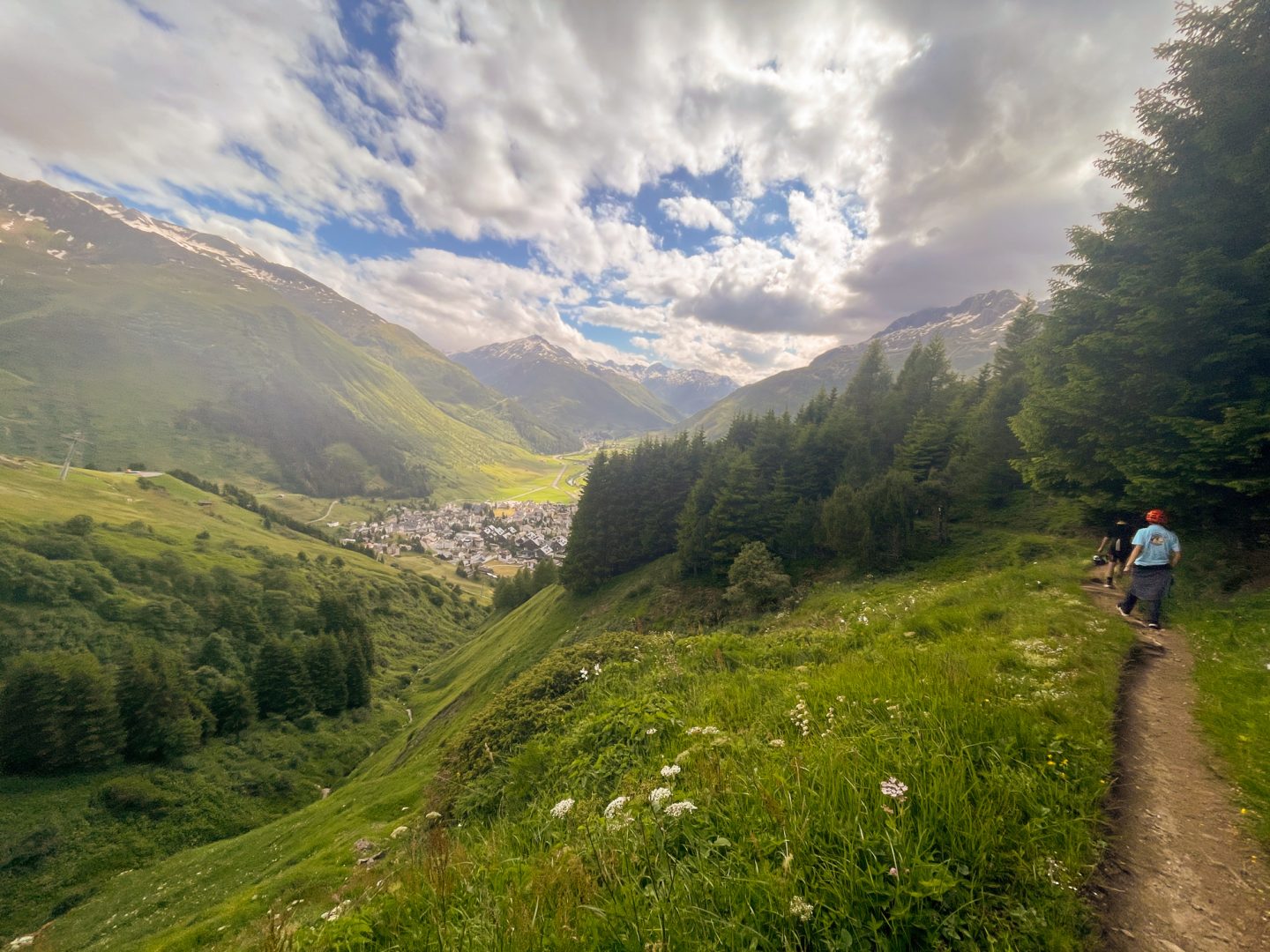
Summer camps in Switzerland with overnight wilderness stays demand careful planning. The country’s alpine terrain, variable trail networks, and fast microclimate shifts affect routes, kit, and daily rhythms. Planning must account for those factors: we pick regions, seasonal windows, and age-appropriate itineraries. Alongside that, we’ll secure canton-level permissions, staff correctly, add redundant communications, and set clear health protocols. Those choices decide safety, feasibility, and trip quality.
Key Takeaways
- Clothing & schedule: Alpine geography and microclimates require layered clothing and flexible timetables. Plan altitude-aware itineraries and add buffer days for weather or slow pace.
- Region & season fit: Region and season determine program fit: Valais and Graubünden suit high-alpine programs for teens; Bernese Oberland fits mixed-age lakes-and-peaks trips; Ticino works well for water-focused family programs; Central Switzerland offers accessible family loops.
- Permissions & environment: Laws and environmental rules change by canton and protected area. Get written landowner or municipal permission for below-treeline camps, respect reserve camping bans, observe fire restrictions, and follow Leave No Trace practices.
- Health limits: Keep child overnights generally below 2,500 m. Use an AMS descent protocol if symptoms appear. Plan roughly 3 L/day baseline hydration for active adolescents and add calories on high-exertion days.
- Staffing, communications & kit: Follow recommended staff-to-camper ratios. Carry redundant comms (satellite plus mobile). Keep a group first-aid kit and a PLB or satellite device. Budget for hut or campsite fees, transport, and mountain-rescue insurance.
Operational checklist
- Choose region & season based on participant age, desired difficulty, and weather windows.
- Map routes with altitude profiles, bailout options, and daily mileage pitched to the group’s ability.
- Secure permissions from cantons, landowners, and protected-area authorities in writing.
- Staffing & training: confirm qualifications, first-aid certification, and local-route competency; set clear ratios and responsibilities.
- Communications: issue a comms plan, carry satellite backup, and test devices before departure.
- Health & emergency: assemble an AMS plan, hydration and nutrition targets, evacuation procedures, and insurance cover.
Practical notes
Keep itineraries flexible and accept that alpine weather can force changes. Prioritize routes with multiple exit points and plan more conservative exertion on consecutive high-altitude days. When in doubt, lower the objective and preserve group well-being.
Why Switzerland — quick facts that matter for overnight wilderness camps
We, at the young explorers club, choose Switzerland because its geography and infrastructure change how you plan overnight wilderness trips. Mountains dominate the map, and that affects access, safety and the type of experiences kids get. Short travel times can take a group from lakeside campsites to high alpine ridges. That variety shapes everything from gear lists to daily rhythms.
Elevation and weather demand specific planning. Rapid weather swings are normal. Microclimates mean a sunny valley can sit below a snowfield an hour away. We build flexible schedules, pack layered clothing, and brief leaders on emergency descent routes. Higher-altitude nights require awareness of altitude effects on sleep and hydration, so we adjust itineraries and monitor youngsters closely.
Trails and access are a major asset. You can reach remote huts and camp spots using an extensive network, which helps with route planning and evacuation options. We favour routes with clear markings and multiple exit points, and we schedule buffer days to absorb delays from weather or group pace.
For families and school groups, season timing matters. Peak summer runs June–August, but May and September work for high-altitude programs or smaller groups who can handle cooler nights and quieter trails. We recommend smaller groups and extra leader coverage for shoulder-season trips.
Quick facts at a glance
Here are the essential figures and facts I use when planning overnight camps:
- Area: 41,285 km² (Swiss Federal Statistical Office)
- Administrative units: 26 cantons (Swiss Federal Statistical Office)
- Alpine coverage: about 60% of the country is Alps; the Jura makes up about 10% (Swiss Federal Statistical Office)
- Highest peak: Dufourspitze, 4,634 m (Swiss Federal Statistical Office)
- Hiking infrastructure: roughly 65,000 km of marked hiking trails (SwitzerlandMobility)
- Typical summer season: June–August peak; May and September possible for higher-altitude or small-group programs
We use those figures to size routes, estimate travel times and decide on hut versus tent plans. Trail density often lets us craft looped itineraries that minimize road shuttles. That keeps kids outdoors longer and reduces logistical complexity.
Logistics and safety choices
Logistics and safety choices flow from topography. Long elevation gradients create steep ascent and descent days. We assign rest days and altitude gain caps for younger campers. Rapid weather change requires redundant communication—satellite or national emergency channels—and contingency shelters on every route. We also teach kids how to read terrain and spot microclimate cues, which makes group decisions faster and safer.
We balance wild experiences with access to support. Huts, cable cars and well-maintained trails mean we can run authentic overnight trips without being isolated. For program examples and age-appropriate itineraries, see our summer camp in Switzerland for mountain adventures.

Best regions, activity fit and sample itineraries by age
Regional summaries and activity fit
Valais: In Valais we run high-Alps programs that suit teens and experienced family groups. The terrain reaches valley floors up to peaks above 4,000 m and offers summer glacier views and high-altitude acclimatization loops. Tree-line is typically around 1,800–2,200 m depending on slope and exposure. Campsites vary from alpine pasture locations to permitted high-mountain bivouac spots and lakeside valley sites. Road and rail take you to valley bases; cable cars shorten approach days. I recommend keeping younger groups on lower-altitude loops with close supervision.
Graubünden: We use Engadin and areas bordering the Swiss National Park for alpine-only programs, but note that camping is prohibited in the core protected zones. Access is straightforward via rail hubs such as Chur and Zernez with regional buses to trailheads. Overnight options include mountain huts and valley campsites; alpine pastures can work with the right permissions. This area fits older children and teens for high-alpine treks, while valley basins host gentler family options.
Bernese Oberland: This is our go-to for classic lakes-and-peaks itineraries and family-friendly hut networks. Elevation ranges run from lake basins up to roughly 3,000 m ridges. Campsite types include lakeside sites, forest pitches and SAC huts. Train and road access is excellent through Interlaken. I place many mixed-age groups here because routes can be shortened or intensified easily. For details on our Alps offerings see our Alps camp.
Ticino: We pick Ticino for warm-weather, water-focused programs—paddling, lakeside camping and river activities. Most terrain sits below tree-line and offers low-to-mid elevation routes. Camps are usually lakeside, riverbank or in forested sites. Good road and rail links from Swiss cities make logistics simple. This region suits younger children and families looking for water-based adventures.
Central Switzerland: We base many family-friendly programs here because of short transfers and accessible basecamps near Lucerne and Zug. Official campsites with facilities, lakeside and forest options dominate. Routes are ideal for mixed-age groups and multi-day low-altitude loops.
Always verify local camping permissions and seasonal restrictions before finalizing routes, especially in protected areas.
Sample itineraries by age
Below are practical, ready-to-run itinerary templates we use on camp weeks:
-
3-night overnight loop — ages 8–11
-
Day-camp start then a 3-night loop with daily elevation gain 300–500 m (kids).
-
One easy acclimatization day with short hikes and lake swim.
-
Camps at forest or lakeside sites with simple cooking and shelter practice.
-
-
Classic 6-day alpine trek — ages 14–17
-
6-day trek with 4 nights split between tents and huts.
-
Daily elevation change 600–1,000 m per day (teens), plus a full acclimatization day.
-
Emphasis on route-finding, rope-skill basics and glacier-awareness where appropriate.
-
-
Family-style paddling + lakeside overnight — mixed ages
-
Low-altitude program with minimal elevation gain.
-
Focus on water safety, basic paddling skills and easy shore camping.
-
Ideal for families new to overnight trips and younger children.
-
I always plan contingency days and short transfer options. We brief parents on gear, permissions and pacing; permits and hut bookings get confirmed before departure.

Legal rules, permits and environmental ethics for overnighting
We treat legal clarity and environmental care as mission-critical for any overnight trip. Switzerland is divided into 26 cantons, so rules change locally and you must check each canton before you plan — wild camping rules vary by canton.
Private land usually needs permission; below the tree line you should always ask the landowner or use official sites. Above the tree line, informal overnighting is often tolerated in many places, but tolerance is not a permit.
Protected areas carry strict limits. The Swiss National Park forbids camping entirely. Other reserves and regional protections may also ban overnighting or require permits. Always query cantonal forestry or conservation offices and the Federal Office for the Environment (FOEN) for up-to-date rules.
Fires are commonly restricted. During dry weather you’ll find fire bans in many areas. When stoves or small fires are allowed, use existing fire rings or a portable stove. Never create new rings. We bring compact fuel stoves for cooking and avoid open flames except where explicitly permitted.
I follow Leave No Trace principles on every trip and expect our groups to do the same. Key rules I enforce include Leave No Trace, pack out waste, and follow local rules for human waste disposal. Burying human waste is only acceptable where allowed and at least 60–90 m from water sources. Always respect cantonal guidance on sanitation.
I recommend these national contacts before you commit:
- FOEN for national frameworks and restrictions.
- Cantonal forestry or conservation offices for local site-by-site rules.
Practical checklist and a simple permission email
Use this checklist and sample email to get permission and verify rules:
- Contact the municipal office for the exact parcel and overnighting rules.
- Check cantonal regulations for the specific valley or park.
- Obtain written permission from landowners before pitching below tree line.
- Confirm fire rules and seasonal bans with the canton.
- Pack a portable stove, waste bags, and a trowel for permitted waste burial.
- Carry a printed copy of cantonal permissions or FOEN guidance.
Sample email template to request landowner permission:
Subject: Request to overnight camp on your land — [dates]
Body:
Hello, we are leaders from Young Explorers Club planning a supervised overnight on your property on [dates]. We follow Leave No Trace, will not build fires, will pack out all waste, and will leave the area as found. May we please have written permission and any conditions you require?
Thank you,
[name], Young Explorers Club.
For practical trip prep and what to expect on youth outings, see our notes on an outdoor adventure camp.

Weather, altitude and health guidance for summer alpine camping
We, at the young explorers club, set clear expectations for temperature and altitude so leaders can plan safe, comfortable nights. Summer lowlands usually sit around 20–25°C; mountain weather shifts fast. At 2,000 m you should expect day temperatures of roughly 5–15°C, and night temperatures below 5°C are possible even in July and August. Use the typical lapse rate of about 6.5°C per 1,000 m to estimate changes as you climb.
Layer strategy must be simple and effective. Start with a moisture-wicking base, add an insulating mid layer, and finish with a breathable waterproof shell. Choose sleeping bags and pads rated for the expected lows; pick a bag with a comfort rating a few degrees colder than forecast to allow margin for wet clothing or wind. We recommend pads with good R-values and sleeping bags suitable for sub-5°C nights if you plan any 2,000 m+ overnights.
Afternoon thunderstorms are common in summer alpine zones. Lightning risk climbs above treeline, so avoid exposed ridge traverses and open summits during peak storm hours. We plan technical or exposed travel for early mornings when thermal activity is lower and weather windows are often clearest. If a storm approaches, move to lower, sheltered terrain and keep groups spread out until lightning risk passes.
Altitude sickness is a real concern for kids and adults. Risk rises significantly above 2,500 m, and sensitive individuals can show mild symptoms between 2,000 and 2,500 m. We keep group overnight altitudes generally below 2,500 m for children. If you must operate higher, acclimatize gradually: limit daily gains, include rest days, and monitor everyone closely for headache, nausea, dizziness or unusual fatigue. Follow this short AMS protocol if symptoms appear:
- Descend 300–500 m immediately.
- Administer oxygen if available and trained to do so.
- Monitor closely and evacuate if symptoms worsen or mental status changes.
Hydration and nutrition determine performance and recovery. Plan fluid intake conservatively and increase based on exertion and altitude. Expect a baseline of 2–3 L/day with low exertion, rising to 3–4+ L/day on active alpine days. For planning, use 3 L/day as a baseline for active adolescents at altitude. Food needs climb too; highly active teens may require 3,000–4,000 kcal/day, while younger children often need 2,000–2,500 kcal/day. Prioritize salty snacks, quick carbs for immediate energy, and hot, calorie-dense meals in the evening to aid recovery and warmth.
We display emergency numbers prominently at camp and in leader packs: Rega 1414, 144 ambulance, 117 police, 118 fire, and 112 EU emergency. Keep a charged phone, a satellite or PLB option for remote areas, and an evacuation plan with clear pick-up points and ETA checks.
Operational advice I insist on for every trip includes contingency plans and clear storm protocols. Avoid exposed travel during afternoon storms. Select sleep systems appropriate to expected lows. Carry spare insulation layers, extra food and fuel for an unplanned night, and a simple route alternative that drops elevation quickly if weather or health forces a retreat. Brief parents and children before departure so expectations match likely conditions; for a practical overview of activities and conditions kids face at camp, see what kids should expect.
Practical checklist for leaders
- Temperature planning: 20–25°C lowlands; 5–15°C daytime at 2,000 m; nights can fall below 5°C.
- Lapse rate: ~6.5°C per 1,000 m for quick estimates.
- Storm rule: avoid exposed ridges during afternoon thunderstorms.
- Altitude limits: keep child overnights below 2,500 m when possible; watch for symptoms from 2,000 m.
- AMS short protocol: descend 300–500 m, oxygen if available, evacuate if worse.
- Hydration: 2–3 L/day low exertion; 3–4+ L/day active; plan 3 L/day for active adolescents.
- Calories: teens 3,000–4,000 kcal/day; kids 2,000–2,500 kcal/day.
- Emergency contacts: Rega 1414, 144, 117, 118, 112 EU.
- Gear: sleeping bag rated below expected lows, high-R-value pad, waterproof shell, spare insulation, PLB/satellite device.

Staffing, risk management and emergency communications
Staffing ratios and supervision
We, at the young explorers club, set firm staff-to-camper ratios and supervision rules for overnight wilderness camping. Below are the recommended ratios and key supervision policies:
- 1:6 (6–8) for early-school ages.
- 1:8 (9–12) for middle childhood.
- 1:10–12 (13–17) for teens.
- All group leaders must be first-aid certified; at least one leader per group must hold “wilderness first aid” or an equivalent qualification.
- Water activities: stricter supervision applies — use a 1:4 water supervision ratio for younger children and enforce a “lifejackets 100% policy” for any boating or close-water work.
- Assign clear roles: trip leader, medic, water-safety lead and communications lead for every group.
Risk management, training and communications
I use a simple risk matrix for every trip. List hazards — weather, water, altitude, wildlife, ticks — then score likelihood and mitigation. Run emergency drills before departure. Practice evacuations and mark routes on maps. Identify nearest medical facilities for each campsite and hut.
Communications must be redundant. Carry a satellite messenger plus local mobile options because mobile signal in mountain valleys can be patchy. I recommend devices such as the Garmin inReach Mini 2 and SPOT X. Equip teams with spare power banks and a charging plan. Pre-program emergency contacts and local rescue numbers into every device.
Insist on the following gear and protocols on every overnight camp:
- a robust group first-aid kit sized for the full group, with consumables logged by the medic;
- oxygen cylinder if feasible for high-altitude camps and staff trained in its use;
- 100% lifejacket wear for boating and supervised entries;
- documented evacuation plans with mapped routes and rally points;
- redundant communications (satellite messenger + at least one mobile option).
Train staff with regular tabletop and live drills. Simulate scenarios: lost child, severe weather, water rescue and medical evacuation. Debrief after every drill and update the risk matrix. I brief families on expectations and emergency procedures before departure and point them to our Swiss outdoor camp information for practical prep.

Accommodation, gear, food and budgeting essentials
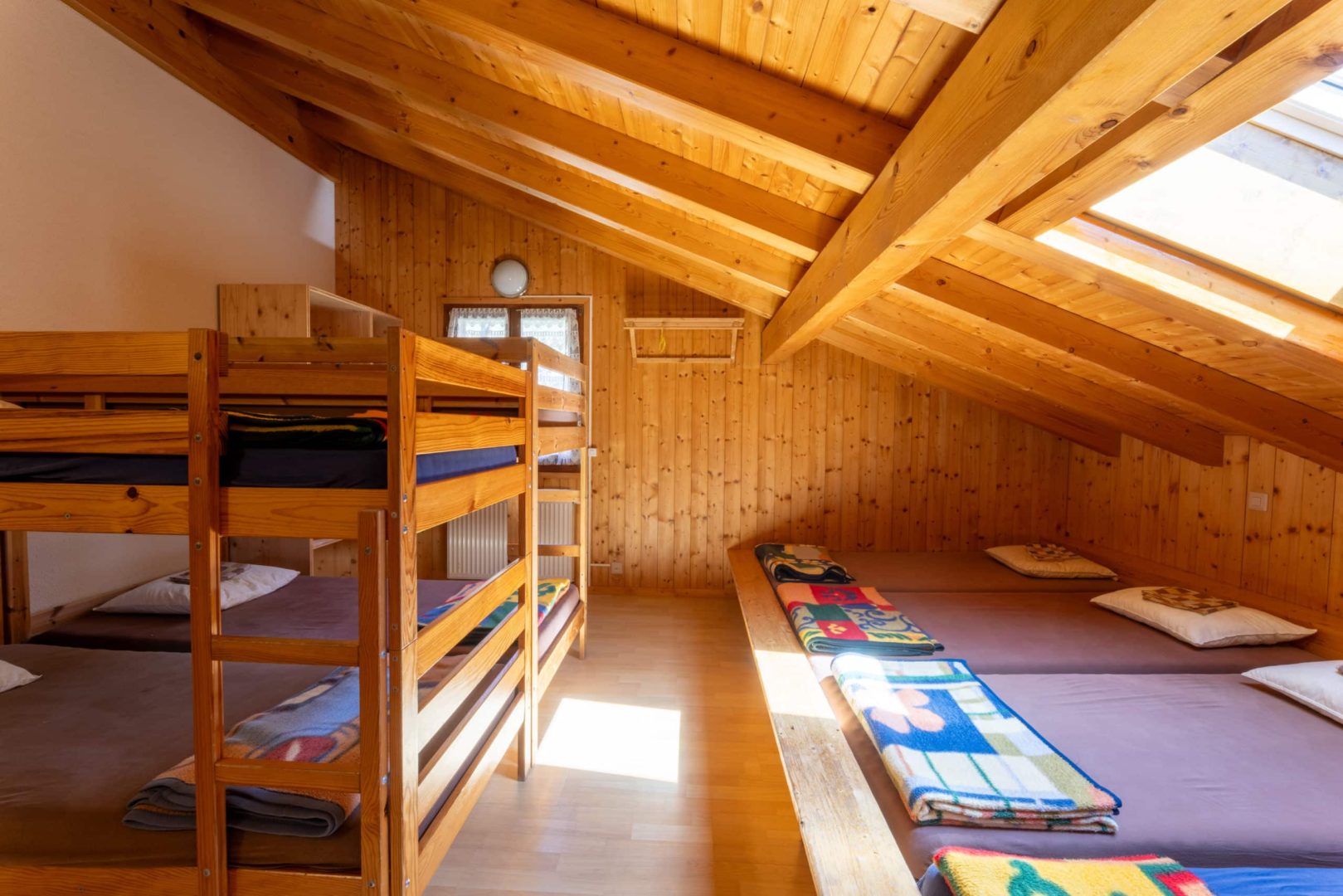
We, at the Young Explorers Club, pick accommodation with safety, comfort and logistics in mind. Official campsites give reliable water, showers and toilets. Wild overnighting can work but needs local permission and care. You can sleep in roughly 150 SAC huts across Switzerland (SAC). Hut dorm fees typically run CHF 20–60 per bed, and campsite pitches are about CHF 10–40 per person per night. Expect staffed, guided weeks to range roughly CHF 500–1,500 per person depending on transport, meals and instructor ratios. Always confirm rates with providers.
Essential gear checklist and model suggestions
Below are the group and personal items we won’t skip on multi-night trips.
- Group gear:
- High-capacity first-aid kit sized for the group.
- Group shelter/tarp and a repair kit for shelters.
- Stoves + fuel (carry spares) and water purification like tablets or a filter.
- Communication device: Garmin inReach Mini 2 or SPOT X for long-range comms.
- Charge options (power banks or solar panels) and paper maps & compasses.
- Headlamps rated 50+ lumens for each person.
- Personal gear:
- 3-season sleeping bag rated around -5°C to 0°C.
- Insulated sleeping pad with R-value 3–4.
- Waterproof jacket and overpants, warm mid-layer and base layers.
- Sturdy hiking boots and sun protection (hat, sunglasses, SPF).
- Compact repair kit, small personal torch and a lightweight bowl/cup.
I recommend specific items like the Sawyer Squeeze filter and the Petzl Actik Core or reliable Black Diamond headlamps for brightness and battery life.
Water and food planning
Plan water at a minimum of 2–3 L/day for low-exertion days and 3–4+ L/day for hard alpine days. Carry a mix of refillable bottles and bladder systems, and always treat water if sourced from streams. Teens on active weeks need roughly 3,000–4,000 kcal/day. Younger kids typically require 2,000–2,500 kcal/day. Pack energy-dense meals and snacks: instant grains, dried meats, nuts, and ready-to-eat options. Use gas canister stoves or liquid-fuel stoves; open fires are often forbidden at higher elevations or in protected areas.
Logistics, rentals and guides
We rent heavy or technical kit in hubs like Interlaken, Zermatt and Chur to avoid lugging gear by train. Hire IFMGA-certified guides for technical routes or glacier travel. We also check transport schedules, hut opening dates and any local permits before departure. For practical prep and what kids face at camps, see our guide on overnight camps.

Planning checklist, insurance, partner contacts and FAQs
We, at the Young Explorers Club, require comprehensive international travel insurance for every camper. I recommend policies that explicitly include mountain rescue insurance and helicopter evacuation coverage (a Rega-equivalent or top-up). Collect health insurance details, signed parental consent forms, completed medical/allergy forms and copies of IDs for every participant. For international groups, ensure parental consent covers cross-border medical treatment and emergency repatriation. I also provide templates for parental consent, medical forms and a roster with emergency contacts.
Plan the budget around predictable line items and a few big surprises. Typical costs include hut and campsite fees, permits, food, transport, staff wages and insurance. Expect transport costs to be a major share—Swiss trains and mountain transit are often the single largest expense. Verify cantonal rules and landowner permissions before you confirm routes; contact municipal offices early and request written permissions where required.
Keep pre-trip verification simple and traceable. Create a canton-check checklist: contact the municipal office, request written landowner permissions, confirm any permit fees and note seasonal restrictions. For parents new to overnight trips, point them to our guidance on overnight camps. When publishing operational details or stats, link to or cite Swiss Federal Statistical Office, SwitzerlandMobility, SAC, FOEN, MeteoSwiss, Rega, Swiss National Park and Switzerland Tourism for the latest rules and data.
Checklists, local partners and quick FAQ
Paperwork and templates I issue before every trip:
- Parental consent form (explicit emergency medical and evacuation clause).
- Medical/allergy disclosure and medication authorization.
- Participant roster with two emergency contacts per camper and copies of IDs.
- Staff qualification list and proof of first-aid certifications.
Budget line items to include:
- Huts and campsite fees.
- Permits and landowner fees.
- Food and group catering.
- Transport (high—Swiss trains and mountain transit).
- Staff wages and guide fees.
- Insurance (travel, mountain rescue, helicopter evacuation).
- Contingency (weather delays, extra nights).
Local partners and rentals to contact:
- SAC sections and hut wardens for hut bookings and route advice.
- IFMGA-certified guides for technical or glacier routes.
- Outdoor rental shops in Interlaken, Zermatt and Chur.
- Transport hubs and timetables via Bern, Geneva or Zurich stations.
Equipment I recommend sourcing locally when useful:
- Garmin inReach Mini 2 or SPOT X for two-way messaging.
- Sawyer Squeeze or Katadyn Base Camp water filters.
- MSR or Primus stoves and spare fuel canisters.
Templates and verification actions:
- Parental consent (signed, with emergency medical authority).
- Medical form (allergies, meds, special needs).
- Canton-check checklist (municipal office contact, written landowner permissions).
- Emergency contact sheet (digital and printed copies).
- Pre-trip equipment checklist for campers and staff.
Quick FAQ (short answers):
- Is wild camping legal in Switzerland? Wild camping rules vary by canton and landowner; above the tree-line it’s often tolerated, below the tree-line you must ask the landowner. Swiss National Park — camping prohibited (Swiss National Park).
- What are emergency numbers in Switzerland? Rega 1414 (Rega); 144 ambulance; 117 police; 118 fire; 112 EU.
- What weather to expect in July and how cold at 2,000 m? Lowlands often see 20–25°C; at 2,000 m daytime temps are commonly 5–15°C with nights below 5°C possible (MeteoSwiss).
- What staff ratios do you recommend? 1:6 for ages 6–8, 1:8 for 9–12, and about 1:10–12 for 13–17.
For operations and publications, verify rules and data with official bodies such as SAC, FOEN and MeteoSwiss before you finalize itineraries or public guidance.
Sources
Swiss Federal Statistical Office — Switzerland in figures
SwitzerlandMobility — Hiking in Switzerland
Swiss Alpine Club (SAC) — Huts and services
Federal Office for the Environment (FOEN/Bafu) — Nature and recreation
MeteoSwiss — Climate of Switzerland
Rega — Rega emergency and rescue services
Swiss National Park — Visit & rules
Switzerland Tourism — Camping in Switzerland
ch.ch (Swiss Confederation) — Emergency numbers in Switzerland
Wilderness Medical Society — Wilderness Medicine practice guidelines