Summer Camp In Switzerland For Creative Kids: Arts And Nature Combined
Swiss arts & nature summer camps for ages 6-17, studio arts & filmmaking plus daily outdoor learning in Alpine chalets. Sessions 1-4 weeks.
Swiss arts-and-nature summer camps
We run Swiss arts-and-nature summer camps for creative kids aged 6–17. Programs combine studio instruction — visual arts, music, drama, digital creation and filmmaking — with daily outdoor learning at alpine chalets, lakeside hostels and mountain eco-centres. Sessions last 1–4 weeks. Camp days include 6–8 organized hours and about 1.5–2 hours outside. Practicing artists and outdoor educators staff the programs. Instructor ratios usually sit between 1:6 and 1:10. Each session produces 1–2 tangible projects; longer stays support portfolio-level work.
Key Takeaways
Program scope and age range
Programs serve ages 6–17 in 1–4 week sessions and combine studio practice (drawing, film, sculpture, digital art, performance) with nature-based activities to encourage creativity and environmental learning.
Typical daily structure
Typical days include 6–8 organized hours of instruction plus about 1.5–2 hours of outdoor learning. Afternoons are often project-focused and end in exhibitions, films or performances where participants share tangible outcomes.
Outcomes by session length
Outcomes scale with session length: one-week tasters, two-week team projects or short films, and three weeks or more for sustained, portfolio-ready work.
Staffing, safety and verification
Staffing follows Swiss standards: practicing instructors, outdoor guides and first-aid-trained staff. Instructor-to-camper ratios typically sit between 1:6 and 1:10. Always verify credentials, emergency plans and local safety measures before booking.
Logistics and costs
Sites offer multilingual instruction. Typical travel times from major hubs are about 1–3 hours. Typical fees range CHF 600–2,500 per week. Deposits and early registration secure the best dates and discounts; check each session’s cancellation and refund policy.
Practical notes for families
- Preparation: Pack layers and art supplies as recommended by the program; many locations are alpine and weather can change quickly.
- Health & safety: Confirm first-aid coverage, staff ratios and emergency transfer plans, especially for mountain sites.
- Learning outcomes: Expect 1–2 physical or digital projects per session; longer sessions support portfolio development and advanced mentorship.
- Booking tips: Reserve early for popular dates, ask about sibling discounts, and request a sample daily schedule and equipment list.
What to Expect at a Swiss Arts + Nature Summer Camp
Programs for ages 6–17; choose 1–4 week sessions. Picture an Alpine plein air sketching class with children silhouetted against a glacier, or a lakeside film shoot at golden hour. We, at the young explorers club, run art camps that combine studio practice with outdoor learning so creative kids get both technical training and fresh-air inspiration.
I’ll explain the setup, daily rhythm, and outcomes so parents and older campers know what to expect. Our camps sit in alpine chalets, lakeside youth hostels, and mountain eco-centres. Each site supports visual arts, music, drama, digital creation and nature-based outdoor learning. You’ll find an Alpine summer camp vibe at high-elevation sites and a relaxed lakeside mood at shore locations. We balance structured learning with free play and time to process ideas.
Daily rhythm and structure
Camp days run with focused creative blocks and outdoor sessions. Typical daily organized activity time is 6–8 hours, plus meals, rest and unstructured play. Age groups are split to match attention and skill levels: 6–9, 10–13, 14–17. Younger groups get shorter studio segments and more guided outdoor play. Teens work on longer, independent projects and advanced technical workshops. You’ll see schedule elements like:
- Morning skill workshops (drawing, composition, instrument or camera basics).
- Midday outdoor explorations (plein air practice, sound walks, site-specific performance).
- Afternoon project time (collaborative pieces, editing, rehearsal).
- Evening showcases or creative gatherings.
Staff include practicing artists, musicians and outdoor educators who bridge craft and fieldwork. Health and safety meet Swiss standards at all sites, and daily routines include quiet time to let ideas settle.
Project progression by session length
Choose a session length to match goals and skill level. Short stays let campers sample many disciplines; longer stays let them dig deep. Typical outcomes scale predictably:
- 1-week: taster & rapid project — campers leave with introductory skills, quick group projects, sketchbooks and small take-home works. Great if you want to test interest.
- 2-week: more complex project — teams build multi-stage pieces, mount a small exhibition or produce a short film. Campers develop deeper technique and teamwork; outcomes suit summer showings.
- 3+ weeks: portfolio-level work — individuals complete sustained projects, polish short films or stage performances. These pieces can be meaningful additions for applications or ongoing practice.
Expect 1–2 major projects completed per session, with project depth increasing by session length. We guide students through concept, technical execution and a final presentation. Along the way they gain practical skills from kids art workshops to camera editing, and soft skills like collaboration and project planning.
For families focused on creative growth, our arts and nature camp blends craft and environment so campers leave with things they made and memories that shaped their practice. Learn more about our approach by visiting our art camps page.
Why Switzerland? Landscapes and Practical Advantages
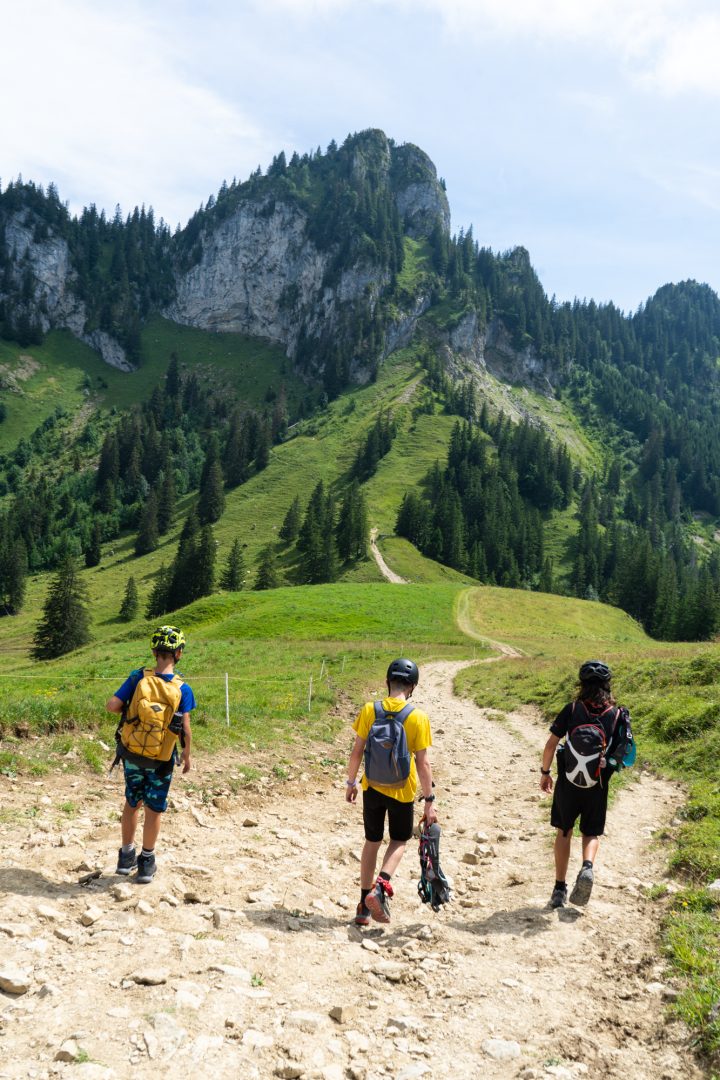
Switzerland gives a compact variety of landscapes that suit almost every creative camp activity. High Alpine ridges produce dramatic light and elevation changes perfect for plein air sketching and sculpture studies. Lakes such as Lake Geneva and Lake Lucerne supply calm shorelines and reflections that make water-based photography and painting richly instructive. Forests and meadows offer quiet, protected sites for eco-art, material sourcing, and hiking-based inspiration. I often point families to our Alps art camp as an example of how high-altitude settings and studio practice can work together.
Concrete location examples
Below are the site types we use and how each supports specific activities:
- Alpine chalet for sketching & sculpture: indoor studio space plus immediate mountain scenery for timed plein air studies and large-format sculpture work.
- Lakeside youth hostel for photography & water-based art: safe shore access for lighting studies, paddle-based observation, and controlled water activities.
- Mountain eco-centre for ecology workshops: structured ecology labs, supervised nature-materials sourcing, and environmental-art projects that reinforce conservation lessons.
Language, safety and practical planning
We run camps in a multilingual setting where German, French, Italian and English are commonly available. Many programs operate as bilingual camps or English-first sessions; we list languages per session so families can match comfort level and learning goals. Switzerland’s transport network and hospitality standards reduce travel friction. You’ll typically find central camp locations one to three hours from major hubs such as Zurich or Geneva by train or car. That 1–3 hours guideline helps when comparing options and transfer needs. We recommend checking transfer logistics early. Many camps provide airport or train station pickups for an extra fee, and we include that option in program descriptions when available.
Safety and infrastructure are practical advantages you’ll appreciate. Trains run reliably; emergency services and local medical care meet high standards. We vet accommodations for secure storage of art supplies and for appropriate supervision during outdoor sessions. When planning, compare travel times and transfer options, check language of instruction, and confirm pickup services if you want door-to-door ease.

Program Structure: Creative Arts and Nature Integration
We design schedules that pair strong studio work with real outdoor learning. I’ll outline how the arts core, instructor model, and nature sessions fit together so you can see the practical flow and safety measures.
Arts core and project outcomes
We run focused visual arts workshops covering drawing, painting and sculpture, plus digital art for children through animation, stop-motion and digital illustration. Our film camp for kids and filmmaking tracks include photography, short-form video and editing. Performing arts and music sit alongside theatre exercises and ensemble pieces. Students normally complete 1–2 major projects per session — an exhibition, a short film or a live performance — so each term ends with a visible outcome you can share.
Instructor ratios and qualifications matter. Arts classes typically operate at a 1:6–1:10 instructor-to-camper ratio, with smaller groups for specialized media like ceramics or film. You should ask for teachers with BFA/MFA credentials, formal teaching certificates, DBS/background checks and demonstrable professional experience in their field. I prioritize hires who can show recent project work and youth teaching references.
Nature integration and safety
We embed outdoor work across the week: plein air painting, nature journaling, ecology workshops, beginner foraging and survival basics, plus night-sky observation sessions. Our approach mirrors forest school ideas and supports an eco-camp ethos — kids learn craft and conservation together. Camp schedules commonly meet or exceed the wellbeing benchmark of 120 minutes a week in nature, often delivering 1.5–2 hours per day of outdoor time.
Group sizes for excursions are deliberate. We keep outdoor groups at 8–15 children per leader, with smaller ratios for younger ages. Safety measures include pre-planned routes, strict leader-to-group ratio rules, reliable communication devices, and live weather-monitoring protocols. Leaders carry first-aid kits and emergency plans; they brief kids on boundaries and contingency steps before every outing.
Sample weekly rhythm
Below is the typical daily flow we use to balance technique, exploration and project time:
- Mornings: concentrated technique classes in studio — sculpture, painting, digital art for children or film theory.
- Mid-morning: guided nature excursions for plein air painting or ecology workshops.
- Afternoons: project development and studio time for collaborative pieces or film editing.
- Evenings (select days): screenings, rehearsals or skill-sharing showcases.
I recommend checking program descriptions for which weeks include filmmaking versus visual arts workshops, since some sessions emphasize one medium more heavily. If you want a strong outdoor focus, consider our outdoor camp which highlights forest school practices and extended plein air painting blocks.

Sample Daily Schedule and Expected Learning Outcomes
Below I lay out a clear sample schedule for a 2-week session that balances studio practice with daily outdoor time. I keep the day predictable so campers build creative habits while staying energized.
- 08:00 – Breakfast
- 09:00 – Morning art skills workshop (2 hrs)
- 11:15 – Nature hike / plein air sketching (1.5 hrs)
- 13:00 – Lunch / siesta
- 14:30 – Project development / studio time (2–3 hrs)
- 17:30 – Free play / sports
- 19:00 – Dinner
- 20:00 – Evening program (storytelling, film screening, performance prep)
This sample schedule hits the activity load target of 6–8 organized hours/day. Daily nature exposure runs 1.5–2 hours, which meets the nature wellbeing 120 mins benchmark per week. Campers typically complete 1–2 projects per camper per session, and longer studio blocks allow deeper focus in later weeks. I reference this template as a practical art + nature daily routine you can adapt by age and skill level.
Learning outcomes, KPIs and evaluation
Below I list measurable goals, suggested metrics and an evaluation plan you can implement.
Core learning outcomes:
- Technical arts skills: observable progress in drawing, painting, composition, or media-specific techniques.
- Creative confidence: increased willingness to experiment and share work.
- Collaboration and teamwork: ability to give and receive constructive feedback.
- Greater nature connectedness and increased physical activity through daily outdoor practice.
Target KPIs to track impact:
- Participant satisfaction rate target ≥90%.
- Project completion rate target 95%.
- Measurable improvement in self-reported creative confidence via pre/post surveys.
- Maintain 6–8 organized hours/day and 1.5–2 hours in nature per day possible (meets 120+ minutes/week).
Sample evaluation plan:
- Pre-camp survey: administer a short survey capturing baseline creative confidence, prior experience, and nature connectedness.
- Post-camp survey: repeat measures and add satisfaction and project assessment.
- Facilitator checklists: have facilitators complete checklists for project completion and skill milestones each week.
- Qualitative review: combine quantitative scores with a brief qualitative review of standout student work for portfolio coaching.
Age-tailored schedule variants:
- Ages 6–9: shorter rotations, higher supervision, and playful outdoor prompts.
- Ages 10–13: balanced skills blocks plus project time and peer critique practice.
- Ages 14–17: extended studio blocks, independent projects, and portfolio coaching for future applications.
I encourage parents and educators to review this sample schedule and adapt it for their group size and site. For more detail on how we mix outdoor learning with creative practice, see our summer camp in Switzerland.

Staffing, Safety, Facilities, Accommodation and Food
Staffing and safety
We, at the young explorers club, staff each session with a Director, lead arts teachers, outdoor guides, residential counsellors and an on-call nurse or medic. Camper supervision follows standard camper-to-staff ratio 1:6–1:12 depending on age and activity; residential supervision commonly runs 1:8–1:12. We require first-aid-trained staff and maintain written emergency response plans for every activity.
I display staff teaching certificates, wilderness first aid credentials, DBS/background checks and the on-site medic roster at registration so parents can verify camp safety Switzerland credentials at a glance. We publish clear allergy protocols and incident-reporting procedures before arrival.
Facilities, accommodation and food
Our camps combine studio spaces with outdoor gear to support creative curricula. Indoor offerings include well-equipped art studios, an optional darkroom/photography space and a film/editing suite with laptop/tablet stations. Outdoor kit covers hiking boots, backpacks and basic camping gear; occasional kiln access is available for ceramics sessions. These facilities create strong art studio Switzerland experiences while keeping outdoor learning practical. I recommend parents review equipment rental options for heavy items like kilns or cameras versus items to supply.
Below are recommended supplies and trusted brands I ask families to consider before arrival:
- Watercolors — Winsor & Newton Cotman
- Acrylics — Liquitex Basics
- Brushes — Princeton or Da Vinci
- Sketchbooks — Moleskine or Canson mixed-media
- Linocut tools — Speedball
- Cameras — Canon EOS M50 or Sony A6000
- Tablets/software — iPad + Procreate; Wacom Intuos + Krita
- Portable sewing machines — Brother CS7000X
- Printmaking inks, clay and natural dye kits
Accommodation options balance comfort and supervision. We offer chalet dormitories, cabins and youth-hostel style rooms; sample cabin occupancy is 4–8 campers and staff usually sleep in single rooms. Menus provide 3 meals/day plus snacks, and we accommodate common camp dietary requirements including vegetarian options, allergies and halal/kosher on request. Parents can expect published sample menus, clear allergy policies and the option to meet kitchen staff at check-in.
For parent-facing prep I provide packing lists, rental vs. supply guidelines and a clear summary of camper-to-staff ratio 1:6 for younger groups. Families interested in arts-specific tracks can see our art camps, photography camps and filmmaking programs for Young Creatives, and I encourage outdoor-loving families to review our summer camp outdoors page to confirm equipment and safety expectations.
https://youtu.be/3zuB-YMjPmI
Costs, Registration, Travel Logistics and How to Choose the Right Program
We, at the Young Explorers Club, break down realistic pricing so you know what camp cost Switzerland typically looks like. Typical Swiss range runs CHF 600–2,500 per week. Typical tiers are:
- Day camp / arts only: CHF 600–900/week.
- Residential basic: CHF 900–1,400/week.
- Residential premium (specialist instructors + excursions): CHF 1,400–2,500+/week.
Expect multi-week discounts of about 5–15%. Plan for additional costs such as travel, special excursions, instrument rentals and materials fees (CHF 20–200). Deposits on booking commonly run CHF 200–500, with the balance due 6–8 weeks before arrival. Popular weeks fill by March–May, while registration windows commonly open Oct–Feb for the following summer — keep that schedule in mind when you’re comparing options.
Registration, documents and travel logistics
We handle camp registration Switzerland processes every season and recommend the following timeline and paperwork. Register early; many international spots are reserved 6–12 months ahead. When you book, expect to pay the deposit and submit:
- Medical form and immunization record.
- Consent forms and any special needs information.
Camps often offer airport meet-and-greet or train station pickup for an extra fee. Typical travel time from major airports to central camp locations is 1–3 hours by Swiss public transport plus a short transfer. Many families choose train connections from Zurich or Geneva; for those planning transfers, check the specific camp policy on arrivals. International campers should verify passport and visa requirements and supply parental consent forms if needed. If you want details on transfers and local travel, see our page about camp logistics and nature programs via this camp transfer Zurich option.
How to choose and a checklist to request
We pick programs by balancing interest, intensity and logistics. Consider these decision factors: the child’s age and interest, program intensity (hobby vs. pre-college portfolio), language of instruction, session length, cost and location. Ask about scholarships and financial aid if cost is a hurdle; many camps list a camp scholarship policy or limited aid.
Request the following items from any provider before you commit:
- Instructor credentials and CVs.
- A sample daily schedule.
- Sample projects or portfolio outcomes.
- Safety and health policies, including staff-to-camper ratios.
- Accommodation details and sample menus.
- Transport options and pickup policies.
- Clear breakdown of included and extra fees.
Compare value by checking instructor qualifications, project outcomes, included excursions and transfer options. We recommend matching the program intensity to your child’s goals: choose art camp focused on exploration for younger kids, and pick premium residential weeks with specialist tutors for portfolio-building teens. When you evaluate price vs. promise, look beyond the headline number — included materials, excursions and qualified staff often make the higher camp cost Switzerland worthwhile. For questions about creative formats like filmmaking or photography that influence cost and curriculum, explore our related programs and help your child pick the best fit.

Sources
National Endowment for the Arts — The Arts and Achievement in At‑Risk Youth
MySwitzerland (Switzerland Tourism) — Family holidays in Switzerland
Swiss Federal Statistical Office — Tourism and recreation statistics
American Camp Association — Health & Safety (Healthy Camp Standards)
Forest School Association — What is Forest School?
Federal Office for the Environment (BAFU) — Environment in Switzerland
WHO Regional Office for Europe — Urban green space interventions and health: a review of evidence