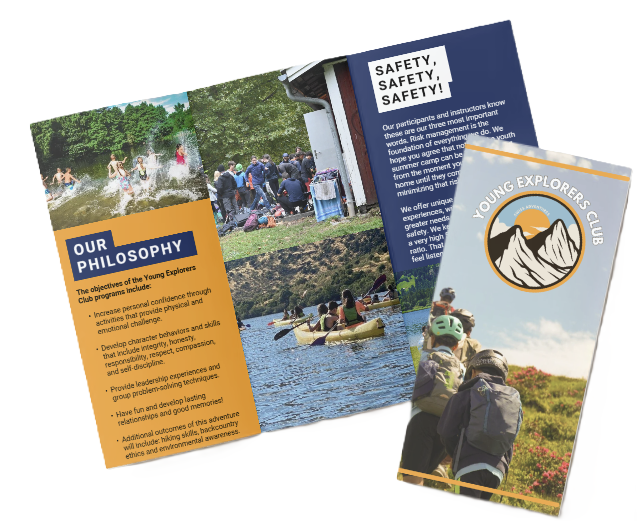
Summer Camps In The Bernese Oberland: Adventure Awaits
Bernese Oberland summer camps: STEAM & outdoor-adventure for ages 7–17, day or residential under the Jungfrau–Mönch–Eiger skyline.
Summer camps in the Bernese Oberland
The Jungfrau–Mönch–Eiger skyline and the Jungfrau‑Aletsch UNESCO landscape form a dramatic classroom for hands-on STEAM and outdoor‑adventure programs across lakes, waterfalls and high‑alpine sites. We run age‑segmented day and residential sessions for roughly ages 7–17. Programs combine multisport, alpine skills, water sports and environmental modules. Certified guides and clear safety protocols back every course. Below are key takeaways and practical planning tips for beginners and depth for seasoned leaders.
Key Takeaways
- Iconic peaks: Jungfrau (4,158 m), Mönch (4,107 m) and Eiger (3,967 m) plus UNESCO status let programs integrate glaciology, geology and conservation lessons with outdoor activities.
- Formats & ages: Day and residential formats for ages ~7–17, covering multisport/adventure, alpine skills, water sports, mountain biking, paragliding tandems, language immersion and STEAM tracks.
- Core activities: Paddling on Lakes Thun and Brienz, waterfall and glacier fieldwork, climbing and via‑ferrata, canyoning and rafting, and high‑alpine excursions such as Jungfraujoch.
- Bases: Choose a base to match goals — Interlaken (transport/logistics), Grindelwald/Wengen (technical alpine), Mürren/Lauterbrunnen (family valley camps), Kandersteg (large‑group hostels).
- Safety & readiness: Operators emphasize IFMGA/UIAGM or equivalent certified guides, lifeguard and technical credentials, counselor ratios (typically 1:6–1:10), medical disclosures, altitude planning, detailed gear lists, and weekly costs from about CHF 200 to 2,000+ depending on program and excursions.
Programs and Ages
Age‑segmented programming helps tailor learning and risk exposure. Typical breakdowns:
- 7–10: Intro multisport, lakes-based paddling, low‑impact hikes, simple environmental projects.
- 11–14: Progressive climbing, via‑ferrata, basic alpine skills, overnight day hikes, expanded STEAM modules.
- 15–17: Technical alpine routes, glacier intro, multi‑day treks, leadership and expedition planning.
Core Activities and Locations
Design activities to use the region’s assets safely and educationally:
- Water sports: Lakes Thun and Brienz for paddling and sailing; lifeguarded sessions recommended.
- River/whitewater: Canyoning and rafting on suitable sections with licensed operators.
- Rock & alpine: Climbing crags, via‑ferrata routes and guided glacier fieldwork (use certified guides for rope/crevasse safety).
- High‑alpine excursions: Day trips to Jungfraujoch or surrounding high passes for glaciology and climate topics.
- STEAM & environment: Field experiments, water quality sampling, geology walks and conservation projects attached to excursions.
Bases and Logistics
Pick a base based on access, accommodations and program intensity:
- Interlaken: Best for transport links, large group transfers and central coordination.
- Grindelwald / Wengen: Ideal for technical alpine programs and quick access to steep terrain.
- Mürren / Lauterbrunnen: Valley camps, family‑friendly bases and easy access to waterfalls and local trails.
- Kandersteg: Good for large‑group hostel infrastructure and affordable residential weeks.
Safety, Staff and Costs
Safety is the foundation of all programs. Expect:
- Qualified staff: IFMGA/UIAGM or equivalent mountain guides, certified canoe/kayak instructors, lifeguards and first‑aid trained counselors.
- Ratios & disclosures: Typical counselor ratios 1:6–1:10, pre‑trip medical forms, allergy and medication plans and altitude considerations.
- Gear & logistics: Detailed kit lists, on‑site gear checks, weather contingency plans and clear transport arrangements.
- Costs: Weekly fees vary widely — from about CHF 200 for basic day weeks to CHF 2,000+ for residential weeks with high‑alpine excursions and specialist instructors.
Practical Planning Tips (Beginners & Leaders)
Practical tips to plan safe, educational and fun camps:
- Match base to goals: Use Interlaken for logistics, Grindelwald/Wengen for technical alpine, Mürren/Lauterbrunnen for valley/family programs and Kandersteg for large groups.
- Start small: Beginners should run shorter days, lower‑exposure routes and lake activities before adding high‑alpine components.
- Acclimatize: Build gradual altitude gain into schedules and monitor participants for symptoms of altitude illness.
- Gear list & checks: Provide a clear, prioritized kit list and run on‑arrival gear inspections; include spare layers, sun protection and certified helmets/PDAs where needed.
- Staffing & training: Maintain appropriate ratios, ensure technical instructors hold current credentials and run scenario‑based emergency training before camp.
- Medical & emergency plans: Collect medical forms, ensure access to local medical services, and prepare evacuation/communications plans (SIMs, radios, satellite if remote).
- Insurance & permits: Verify participant insurance covers high‑altitude and adventure activities; check local permit requirements for commercial groups.
- Environmental integration: Tie STEAM lessons to site visits (glacier monitoring, water sampling, biodiversity surveys) and follow Leave No Trace principles.
- Logistics checklist: Transport windows around peak tourist crowds, plan lunch/rest windows, and schedule flexible weather contingency days.
- Sample weekly structure: Day 1: arrivals, gear checks and safety brief; Days 2–4: progressive skills + local excursions; Day 5: high‑altitude or signature trip; Day 6: wrap, presentations and departure.
If you want, I can produce a printable kit checklist, an age‑specific sample schedule, or a risk‑assessment template tailored to a chosen base (Interlaken, Grindelwald, Mürren or Kandersteg).
Why the Bernese Oberland Is the Ultimate Summer-camp Playground
We, at the young explorers club, run programs beneath a skyline where three peaks rise between about 3,900 and 4,158 meters — Jungfrau 4158 m, Mönch 4107 m and Eiger 3967 m — a dramatic scene that makes photo, science and inspiration sessions instantly compelling. From many valley camp sites you can capture all three in a single frame, which turns basic hikes into STEAM lessons and instant social-media moments.
Gateways, learning and the UNESCO advantage
Interlaken, Grindelwald, Lauterbrunnen, Mürren, Adelboden and Kandersteg give us compact access to high-alpine classrooms. We route campers through easy-to-reach trails and alpine trains so lessons start fast and the day stays full. The Jungfrau-Aletsch UNESCO 2001 designation strengthens our environmental programming by lending recognized credibility to glacier, geology and conservation modules. We build curriculum that uses that status for hands-on science: glacier mapping, moraine study, and climate-change observations designed for ages 8–17.
I integrate local town logistics with clear objectives: short transfers, safe acclimatization, and progressive technical skills for climbing, via ferrata or alpine lake navigation. Those gateways also let us tailor cabin- or day-camp formats depending on family needs and skill levels; check our short guide on summer camps in Switzerland if you want a quick comparison.
Lakes, waterfalls and scale drama
I use water features as core activity anchors. Key water features to use in camp programming include:
- Lake Thun — 48.3 km², a wide flat-water stage for canoeing and team regattas.
- Lake Brienz — 29.8 km², clearer, colder water that’s ideal for paddling clinics and geology shore walks.
- Staubbach Falls — 297 m, dramatic single-drop backdrop that’s perfect for photography modules.
- Lauterbrunnen valley — about 72 waterfalls, a natural classroom for erosion and microclimate studies.
- Trümmelbach Falls — a series of 10 glacier-fed falls inside the mountain, great for guided geology tours.
We pick sites to match learning goals and risk profiles. For younger campers we focus on flat-water skills, basic geology and guided waterfall walks. Older teens get multi-day lake-to-summit routes, glacier observation labs and outdoor leadership practice. I emphasize small group ratios, repeat skill drills, and a clear emergency plan so adventurous programming stays safe and profoundly educational.
Top Towns & Camp Bases — Where to Put Your Kids
Interlaken (elevation 568 m) is our principal logistics hub. We, at the young explorers club, route most international arrivals through Interlaken because it has the strongest transport links and the widest range of budget to mid-range accommodation. Zurich to Interlaken runs at roughly two hours by train; Bern ≈ 50 minutes; Geneva ≈ 3+ hours. Expect most operators to accept cards, but carry some CHF for small vendors and mountain huts. Mobile coverage is generally good in the valleys but gets intermittent in remote huts. Tell us about allergies before arrival and we’ll accommodate dietary needs.
Grindelwald and Wengen are pure alpine-sport bases. I send skill-focused groups here for rock climbing, via ferrata and high-alpine trail access. Railways and cable cars cut approach time, so you spend more day-hours on technique and less on travel. These bases suit teens and programs that demand elevation and sustained exposure.
Mürren and Lauterbrunnen make excellent valley-based adventure hubs. We run family-friendly camps here centered on valley hikes, waterfall exploration and photography — Lauterbrunnen has about 72 waterfalls. Nights are milder than at higher stations, so younger kids adapt quickly. These villages are perfect when you want big scenery with short approaches and gentle gradients.
Kandersteg hosts classic scout and hostel infrastructure. The Kandersteg youth hostel has long been a base for international youth groups and multi-day hut treks. I recommend it for large groups that need dorms, communal kitchens and easy access to classic alpine routes.
How to choose a base — quick comparison
Use the short list below to match camp type to base and to plan practical details before booking.
- Interlaken — best for international arrivals, day camps and multisport programs; easy train transfers and wider accommodation choices. See our notes on a Swiss outdoor adventure camp.
- Grindelwald / Wengen — ideal for alpine skills, climbing and teen-focused programs; expect colder nights and higher exposure.
- Mürren / Lauterbrunnen — family and valley-adventure camps; gentler hikes and photographic opportunities.
- Kandersteg — scout and youth-hostel infrastructure; great for large groups and multi-day hut treks.
Consider these logistical and environmental points before you commit:
- Travel time matters: pick your base with train times to Zurich or Geneva in mind to reduce transfer fatigue.
- Altitude and climate: valley bases (≈ 500–1,200 m) have milder nights and easier acclimatization. High-alpine stations and huts are colder, may have limited reception and require warmer sleeping gear.
- Gear and packing: for valley camps pack layered clothing and standard hiking boots; for Grindelwald/Wengen-style alpine camps add a helmet, harness and warmer layers.
- Cash vs card: carry some CHF for huts and small operators; most valley businesses accept cards.
- Medical and dietary needs: notify us early about allergies or medical conditions so kitchens and guides can prepare.
I focus on matching the base to your program goals. Tell me the age range, skill level and how much travel you want, and I’ll recommend the right town and camp setup.
Types of Summer Camps Offered & Age Ranges
We, at the young explorers club, run a full spectrum of summer camps in the Bernese Oberland that match different skills, interests and energy levels. Programs cover gentle introductions for young children up to intensive teen expeditions, and they integrate the region’s glaciers, lakes and peaks — including environmental lessons tied to Jungfrau-Aletsch UNESCO 2001.
Camp types, ages, session lengths and requirements
Below I outline the main camp formats, typical age brackets and common session lengths so you can pick the right fit quickly.
- Adventure / Outdoor (multisport): Ages 9–15 typical. Activities mix hiking, scrambling, basic climbing, lake sessions and orienteering. Sessions: 1-week day camps (5 days) or 1–2 week residential. Younger participants do best in day formats; older kids can take multi-week options.
- Alpine skills (climbing, via ferrata, mountaineering): Ages 12–17. Progressive clinics for rope work, anchors and alpine movement. Sessions: 1–2 weeks for introductory courses; 2–4 weeks for expedition-style programs. Advanced courses may require prior rope experience or demonstrated competency.
- Water sports (kayak, paddleboard, sailing): Ages 7–16. Lake-based skill-building and safety training. Typical session: 1-week day or residential camps. We emphasize buoyancy, strokes and rescue basics.
- Mountain biking: Ages 9–17. Trail skills, bike handling and basic maintenance. Sessions: 1-week day camps or multi-week trail programs for teens.
- Paragliding tandems for teens: Ages 14–17 (tandem flights with certified pilots). Often included as a single-experience activity inside longer adventure weeks.
- Language-immersion + activities: Ages 8–15. Combine language practice with outdoor activities to build confidence and fluency. Sessions: 1–2 weeks.
- Family camps: All ages. Short residential weeks that let parents and children share guided hikes, lake days and optional clinics.
- Environmental / STEAM camps: Ages 8–16. Science projects and fieldwork leveraging the Jungfrau-Aletsch UNESCO 2001 landscape to teach glaciology, ecology and citizen science.
Sample age-specific program example for clarity:
- Ages 9–12: 1-week day camp, 09:00–17:00 — activities include two half-day hikes, one lake session (kayak/SUP), and one via ferrata introduction with easy grades and full supervision.
Fitness and skill recommendations
- Younger children: choose shorter day-camp formats with frequent breaks.
- Middle ages (9–12): opt for mixed-adventure weeks to build stamina and skills.
- Teens (13–17): we recommend multi-week or expedition options for leadership and resilience training.
- Specialized clinics (advanced climbing, mountaineering): check prerequisites on the program page; some routes require prior rope skills.
For a quick read on how an Alpine summer feels for kids, see Alpine summer.
Signature Activities, Environmental Learning & Altitude Considerations
We, at the young explorers club, design activity blocks that match skill, age and altitude. I’ll run through what to expect on trails, cliffs, water and high-alpine outings, and how we manage safety and learning in the Bernese Oberland.
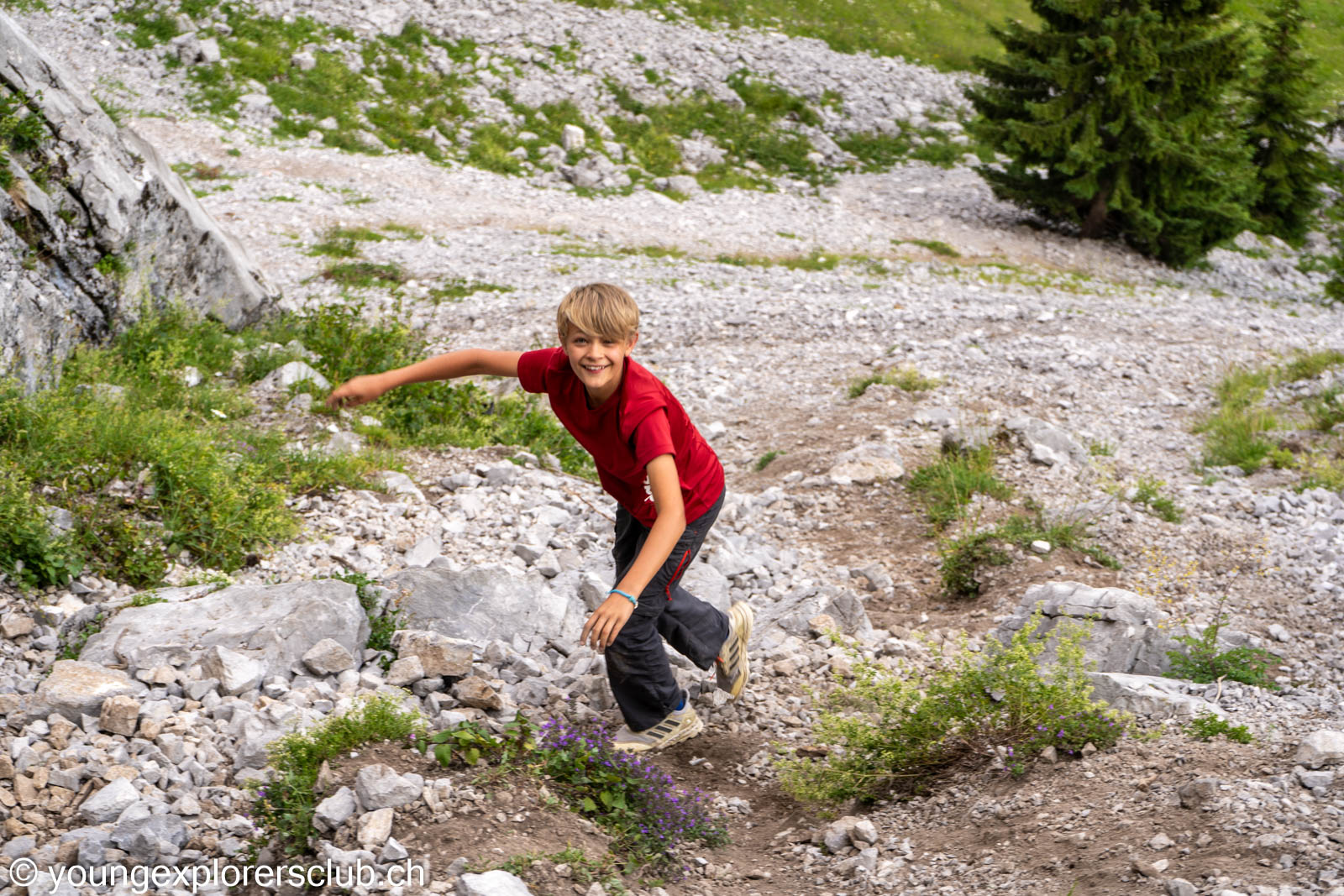
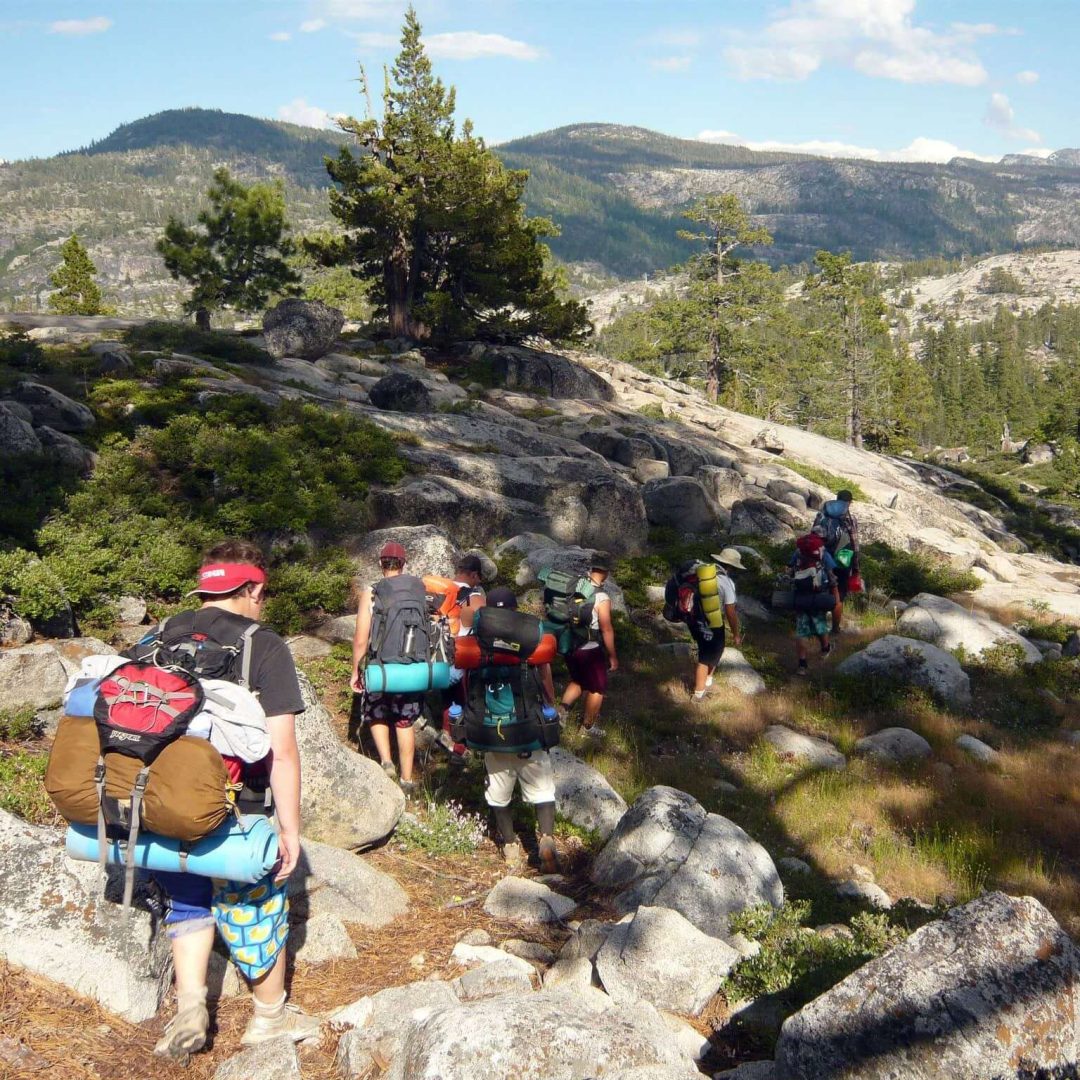
Hiking: Trails here run from 30–60 minute valley strolls to multi-hour alpine hikes. Harder Kulm sits at 1,322 m; the Interlaken → Harder Kulm ascent gains roughly 755 m and takes a moderate-paced group about 2–3 hours up. The Bachalpsee route from Grindelwald First reaches about 2,265 m and is typically 1–1.5 hours one way. The Jungfrau region alone offers over 300 km of marked trails. I recommend family-friendly walks for ages 6+ and alpine day-hikes for ages 10+ once kids have some conditioning and experience. For parents who want a quick primer on program pacing, see What kids should expect.
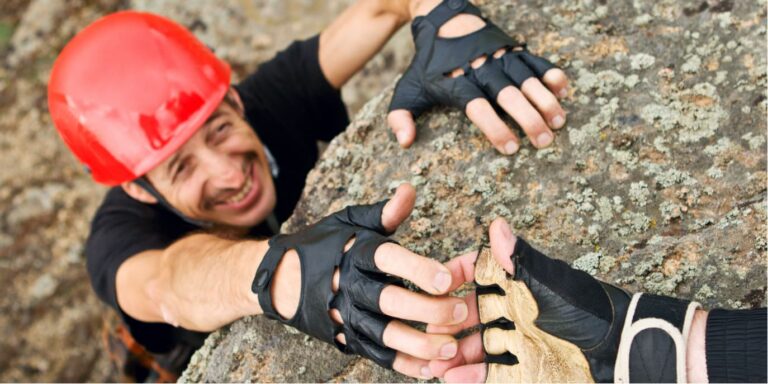
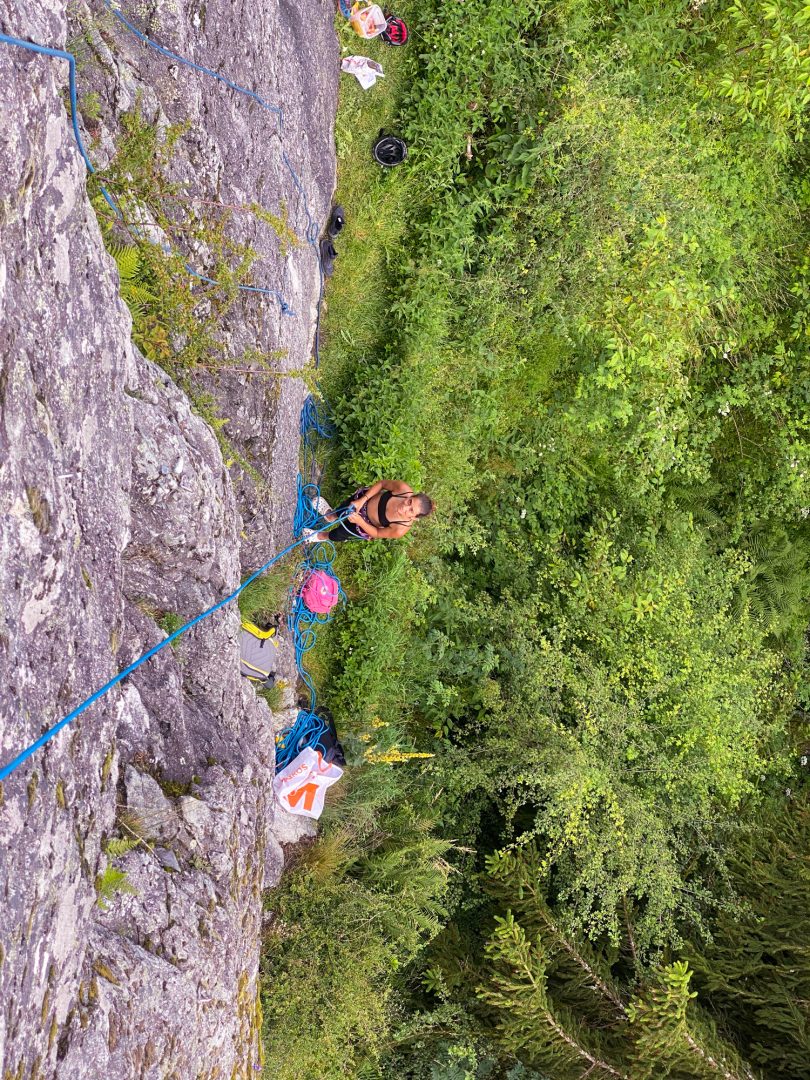
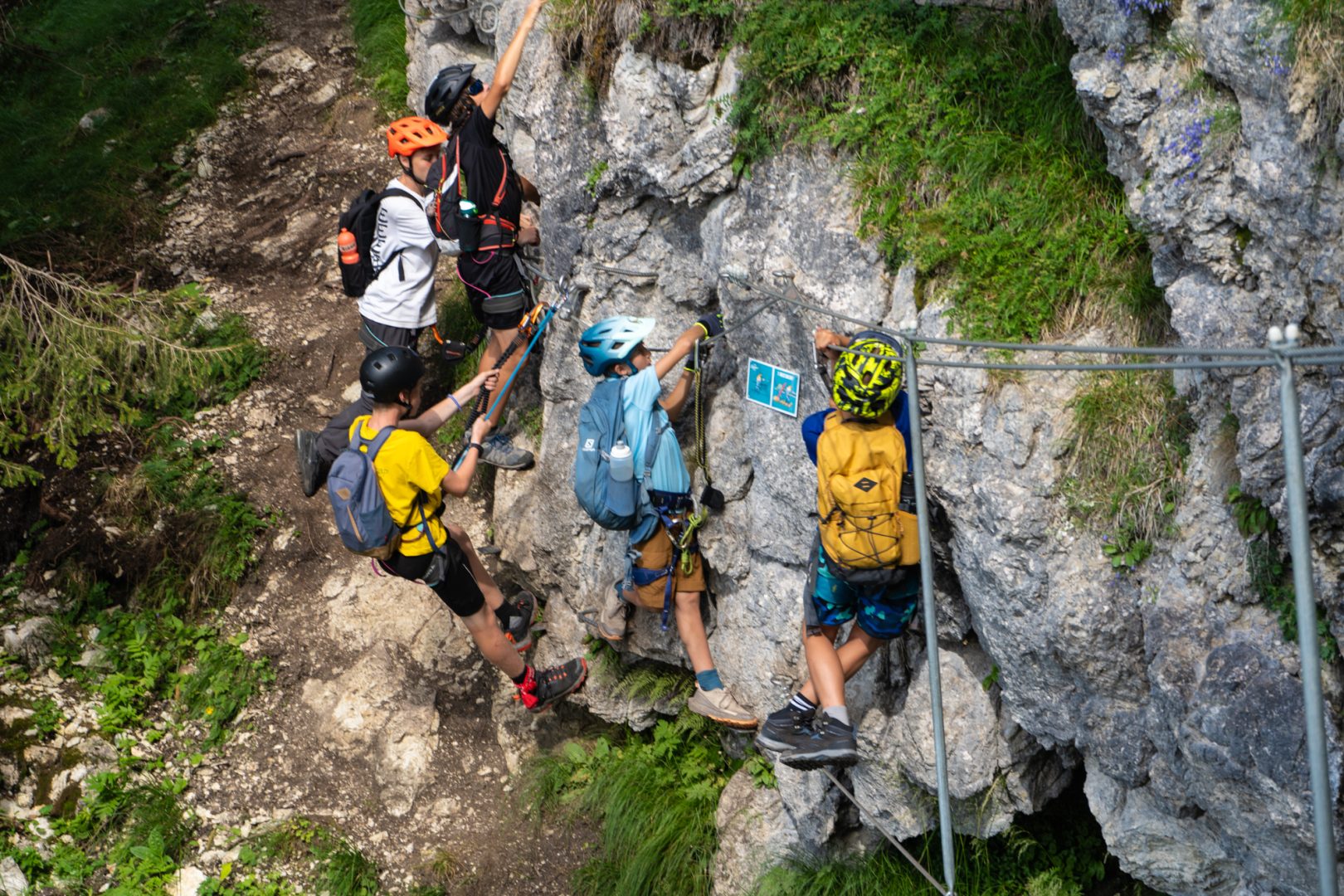
Climbing & via ferrata: The First Cliff Walk gives an accessible exposure experience; nearby via ferrata routes add vertical movement and route-finding. Typical via ferrata outings last 1–3 hours. Many operators accept ages 10+ on moderate routes. Technical climbs should only run with IFMGA/UIAGM or locally certified guides. Helmets, harnesses, a via-ferrata set and sticky-soled footwear are mandatory for exposed routes.
Mountain biking: Trail offerings vary from groomed singletrack to technical descents. Rides commonly run 1–3 hours. We set terrain to ability; most programs accept riders from about age 10, depending on the route. We supply helmets and protective gear and stage progressive skills sessions before sending kids onto steeper, faster trails.
Canyoning & rafting: Guided half-day trips are the norm, with group sizes generally 6–12 participants. Many higher-difficulty canyoning routes set minimum ages at about 12. Professional operators provide wetsuits and booties; canyoning guides hold recognized technical credentials. Rafting excursions follow similar staffing and safety standards.
Paragliding tandems: Tandem flights from Interlaken or Beatenberg commonly last 15–30 minutes. Operators usually set a minimum age around 12 and maximum weight limits roughly 100–120 kg — always check the specific operator’s rules before booking.
Water sports: Lakes Brienz (29.8 km²) and Thun (48.3 km²) offer varied flat-water options: kayaking, SUP and sailing sessions typically last 1–3 hours. Lake size affects wind patterns and the scale of activities, so we match craft and route to conditions and group ability.
Mountain railways & high-alpine excursions: Trips like Jungfraujoch (3,454 m, “Top of Europe”) make great half-day or full-day options. Expect colder temperatures and rapid weather changes. I warn parents and participants about acclimatization and the need for warm layers.
Environmental education: The Jungfrau-Aletsch area has UNESCO status since 2001 and the Aletsch Glacier runs about 23 km, which makes it ideal for hands-on lessons in glaciology and climate impacts. We teach Leave No Trace ethics, local conservation rules and practical stewardship during field sessions. Lessons pair short demonstrations with guided observation, so learning happens on the trail, at the lake edge and near moraines.
Altitude and health: Most valley camps under 1,500 m carry minimal altitude-sickness risk. Trips to 2,000–3,500 m, such as Jungfraujoch, require gradual gain, good hydration and symptom monitoring. I instruct guides to watch for headache, nausea, dizziness and reduced stamina. If symptoms appear, we halt ascent, give fluids, and descend if they don’t improve.
Guide qualifications and operator standards: Technical alpine work should be led by IFMGA/UIAGM-certified guides. Water sessions need Swiss lifeguard or equivalent qualifications. Canyoning and rafting leaders must hold recognized technical credentials and first-aid certification.
Recommended gear and safety checklist
- Helmet for climbing and biking.
- Harness and via‑ferrata set for exposed routes.
- Sturdy hiking boots with ankle support.
- Wetsuit and booties supplied for canyoning; bring a neoprene cap if you get cold.
- Layers: breathable base, insulating mid, waterproof outer.
- Sun protection: hat, sunglasses, high‑SPF sunscreen.
- Personal water bottle and electrolyte options.
- Small first‑aid kit and any personal meds (inhalers, EpiPens).
- Emergency whistle and headlamp for longer outings.
- Operator documents and weight/age confirmations for tandem flights.
Sample Camp Itineraries & Daily Schedules (1-week & 2-week)
We, at the young explorers club, plan every hour so parents and participants know what to expect while keeping flexibility for weather and group pace. I balance clear timing, safety notes and tangible goals so kids build skills and confidence each day. Below I list two compact samples along with a daily template you can expect.
Sample itineraries and daily template
Below are practical, day-by-day outlines you can use to compare session types and plan gear, travel and expectations.
-
1‑week day‑camp (ages 9–12)
- Day 1 — Orientation + valley hike: 2–3 hours at an easy pace; village skills, team exercises and safety briefing. We keep groups small and introduce leaders and emergency procedures.
- Day 2 — Lake session: 2 hours kayaking followed by beach games; supervised groups of ~8–10 with lifejackets and water-safety brief.
- Day 3 — Climbing wall & via ferrata intro: 3–4 hours; harness and helmet provided, instructors teach basic rope skills and knot checks.
- Day 4 — Mountain‑biking skills (half day) + village cultural visit in the afternoon; bikes and helmets checked daily and routes matched to ability.
- Day 5 — Mini‑expedition to Harder Kulm (1,322 m): ~755 m ascent, roughly 2–3 hours up for a moderate group pace; return in the afternoon and a short award ceremony.
-
2‑week residential (ages 13–17)
-
Week 1 — Skill‑building focus:
- Rock climbing across three progressive days with route grading and belay checks.
- White‑water rafting half‑day with shore‑briefs and rescue drills.
- Map & compass plus basic first aid sessions that count towards practical camp certifications.
-
Week 2 — Expedition week:
- Multi‑day high‑hike with an overnight in a mountain hut to practice hut etiquette, water management and light‑packing.
- Hut‑to‑hut trekking skills, route planning and weather interpretation.
- Final capstone: Jungfraujoch 3,454 m excursion (weather‑permitting) as a summit‑style day and learning milestone.
-
Week 1 — Skill‑building focus:
Typical daily schedule template
- 08:30 — Breakfast and morning briefing (weather, objectives, kit check)
- 09:30 — Activity block 1 (2–3 hours)
- 12:30 — Lunch
- 13:30 — Activity block 2 (afternoon session, 2–3 hours)
- 17:00 — Return, equipment wash/pack and evening program (skills debrief or social)
I always state elevation and time expectations clearly in pre‑trip information. For example, the Harder Kulm ascent is listed as ~755 m with a 2–3 hour climb; transfers and meeting points are shown on the itinerary so families can plan pickups and travel. Gear lists note what we provide (harness, helmets, lifejackets) and what participants must bring.
Contingency planning is central to daily operations. If weather forces cancellations, we substitute indoor climbing centre sessions, local museums or scenic mountain railway trips so kids still learn and have fun. Transport windows and alternate meeting times are predefined and communicated before arrival.
I emphasize supervision ratios, emergency plans and progressive skill development. Group sizes, instructor qualifications and certification goals are shared in advance. For campers and parents wanting a broader view on why Swiss summer programs fit adventurous learning, see our short overview on summer camps.
Safety, Staffing, Certifications, Costs, Booking & Packing Essentials
We, at the young explorers club, run programs with clear safety standards and defined staffing ratios. Counselors typically supervise at 1:6–1:10 depending on age and activity; younger kids get the smaller ratios. Lead instructors hold current First Aid and CPR certification. Technical alpine routes use IFMGA guides or equivalent, and local guides are often SAC-affiliated. Water activities require a Swiss lifeguard or equivalent instructor certification. Keep Swiss emergency numbers handy: 112/144 and Rega 1414.
I insist on insurance and clear medical information before any trip. Most camps request proof of travel and accident insurance and signed medical/waiver forms. Tell operators about allergies and dietary needs well before arrival so they can accommodate them.
Expect predictable cost ranges and seasonal booking patterns. Day camps run about CHF 200–600 per week. Residential camps are typically CHF 600–2,000+ per week depending on meals, lodging and high-cost excursions like paragliding or Jungfraujoch trips. Mountain railway or special-excursion tickets can add CHF 50–200 per person per trip. Popular weeks fill early; book by March–May for summer. Early-bird discounts are commonly offered 3–6 months ahead. Ask about sibling discounts and limited bursaries if budget is a concern.
Pack smart for variable alpine weather and activity types. Valley highs in Interlaken in July average 18–25°C, with nights often 10–14°C. High-altitude sites such as Jungfraujoch (3,454 m) stay cold year-round. Afternoon showers are common; layers are essential. Cards are usually accepted in village hubs, but carry some CHF for remote services. Mobile coverage is good in valleys and spotty at remote huts. Operators usually can accommodate allergies if notified in advance.
Packing checklist and parental questions
Use the checklist below before departure. Confirm the items and ask the sample questions to choose the right program.
- Layered clothing: base, mid, and shell layers.
- Waterproof jacket and pants.
- Warm hat and gloves for high-altitude days.
- Sturdy hiking boots and socks.
- Daypack, reusable water bottle, and sun protection.
- Neoprene or wetsuit for water sports when recommended.
- Copies of insurance, signed medical forms, and emergency contact details.
- Small amount of CHF and any required medication in original packaging.
Ask these questions before you book:
- Please confirm guide IFMGA certification and current first-aid certification for lead instructors.
- What is the counselor-to-camper ratio for my child’s age and activities?
- Which activities require additional fees or mountain-railway tickets?
- What languages are used for instruction and group communication?
- What is your cancellation and refund policy?
For a practical view of daily life and activities, see what kids should expect.
Sources
Switzerland Tourism — Jungfrau Region
Switzerland Tourism — Bernese Oberland
Jungfrau Railways — Jungfraujoch — Top of Europe
UNESCO — Swiss Alps Jungfrau-Aletsch World Heritage
Swiss Federal Statistical Office (FSO) — Regional statistics
Swiss Alpine Club (SAC) — Mountain safety & routes
IFMGA — Guide certification and standards
Rega — Swiss Air-Rescue (emergency services)
Jungfrau Region — Official activities & hiking information