Summer Camps Near Geneva: Where To Send Your Kids This Year
Geneva summer camps: lakeside water sports, weekly Alpine trips and bilingual programmes. Day camps CHF50-150/day; residential CHF700-2,500/week.
Geneva: lake, mountains and international camps
Geneva sits on Lake Geneva, offers fast rail links to the Alps, and hosts a large international community. That mix creates an excellent base for camps that blend water sports, mountain adventures and bilingual programming. We recommend parents prioritise programs that combine regular lake days with at least one mountain excursion per week. Confirm staff-to-child ratios and the depth of language immersion before you register. Budget CHF 50–150 per day for day camps or CHF 700–2,500 per week for residential stays.
Key Takeaways
- Location strengths: Geneva offers easy access to Lake Geneva and the Alps plus large multilingual staff pools, making it ideal for water, mountain and bilingual camps.
- Age & format: Match camp format to age and maturity: day camps generally suit ages 3–12; residential programs suit about 9–17; specialist weeks target older children.
- Programming balance: Prioritise camps that balance lake days with mountain excursions, use short train hops to cut travel fatigue, and provide clear transport plans.
- Costs & savings: Expect typical costs of CHF 50–150/day for day camps and CHF 700–2,500/week for residential camps; check commune subsidies, sibling discounts and early-bird rates.
- Safety & logistics: Verify staff-to-child ratios, first-aid/CPR training and background checks, medication/allergy protocols, and aim to register in March–April to avoid waitlists.
Practical tips for choosing a camp
Check schedules: Look for programs with a weekly rhythm that mixes active lake days and at least one mountain day so children get varied outdoor exposure without long daily transfers. Ask for sample itineraries and transport logistics.
Verify credentials: Confirm staff certifications (first aid, life-saving for water camps), background checks and official registration with cantonal authorities when applicable. Also ask about clear medication and allergy management procedures.
Budget planning: Factor tuition, transport, equipment rental and optional excursion fees. Look for financial supports such as commune subsidies and early-bird discounts to reduce costs.
When to register
Register early—many popular programs fill quickly. We recommend registering in March–April to avoid long waitlists, especially for residential weeks or bilingual immersion options.
Geneva at a glance — why this area is perfect for summer camps
We see Geneva as an ideal base for camps because it blends a highly international community with immediate access to water and mountains. Situated on the shores of Lake Geneva (Lac Léman), the city gives kids a lakefront playground and easy launch points for boating, paddle sports, and lakeside games. The nearby Alps, Chamonix, Vaud and Valais are typically a one- to two-hour drive, which means we can run day trips or move groups to mountain residential sites without long transfers.
Lake activities and mountain adventures are both straightforward to schedule here. Train and road links are excellent, so we mix urban programming with offsite nature days and overnight camps. Regional excursions are simple: Geneva to Lausanne takes around 35–45 minutes by train, Geneva to Montreux about 1 hour 20 minutes, and Chamonix sits roughly an hour by car. That mobility lets us design multi-site programs that keep travel time low and activity time high.
We design bilingual and English-first programs because demand is strong. With roughly 40–45% foreign nationals in the area and a canton population near 506,000 (city of Geneva about 203,000), families want English, French or bilingual options that fit international schedules. Urban convenience means parents can drop off in the morning and still feel confident their children will get plenty of outdoor time. Camp leaders benefit from a deep pool of multilingual staff and easy connections to international communities and schools.
Our practical recommendations for parents and program directors
- Prioritise camps that balance lake days with at least one mountain excursion per week. That gives kids water skills and alpine confidence.
- Choose programs with flexible transport plans; short train hops reduce fatigue and broaden options for specialists like rock-climbing or glacier visits.
- Look for camps that offer bilingual communication with parents and staff. That keeps logistics clear and helps children switch between languages naturally.
- Consider mixed-format weeks: urban day-camp sessions plus a 2–3 night residential mountain stay maximises both convenience and immersion.
Quick facts
Below are the core figures that make Geneva such a strong summer-camp hub:
- Geneva canton population ~506,000
- City of Geneva population ~203,000
- Proportion of foreign nationals in Geneva: 40–45%
- Geneva to Lausanne: 35–45 minutes by train
- Geneva to Montreux: ~1 hr 20 min by train
- Geneva to Chamonix: ~1 hour drive
We at the Young Explorers Club use these logistics to shape programs that suit multinational families and adventurous kids. For an overview of camp styles and options that fit this area, see our guide to the best summer camps.
Types of summer camps and which children they suit (age, language, format)
Camp types and who they suit
Below I list the main camp categories with the quick benefits, typical formats and ideal ages so you can match a child to the right experience.
- Day camps — Benefits: lower cost, keeps daily family routine, easy short-term commitment. Typical format: weekly (Mon–Fri), common hours 8:00–18:00 (often 8:00–9:00 start and 16:30–18:00 finish). Ideal ages: 6–12.
- Overnight / Residential camps — Benefits: immersive social and outdoor learning, builds independence, full-day structured activities, often in mountain settings. Typical stays: 1–2 weeks. Ideal ages: 9–17.
- Sports camps (tennis, football, multi-sport) — Benefits: progressive coaching by specialists; good for committed athletes. Ideal ages: 7–16.
- Water-sports / Sailing camps — Benefits: lakeside access and progression toward certifications (junior sailing). Ideal ages: 8–16.
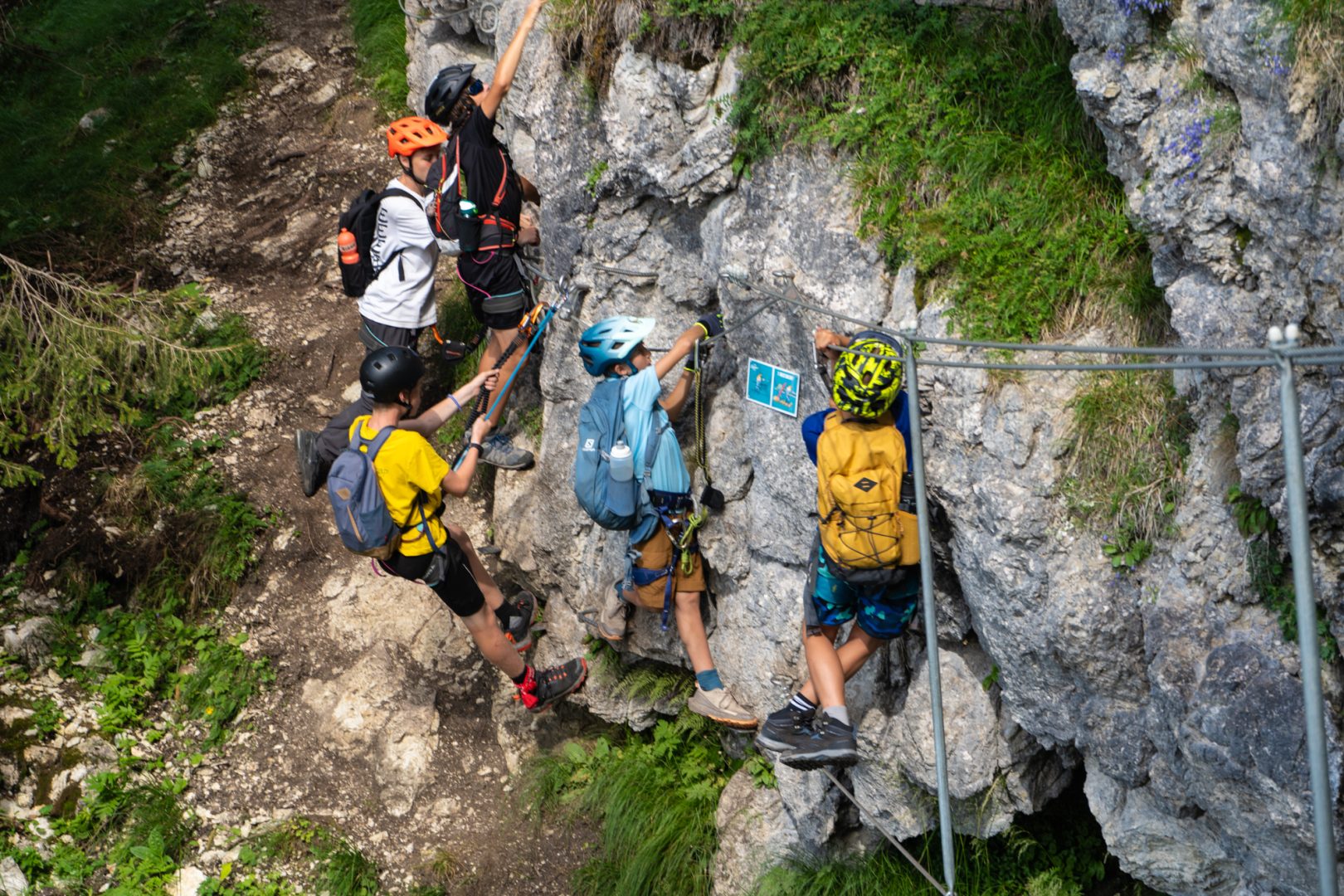
- Outdoor / Adventure (mountain) camps — Benefits: alpine skills, hiking, climbing and resilience. Ideal ages: 10–17.
- Bilingual / Immersion camps (French + English) — Benefits: language acquisition and cultural exposure. Ideal ages: 3–15 depending on intensity.
- STEM & Coding camps — Benefits: project-based learning and small-group tutoring. Ideal ages: 8–16.
- Arts & Performance camps — theatre, music, visual arts. Benefits: creative confidence, public showcases. Ideal ages: 5–17.
- Specialist camps — intensive focus (e.g., elite tennis, advanced sailing) for children who want depth rather than variety.
- Family / Mini camps for preschoolers — half-day options for ages 3–5 with play-based learning.
Ages, supervision, language intensity and day vs overnight
We, at the young explorers club, recommend matching maturity and prior experience to camp intensity more than exact age. Typical supervision examples: preschool mini-camps (ages 3–5) often run half-days with about a 1:4 staff ratio. Early elementary (6–8) thrive in multi-activity day camps. Ages 9–12 can juggle specialty weeks (sports, STEM, sailing). Teens (13–17) excel in leadership, adventure or residential programs.
Use this language-intensity rubric to pick the right bilingual camp:
- 1 — Activity-based language support: best for beginners who mostly use their home language.
- 3 — Mixed bilingual: some whole-group sessions in the target language plus support for developing learners.
- 5 — Full immersion: all-day target language for children ready to practise intensively.
Bilingual camps around Geneva are in high demand; choose immersion levels 4–5 for motivated learners aiming for fluency, and 1–2 for children who shouldn’t feel isolated from peers. For help narrowing options, you can choose the best camp for your family.
Direct day vs overnight comparison: day camps cost less per week and preserve home routines, while residential camps cost more but offer 24/7 supervision and stronger independence gains. Day camps are ideal roughly ages 3–12; overnight programs suit ages 9–17 and deliver deeper social and outdoor learning.
Top local camps and program examples to research and feature
We, at the young explorers club, profile a range of Geneva-area programs so you can match goals, budget and logistics. I list key facts you should verify directly with each provider and flag registration tips that save time.
International School of Geneva — A good fit for families wanting an international-school setting with bilingual options. Ages: typically 4–16, varying by activity. Sessions: run weekly from June through August. Pricing: ranges from mid-range to premium depending on program type and extras. Tip: Register early when registration opens and confirm session capacity with the school’s office.
Société Nautique de Genève junior sailing — Strong lakeside sailing instruction and clear progression toward certifications. Ages: aimed at roughly 8–16 years old. Sessions: most run July–August, with some June offerings. Costs: are moderate; specialist kit is often included or available to rent. Tip: these weeks fill fast; confirm the weekly maximum group size before you pay.
Municipal summer clubs — Ville de Genève and neighbouring communes run subsidized holiday clubs focused on local families. Ages: about 3–12. Sessions: mainly run in July–August, sometimes starting in June. Fees: are lower or income-based thanks to subsidies and local transport options. Tip: check your commune’s social services for subsidy rules and registration deadlines.
Alpine / Outdoor adventure weeks — Residential programs in Vaud, Valais and Chamonix suit older kids who want mountain skills and leadership. Ages: typical 9–17. Sessions: run in July–August and include multi-day expeditions, climbing and hiking. Pricing: expect mid to high to cover accommodation, transport and guides. Travel time: from Geneva is usually 30–120 minutes; group sizes are limited for safety.
Sports academies and specialist weeks — Football, tennis and specialist sport weeks provide concentrated coaching and match play. Ages: span about 6–17. Sessions: most operate in July–August; some sports run winter weeks too. Pricing: varies widely; expert coaches increase cost. Tip: bring sport-specific gear and book early to secure coaching slots.
STEM / Coding camps — Project-based tech weeks that build tangible outcomes for portfolios. Ages: typical 8–16. Sessions: run mainly in July–August and cost in the mid-range. Format: small groups and hands-on projects are common. Tip: confirm device or software requirements before arrival.
Quick comparison to help prioritise research
- International School of Geneva — Ages 4–16; June–Aug weekly sessions; mid–premium pricing; bilingual options.
- Société Nautique de Genève — Ages ~8–16; June–Aug; moderate price; certification track, limited groups.
- Ville de Genève municipal clubs — Ages 3–12; July–Aug; low-cost/subsidised; community-focused.
- Alpine / Outdoor weeks — Ages 9–17; July–Aug; mid–high price; residential adventure and leadership.
- Sports academies — Ages 6–17; seasonal; variable price; specialist coaching and showcases.
- STEM / Coding camps — Ages 8–16; July–Aug; mid-range; project portfolios and device checks needed.
For a broader list of local options and selection tips see our best summer camps.
Cost, subsidies and budgeting — what you’ll actually pay
We, at the young explorers club, break down what families will actually pay for camps near Geneva. I give clear price bands, likely extras, and where families can find help paying.
Typical price ranges
Day camps usually run CHF 50–120 per day. Weekly day camp totals commonly sit between CHF 250–600. Specialty day camps — sailing, sports or STEM — tend to be pricier, roughly CHF 70–150 per day. Residential camps span a wide band: CHF 700–2,500 per week depending on facilities and prestige. Expect deposits of 10–30% or a fixed CHF 50–200 reservation fee on many bookings.
Sample cost comparisons and what’s included
- Day camp:
- Low CHF 50/day (basic activities, no lunch)
- Median CHF 80/day (meals and basic materials included)
- High CHF 120/day (specialist coaches, excursions included)
- Specialty day camp:
- Low CHF 70/day (group lessons)
- Median CHF 100/day (equipment included)
- High CHF 150/day (certifications and small groups)
- Residential camp:
- Low CHF 700/week (shared dorm, basic food)
- Median CHF 1,400/week (quality accommodation, full board, excursions)
- High CHF 2,500/week (premium facilities, specialist staff, very small groups)
Discounts and extra costs to plan for
Families can often secure discounts: sibling reductions commonly range 5–15%, and early-bird offers usually shave off 5–10%. You should still budget for add-ons that drive the final bill:
- Transport: shuttle services or train fares can add up across a week.
- Equipment rental: sailing kits, skis or special safety gear are often extra.
- Extended-hours care fees when parents need early drop-off or late pickup.
- Meals and lunches where day rates don’t include full catering.
- Insurance and excursion fees for off-site trips.
Subsidies and financial aid
Many Geneva communes and the State of Geneva provide subsidised holiday care for eligible families. These supports can cut costs significantly — typical reductions range from 20–50% depending on income and family situation (Source: State of Geneva childcare subsidies and commune assistance). Employers and some international schools also offer bursaries or childcare benefits; check HR or school services early in the booking cycle.
Practical booking tips and timing
Book early for the best slots and early-bird pricing. Always confirm exact inclusions before paying a deposit and check cancellation/refund terms. Expect capacity limits for specialist sessions like small-group sailing or certified instructor-led courses.
- Lock down inclusions: confirm whether transport, meals, equipment and excursions are in the base price.
- Check cancellation policy: ask about refund windows and any non-refundable fees.
- Plan for capacity limits: specialist and certified courses often fill fast.
Budgeting checklist
- Confirm base price and what’s included (meals, transport, equipment).
- Ask about deposit amount, deadline and refund policy.
- Check for discounts: sibling, multi-week and early-bird offers.
- Factor extra costs: transport, equipment rental, insurance and incidental fees.
- Verify excursion charges and any certification costs.
- Check commune social services for State of Geneva childcare subsidies eligibility and application steps (Source: State of Geneva childcare subsidies and commune assistance).
- Consult employer or school benefits for possible bursaries.
- Compare offerings: read our guide to the best summer camp before deciding to compare offerings and inclusions: best summer camp.
Safety, health and logistics — staff, ratios, medical needs and transport
Staffing and qualifications
We, at the Young Explorers Club, hold staffing standards as a primary decision factor when evaluating camps. Expect age-based staff-to-child ratios roughly around 1:4 for preschool, 1:6 for younger children and 1:8–12 for older children; those numbers often change with activity type and provider. We require visible first aid and CPR certifications for frontline staff and prefer additional outdoor, lifeguard or teaching credentials for specialist activities. Background checks are mandatory in our book; Swiss police clearance or an equivalent international check should be standard for all employees and long-term volunteers.
We also assess how camps document training refreshers and how they cover staff turnover during the season.
We recommend parents consult a reliable planning resource before booking; see our summer camp guide for program comparisons and practical questions to ask.
Quick checklists and practical verifications
Use the lists below to run a fast safety and logistics scan before you commit.
30-second parent checklist:
- Staff ratio matches age guidance (1:4 preschool, 1:6 young kids, 1:8–12 older kids)
- First aid and CPR trained staff confirmed
- Background checks / police clearance on record
- Emergency plan and parent communication process
- Allergy protocols and epi‑pen handling explained
- Health insurance (LAMal) coverage and camp liability insurance confirmed
- Transport: shuttle options or clear travel times provided
Medical and medication items to verify with the provider:
- Who gives medication and how is each dose logged by staff?
- Is an on-site nurse or trained medic present for residential stays or high-risk activities?
- Confirm epi‑pen protocol and separate food handling for allergen control
- Request the camp’s medical/emergency form template and keep a copy with your records
Logistics for drop-off, pickup and travel:
- Confirm daily hours, plus early-drop and late-pickup fees and procedures
- Ask for shuttle routes, supervised pickup points and guardian ID checks for handover
- Note typical travel times: alpine and residential camps can be 30–120 minutes away; Geneva to Chamonix is about a one-hour drive and Geneva to Lausanne is typically 35–45 minutes by train
We advise parents to get written confirmation on any verbal assurances about medication, allergy separation and transport. Clear documentation prevents most disputes and speeds up emergency response.
We expect camps to maintain an on-site first-aid kit and a named emergency contact system that reaches parents immediately. Camps should also provide documented COVID guidance if local rules require testing or isolation procedures.
We check insurance closely. Swiss health insurance (LAMal) covers routine care, but we confirm whether the camp holds adequate liability and accident insurance for excursions and adventure sports. If not, we advise parents to arrange additional travel or accident coverage.
We encourage asking for sample emergency scenarios and response timelines. A quick question like “How long to reach the nearest hospital from base camp?” reveals planning depth and transport readiness without wasting time.
Registration timelines, comparison tools and quick FAQs for busy parents
We, at the young explorers club, recommend planning early: many providers open registration in March–April and popular camps can fill within weeks. Expect deposits of 10–30% that are usually non-refundable and frequent waitlists. Cancellation rules vary by provider; deposits are often retained and some camps offer partial refunds only if you cancel more than 30 days before the start date. To refine your shortlist, choose the best camp with criteria that matter for your family.
Start your signup rhythm now. In February research options and shortlist. Book sessions in March–April because many spots are claimed quickly. Complete health forms and pay final balances in May–June. Pack and confirm transport in late June; children attend in July–August.
Quick tools, comparison template, email templates and FAQs
Below are practical checklists, a comparison template and short scripts you can use immediately.
Comparison-table template fields (use for CSV/Excel):
- Camp name
- Type (day / residential / specialty)
- Location & travel time from Geneva centre
- Age range
- Dates & session length
- Price (per day / per week)
- Deposit details and cancellation policy
- Staff-to-child ratio
- Language(s) of instruction
- Max capacity / spots per session
- Accreditation / safety info
- Meals included? transport? equipment?
- Notes (registration link / contact)
Fillable comparison reminder: create a camp comparison table using the fields above and fill core fields for 8–12 featured camps so you can sort by price, travel time and language quickly.
Quick email templates / top questions to ask when registering:
- “Please confirm session dates, total price, deposit amount and cancellation policy.”
- “Please confirm staff-to-child ratio, staff qualifications, first-aid provision and background checks.”
- “Can you confirm allergy protocols and whether my child’s epi-pen will be carried by staff?”
- “Is transport provided? If so, pickup points and supervision details?”
Top quick FAQs (concise answers):
- When should I register? Registration opens March–April; book early for popular camps.
- Are deposits refundable? Often 10–30% non-refundable; check each provider’s policy.
- What if my child is sick? Camps have sick-child policies; refunds depend on the provider.
- What are typical hours? Day camps commonly run 08:00–18:00, but hours vary.
- Do camps accept preschoolers? Yes — many offer age 3–5 mini-camp half-day options.
- Are bilingual camps available? Yes — French + English bilingual camps near Geneva are common.
- What documents are required? Health forms, immunization updates, emergency contacts and insurance details.
- Is transport available? Some camps provide shuttles; commute times range 30–120 minutes for regional options.
- How are allergies handled? Camps should have allergy protocols and epi‑pen handling procedures.
- Are subsidies available? Check State of Geneva childcare subsidies and your commune social services.
- What if sessions are full? Ask to join the waitlist; providers sometimes release extra spots close to start.
- How are cancellations handled? Deposits are often retained; refund deadlines differ — always confirm in writing.
What to do this week (concise action plan):
- Research camps and save key dates (February).
- Shortlist favorites and set calendar reminders for March–April registration.
- Prepare medical forms and insurance details for May–June; review a recommended packing list to speed preparation.
Sources
Swiss Federal Statistical Office — Population and regional statistics (canton and city data)
State of Geneva (Etat de Genève) — Family services and childcare subsidies
Ville de Genève — Municipal youth programmes and holiday club information
SBB Swiss Federal Railways — Timetables and travel times (Geneva to Lausanne / Montreux)
Genève Tourisme — Family activities and local attractions around Lake Geneva
Swiss Federal Office of Public Health (FOPH / BAG) — Immunization and public-health guidance
Comparis — Guides and analysis on childcare costs and related family expenses in Switzerland
Federal Office of Sport (BASPO) — Youth sport programmes, standards and coach qualifications
SWI swissinfo.ch — News and features on education, family life and childcare in Switzerland