The Best Reunion Ideas For Camp Friend Groups
Plan 2-4 day outdoor camp reunions: low-tech, activity-driven weekends to reconnect friends & family, reduce stress and save on lodging.
Camp Reunion Guide
Overview
We use outdoor settings for camp reunions to cut stress and rebuild social bonds. Activity-driven weekends work well to reconnect camp friends. We’re fans of 2–4 day, low-tech formats that focus on one signature activity each day. They meet multigenerational needs, cut scheduling conflicts, and keep costs reasonable across tents, cabins, glamping, and group sites.
Key Takeaways
- Outdoor reunions raise wellbeing and improve group dynamics by pulling people off screens and into shared, low-tech activities.
- A 2–4 day weekend with one main activity each day maximizes turnout and saves energy for multigenerational groups.
- Pick the format to suit budget and size: tent camping ($30–$120/person), cabins ($50–$250/person), glamping ($150–$400+/person), or state park and group sites for larger gatherings.
- Start planning early: 3–6 months for high season, 6–12 months for large or special venues. Ask for deposits 30–60 days before the event. Use a single payment and tracking method.
- Confirm permits, accessibility info, and a clear safety plan before finalizing reservations. Assign a medical lead, collect emergency contacts, and brief everyone on Leave No Trace practices.
Why Camp Reunions Work: Big Benefits, Popularity and Ideal Length
We see camp reunions deliver clear, measurable gains for groups and families. Roughly 40–50 million households go camping each year, with peaks in summer and early fall (Statista). That scale tells you people already choose the outdoors for group time. Nature reduces stress and improves social interaction, so meeting outside usually boosts wellbeing and group dynamics (American Camp Association; KOA). I often recommend planning around natural activities because the setting itself helps conversations flow and tensions drop.
Shorter reunions win for attendance. A 2–4 day format — a weekend or long weekend — hits the sweet spot for multigenerational groups. It fits most work and school schedules, cuts the need for large amounts of time off, and shrinks childcare hurdles. You get enough concentrated time for shared rituals, hikes, meals and storytelling without exhausting older relatives or young kids. We encourage organizers to prioritize one signature shared activity per day; that keeps momentum without packing the schedule.
Practical benefits of outdoor reunions are tangible. Campsites or group cabins spread costs across the group, so per-person lodging often runs lower than urban hotels. Outdoor settings give you varied, low-tech activities — hikes, water sports, team games — that naturally create bonding opportunities. People tend to put phones away more when there’s a hike or campfire to join. I’ve seen groups rebuild closeness in a single weekend when they choose simple, activity-driven agendas.
I place an internal resource here for groups wanting examples of how friendships can grow across distances: camp friendships.
Outdoor vs City Reunions — quick comparison
Below are the main differences to weigh when you plan.
- Costs and lodging: Outdoors usually lowers per-person lodging costs through shared cabins or campsites. Cities often mean hotel rooms or short-term rentals, which add up fast.
- Activity variety: Outdoors offers diverse, group-focused activities — hiking, paddling, scavenger-style games — that promote shared memories. City options favor museums, theaters and dining, which can fragment schedules.
- Low-tech socializing: Nature nudges people away from screens and into group interaction. Urban reunions give more solo downtime and incidental screen use.
- Logistics: Cities score on transit and accessibility. Outdoor sites can require longer travel and gear planning, but they simplify on-site coordination by centering activities in one place.
- Multigenerational fit: A 2–4 day outdoor weekend works well for both grandparents and kids when you pick accessible trails and mix quiet and active options. Cities can be easier for very young kids who need frequent naps and predictable facilities.
When choosing format, I recommend starting from your group’s constraints: who must attend, how much time members can take off, and what mobility or childcare limits exist. If most people have a single weekend available, lock in a short, activity-focused outdoor reunion. If family members arrive from a nearby city and want museums or performances, plan a city reunion with one low-tech group evening — a picnic or a simple group dinner — to create shared moments.
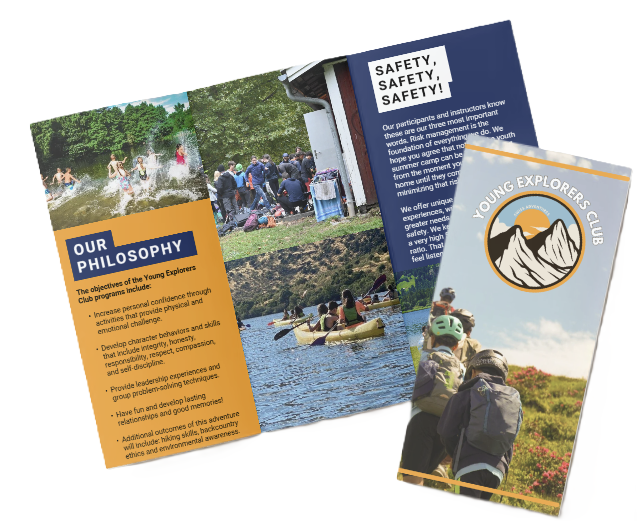
We at the young explorers club often suggest these practical rules for organizers: pick a single shared centerpiece activity per day, set clear arrival/departure windows, and create a simple communal cooking or meal plan to lower costs and increase interaction. Keep schedules light. Give people space to recharge. These choices will maximize turnout and deepen connections without turning the reunion into a logistical burden.

Best Reunion Formats, Group Sizes and Cost Comparison
We, at the young explorers club, sort reunion formats by budget, comfort and group dynamics so you can pick what’s realistic and fun. I’ll lay out when each format shines, give per-person cost ranges, suggest activity group sizes and show a clear side-by-side comparison.
Tent camping
Choose tent camping for a low-cost weekend with small to mid-size groups (6–20 people). Expect basic sleeping gear, shared meals and more planning for cooking and weather. Typical cost: $30–$120 per person for a weekend, including fees and split food costs.
Cabin or house rental (Airbnb/VRBO)
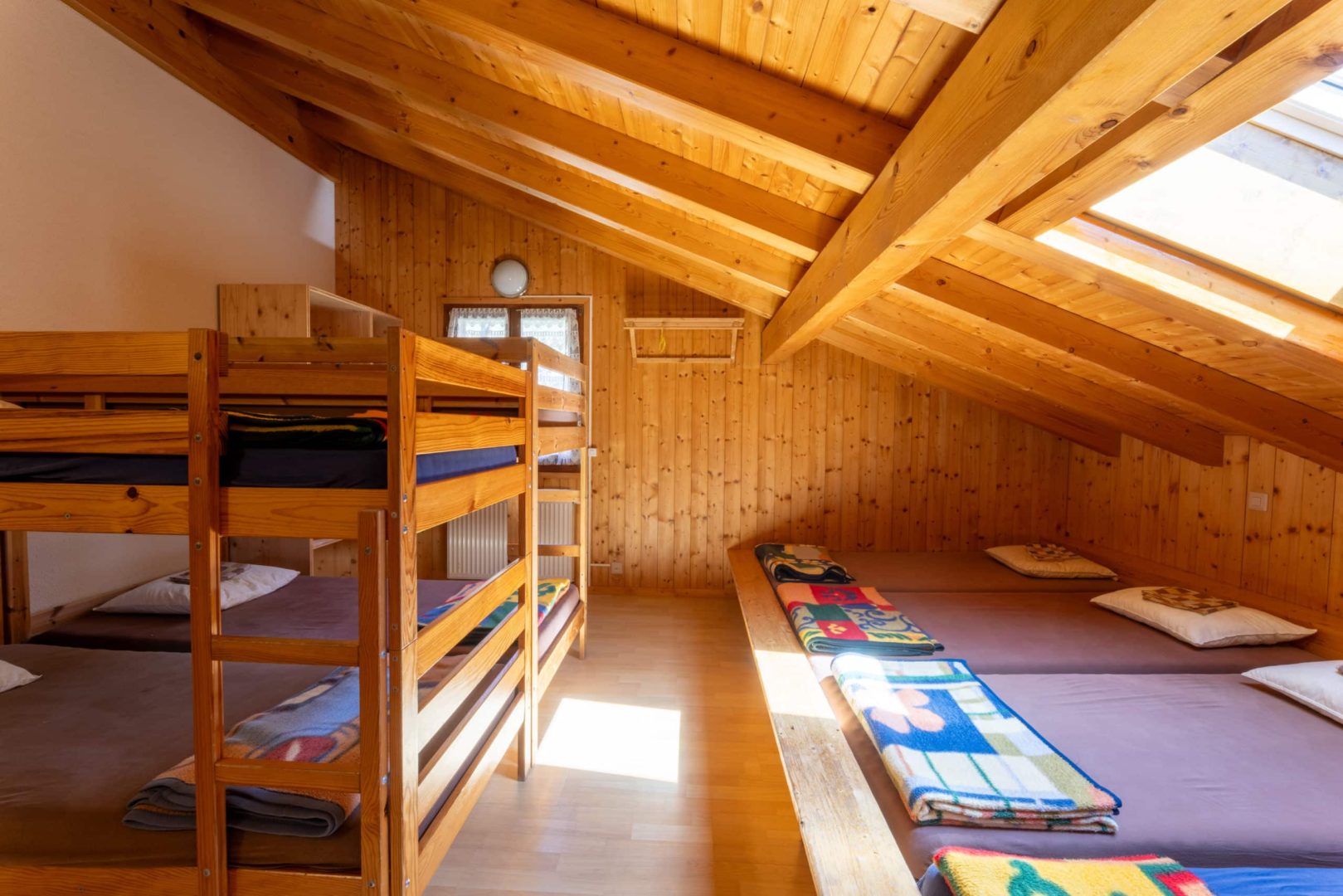
Pick a cabin or house rental when you want mixed ages, bad-weather backup or simpler logistics. Cabins suit roughly 8–20+ people. Plan on $50–$250 per person per weekend depending on season and location.
Glamping / yurt resorts
Glamping or yurt resorts are best when comfort matters and attendees prefer turnkey amenities. These run higher — roughly $150–$400+ per person per night — but reduce packing and coordination.
State park group sites / private group campsites
Use state park group sites or private group campsites for larger reunions (20–50 people). They keep per-person lodging low and often include group shelters, though permits and fire rules can apply. Expect $30–$150 per person.
Multi-site road-trip reunion
A multi-site road-trip reunion fits dispersed groups who want exploration and flexible arrival points. Costs vary widely by route and lodging choices.
For activity planning, match group size to the task: intimate activities like canoe trips or ropes courses work best for 6–12 people. Large-group games, group shelters or evening singalongs scale to 20–50 people. We turn reunions into creating lasting memories by aligning activities to those sizes.
Sample budget for 12 people (3-day weekend)
- Cabin rental $1,200 total = $100/person
- Food $30/person/day = $90/person
- Activities $40/person = $40/person
- Total = $230/person
We weigh trade-offs clearly: tents cost less but demand more prep and offer limited weather protection. Cabins cost more but cut packing and sleeping logistics, and reduce weather risk. Group sites stretch budgets for large groups but can require permits and have fewer bathrooms.
Quick side-by-side comparison
- Tent camping | $30–$120 | rustic, limited ADA options | spring–fall | quiet hours; group sites may need permit
- Cabin / short-term rental | $50–$250 | indoor bathrooms; some ADA options | year-round (location dependent) | check local short-term rental rules
- Glamping / yurt resort | $150–$400+ | high accessibility and amenities | peak season | resort rules; noise usually managed
- State park group site | $30–$150 | basic to good accessibility | spring–fall | group permits, fire rules
- Private campground (KOA/Hipcamp) | $40–$200 | variable ADA options | year-round in some regions | campground policies on music/generators

Quick Planning, Budgeting, Payment Tools and Example Budgets
We, at the young explorers club, set lead times by season and group size. For high-season dates I recommend 3–6 months lead time; for large groups or special venues plan 6–12 months.
Expect per-person budgets from $150–$600+ depending on format, travel and activities. Include these core cost items in your initial estimate:
- Lodging
- Food
- Transportation
- Activity fees
- Permits
- Campsite reservation fees
- Communal gear rental
- Insurance
- Tipping/contingency (I suggest 5–10% as a buffer)
We plan around travel windows and school calendars to maximize attendance.
Timing, deposits and payment tools
We pick a single group treasurer or a shared payment platform to avoid confusion. Recommended tools include Splitwise, Venmo, PayPal, Zelle and Revolut. Choose one primary method for deposits and use the others only for smaller reimbursements. Set clear deposit deadlines up front and require final payments 30–60 days before the event depending on venue complexity. Collect dietary preferences and major accessibility needs as soon as people RSVP so you can lock catering and rentals early.
Keep record-keeping transparent. We use a shared spreadsheet and Splitwise for real-time balances. That lets everyone see what’s been paid, what’s due, and any outstanding vendor bills. Require deposits to cover nonrefundable items (permits, campsite reservation fees, guided activities) and add a 5–10% contingency when collecting funds.
Example budgets and sample CSV
A small tent weekend for 10 people might look like this: lodging/fees $200 total ($20/person), food $300 total ($30/person), activity fees $200 total ($20/person) — about $70/person.
A large cabin weekend for 16 people could break down as cabin $1,600 ($100/person), food $800 ($50/person), activities $640 ($40/person) — roughly $190/person.
Here’s a fuller example calculation for 16 people over three days: lodging $1,600; food $960 (assumes $20/person/day); activities $640 ($40/person); transport $480. Total = $3,680 → $230/person. Add 5–10% contingency when collecting deposits so last-minute cancellations don’t sink the group. I pair these estimates with vendor quotes and a deposit schedule to keep cash flow predictable.
Downloadable sample budget spreadsheet (CSV text — save as reunion_budget_sample.csv):
category,description,total_cost,per_person_cost,notes
lodging,cabin rental,1600,100,split evenly among 16
food,groceries + staples,960,60,assumes 3 days @ $20/day
activities,guided hikes & rentals,640,40,
transport,car fuel & parking,480,30,estimate
contingency,5% buffer,184,11.5,
total, ,3680,230,
Checklist of line items to include
- Deposits & due dates
- Cancellation policy and nonrefundable amounts
- Dietary needs & extra food
- Activity reservations and guide fees
- Permit fees and campsite reservation costs
- Insurance and waiver processing
- Extra fuel/parking and shuttle costs
- Rental gear fees (tents, sleeping pads, communal equipment)
- Cleaning fees and damage deposits
- Tipping and a 5–10% contingency buffer
We also recommend linking planning pages to a memory page like creating lasting memories so everyone can see the purpose behind the logistics.

Choosing Location, Reservations, Permits and Accessibility
We pick a location that fits the group’s vibe and logistics. I outline the main site types, timing, permit issues and accessibility notes so we can make clear, confident decisions.
Site types, timing, permits and accessibility
State parks give reliable infrastructure and predictable rules. National parks offer scenery but front‑country campgrounds can book very early. Private campgrounds—KOA and Hipcamp listings—often let us reserve whole loops or glamping units. Cabins and short‑term rentals add comfort and easy accessibility. Forest Service group sites work well for larger, rustic gatherings.
Book early. Group sites and peak‑season weekends often need 6–12 months lead time. Expect national park spots to require even earlier planning for popular dates.
Permits and fees matter. Ask about group fire permits, boil‑water advisories, and special use permits for large gatherings or amplified music. Permit costs vary; budget roughly $50–$300 for event or special use permits and factor that into your estimate. When you call, ask explicitly for a “special use permit” or “group permit” and what typical costs look like.
Accessibility can’t be an afterthought. Many cabins and campgrounds offer ADA‑compliant sites. We confirm restroom access and parking near the site for less‑mobile attendees. If parts of the group need low‑impact alternatives, we plan options like car‑camp spaces near facilities or reservable ADA tent pads. Verify accessible routes from parking to bathrooms and common areas before you finalize.
Practical on‑the‑ground tips we use:
- Call the park or campground office and speak to a staff member familiar with group sites.
- Request written confirmation of reservations and any permits.
- Verify cancellation and refund policies and ask about weather‑related credits.
- For formal or larger events, obtain a special use permit and set aside a permit budget.
We also plan small rituals that make reunions memorable and consistent with our camp roots, such as signature songs or activities that end up creating lasting memories. creating lasting memories
Location-selection checklist
Use this step‑by‑step checklist before you reserve or apply for permits:
- Confirm capacity vs expected attendees.
- Check bathroom and handwash availability (flush or vault toilets).
- Verify vehicle access and parking capacity.
- Review campground rules: fire policy, quiet hours, generator and pet rules.
- Confirm proximity to town and nearest hospital; note emergency routes.
- Ask about group shelters and tent pads.
- Check permit requirements, fees and reservation windows (6–12 months typical).
- Confirm ADA‑compliant sites and specific accessibility details.
- Check wildlife advisories, current fire danger and local alerts.
- Call the park office to confirm group‑site rules and ask typical permit costs.
https://youtu.be/CQ0P2d38mDM
Activities, Sample Day-by-Day Schedules and Meal Planning
We, at the young explorers club, plan reunions that mix high-energy challenges with low-key moments so every camper finds a good fit. I’ll lay out activity specifics, a practical 3-day schedule, rotation tactics, and meal plans you can use right away.
Start with high-engagement options and how to run them. For each activity I note required gear, typical difficulty and an accessible alternative.
-
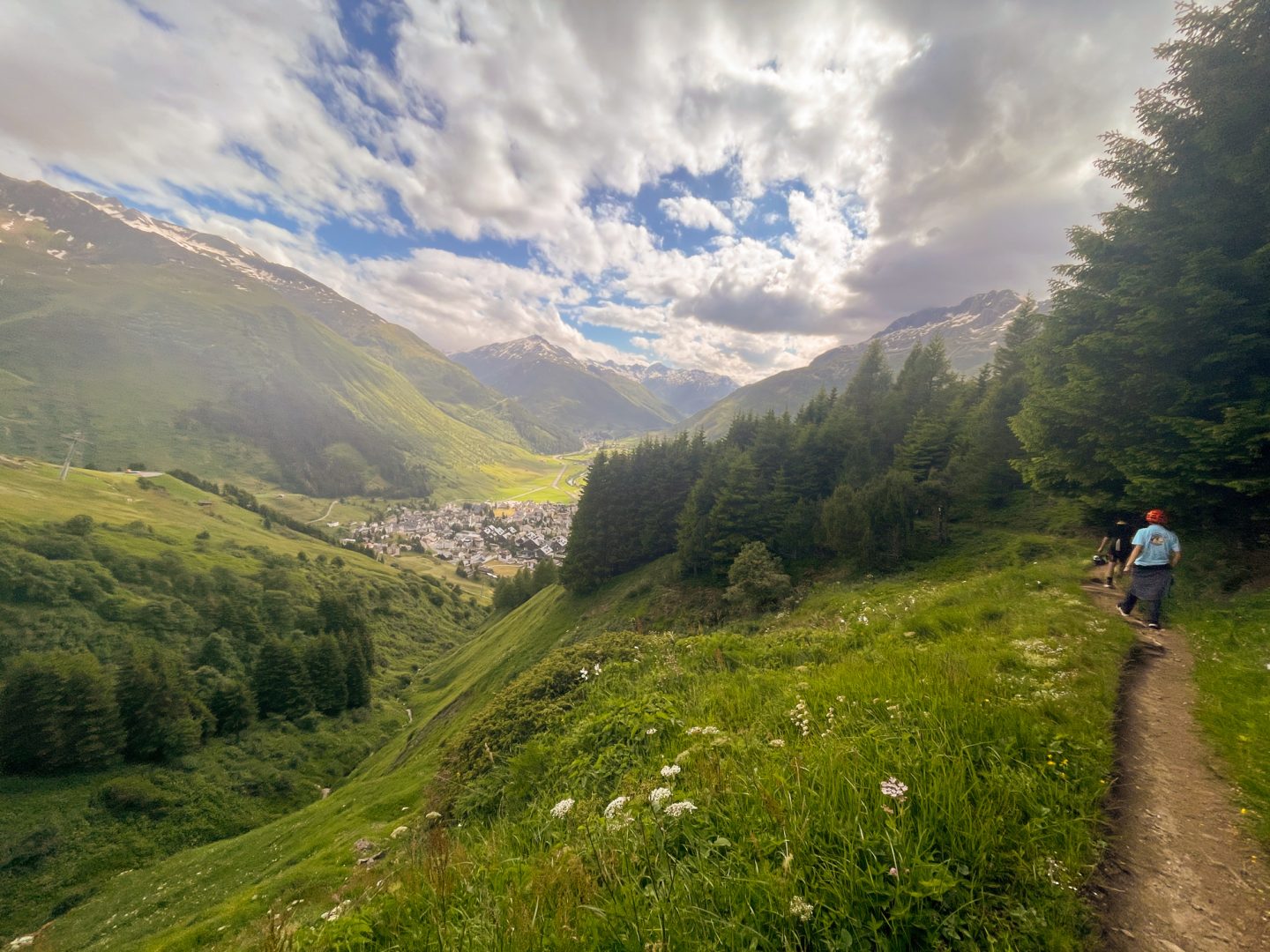
Hiking — Plan 2–5 hours and split groups of 6–12. Gear: good shoes, plenty of water and energy snacks. Difficulty: ranges from easy loops to strenuous ridge walks. Accessible option: offer a short flat loop. Keep pace groups small for safety and conversation.
-
Canoe / kayak — Expect 2–3 hours on the water. Cost: rental costs run about $30–$60 per vessel per day. Gear: PFDs and water shoes. Difficulty: easy to moderate depending on wind and distance. Accessible option: book a guided short paddle or SUP on calm water.
-
Ropes / zipline course — Sessions run 1–3 hours. Cost: operator fees commonly fall between $40–$120 per person. Gear: usually provided by the operator. Difficulty: varies; offer ground-based team challenges as an alternative for participants who prefer to stay on solid ground.
-
Team cooking competitions — Schedule 60–90 minute rounds. Participants rotate in small teams. Gear: portable stoves, basic cookware and food-safe gloves. Difficulty: low; adaptations include no-cook challenges or prepped ingredient kits.
-
Talent show / campfire storytelling — Evening slots shine here. Gear: mic or speaker if amplification is desired, a guitar for songs and a flashlight for atmosphere. Difficulty: social rather than physical; make a low-pressure open-mic time for shy folks. These moments help with creating lasting memories and deeper bonds: Creating lasting memories.
-
Photo scavenger hunts — Allocate 60–90 minutes and split groups of 4–8 for faster results. Gear: phones or cameras and a printed list. Difficulty: easy and fully adaptable for accessible routes.
-
Fishing derbies — Plan 1–3 hours depending on interest. Gear: basic rods, tackle and a permit if needed. Difficulty: low; set shaded stations for anyone who needs a break.
-
Twilight stargazing — Best after dinner; needs a telescope or a star app and blankets. Difficulty: minimal; position on a flat, dark spot for everyone.
Sample 3-day schedule and rotation strategy
Day 1 (Arrival)
- Afternoon: Arrival, campsite setup and gear check.
- Late afternoon: Icebreaker rotations in small groups (6–12) so people reconnect quickly.
- Evening: Campfire with storytelling or a short talent showcase.
Day 2 (Full day)
- Morning: Group hikes 2–4 hours with split groups; pair faster hikers with a guided option.
- Midday: Picnic lunch; label communal dishes by dietary needs.
- Afternoon: Water activity (canoe/kayak 2–3 hours) with staggered launches so docks don’t crowd.
- Evening: Rotating cook teams run a potluck or team-cook challenge; wrap with stargazing or a second talent set.
Day 3 (Departure)
- Early: Optional sunrise yoga or a 1-hour guided nature walk.
- Mid-morning: Pack, take a group photo, and depart.
Rotation strategy — Rotate groups about every 90 minutes. That keeps high-demand stations moving and gives quieter options breathing room. Use a printed schedule posted at basecamp and a shared Google Calendar for real-time updates and last-minute swaps.
Gear, itemized costs and sample grocery list
Below are compact lists you can print and hand to leaders.
-
Activity gear (per group or person as noted)
- Hike: Hiking shoes, 1L water bottle, snacks.
- Canoe/kayak: PFDs (often included), water shoes, dry bag.
- Ropes/zipline: Operator provides harness/helmet; bring closed-toe shoes.
- Cooking comps: Portable stove, pans, spatulas, food-safe gloves.
- General: Lanterns, first-aid kit, sunscreen, insect repellent.
-
Itemized activity cost estimates
- Canoe / kayak rental: $30–$60 per vessel/day.
- Ropes / zipline course: $40–$120 per person.
- Guided nature walk: $0–$20 per person.
-
Sample grocery list & 3-day meal plan for 12 people
- Breakfasts: Oatmeal packets, 2 dozen eggs, 3 lbs bacon, fruit, coffee/tea.
- Lunches: Sandwich meats, cheeses, bread, chips, pre-made salad.
- Dinners: One-pot chili, pasta night with sauce and garlic bread, BBQ/potluck night.
- Snacks: Granola bars, trail mix, s’mores supplies.
- Beverages: Water (estimate 1–1.5 gal per person/day), sports drinks, limited alcohol only if site rules allow.
Meal cost models and logistics — Expect DIY potluck/communal cooking to cost about $5–$15 per person per meal. Catering or a food truck runs roughly $12–$35+ per person per meal. Pre-made meal kits land between $8–$20 per person per meal. Collect dietary preferences early and label all shared dishes. Use rotating cook teams to cut prep time. Plan coolers sized 48–72 quarts per 6–8 people and schedule ice resupply stops. A common mix is a few potluck meals complemented by one catered night or pre-made kits to reduce stress and keep variety.
https://youtu.be/9np4fAZwE5Y
Safety, Gear Checklist, Leave No Trace and Memory-Making
Safety and environmental plan
At the young explorers club we make safety the top operational priority. We designate a medical lead and list the nearest hospital or urgent care with address and phone on every attendee packet. We bring a well-stocked first-aid kit and assign at least one person certified in CPR. We build a clear emergency plan that includes communication roles, evacuation routes, and at least two meeting points.
We confirm campground rules about fires, generators and amplified music before booking. We respect local fire restrictions and wildlife: store food securely, keep a clean camp, and never feed animals. We follow Leave No Trace principles and plan trash management with extra trash bags so we pack out what we pack in. We recommend renting bulky items locally—canoes, SUPs or event tents—so you avoid hauling and excess wear on vehicles. Typical rental ranges you can expect: canoe/kayak $30–$60/day, SUP $20–$50/day, portable generator $50–$150/day, and a 20×20 event tent $150–$400/day.
We give attendees GPS coordinates and the emergency-plan in advance and leave a printed copy at basecamp. We also confirm local emergency numbers and campsite manager contacts before arrival.
Master checklist, photo workflow and follow-up
Below are the core lists and templates we use to keep reunions smooth and memorable.
Personal gear (one item per person unless noted):
- Tent, sleeping bag, sleeping pad
- Headlamp plus spare batteries
- Personal first-aid items and medications
- Water bottle and daypack
- Clothing layers, rain jacket, appropriate footwear
- Toiletries and a small toiletries bag
Communal gear (group items to assign and track):
- Cooking stove and fuel, pots, pans, utensils
- Coolers and ice, food storage containers
- Folding tables, camp chairs, canopy/tarp
- Group first-aid kit, fire extinguisher, rope
- Trash bags, recycling bags, biodegradable soap
Optional / luxury items:
- Portable generator, string lights, portable speaker
- Folding shower and extra camp furniture
Photo and memory workflow:
- Appoint a photo lead and use shared albums for fast collection; many teams rely on Google Photos or iCloud. For guidance on capturing the best moments see creating lasting memories.
- Compile a post-reunion recap with highlights, receipts and a slideshow. If you want printed albums, allow 2–4 weeks for production on services like Shutterfly.
Templates to copy:
-
Emergency-plan template:
- Event name
- Date & GPS
- Medical lead & phone
- Nearest hospital address
- Local emergency number
- Evacuation meeting points
- Key contacts
-
Photo release:
“I consent to use of photos and videos taken during the reunion for private sharing among attendees and for optional printed albums. Images will not be used commercially without additional consent.”
Collect signatures or digital acceptance.
Post-event feedback: Send a short 5–10 question survey covering satisfaction, safety, logistics and interest in future reunions so we iterate and improve.

Sources
American Camp Association — Research & Resources
Kampgrounds of America (KOA) — KOA North American Camping Report
National Park Service — Special Park Uses
U.S. Travel Association — Research
REI Co-op — How to plan for camping
Eventbrite — How to Plan a Reunion
Leave No Trace Center for Outdoor Ethics — The 7 Principles of Leave No Trace
Centers for Disease Control and Prevention (CDC) — First Aid
Travel + Leisure — How to Plan a Family Reunion