5 Types of Outdoor Camps in Europe: 65+ Options for 2026
Discover 5 types of outdoor camps in Europe for 2026. Compare residential, language, sports, day, and family camps to find the perfect fit for your child.
Choosing an outdoor camp can feel overwhelming given Europe’s 65+ verified organizations and 100+ programs. Parents seek camps offering adventurous outdoor activities and experiential learning. This article will clarify selection criteria and profile 5 main camp types to aid decision-making.
Table of Contents
- How To Choose The Right Outdoor Camp: Key Selection Criteria
- Residential Adventure Camps: Immersive Outdoor Experiences
- Language Immersion Camps: Combining Language Learning With Outdoor Fun
- Adventure Sports Camps: Multi-Sport Outdoor Programs
- Day Camps With Outdoor Focus: Flexible And Cost-Effective Options
- Family-Inclusive Travel Camps: Outdoor Adventures For All Ages
- Comparing Camp Types: What Fits Your Child And Family?
- Situational Recommendations: Choosing The Best Camp For Your Needs
- Explore Top Outdoor Camps With Young Explorers Club Switzerland
Key Takeaways
| Point | Details |
|---|---|
| Parents prioritize safety, activity variety, language learning, cost, and logistics when choosing camps. | These factors ensure a safe, engaging, and affordable outdoor experience for children. |
| Residential camps suit immersive outdoor growth; day camps offer flexibility and affordability. | Each format addresses different family needs and child readiness levels. |
| Language immersion and adventure sports camps offer skill and confidence building. | Children develop practical abilities alongside personal growth in bilingual, active settings. |
| Family-inclusive camps support shared outdoor experiences and bonding. | Parents and children explore together, creating lifelong memories through adventure. |
How to Choose the Right Outdoor Camp: Key Selection Criteria
Safety and supervision top parents’ priorities. When evaluating camps, verify staff qualifications, emergency protocols, and supervision ratios. Activity variety affects child engagement and development. Camps offering mountain biking, climbing, survival skills, and team sports keep children motivated and challenged.
Language immersion adds educational value. Bilingual environments support language learning during adventure, preparing children for global citizenship. Cost and duration must fit family logistics. Compare pricing models and session lengths to match your budget and schedule. Accessibility and camp location enhance convenience. Camps near major cities or transport hubs simplify travel for international families.
Pro Tip: Review your child’s interests and readiness before committing. First-time campers may thrive in shorter day programs before transitioning to residential stays.
The selection factors ranked most important by parents include safety and supervision, activity variety and intensity, language offerings, duration and cost, and location accessibility. Use this in-depth summer camp guide to explore program details. Understanding the benefits of adventure camps helps you align activities with developmental goals. Always check camp safety tips to protect your child during high-energy activities.
Residential Adventure Camps: Immersive Outdoor Experiences
Residential adventure camps provide full boarding for 1 to 2 weeks, immersing children in outdoor challenges and community living. These programs suit children aged 6 to 17 seeking independence and intensive skill development. Activities include mountain biking, climbing, survival skills, and multi-sport rotations. Full-time supervision and structured schedules foster responsibility and self-confidence.
Costs reflect the immersive nature of these programs. Residential camps typically cost CHF 975 to CHF 7,000 based on services and duration. Premium packages often include specialized instruction, extended trips, and advanced equipment. Camps in Switzerland and the Alps attract international participants, offering stunning natural settings and expert-led programming.
Pro Tip: Book early for popular summer slots. Residential camps fill months in advance, especially those offering rare activities like glacier trekking or whitewater rafting.
Community living teaches teamwork and empathy. Children share cabins, meals, and daily routines, building friendships across cultures. Older teens often take leadership roles, mentoring younger campers during group challenges. The residential camp benefits extend beyond outdoor skills to social and emotional growth. Parents seeking transformative experiences should explore the adventure camp benefits that shape resilience and confidence.
- Full boarding for 1 to 2 weeks with structured schedules
- Activities include mountain biking, climbing, survival skills
- Costs range from CHF 975 to CHF 7,000 depending on services
- Suitable for children aged 6 to 17 seeking immersive outdoor experiences
- Strong supervision and community living foster independence
Language Immersion Camps: Combining Language Learning with Outdoor Fun
Language immersion camps blend small-group instruction with interactive outdoor activities, making language acquisition engaging and practical. These programs support beginners to fluent speakers in English, French, German, and Spanish. Bilingual settings foster confidence and cultural competence, preparing children for international communication.
Daily routines integrate language practice naturally. Camps combine outdoor activities with small-group language instruction, improving language skills during daily interactions and supporting all fluency levels. Children practice vocabulary during team games, storytelling around campfires, and guided hikes. Instructors correct pronunciation and grammar in real time, reinforcing learning without classroom formality.
Outdoor fun makes learning engaging and practical. Children gain language skills and social development simultaneously, building friendships with peers from diverse linguistic backgrounds. Bilingual adventure sports camps significantly enhance children’s self-confidence, teamwork skills, and resilience, creating confident communicators ready for global opportunities.
“Language immersion camps transform hesitant speakers into confident communicators by embedding learning in adventure, teamwork, and friendship.”
The cultural immersion benefits extend beyond vocabulary to understanding cultural nuances and global perspectives. Use this language immersion camp guide to compare program structures and language offerings.
- Small-group language instruction integrated with outdoor adventure activities
- Supports beginners to fluent speakers in English, French, German, Spanish
- Bilingual settings foster confidence and cultural competence
- Children gain language skills and social development simultaneously
- Outdoor fun makes learning engaging and practical
Adventure Sports Camps: Multi-Sport Outdoor Programs
Adventure sports camps focus on physical fitness and outdoor skill building through diverse activities. These programs target ages 7 to 17, appealing to active children eager to master new sports. Activities include climbing, sailing, horseback riding, and mountain biking. Multi-sport rotations keep children engaged and challenged throughout their stay.
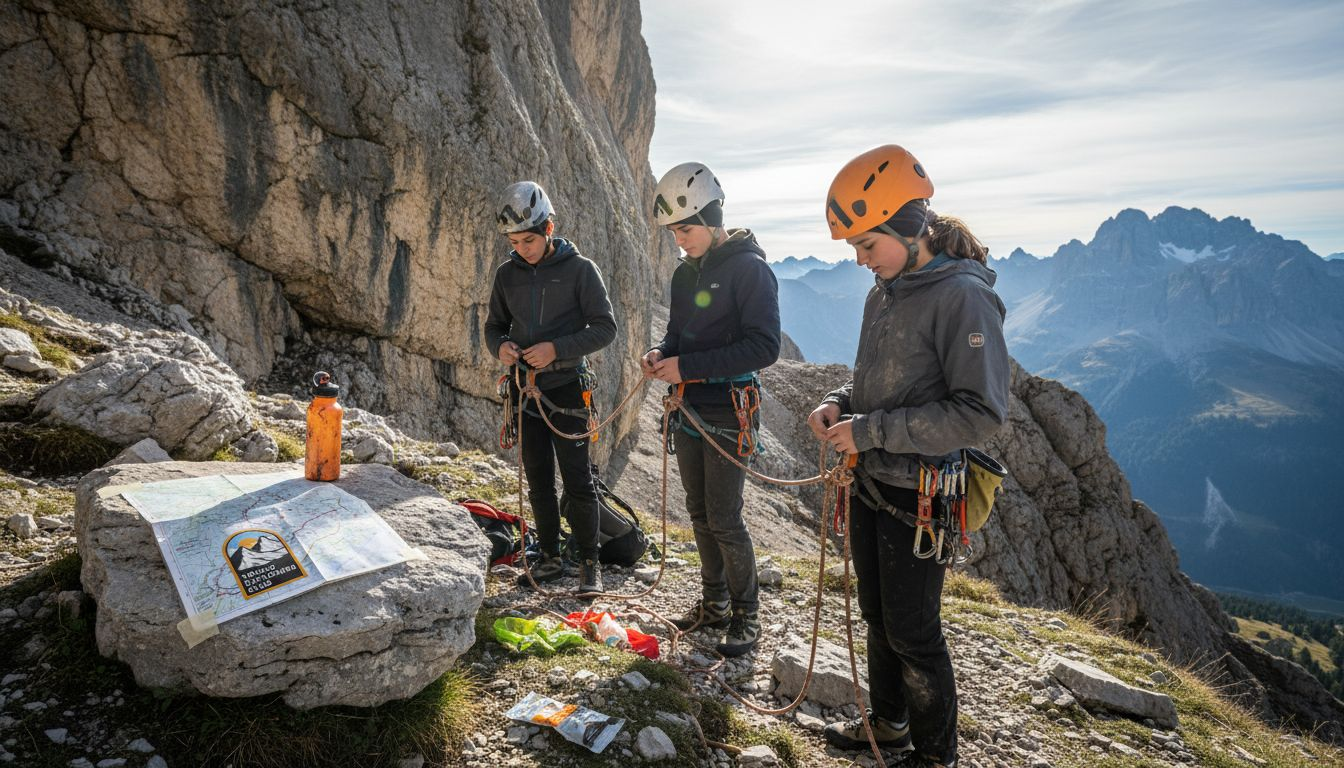
Duration and pricing vary by program scope. Adventure sports camps last 6 days to 3 weeks and cost €485 to €2,400, depending on activity intensity and location. Shorter sessions suit first-time campers testing their interest in outdoor sports. Extended programs allow children to progress from beginner to intermediate skill levels.
Camps emphasize technique, safety, and progression. Certified instructors teach proper form and risk management, ensuring children build competence alongside confidence. Teamwork develops naturally during group sports like sailing regattas or relay climbs. Physical challenges push children beyond perceived limits, fostering resilience and self-belief.
The adventure sports camp benefits include improved fitness, coordination, and mental toughness. Review this sports camps overview to match activities with your child’s interests and abilities.
- Camps target ages 7 to 17 with multi-sport outdoor focus
- Activities include climbing, sailing, horseback riding
- Duration ranges from 6 days to 3 weeks
- Pricing approximately €485 to €2,400
- Camps support physical fitness and outdoor skill building
Day Camps with Outdoor Focus: Flexible and Cost-Effective Options
Day camps offer flexible scheduling and affordability, making outdoor adventure accessible to younger children and budget-conscious families. These programs accept children ages 3 to 14 with full-day or half-day options. Activities focus on mountain adventures and outdoor skill-building, introducing children to nature exploration and teamwork without overnight stays.
Day camps cost around CHF 975 per week, ideal for first-time campers or families wanting flexibility. Lower intensity compared to residential camps suits younger or beginner campers. Children return home each evening, easing separation anxiety while building confidence in outdoor settings. Parents appreciate the gradual introduction to camp culture without full commitment.
Pro Tip: Use day camps as a stepping stone. Children who thrive in day programs often feel ready for residential camps the following summer.
Activities include nature hikes, rock climbing basics, forest games, and simple survival skills. Staff adapt challenges to age and ability, ensuring every child feels successful. Flexible schedules accommodate family vacations and other summer commitments, allowing participation without disrupting travel plans.
The day camp guide explores program structures and activity options. Understanding the benefits of outdoor day camps helps parents set realistic expectations and celebrate progress.
- Accepts children ages 3 to 14 with full-day or half-day options
- Cost-effective around CHF 975 per week
- Focus on mountain adventures and outdoor skill-building
- Lower intensity compared to residential camps
- Ideal for younger or beginner campers with flexible schedules
Family-Inclusive Travel Camps: Outdoor Adventures for All Ages
Family-inclusive travel camps enable parents and children to experience multi-day outdoor trips together, combining adventure with cultural learning. These programs last 1 to 2 weeks, featuring activities suitable for all ages and fitness levels. Families tackle outdoor challenges together, strengthening bonds through shared experiences and mutual support.
Activities blend physical adventure with educational exploration. Guided hikes teach ecology and geology, while cooking sessions introduce regional cuisine and traditions. Evening programs include storytelling, stargazing, and reflections on daily discoveries. Parents and children learn side by side, creating lifelong memories and shared growth.
Family camps suit multigenerational groups and diverse family structures. Grandparents, siblings, and extended family members participate equally, fostering connection across age gaps. Accommodations range from rustic mountain huts to comfortable lodges, balancing adventure with comfort. Shared challenges like summit climbs or river crossings become milestone memories families revisit for years.
The family-inclusive camp guide details itineraries and preparation tips. Explore the travel camp benefits to understand how shared outdoor experiences strengthen family dynamics and individual confidence.
- Lasts 1 to 2 weeks with family participation
- Combines outdoor challenges with cultural learning experiences
- Strengthens family bonds through shared adventures
- Suitable for children and parents of all ages
- Creates lifelong memories and shared growth
Comparing Camp Types: What Fits Your Child and Family?
Comparing camp types helps you match options against family needs and child interests. Each format offers distinct advantages in cost, duration, activity intensity, and learning focus. Use this comparison to narrow choices and identify the best fit.
| Camp Type | Cost Range | Age Range | Duration | Key Features |
|---|---|---|---|---|
| Residential Adventure | CHF 975 to CHF 7,000 | 6 to 17 | 1 to 2 weeks | Full boarding, intensive activities, community living |
| Language Immersion | Varies by provider | 8 to 17 | 1 to 2 weeks | Bilingual instruction, outdoor integration, cultural competence |
| Adventure Sports | €485 to €2,400 | 7 to 17 | 6 days to 3 weeks | Multi-sport focus, skill progression, physical fitness |
| Day Camps | CHF 975 per week | 3 to 14 | Daily sessions | Flexible schedules, lower intensity, cost-effective |
| Family Travel | Varies by itinerary | All ages | 1 to 2 weeks | Shared experiences, multigenerational, cultural learning |
Residential camps offer the highest cost and longest duration, delivering the most immersive experience. Day camps provide the most affordable and flexible option, best for younger children or first-time campers. Language camps add bilingual immersion, boosting confidence and communication skills. Adventure sports camps target skill development and higher activity levels, appealing to athletic children. Family camps enable shared outdoor vacations with educational components, strengthening family bonds.
Consider your child’s independence level and social comfort. Residential camps require readiness for overnight stays and peer dynamics. Day camps ease separation while building outdoor skills. Review residential camp supervision standards and explore family camp options for shared experiences.
- Residential camps highest cost and longest duration, most immersive
- Day camps most affordable and flexible, best for younger children
- Language camps provide bilingual immersion, boosting confidence
- Adventure sports camps target skill development and higher activity levels
- Family camps enable shared outdoor vacations with educational components
Situational Recommendations: Choosing the Best Camp for Your Needs
Match your family situation and child’s interests to the most suitable camp type. These recommendations simplify decision-making by aligning program features with common scenarios.
-
For immersive outdoor adventure seekers: Choose residential camps offering full boarding and intensive activities. Children aged 10 and older who crave independence and challenge thrive in these settings.
-
For children wanting adventurous language learning: Select language immersion camps blending bilingual instruction with outdoor fun. These programs suit ages 8 to 17 at any fluency level.
-
For athletes targeting multiple sports: Opt for adventure sports camps featuring climbing, sailing, and horseback riding. Active children aged 7 to 17 build diverse skills and fitness.
-
For younger children or those needing flexible schedules: Book day camps with half-day or full-day options. Ages 3 to 14 benefit from gradual outdoor exposure without overnight commitment.
-
For combining travel, learning, and shared experiences: Enroll in family-inclusive camps welcoming all ages. Multigenerational groups strengthen bonds through guided outdoor adventures.
The camp confidence benefits apply across all formats, building resilience and self-belief. Consult this family camp guide for detailed planning tips and itinerary options.
Explore Top Outdoor Camps with Young Explorers Club Switzerland
Young Explorers Club offers expert-led residential and adventure camps in Switzerland, aligning with the camp types described above. Their programs support language immersion and multi-sport activities, combining mountain biking, climbing, and survival skills with bilingual instruction. Detailed preparation guides help parents plan logistics and set expectations.
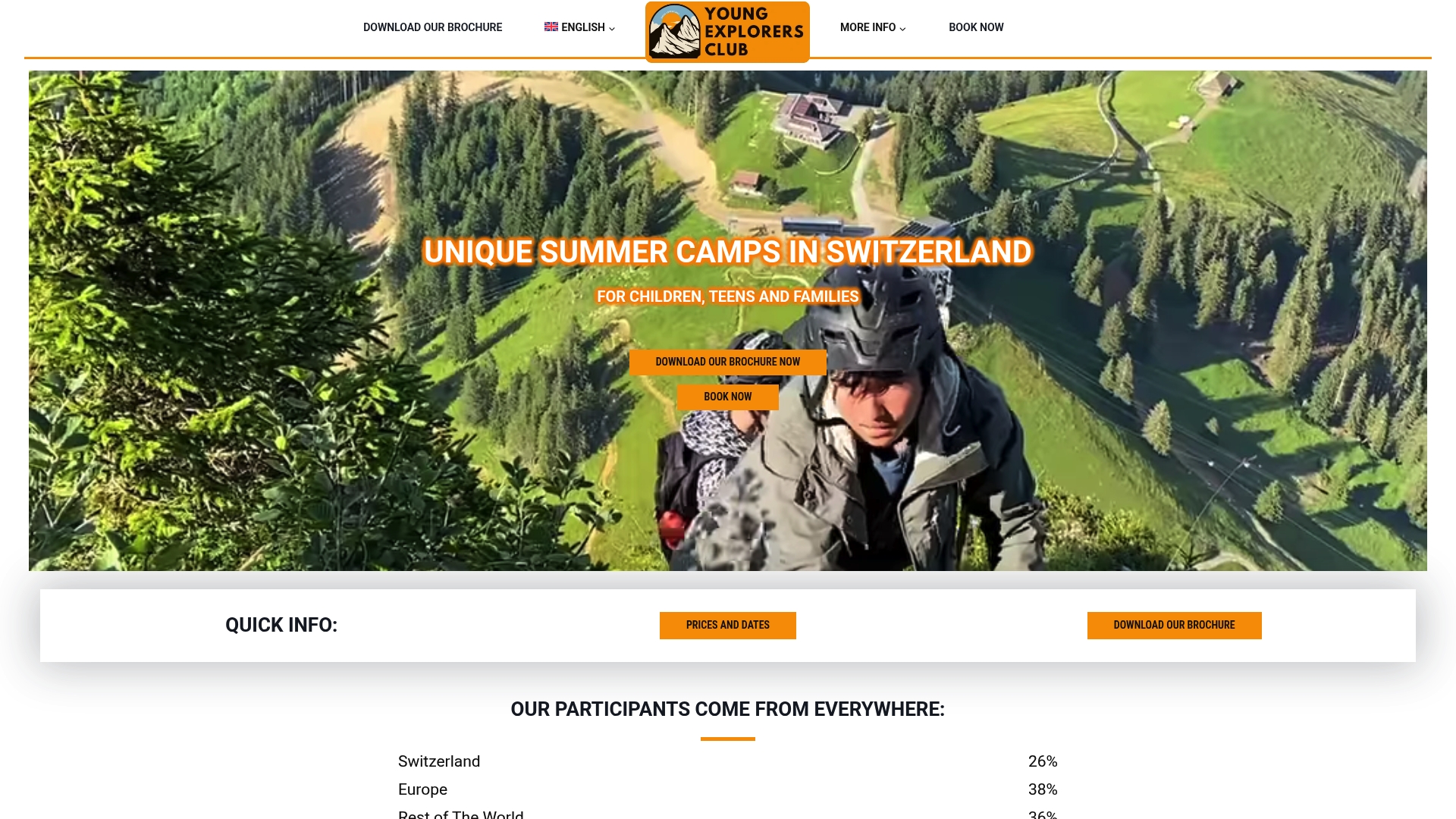
Family-inclusive outdoor camps foster bonding through guided alpine adventures and cultural experiences. Parents and children explore together, creating shared memories while developing outdoor competence. Visit the Young Explorers Club summer camp site to browse programs, compare dates, and check availability. Review camp preparation tips to pack appropriately and prepare your child. Explore family adventure camps for multigenerational options that strengthen family dynamics through outdoor challenge and discovery.
FAQ
What age groups are best suited for each type of outdoor camp?
Residential camps suit ages 6 to 17 for immersive stays requiring independence and social readiness. Day camps fit younger kids ages 3 to 14 with flexible timing, easing separation anxiety while building outdoor skills. Language immersion camps support all levels typically ages 8 to 17, combining bilingual instruction with adventure. Adventure sports camps target active children ages 7 to 17 seeking multi-sport skill development. Family camps welcome all ages, including grandparents and young children, for shared outdoor experiences.
How do language immersion camps integrate outdoor activities with language learning?
Language classes occur in small groups during fun outdoor activities like guided hikes, team challenges, and campfire storytelling. Campers practice language through games, daily social interaction, and real-time corrections from bilingual instructors. The approach supports beginners and fluent speakers alike in a bilingual environment, making language acquisition natural and engaging. Children learn vocabulary in context, building confidence through practical use rather than classroom drills.
What factors should parents prioritize when selecting an outdoor camp?
Safety and supervision are paramount. Verify staff qualifications, emergency protocols, and supervision ratios before committing. Consider activity variety matching your child’s interests and developmental goals. Evaluate language offerings and immersion levels if bilingual skills matter to your family. Check cost, duration, and location for logistical fit with your budget and schedule. Review testimonials and accreditation to confirm program quality and reputation.
How do residential adventure camps differ from day camps in terms of outcomes?
Residential camps deliver deeper immersion through multi-day stays, fostering independence, leadership, and peer relationships. Children develop self-reliance by managing daily routines and navigating social dynamics without parental support. Day camps offer gradual outdoor exposure with lower intensity, ideal for building confidence before residential programs. Both formats enhance outdoor skills, but residential camps accelerate social and emotional growth through extended community living.
Are family-inclusive travel camps suitable for families with young children?
Yes, family travel camps adapt activities to diverse ages and abilities, ensuring everyone participates safely. Younger children engage in nature walks, simple crafts, and storytelling while older siblings tackle advanced challenges. Parents support each child’s pace, creating a comfortable learning environment. Accommodations and schedules balance adventure with rest, preventing exhaustion. These camps strengthen family bonds while introducing children to outdoor exploration in a supportive, multigenerational setting.
Recommended
- 5 Consejos Para No Molestar A La Fauna En Invierno | Young Explorers Club Switzerland
- Europäische Sommercamps: Ihr Ultimativer Leitfaden Für Unvergessliche Sommerabenteuer | Young Explorers Club Switzerland
- Why Outdoor Activities Matter For Youths
- Acampamentos De Férias Na Europa: Seu Guia Definitivo E Detalhado Para Aventuras De Verão Inesquecíveis | Young Explorers Club Switzerland