Why Experiential Learning Matters For Kids
Experiential, project-based learning with SEL and strong teacher training boosts engagement and measurable academic gains.
Experiential learning: evidence and implementation
Experiential learning — project-based, hands-on, and outdoor-focused — boosts conceptual understanding, improves skill transfer, and raises engagement. Classroom studies show large pre/post gains. A middle-school ecosystems unit saw a 34 percentage-point mean improvement. Program impacts hinge on implementation quality: targeted teacher training, aligned assessments, ample materials, and built-in SEL routines.
Key Takeaways
- Measurable academic gains: Experiential approaches deliver measurable academic gains and stronger transfer when programs use validated pre/post assessments and clear proficiency reports.
- Embedded SEL: Embedding social-emotional learning (SEL) boosts academic outcomes and builds teamwork, self-control, and ownership of learning.
- Quality implementation: Professional development, smart assessment design, coaching, and enough time and materials shape program effectiveness.
- Instructional design: Short iterative project cycles, role rotation, scaffolded reflection, and outdoor work raise engagement and deepen reasoning.
- Equity strategies: Equity needs low-cost tactics, shared resources, coaching, and disaggregated monitoring so districts don’t create opportunity gaps.
Compelling Benefits: Academic, Social-Emotional, and Engagement Evidence
We at the young explorers club base our approach on strong, peer-reviewed synthesis and applied evidence. Project-based learning and other active models consistently boost skill development and the ability to apply concepts; a meta-analysis finds that PBL tends to improve skill development and application compared with traditional instruction (Dochy, Segers, Van den Bossche & Gijbels, 2003). National Research Council syntheses—How People Learn and How People Learn II—also conclude that active learning supports deeper conceptual understanding and transfer. I lean on those findings when I design curricula and teacher supports.
Social–emotional learning amplifies academic gains. School-based SEL programs produced an average gain of 11 percentile points in academic achievement compared with controls (Durlak, Weissberg, Dymnicki, Taylor & Schellinger, 2011). I combine SEL strategies with hands-on projects so kids master content and self-regulation together. Engagement, however, remains a major lever. Baseline data from the Gallup Student Poll show about one-third of students report being “engaged” (Gallup Student Poll), so there’s plenty of room to raise participation and focus through active formats.
Implementation quality determines outcomes. Fidelity, teacher skill, resources, and assessment design drive whether PBL or SEL yields gains. I emphasize these practical levers:
- strong teacher professional learning
- clear alignment between project tasks and standards
- validated formative and summative measures
- scaffolds for collaboration and individual accountability
- sufficient time and materials
- ongoing coaching and feedback cycles
Implementation factors that matter
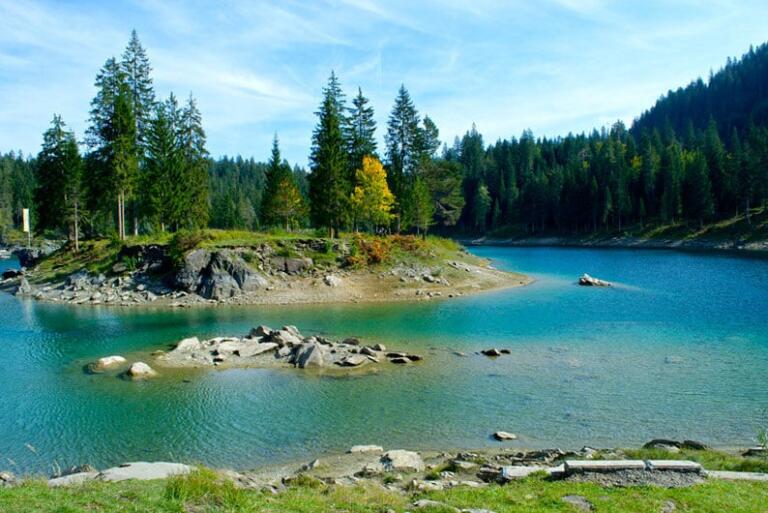
I focus on teacher practice first. Skilled facilitation turns an activity into a learning episode. Teachers must plan assessments that measure conceptual change, not just task completion. Resources matter too: small-group materials, lab equipment, or outdoor logistics change what projects are feasible. Context shifts outcomes as well. Class size, prior student knowledge, and community support all affect gains. I advise pairing PBL with explicit instruction on core concepts, and embedding SEL routines so teamwork and reflection become part of the lesson rhythm. I also use outdoor experiences to encourage curiosity and problem solving, which boosts engagement and creative thinking: encourage creativity.
Classroom case study: measurable gains
Here are measured outcomes from a six-week NGSS-aligned ecosystems unit we ran with middle-school students, using a standards-aligned common assessment and a biology concept inventory for pre/post measurement:
- Mean pre-test score (validated inventory): 38%
- Mean post-test score (same inventory): 72%
- Mean gain: 34 percentage points
- Percent scoring above proficiency (district benchmark) pre: 20% → post: 66%
- Qualitative reflections: students reported higher ownership of learning; teachers observed more evidence-based explanations in class discussions; group roles increased accountability and reduced off-task behavior.
I used those metrics to iterate the unit. We tightened the assessment rubrics, added short daily reflections to capture SEL growth, and provided teachers with two coaching cycles. After those changes, lesson pacing improved and collaborative tasks produced deeper explanations on follow-up concept checks.
I recommend any program wanting similar evidence adopt a validated content inventory (for example, a discipline-specific concept inventory or an NGSS-aligned common assessment), collect pre/post means, report percent above proficiency, and include brief qualitative notes from teachers and students. Those measures make outcomes clear and help justify investment in training and materials.

What Is Experiential Learning? Theories and the Classroom Cycle
We, at the Young Explorers Club, define experiential learning as active, student-centered learning that places learners in real or simulated contexts where they learn by doing and reflect on those experiences. That definition traces back to John Dewey — Experience and Education (1938) and was formalized into a practical loop by David A. Kolb — Experiential Learning Cycle (1984). I use the term active learning to tie hands-on learning and project-based learning to real classroom practice. active learning helps students move from receiving facts to testing ideas.
Kolb’s learning cycle in the classroom
I break Kolb’s four-stage cycle into classroom actions and give a clear plant-growth example you can replicate.
- Concrete experience — Students run a plant-growth experiment and collect data. They handle seeds, set up pots, and log measurements over time.
- Reflective observation — Students discuss patterns and unexpected results in a class debrief. They compare notes and surface anomalies.
- Abstract conceptualization — Students develop hypotheses about variables (light, water, soil nutrients) and connect findings to plant physiology concepts.
- Active experimentation — Students design a follow-up test altering light exposure to test a hypothesis and iterate on methods.
Each stage intentionally moves learners between doing, observing, linking results to concepts, and testing new actions. I keep cycles short enough for clear feedback but long enough for meaningful data. Small iterations let students practice scientific thinking and build confidence.
How this differs from lecture-based approaches
Lectures typically deliver information top-down with limited hands-on practice, reflection, or iterative testing. The learner role is mostly receptive, which often limits transfer and deep conceptual change. I recommend embedding quick cycles of doing and reflecting within lessons so students see why facts matter.
We scaffold protocols, rubrics, and reflection prompts so teachers can scale experiential tasks without losing control of time or standards. Practical tweaks I use include:
- Rotating roles to give each student hands-on responsibility.
- Timed observation logs to structure data collection and reflection.
- Linking experiments directly to curriculum goals and standards.
- Using micro-projects, structured debriefs, and hypothesis-driven tasks to focus inquiry and assessment.
These adjustments turn passive listeners into active investigators and improve long-term retention.

Skills, Career Readiness, and Long-Term Outcomes
We, at the young explorers club, focus on active projects because experiential learning builds career readiness through transferable skills. Hands-on tasks force kids to apply knowledge, test ideas, and refine techniques. I link practical outdoor sessions to deeper learning by using outdoor learning as a stage for real-world problem solving.
Key transferable skills
Below are the core competencies I prioritize and how they translate to future work.
- Collaboration — Kids negotiate roles, manage conflict, and deliver group results. I rotate team roles so every child practices leadership and follow-through.
- Problem-solving — I set open-ended challenges that require hypothesis, trial, and iteration. This strengthens resilience and analytical habits.
- Creativity — I encourage divergent ideas and rapid prototyping so kids learn to pivot when plans fail.
- Communication — Presentations, peer feedback, and reflective journaling sharpen both verbal and written clarity.
- Critical thinking — I push for evidence-based decisions and ask “why” at each step to build reasoning.
- Technical skills — Project-based tasks teach tools and domain know-how that map to career paths.
Evidence and employer demand
Long-term outcomes back this approach. The Perry Preschool program follow-ups found lasting adult benefits — higher earnings, greater educational attainment, and lower criminal behavior — as reported by Schweinhart et al. That evidence shows early experiential programs can affect life trajectories. Employer priorities mirror those findings. The National Association of Colleges and Employers (NACE) reports hiring managers put a premium on experiential experience — internships and project work — and on problem-solving skills when selecting graduates.
I recommend concrete reporting for any program claiming impact. Include alumni vignettes or a 10-year outcome snapshot when available. Label results clearly as correlational or causal and specify cohort and timeframe. That transparency helps families and funders interpret long-term outcomes correctly and supports program improvement.
We design activities so skills map directly to workplace expectations, and we document progress so stakeholders can see how transferable skills become career readiness.
Implementation: Classroom and Home Strategies, Programs, and Tools
Classroom strategies and rhythms
We, at the young explorers club, structure projects into short cycles so teachers can manage time, materials, and assessment. I break each cycle into four clear phases: (1) launch/problem framing, (2) hands-on investigation/building, (3) reflection and rubric-based assessment, and (4) dissemination/presentation. Short cycles keep engagement high and let you iterate without huge time sinks. I pair many projects with outdoor learning sessions for sensory-rich investigation and better emotional regulation.
Use formative checks every 15–30 minutes during hands-on work. Exit tickets and rubric-based performance tasks capture progress without heavy grading. For social-emotional competencies, embed SEL routines daily and follow CASEL and Second Step recommendations to teach teamwork, emotion regulation, and responsible decision-making. Panorama Education or the Gallup Student Poll help you track engagement trends across a term.
I advise chunking prep: set one planning block per week for teacher prep (medium time investment). For sustained PBL units, expect multiple launch-investigate-reflect cycles over 2–6 weeks depending on grade.
Toolkits, ages, and practical notes
Below I list recommended modalities, age ranges, teacher prep, and brief use cases so you can match choices to classroom and home needs:
- Project-Based Learning (PBL): PBLWorks (Buck Institute/Gold Standard PBL) — K–12; teacher prep: medium; project cycle: launch → investigate → reflect → present; best for interdisciplinary, sustained investigations.
- Maker / STEM kits: LEGO Education SPIKE Prime, LEGO Mindstorms — ages 8–14; moderate one-time cost; teacher prep: medium; ideal for engineering and tactile prototyping.
- Microcontrollers & single-board computers: Arduino starter kits, Raspberry Pi — ages 11+ (varies by support); low–moderate cost; great for cross-curricular tech and IoT projects; teacher prep: medium.
- Coding & computational thinking: Scratch — ages 7–12; Code.org lesson activities — K–12; low cost; teacher prep: low–medium; ideal for storytelling, games, and interactive projects.
- Science & NGSS resources: Mystery Science, NGSS-aligned lab kits — elementary to middle school; low–moderate cost; supports inquiry cycles and standards alignment.
- SEL & classroom culture: Second Step, CASEL guidance — all ages; low cost; embed competencies into projects for better teamwork outcomes.
- Assessment & engagement tools: Panorama Education, Gallup Student Poll; formative tools like exit tickets and rubrics — low cost to license; teacher prep: low–medium.
- Outdoor / experiential partners: HighScope model programs and local nature centers — preschool to middle school; cost varies by partnership.
For home use, favor low-prep options: Scratch projects, Arduino starter kits with guided tutorials, and a single LEGO SPIKE set that families can reuse. Maker kits have low-to-moderate one-time costs; plan a short orientation session for caregivers so they scaffold effectively.
Measuring Impact: Metrics, Methods, and Example KPIs
We, at the young explorers club, measure impact with clear, action-oriented indicators tied to learning and well‑being. I focus on SEL leading to academic gains, since improving social‑emotional learning often boosts outcomes — remember the finding of “11 percentile points in academic achievement (Durlak et al., 2011)”. I track both quantitative and qualitative evidence so I can show change and explain it.
Key outcomes to track
Track these core domains and the specific measures that map to them:
- Academic achievement: standardized tests, unit pre/post tests, and performance tasks scored with rubrics. Report mean gain, effect size, and percent above proficiency.
- SEL indicators: validated SEL measures and mean standardized score change to capture self-management, social awareness, and responsible decision‑making.
- Engagement: regular student surveys to estimate engagement rate; compare to Gallup baseline that “about one‑third of students report being ‘engaged’ (Gallup Student Poll)”.
- Operational metrics: attendance and project completion rates.
- Practical outcomes for older students: internship offers, job placements, and college/career indicators.
I also use student portfolios and self‑reflections as complementary evidence to link SEL gains to classroom performance. For program context, I document how increased time in nature supports sustained engagement.
Sample KPIs & reporting cadence
I use a compact KPI set that stakeholders can digest quickly. Example indicators and cadence:
- Academic — % students demonstrating mastery on unit test (use pre/post gain; report mean gain, effect size, and percent above proficiency). Report quarterly or by unit.
- SEL — mean score change on a validated SEL survey (report standardized score change or percentile; contextualize with “11 percentile points in academic achievement (Durlak et al., 2011)”). Report termly.
- Engagement — % students categorized as “engaged” and change versus baseline (Gallup Student Poll shows “about one‑third”). Report termly.
- Practical outcomes — % students completing capstone projects; internship/job offers for older students. Report annually.
I present both absolute KPIs and relative change (percentile gain, pre/post tests) so teams can see progress and adjust.
Methods and quality checks
I prefer simple pre/post designs with a matched comparison class when feasible. Use rubrics with inter‑rater reliability checks and train scorers to keep ratings consistent. Triangulate quantitative scores with student self‑reflections and portfolios; that mix reduces bias and strengthens claims. For performance tasks, include anchor papers and calibration sessions.
Visualizations that communicate
Use bar charts to show pre/post gains and effect sizes. Plot engagement rate over time with line charts to reveal trends versus the Gallup baseline. Curate portfolio galleries and annotated student reflections for qualitative evidence that complements KPI tables.
Barriers, Equity, and Practical Solutions
We see five common barriers that block experiential learning: limited teacher prep time and training, assessment anxieties, material costs, scheduling and logistics, and unequal access to extracurricular or out-of-school experiences. Those constraints create resource constraints that hit low-income schools hardest. We, at the young explorers club, push for solutions that close the access gap rather than widen it. For programs that include nature-based activities, we link practical plans to proven approaches like outdoor learning.
Experiential methods can widen opportunity gaps if implementation quality varies by school. Low-resource classrooms often get less teacher professional development and fewer materials, so we insist on intentional design and monitoring. We focus on scalable practices that lift implementation quality in every setting.
Mitigation strategies
Below are concrete actions we recommend to reduce inequities and manage constraints:
- Professional development and in-class coaching: Provide targeted teacher professional development and ongoing coaching. We recommend PBLWorks as a PD provider and pair that training with modeling, co-planning, and observation cycles so teachers can convert concepts into daily practice. Start with a short summer institute, follow with monthly coaching visits, and use video reflection for quick feedback loops.
- Low-cost implementation tactics: Reduce material costs by reusing classroom supplies, creating scavenger kits, and sharing a portable maker cart across grades. Build community partnerships for donated materials and recruit volunteer mentors from local universities or makerspaces. When hands-on resources aren’t available, use digital simulations like Tinkercad and Scratch to replicate design and iteration cycles.
- Assessment equity: Adopt shared, standardized rubrics and run inter-rater training so scoring stays consistent across classrooms. Use performance tasks that map to clear criteria and collect both product and process evidence. We recommend that districts hold rubric calibration sessions each semester and archive exemplar student work for reference.
- Scheduling and logistics: Phase projects into short, repeatable cycles to cut prep time and reduce planning overhead. Create reusable project templates and material lists that teachers can adapt. Partner with nearby organizations for placements and field components, and set up rotating schedules so a single community partner serves multiple classrooms efficiently.
- Measurement and accountability for equity: Disaggregate outcome data by race/ethnicity, income, English learner status, and IEP so you can spot disparities early. Set specific subgroup goals, monitor differences each grading period, and revise implementation plans where gaps persist. Publish subgroup gains publicly to drive accountability and build community trust.
-
Practical startup checklist we use:
- Offer a focused PD sequence
- Pilot one phased project per grade
- Assemble a shared maker cart
- Run two rubric calibration sessions
- Post disaggregated data after the pilot term
Each step targets a known barrier and gives clear metrics for success.
We prioritize equity at each decision point. When resource constraints appear, we recommend reallocating central funds to PD and shared materials rather than relying on volunteer effort alone.

Sources
- National Academies Press — How People Learn: Brain, Mind, Experience, and School (Expanded Edition)
- National Academies Press — How People Learn II: Learners, Contexts, and Cultures
- ResearchGate — Effects of problem-based learning: A meta-analysis (Dochy, Segers, Van den Bossche & Gijbels, 2003)
- Child Development (Wiley) — The Impact of Enhancing Students’ Social and Emotional Learning: A Meta‑Analysis of School‑Based Universal Interventions (Durlak et al., 2011)
- Gallup — Gallup Student Poll / Gallup Student Survey (student engagement reporting)
- HighScope — Perry Preschool Project (HighScope Perry Preschool Study)
- PBLWorks (Buck Institute for Education) — What is Project Based Learning? (Gold Standard PBL)
- CASEL — Core SEL Competencies
- David A. Kolb / LearningFromExperience — Experiential Learning: Experience as the Source of Learning and Development (Kolb, 1984)
- National Academies Press — Learning Science in Informal Environments: People, Places, and Pursuits (2009)
- Panorama Education — Student surveys & social-emotional learning measurement
- LEGO Education — SPIKE Prime (LEGO Education SPIKE Prime set)
- Scratch (MIT) — Scratch: Create stories, games and animations
- Arduino — Arduino: Open-source electronics platform