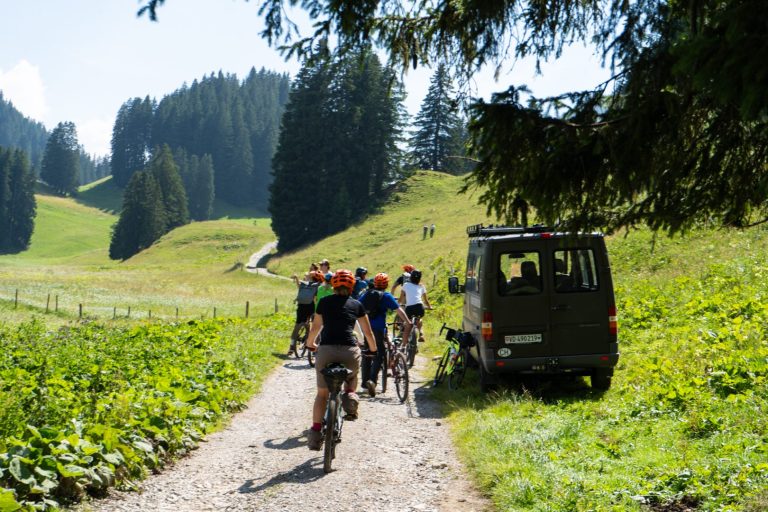
Hiking Safety For Kids: Essential Tips For Alpine Adventures
Alpine hikes with kids: conservative routes, altitude-aware planning, child-sized gear, pediatric first-aid and clear emergency bailouts.
Alpine Hiking with Children: Safety Summary
Alpine hikes expose children to sudden weather shifts, stronger UV, colder temperatures and altitude illness, which commonly begins above ~2,500 m. Trip planning must prioritize conservative routes, clear bailouts and the right permits. Leaders should pack tested layering systems and child-sized packs, include pediatric first-aid supplies and reliable emergency communicators, set age-appropriate pacing and assign clear roles. Act immediately on red flags like worsening AMS, hypothermia, major bleeding or anaphylaxis.
Risks to Watch
Altitude and Acute Mountain Sickness (AMS)
Altitude illness often begins above ~2,500 m. Early symptoms include headache, nausea, dizziness, vomiting, lethargy and confusion. Monitor children closely — they can deteriorate quickly and may not clearly report symptoms.
Environmental and Exposure Risks
Expect rapid weather changes, stronger UV exposure, and much colder effective temperatures. Even short delays can lead to hypothermia without proper insulation and shelter.
Trauma and Medical Emergencies
Children are at risk for falls, fractures, major bleeding and allergic reactions. Be prepared to treat life‑threatening conditions and call for rescue early.
Preparation and Gear
Planning
Plan conservatively. Choose routes that match the youngest or least experienced hiker, limit elevation gain above ~3,000 m when possible, set firm turnaround times, and leave a written itinerary with a trusted contact. Assume no cell coverage and identify bailout options in advance.
Packing
- Three-layer clothing system: base layer, insulating mid-layer, and a waterproof/windproof shell.
- Child-fit pack sized to ~10–15% of body weight for younger kids.
- Sturdy boots and appropriate socks to prevent blisters and maintain foot warmth.
- Pediatric first-aid kit: include epinephrine auto-injector if prescribed, supplies for bleeding control, splints, blister care, and medications for pain/nausea/fever per caregiver guidance.
- Emergency communication: satellite messenger, PLB, or radio; test devices before the trip.
- Other essentials: whistle, headlamp, emergency bivy or blanket, water-treatment, sun protection and compact tools.
On-Trip Management & Emergency Response
Pacing and Nutrition
Use age-appropriate pacing with frequent short breaks. Offer small, calorie-dense snacks every 30–45 minutes and encourage hydration of roughly 0.5–1.0 L per hour depending on exertion and conditions.
Roles and Skills
Assign a leader, sweep, medical person and navigator. Teach simple skills: whistle signals, buddy checks and basic map reading.
Immediate Priorities in an Emergency
- Airway, Breathing, Circulation (ABC): Check and manage airway, breathing and circulation first.
- Protect against exposure: Add insulated layers and use an emergency bivy or shelter to prevent hypothermia.
- Control life‑threatening bleeding: Apply direct pressure, dressings and, if trained, a tourniquet.
- Immobilize fractures to prevent further injury.
- Call for rescue early: Provide a clear location, patient age, symptoms and mechanism of injury. Use the most reliable communicator available.
- Descend promptly for worsening or severe AMS, hypothermia, uncontrolled bleeding, airway compromise, shock or deteriorating consciousness.
Key Takeaways
- Watch for alpine-specific red flags (headache, nausea, dizziness, vomiting, lethargy, confusion) and act early. Stop ascent. Don’t push on. Monitor closely and descend or evacuate for worsening or severe AMS.
- Immediate priorities: check airway, breathing and circulation. Protect from exposure with insulated layers or an emergency bivy. Control life‑threatening bleeding and immobilize fractures. Call for rescue early and give a clear location and patient details.
- Plan conservatively. Choose routes that match the youngest hiker. Limit elevation gain above ~3,000 m. Set firm turnaround times. Leave a written itinerary and assume no cell coverage.
- Carry and test essential gear. Pack a three‑layer clothing system and a waterproof shell. Use sturdy boots and a child‑fit pack sized to 10–15% of body weight. Bring a compact pediatric first‑aid kit, including epinephrine if prescribed. Include a whistle, headlamp and water‑treatment.
- Use age‑appropriate pacing and skills. Schedule frequent short breaks. Offer small, calorie‑dense snacks every 30–45 minutes. Hydrate at roughly 0.5–1.0 L per hour. Assign leader, sweep, medical and navigator roles. Teach whistle, buddy and map basics.
Top alpine safety rules and immediate emergency actions
Alpine terrain changes fast, brings stronger UV, and stays colder than valley floors; we plan for all three. Altitude effects commonly begin above 2,500 m / 8,200 ft, and acute mountain sickness (AMS) risk rises above ~2,500 m / 8,200 ft. We watch kids closely for AMS symptoms — headache, nausea, dizziness, lethargy, poor appetite, and sleep disturbance — and we act at the first sign.
Lightning demands immediate respect. Remember the rule: “if you hear thunder, you are in range.” We move off ridgelines, avoid exposed rock and high points, and get lower fast when thunder starts. Hypothermia shows up quietly; shivering, poor coordination, and slurred speech or confusion are red flags. Hypothermia is defined as a core temperature below 35°C (95°F), and we treat any sign as urgent.
Immediate emergency actions
Follow these priorities immediately:
- Stop ascent and assess the child; we treat stabilization as our first goal: check airway, breathing, and circulation and correct obvious problems.
- Protect from exposure; we get insulated layers and a windproof shell on, use an emergency bivy or shelter, and dry wet clothing.
- Descend if safe and practical — descend if severe AMS, persistent vomiting, altered mental status, seizures, or any major trauma. We never rush a descent that would worsen injury, but we start descent early for worsening AMS.
- Call for help early; we use emergency services or a PLB / satellite messenger and give a clear location, patient condition, and number of children. Recommended devices we carry include Garmin inReach Mini 2, ACR ResQLink 400, or ZOLEO.
- Manage specific emergencies immediately: for anaphylaxis we give epinephrine and call for rescue; for severe hypothermia we insulate, warm the core, avoid unnecessary movement, and arrange evacuation; for seizures we protect the airway and prevent injury, then call for urgent evacuation.
- Control major bleeding and immobilize suspected fractures; we apply direct pressure, use a tourniquet only if life-threatening, and splint when practical.
- Monitor continuously; we recheck vitals and mental status, keep children warm, and document interventions and times.
We turn back without hesitation if any of these decision triggers appear: persistent vomiting, marked disorientation or altered mental status, uncontrolled crying or fear that prevents safe movement, sudden severe weather (thunderstorms, whiteout, extreme wind), or one or more children showing priority danger signs such as severe breathlessness, profound lethargy, seizures, or lucid confusion.
We also keep a few quick reminders in every pack: a whistle (three blasts equals attention), a reliable headlamp with spare batteries, and an emergency bivy. When guardians aren’t the parent, we document and carry pediatric medical and consent information in a waterproof pouch. For gear and packing specifics that reduce risk on alpine days, check our what to pack guide.

Pre-trip planning, route selection, permits, and communication
We, at the Young Explorers Club, plan every alpine outing with safety as the priority. I pick routes that match the group’s fitness and skills, keep distances and elevation gain realistic, and always map clear bailout options before we leave. For young children we prefer hikes with total hiking time <3 hours when possible.
I identify the nearest trailhead and the quickest rescue access, and I check local services for estimated response times if those numbers are available.
Route choice, altitude, and weather
I size routes to the youngest or least experienced hiker. Shorter distance, gentler slopes, and obvious trail markers beat ambitious mileage. Key rules I follow:
- Plan ascent conservatively above ~3,000 m: limit net gain to 300–500 m per day and include rest or slow days to reduce altitude stress.
- Mark bailout routes and turn-around points by time as well as distance — terrain or weather can make a short distance take much longer.
- Check expected highs, lows, and precipitation before departure. Adjust clothing and timing for the lapse rate: roughly 6.5°C per 1,000 m (≈3.6°F per 1,000 ft).
- Assume cell coverage will be spotty up high; plan for no cell service and rehearse your call-for-help steps with the whole group.
I also review packing and equipment choices; for a checklist of sensible gear I point families to what to pack for alpine trips like ours: what to pack.
Permits, documentation, and communications
I verify any backcountry permits, quotas, or special rules (for example, bear-resistant food storage). I always leave a written itinerary with a trusted contact that includes our planned route, expected return time, and emergency numbers. I also carry hard-copy medical information and signed consent for minors if a child is with a non-parent guardian.
When it comes to emergency devices I weigh pros and cons and choose according to the trip profile:
- PLBs give a reliable, one-way distress signal; I often recommend the ACR ResQLink 400 for its simplicity and battery life.
- Two-way satellite communicators — such as the Garmin inReach Mini 2 or ZOLEO — let me text, update trackers, and receive weather alerts.
- Cell phones are useful when they work, but we plan as if there’s no cell. I register devices where required, charge them fully, and bring spare batteries or a solar charger.
Before a trip I tell our trusted contact which device we carry and how to follow tracking. If we ever need search-and-rescue I instruct them to tell the dispatcher the device make and model; that detail speeds up locating and recovery. I also keep extra chargers, spare batteries, and any required registration details accessible in case time is short. Finally, I make sure everyone traveling with us knows the plan, the emergency signals we’ll use, and who holds the hard-copy consent and medical forms.

Gear, clothing, shelter, and first-aid essentials
We kit kids for alpine hikes with clear priorities: warmth, dryness, support, and simple redundancy. I start with a reliable layering system and a strict rule — if a layer gets wet, swap it fast.
Clothing, footwear, and packs
Dress for the coldest reasonable scenario. Use three layers and train kids to manage them:
- Moisture-wicking base (no cotton next-to-skin)
- Breathable insulating mid (fleece or down)
- Waterproof/breathable shell for wind and precipitation
Add a warm hat, gloves, and one extra insulating layer in the pack; alpine nights can drop below 0°C / 32°F. Choose materials that dry fast and avoid cotton next-to-skin.
Footwear must protect and support. Pick sturdy, closed-toe hiking shoes or boots with ankle support and a grippy sole. Break boots in on short walks before the trip to prevent blisters. Match sock thickness to shoe volume and bring liners or an extra pair.
Use kid-specific packs with a fitted hipbelt and sternum strap to keep loads stable. Recommended options include Osprey Ace 38, Deuter Fox 40, and REI kid models. Aim for 10–15% of body weight for younger kids; conditioned adolescents can carry up to about 20%. For a full checklist that complements this packing approach, see what to pack.
First-aid, shelter, signaling, and water treatment
I carry a compact first-aid kit built around kids’ needs and add redundancy for remote alpine terrain. Pack these items and adjust quantities by group size and trip length:
- Blister-care (moleskin, adhesive foam), multiple bandage sizes, and sterile gauze with tape
- Triangular bandage and elastic wrap for sprains
- Antiseptic wipes and sterile saline for wound irrigation
- Tweezers or a tick removal tool, plus a digital thermometer
- Pediatric doses of acetaminophen and ibuprofen, antihistamine, and an epinephrine auto-injector if prescribed
- Consider Adventure Medical Kits Ultralight/Watertight as a baseline and customize from there
For emergency shelter, carry a lightweight option: a survival blanket or SOL Emergency Bivy, or a small tarp with cord for improvised shelter. If you’ve planned an overnight, choose a sleeping bag with a comfort rating 5–10°C colder than the expected low so kids stay warm even if the thermometer surprises you.
Signaling and light save time and stress. Issue a whistle and teach the 3‑blast distress signal. Equip everyone with a reliable headlamp (I trust the Black Diamond Spot) and pack spare batteries. Add a signaling mirror and, for serious remoteness, a PLB or satellite messenger such as the Garmin inReach Mini 2 or ACR ResQLink 400.
Water treatment and communication extras are small, light, and mission-critical. Carry a primary water-treatment option (Sawyer Mini, Katadyn filter, or SteriPEN) and a backup purification method. Train kids to use the gear before the trip so filtering becomes second nature.
Keep preparation simple. Every item should have a clear purpose, fit well, and be tested on training hikes so the whole system works under stress.

Hydration, nutrition, sun and eye protection
Hydration and water treatment
We, at the young explorers club, plan water as a non-negotiable safety item. For active kids on hard climbs I budget 0.5–1.0 L per hour per child, adjusting for temperature and effort. Thirst is an unreliable cue, so we schedule small sips every 15–30 minutes and encourage frequent, tiny intakes rather than big gulps. Carry extra water for dry stretches and always bring a treatment method; you can read our guidance on proper water treatment for details.
- Boil: 1 minute at sea level, increase to about 3 minutes above 2,000 m.
- Filters/devices we trust include: Sawyer Mini, Katadyn Hiker/Seahorse and SteriPEN; each has trade-offs for weight, flow rate and maintenance.
We also prefer sturdy containers. Consider the choice between plastic, aluminum and steel if weight and durability matter — see our notes on drinking bottles before you pack.
Nutrition, sun and eye protection
We feed kids often on the trail. I give small, calorie-dense snacks every 30–45 minutes to keep energy steady. Typical options I pack include:
- Nut and seed mixes (or seed-only alternatives for nut allergies)
- Nut-butter sandwiches or squeeze pouches
- Energy bars and chews designed for kids
- Dried fruit and compact cheese or jerky for protein
Label allergy-safe alternatives clearly and carry epinephrine if prescribed.
Sun and eye protection need equal planning. UV climbs about 10–12% per 1,000 m, and snow reflection can double exposure. I use broad-spectrum sunscreen SPF 30+ daily and switch to SPF 50 in high-alpine or snowy conditions. Apply 15–30 minutes before exposure and reapply every two hours or after heavy sweating or wiping. Check product age recommendations for very young children and carry lip balm with SPF.
For eyes I insist on sunglasses with a UV400 rating and wrap-around frames to cut side glare. In snowy or windy weather we swap to goggles to prevent snow blindness and keep eyes moist. I also cover ears, lips and the neck with a buff, hat or scarf on sunny high-altitude days.

Age-based pacing, group roles, teaching skills, and on-trail decision trees
I set clear pacing rules before every hike and make rest a regular part of the plan. For younger children I schedule a short break every 20–30 minutes. For route planning I use these practical distance guidelines: preschoolers (3–5 yrs) 0.5–1 mile (0.8–1.6 km) or 30–60 minutes; early elementary (6–8 yrs) 1–3 miles (1.6–4.8 km); older kids (9–12 yrs) 3–6 miles (5–10 km) depending on terrain and elevation gain. I keep pack weight conservative: 10–15% of a child’s body weight, with fit teens carrying up to about 20% after conditioning. For help choosing items and sensible loads I point parents to our what to pack guide.
Roles, core skills, and simple on-trail procedures
Assign these roles and teach these skills before you leave the trailhead:
- Group roles to name and sign off on:
- Leader — sets pace and makes decisions.
- Sweep — brings up the rear and counts people.
- Medical lead — carries first aid and meds.
- Navigator — reads map/route.
- Documentation: Keep a written group plan with participant health info (allergies, meds), emergency contacts, route and expected return time. Leave a copy of the itinerary with a trusted contact.
- Skills by age — teach these progressively:
- Preschool (3–5 yrs): whistle use (three short blasts means “help”), staying on trail, buddy system basics.
- Early elementary (6–8 yrs): reinforce whistle and buddy system, introduce trail signs and hazard awareness.
- Older kids (9–12 yrs): map reading basics, compass use, simple pacing and route-choice decisions.
- Emergency card: Pack a small emergency card for each child that contains: name, DOB, weight (for dosing), allergies, current meds, and two emergency contact numbers. Keep a second copy with the medical lead.
Use compact decision trees I can memorize and teach kids to follow simple steps when things go off-plan:
- Lost child — keep the group together and don’t continue the route. Post a spotter at the last-seen point and start a focused search of a 2–5 minute radius. If the missing person isn’t located quickly, call emergency services early and provide the last-seen location and planned route.
- Suspected AMS (acute mountain sickness) — for mild symptoms: stop ascent, rest, monitor closely, hydrate, and avoid further elevation gain. If symptoms persist or worsen (dizziness, severe headache, vomiting, confusion), descend immediately to lower elevation and seek medical help.
- Severe allergic reaction — administer an EpiPen without delay and call emergency services immediately. Keep airway support and basic first-aid measures ready while waiting for responders.
I train leaders to make fast, conservative decisions. That means treating worsening symptoms, prolonged separation, or any airway/respiratory issue as high priority. We also review the plan at each break so the whole group knows who holds the map, who carries the meds, and where the emergency card is stored.
Wildlife, ticks, Leave No Trace, aftercare, and post-trip checks
We, at the young explorers club, put safety first on every alpine hike. Keep kids calm and controlled near wildlife. Stay far from large animals like bears, elk, and moose. Give animals space and time to move away. Never feed wildlife. Store food in approved bear-resistant canisters where required and follow local rules about food storage.
Keep ticks and vector-borne disease prevention simple and routine. Check clothing and skin right after every hike. Removing a tick within 24–36 hours lowers the chance of Lyme transmission. Use a fine-tipped tweezer or a dedicated tick tool. Grasp the tick as close to the skin as you can and pull straight upward with steady pressure. Don’t twist or jerk. Clean the bite site with soap and water or an antiseptic and note the date of removal. Watch the area for a spreading rash, and monitor for fever or flu-like symptoms.
Take special care around snow and ice. Avoid glacier travel and steep snow slopes unless you have training and are roped. Teach kids to stay off cornices and unstable snow bridges. Warn them that melting snowfields can hide weak spots late in the day. Keep play away from steep or wet snow to reduce the risk of falls and cold-related injuries.
Aftercare and post-trip checks
Follow these practical post-hike steps every time to reduce risk and improve future planning:
- Check skin, hairline, and clothing for ticks; inspect folds and behind ears.
- Treat blisters and clean abrasions promptly; apply a sterile dressing if needed.
- Monitor children for delayed symptoms: persistent fatigue, headache, fever, unusual behavior, or a rash up to 30 days after possible tick exposure.
- Log the trip details — route, times, weather, and any incidents — so you can learn and plan safer outings.
- Debrief with kids about what worked, what felt risky, and what to change next time.
- Follow Leave No Trace principles: pack out trash, follow local rules for human waste (pack-out or bury where allowed), and dispose of waste at least 60–200 m from water depending on regional guidance.
Teach these habits before your first alpine outing and reinforce them on the trail. Remind families to spend more time outdoors with safety in mind so kids learn both care and confidence.

Sources
- Centers for Disease Control and Prevention — Water Treatment and Safety in Outdoor Settings
- Centers for Disease Control and Prevention — Altitude Illness: Information for Travelers
- Leave No Trace Center for Outdoor Ethics — The Seven Principles of Leave No Trace
- National Park Service — Hiking Safety
- REI Co‑op — How to Hike With Kids
- REI Co‑op — Layering for Cold Weather
- NOLS (National Outdoor Leadership School) — NOLS Wilderness Medicine
- Wilderness Medical Society — Consensus Guidelines for Prevention and Treatment of Altitude Illness
- Paul S. Auerbach — Wilderness Medicine (textbook)
- Outdoor Industry / Outdoor Foundation — Outdoor Participation Trends Report
- Adventure Medical Kits — Backcountry First Aid Guidance
- American Alpine Club — Accidents in North American Mountaineering
- U.S. Forest Service — Food Storage and Bear Safety