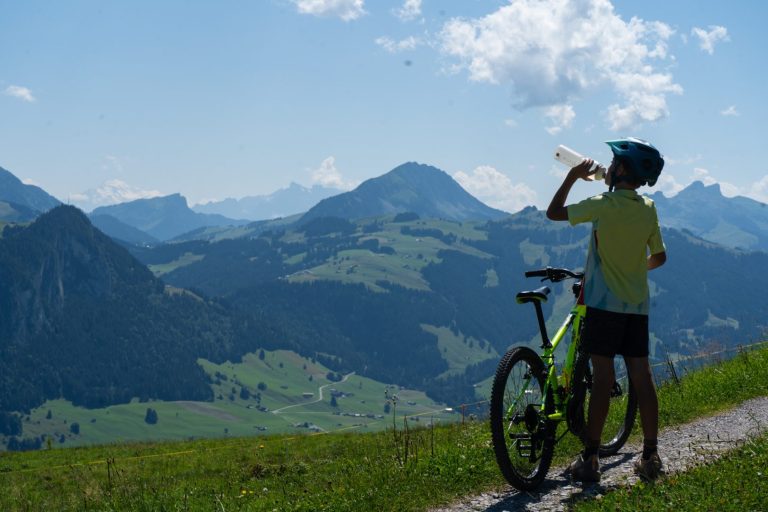
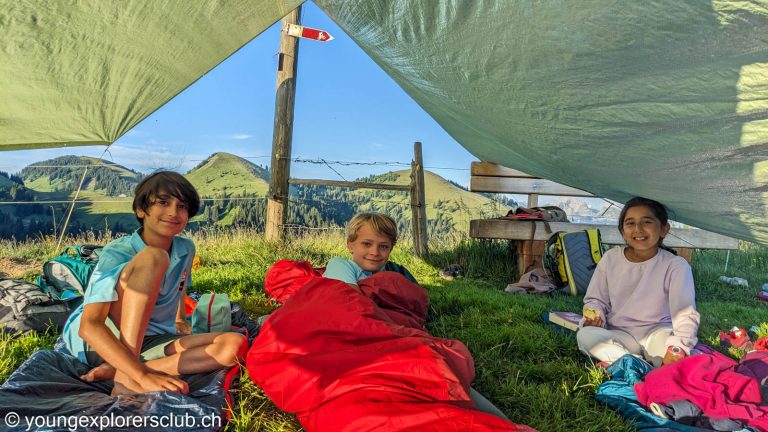
How Swiss Camps Balance Structure And Free Time
Swiss residential camps: ~60% structured / 40% free time, 60–120min blocks, clear staff ratios & safety—see sample schedules.
Swiss residential camps: activity balance and scheduling
Swiss residential camps typically spend about 50–70% of waking hours on structured activities. Programs often target a 60% structured / 40% free-time split within an 8–12 hour day. They schedule 60–120 minute blocks broken into 20–45 minute micro-sessions, with deliberate transitions, electives, age-adjusted supervision and measurement tools such as sign-ups, engagement scores and surveys. That mix makes instruction and unstructured play reinforce each other while keeping campers safe.
Key Takeaways
Target split
The typical target is roughly 60% structured activities and 40% free time across an 8–12 hour residential day. This balance supports both skill development and social/free-play needs.
Daily design
Days are built from 60–120 minute blocks that are themselves composed of shorter micro-sessions. Recommended structure:
- Block length: 60–120 minutes, depending on age and activity intensity.
- Micro-sessions: 20–45 minute segments within each block to maintain focus and variety.
- Transitions and buffers: built-in changeover time to reduce downtime and logistical friction.
- Rotation: alternate active and low-intensity sessions within each block to manage energy and attention.
Age adjustments
Younger campers receive shorter blocks and more guided free play; older campers get longer sessions and greater elective autonomy. For teens, set clearer choice and responsibility, including leadership or co-run options in electives.
Safety and supervision
Maintain clear staff-to-camper ratios (for example, 1:6–1:12 depending on age and activity), night rosters, required first-aid and safeguarding certifications, and roving staff during free-time. Train staff and enforce those ratios every day to ensure camper safety.
Continuous improvement
Camps should track participation and quality metrics — for example:
- Elective sign-ups
- Engagement ratings
- Post-session surveys
Use that data to tweak the balance, refine schedules and improve outcomes over time.
https://youtu.be/H5dYnfoTd30
What a Typical Swiss Camp Day Looks Like: Time Allocation and Sample Schedule
We, at the Young Explorers Club, plan residential camp days to run roughly 8–12 hours from arrival to lights‑out. We aim for a balance where structured time takes between 50–70% of the waking day, with a common target of roughly 60% structured and 40% free time; parents should check the camp’s daily routine for exact proportions.
I’ll explain how we break the day down. Structured blocks usually run 60–120 minutes and contain 20–45 minute micro-sessions for skill drills, instructor changeovers, or attention resets. Shorter blocks work better for younger children (≤60 minutes per block with more frequent breaks). Older campers and teens tolerate longer sessions and earn more elective or independent free time.
We schedule transitions deliberately. We build buffer time for movement, snack breaks, and quick check‑ins so sessions start on time and kids don’t feel rushed. We rotate activities to mix high‑energy coaching with quieter skill practice. That keeps focus high and fatigue low. For examples of typical sequencing, see our typical day page.
Practical guidelines I follow when designing daily time allocation:
- Aim for structured learning or coached activity to be the default, then layer free-choice windows for creativity and social time.
- Use micro‑sessions (20–45 minutes) inside longer blocks to maintain attention and deliver targeted skills.
- Build optional electives after core blocks so campers choose activities that match energy and interest.
- Adjust wake/sleep and mealtimes for age: younger campers need earlier lights‑out and more daytime rest.
Sample daily schedule
- 08:00 — Wake‑up & hygiene
- 08:30 — Breakfast
- 09:00–09:30 — Morning meeting / warm‑up
- 09:30–12:00 — Morning structured block (2–3 micro‑sessions for skill building and coached activities)
- 12:00–13:30 — Lunch + supervised free time / quiet‑time option
- 13:30–16:00 — Afternoon structured block or excursion (guided skills + practice)
- 16:00–17:30 — Optional activities / electives / free play
- 17:30–19:00 — Dinner + social free time
- 19:30–21:30 — Evening program (large‑group games) or cabin free time
- 22:00 — Lights‑out (younger campers earlier)
This sample reflects an 8–12 hour residential day and a target mix of structured and free time. We break longer blocks into short, focused segments to maintain momentum and skill progression. For how camps encourage independence and accountability during free time, check our page on healthy independence.

How Programs Mix Skill-Building, Choice and Free Play
We structure every day so skill acquisition, choice and free play reinforce each other. Our core model splits time into instructor-led skill-building, guided exploration, and child-led free play. Staff lead focused lessons that teach technique and safety. They then step back for guided exploration where campers apply skills with staff nearby. Finally, children get unstructured time to test ideas, socialize and imagine.
We explain our balance of freedom with families on the program page and in orientation, and we recommend a simple visual so parents see the daily mix. We, at the young explorers club, also use weekly themes—like “mountain skills week” or “creative arts week”—to rotate emphasis without cutting free time. That keeps each session fresh while keeping the daily rhythm predictable for campers.
Typical time allocation and family-facing breakdown
Below is the model we teach staff and share with families to clarify what kids actually do each day. I introduce the list with a quick note on flexibility: percentages shift slightly by age and session goals.
- Skill-building 30–40% — focused instruction, small-group skills, safety briefings
- Electives / free-choice 20–30% — optional workshops campers sign up for each day
- Large-group evening programs 10–15% — community-building games and performances
- Unstructured social / free play 20–30% — child-led play, downtime, peer bonding
We recommend translating this into a pie chart or infographic for families so expectations match reality. For younger age groups we nudge the sliders toward more guided free play; for older groups we increase elective autonomy and self-directed time.
Age design, measurement and how we iterate
We design sessions by age band. For young campers we scaffold play with adult prompts, short rotations and predictable transitions. Staff model sharing, conflict resolution and basic skills, then hand over responsibility in controlled steps. For older campers we give more elective choices, longer project blocks and chances to lead small groups.
We measure impact with simple, repeatable metrics. Staff track elective sign-up rates and attendance for popularity and capacity planning. They score engagement after each session on a 1–5 scale to spot activities that land or flop. End-of-session surveys ask a clear question: “Did you have enough free time?” The percent who answer yes guides minor adjustments for the next session.
We also recommend these operational practices:
- Run weekly quick polls and one-on-one check-ins to catch homesickness or burnout early.
- Use staff-rated engagement scores to reassign resources or redesign electives.
- Adjust the skill-building block length rather than eliminating it if campers show fatigue.
We, at the young explorers club, treat the schedule as a living plan. If elective sign-ups cluster heavily, we add repeat sessions or split groups. If too many campers report insufficient downtime, we trim an extra elective slot and expand unstructured blocks. Those small shifts keep the mix aligned with developmental needs and camper happiness.

Safety, Supervision and Staff Qualifications
We, at the Young Explorers Club, keep safety non-negotiable and supervision transparent.
Staff-to-camper ratio is maintained at 1:6 to 1:12 to guide every placement. For routine daytime activities I follow these recommended common-practice ratios: ages 6–8: 1:6; ages 9–12: 1:8; ages 13–15: 1:10; ages 16+: 1:12 (with higher ratios for supervisors). I increase staff levels for high-risk sessions — swimming or climbing usually run at 1:4 or better.
Night supervision meets clear minimums. I assign at least one trained staff per sleeping unit and use a sleeping-in rotation. For large tents or summer villages I add roving staff to cover gaps and respond quickly. I also require a documented night roster so parents and regulators can see who’s on duty.
Qualifications and checks are mandatory. Every staff member holds first aid training, including pediatric/CPR, plus child protection and safeguarding certification. Activity leaders carry relevant activity certifications for ropes, boating or wilderness travel. Criminal-background checks are completed before hiring. I ensure all credentials are current and visible in promotional materials and on request.
Swiss camps must follow canton regulations and national guidance for youth activities. Specific rules apply to water activities, mountain trips and overnight stays. I compile activity risk assessments before any trip and keep an emergency action plan accessible to leaders. Medical forms, medication protocols and parental authorization are standard paperwork for every excursion.
Supervision during free time is structured, not random. I set clear boundaries and roving staff patrol common areas. Buddies and check-in schedules reduce isolation. I brief campers on permitted zones and free-time expectations each day and use simple headcount routines to verify attendance.
Practical examples and operational advice:
- A cabin of 12 nine-year-olds should have at least 2 staff (ratio 1:6–1:8), with one staff trained in pediatric first aid on site.
- I recommend camps list staff qualifications and supervision plans in promotional materials so parents can compare offerings.
- For high-risk outings I require written parental authorization that names any medical restrictions and emergency contacts.
Parent checklist and documents you should expect
Below are the documents I make available and the items I advise parents verify before arrival:
- Camp insurance certificate
- Risk-assessment summary for activities
- Emergency action plan
- Staff first-aid roster with certificate expiry dates
- Medical forms and medication protocols
- Parental authorization forms for excursions
- Proof of criminal-background checks and activity certifications
For more on on-site coverage and expectations, consult our resource on camp supervision.

Sample Schedules by Camp Type: Sports, Outdoor and Arts
We, at the Young Explorers Club, lay out clear full-day examples so planners and parents can compare how structure and free time are split. Below are three representative days that show timing, intensity, and recovery windows. You’ll notice the common building blocks: 2×75–90 min coaching / 3–6 hour expeditions / elective slots 60–120 min, and each day highlights where those blocks fit.
Sports-focused camp (example day)
- 08:00 Wake-up. Staff run a gentle check-in to set goals for the day.
- 08:30 Breakfast. We monitor hydration and carb intake for peak practice.
- 09:00 Morning warm-up & mobility (30–45 min). Progressive joint work and activation drills prepare bodies.
- 09:30–11:15 Technique/specialist coaching (75–90 min). This is the first intensive coaching block focused on skill acquisition.
- 11:30–12:30 Recovery / skills review / free-choice (60 min). Athletes use this hour for active recovery, video review, or unstructured play.
- 12:30–13:30 Lunch + rest. We enforce a quiet period for digestion and naps if needed.
- 13:30–15:00 Afternoon scrimmage / competition (90 min). Apply morning lessons in game conditions.
- 15:15–16:30 Electives / rehab / free play (75 min). These elective slots (60–120 min) let campers choose rehab, drills, or social play.
- 17:30 Dinner.
- 19:00 Tactical session / film review (30–45 min). Short, focused meeting to reinforce tactics.
- 20:30 Cabin time / social.
- 22:00 Lights-out.
Practical note: Two concentrated coaching windows (2×75–90 min) give rhythm to skill development while mid-day recovery prevents overload. I recommend packing a small recovery kit—foam roller, compression sleeves, snacks—for high-energy days.
Outdoor/adventure camp (example day)
- 08:00 Wake-up.
- 08:30 Breakfast.
- 09:00 Orientation & safety brief (60–90 min). Route, weather, and group roles are covered.
- 09:30–15:00 Multi-hour hike / expedition (3–6 hours with breaks). This is the expedition core: long exposure, navigational practice, and endurance work.
- 15:00–16:00 Skills clinic (knots, map reading) 60 min. Hands-on micro-sessions after the expedition cement practical skills.
- 16:00–17:30 Free social time at base (90 min). Campers decompress, chat, and play.
- 18:00 Dinner.
- 19:30 Evening community program (story, navigation games) 60–90 min. Social learning and low-light skills lead into rest.
- 22:00 Lights-out.
Practical note: A long expedition (3–6 hour expeditions) is the learning engine. I suggest parents ensure their camper has layered clothing and a filled water bottle; we include rest and skills clinics to maximise learning without rushing.
Arts / language camp (example day)
- 08:00 Wake-up.
- 08:30 Breakfast.
- 09:00 Warm-up / language circle (30 min). Short drills to prime voice and fluency.
- 09:30–11:00 Workshop block 1 (60–90 min). Focused instruction: technique, theory, or scene work.
- 11:15–12:30 Workshop block 2 (60–75 min). A complementary block to build depth.
- 12:30–13:30 Lunch + free time.
- 13:30–15:30 Rehearsal / project work (60–120 min). Longer creative blocks let teams iterate and polish.
- 15:30–17:30 Creation / elective labs (arts, crafts, conversation tables) 60–120 min. Elective slots let campers choose labs aligned with interests.
- 18:00 Dinner.
- 19:30 Showcase / open-mic or film night (60–120 min). Public practice and feedback in a safe environment.
- 22:00 Lights-out.
Practical note: Elective slots (60–120 min) provide depth and agency. We coach time management by assigning project milestones and offering short feedback checkpoints.
Activities you’ll see across camp types
Below are common activities that appear in these schedules and how we use them to balance structure with free time:
- Swimming — scheduled laps, open swim, or recovery float.
- Climbing — coached sessions and open-top-rope practice.
- Mountain hiking — guided expeditions or day hikes.
- Orienteering — timed courses and informal navigation games.
- Team sports — structured drills and free scrimmages.
- Drama workshops — exercises, rehearsals, and performances.
- Arts & crafts — guided projects and choice-based studios.
- Language conversation tables — coached practice and peer-led sessions.
- Cultural excursions — short trips to local sites or community interactions.
I craft each day so structured learning sits alongside choice-rich periods. If you want to see how a typical day flows at an adventure program, check our what a typical day for a practical view of timing and transitions.

Logistics, Facilities, Capacity Planning and Parent Communication
We match camp size to infrastructure and supervision. Camp size 20–200+ breaks into the following models:
- Small (20–60 campers)
- Medium (60–200 campers)
- Large (200+ campers)
To run safely and smoothly, we scale dorms, kitchens and activity zones to those bands and plan staff deployment against peak movement times. To avoid surprises, we state maximum camper capacity per cabin and the number of staff per cabin in our promotional materials.
Facilities that support a healthy balance include multi-use spaces for structured lessons and open lawns or nearby forest for free play. We arrange supervised waterfront access and quiet zones for downtime. To manage daily flow we recommend staggered meals and built-in quiet-time (30–60 min after lunch for younger campers); that reduces bottlenecks and gives staff a predictable supervision window. Layout diagrams on site maps show where structured activities and free spaces sit so parents can see sight-lines and supervision points.
Pre-camp information is published so families can arrive prepared. Pre-camp packets include the daily schedule, staff ratios published, emergency contact plan, packing list and behavior policy. During camp we keep families informed with Daily updates—either photo posts or brief bulletins—so parents see routines and can spot progress. After camp we share camper highlights and learning outcomes to show what their child tried and learned.
Operational details we follow to reduce friction:
- State cabin maximums and staff-per-cabin in brochures and registration pages.
- Use site maps that label multi-use spaces, lawns, waterfront and quiet zones to reassure parents about supervision sight-lines.
- Run staggered meal shifts tied to activity blocks to smooth kitchen load and reduce lineups.
- Schedule a 30–60 min quiet-time after lunch for younger age groups to cut afternoon behavior incidents and recharge energy.
- Publish behavior expectations, packing lists and emergency plans before arrival.
We also emphasize independence while keeping children safe. That balance is central to how we operate and you can read about our approach to healthy independence here: healthy independence.
Sample parent FAQ
Below are short answers we include in welcome materials:
- How much free time will my child have? — We outline daily blocks for program time and free play; roughly two free-play blocks plus evenings, depending on age.
- Who supervises non-program time? — Staff on duty rotate through quiet zones, cabins and common areas; supervision assignments are listed in our staff schedules.
- What happens in bad weather? — Multi-use halls and covered outdoor areas host indoor versions of activities; schedules adapt, not cancel.
- What about phones and screen time? — We set clear phone rules by age group and manage screen use during free time.

Benefits, Outcomes and How Camps Measure Success
We, at the young explorers club, balance structure and free time to produce clear developmental gains. Structured skill practice drives faster skill acquisition and measurable technical competencies. Free time encourages creativity, social problem-solving, autonomy and resilience. Unstructured play strengthens executive function and self-regulation by giving campers chances to plan, negotiate and self-correct. I design schedules so instruction and play amplify each other rather than compete.
Common program KPIs and benchmarks
- Camper satisfaction >85% (target) — measured after each session to flag issues fast.
- Return rate 30–50% — typical for our popular programs and a signal of program health.
- Safety KPI: incidents per 1000 camper-days — we report X incidents / 1000 camper-days to track trends.
- Skill-progress targets — % of campers mastering program-specific skills by session end.
Measurement tools and reporting templates
I monitor three pillars: satisfaction, skills, and safety. Camper satisfaction comes from a short post-camp survey that feeds into a year-end dashboard. Skill progress combines coach ratings and pre/post self-assessments so I can quantify improvements in confidence and ability. Incident rates are logged daily and normalized to incidents per 1000 camper-days for consistent benchmarking.
My standard tools include a pre/post self-assessment where each camper rates confidence in core skills 1–5, a coach rating progress checklist per skill area, and a parent follow-up survey about observed changes one month after camp. Sample survey prompts (1–5 scale) appear as direct statements in the camper survey:
- “I had enough free time to relax/socialize.”
- “I feel more confident in [skill].”
- “Staff kept the program balanced between structure and free play.”
- “I would recommend this camp to others.”
I use these measures to adjust schedule proportions year-to-year. When coach ratings show strong skill acquisition but satisfaction dips, I shift minutes toward more unstructured play to boost creativity and autonomy; monitor outcomes again the next season. When incident rates rise, I tighten supervision protocols and reduce high-risk free-play windows until rates return below our target threshold. I publish key metrics — satisfaction, skill progress, safety incidents — to build trust with families and to benchmark progress. For deeper reading on how camps promote independence, see our note on autonomy.
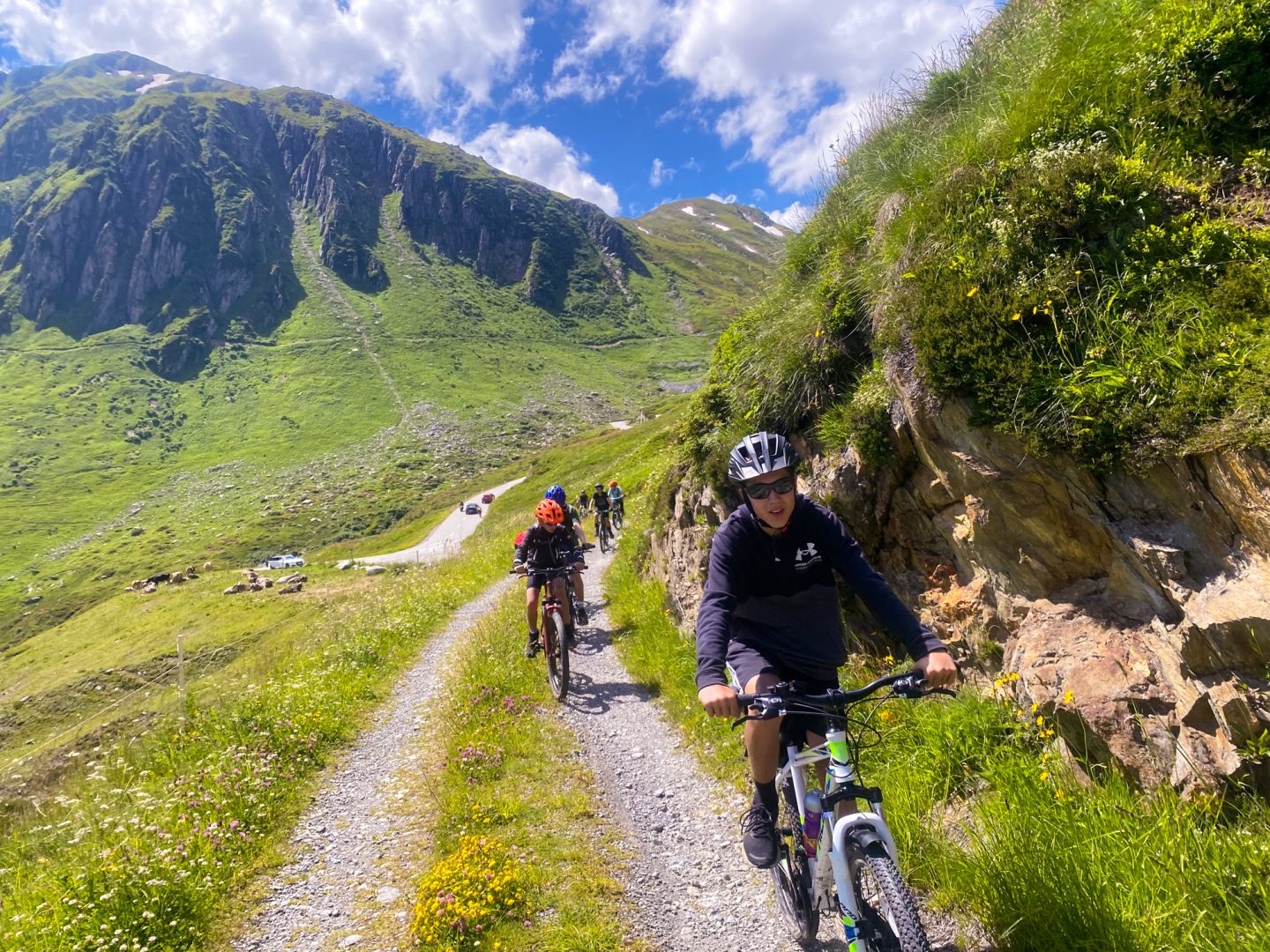
Section 1 — Daily Schedule & Time Allocation
Typical day and sample schedule
Typical Swiss camp days run roughly 8–12 hours on-site from arrival to lights-out for residential programs. Camps commonly aim for a target balance near 60% structured programming / 40% free time, with an operational range of about 50/50 to 70/30 depending on age and focus.
Sample daily schedule (real-looking example to guide parents and planners):
| Time | Activity |
|---|---|
| 08:00 | Wake-up |
| 08:30 | Breakfast |
| 09:30–12:00 | Morning structured block (skill sessions / coached activity) |
| 12:00–13:30 | Lunch + free time / rest |
| 13:30–16:00 | Afternoon structured block or excursion |
| 16:00–17:30 | Optional activities / electives |
| 17:30–19:00 | Dinner + social free time |
| 19:30–21:30 | Evening program or cabin free time |
| 22:00 | Lights-out (younger campers earlier) |
Structured activity blocks usually last 60–120 minutes, while short micro-sessions of 20–45 minutes are common for drills or transitions. Younger children typically need shorter blocks (≤60 minutes) and more frequent breaks; teens can manage longer sessions and greater free-time autonomy.
Comparing camp types
- Sports camps: often schedule longer structured practice (e.g., 2×75–90 minutes).
- Outdoor/adventure camps: combine short guided skills clinics with multi-hour expeditions (3–6 hours).
- Arts/language camps: use 2×60–90 minute workshops plus extended creative/free-creation periods.
Always label time-allocation statistics as typical or recommended unless quoting a specific camp or regulation. Parents should check each camp’s published daily routine for exact proportions.
Section 2 — Staff Ratios, Qualifications & Supervision
Recommended staff-to-camper ratios (common Swiss practice; adapt to canton or organizational rules):
- Ages 6–8: 1:6
- Ages 9–12: 1:8
- Ages 13–15: 1:10
- Ages 16+: 1:12 (or higher for supervisory roles)
Examples: a cabin of twelve nine-year-olds should have at least two staff (ratio ~1:6–1:8). High-risk activities such as swimming or climbing generally use tighter ratios (for example 1:4 or better) and dedicated certified supervisors.
Required qualifications include first aid (including pediatric/CPR), child protection/safeguarding training, activity-specific certifications (ropes, boating, wilderness), and criminal-background checks. Night supervision should include at least one trained staff per sleeping unit plus a sleeping-in rotation and roving staff for larger sites.
Parent checklist for staff credentials
- First-aid certificate type and expiry date
- Proof of background/criminal-record check
- Activity-specific certifications for relevant sessions
- Published night-supervision plan
Section 3 — Program Design: Balancing Curriculum, Choice & Play
Core program model mixes instructor-led skill-building (structure), guided exploration (semi-structured), and free play (child-led). Typical time breakdown:
- Skill-building: 30–40%
- Electives / free-choice slots: 20–30%
- Large-group evening programs: 10–15%
- Unstructured social / free play: 20–30%
Age-differentiated design: younger campers receive more guided free play with adult scaffolding; older campers receive more elective autonomy and self-directed time. Use a visual pie chart or infographic to communicate proportions to parents.
Weekly themes (for example “mountain-skills week” or “creative arts week”) help maintain variety while preserving daily free time. Include evaluation metrics such as elective attendance and camper engagement to assess if the balance meets developmental goals.
Section 4 — Safety, Risk Management & Legal Requirements
Swiss camps must follow canton-level regulations and national guidance for youth activities; special rules typically apply for water activities, mountain trips and overnight stays. Standard risk-mitigation measures include activity risk assessments, emergency action plans, medical forms, medication protocols and parental authorization for excursions.
Supervision during free time frequently uses defined boundaries, roving staff, buddy systems and scheduled check-ins. For a lakeside swim a typical setup is a lifeguard plus additional staff (e.g., lifeguard + 1:8 general ratio) and a signed swim-permission form.
Recommended items to publish for parents (safety facts sidebar): camp insurance details, a summary risk assessment, named staff first-aid roster, and incident-response timelines.
Section 5 — Benefits of Balancing Structure and Free Time (Evidence & Outcomes)
Structured practice accelerates skill acquisition; free time fosters creativity, social problem-solving, autonomy and resilience. Research on unstructured play links it to gains in executive function and self-regulation while structured instruction produces measurable technical improvements.
Typical program outcomes camps monitor:
- Camper satisfaction (target >85% positive)
- Skill-progress metrics (percentage of campers meeting target goals)
- Safety KPI: incidents per 1000 camper-days
Suggested reporting template: pre/post self-assessment, coach rating at session end, parent follow-up one month after camp. Publish key metrics to build parental trust.
Section 6 — Typical Activities & Scheduling Examples (By Camp Type)
Three side-by-side daily schedule examples help parents compare structured vs free time distribution:
- Sports-focused: morning technique 2×75–90 min, lunch recovery/free-choice 60–90 min, afternoon scrimmage 90 min, evening tactical review 30–45 min.
- Outdoor/adventure: orientation/safety 90 min, multi-hour hike/expedition 3–6 hours, afternoon skills clinic 60 min, base free social time 90–120 min.
- Arts/language: structured workshops 2×60–90 min, improv/free-creation 60–120 min, rehearsal/showcase 60–120 min.
Activity lists to include in promotional materials: swimming, climbing, mountain hiking, orienteering, team sports, drama workshops, arts & crafts, language conversation tables and local cultural excursions.
Section 7 — Logistics, Facilities & Capacity Planning
Typical camp capacities: small 20–60 campers, medium 60–200, large 200+. Layout and infrastructure must match supervision capability and facilities. Useful facilities include multi-use halls for structured lessons, open lawns and forests for free play, supervised waterfront access and quiet zones for downtime.
Meal and rest scheduling: staggered meals reduce bottlenecks and a 30–60 minute post-lunch quiet time helps younger campers recover energy.
Advise camps to publish layout diagrams showing structured activity zones and free-space sight-lines along with stated maximum camper counts per cabin and number of staff per unit.
Section 8 — Pricing, Accessibility & Inclusion
Pricing models: per-day rates or per-session; Swiss camps commonly publish full-week residential rates, sibling discounts and early-bird pricing. Be transparent about inclusions (meals, equipment, excursions) and exclusions.
Many Swiss organizations offer subsidies or places via non-profits to improve socioeconomic access. For campers with disabilities, outline protocols for reasonable accommodations, additional specialist staff or medical support where appropriate.
Writers should request concrete pricing ranges and explain variability rather than quote single fixed figures when drafting parent-facing content.
Section 9 — Communication with Parents & Expectations Management
Communicate clearly and early. Pre-camp materials should include the daily schedule, staff ratios, emergency contact plan, packing list and behavior policy. During camp provide daily photo updates or brief bulletins and clear check-in/out protocols. Post-camp share highlights, learning outcomes and suggestions for continuing skills at home.
Sample parent FAQs
- How much free time will my child have?
- Who supervises non-program time?
- What happens in bad weather?
Set clear device and screen-time policies (for example limited use during the day or devices collected overnight) and publish them in pre-camp materials.
Section 10 — Measuring & Reporting Success
Key Performance Indicators (KPIs) to track balance:
- Camper satisfaction % (recommended target >85%)
- Return/retention rate (benchmark 30–50% for popular programs)
- Incidents per 1000 camper-days (report as X incidents / 1000 camper-days)
- Percentage meeting skill targets
- Parent Net Promoter Score (NPS)
Evaluation tools: short pre/post surveys, observational checklists, leader debriefs and parent follow-ups. Sample survey item: “I had enough free time to relax/socialize” (1–5 scale). Use year-on-year benchmarking to adjust schedule proportions and publish an annual KPI summary.
Sources
American Camp Association — Standards for Accreditation
Bundesamt für Sport BASPO — Gesundheit und Sicherheit im Sport
Pro Juventute — Children and young people
Swiss Youth Hostels — Groups & school trips
Swiss Alpine Club — Education & mountain safety resources
Centers for Disease Control and Prevention — Operating youth and summer camps (guidance)
Federal Office of Public Health (FOPH) — Federal Office of Public Health
UNESCO — Education for sustainable development and learning outdoors