How to Keep Kids Active Year-Round in Switzerland (Sports, Camps & Outdoor Adventures)
Swiss families’ guide to year-round kids’ activities: camps, J+S courses, hiking, biking, safety tips and budget checklists.
Welcome — This comprehensive, practical guide helps Swiss families plan safe, active and memorable outdoor and indoor activities year‑round. It gathers the Young Explorers Club’s best tips on routes, clubs, camps, safety and budgeting so you can make confident choices quickly. Use the table of contents below to jump to the sections you need; each section includes concrete actions, links to resources and checklists to prepare your family for every season.
Table of contents
- Quick facts & snapshot — Fast facts families need to know
- National programs, clubs and organized options — Jugend+Sport, Vereine and federations
- Spring & Summer activities — hiking, biking, water sports and summer camps
- Autumn & rainy-day options — transition activities and indoor alternatives
- Winter activities & snow safety — skiing, sledging, skating and backcountry rules
- Choosing camps and programs — safety, ratios, accreditation and what to check
- Costs, subsidies and budgeting — realistic family budgets
- Safety, insurance & first-aid essentials — season-specific kits and coverage
- Practical planning, transport & habit formation — weekly schedules, screen-time balance and getting there
- Resources, local examples & FAQs — apps, canton connections and common questions
- Frequently asked questions (FAQs)
- Appendix: Suggested comparison tables and downloadable checklists
- Language and localisation notes to publish with the outline
Quick facts & snapshot — Fast facts families need to know
We, at the Young Explorers Club, keep this one‑page snapshot handy when planning family adventures across Switzerland. It gives the top-line context parents need to pick safe, age-appropriate activities and make the most of every season.
Switzerland is small but diverse: population ≈ 8.7 million (2024 est.), 26 cantons and four language regions (German, French, Italian, Romansh). Mountain access is excellent — there are 48 peaks over 4,000 m — so alpine options for families run from gentle valley trails to high‑mountain huts.
Daily movement matters. Children should get 60 minutes per day of moderate‑to‑vigorous activity, per the WHO guideline. Jugend+Sport (J+S) runs thousands of courses annually; roughly a few hundred thousand children participate across Switzerland each year (approximate; consult the latest J+S annual report for exact figures). That makes J+S a core part of youth sports Switzerland.
At-a-glance facts and seasonal actions
Quick facts plus immediate actions families can take this season:
- Swiss snapshot: 26 cantons, four language regions, population ≈ 8.7 million (2024 est.), and 48 peaks over 4,000 m — use canton tourism sites to find local, family-friendly routes.
- Daily benchmark & national reach: follow the WHO guideline of 60 minutes per day. Tap Jugend+Sport (J+S) and local clubs for structured sessions; youth sports Switzerland options fill up fast in summer.
- Spring/Summer action: choose lake days (Lake Geneva, Lake Zurich, Lake Lugano) and family hiking Switzerland routes around Appenzell and the Jungfrau region. Pack sunscreen, life jackets for non‑swimmers, and a small first‑aid kit.
- Autumn action: try orienteering and forest school in Ticino or Valais; visit indoor climbing centres in Zurich or Lausanne on rainy days. Bring reflective clothing for shorter daylight hours.
- Winter action: start ski lessons early with playful groups in Davos, Verbier or Engadin; plan sledging on safe, designated runs and book ice‑skating times at local rinks. For backcountry plans always check the SLF avalanche bulletin.
- Age guidance: toddlers — focus on free play and short trails (under 2 km, <300 m climb); primary‑age kids — mix J+S courses, day hikes and bike loops; teens — encourage leadership, your first summer camp and navigation skills.
- Practical tip: register for summer camps Switzerland and winter courses early; carry printed route signs and canton emergency numbers when travelling between language regions.
We recommend planning outings around realistic energy levels. For toddlers and preschoolers, pick flat lakeside paths like the promenade at Lake Thun or easy loop trails in the Zurich Oberland. Primary‑school children thrive on variety: alternate a mountain hut hike in Valais with a bike day along the Rhine or a Jugend+Sport (J+S) football or gymnastics course.
When preparing for alpine days, use the 1:25,000 Swiss topo maps and follow official waymarkers. Choose family‑friendly stages on popular multi‑day routes — for example, parts of the Aletsch Arena or the easier sections of the Via Engiadina — rather than attempting full alpine traverses with young kids.
Safety steps we use every time include sunscreen and hydration for summer lake and biking days, helmets for cycling and sledging, and life jackets for non‑swimmers when we’re on boats or at beaches. In winter activities, we check the SLF avalanche bulletin before heading into higher terrain and stick to groomed, patrolled areas for lessons and sledging.
Registration and logistics matter. We sign up early for J+S courses and local summer camps Switzerland offerings, confirm age ranges (many camps accept children from age 6), and note cancellation policies. For cross‑canton travel, we check local regulations and facility opening times on the cantonal tourism sites.
Pack lists are simple and action‑oriented: sun protection and swim vest for summer, a warm base layer and waterproof shells for alpine hikes, a small whistle and headlamp for older kids learning navigation, and spare snacks for unpredictable Swiss weather. Use layered clothing and plan turn‑back times to match younger kids’ stamina.
National programs, clubs and organized options — Jugend+Sport, Vereine and federations (Jugend+Sport (J+S), Swiss Olympic, sports clubs)
We lean on Switzerland’s strong national framework to keep kids active all year. Jugend+Sport (J+S) sits at the centre: a federal youth sports promotion programme that funds local courses, subsidises week‑long and weekend camps, and trains leaders. You’ll find J+S courses in village halls, school gyms and mountain huts from Zürich to Valais, and they reach hundreds of thousands of children through thousands of trained leaders nationwide.
We recommend starting with J+S when you want affordable, structured options led by certified instructors. The programme often covers part of the course fee and supports leader training, which means many Vereine (local sports clubs) rely on J+S‑certified leaders. For parents in Geneva, Basel or Bern, check your canton’s sports office and municipal noticeboards for upcoming J+S course dates and local subsidies.
National federations and Swiss Olympic link the grassroots to high‑quality training pathways. Contact Swiss‑Ski for alpine and freestyle networks, the Swiss Alpine Club (SAC) for youth mountaineering and hill skills, Swiss Swimming for pools and learn‑to‑swim programmes, Schweizerischer Turnverband (Swiss Gymnastics) for gymnastics clubs, and Swiss Orienteering for map‑based activities. Federations list certified clubs and Skischule/club partnerships for competitive and recreational tracks.
We use federation resources to verify club accreditation and to find age‑appropriate progressions. Many federations publish coaching syllabi and competition calendars; in practice that means a child can enter a local Vereine for weekly training and, if interested, follow a clear path to canton or national events.
The Swiss club model (Vereine) keeps sport affordable and social. Typical annual membership fees range from about CHF 50–200 depending on the sport and club. Clubs usually run weekly training across the school year, rely on volunteers, and create continuity that private providers can’t match. Young leaders often earn J+S certifications, and that makes clubs a reliable first step for children from early school age through the teen years.
Private providers and commercial camps fill the gaps for specialty coaching or residential experiences. They often offer higher staff‑to‑child ratios, specialist trainers (for example for technical climbing or elite swim stroke work), and full‑board residential weeks in locations like Interlaken, Davos or the Engadine. Expect higher costs, but look for J+S affiliation, Swiss Red Cross first‑aid certification, or other accreditation when you choose an accredited sports camp Switzerland or summer camps Switzerland.
When choosing between options, consider your child’s age and temperament. For kindergarten and lower‑primary kids we favour short, play-based J+S courses or club taster sessions. Older children (10–16) often benefit from weekly Vereine training plus occasional federation clinics or private specialty weeks. Teens aiming for competition should link to federation pathways through Swiss Olympic‑affiliated clubs.
Quick comparison and practical steps to decide
Below we compare typical features so you can match needs to option and take the next steps.
- J+S course — Cost: low (subsidised); Frequency: weekend courses or short weekly blocks; Oversight: federal leader training and grants; Subsidies: yes; Age range: early school to teens; Action: check canton sports office and register early.
- Club (Vereine) weekly training — Cost: CHF 50–200/year; Frequency: weekly during school term; Oversight: volunteer-led, many leaders J+S-trained; Subsidies: possible via municipality/canton; Age range: 4–18+; Action: visit two clubs, ask about coach certification and trial sessions.
- Private commercial camp — Cost: higher (covers gear/meals/residential); Frequency: week-long or multi-day; Oversight: private accreditation, look for J+S affiliation or first-aid certification; Subsidies: usually no; Age range: flexible, often 7–17; Action: request staff-to-child ratio, sample daily schedule, and cancellation policy.
- Federation-run pathways (Swiss‑Ski, SAC youth, Swiss Swimming) — Cost: varies; Frequency: clinics, competitions and seasonal camps; Oversight: certified coaches and progression tracks; Subsidies: sometimes for talent centres; Age range: from entry-level to elite teens; Action: contact federation for certified club lists in your canton.
Spring & Summer activities — hiking, biking, water sports and summer camps
Hiking with kids and family biking across Switzerland
We plan routes that match ages and energy levels, from stroller‑friendly promenades to full alpine challenges. For toddlers we choose short loop trails with playgrounds or minimal elevation — think the Seepromenade around Lake Zug or the easy paths at Flumserberg. School‑age children do well on 2–4 hour hikes with modest altitude gain (roughly 200–400 m); classic options are the Rigi ridge walks, the Oeschinensee family trail or sections of the Walensee circular. Teens can handle full‑day alpine routes where we practise map reading and navigation with a SwissTopo map or set up a Komoot route.
We pick cycling routes to match wheels and skill level. For toddlers we favour lowland rail‑trails and lake promenades such as the Aare or Lake Zurich promenade; these have soft gradients and places to stop. For older kids and teens we look for graded singletrack and flow trails at Lenzerheide, Flims and Verbier bike parks. When we travel by train with bikes we check SBB rules and buy a bike ticket when required, and we consider bike trailers or child seats for the littlest riders.
Safety, gear and summer camps — practical checklists and tips
We always pack carefully and teach skills progressively. Use the lists below to prepare for a day outdoors or to compare summer camps.
- Essentials for family hikes and bike rides: water (extra for hot days), sun hat, sunscreen, high‑energy snacks, weather layers, sturdy shoes or bike helmet, SwissTopo or Komoot route downloaded offline.
- Water and paddle sports: life jackets for every child when on a boat, buddy supervision for open‑water swimming, check water temperature and currents (the Aare near Bern can be deceptively fast), and follow guidance from Swiss Swimming and Swiss Lifesaving on lake swimming safety and open‑water skills.
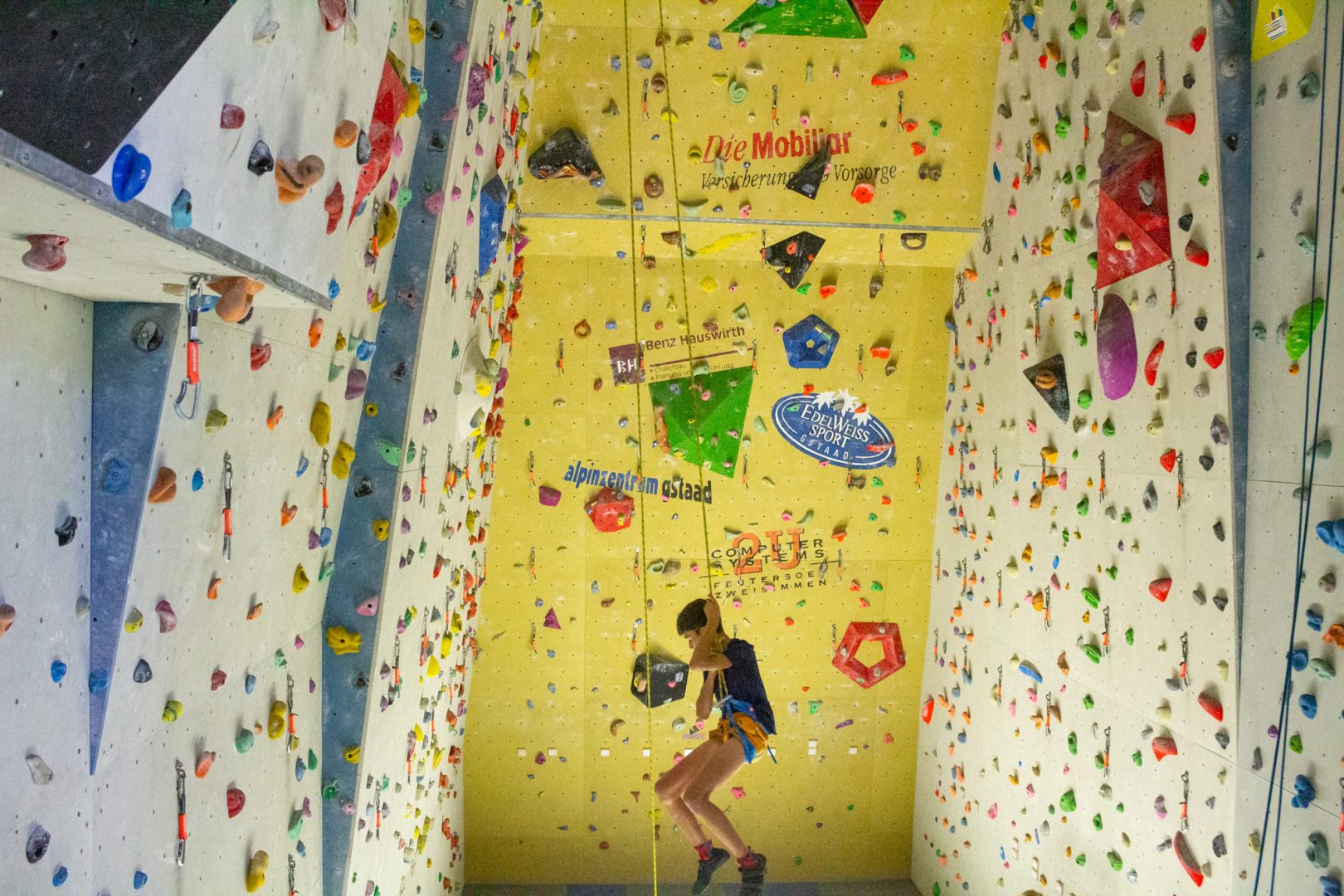
- Climbing and via ferrata: start indoors — bouldering and kids’ courses at local gyms in Zürich, Lausanne or Geneva — then move to supervised outdoor climbs with a certified guide. Consider SAC courses for progressive rope, belay and alpine skills before attempting via ferrata or exposed routes.
- Summer camp checklist: ask about supervision ratios, sample menus, equipment lists, medical procedures and excursions. Expect day camps CHF 50–150/day, week‑long day camps CHF 250–700/week and residential camps CHF 400–1,200+/week. Look for J+S affiliation as a quality marker and book cantonal or municipal camps early; check local subsidy programmes.
We coach kids on age‑appropriate progressions: toddlers get short, rewarding routes and play breaks; school‑age kids practise map‑reading, basic first aid and pacing on moderate hikes; teens lead route choice, carry a map and navigation device, and try technical singletracks or alpine approaches with training. For water sports we break skills into small steps — buoyancy and breath control in shallow water, supervised short swims beyond the beach, then guided kayak or SUP outings in calm bays.
We use Swiss‑specific decisions: choose shade and lower altitudes during hot afternoons, know that lake water stays cold well into summer in alpine lakes, and check regional transport options — many PostAuto routes allow bikes with a reservation and SBB lists carriage rules online. When booking bike parks or via ferrata in tourist hubs like Interlaken or Zermatt we reserve guide slots early in peak season.
We teach emergency readiness: everyone carries a charged phone, a small first‑aid kit and emergency numbers; learn the location‑based Swiss emergency number 144 for medical help, and show kids how to describe the nearest mountain hut or lake access point. We also practise simple open‑water rescue steps and insist on life jackets for boating until children are strong, confident swimmers.
We tailor equipment to the activity and child’s size, confirm insurance and permissions for overnight camps, and keep routes flexible — favor turn‑back points and alternative transport options (train, cable car) so the day ends on a high note for the whole family.
Autumn & rainy-day options — transition activities and indoor alternatives (orienteering, forest school, indoor pools)
We keep kids moving when the weather turns by swapping alpine hikes for mapped trails, sheltered forests and indoor play hubs. Each option builds skills we want — navigation, resilience, strength and water safety — while fitting Swiss rhythms and local programmes (see our parents’ guide).
Practical options, age guidance and how to get started
Orienteering and forest‑school sessions work well from preschool upwards. Indoor climbing, trampoline parks and sports halls handle high energy for older kids. Indoor pools keep swimming skills sharp all year. Below we list concrete steps and local context to help you plan.
- Orienteering (age 5+): Many cantons maintain permanent orienteering courses (Postenläufe) around parks and forests in Zürich, Bern, Lausanne and smaller towns. We recommend starting with a simple “permanent course” in a park so children practise map‑reading and symbol recognition without long treks. Contact local sections of SAC (Schweizer Alpen‑Club) or Swiss Orienteering clubs to borrow a compass, get maps and join youth sessions. Look for J+S nature courses for structured, low‑cost options funded locally.
- Forest school & nature-based learning (ages 3–8+): Cantons such as Zürich and Bern offer Waldspielgruppen or similar forest‑kindergarten programmes. We dress kids in layers, bring spare socks and agree a simple signal system before sessions. Forest schools focus on risk‑managed, child‑led play; they boost problem‑solving and resilience. To start, call local Gemeinde or the kantonale Bildungsdirektion to find certified providers and check teacher‑to‑child ratios.
- Indoor climbing, trampolines & sports halls (ages 4+): Municipal climbing walls in cities like Zürich, Bern and Lausanne often run family bouldering hours and kids’ introductory courses. Private climbing gyms and trampoline parks give energetic outlets when rain hits — but they cost more. We check Gemeinde or Stadt sportprogramm pages for low‑cost family sessions in municipal sports halls and note opening times before heading out.
- Pools & Swiss Swimming lessons (babies to teens): We enrol kids in progressive Swiss Swimming programmes to develop stroke technique and water confidence. Indoor pools across Switzerland offer family swim times, toddler classes and lifeguarded lanes — ideal for maintaining open‑water skills during winter. We schedule regular sessions, even short ones, so kids retain buoyancy and rescue familiarity ahead of summer.
- Low-cost rainy-day activities (toddlers to school-age): We rotate structured classes with free play to balance budget and energy. Good options are public playgrounds with covered areas, library “movement & story” hours, local youth centre sessions, indoor scavenger hunts and home activity packs that mimic outdoor challenges.
- Safety & progression tips: For orienteering, start on short courses and teach pacing, hand‑bearing and control points before timing runs. For forest school, insist on sturdy footwear and a weatherproof outer layer. For pools, maintain a minimum of one session every two weeks during winter if you expect open‑water swims in summer. Always check insurance and provider certification; look for J+S or kantonale approvals when possible.
- Where to look and who to contact: Start with your Gemeinde sports office for municipal sports halls and pool timetables. Contact SAC local sections or Swiss Orienteering clubs to join a youth meet. Search for Waldspielgruppe or forêt‑école in your canton to find forest‑school providers. Visit Swiss Swimming pages for course levels and certifications.
- Packing checklist for outdoor wet weather sessions: Waterproof jacket and overtrousers, quick‑dry base layer, spare socks, small first‑aid kit, snack, whistle and a small compass or printed map for older kids.
We book an introductory session or weekend meet rather than choosing the best summer camp. We test one indoor option and one outdoor programme each season, compare costs on Gemeinde pages, and keep a small stash of indoor activity ideas for truly wet days.
Winter activities & snow safety — skiing, sledging, skating and backcountry rules (ski lessons for kids Switzerland, SLF avalanche bulletin)
We guide families through Switzerland’s winter playground so kids stay active, safe and excited all season. Practical choices and local knowledge make big days on the snow feel easy. Why kids need more time.
Most Swiss resorts offer dedicated children’s areas, nursery slopes and group lessons tailored to little learners. We use Swiss‑Ski and local Skischule directories to find certified instructors and age‑appropriate programs. In places like Laax, Davos‑Klosters, Engelberg and Flumserberg you’ll find Kinderparks with magic carpets, gentle drag lifts and colourful terrain features that build confidence. Mountain sports build resilience.
Group lessons are usually available from about age 3, though some Skischule centres welcome children younger for private tuition. Weekly group packages often work out cheaper per hour than private lessons and are great for social learning. What kids should expect at a Swiss outdoor adventure camp. Private lessons cost more but give rapid progress and one‑to‑one focus, which suits nervous beginners or kids aiming for race teams. We always check the resort’s pricing and package deals—Valais resorts such as Zermatt and Verbier frequently bundle lift passes with Swiss‑Ski kids lessons for the season.
Toboggan runs and ice rinks give low‑cost, high‑fun options for whole‑family days. Many resorts and municipalities maintain toboggan runs that are free or charge a small fee. We recommend classic runs like Preda–Bergün for a long scenic ride and Stoos for a family‑friendly, floodlit experience; Flumserberg also runs accessible daytime sledging for children. Municipal ice rinks are widespread—indoor and outdoor options in cities such as Zürich, Geneva and Bern mean you can skate even when snow’s scarce. Local tourist offices list safe, supervised sessions for toddlers and beginners.
Age‑appropriate notes we follow:
- Toddlers: sledging only under close adult supervision on flat or gated beginner slopes; use baby sleds or pulks for safety and warmth.
- Preschoolers (3–5): start with short group lessons on nursery slopes and simple toboggan runs; keep sessions short and positive.
- School-age children: introduce longer toboggan runs and group ski weeks; consider private coaching for faster skill development.
- Teens: encourage mixed activities—snowboarding, piste challenges and evening sledging—to keep motivation high.
Backcountry safety, SLF guidance and gear checklist
We treat backcountry outings seriously and check conditions before every trip. The WSL Institute for Snow and Avalanche Research (SLF) publishes the SLF avalanche bulletin with daily regional risk levels. Adults taking children into terrain should complete an avalanche safety course and carry the right kit.
Before you head out, make sure you have the essentials:
- Avalanche transceiver, probe and shovel — everyone in the group must know how to use them (practice regularly).
- SLF avalanche bulletin checked for your region and planned route that morning.
- Helmet for all children and adults; many Skischule programs require helmets and parents should insist on them.
- Layered winter clothing kids: moisture‑wicking base, insulating mid‑layers, waterproof outer shell and warm gloves; spare layers for children who get wet.
- Ski gear Switzerland rentals: rent seasonally in resort if you don’t want to travel with kit—boots, skis, poles and helmets are widely available.
- Mobile phone, map/GPS, first‑aid kit and a small repair kit for bindings or boots.
- Consider a pulk or sled for toddlers on flat, low‑risk routes rather than taking them into steep terrain.
- Sign up for an avalanche safety course (adult‑focused) before attempting backcountry travel with children; local mountain guides in Andermatt, Verbier and the Jungfrau region offer family‑oriented guided tours.
- Amortise children’s ski gear by buying second‑hand on Swiss marketplaces (Ricardo, Tutti or local Facebook groups) or use rental shops if kids grow fast.
We book ski lessons early—search “ski lessons for kids Switzerland”, “Skischule” and “Swiss‑Ski kids lessons” when planning—and compare weekly group vs private lesson costs at resorts. We read the SLF avalanche bulletin, pack the checklist above, and choose runs and rinks that match our children’s ages and abilities. Tips for parents.
Choosing camps and programs — safety, ratios, accreditation and what to check (staff-to-child ratio, first aid certified)
Core vetting checklist before booking
Before you book, we always run through a short checklist to make sure a camp meets our safety and quality standards.
- Age range and grouping — confirm the exact ages accepted and how children are grouped by age or ability (mixed‑age groups require different supervision).
- Staff-to-child ratio — get the exact ratio for each age group; for pre‑schoolers expect higher supervision than for teens.
- First-aid certified staff — request copies of Swiss Red Cross or equivalent certificates and note how many staff hold them on-site every day.
- Background checks — ask for criminal‑record checks (Strafregisterauszug) or the Swiss equivalent of DBS for all staff and volunteers.
- Safeguarding policy — read the written child protection policy and complaint procedure; check how they handle bullying and medical incidents.
- Insurance and emergency planning — verify liability and accident insurance, local emergency contacts, and evacuation/medical plans (especially for mountain trips in the Alps).
- What’s included — clarify meals, transport, activity gear, rental equipment and whether special diets or medication administration are covered.
- Cancellation and refund policy — check deadlines, illness clauses and how weather‑related cancellations are handled.
Certifications, camp types and how to search locally
We, at the Young Explorers Club, use accreditation as a fast filter. A J+S badge or affiliation with a national federation (for example Swiss‑Ski or the Swiss Alpine Club) signals structured training, insurance arrangements and curriculum standards. Seeing “Swiss Red Cross first‑aid” or “J+S course” on staff profiles tells us the leaders have verified emergency skills.
Each certification implies practical protections: J+S affiliation usually means instructors completed standard pedagogy and safety modules and that the organiser follows canton‑level reporting rules; Swiss Red Cross first‑aid certification shows up‑to‑date CPR and wound‑care training; federation ties (Swiss‑Ski, SAC) indicate technical competence and often extra insurance for alpine activities; youth‑hostel accreditation matters for residential stays because it signals building safety checks and hygiene standards.
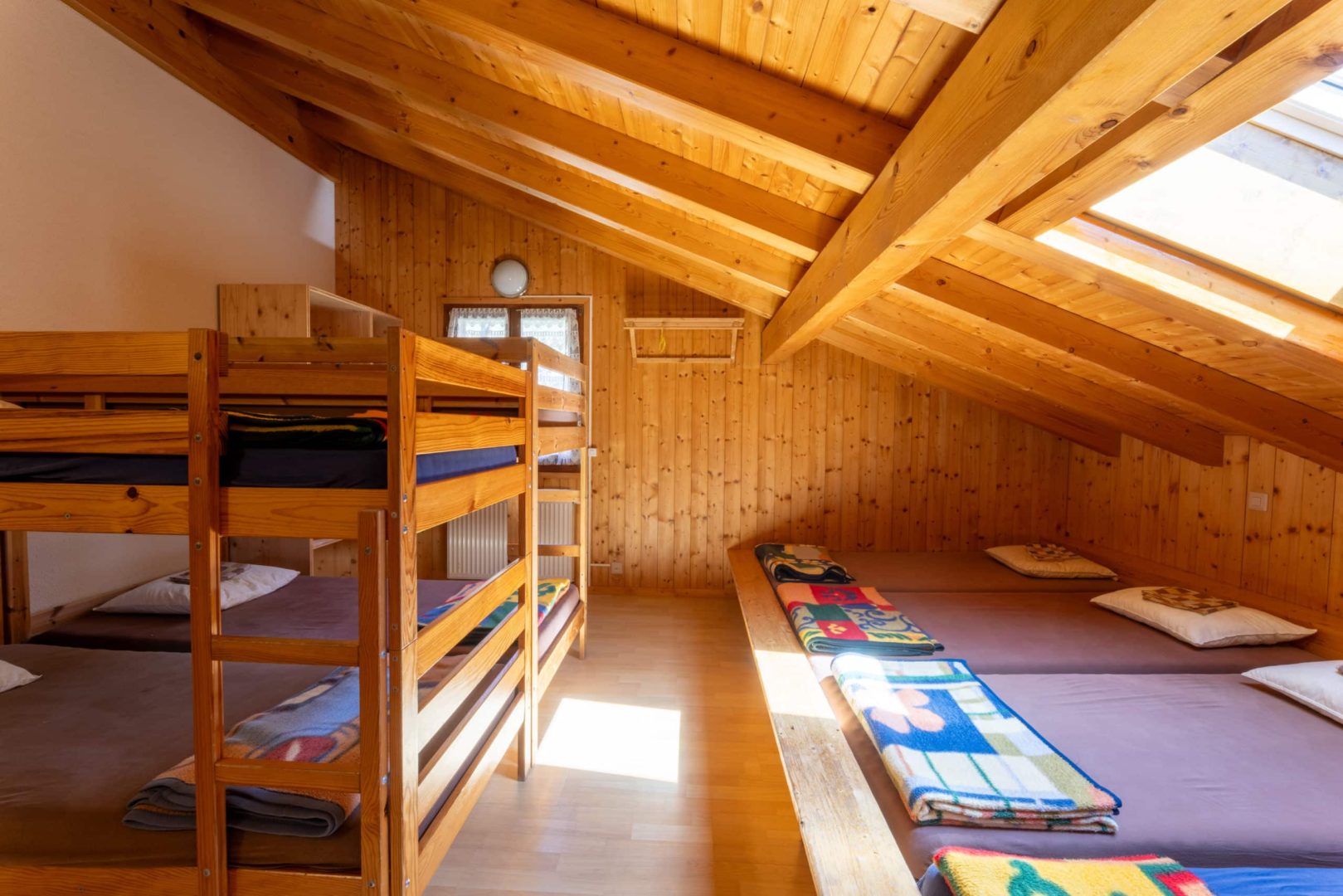
For different camp models we compare key elements directly: a J+S day camp typically offers structured instruction hours, lower cost and strong local oversight but no overnight stays; private commercial camps may offer more specialised coaches, branded activities and flexible schedules but higher fees and variable staff training; residential camps include accommodation, three meals and extended excursions with higher staff ratios for night supervision and a steeper price tag. We recommend creating a one‑page comparison table on site or printing one to carry when you phone providers.
Age‑appropriate guidance we use when advising parents: toddlers and preschoolers (3–6) should join local day camps with staff‑to‑child ratios close to 1:6 or better and staff first‑aid certified for young children; primary‑school kids (6–10) can handle day camps and short residential stays if the provider shows clear sleeping arrangements and medication policies; older kids (11+) can join multi‑day adventure camps, hut‑to‑hut SAC trips or specialist sports camps — but we check alpine competence and rescue access.
To find providers locally, search the J+S course listings by canton, contact your Gemeinde’s family services, and check canton tourism pages for local accredited sports camp Switzerland options. When you call, ask three quick, actionable questions: “What is your staff‑to‑child ratio for my child’s age? Are staff Swiss Red Cross first‑aid certified and can I see the certificates? What is your cancellation policy for illness?”
When evaluating a specific camp, request a staff list with qualifications, ask for a sample daily schedule, and arrange a site visit or drop‑in inspection. We also suggest speaking to other parents in local Facebook groups or the Gemeinde’s parent networks and asking for recent references. Bring a short checklist with you so you don’t miss items like medication storage, transport safety, and sleeping arrangements for overnight camps.
Costs, subsidies and budgeting — realistic family budgets for activity (camp costs Switzerland, subsidized sports camp)
We break down typical camp and activity costs, show how municipal help can reduce the bill, and give practical budgets you can adopt. We aim to make budgeting for kids activities manageable for families across Switzerland.
We start by explaining where the money goes and how to reduce the impact on your monthly cashflow. In many cases a little planning — and asking the right questions — saves several hundred francs per child each year.
Cost categories, sample ranges and budget scenarios
Below you’ll find the main cost items, typical price ranges in Switzerland, and three sample household scenarios you can adapt to your canton and family size.
- Typical cost categories — registration fees, activity or coach fees, equipment (skis, bikes, wetsuits), lift passes or pool entries, transport (public or car), clothing, and optional extras such as insurance, organised excursions or overnight supervision.
- Daily/weekly/residential price ranges (typical) — day camps CHF 50–150 per day; week‑long day camps CHF 250–700 per week; residential camps CHF 400–1,200+ per week; club membership CHF 50–200 per year.
- Subsidies and municipal help — many cantons and Gemeinden offer reduced fees through family services. Look into Pro Juventute and local Jugendförderung schemes for grants or vouchers.
- Practical discount tips — apply early (waiting lists fill fast), ask about sibling discounts, and buy seasonal passes (ski season or pool) if you plan regular use. Book in November–December for winter camps to secure early‑bird pricing.
- Age‑appropriate recommendations — toddlers (3–5): choose local half‑day programmes; primary age (6–12): week‑long day camps suit skill‑building and social mixes; teens (13+): residential camps or private coaching accelerate performance and independence.
- Amortisation example for gear — if new ski gear costs CHF 900 for a child, spread it over 3 seasons and two children if shared: CHF 900 ÷ 3 years = CHF 300/year.
- Sample monthly/yearly budget scenarios:
- Low-cost — club membership CHF 80/year, municipal activities CHF 10/month, amortised gear CHF 50/month = ~CHF 140/month.
- Mid-range — weekly club sessions CHF 40/month, one week day camp CHF 350/year (amortised ~CHF 30/month), extra transport CHF 20/month = ~CHF 90–120/month.
- High-range — private lessons CHF 60–120/month, residential camp CHF 800/year (amortised ~CHF 67/month), new gear CHF 300/year (amortised ~CHF 25/month) = ~CHF 250–350/month.
- Where to check in Switzerland — contact your Gemeinde’s Familienzentrum, the kantonale Jugendamt, Pro Juventute offices, local sport clubs and Swiss Youth Hostels for discounted residential options.
We recommend tracking all activity costs in a simple spreadsheet or app and reviewing them before each season. We also advise families to contact their Gemeinde for specific municipal support for families and to ask clubs about trial months before committing to annual fees.
When weighing cost versus benefit, consider whether the goal is social consistency (choose clubs) or fast skill gains and immersion (choose camps). We suggest prioritising one intensive activity per season and using multi‑child discounts or pass sharing to stretch your budget.
Safety, insurance & first-aid essentials — season-specific kits and coverage (SLF avalanche bulletin, Swiss Red Cross)
Season-specific mandatory kit lists
We keep a short kit for every outing and a fuller pack for more ambitious days; below are the items we never leave home without for each season.
- Summer hike kit — water (1–2 L per adult, age‑adjusted for children), a sun hat with neck protection for little ones, broad‑spectrum sunscreen, a high‑energy snack, a compact first aid kit (plasters, blister care, antiseptic wipes, insect sting treatment), and layered clothing. For toddlers we add sun sleeves and frequent shade breaks.
- Water kit — an ISO‑approved life jacket correctly sized for each child, buoyancy aids for small‑boat outings, and a supervision plan based on swim ability.
- Winter and backcountry kit — helmet, insulated waterproof boots, goggles, layered waterproof clothing, and for any off‑piste/backcountry travel: avalanche transceiver, probe and shovel carried and used by adults who are trained.
Insurance, first-aid training & emergency planning
We always verify insurance and skill coverage before a trip. Swiss health insurance covers basic medical care, but you should check accident coverage specifics. Many clubs and activity providers carry separate accident insurance, yet policies vary; we ask to see written confirmation. For multi‑day stays and organised camps we request proof of provider liability insurance and discuss optional insurance such as cancellation or travel insurance if families are coming from abroad.
We encourage parents and leaders to complete a Swiss Red Cross first aid certified course. Many J+S leaders already hold current first‑aid certification, and a validated course teaches bandaging, CPR, asthma and anaphylaxis response—skills that make a real difference on‑trail or at a lake.
We use a compact emergency plan and keep it accessible on paper and phone. Include the following details for every outing: local emergency numbers (144 ambulance, 117 police, 118 fire, and 112 for general emergencies), meeting points, medication and allergy information, full parental contact list, the planned route with SwissTopo grid or Komoot link, and nearest hospital or mountain rescue (REGA/1414). Save offline maps and share a live location when possible. Run a short drill with kids before longer trips so everyone knows the meeting point and who carries the first‑aid kit.
Regarding avalanche safety, we check the WSL SLF avalanche bulletin daily before entering alpine terrain. For family backcountry outings we recommend adults take formal avalanche training and practice beacon searches regularly. In the Bernese Oberland or the Valais, we stick to marked winter routes and family‑friendly ski areas like Adelboden or Laax for mixed‑ability groups. Avoid gullies, convex slopes and terrain traps when kids are present, and turn back early if conditions or the bulletin advise caution.
We remind parents to sign authorisation forms for medication and emergency treatment when kids attend camps. For camps and clubs, we confirm who’s on‑site first‑aid trained and who holds emergency contact info. Pack spare batteries for transceivers, test equipment before you head out, and rehearse the plan: find the nearest road access point, note the SwissTopo reference, call emergency services, and start a systematic search if needed.
Practical planning, transport & habit formation — weekly schedules, screen-time balance and getting there (SBB timetables, family travel Switzerland)
I plan trips and weekly routines so activity becomes part of family life, not a one‑off push. Small, predictable choices make it easier to hit the 60 minutes per day guideline and keep kids motivated. I also factor transport early: SBB timetables and local Postbus links often set the window for a feasible afternoon activity or a weekend outing. When we need longer alpine time, I check bike‑on‑train rules and parking costs before we decide to drive.
I keep these principles in mind when I design habit formation and travel logistics. We schedule realistic slots, pick nearby places for quick wins, and rotate activities so boredom doesn’t win. For mountain days we download SwissTopo maps, plan the route in Komoot, and check MeteoSwiss plus SLF for safety.
Practical weekly schedules, screen-time replacement tips and travel checklist
Below are compact, actionable plans and checklists you can adapt for your family.
Intro to the lists: use these as templates—adjust time, intensity and transport based on age, weather and your local SBB timetables.
- Toddlers (1–3 years)
- Daily: 30–60 minutes of active play split into two sessions (morning exploration walk + late‑afternoon park play).
- Weekly: 1 structured, play‑based class (e.g., parent‑and‑child gymnastics or baby swim).
- Screen‑time replacement: swap 10–15 minute toddler shows for a short nature scavenger hunt, a ball roll game or rhythmic dance session at home.
- Transport tip: choose local green spaces reachable by bike trailer or short bus ride.
- School‑age (6–12 years)
- After‑school routine: two “after‑school sports” sessions per week, 60–90 minutes each.
- Family weekend: one active family outing — hike, bike, or an easy mountain walk.
- Annual boost: one week‑day day camp or holiday sports camp to build skills and social motivation.
- Screen‑time replacement: set a daily “active hour” calendar entry; use a simple reward chart and weekly log.
- Transport tip: use SBB timetables to plan after‑school activities — many regional trains connect to Postbus for last‑mile access.
- Teens (13–18 years)
- Weekly load: 3–5 structured training sessions plus one longer weekend endurance outing.
- Life balance: mix strength, skill work and social training (clubs and friends increase adherence).
- Screen‑time replacement: agree on phone‑free training windows and log challenges in Komoot or Strava.
- Transport tip: consider night‑hour train options for early alpine starts; check SBB bike rules and reserve when required.
- Habit formation & family systems
- Schedule activity times in your calendar like appointments.
- Vary activities weekly to avoid boredom: alternate playground, pool, sports club, family hike.
- Use social motivation: sign kids up for clubs, invite friends, or join community sports.
- Reward and track: create a weekly log to track the 60‑minute target; celebrate milestones with low‑cost rewards.
- Transport & accessibility checklist
- Check SBB timetables for connection times and length of journey.
- Look up Postbus links for the last mile in mountain villages.
- Confirm bike‑on‑train rules on the SBB site and whether reservations are needed.
- Compare driving costs vs train: add fuel, tolls, and parking fees.
- Factor in family discounts and child fares — check SBB and regional transport sites for age cut‑offs and offers.
- Apps, maps and weather prep
- Download SwissTopo maps before alpine routes and save offline tiles in Komoot for navigation.
- Check MeteoSwiss the day before and the morning of any mountain trip; consult SLF for avalanche risk in winter.
- Pack a simple weather kit: layers, emergency blanket, headlamps and a printed route in case phones lose battery.
We keep plans flexible, use local transport as an ally, and turn screen‑time decisions into scheduled opportunities for movement so healthy habits stick.
Resources, local examples & FAQs — apps, canton connections, family case studies and common questions
We gather the practical tools and local examples families need to keep children active all year in Switzerland. Below we map essential apps, canton‑specific routes like the J+S course search, and quick, age‑appropriate tips you can use today.
Start with the right search: use Jugend+Sport (J+S) to find training and courses by canton — for example “J+S courses Canton Zurich” lists weekly Vereine sessions, seasonal camps and coach details. We recommend booking J+S spots early for popular sports (swimming, football) and confirming age ranges — many J+S activities start around age 5 and run into the teens.
Public transport is part of active family life in Switzerland. Plan trips with SBB so kids learn timetables and connections. Always check SBB bike rules for your specific train — some regional services limit bike carriage at peak times, and some panorama trains require reservations. We pack lightweight helmets and foldable bikes for mixed train‑bike days.
For route planning and navigation, we use SwissTopo for official topographic maps and elevation profiles when we head into the Alps. SwissTopo is best for technical hikes and for teaching older kids to read contours. For family‑friendly trails we turn to Komoot — it highlights easy routes, playground stops and user notes from other parents. When we’re heading into higher terrain, we check MeteoSwiss forecasts and the WSL SLF avalanche bulletin before leaving home; if either shows warnings above our route elevation we change plans.
Safety is non‑negotiable. We encourage every parent to take a Swiss Red Cross first‑aid course; many cantons offer family or children’s first‑aid sessions. For younger kids, focus on basic wound care, CPR basics and hypothermia prevention. For older teens who join alpine trips, insist on avalanche‑awareness briefings and transceiver practice when relevant.
Here are three short family case studies showing how routes and routines vary across Switzerland, with practical pointers you can copy:
City family — Zurich: We attend a local Verein for weekly football and after‑school swimming lessons. Weekends usually mean a lake trip; we use SBB plus bikes for last‑mile mobility. Budget‑wise we pay a club membership (around CHF 100–300/year) and reserve one week of a summer day camp per child. Tip: ask clubs about J+S subsidies and trial sessions before committing.
Mountain family — Valais / Graubünden: We run a daily outdoor school routine in low‑elevation seasons, add skiing lessons in winter and plan weekly alpine hikes in summer. Weather apps guide our day — we check MeteoSwiss for convective storms and the WSL SLF avalanche bulletin for snow stability at elevations above ~1,800–2,000 m. Pack layered clothing, microspikes for late‑season hikes and a simple group transceiver drill for teenagers.
Expat family — Geneva: We combine J+S offerings with international summer camps and local clubs to boost language skills and social integration. Clubs give structured practice and social connections; camps offer immersion and varied sports. Tip: verify language of instruction, staff‑to‑child ratio and whether transport is provided.
Quick resources, checklists and table ideas — practical downloads and FAQs
Use these lists to build pages, choose activities and compare options quickly.
- Essential apps & sites we use:
- Jugend+Sport (J+S) — canton course search for team sports and camps
- SBB — journey planner and bike carriage rules
- SwissTopo — topographic maps for route planning
- Komoot — family‑friendly route planning and community notes
- MeteoSwiss — mountain weather and forecasts
- WSL SLF — SLF avalanche bulletin for snow safety
- Swiss Red Cross — first‑aid courses and family guidance
- Suggested comparison tables to publish:
- Cost comparison: club vs day camp vs residential camp
- Seasonal safety checklist: summer, autumn, winter, spring
- Transport time/cost examples: drive vs train to sample destinations
- Downloadable checklist — “Before you book” items:
- Age range and skill level
- Staff‑to‑child ratio and coach qualifications
- First‑aid policy and insurance coverage
- Gear list and weather contingency plan
- FAQ quick navigation topics:
- How to search J+S courses by canton
- When to check MeteoSwiss vs SLF
- Transport tips: taking bikes on SBB
- Choosing between club membership and week camps
Frequently asked questions (FAQs)
Quick answers and practical tips we use with families
Below are short, actionable answers to the most common questions parents ask about keeping kids active year‑round in Switzerland.
- How much activity do kids need each day? We follow the WHO guideline: children need about 60 minutes per day of moderate‑to‑vigorous activity. Break that into short bursts (10–15 minutes) or one longer session to fit school and nap schedules.
- What is Jugend+Sport (J+S) and how do I find courses in my canton? J+S is the federal youth‑sport programme. We search the official J+S course search and filter by canton, age and sport to find nearby clubs and weekend courses.
- Are summer camps expensive in Switzerland? Costs vary: day camps typically CHF 50–150/day, week‑long day camps CHF 250–700/week and residential camps CHF 400–1,200+/week. We always check municipal subsidies — many communes and cantons help families afford camps.
- How can I keep toddlers active in the city? Fit short active play into every day: playground walks, soft‑play gymnastics, stroller hikes in nearby woods and drop‑in toddler groups run by many municipalities. Try a weekly forest‑school or nature‑play day to burn energy.
- When should I enrol my child in ski lessons? Many kids start nursery‑slope lessons around ages 3–5. We pick certified Skischule or Swiss‑Ski affiliated schools, confirm small group sizes, and insist on helmets for every session.
- How do I check avalanche risk for a family backcountry trip? Consult the WSL SLF avalanche bulletin before any trip and avoid backcountry outings with unsupervised children. For ski touring take avalanche training and carry beacon, shovel and probe.
- Do clubs provide insurance? Many sports clubs include accident insurance for members during activities. We always ask the club what’s covered and whether parents must insure privately.
- How do I get my bike on a Swiss train and what are the costs? Most regional and some intercity trains accept bikes with a bike ticket. We check SBB rules and rush‑hour restrictions and buy a bike supplement or day ticket when required.
- What age is appropriate for via ferrata or outdoor climbing? Indoor climbing and supervised beginner crag sessions work from preschool age with trained staff. Reserve exposed via ferrata and high‑grade routes for older kids (usually teens) and hire certified guides for technical outings.
- How can I keep my child’s swimming skills in winter? Enrol kids in year‑round indoor pool lessons or short refresher sessions. Swiss Swimming offers structured progression courses you can continue through the year.
- Are there subsidies for low‑income families? Yes. Many cantons, municipalities and NGOs such as Pro Juventute offer financial aid. Contact local family services to apply well before the activity starts.
- What should I pack for a day hike with kids? Essentials: water and high‑energy snacks; sun protection and layered clothing; basic first‑aid and blister supplies; map or phone with offline SwissTopo route; a small reward for motivation.
- How to balance screen time with activity? Schedule daily active windows and swap short screen sessions for quick movement breaks. Use a simple tracking chart and social rewards to reach the WHO 60‑minute target.
- How early should I book summer camps? Popular canton and national programmes fill fast. Book months ahead for sought‑after weeks in places like Valais, Engadin and Lake Geneva areas.
- Which apps are essential for planning family outdoor activities? We recommend SwissTopo (offline maps), Komoot (routes), MeteoSwiss (weather), SBB (timetables), and SLF (avalanche bulletin).
Appendix: Suggested comparison tables and downloadable checklists (insert on page)
Comparison table templates to add on the page
We recommend a clear, scannable comparison table that helps parents pick the right format for their child. Use columns for the four program types: Local club, J+S day course, Private day camp, Residential camp, and rows for the key decision points below.
Suggested rows and guidance to populate each cell:
- Cost — show typical CHF ranges and what’s included.
- Staff ratio — recommend age‑appropriate ratios (ages 4–6: ~1:5; 6–12: ~1:8–1:10; teens: ~1:12–1:15).
- Accreditation — list J+S, Swiss Cycling/SSF, cantonal approvals, and private operator insurance marks.
- Typical age range — use concrete categories (3–5, 6–9, 10–13, 14+).
- Duration — describe common formats: weekly sessions, single/multi‑day J+S courses, week‑long private camps, 5–14 day residential programs.
- Meals — state provision (packed lunch, supervised lunches, half‑board, full‑board) and special diet handling.
- Equipment provided — clarify what families must bring.
- Transport needs — note typical arrangements: parent drop‑off, organised shuttle, or included bus for residential camps.
Downloadables: checklists and printable logs
- Season‑specific gear checklist (summer / winter / water) tailored by age group.
- Safety & insurance checklist for camps — an at‑a‑glance form families complete before any course.
- Printable weekly activity log to track the “60 minutes per day” — grid with Date, Activity, Location, Minutes, Notes.
Language and localisation notes to publish with the outline (for editors to implement on page)
Regional headings, URLs and timing
Structure pages so local families find relevant activities fast. Use canton‑ and city‑specific headings like “Kids activities Zurich”, “Summer camps Geneva”, “Outdoor adventures Valais” and place them near the top of region‑targeted posts. Create clear URL patterns: /de/zuerich-kinderaktivitaeten, /fr/geneve-colonies-ete, /en/bern-kids-outdoors. Add the canton name in H1/H2 tags and meta titles to improve local search visibility.
Plan seasonal publishing for best traffic. Publish winter‑focused guides in October–November and summer camp and outdoor adventure content in April–May. Update evergreen pages at the start of each season with fresh dates, canton regulations and local partner links.
Localisation checklist for editors
- Provide language versions and hreflang tags: at minimum DE and FR for bilingual cantons, plus IT for Ticino.
- Link to official resources in the visitor’s language: J+S DE/FR pages, MeteoSwiss DE/FR, and cantonal sport office pages.
- Use local keywords in copy and metadata: examples include “Kinderturnen Zürich”, “colonies de vacances Genève”.
- Include age‑appropriate modules on each page: preschool (3–5), school‑age (6–12), teens (13–17).
- Add region‑specific calls to action: “Book a trial lesson at your Gemeinde sports hall” or “Check canton subsidy before booking”.
- Embed local maps and event calendars and vet partner names and certifications before listing providers as recommended.
Conclusion & Next Steps
Ready to plan your next family adventure? Start by picking one immediate action: register for a J+S taster session, book a week‑long day camp, or set a weekend hike using SwissTopo and SBB for logistics. Prioritise safety (first‑aid training and SLF checks for winter trips), book early for popular weeks, and use municipal subsidies where available.
Call to action: Visit Young Explorers Club to explore curated camp weeks, download printable checklists and find J+S course links by canton. If you’d like personalised help choosing the right week or route for your family, start with a trial session or contact your local Gemeinde sports office and ask about J+S subsidies.