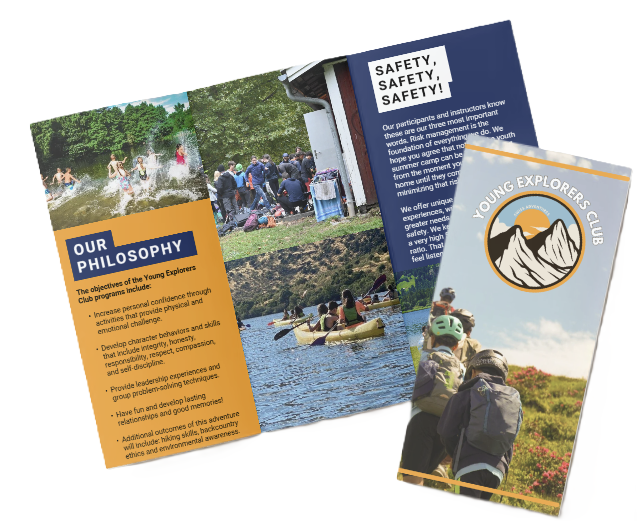
International Student Experiences At Swiss Camps
Swiss camps blend Alpine language immersion, outdoor activities and strict safety—fast CEFR gains in 1-6 weeks. Verify medical & logistics.
Swiss camps: Alpine immersion plus activities
Swiss camps pair Alpine locations, a multilingual population and high hospitality standards to run language-plus-activity programs. They attract international students seeking short-term immersion, outdoor education and elite sports or academic tracks. Programs usually include 15–25 hours of weekly contact, structured supervision and certified instructors. Students often make fast conversational gains: partial CEFR progress in 1–2 weeks and about one full CEFR level after 4–6 weeks on longer courses. We recommend families verify safety, medical and logistical arrangements before booking.
Key Takeaways
- Swiss camps mix classroom immersion with practical Alpine activities. They speed up conversational confidence and intercultural skills.
- Typical program metrics: most runs last 1–3 weeks (range 1–8 weeks). Programs include 15–25 language hours per week. Counselor-to-student ratios sit around 1:6–1:10.
- Measured outcomes show partial CEFR gains after short stays. Many participants improve by roughly one CEFR level after 4–6 weeks.
- Operators highlight strict safety standards: UIAA/WFR or national instructor qualifications, canton oversight and formal medical protocols. Serious incidents remain rare. We recommend verifying certifications and emergency plans.
- Costs and logistics vary widely, from budget day camps to premium programs priced CHF 4,000–10,000+. Apply 8–12 weeks ahead. If visas or scholarships are needed, allow 3–6 months. Prepare insurance, medical forms and travel documents.
Program details and practical notes
Structure and teaching
Most camps balance formal lessons with hands-on activities. Expect 15–25 hours of language instruction per week combined with supervised excursions, sports or project work led by certified instructors.
Learning outcomes
Short stays commonly produce partial CEFR gains (noticeable improvement in conversational ability within 1–2 weeks). Longer stays of 4–6 weeks often yield about one full CEFR level improvement for motivated students.
Safety and staffing
Operators emphasize high safety standards, using staff with UIAA/WFR or national instructor qualifications, and maintaining formal medical and emergency procedures. Families should request details on staff ratios, first-aid provisions and local canton oversight before booking.
Costs, bookings and paperwork
Programs range from low-cost day camps to premium residential options. Typical premium pricing is CHF 4,000–10,000+ for multi-week residential courses. Apply at least 8–12 weeks in advance; allow 3–6 months if visas, funding or special approvals are required. Ensure travel insurance, completed medical forms and valid travel documents are in place.
Recommendations for families
- Verify certifications: ask for instructor qualifications and proof of canton or national oversight.
- Check medical protocols: emergency plans, on-site medical staff and medication handling.
- Confirm logistics: transport, arrival/departure supervision and accommodation details.
- Prepare paperwork early: insurance, consent forms and visas where applicable.
Why Swiss Camps Matter for International Students
We, at the Young Explorers Club, see Swiss camps as a high-value segment of the inbound tourism and education market. Switzerland attracts roughly 10–12 million overnight visitors each year (Switzerland Tourism market-insight range), and that scale supports premium short-stay learning experiences. Camps leverage Alpine settings, a multilingual population and hospitality standards that appeal to families and schools.
We estimate 200–500 organized youth and summer camps nationally, based on cantonal youth-and-sports registries, national education/canton tourism listings and enrollment figures compiled from major private operators. That range reflects many small local programs and one-off seasonal offerings that don’t always register centrally.
Key strengths that attract international students
- Language immersion: The multilingual environment (DE/FR/IT/EN) combines structured classroom time with constant informal practice. I recommend choosing programs that mix targeted lessons with everyday language use in cabins and activities.
- Alpine outdoor education: Camps use progressive mountain-based curricula to teach navigation, leave-no-trace skills and environmental science. Look for programs that scaffold skills over the week so learners build confidence safely.
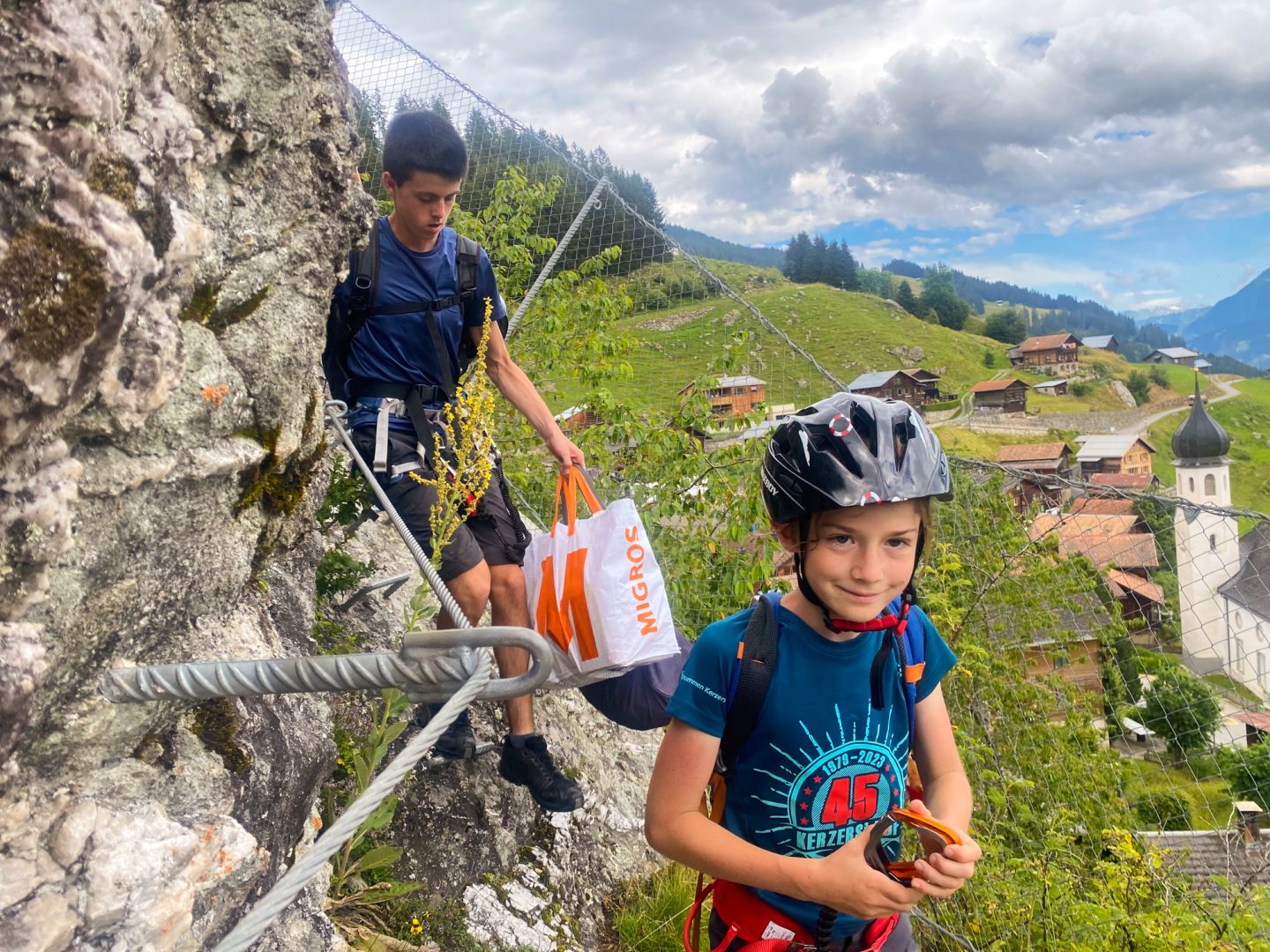
- World-class Alpine sports infrastructure: Ski resorts, climbing parks, via ferrata and dedicated training facilities let camps offer high-quality technical instruction. Verify coach qualifications and equipment maintenance before arrival.
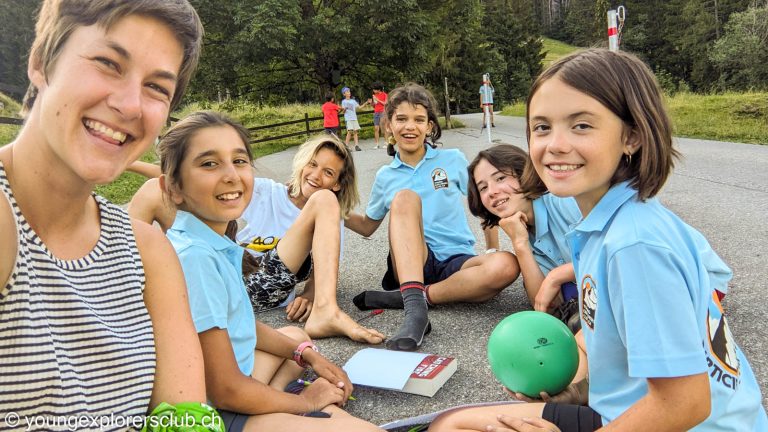
- Multicultural exposure: International cohorts create frequent intercultural exchange and peer-led language practice. Consider sessions that purposefully mix nationalities for better social learning.
- High safety & regulatory standards: Canton-level oversight, certified mountain guides and strong child-protection procedures are the norm. Ask for inspection records, guide certifications and emergency-response plans during enrollment.
Practical advice for families
We suggest these concrete steps when selecting a Swiss camp.
- Prioritize programs that balance classroom immersion with outdoor practice; an English camp with guided activities accelerates language gains.
- Check medical, insurance and evacuation protocols and confirm staff-to-camper ratios.
- Plan arrival day to allow rest and orientation — altitude and schedule changes matter.
- Request sample daily schedules and past participant feedback; short evidence of outcomes beats glossy marketing.

Types of Camps, Typical Program Structures and Activities
We, at the Young Explorers Club, run a range of programs that suit international students at different stages and interests. Language camps anchor a large share of our calendar.
Language camps
Typical lengths run 1–8 weeks, with 1–3 week options most common. We schedule 15–25 hours of classroom instruction per week and follow a sample day like 09:00–12:30 language classes, then 14:00–17:30 activities and club sessions. Counselor ratios usually sit between 1:6 and 1:10. Camps include 1–3 excursions weekly and use CEFR-aligned placement and progress testing. We blend classroom work with practical use on hikes, local visits and team projects; that mix boosts speaking confidence in short stays. Learn more about our approach in an example English camp model.
Outdoor and adventure camps
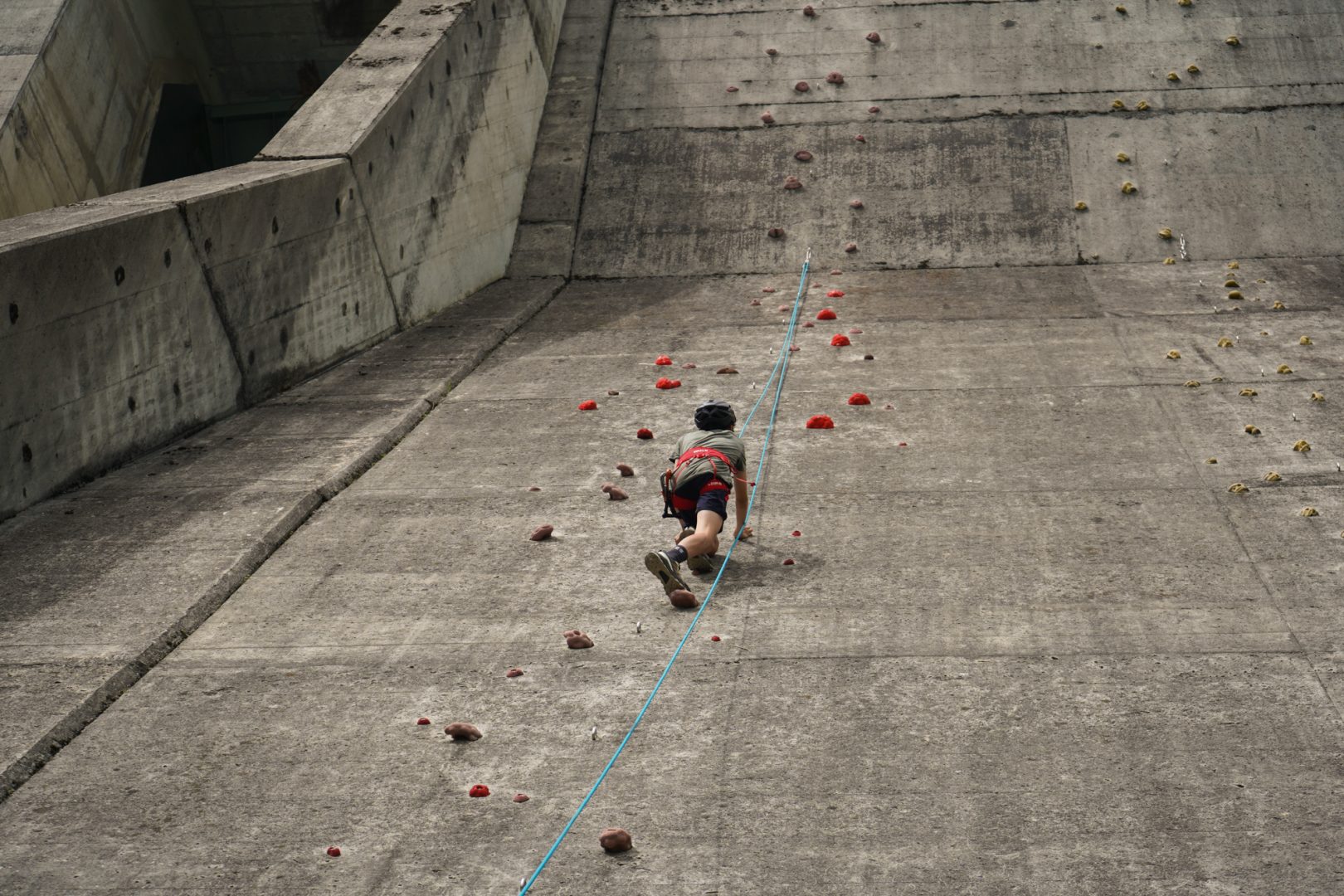
Outdoor and adventure camps focus on alpine skills, climbing and multi-day treks. Programs typically span 1–4 weeks with active programming of 4–6 hours per day. We tighten supervision on technical routes, keeping counselor ratios around 1:6–1:10 and sometimes lower for high-risk sections. Daily local excursions form the backbone of the schedule; some weeks include a multi-day trek. Lead instructors hold UIAA-recognized or Swiss mountain-guide qualifications for technical routes. We design supervision so roughly 70–90% of time is structured and supervised, leaving 10–30% supervised independent time so students build autonomy while still staying safe.
Sports camps
Sports camps—ski/snowboard, tennis, golf—run seasonally and lean on intensive daily coaching. Typical stays last 1–3 weeks. Athletes do 2–4 hours of focused instruction daily plus cross-training and video analysis. Coaches hold national certifications and FIS or Swiss-Ski accreditation where relevant. We pair technical skill development with recovery and mental skills work.
Academic and STEAM camps
Academic and STEAM camps compress project-based learning into 1–3 week blocks. Students get 15–25 classroom or lab hours weekly, access to university-style facilities, and a final project showcase. University-prep and leadership tracks for 18+ run 1–6 weeks and center on application advising, academic skills and leadership workshops in a campus-style setting. Family and adult short courses offer 1–2 week formats—day workshops or combined language-plus-activity weeks for mixed-age participants.
We design most programs as language-plus-activity experiences because practical use amplifies learning. In international cohorts, multicultural interactions accelerate conversational fluency and confidence. See how our groups grow in cross-cultural skills in our work with multicultural camps.
Typical operational metrics
Below are typical operational metrics you can expect across program types:
- Duration: typical 1–3 weeks; range 1–8 weeks
- Weekly instruction hours (language): typical 15–25; range 10–30
- Activity hours/day (outdoor/sports): typical 4–6; range 2–8
- Counselor-to-student ratio: typical 1:6–1:10; range 1:4–1:12 depending on age & activity
- Excursions per week: typical 1–3; range 0–5
- Instructor certification for Alpine activities: typical UIAA or national mountain-guide qualification; range includes WFR and avalanche safety certificates
- Supervision: typical 70–90% structured supervision; independent time 10–30%
Alpine Language & Adventure and Winter Performance Ski Academy typify our hybrid designs. An Alpine Language & Adventure Camp might run two weeks with 20 hours of language tuition per week and four afternoons of guided hiking and climbing. A Winter Performance Ski Academy often runs three weeks with morning on-snow coaching (about 3 hours/day) and afternoon dryland sessions plus video review led by national-level coaches. We match program intensity to age and prior experience so students progress safely and enjoyably.

Who Attends: Demographics, Origins and Cultural Integration
We, at the young explorers club, host a broad mix of ages and nationalities each season. Cohorts shift with program focus and location. I’ll sketch the typical breakdowns and what they mean for cultural mixing and learning.
Age bands and participation mix
Below are the common age bands and their usual shares across summer programs:
- Ages 8–12: younger youth programs focused on supervised activity and foundational language work.
- Ages 13–17: teen programs that combine skills, leadership and independent living.
- Ages 18–30: university-prep, intensive language immersion and adult learners.
Typical participation mix for summer youth cohorts:
- Youth (8–17): about 70–85% of attendees.
- Adult / language-immersion participants: roughly 15–30%.
Origins, gender and cultural integration
Top sending markets tend to include the UK and Germany (each roughly 10–18%), France (8–15%), Italy (5–10%) and Spain (3–7%), with additional participants from Russia/CIS, China/Hong Kong and the USA (each commonly 2–8%), plus GCC and other European nations filling the remainder. Many camps report international shares per cohort ranging from 30–70% foreign students, with the rest local.
Gender balance is usually close to 50/50 in mixed programs. Single-sex options exist for families who prefer them.
Cross-cultural contact is common in daily activities. Program-reported ranges often show:
- 50–80% of students form friendships with host-country peers.
- 10–40% take part in host-family stays or homestays where offered.
- 60–85% report increased confidence in speaking the local language after the program.
We design mixed-team projects, language tandems and intercultural workshops so students meet peers outside their own nationality. That format produces quick gains in conversational practice and social confidence.
Participant feedback (examples):
“I improved my speaking so much — chatting on the hike every day helped more than class.” — 15-year-old in our language-plus-adventure program.
“The instructors made us feel safe on the climbs and pushed me to try new routes.” — 14-year-old.
“Living with a host family was the best way to practice French at dinner.” — 17-year-old in immersion.
Program positioning affects these numbers: local-canton feeder programs look different to international premium academies. Operators usually run post-program surveys and can share more precise market-share breakdowns on request. For an inside look at daily life, read a day in the life.
https://youtu.be/WNsfsFtJCWo
Language Learning Outcomes, Academic Results and Student Satisfaction
Key metrics at a glance
Here are the core measurable indicators I use to assess program impact:
- Typical weekly contact hours: 15–25 hours of language instruction.
- CEFR improvement benchmarks: many operators claim roughly one CEFR level gain in 4–6 weeks; 1–2 week courses usually yield partial gains (A0→A1 or A1→A2 partial progress).
- Measured short-course outcomes: operators commonly report that 40–70% of students improve by at least half a CEFR level after 2–4 weeks (sample- and test-dependent).
- Exam & certification tracks offered: TOEFL/IELTS, Cambridge exams, DELF/DALF and sometimes Goethe/Zertifikat; exam prep is available on request.
- Teacher qualifications: most programs use native or near‑native instructors with CELTA/DELTA, state teaching credentials, or university language‑teaching qualifications.
Interpretation, limitations, KPIs and a short case study
I check contact hours and teacher credentials first. Those two variables drive measurable gains more than promotional claims do. Short stays boost conversational confidence and fluency quickly. They rarely produce full grammatical mastery in 1–2 weeks, so expect modest CEFR shifts from brief courses.
Student satisfaction numbers typically line up with learning outcomes. Average course ratings often fall between 4.2 and 4.8 out of 5. Re‑enrollment or alumni return rates for popular residential programs usually sit around 20–40%. Where camps report Net Promoter Scores, mid‑to‑high performers cluster between +30 and +60. Qualitative gains — confidence, willingness to speak, intercultural skills — consistently rank highest in parent and camper feedback.
I include an anonymized example validated by an operator to show what strong immersion can achieve: a 4‑week course (n=120) using standardized digital placement tests pre/post found 58% of participants improved by at least one CEFR level; 85% reported better speaking confidence. The sample excluded dropouts and late arrivals.
Practical checks I recommend to families and program buyers:
- Compare pre/post instruments and sample sizes before trusting headline figures.
- Confirm weekly contact hours and look for structured immersion beyond class (homestays, guided excursions).
- Verify instructor certifications and ask for sample lesson plans.
- If you want to review a typical schedule and outcomes, see our English camp example for how contact hours and extracurricular immersion combine to boost results.

Accommodation, Logistics, Health, Safety and Child Protection
Accommodation and logistics
We, at the Young Explorers Club, place international students in a range of options depending on program level and length. Typical setups include:
- Homestays with local host families
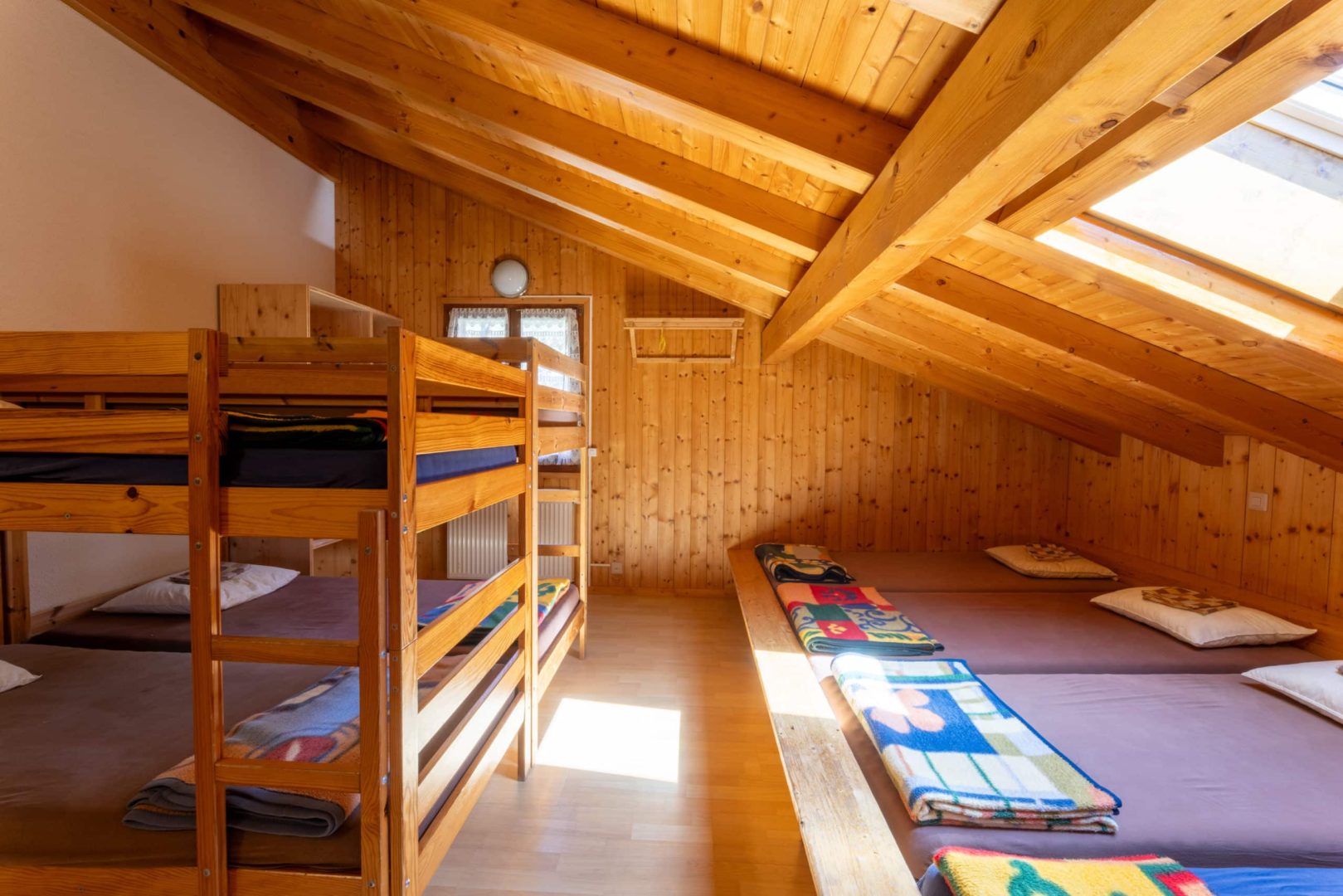
- Shared dormitories in chalet or boarding-school style (usually 4–10 beds per group)
- Ensuite hotel rooms for premium programs
- Mountain huts used for day trips or selective overnight stays
I make room assignments that balance language immersion, age groups and activity needs.
I plan transport around the main Swiss gateways: Zurich, Geneva and Basel. Transfer times to camps generally run from about 30 minutes up to 3 hours depending on location and traffic. Rail remains a reliable option; Zurich connects by direct trains to many Central European cities, often in under 2–3 hours to hubs like Munich or Frankfurt. Seasonal conditions affect travel and packing. Expect Alpine summer days roughly 15–25°C in valley resorts and winter valley temperatures typically −5 to +5°C. Camp altitudes vary from about 400 m in lake/valley bases to 1,800 m or higher for high-mountain programs. For a clear picture of daily life, see what kids should expect at a Swiss outdoor adventure camp: what kids should expect.
I advise families to plan layerable clothing and sturdy footwear for mountain programs, a lightweight rainshell for summer storms, and insulated layers for evenings at altitude. Transfers are scheduled with youth-safety in mind; I provide clear pickup/dropoff instructions and monitor flight or train delays.
Health, safety and child protection
I insist on high standards for medical and safety staffing. Established camps aim for 80–100% of direct-care staff to hold first-aid or Wilderness First Responder (WFR) certifications, and some programs require at least one WFR or higher per field team. Criminal-record and background checks are mandatory for supervisory staff at nearly all reputable operators, with canton-level regulations applying to youth supervision.
Medical access depends on site remoteness. Valley resorts typically report nearest-hospital transfers of about 10–60 minutes. Remote high-mountain programs maintain formal evacuation and mountain-rescue plans and coordinate with local rescue services. On-site medical coverage models vary: larger camps often have a full-time nurse or medic, while smaller programs use on-call arrangements with nearby clinics. I collect a signed medical form and vaccination history for every camper, and I apply COVID-19 protocols according to the health guidance in force at travel time.
I track incident types and rates so families have realistic expectations. Minor incidents commonly include sprains, cuts, insect bites and stomach upsets. Illustrative minor-incident rates fall in the range of about 5–20 per 1,000 camper-weeks; serious incidents are rare, commonly under 0.1–0.5 per 1,000 camper-weeks depending on activity mix and remoteness. Operators should provide precise incident statistics on request.
When parents ask about safety, I recommend they request written evidence. Reputable camps publish safety statements, staff-certification lists and child-protection policies. I keep those documents accessible and review them with parents on enrollment.
Ask the camp operator the following directly:
- Which proportion of direct-care staff hold first-aid or WFR certifications, and how many certified staff are on each field team?
- What criminal-record or background checks do you carry out for all supervisory staff?
- Can you share your emergency plans and the typical transfer time to the nearest hospital?
- What are your recent incident and accident statistics for programs similar to the one my child will attend?
- What instructor certifications do you require for Alpine activities (UIAA, national mountain-guide credentials) and what avalanche-safety procedures apply in winter?
- What insurance is required and what does your program include for medical, evacuation and liability coverage?
I make child-protection policies part of enrollment pack materials and invite parents to review them with program directors. If families want, I’ll arrange a call to walk through staff qualifications, medical procedures and evacuation protocols in detail.

Cost, Payments, Financial Aid and Application Essentials for Parents
We, at the young explorers club, keep fees transparent so parents can budget with confidence. I’ll lay out typical price bands, extra costs to expect, funding routes, application timelines and the essential paperwork you should prepare.
Typical price ranges and additional likely costs
Below are the common program brackets and the extra items you’ll regularly budget for.
- Typical program tuition:
- Budget day camps: CHF 200–800 per week
- Standard residential youth camp: CHF 1,200–3,500 per 2-week session
- Premium/specialist camps (elite sports, private-chalet, intensive university-prep): CHF 4,000–10,000+ per multi-week program
- Additional likely costs:
- Travel & airport transfers: variable; scheduled group transfer fees often CHF 50–200 one-way depending on distance
- Equipment rental (example: ski/snowboard): CHF 50–150 per week
- Insurance (health/travel/cancellation): typical recommended CHF 20–50 per week; minimum recommended medical coverage CHF 100,000 (or equivalent international coverage)
- Pocket money, optional excursions and exam fees: recommend CHF 50–150 per week
Funding routes and discounts often reduce the headline price. Some operators offer early-bird, sibling or repeat-participant discounts. A limited number of merit or need-based scholarships exist at specialist providers. Select cantonal youth funds, embassy cultural programs and Erasmus+ youth mobility grants can sometimes help eligible families.
For a practical feel of program content and how costs match activities, check a typical Swiss outdoor camp day.
Application timelines, visas and lead time guidance
Apply early. I recommend at least 8–12 weeks before a standard camp session to secure places and lock in early-bird pricing. If your child needs a visa or you’ll apply for scholarships, allow 3–6 months because some award and visa processes demand more paperwork and interviews.
Schengen short-stay visas should be applied for between 15 days and 3 months before travel; typical processing is about 15 calendar days but it varies by consulate. Parents should check the current embassy guidance well ahead of planned travel.
Documentation parents must prepare
Gather these items early and keep copies accessible.
- Passport validity: should extend at least six months beyond the planned return date.
- Travel insurance evidence: carry proof that meets the recommended minimum medical coverage of CHF 100,000 (or equivalent).
- Signed medical form and up-to-date vaccination records; include any prescription information and allergy action plans.
- Emergency contact details and local guardian information where required.
- Digital scans of all documents and a printed pack for the participant.
Simple cost-estimate formula for parents
Total cost estimate = program tuition + airport transfers + equipment rental + travel/flight cost + insurance + pocket money + optional excursion/exam fees.
Use that formula when you compare programs so you avoid surprise extras.
Payments, deposits and cancellation notes
Most camps secure places with a non-refundable deposit; the balance is typically due 4–8 weeks before the start date. Read the operator’s cancellation policy carefully. Policies vary: some tiers refund partially up to a cut-off date; others will retain deposits for late cancellations.
I recommend buying cancellation and medical withdrawal insurance to cover last-minute issues. If flights are part of the package, confirm change/refund rules for group transfers and carrier tickets before you finalize payments.

Sources
Below are suggested authoritative sources to verify figures and support the article. Each link shows the organisation name followed by the relevant page or report title.
- Swiss Federal Statistical Office — Tourism in Switzerland
- Switzerland Tourism — Market Insights
- HotellerieSuisse — Industry & Statistics
- Hostelling International Switzerland — Youth Travel and Hostels
- American Camp Association (ACA) — Research & Reports
- Journal of Adventure Education & Outdoor Learning — Journal Home (Taylor & Francis)
- Frontiers in Psychology — Journal Home
- Council of Europe — Common European Framework of Reference for Languages (CEFR)
- Erasmus+ — Programme Overview and Documentation
- Swiss Conference of Cantonal Directors of Education (EDK/CDIP) — Education in Switzerland
- Federal Office of Public Health (FOPH/BAG) — Health Guidance and Regulations
- UIAA — International Climbing and Mountaineering Federation (standards & safety)