Multi-day Hiking Trips For Families In The Swiss Alps
Family-friendly multi-day hikes in the Swiss Alps: easy stages, train/cable-bail options, hut stays, summer season tips and safety for kids.
Alpine Hiking in Switzerland — Overview
Switzerland offers a dense, signposted trail network and seamless public transport. Trains, PostBus services and cable cars let you link point-to-point routes, loops or staged hut-to-hut trips. You can shorten or reroute most days with a quick lift or train; plan routes mainly between 1,000 and 2,500 m to avoid glaciers. Set daily ascent goals by age — roughly 300–700 m per day. Travel in the alpine summer window, late June to mid‑September. Book huts and family rooms well ahead in peak season. Pack light and carry emergency contacts, weather information and proof of insurance.
Key Takeaways
Route planning
- Design short daily stages (about 3–5 hours) with built-in escape options using trains, cable cars or PostBus segments.
- Altitude focus: keep most hiking between 1,000–2,500 m to avoid glacier terrain and complex routefinding.
- Logistics: use Swiss public transport, lifts and hotel-to-hotel luggage transfers to simplify logistics and shorten hard days; book peak-season huts and hotel family rooms well in advance.
- Timing: plan your trip in the alpine summer window — late June to mid‑September — for stable trails and open huts.
Daily ascent targets by age
- Ages 3–6: ≈ 300–400 m ascent per day (shorter stages, frequent breaks).
- Ages 7–12: ≈ 400–700 m ascent per day depending on fitness and prior hiking experience.
- General rule: tailor distance and elevation to the group’s pace and always include escape options.
Packing & equipment
- Pack smart: layered clothing, waterproofs, child carrier or daypacks, and high-energy snacks.
- Safety kit: a small first-aid kit, maps/GPX files, a charged phone with a powerbank and some CHF cash.
- Comfort items: sun protection, sunglasses, hat, and lightweight rain cover for backpacks.
Safety & weather
- Check forecasts: consult MeteoSwiss for weather updates and look up avalanche forecasts where relevant.
- Avoid exposed ridgelines during afternoon storms and plan to be below tree line or off exposed sections by midday when conditions deteriorate.
- Insurance & rescue: carry travel insurance that covers mountain rescue and know emergency numbers: 112 / 144.
Practical tips
Book huts early in high season, consider hotel-to-hotel luggage transfers to keep days light, and use public transport to create flexible escape routes. Keep daily stages short and enjoy the scenery — the network makes it easy to adapt plans on the fly.
Why the Swiss Alps are Ideal for Family Multi-Day Hikes
Switzerland’s roughly 65,000 km of signposted hiking trails gives families extraordinary flexibility. We can pick short day stages, multi-day point‑to‑point routes, or looped itineraries without needing a car. That density means scenic valley walks and gentle alpine passes are never far from public transport or a mountain lift — so you can shorten a stage or bail to a train quickly if needed. For examples and route ideas we often point parents to our family trip planning notes.
Elevation matters, and families benefit from it here. The country’s highest point is Dufourspitze (Monte Rosa) at 4,634 m, but most family-friendly stages sit well below true glacier terrain. We usually plan daily hiking altitudes between 1,000–2,500 m to avoid technical ridges and crevassed areas. That range keeps trails manageable and scenery dramatic without exposing kids to glacier hazards. For inspiration on routes that keep things child-friendly we refer families to our lake to summit collection.
Seasonality controls what’s doable. High season in the high Alps normally runs late June through mid‑September. Many alpine passes clear of snow in July–September, yet June and September can still hold patches above 2,000 m. We always check local snow and route reports for trips in shoulder months, and we advise flexible scheduling. Read why summer is so reliable for children in our piece on alpine summer advantages.
Logistics tilt strongly in our favor here. The integrated public network — SBB trains, PostBus services and countless cable cars and mountain railways — lets us design stages that start and end at stations or lifts. That makes packing light and moving between valleys straightforward. For example, train access to Grindelwald or lift approaches around Zermatt turn long walks into family-friendly days. Practical tips on moving kids with lifts and trails are in our family activities guide.
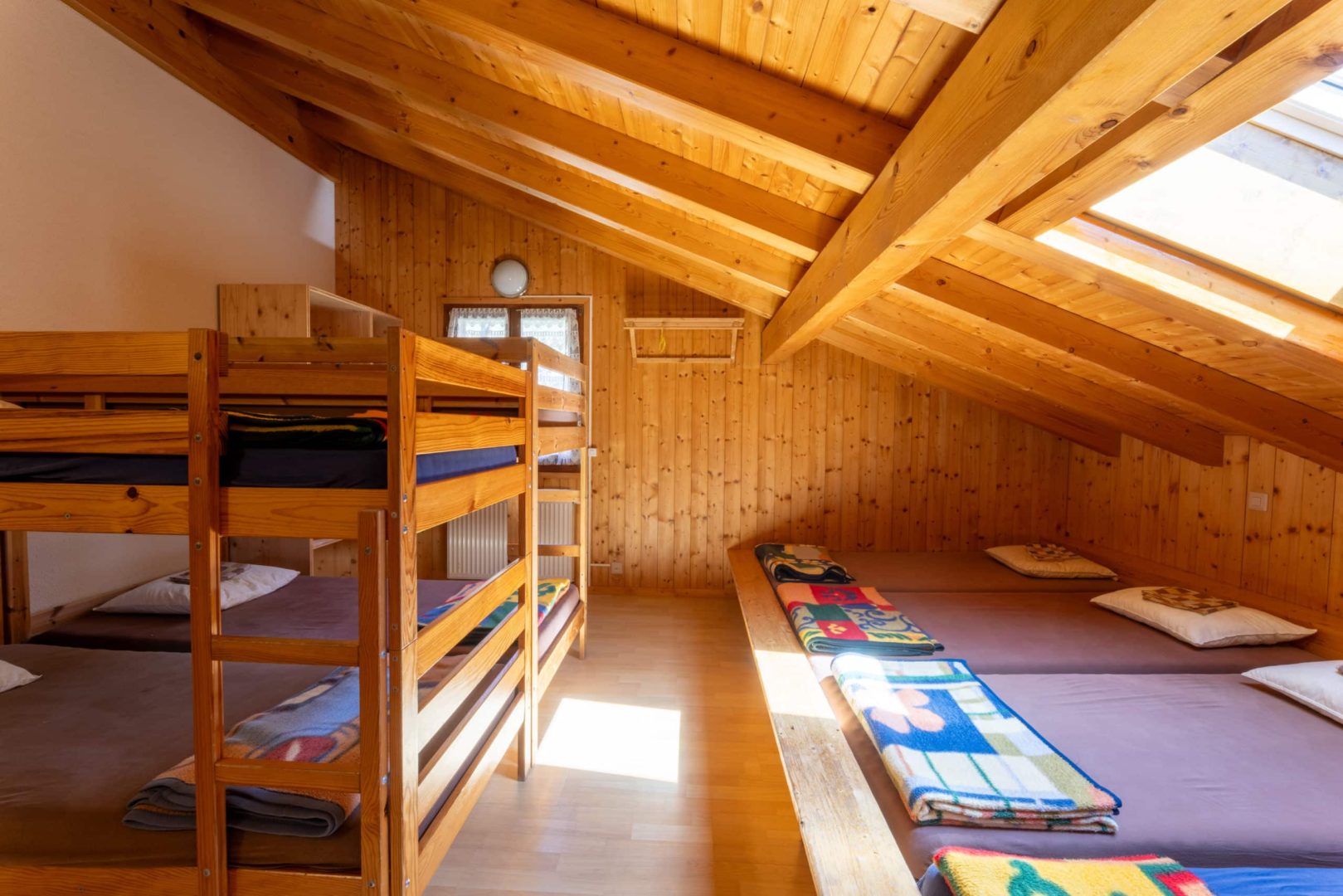
A dense mountain accommodation network supports staged itineraries. The Swiss Alpine Club (SAC) runs roughly 150 huts, and many valley inns welcome hikers with family rooms. We mix nights in simple huts with evenings in small hotels to keep children engaged and rested. For advice on overnight prep and easing kids into hut life, see our overnight camp tips.
Practical takeaways for planning
Below are quick, actionable items we use when building family multi-day hikes:
- Choose short stages: aim for 3–5 hours of walking per day at a comfortable pace. For activity ideas that match those lengths, consult our outdoor activities list.
- Stick to safe elevations: keep most hiking between 1,000–2,500 m to avoid glaciers and technical terrain.
- Use public transport to your advantage: plan start/finish points at train or bus stops for easy stage shortening. Our hike and bike notes show how to combine routes with transit.
- Pack smart and light: rely on lifts and trains for bulky gear and bring layering systems for alpine weather. Check our what to pack checklist.
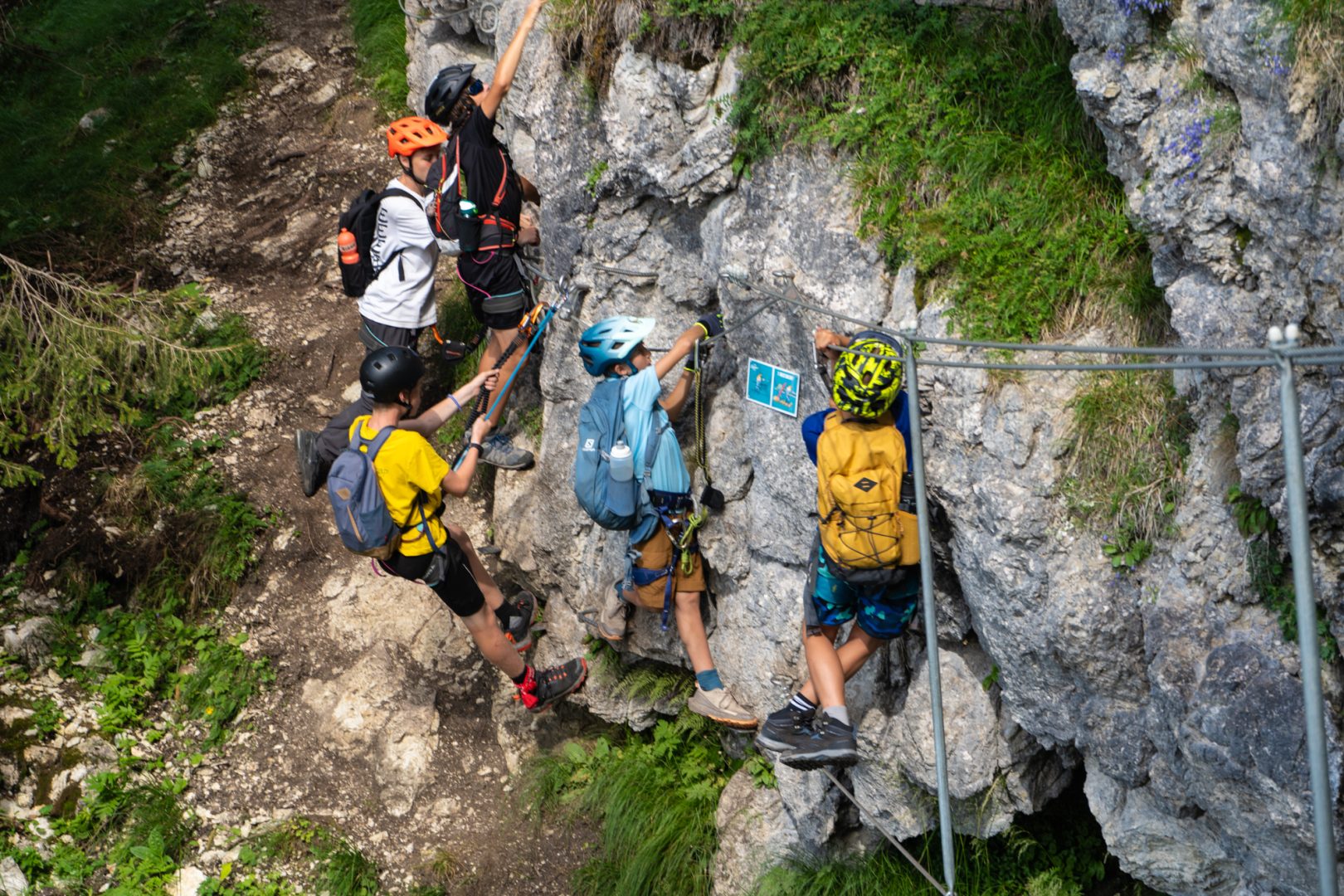
- Gear and safety: choose gloves and helmets rated for alpine use for scrambling or via ferrata sections. We recommend reading guides on good gloves and climbing helmet tips before you go.

Planning & Logistics — Route Type, Duration, Daily Targets, and Transfers
We, at the young explorers club, set realistic daily targets so families enjoy the trail rather than endure it. I recommend a general elevation goal of about 300–700 m per day and avoiding regular stages above 1,000 m vertical gain for younger children. Ages matter: toddlers will tire faster and need more breaks; older kids can carry light responsibilities and cover longer stages.
We translate elevation into time using a simple rule: 1,000 m of ascent adds roughly 3–4 hours of effort beyond the horizontal distance, depending on terrain and pack weight. For example, a 10 km stage with 600 m gain typically takes about 4–5 hours including breaks — a comfortable full-day for many families. For trips longer than four days, we plan at least one buffer day to recover or adapt the route.
Rules of thumb
Below are practical targets we use when sketching family itineraries:
- Ages 3–6: aim for ~300–400 m ascent per day and shorter distances.
- Ages 7–12: aim for ~400–700 m ascent per day.
- Stage distances: target 6–12 km daily, adjusting for steep or rocky terrain.
- Trip durations: classify as short (2–3 days), medium (4–6 days), and extended (7+ days).
- Time conversion: add ~3–4 hours per 1,000 m ascent when estimating total day time.
We keep transfers and flexibility central to the plan. Swiss public transport — SBB (Swiss Federal Railways), PostBus and seasonal mountain railways/cable cars — let us shorten stages or exit early if needed. We use SBB Mobile for timetables and link planning, and we rely on SwissTopo, Komoot or Outdooractive for maps and GPX exports.
We recommend passes and tools that cut cost and hassle: Swiss Travel Pass or regional passes for heavy-transfer days; download SBB Mobile before departure; preload GPX tracks from SwissTopo or Komoot. We also use regions that offer hotel-to-hotel luggage transfer; this lightens packs and keeps kids fresh. During July–August we book accommodations with flexible cancellation and confirm lift timetables in advance.
We include shortening options in every plan so parents can adapt: valley trains, cable cars, PostBus segments and local mountain railways. We advise checking seasonal timetables on SBB Mobile and with individual lift operators. For sample itineraries and family-focused ideas, we point people to our family trip page.

Best Family-Friendly Regions & Ready-to-Use Sample Itineraries
We, at the young explorers club, pick regions that keep travel simple and kids engaged. The Bernese Oberland (Grindelwald, Lauterbrunnen, Mürren) works because trains and valley lifts cut approach time. Short transfers open flat meadow trails and playgrounds parents appreciate. Zermatt and the Valais use lift-assisted meadows and alpine lakes; the car-free village of Zermatt makes logistics easy. In Engadin and St. Moritz you get broad valleys, well-graded trails and summer alpine huts suitable for nightly stops. Saas‑Fee and the Saas Valley offer dramatic glacier views from lower, family-friendly paths. Appenzell and Toggenburg deliver gentle hills with cultural and themed family routes that keep younger hikers curious. The Aletsch Arena adds a wow factor with views of Europe’s largest glacier and clear interpretation trails for kids. For practical packing and family planning tips, see our family trip in Switzerland guide.
Ready-to-use itineraries
Below are three itineraries you can run with; each day includes at least one escape option and a buffer day recommendation.
-
Short (2-day family): Lauterbrunnen → Mürren loop
- Duration: 2 days (day loop or overnight in Mürren).
- Distances & gain: 8–10 km total; 300–600 m/day; difficulty: easy.
- Start/end: Lauterbrunnen village (train access) → Mürren (cable car/rail).
- Escape options: valley trains and cable cars to shorten approaches.
- Recommended minimum child age: 4+ (with breaks).
-
Family checklist (short itinerary):
- child carrier (if toddler)
- snacks + water
- sun protection, hat, spare layers
- small first-aid
- cash for mountain facilities
- SBB Mobile timetable and hut/hotel booking confirmation
-
Medium (4-day family): Zermatt valley lakes & alpine meadows
- Duration: 4 days, base in Zermatt or move nightly.
- Distances & gain: ~6–10 km/day; 400–700 m/day; difficulty: moderate with lift-assisted options.
- Start/end: Zermatt (train access).
- Escape options: lifts and mountain trains to skip higher approaches; regional trains back to Zermatt.
- Recommended minimum child age: 6+ for daily independence; younger children doable with carriers.
-
Family checklist (medium):
- daypacks for kids
- MICROspikes (if uncertain spring snow)
- reserve cash
- Swiss Travel Pass or point-to-point tickets
- hut/hotel confirmations
- evening weather check
-
Longer (5-day family chalet-to-chalet): Engadin / Swiss National Park border stages
- Duration: 5 days chalet-to-chalet (can be shortened to 3–4 days).
- Distances & gain: 6–12 km/day; 300–800 m/day; difficulty: moderate.
- Start/end villages: choose villages with regional rail/bus links (e.g., Pontresina, Samedan) and plan daily escape option by bus or nearby cable car.
- Recommended minimum child age: 7+ for independent walking; younger with carrier support.
-
Family checklist (longer):
- reserve 1 buffer day
- pre-book huts/hotels (peak July–Aug)
- carry printed copies of hut contacts
- travel insurance info
- a small evening activity (journal, bingo) to keep kids engaged
Accommodation, Food & Budget — Huts, Hotels, Camping, Meals and Typical Costs
We, at the young explorers club, plan multi‑day treks so families can choose the right mix of comfort and adventure. Hut beds, mountain hotels and campsites each have clear tradeoffs in cost, logistics and family comfort. I’ll lay out what to expect, how to save, and practical checks to avoid surprises.
Swiss Alpine Club huts
About 150 huts are run by the Swiss Alpine Club, and they’re the backbone of family alpine itineraries. Dorm beds typically range from roughly CHF 25–70 depending on SAC membership and whether you take a member rate. Half‑board (dinner + breakfast) in these huts usually runs about CHF 40–120 per person; rates vary by hut and by membership class. Many huts fill up fast in July and August, so you need to book well in advance.
Mountain hotels and lifts
If you want private rooms or easier access to showers, mountain hotels are the next option. Expect roughly CHF 80–250+ per person per night depending on level and season; family rooms vary a lot. Cable cars and lifts save time on approach days but add cost — typical segment fares fall in the CHF 10–60 range, depending on the route. Factor lift tickets into your daily logistics so you don’t get budget surprises.
Camping and rules
Wild camping is restricted in many cantons. I always plan to use official campsites unless local rules allow otherwise. The Swiss National Park (est. 1914) covers about 174 km² and prohibits camping outside marked sites, so check park rules before you pitch. Campsites often have family facilities, showers and small shops that can reduce the need to carry heavy food.
Food planning and calories
Calorie needs rise with exertion. Plan roughly 2,500–4,000 kcal/day per adult on multi‑day hikes; children require proportionally less. Huts generally serve hearty meals and most offer child portions, but you should confirm meal times and child options when booking. Bring compact, high‑calorie snacks (nuts, bars, dried fruit) for on‑trail refueling and plan lunches that don’t require cooking if you’ll be moving between huts.
SAC membership and payment notes
SAC membership reduces hut fees and gives priority on reservations. In July–August, many huts require advance bookings. Also carry some small CHF notes: remote huts sometimes accept cash only, and credit facilities vary.
Sample budget, bookings and quick checklist
Below are compact items to help you budget and prepare; treat the numbers as approximate ranges that depend on season, route and family size.
- Sample 4‑day family budget (2 adults + 1–2 children):
- Accommodation (mix of huts/hotels): CHF 300–1,200 total.
- Food (hut half‑board + snacks): CHF 200–500.
- Lifts / transport (regional lifts + SBB/PostBus): CHF 80–400.
- Incidentals (luggage transfer, small purchases): CHF 50–150.
- Example total range: about CHF 630–2,250 for 4 days (season & style dependent).
- Practical hut notes:
- Dorm vs family rooms: some huts have small family rooms; many only offer dorms. Book early if you want a private family space.
- Meal logistics: confirm dinner times, children’s portions and allergy options ahead of arrival.
- Payment and arrival: ask whether the hut accepts cards or cash only; check arrival/check‑in windows.
- Booking tip: SAC members get discounted rates and reservation priority.
- Packing reminder:
- Pack lightweight, high‑energy food for trail days and a small first‑aid kit.
- For a full gear checklist, see what to pack.
I recommend building a conservative budget and then adding a 20–30% buffer for peak‑season surcharges, extra lifts or unexpected transfers. Communicate dietary needs with huts before arrival and keep cash for remote places — those two actions cut most last‑minute headaches.
Gear, Health & Safety — Family-Specific Equipment, Weather, Emergencies
We at the young explorers club pick gear that balances comfort, safety and load for multi-day family hikes. I keep child carriers (toddlers) like the Deuter Kid Comfort series, Osprey Poco series and Thule Sapling in mind — typical toddler weight limits run about 15–22 kg depending on model. For small hikers I favor Osprey Ace/Jet, Deuter Junior or Gregory children’s daypacks. Waterproof shells should be Gore‑Tex or equivalent; good examples are the Patagonia Torrentshell and The North Face Venture. For boots I recommend Lowa Renegade GTX Mid, Salomon X Ultra or Keen Targhee (children’s versions exist). Carry traction aids such as Kahtoola MICROspikes or Grivel crampons for icy spring patches.
I apply a simple age-based rule: carriers for under 3–4‑year‑olds or anyone below the carrier’s weight limit; kids 5+ should carry a light daypack and try child trekking poles if they’re steady. Keep parental pack weight low — aim for roughly 10–12% of bodyweight when you’re also carrying a child occasionally. We also recommend reading our what to pack guide for full packing examples.
Packing checklist (quick two-column view)
Use this checklist to decide what must travel in your pack and what can stay in the van or hut.
- Must-have:
- Layered clothing
- Waterproof jacket and pants
- Sturdy boots
- Sun protection
- Snacks and water
- Small first‑aid kit
- Map or app (SwissTopo/Komoot)
- Charged phone and powerbank
- CHF cash
- Kid carrier (if needed)
- Emergency contact and insurance details
- Nice-to-have:
- Trekking poles
- Spare socks
- Lightweight fleece blanket
- Binoculars
- Nature journal
- MICROspikes
Check forecasts and objective hazards before you step out. I consult MeteoSwiss for mountain weather and local avalanche services for current danger levels. Expect the highest avalanche risk on north‑facing slopes in spring and early summer; confirm conditions before higher terrain trips. Lightning risk climbs above the treeline on warm summer afternoons, so plan to be below exposed ridges by early afternoon. Temperatures drop roughly 6.5°C per 1,000 m of elevation gain — pack layers and extra warmth.
For emergencies I keep numbers and procedures front of mind. Dial 112 for general EU emergencies and 144 for medical or Swiss mountain rescue. Mountain rescue can bill for helicopter extraction, so buy travel insurance that covers mountain rescue and evacuation.
- Stop and assess.
- Stabilize the injured child.
- Call 112/144 and give precise SwissTopo coordinates or a nearby hut name.
- Keep them warm and sheltered.
- Avoid moving them unless necessary.
Carry small CHF amounts and confirm hut payment methods before arrival. Finally, always carry printed or GPX routes plus hut contact numbers and ensure one accessible charged phone and powerbank.
Family Activities, Environmental Considerations, Resources & Practical Checklists
We plan multi-day hikes that mix short, kid-friendly exploration with hands-on learning. I set simple wildlife goals each day — marmot or ibex spotting, a quick alpine flower ID session, and a gentle geology talk at a glacier viewpoint. Aim to include at least one clear vista: Aletsch is Europe’s largest glacier (Aletsch Arena), and even a distant view sparks big questions in small hikers.
We use themed family trails and visitor centres to structure days. Many regions offer interpretation trails, wildlife hides and family programs at visitor centres. Those stops give kids a change of pace and teach respect for local systems. I always remind families to observe wildlife at a distance and never feed animals. For trip ideas and local family-friendly programs, check our recommended family activities.
I pack simple kid activities that keep interest high and hands clean: marmot-spotting bingo, a small nature journal for sketches, and laminated rock/plant ID cards. These tools make learning active and quick. We model quiet observation, and we make a pact to avoid chasing animals or uprooting plants.
We teach environmental stewardship from the first step. Leave-No-Trace matters on alpine trails: stay on paths, pack out waste, respect wildlife and local signage. For high-protection zones there are extra rules to follow. Swiss National Park was established 1914 and covers about 174 km²; it enforces strict rules including a ban on camping outside marked sites (Swiss National Park). I translate those rules into kid-sized language and a short family pledge: stay on trail, carry out rubbish, look but don’t touch wildlife, and leave plants to grow.
I recommend these navigation and planning tools for efficiency and safety: SBB Mobile for timetables, SwissTopo for topographic mapping and elevation profiles, Komoot for GPX downloads and route planning, plus Outdooractive and Bergfex for regional trail info. Check mountain forecasts on MeteoSwiss before every departure. For hut bookings and guide preparation use the SAC hut directory and select guidebooks such as Walking in the Alps – Kev Reynolds and Trekking in the Alps – Lonely Planet.
Practical checklists and a sample day timeline
Below are the lists I use for final prep and on-hike pacing.
Day-before-departure checklist:
- Confirm hut/hotel bookings and transport reservations
- Check MeteoSwiss mountain forecast and avalanche bulletin (if relevant)
- Charge phones, GPS devices, and powerbanks
- Pack first-aid kit, child medications and allergy info; include child ID/medical info
- Print or save SBB Mobile tickets and hut contact numbers; carry small CHF cash
- Pack spare layers and rain gear
Day-of-hike timeline example:
- 07:30 breakfast and final kit check
- 08:30 depart trailhead
- 11:30–12:30 lunch window (depending on distance/elevation)
- 14:00 aim to be below exposed ridges or at an escape option by early afternoon
- 16:00–18:00 arrive at hut/hotel, check-in, decompress and check next day’s weather
Printable family checklist (condensed):
- map & GPX, SBB Mobile/tickets, hut confirmations
- cash (CHF), first-aid + meds, suncream + hat
- spare layers, child carrier or daypack, snacks + water
- phone + powerbank, emergency numbers (112/144), insurance details
We book huts and family rooms well ahead for July–August peak. I use SwissTopo for elevation profiling, Komoot for GPX exports, and SBB Mobile for live transfer planning. We teach kids a short pledge to carry out rubbish and stay on trail so that future families find the same open meadows and curious marmots.

Sources
Switzerland Tourism — Hiking Switzerland
Swiss Alpine Club (SAC) — Huts & Trails (hut directory)
MeteoSwiss — Mountain weather forecasts
Swiss National Park — About the Park / Visitor Information
SBB (Swiss Federal Railways) — Timetables & Connections
Via Alpina — About Via Alpina / Route Descriptions
Swiss Federal Statistical Office — Tourism statistics
Komoot — Hiking in Switzerland (guide)
SwissTopo — Official topographic maps of Switzerland
WSL Institute for Snow and Avalanche Research (SLF) — Avalanche and snow bulletin
Jungfrau Region — Hiking & Family Activities