Preparing Your Child For Their First Overnight Camp Abroad
Prepare your child for a first overnight camp abroad: passports, visas, vaccines, safety checks, language practice and homesickness coping.
Overview
I prepare my child for a first overnight camp abroad by combining practical travel, health and safety planning with social and language preparation. This approach builds independence and eases homesickness. I plan timelines for passports and visas, duplicate critical documents, confirm vaccinations and insurance, vet camp staffing and medical protocols, and run short separations and language practice before departure.
Key Takeaways
- Start planning 3–6 months ahead: confirm passport validity (many countries require six months beyond return), begin passport/visa applications early, and book placement to allow for processing delays.
- Gather and duplicate essential documents: keep originals plus three physical copies and three encrypted digital scans of passport, visa/proof of waiver, notarized parental consent, camp acceptance, birth certificate, insurance card and prescriptions; give access to a trusted emergency contact.
- Prioritize health and insurance: verify required and recommended vaccines, schedule a travel-clinic visit 4–8 weeks before departure, pack two or more weeks of prescriptions in original containers with a doctor’s note, and buy travel insurance at deposit that covers cancellation, emergency medical care and evacuation.
- Verify camp safety and communication standards: check staff-to-camper ratios, confirm background checks and accreditation, ensure on-site medical staff and an emergency action plan, and agree on communication frequency, emergency numbers and unaccompanied-minor procedures.
- Prepare the child practically and emotionally: run practice separations and role-play likely scenarios, use a short language plan for greetings, food, directions and emergency phrases, pack carry-on comforts and essentials, and set clear contingency plans for arrival and pick-up.
Practical Planning Timeline
3–6 Months Before Departure
Start paperwork early. Confirm passport validity (aim for at least six months beyond return). If a visa is required, begin the application immediately to allow for processing delays.
- Check entry rules for the destination country and any transit countries.
- Book camp placement and flights with flexibility if possible.
- Buy travel insurance that includes cancellation, medical care and evacuation once deposits are paid.
4–8 Weeks Before Departure
Health preparation. Schedule a travel-clinic or pediatric visit to confirm vaccines and get any required documents. Arrange prescriptions and ask for a doctor’s note for travel.
Documents and Emergency Access
Duplicate and secure critical documents. Keep originals with the child (when appropriate) and store multiple copies with guardians and digitally. Provide a trusted emergency contact with access instructions.
- Passport and visa or proof of waiver
- Notarized parental consent / travel consent
- Camp acceptance and contact details
- Birth certificate
- Insurance card and policy details
- Prescriptions (in original containers) and doctor’s note
Health, Medications and Insurance
Plan for continuity of care. Pack a two-week supply of medications (or more) in original bottles, include labeled doses and a copy of the prescription. Confirm whether the camp has on-site medical staff and how they handle medications.
Insurance: Purchase travel insurance that covers trip cancellation, emergency medical treatment and evacuation. Check whether the child’s existing health insurance covers care abroad or if supplemental coverage is necessary.
Camp Safety and Communication
Vet Staff, Policies and Medical Protocols
Ask the camp for details: staff-to-camper ratios, staff background checks and training, accreditation or licensing, on-site medical personnel and written emergency action plans.
Communication and Contingency
Agree on communication expectations. Confirm how often the camp will update families, emergency contact numbers, and procedures for unaccompanied-minor arrivals or early departures. Leave a clear contingency plan for missed flights, delayed arrivals or unexpected medical needs.
Practical and Emotional Preparation for the Child
Run short practice separations to build confidence. Start with overnight stays or day camps, then increase duration.
- Role-play scenarios such as lost items, asking for help, or speaking with staff.
- Language prep: teach a short, focused list of phrases for greetings, food preferences, directions and emergencies.
- Comfort items: pack a carry-on with a favorite small toy, photos, a comforting scent (if allowed), and electronics as permitted by the camp.
- Clear expectations: set rules about phone use, check-in times and behavior, and discuss homesickness coping strategies.
Arrival Day and Handover
Plan logistics carefully. Confirm arrival and pick-up points, required identification and any unaccompanied-minor airline procedures. Provide the camp with clear, written pickup authorizations and emergency contacts.
Final Checklist
- Passport & visa—valid and accessible
- Copies of all documents—physical and encrypted digital scans
- Vaccination records and travel-clinic notes
- Medications—labeled, with prescriptions and doctor’s note
- Travel insurance—policy number and coverage details
- Camp medical & safety info—staffing, emergency plan, communication protocol
- Child readiness—practice separations, role-play and language basics
- Carry-on comforts—essentials for emotional security and arrival
If you’d like, I can convert this into a printable packing and planning checklist, help you draft a notarized consent template, or create a short language phrase sheet tailored to your destination—tell me the country and the child’s age and I’ll customize it.
YOUTUBE VIDEO
Why families choose overnight international camp
Roughly 14 million children and adults attend camps annually in the U.S., which shows how common overnight programs are. Many international camps run sessions from one to eight weeks, with two-week sessions being particularly popular. I recommend planning for typical session lengths when you weigh travel, cost, and the likely gains your child will make.
I see five core benefits that drive families toward international overnight programs: greater independence, true language immersion, cross-cultural competence, resilience, and richer social skills. International settings accelerate independence because kids manage daily routines, budgets, and new schedules without their usual home network. Language immersion forces real practice; short, focused exposure often produces quick confidence gains. Cross-cultural interaction expands perspective and reduces cultural assumptions. Camp life strengthens resilience through manageable challenges, and the group setting refines cooperation, conflict resolution, and leadership.
Educational outcomes are concrete and practical. Short-term immersion programs commonly produce measurable gains in language confidence. Program reports and small-scale studies often show sizeable increases in self-reported speaking and listening confidence — improvements in the 20–50% range on short assessments over one- to four-week sessions. I’ve also seen consistent qualitative changes: campers show a greater willingness to use a language in real situations, improved pragmatic skills like turn-taking and politeness strategies, and faster adoption of social language forms that textbooks don’t teach. If your priority is accelerated conversational ability, an international camp or an English camp immersion often delivers the fastest, most practical gains.
Domestic camps reduce hassle in several ways. Travel costs stay lower, logistics remain simpler, and families can tap local support networks quickly. International camps, however, offer more intense immersion and culturally diverse staff that broaden worldview—trade-offs include higher cost, additional travel documents like passports and sometimes visas, longer travel times, and possible jet lag.
Benefits and trade-offs
- Benefit: language immersion — Trade-off: potential homesickness and complex travel logistics
- Benefit: cross-cultural competence and independence — Trade-off: higher cost and more complicated documentation
- Benefit: unique excursions and international staff perspectives — Trade-off: health or vaccine requirements and different dietary or cultural norms
For first-time planners, I often point families to practical resources for packing and pre-camp preparation, including a focused guide on what to pack and tips that reduce homesickness and simplify travel. If you’re arranging a first trip abroad, the first summer camp guide has clear, step-by-step advice that I find particularly helpful.
Timeline, passports, visas & essential travel documents
Timing & processing
Start passport applications early. For routine U.S. processing plan on 10–13 weeks; expedited service commonly runs 7–9 weeks. Always confirm current times with your local passport office. For visas, allow 4–12 weeks depending on the country and visa type. I recommend booking international placements at least 3–6 months before the camp start date so you can handle unexpected delays and paperwork requests. Check passport validity now — many countries require the passport to be valid for at least six months beyond your child’s return date. Confirm camp arrival rules and vaccine requirements on the camp site, for example the first summer camp page.
Six-month planning checklist and required documents
Follow this timeline and bring originals plus copies of each listed document.
- 6 months out: select program; verify passport validity; review vaccine requirements and camp arrival rules.
- 4 months out: start passport and visa applications; request a notarized parental consent/authorization letter if your child will travel without one or both parents; book flights tentatively.
- 2 months out: finalize flights; review health and vaccination requirements; buy travel insurance; begin a travel packing list.
- 2 weeks out: confirm arrival details with camp; print travel documents and make three physical copies; pack; confirm unaccompanied minor (UM) arrangements if needed.
Documents to bring (originals + copies):
- Passport (child and photocopies)
- Visa or proof of waiver
- Notarized parental consent/authorization letter
- Camp acceptance letter with pick-up/drop-off instructions and emergency contacts
- Original birth certificate or certified copy
- Medical insurance card and a copy of the policy
- Prescriptions in original containers with a doctor’s note
I advise making three physical copies and three digital scans of all critical documents. Store digital scans in an encrypted cloud folder or password-protected archive and share access with a trusted adult. Name a specific emergency contact who holds backups and can respond if anything goes wrong.
Unaccompanied minor policies vary by airline. UM services often cover ages 5–11, and some carriers extend to ages 5–15. Fees typically range from $50–$250 round-trip; confirm the carrier’s check-in, hand-off, and documentation requirements well before travel.
Sample notarized parental consent/authorization letter (editable)
“I/We, [Parent/Guardian Full Names], grant permission for our child [Child Full Name, DOB] to travel internationally from [Departure Date] to [Return Date] to attend [Camp Name] in [Country]. While abroad, the child will be under the authority and supervision of camp staff at [Camp Address]. In case of emergency, I/We authorize the following adult(s) to act on our behalf and to consent to medical treatment: [Name, Relationship, Phone, Email]. Our child’s primary physician is [Doctor Name, Phone]. I/We can be reached at [Parent Phone/Email]. Passport number: [Passport #]. I/We authorize camp staff and medical personnel to provide or arrange necessary medical treatment in our absence. Signed [Parent/Guardian], [Date]. (Notary acknowledgment block here.)”
Include explicit travel dates, emergency contacts, doctor and prescription details, and a notary block. Verify whether translation or an apostille is required for the destination country and arrange that early.
Health, vaccinations, medications and travel insurance
I make health planning for an overseas overnight camp a priority. Start by confirming required and recommended vaccines for the destination and the camp’s policy well ahead of time.
Routine childhood immunizations are usually expected: MMR, DTaP, polio and varicella. Additional vaccines often requested include hepatitis A/B, meningococcal for teen camps, COVID-19 where required, and yellow fever certificates for entry to some countries. Aim to have routine vaccines up to date; measles control relies on high coverage, and many authorities target about 95% MMR coverage for herd protection. Consult country-specific entry and public-health rules and the camp’s checklist.
I schedule a travel medicine visit 4–8 weeks before departure and I reference the CDC Yellow Book guidance for timing and destination-specific advice. That gives time for any vaccine series and for addressing travel-related risks.
I pack medications and documentation conservatively:
- Keep at least two weeks’ supply of each prescription in original pharmacy containers.
- Bring a doctor’s note with generic drug names, doses and a clear authorization for camp staff to administer meds.
- Include a dosing schedule and emergency contact info.
- Add a small first-aid kit and age-appropriate over-the-counter items for pain, fever, allergies, and upset stomach.
Under the camp’s rules, I confirm they have written medical authorization to treat and to give medications. I also carry a concise medical summary and allergy list in English and, when possible, translated into the host country language.
I recommend buying travel insurance at the time of deposit to maximize cancellation protection. Typical travel insurance costs run roughly 4–10% of the camp fee. For international medical evacuation I advise coverage in the $250,000–$500,000 range for remote or higher-risk trips. Make sure your policy covers:
- Trip cancellation and interruption
- Emergency medical care
- Emergency evacuation/repatriation
- Baggage loss
Look for youth and adventure-activity coverage and confirm evacuation limits and provider networks. Example providers I consider are World Nomads, Allianz Global Assistance, AXA Assistance and IMG. Read policy exclusions closely and keep insurance contact numbers accessible.
Practical checklist for final prep
- Confirm camp vaccine requirements and accepted proof.
- Visit a travel clinic 4–8 weeks before travel (CDC Yellow Book).
- Pack 2+ weeks of prescriptions, original bottles, doctor’s letter, dosing schedule.
- Get written medical authorization for the camp to treat and administer meds.
- Buy travel insurance at deposit and verify evacuation limits and activity coverage.
- Carry medical summary and translated allergy information.
- If this is your child’s first summer camp, review camp-medication processes with staff before departure.
Safety, staffing standards, background checks and communication expectations
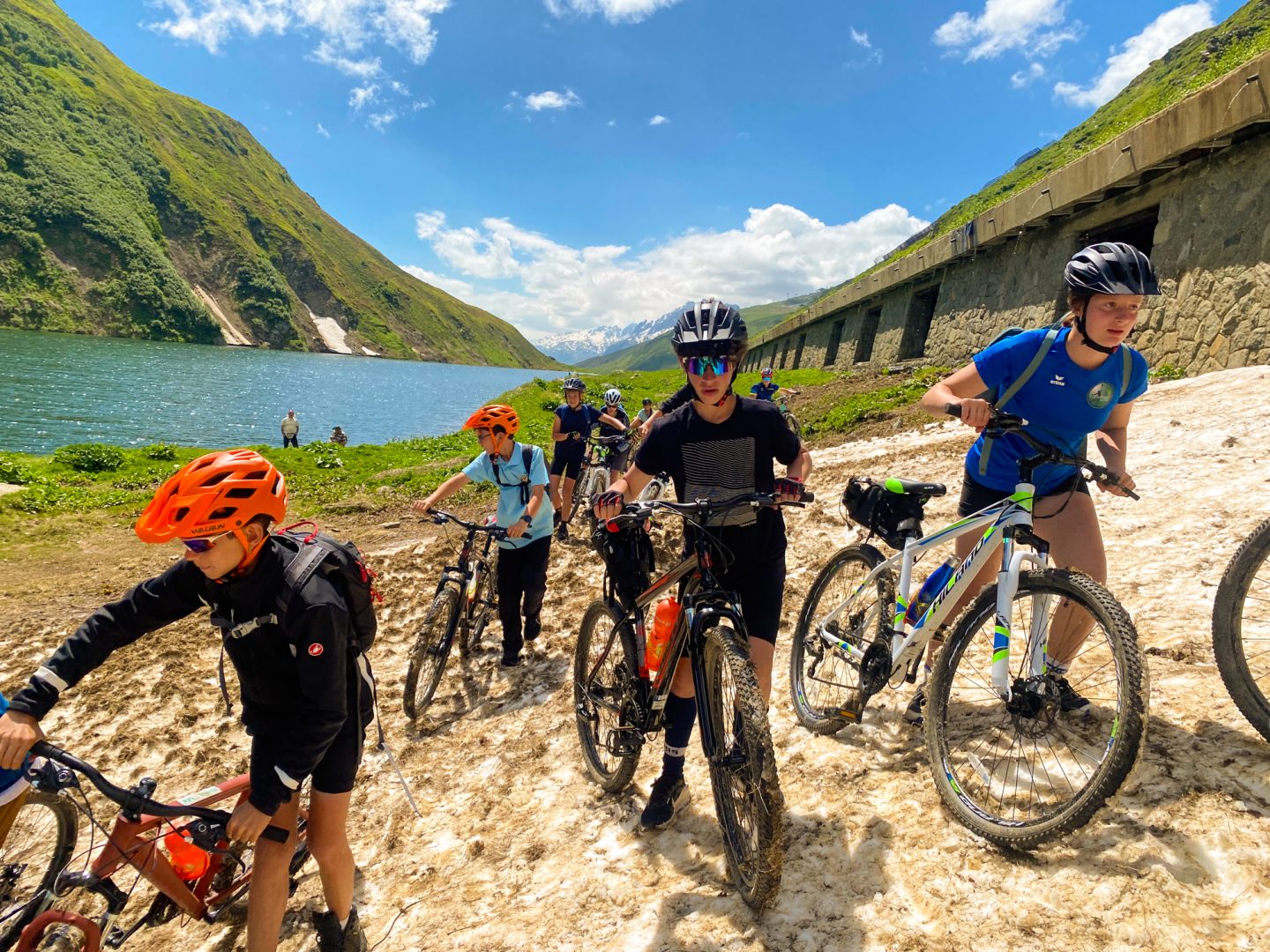
I focus on the concrete safeguards that make an overnight camp abroad safe and manageable for both you and your child. Good camps state clear staffing ratios, strict background checks, accredited medical coverage, and predictable communication rules.
Staffing and ratios are the baseline. Accredited overnight camps commonly keep staff-to-camper ratios between 1:4 and 1:10 for younger campers. Expect lower ratios for high-risk activities such as water sports or ropes courses. I ask camps to show daily schedules that map supervision coverage so I can see who’s responsible and when. Also check the supervision hierarchy — lead counselor, activity head, on-duty manager — so lines of responsibility are obvious.
Background checks and staff training matter as much as ratios. I expect criminal background checks for every staff member, mandatory child-safeguarding training, and current first aid and CPR certifications for counselors. Ask camps how they hire and vet staff, how they supervise junior counselors, and what continuing on-site training looks like during the session. I recommend requesting recent staff training logs or a summary of in-session training modules.
Accreditation and on-site medical care should be non-negotiable. Request ACA (American Camp Association) accreditation or an equivalent regional standard for international locations. Confirm that the camp has on-site medical staff — an RN or EMT — and a written emergency action plan. I also ask for example allergy and food-handling protocols, plus the camp’s incident-reporting procedure so I can see how they document and learn from events.
Camps vary widely in communication norms and technology use. Many international programs limit phone contact to reduce homesickness and encourage independence. Typical norms include one phone call per week, scheduled short video calls, and periodic emails or postcards. Common channels and expectations include:
- Channels: WhatsApp, FaceTime, a camp email system, or camp-managed video times.
- Emergency contacts: parents are given an emergency-only direct line and a 24/7 emergency number for serious situations.
- Preparation: save those numbers and test apps before departure.
What to request from the camp and a short family agreement
Below are the specific items I always request and a compact family communication agreement I use.
- Copies of safeguarding policies, emergency action plans, and the incident-reporting procedure.
- Example daily schedules that clearly show supervision coverage and activity staffing.
- Proof of accreditation (ACA or equivalent) and named on-site medical personnel (RN/EMT) with contact hours.
- Sample allergy and food protocols, medication administration procedures, and medication storage rules.
- Written staff hiring practices, background-check policies, and a brief on in-session staff training.
- Verified 24/7 emergency contact and the local embassy or consulate contact for the camp’s country.
Sample family communication agreement:
- Frequency: one scheduled call or video per week (10–20 minutes). Short supportive emails via the camp system twice weekly. Emergency-only direct calls outside scheduled times.
- Tone: keep messages brief and positive; focus on encouragement and autonomy.
- Technology setup: establish WhatsApp or FaceTime before travel and save the camp’s emergency numbers locally and in the cloud.
- Contingencies: ask the camp how they’ll contact you if your child needs medical care, has a behavioral issue, or there’s an evacuation.
I also recommend reading my first summer camp guide for practical prep steps and a checklist to bring these safety conversations into your planning.
Social, emotional and cultural preparation (homesickness, language, independence)
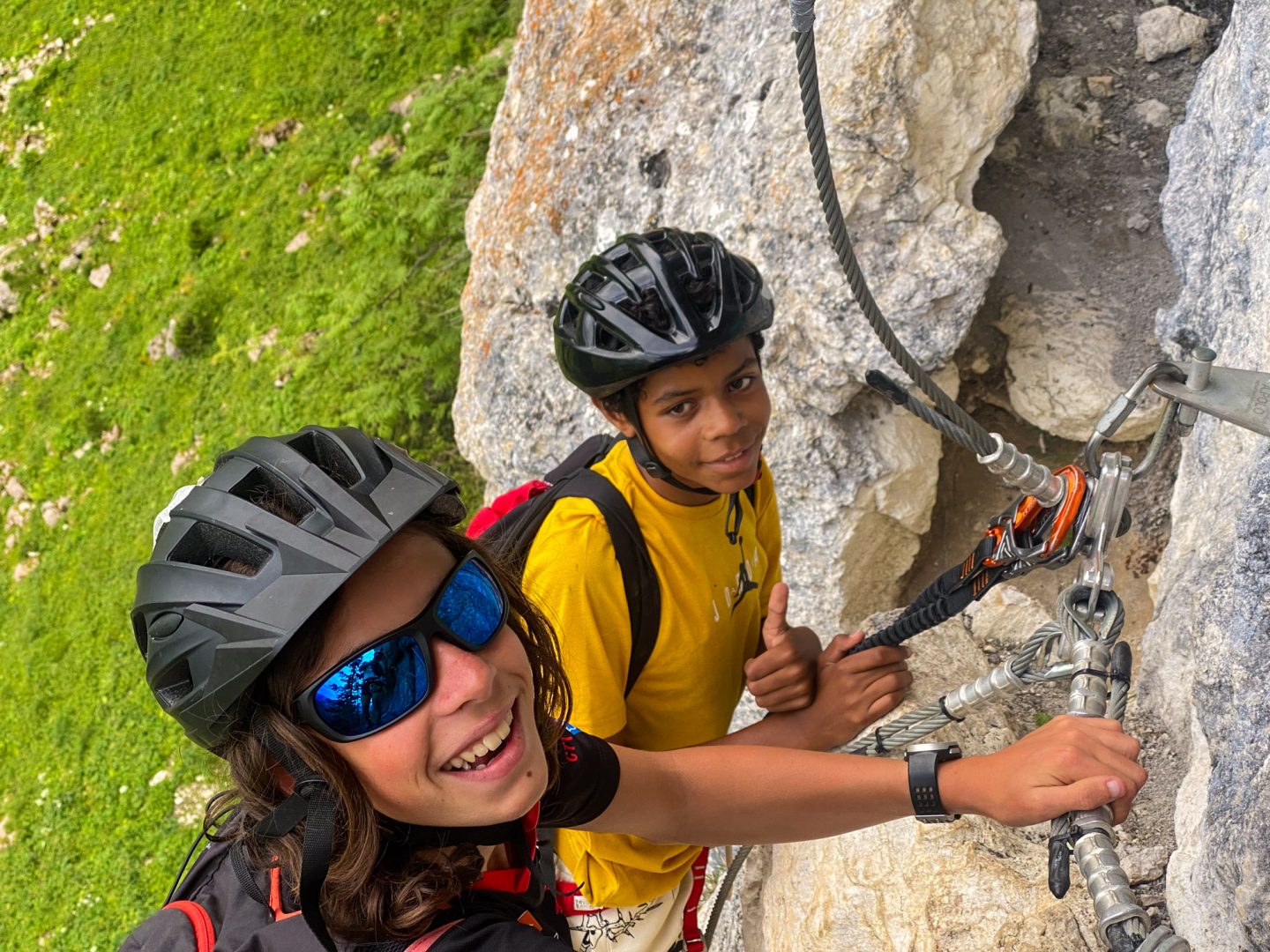
Homesickness is normal and often peaks in the first 24–72 hours. Camps expect this and run structured welcome routines, buddy systems, and counselor checks to help kids settle. I focus on building small, repeated wins before departure so your child feels capable rather than overwhelmed.
I recommend short practice separations, role-play problem-solving, and a simple carry-on comfort item. Pack that item with intention and teach one or two coping tools—deep breathing, naming three things they can see, or a short journal prompt.
Practical timeline, language plan and quick tools
Below are concrete steps and items to cover in the weeks before camp:
- 8–12 weeks out: Talk about camp positively. Read camp materials together and check an overview like the first summer camp guide. Frame the trip as an adventure and discuss the routines they’ll follow.
- 4–6 weeks out: Run practice separations—an overnight with grandparents or a domestic sleepover. Start 30–60 minutes per week of focused language exposure (apps, short tutor sessions, or kids’ videos).
- 4-week language plan (weekly themes):
- Week 1: Greetings & manners — hello, please, thank you, introductions.
- Week 2: Food & ordering — common foods and polite requests.
- Week 3: Directions & transport — how to ask where places are.
- Week 4: Emergency & practical phrases — I’m lost, I need help, Where is the nurse?
- 2 weeks out: Create a coping strategies list and pack a go-bag. Include a small comfort object in carry-on, a short breathing prompt, and a one-page list of phrases.
- Practice role-play problem-solving for common scenarios: asking a counselor for help, ordering a snack, or finding the bathroom. Run through a drop-off rehearsal so the goodbye is brief, confident, and predictable.
Key survival phrases to memorize:
- “I’m lost.”
- “I need help.”
- “Where is the nurse?”
Sample parent scripts you can use at drop-off or tuck into a note:
- Drop-off: “We believe in you. Have fun, try new things, and tell a counselor if you need help. We’ll be thinking of you and can’t wait to hear about it on your call.”
- Pre-camp note: “You’re brave and ready. Use your phrases, ask questions, and remember your breathing exercise. You’ve got this.“
I suggest these language resources for quick practice: Duolingo, Memrise, BBC Languages, and short children’s language videos. For cultural prep, cover local customs, mealtime etiquette, dress expectations, and how the local currency looks. At home, cook a meal from the host country, watch a kids’ show in the language, and role-play ordering food or asking for directions to build confidence before departure. For camps focused on English immersion, consider an English camp option to accelerate comfort and independence.

Packing, money, arrival logistics, templates and quick wins
I recommend packing with categories in mind so nothing essential gets left behind. For documents and organization I trust an AmazonBasics travel wallet or Sea to Summit organizer; a reliable daypack like the Osprey Daylite or Deuter Kikki works for hikes and excursions. Power needs are covered by an Anker PowerCore 20000 and a universal adapter such as EPICKA or Zendure. For comfort and sleep I pack noise-reducing options — JBL JR or Sony WH-CH510 are solid budget choices — and a PackTowl quick-dry towel. Hydration and safety belong to LifeStraw Go or Hydro Flask bottles, and a Black Diamond Spot headlamp covers night-time tasks. I include an Adventure Medical Kits Ultralight first-aid set, Mabel’s Labels for naming gear, and prescription meds in their original containers with a doctor’s note. For climate-specific details consult my guide on what to pack.
- Travel organization: AmazonBasics travel wallet, Sea to Summit organizer.
- Daypack: Osprey Daylite or Deuter Kikki for hikes and excursions.
- Power: Anker PowerCore 20000 + EPICKA or Zendure universal adapter.
- Comfort & sleep: JBL JR or Sony WH-CH510 headphones; PackTowl towel.
- Hydration & safety: LifeStraw Go or Hydro Flask; Black Diamond Spot headlamp.
- Medical & ID: Adventure Medical Kits Ultralight, Mabel’s Labels, prescriptions with doctor’s note.
Carry-on essentials stay with your child at all times: passport, medication, one change of clothes, a comfort object, the camp acceptance letter, travel wallet, and an emergency contact list. I keep a printed copy and a digital photo of prescriptions and insurance in an accessible folder.
Manage money with three layers: some local currency for immediate needs, a preloaded travel card for controlled spending, and a small emergency stash in USD or EUR. Pocket money typically ranges from €20–€100 per week depending on camp and excursions. Confirm whether the camp operates an internal account or tuck shop, and check ATM access and card acceptance before departure.
Arrival and contingency planning cut stress at pickup. Camps require a designated pick-up person to show ID and written authorization and normally need a list of approved names. I set a plan B for flight delays: name and phone for an authorized alternate adult and the camp arrival contact. Provide at least three emergency contacts: primary parents, a secondary adult back home, and a trusted local contact if available.
Prepare editable templates before you travel:
- Notarized parental consent letter (use sample wording in the camp documents).
- Travel document checklist.
- 6‑month planning timeline from selection to final checks.
- Packing lists by climate.
- Emergency contact & contingency plan template with authorized pick-ups.
- Short pre-camp conversation scripts and weekly-note templates.
Quick wins — action list parents can do today
Do these simple steps now to reduce last-minute hassle:
- Label everything using Mabel’s Labels.
- Make 3 physical copies of key documents and scan/send 3 digital copies to a trusted adult.
- Pack a comfort object in the carry-on.
- Test communication apps (WhatsApp or FaceTime) with your child before travel.
- Run a short separation or an overnight practice stay.
- Buy travel insurance early and confirm covered scenarios.
- Verify passport validity (6‑month rule), check vaccine requirements, and confirm airline unaccompanied minor policies.
Sources:
American Camp Association (ACA)
CDC Yellow Book (Centers for Disease Control and Prevention)
World Nomads
Allianz Global Assistance
AXA Assistance
IMG (International Medical Group)
Duolingo
Memrise
BBC Languages
AmazonBasics
Sea to Summit
Osprey (Osprey Daylite)
Deuter (Deuter Kikki)
Anker (PowerCore)
EPICKA
Zendure
JBL (JBL JR)
Sony (Sony WH-CH510)
PackTowl
LifeStraw (LifeStraw Go)
Hydro Flask
Black Diamond (Black Diamond Spot)
Adventure Medical Kits (Ultralight)
Mabel’s Labels