Study Abroad Programs For Teenagers In Switzerland
Switzerland gives teens immersive German, French and Italian programs—summer camps, exchanges and Alpine adventures.
Switzerland: Teen Multilingual Immersion
We find Switzerland gives teens real multilingual immersion in German, French, Italian and Romansh. Cantons set local routines that push students to use languages every day and that also open fast access to Alpine outdoor activities. Programs run from 2–4 week summer camps to semester or year exchanges and internships, and they’ll usually provide 15–30 contact hours per week. Students often gain about one CEFR level every 4–8 weeks. We recommend families check canton rules, visa requirements, costs and supervision before committing.
Key Takeaways
Map language to canton
Language and canton alignments help placement and integration:
- Geneva and Lausanne — mainly French.
- Zurich and Bern — mainly German.
- Lugano (Ticino) — mainly Italian.
Cantons control education policy, term dates and local approvals; those decisions shape placement and how well students integrate.
Program types and ages
Program types and age ranges vary; intensity drives expected language gains:
- Summer camps: ages 10–17.
- Short immersions (4–8 weeks): ages 13–18.
- Semester exchanges: ages 14–18.
- Boarding tasters and internships: ages 13–16+, depending on program.
Costs and scholarships
Expect clear cost bands; always check what is included or excluded and apply for support early:
- 2–4 week camps: CHF 1,200–6,000.
- 4–8 week immersions: CHF 2,000–8,000.
- Semester exchanges: CHF 5,000–20,000.
- Boarding (per year): CHF 40,000–140,000.
Confirm whether fees cover tuition, accommodation, meals, activities, insurance and travel; look for scholarships or early-application discounts.
Visa and legal requirements
Visa and residence rules matter and timing can be significant:
- Short stays: follow Schengen rules.
- Longer placements: require a national visa and a cantonal residence permit; processing can take about 4–12 weeks.
- Prepare key documents: passport, birth certificate, notarized parental consent, insurance, and acceptance and accommodation confirmations.
Accommodation choices
Choose accommodation by goals and age:
- Homestays — best for daily language practice and cultural immersion.
- Boarding — provides structured pastoral care and routines.
- Student residences — suit older teens seeking independence.
Verify supervision ratios, emergency protocols and confirm 24/7 support. Plan for practical logistics such as Swiss public transport and seasonal program schedules.
Final reminder: check canton rules, visa requirements, costs and supervision carefully before committing to any program.
https://youtu.be/MO0jS3NJzys
Why Choose Switzerland for Teen Study Abroad
Switzerland gives teens a rare four-language advantage: German, French, Italian and Romansh. We, at the Young Explorers Club, recommend picking the canton that matches the target language — Geneva or Lausanne (Vaud) for French, Zurich or Bern for German, and Lugano in Ticino for Italian. Daily life — school, shops and public transport — reinforces classroom lessons and turns vocabulary into usable skills.
Cantonal differences are substantial. The country has 26 cantons and each sets its own education policy, school calendar and compulsory schooling ages (generally about 4/5 to 15/16). Always check the canton for exact term dates, compulsory-age rules and any local approvals required for exchange students. Local variation affects placement, host-family arrangements and how quickly a teen can integrate into classes.
Switzerland is also one of the safest study-abroad settings. It regularly ranks among the top countries on the Global Peace Index, and it scores highly on education quality indicators in OECD comparisons. Those factors make it easier to focus on learning and personal growth in a secure environment.
Typical program types available
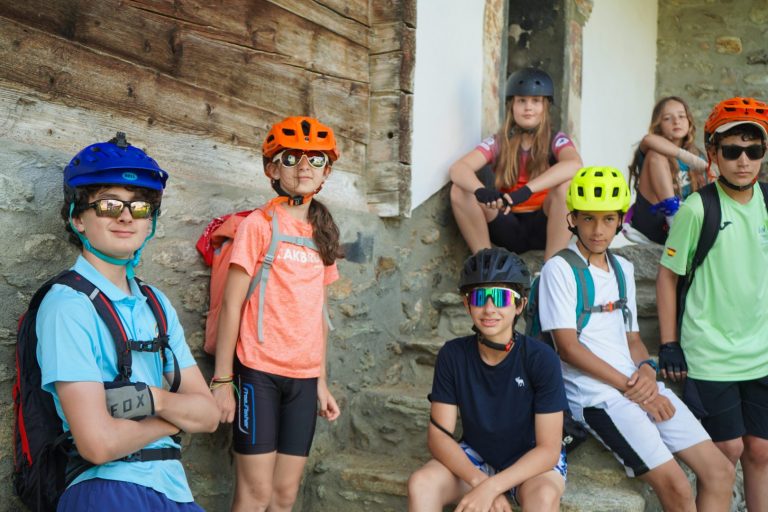
- Summer camps — short, activity-rich courses that mix sports and language. We run focused English and multilingual camps, including our English camp options that combine tuition with Alpine adventure.
- Short-term language immersion (2–8 weeks) — intense classroom time plus homestay practice.
- Semester/year high-school exchange — full academic integration for one term or a full year.
- Boarding-school short stays and taster semesters — a glimpse of longer-term boarding life with academic oversight.
- Gap-year programs — structured language and cultural immersion before university.
- Supervised internships for older teens — practical work experience in a Swiss business or NGO.
High-level comparison with other popular destinations helps clarify the choice. The UK and USA usually offer single-language immersion and big-city cultural programs. France gives excellent French immersion but less regional language variety. Switzerland stands out for genuine multilingual exposure across regions and unrivaled access to outdoor activities in the Alps — hiking, skiing and lakes are right on hand, and they accelerate language practice in informal settings.

Program Types, Age Ranges and Language/Academic Outcomes
We, at the Young Explorers Club, divide study-abroad options for teens into clear program families so families can match goals to format and intensity. The main types and typical ages are:
- Summer language camps — ages 10–17, intensive social and activity programs; we run an English camp that follows this model.
- High school exchanges — ages 14–18, one term or a full academic year at a local public school with a host family.
- Boarding school taster semesters — ages 13–18, short stays inside private schools to sample the full boarding timetable.
- Study-travel / leadership programs — ages 14–18, blended language classes with leadership projects and outdoor challenges; we also offer a dedicated youth leadership option.
- Vocational internships — usually 16+, supervised placements in Swiss businesses for hands-on skill building.
- Gap-year / volunteer projects — 16–19+, longer experiential placements with community or conservation partners.
We set expectations on instructional intensity so families can plan realistic outcomes. Language courses typically range from 15–30 contact hours per week, plus cultural activities. Programs commonly advertise that intensive immersion at 20–30 hrs/week yields roughly one CEFR level improvement per 4–8 weeks. Beginners often reach A2 after a 4–8 week intensive block, while intermediate learners commonly gain one full level within the same span. Progress will vary by starting level, age, motivation and out-of-class practice; we coach students to use evenings and weekends for active review.
Sample program formats and what they mean in practice:
- Summer language camp (2–4 weeks intensive): about 20 hrs/week of classroom instruction plus 2–3 activity/excursion slots weekly (museums, local hikes, sports). We combine structured lessons with social time to cement language use.
- Short-term immersion (4–8 weeks): 15–25 hrs/week plus weekend trips; options include host family or student residence. We emphasize real-life practice such as shopping, transit and clubs.
- Semester exchange (~4–5 months): students attend a local public school on the canton timetable and live with a host family. We support academic integration and credit transfer planning.
Compact comparison: quick reference
Use this compact comparison to match duration, age, intensity and living arrangement:
- Summer camp — Duration: 2–4 weeks; Ages: 10–17; Intensity: ~20 hrs/week + 2–3 excursions/week; Living: host family or camp boarding.
- Short-term immersion — Duration: 4–8 weeks; Ages: 13–18; Intensity: 15–30 hrs/week; Living: host family or residence.
- Semester exchange — Duration: ~4–5 months; Ages: 14–18; Intensity: local school schedule (full school days); Living: host family.
- Boarding school taster semester — Duration: taster semester; Ages: 13–18; Intensity: full boarding school timetable; Living: dormitory.
We provide sample weekly schedules so families know daily life in each format. A typical 2–4 week summer camp week runs Mon–Fri 09:00–12:30 for language classes (≈15 hrs) then 14:00–17:00 activities/excursions (≈10 hrs), plus two evening cultural events. A semester exchange mirrors Swiss school days: Mon–Fri 08:00–16:00 (≈25–30 hrs/week) with extracurriculars and weekend homestay immersion.
Weekly schedule example (summer camp):
- 09:00–12:30 — classroom language instruction (focused skills and practice).
- 12:30–14:00 — lunch and free social time.
- 14:00–17:00 — activities/excursions (project work, sports, local visits).
- Evenings — two cultural events per week for conversational practice and social immersion.
We recommend planning language gains conservatively. With 20–30 hrs/week of structured instruction and daily exposure, aim for ~1 CEFR level per 4–8 weeks, but expect variation. We emphasize motivation, regular homework, peer conversation and local interactions to accelerate gains. For academic credit and school placement, we advise early coordination with home-school guidance counselors and clear learning objectives so semester exchanges and taster stays align with long-term goals.
https://youtu.be/seKxX3KbGYw
Costs, Scholarships and Financial Benchmarks
We break costs into clear bands so families can plan realistically. Summer language camps (2–4 weeks) typically run CHF 1,200–6,000 and usually cover tuition, accommodation (host family or dorm), some meals, local excursions and sometimes airport transfer. Short-term language immersion (4–8 weeks) generally sits between CHF 2,000–8,000 with tuition, lodging and some excursions often included. Semester exchanges (4–5 months) range widely from CHF 5,000–20,000 depending on whether the program uses a host family or pays boarding tuition. Full academic years at Swiss boarding schools are CHF 40,000–140,000 per year; prestige and facilities drive the high end.
What’s included versus excluded
Ask providers to confirm line-by-line inclusions. Typical inclusions and exclusions look like this:
- Typical inclusions: tuition, accommodation (host family or dorm), specified meals, local excursions, orientation and some airport transfers.
- Typical exclusions: international flights, visa fees (if applicable), supplemental insurance, pocket money and local transport beyond scheduled activities.
Always verify emergency support levels (24/7 contact), supervision and whether insurance is bundled.
Visa and extra costs: We list common visa and extra costs so there are no surprises. Schengen short-stay visas cost €80 for adults and €40 for children 6–12; under-6s travel free for short stays. Canton processing for long-stay permits often adds CHF 50–150. Expect international flights, local transit, pocket money and private travel/medical insurance to add CHF 100–600+ depending on duration and coverage.
Scholarships, aid and sample budgets
Be proactive in your funding search. Common scholarship sources include international exchange providers and foundations such as AFS and Rotary, plus school bursaries and provider-specific awards. Typical scholarship coverage is partial (25–75%); full scholarships to private boarding schools are rare but some foundations and schools offer substantial bursaries.
Take these actionable steps:
- Search provider scholarship pages and official program sites for deadlines and application details.
- Contact local Rotary or service clubs and community foundations for small grants or matching funds.
- Speak with school counselors about bursary options or school-led funding opportunities.
- Prepare standard documents: essay, references, transcripts and proof of need well before deadlines.
We also provide quick sample budgets to ground expectations:
- Two-week mid-range summer camp: program CHF 1,500 + flight CHF 300–800 + insurance CHF 40–150 + pocket money CHF 100 = CHF 1,940–2,550.
- Four-week immersion (mid-range): program CHF 3,000 + flight CHF 400–1,200 + insurance CHF 80–250 + local transit/pocket money CHF 200 = CHF 3,680–4,650.
- Semester host-family exchange: program CHF 8,000 + flights CHF 700–1,500 + insurance CHF 200–600 + local expenses CHF 500–1,000 = CHF 9,400–11,100.
Compare options: We advise families to compare Swiss options against alternatives (Spain/UK) and to choose the best camp based on what the fee actually covers.
https://youtu.be/seKxX3KbGYw
Visa, Legal, Safety and Health Considerations
Short stays (≤90 days) fall under Schengen short-stay visa rules for nationals who need a visa. Fees are €80 for adults, €40 for children 6–12, and free for children under 6 on short visits. Longer placements (>90 days) require a national long-stay visa and a cantonal residence permit. Expect residence-permit processing of about 4–12 weeks depending on the student’s nationality and the canton. We, at the young explorers club, always advise starting applications early.
Cantonal schooling rules matter. Compulsory schooling runs roughly until age 15–16 and starts at about 4–5, but it varies by canton. Exchange students must comply with the host canton’s requirements and program approvals. Contact the canton’s education office if you’re unsure. Airlines and border officials often request parental consent for minors traveling without both parents. Have a notarized parental consent and travel authorization ready.
Typical visa document checklist
Below are the common documents we require and recommend families prepare before travel:
- Passport valid for at least six months beyond planned stay
- Birth certificate
- Notarized parental authorization/travel consent (for minors)
- Proof of comprehensive insurance (short-term or proof of intent to register for cantonal coverage)
- Official program acceptance letter
- Accommodation confirmation from host or host family
- Recent passport-size photos
- Proof of financial means (when requested by authorities)
We also tell families to make multiple copies and store scans in a secure cloud folder accessible to both parents and the student.
Health, safety and practical legal tips
Switzerland ranks high for safety, and I encourage students to act responsibly to keep it that way. Swiss health care is excellent. Residents must register for Swiss health insurance. Short-term visitors should buy private travel and medical insurance that covers treatment, repatriation and liability. Plan an insurance budget of roughly CHF 100–600+ depending on trip length and coverage level.
Prepare an emergency protocol before departure. Create an emergency-contact list and include local host details. For long stays, register with your home embassy. Important local numbers are 112 for general EU emergencies and 144 for ambulance in Switzerland. Keep notarized parental consent and paper copies of key documents in the student’s carry-on. Ask the host canton or program whether a special study authorization or cantonal approval is required for high school exchanges. Expect residence permit processing times of 4–12 weeks and factor that into travel dates. For practical tips on preparing paperwork and travel, see our guide on preparing your child.
Where to Study: Regions, Cities, Schools and Program Providers
We map language, environment and curriculum first. Choose a canton that matches the language your teenager wants to learn. German-speaking cantons centre on Zurich, Bern and Lucerne, where Swiss German (and standard German) dominates. For French immersion, pick Geneva, Vaud (Lausanne) or Neuchâtel. The Italian-speaking option is Ticino, with Lugano as the main hub. For outdoor-focused programs, look at mountain and resort towns like Zermatt, Verbier, Interlaken and St. Moritz.
Program type dictates provider choice. EF (Education First) runs short-term language and cultural summer programs and intense immersion courses. For semester and full academic-year exchanges, consider AFS Intercultural Programs, Youth For Understanding (YFU) and Rotary Youth Exchange. CIEE offers both teen exchanges and summer/semester options. Rotary Youth Exchange often operates with community sponsorship and may include full or partial scholarship routes. We always check a provider’s safety policies, local supervision and accreditation before recommending enrollment.
Boarding schools and short-stay providers give a different route for international study. Institutions to consider include TASIS (The American School in Switzerland), Institut Le Rosey (taster programs), Aiglon College, Lyceum Alpinum Zuoz, Collège du Léman and St. George’s International School. Many run taster semesters, summer boarding and full-year boarding; these suit students who want a residential campus experience and structured pastoral care.
Curriculum and accreditation matter for credit transfer and university recognition. Exchange students often attend Swiss public schools following the canton-approved curriculum, or they enroll in international schools that deliver US, British or IB curricula. The Swiss Conference of Cantonal Ministers of Education (EDK) is the body that oversees recognition across cantons. Many international schools hold IB authorization and belong to quality bodies such as the Council of International Schools, so always confirm those credentials when comparing programs.
I’ll spell out how I match student goals to place and provider in practical terms.
Selection checklist and quick recommendations
- Map language to canton: pick Geneva or Lausanne for French, Zurich or Bern for German, Lugano for Italian.
- Match provider to program type: EF for summer language immersion; AFS/YFU/Rotary for semester/year academic exchanges; CIEE for flexible teen exchange and summer options.
- Confirm curriculum and credits: ask if the host school follows canton curricula, IB, A-levels or US curricula and whether home schools will accept credits.
- Verify accreditation and oversight: check EDK recognition for public-school placements and IB/CIS/other accreditations for international schools.
- Check accommodation and pastoral care: choose homestay for local language practice or boarding for structured support.
- Prioritize safety and supervision: review a provider’s local staff ratios, emergency protocols and past inspection reports.
- Consider setting and extracurricular focus: choose cities for urban culture and internships; choose Zermatt, Verbier, Interlaken or St. Moritz for outdoor adventure programs.
- Explore short-term tasters if unsure: many boarding schools run summer or term taster programs to test fit before committing to a year.
We at the young explorers club also recommend using targeted short programs to test language fit before a long exchange. For teens who want summer immersion plus active learning, an English camp is a practical starting point that builds confidence and language fluency quickly. When comparing costs, factor in travel, insurance, visa support and extracurricular fees.
Logistics, Accommodation, Travel and Student Experience
Accommodation and supervision
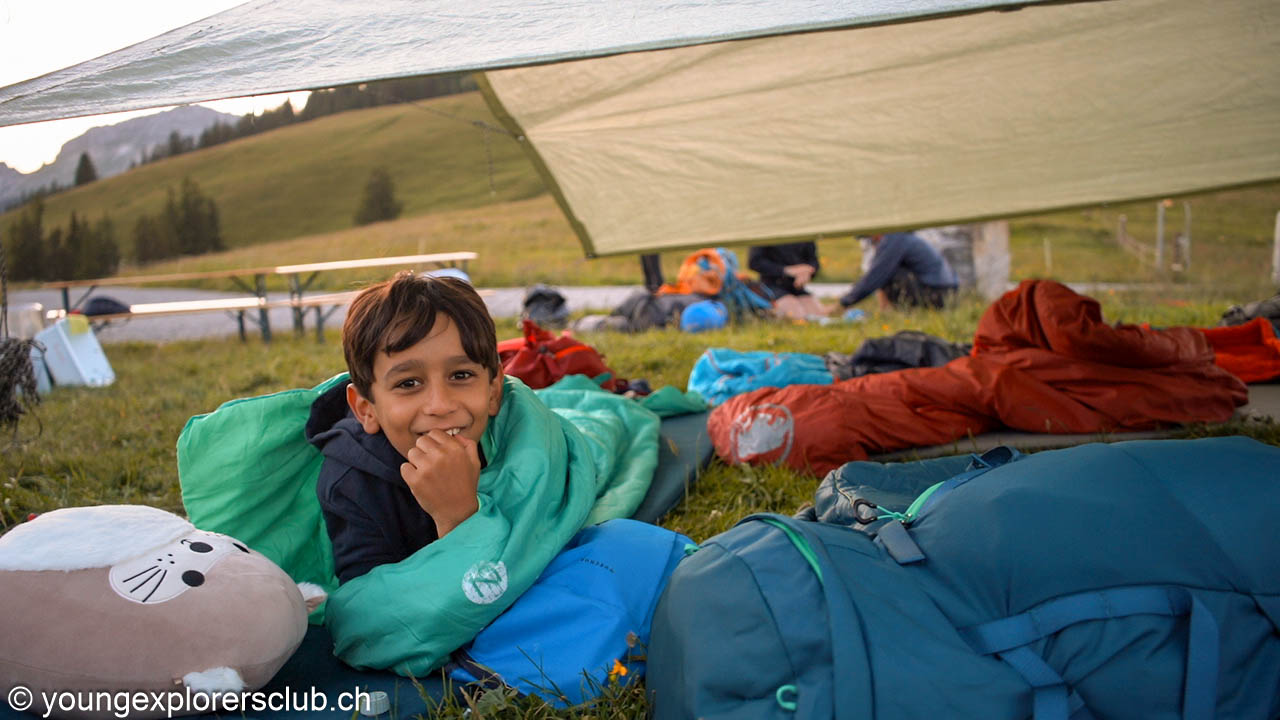
We, at the Young Explorers Club, place students into three primary accommodation types and match each option to the student’s age, language goals and program length. Below are the core formats and what to expect from supervision and daily life:
- Host family placement — Full board with daily family supervision and strong local cultural immersion; ideal for shorter exchanges and language practice with real-life routines. I recommend host families for younger teens or first-time overseas stays.
- Boarding school dorms — Higher supervision with a structured academic timetable, evening study hours and full campus life; day/boarding choices are often available. This suits students aiming for an academic semester or potential long-term placement.
- Student residences / supervised shared apartments — Typically intended for older teens; supervision rules apply but students get more independence and communal living experience. Choose this for mature students on longer summer or semester programs.
I always advise checking supervision ratios, curfew rules, and emergency contact availability before you commit. Verify whether the provider runs regular welfare checks and how medical care is handled; those details matter for parents and guardians.
Travel logistics, seasonality, schedules and student outcomes
Switzerland’s public transport is extensive and reliable. Trains run across cantons via SBB Swiss Federal Railways and regional buses. Zurich–Geneva takes roughly three hours by train. Major international airports are Zurich (ZRH), Geneva (GVA) and Basel (BSL/MUL); Lugano (LUG) serves regional flights. We arrange flight guidance and arrival pickups where possible. Students should consider half-fare cards, youth passes or program-arranged transit options to cut daily travel costs.
Seasonal programs follow predictable patterns. Winter (Dec–Mar) emphasizes snow sports: skiing and snowboarding lessons plus mountain safety briefings. Summer (Jun–Aug) focuses on intensive language instruction, alpine hikes, lake sports and cultural excursions in Zurich, Geneva and Bern. Expect chocolate or cheese-factory visits and city museum tours as standard cultural extras.
Applications and pre-departure steps require lead time. For summer/short programs apply three to nine months ahead; for semester/year exchanges or boarding school placements allow six to twelve months. Key documents include:
- Passport (valid six-plus months)
- Birth certificate
- Parental consent (notarized if required)
- Academic transcript
- Language test scores if requested
- Health records and proof of insurance
We run a pre-departure checklist and offer an orientation; see our guidance on preparing your child for specifics.
Pack for alpine variability: layer base, mid and waterproof outer garments; bring warm mid-layers and a waterproof jacket. Winter travelers must pack a warm hat, gloves and technical gear if the program involves mountain sports. Electronics need plug types C and J; include a portable battery, phone charger and consider a local SIM or eSIM. Digitally prepare by downloading offline maps, translation apps and storing scanned copies of passports, visas and insurance.
I recommend these on-the-ground tools:
- SBB Mobile or the Swiss Travel System app for timetables
- Duolingo, Babbel or Memrise for extra language practice
- Revolut or Wise for low-fee transfers plus a Visa/Mastercard for everyday use
- WhatsApp for messaging and Google Maps offline for navigation
- Any specific exam prep apps if the student targets Goethe or DELF exams
Typical weekly schedules vary by season. A summer intensive week often runs Mon–Fri 09:00–13:00 for language classes (around 20 hours/week) with afternoon excursions two days a week and a weekend cultural trip. A winter sports week commonly pairs morning classes with 13:30–16:30 ski lessons, totaling roughly 25–30 hours/week of combined instruction and sport.
Trackable outcomes matter. Language improvement of about one CEFR level per four to eight weeks at 20–30 hours/week is a realistic benchmark. Request provider metrics on program satisfaction rates, percentage reporting language gains and proof that advertised CEFR progress was achieved. Confirm 24/7 emergency contact availability and local support before departure.
Key timeline milestones to follow:
- 9–12 months before: research programs and canton rules
- 6–9 months: apply and collect documents
- 2–4 months: finalize flights, insurance and placement
- Arrival: orientation, registration with local authorities if required, and confirmation of emergency contacts
I always encourage families to keep both printed and digital copies of all documents and a clear emergency plan with local contacts.

Sources
Swiss Federal Statistical Office — Education and science
Swiss Federal Statistical Office — Languages in Switzerland
State Secretariat for Migration (SEM) — Entry to and residence in Switzerland
Swiss Conference of Cantonal Ministers of Education (EDK) — Education in Switzerland
OECD — Education at a Glance
Institute for Economics & Peace / Vision of Humanity — Global Peace Index
ch.ch (Swiss government portal) — Studying in Switzerland
Federal Office of Public Health (FOPH / BAG) — Health and vaccination information
SBB CFF FFS — Timetables & Tickets (Swiss Federal Railways)