Summer Camps For 9-12 Year Olds: Adventure Programs
Young Explorers Club: adventure camps for 9-12-year-olds — day or residential programs with hiking, paddling, climbing & leadership skills.
Young Explorers Club Adventure Camps
We, at the Young Explorers Club, run adventure camps for 9–12‑year‑olds as day programs or multi‑day residential sessions. Each mixes hiking, paddling, climbing, challenge courses and wilderness skills. Programs focus on practical competence, peer leadership and sound backcountry judgment. Children move through staged progressions from short day outings to multi‑night treks. Daily MVPA of 60–120 minutes plus structured challenges drives gains in confidence, teamwork, problem‑solving and resilience.
Key Takeaways
- Two primary formats: day camps (kids return daily; flexible 1–8 week blocks; groups ~10–20) and residential sessions (immersive 1–4 week blocks; cohorts ~8–12). Day options emphasize routine; residential sessions build independence.
- Progression and skills: Programs use a clear progression (day outings → one‑night overnights → multi‑night treks). We build navigation, paddling, climbing and leadership skills safely along the way.
- Measurable benefits: Participants typically meet or exceed activity guidelines and show improved fitness and motor skills, with documented gains in confidence, teamwork and decision‑making.
- Safety and quality: Programs follow accreditation‑aligned practices: background checks, CPR/WFA‑certified staff, activity‑specific ratios (commonly 1:6–1:10), written emergency plans and regular equipment and facility inspections.
- Costs and planning: Costs vary (day: $150–$400/week; overnight: $600–$2,000+/week). Many camps offer financial aid or sliding scales. We recommend booking in Jan–Apr. Plan 3–6 months ahead and budget for gear and transport.
How to Prepare
When enrolling, confirm the program format (day vs residential), review the detailed packing list, and ensure medical and permission forms are submitted. Consider prior short outings to build readiness for overnight trips, and discuss any specific behavioral or medical needs with staff in advance.
Safety and Staffing Details
Safety is central: staff complete required certifications, we maintain clear staff‑to‑participant ratios, and emergency procedures are written and practiced. Regular equipment checks and facility inspections are part of our quality routine. If you need documentation for accreditation or insurance, request it at registration.
Booking and Financial Options
Reserve spots early—popular weeks fill quickly. Many families secure sessions by booking between January and April. If cost is a concern, ask about available financial aid, scholarships or sliding‑scale options when you inquire.
Essential overview: What adventure summer camps are and why 9–12-year-olds are an ideal fit
Definition and formats
An adventure summer camp is an outdoor-education program delivered in multi-day residential sessions or as day-camp formats that focus on outdoor recreation, wilderness skills, challenge courses, paddling and rock climbing, and overnight backpacking. We, at the young explorers club, run both models so families can choose gradual exposure or immersive experiences.
Residential sessions commonly run 1–4 weeks per session and stack activities into multi-day expeditions. Day camp runs daily sessions and can span 1–8 weeks in total, letting kids join for a short block or the whole summer.
Program structure matters. Overnight formats emphasize multi-day problem solving, group living skills, and backcountry competence. Day-camp formats emphasize skill practice, routine, and frequent home-time debriefs. Staff-to-camper ratios, daily rhythms, and safety briefings differ accordingly, and we set schedules with clear transitions and consistent supervision.
Groups, age focus, and quick comparison
Typical cohort sizes look like this:
- Day camp: daily sessions; group size 10–20 campers for activity groups.
- Overnight camp: 1–4 week sessions; cohort size 8–12 campers for overnight groups.
Nine- to twelve-year-olds hit a sweet spot for adventure learning. They show growing autonomy, stronger problem-solving, increasing physical endurance, and a rising sensitivity to peer approval. Those traits make them eager to try overnight expeditions but still in need of structured adult guidance.
We structure progression steps so kids build skills without getting overwhelmed:
- Short day outings
- One-night overnights
- Multi-night treks
One-sentence comparison: Day camps provide daily-return routines and flexible session lengths suitable for gradual exposure, while overnight camps provide immersive, multi-day experiences that accelerate independence and group bonding.
Practical recommendations based on these formats:
- Choose day camp for staged exposure, daily continuity, and flexible scheduling.
- Opt for overnight sessions to fast-track social cohesion, practical independence, and extended wilderness skills.
- Match session length to prior experience: new campers start with shorter blocks; returning campers take longer expeditions.
See sections below for developmental goals, staffing, and sample schedules that expand on how program design supports 9–12-year-old skill growth and safety, and read what kids should expect for a practical preview.

Top benefits and measurable outcomes of adventure programs
We, at the young explorers club, focus on clear, measurable gains from our adventure programs for 9–12 year olds. Kids get sustained physical activity on camp days — typically 60–120 minutes of moderate-to-vigorous physical activity (MVPA) per day — which meets or exceeds the national guideline of 60 minutes. That daily movement improves fitness, motor coordination, and energy regulation fast.
I see mental-health changes quickly. Camp participation links to reduced anxiety and higher self-confidence, and time outdoors lowers stress and boosts mood. Social and social-emotional learning outcomes are tangible too. Adventure tasks and group challenges produce measurable gains in teamwork, leadership, conflict resolution and resilience in both single-session and multi-year studies. Practical skills show up as concrete competence: navigation, knots, paddling and safe climbing translate into real-world independence and situational judgment. Cognitive benefits follow: planning, decision-making and problem-solving improve after repeated challenge-course work.
For a concise overview of program advantages, see our camp benefits guide.
Industry-average example (hypothetical): a 2-week residential adventure session reports 85% retention, a mean +0.6 SD improvement on a pre/post self-confidence scale, and average daily MVPA estimates of 75 minutes per camper. Those figures show how program design converts into measurable change.
Metrics to track and measurement recommendations
- Retention rate — reveals program fit and long-term appeal.
- Parent satisfaction % — captures perceived benefit and areas for service improvement.
- Pre/post outcome measures — use validated self-report scales for confidence, teamwork and anxiety to quantify change.
- Attendance and daily MVPA estimates — combine activity logs or wearable data with session plans for objective activity measures.
- Incident reports and safety logs — monitor risk trends and the effectiveness of instruction and protocols.
Use a mix of objective and subjective measures and always collect baseline data. Pair attendance and incident logs with pre/post surveys to show progression. Report simple, clear outcomes to parents: percentage improvements, retention, and average daily activity minutes. I also recommend regular checkpoints across multi-week or multi-year programs so you can detect trends early and refine curriculum and staffing to keep those gains growing.

Typical activities, skill progression, sample schedules (day and residential), and packing essentials
We program varied backcountry and water-based activities so campers build skills and confidence fast. We emphasize progression, safety, and peer leadership during every session. For more on daily rhythms and expectations, see what kids should expect.
Activities, schedules and kit
Typical activities we run include:
- Hiking, backpacking and navigation (map & compass).
- Climbing and belay practice on top-rope routes.
- Canoeing, kayaking and paddleboarding.
- Mountain biking and low-ropes challenge courses.
- Wilderness skills: knots, fire safety, shelter setup.
- Environmental interpretation and simple field science.
- Evening programs: campfire, stargazing and reflection sessions.
Residential sample day (exact times):
- 07:30 wake
- 08:00 breakfast
- 09:00–12:00 activity block
- 12:30–13:30 rest/lunch
- 14:00–17:00 activity
- 18:00 dinner
- 19:30 evening program
Sample 5-day progression — day-camp variant:
- Day 1 (Beginner): Orientation, basic knots, intro to orienteering, short supervised hike.
- Day 2: Paddle fundamentals, low-ropes trust activities, map-reading basics.
- Day 3: Intro to climbing and top-rope practice; longer navigation hike.
- Day 4: Intermediate challenge-course, team leadership tasks, demo of overnight skills (packing, tent etiquette).
- Day 5 (Wrap & assessment): Team expedition simulation, peer-led mini-activity, skill checklist and next-step recommendations.
Sample 5-day progression — residential variant:
- Day 1 (Beginner): Arrival, skills baseline (knots, PFD use), supervised short hike.
- Day 2: Canoe/kayak basics with safety drills, low-ropes challenges.
- Day 3: Climbing skills and belay demos, map-and-compass navigation hike.
- Day 4: Overnight expedition practice or backpacking shakedown, peer-led campsite setup with staff oversight.
- Day 5 (Leader milestone): Supervised team-led mini-expedition or lead belay demo; reflection and goal-setting.
Challenge progression example:
- Day 1: basic knots; Day 4: beginner ropes course; Day 10: supervised lead belay demo as a staff-supported leader-of-peers milestone.
Safety notes per activity:
- Helmets for biking and climbing and PFDs for all water sessions.
- Closed-toe shoes for hiking and biking; staff check footwear before departure.
- Gear logs and daily equipment inspections are maintained by camps.
- Staff follow activity-specific supervision ratios and keep medication logs.
Packing essentials and gear guidance — bring the following:
- Sturdy hiking boots, daypack and reusable water bottle.
- Sleeping bag (residential), layers, rain jacket and headlamp.
- Sun protection, insect repellent and personal toiletries.
- Personal meds clearly labeled with dosage instructions.
We provide technical kit such as helmets, lifejackets and climbing harnesses in most sessions; families should supply footwear, layered clothing and sleeping gear. Medical forms signed by a physician and labeled medication are required at check-in.
https://youtu.be/
Safety, risk management, accreditation, staffing and training
Safety is a non-negotiable priority. We require background checks for all staff, CPR and first-aid certification, written emergency action plans, regular facility inspections, and equipment maintenance logs. Those core practices reduce risk and make incidents easier to manage.
We follow nationally recognized accreditation and guidance where available. Camps we run or recommend meet ACA accreditation standards, and we align health policies with AAP and CDC guidance for sun protection, insect-bite prevention, and infectious-disease control. Lead instructors carry role-specific certifications such as lifeguard and Wilderness First Aid/Wilderness First Responder (WFA/WFR). Technical training often maps to ACA/AMGA/ACCT-aligned curricula for climbing, ropes, or backcountry activities.
Staffing and ratios are matched to activity risk and camper age. For general overnight supervision we plan for about 1:8–1:10 staff-to-camper; higher-risk activities use roughly 1:6–1:8. Water programs usually aim for 1:6 or better based on ages and abilities. Front-line counselor ages typically range from 18–25, while lead instructors are experienced adults with advanced certifications. Pre-camp training for staff commonly runs 20–50 hours depending on role: basic counselors focus on child supervision and behavior management, while instructors receive added technical and medical drills. We always include a medical responder on site — a nurse or EMT — or ensure multiple staff hold advanced first-aid credentials and medication-handling training.
Most incidents are minor. Sprains, cuts, and insect bites make up the majority of visits to the camp clinic. Serious injuries are uncommon when camps adhere to accreditation standards, maintain equipment logs, and drill emergency action plans regularly.
What parents should ask — quick checklist
Ask these questions before you commit; they’re practical and easy to verify:
- What background checks do you run on staff and volunteers?
- Are staff CPR and first-aid certified, and how often do they recertify?
- What is your vaccination and infectious-disease policy? (Do you follow AAP and CDC guidance?)
- What are your staff-to-camper ratios for overnight, water, and high-risk activities?
- How are bunks supervised overnight and what are the typical bunk arrangements?
- What water-safety protocols and PFD rules do you enforce?
- Do you maintain written emergency action plans and evacuation procedures?
- Who provides on-site medical care — a nurse, EMT, or trained staff — and how are medications handled?
- Can you show facility inspection reports and equipment maintenance logs?
- What pre-camp training hours do staff complete and who delivers that training?
Accredited programs usually answer these questions with documentation. They require staff vetting, written safety plans, scheduled facility inspections, equipment logs, formal training curricula, and incident-reporting systems. Non-accredited programs can still be safe, but common gaps include inconsistent background checks, less formal emergency planning, variable training hours, and fewer documented inspections. We recommend parents look for evidence of processes, not just promises.
If you want a short guide on picking camp offerings and safety standards, check how to choose for a deeper look at selection criteria and questions to ask.
Cost, financial aid, enrollment trends, sample program profiles, and how to choose the right camp
We price camps transparently so families can plan. Typical ranges run from modest day options to full residential sessions. Day camps usually cost about $150–$400 per week. Overnight programs commonly fall between $600 and $2,000+ per week. Two-week residential adventure sessions generally total $1,200–$3,600 depending on activities and staffing levels. Staff-to-camper ratios for residential adventure camps commonly sit around 1:6–1:10.
We allocate time to explain financial aid and accessibility. Many camps set aside a portion of spots for scholarships; some nonprofit programs may dedicate up to 40% of enrollment to financial aid or sliding-scale fees. You’ll also find work-exchange options at some access-focused organizations.
Budget for these ancillary costs in addition to base tuition:
- Transportation to and from camp.
- Personal gear such as hiking boots and a sleeping bag.
- Medical forms, vaccinations, or travel insurance.
- Optional trip or activity fees (whitewater, ropes course, lift tickets).
- Laundry, extended-care, or late pickup fees.
Enrollment trends and booking guidance
Demand for outdoor and adventure programs rose after the pandemic, and it’s stayed high. Peak booking season runs January–April. Book 3–6 months before camp starts for best availability; specialty adventure programs often fill even earlier. We recommend early deposits for popular sessions and double-check cancellation policies before you commit.
How to choose and budget
Below are the practical questions and a checklist we use when recommending camps. Use these to compare programs side-by-side before you enroll.
We suggest you ask these core questions:
- What are staff credentials and background-check procedures?
- What is the staff-to-camper ratio for my child’s age group?
- Can you show a sample daily schedule and the activity progression?
- What are the camp’s disciplinary, medical, and emergency policies, including evacuation plans?
- What medical staff are on site (nurse, EMT, physician) and what are medication procedures?
- How is transportation handled and are airport transfers available?
- Can you provide parent references or recent inspection reports?
How to build a realistic budget:
- Estimate gear costs: sleeping bag $50–$200; hiking boots $40–$150.
- Include round-trip transport, optional trip fees, and any extended-care charges.
- Factor deposit amounts and nonrefundable fees; confirm refund/cancellation rules.
- Plan for last-minute needs like mail, phone calls, or replacement gear.
Financial-aid tips that work:
- Apply early and gather income documentation ahead of time.
- Talk to camp directors about payment plans, sliding scales, or work-exchange options.
- Ask whether awards are partial or full and if they cover extras like travel.
We encourage trial options for younger or unsure campers. Consider day-camp trial days or half-week sessions before committing to multi-week overnights. For guidance on choosing, you can visit our page about how to choose the best summer camp for step-by-step criteria.
Sample program profiles
Residential adventure camp — Two-week sessions, typically $1,200–$3,600 for two weeks. Programming focuses on multi-day hikes, rock skills, paddling, and campcraft. Staff ratios usually range 1:6–1:10 for strong supervision and skill instruction.
Nonprofit access-focused camp — These programs may allocate up to 40% of spots to financial aid. Fees can operate on a sliding scale; work-exchange arrangements are sometimes available to reduce cash costs. Expect a mission-driven emphasis on inclusion and skill-building.
We track booking windows and program capacity closely. Book early during January–April to secure the session and bunk you want.

FAQs, quick checklists, and ready-to-use stats for parents
FAQs (short answers)
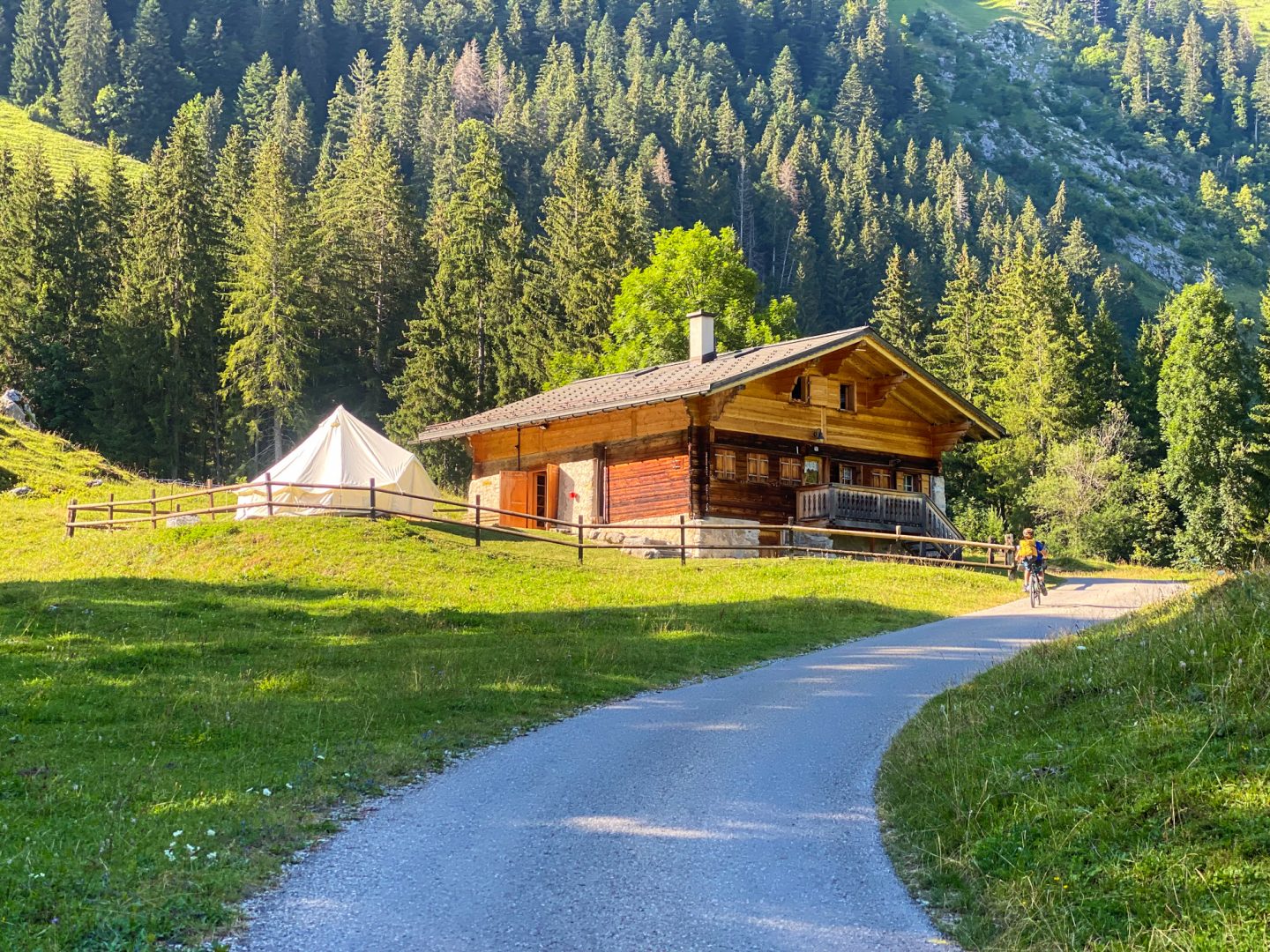
Is my 9-year-old ready for overnight camp? — Use this readiness checklist: prior nights away, independence with personal hygiene, and the ability to follow staff directions. Try a trial overnight or a short residential session if you want a low-risk test run. For a clear sense of daily life at camp see what to expect at a Swiss outdoor adventure camp. We, at the Young Explorers Club, recommend discussing separation strategies with staff before arrival.
What should I pack? — Pack hiking boots, a sleeping bag, layered clothing, a rain jacket, and sunscreen. Camps usually supply PFDs and helmets for water and climbing activities, but confirm with the camp.
What are staff ratios for high-risk activities? — Expect staff-to-camper ratios in the 1:6–1:10 range depending on the activity. Water and climbing programs tend toward 1:6 or better.
What certifications do counselors have? — Look for lifeguard credentials, Wilderness First Aid or Wilderness First Responder (WFA/WFR), and current CPR/first-aid certificates. Technical instructors should hold relevant skill certifications.
How much does camp cost? — Typical ranges run: day camp $150–$400 per week; overnight camp $600–$2,000+ per week. We suggest checking what’s included (meals, gear, transport) before you compare prices.
What if my child has special needs? — Ask about behavior-management training, medical staffing, and accommodation policies. Consider a trial day and submit detailed medical and behavioral information well before arrival.
Ready-to-use stats and quick references
- Typical daily physical activity at camp: 60–120 minutes of moderate-to-vigorous activity (note the general guideline of 60 minutes/day for children).
- Typical costs: day camp $150–$400/week; overnight camp $600–$2,000+/week.
- Staff ages: front-line counselors often age 18–25; lead instructors are usually 21+ with technical certifications.
- Staff-to-camper ratios: 1:6–1:10 depending on activity; water and climbing tend toward 1:6 or better.
- Booking window: peak research/booking runs Jan–Apr; book 3–6 months before your desired session.
- Financial aid allocations: some nonprofit camps may reserve up to 40% of spots for aid.
Quick print-and-go lists
Use these one-line lists for quick printing and reference.
- Documents to gather: physician-signed health form; current immunization records; clear medication instructions; emergency contact list.
- Questions to ask camps: Do you run background checks? Are staff CPR/first-aid certified? What are your 1:6–1:10 ratios? Do you have an emergency action plan? What are your water-safety protocols?
- Timeline reminder: Research Jan–Apr; apply and pay deposit 3–6 months before the session; submit final forms by May/June (check each camp’s deadline).
Caveat: These figures are industry averages and ranges; verify specific camp policies, certifications, and pricing with the program before you book.
Sources
Below are authoritative organizations and articles/reports related to adventure summer camps, outdoor education, safety, and research. Each link shows the organization name followed by the article or report title.
American Camp Association — Accreditation
American Camp Association — Benefits of Summer Camp for Kids
American Camp Association — Research & Reports
Centers for Disease Control and Prevention — Resources for Camps
Centers for Disease Control and Prevention — Drowning Prevention
Outdoor Industry Association / Outdoor Foundation — Outdoor Participation Reports
National Recreation and Park Association — NRPA Resources on Youth and Recreation
Journal of Adventure Education and Outdoor Learning — Journal Home (research on adventure education)
Wilderness Medical Society — Wilderness Medicine Education and Guidelines
Association for Experiential Education — Standards and Position Papers
Consumer Reports — How to Choose a Summer Camp