Swimming Team Camps In Switzerland
Switzerland: compact, well-connected venues with 25/50m pools, altitude bases and integrated sports-medicine for 5-14 day swimming team camps.
Switzerland Swimming Team Camps
Switzerland hosts compact, well-connected venues with 25 m and 50 m pools, indoor long-course options and alpine altitude bases that support focused, high-impact swimming team camps. Packages that combine sports medicine, underwater video, strength and conditioning, structured 5–14 day training blocks and clear staffing ratios produce measurable short-term gains, but they’ll raise per-person costs.
Key Takeaways
Logistics & Location
- Compact geography and strong rail and road links let teams move efficiently and run block training (examples: Zurich–St. Moritz ~3–4 h; Zurich–Davos ~2–2.5 h).
- Altitude bases provide training variety and recovery/adaptation options (examples: Engelberg ~1,015 m; Davos ~1,560 m; St. Moritz ~1,822 m).
Facilities
- Wide facility range: competition 25 m and 50 m pools, indoor long-course options, and dedicated support services for video and testing.
Typical Camp Format
- Duration: typical camps last 5–14 days (7–10 days common).
- Daily structure: mornings usually include 2–3 hour pool sessions; afternoons focus on dryland work and recovery.
- Performance gains: expected short-camp improvements of about 0.2–1.0% over a 7–10 day block.
Staffing & Safety
- Core staff: head coach plus assistants — recommended ratio 1 coach per 6–10 swimmers.
- Support roles: include a S&C coach, physiotherapist, and video analyst.
- Medical & safety: maintain formal emergency and insurance protocols and include lactate and time-trial testing to control training load.
Budget & Booking
- Budget range: approximately CHF 400–2,000 per person per week, depending on services, lodging standard and group size.
- Discounts: expect group discounts of roughly 10–25% for block bookings.
Summary: Switzerland is an efficient, high-quality option for concentrated swim team camps—offering strong transport links, diverse facilities including altitude bases, and the ability to deliver targeted, measurable gains when camps include integrated support services. Higher service levels and tighter staffing ratios will increase per-person costs but improve short-term outcomes.
https://youtu.be/TxzJUThsDGE
Why Switzerland is ideal for swimming team camps
Access, travel and planning
We, at the young explorers club, plan camps around how easy it is for teams to assemble and train intensively. Switzerland has a population of 8.7 million, and that compact domestic market makes coordination straightforward. The country is small (max about 350 km across) and excellent rail and road links let teams move quickly between venues.
For planning I use typical transfer examples as a guide: Zurich to St. Moritz takes roughly 3–4 hours by car or train, and Zurich to Davos about 2–2.5 hours — always verify exact times for your chosen route. Fast transfers mean you can schedule block training without long travel days and access high-level services on short notice.
Facilities, altitude and performance support
Below I list the core facility and support advantages you can expect in Swiss camps:
- Competitive pools: access to both 25 m pool formats and 50 m Olympic pool lanes for long-course preparation.
- Indoor options: many towns offer indoor 50 m pools, so winter camps stay fully focused on technique and endurance.
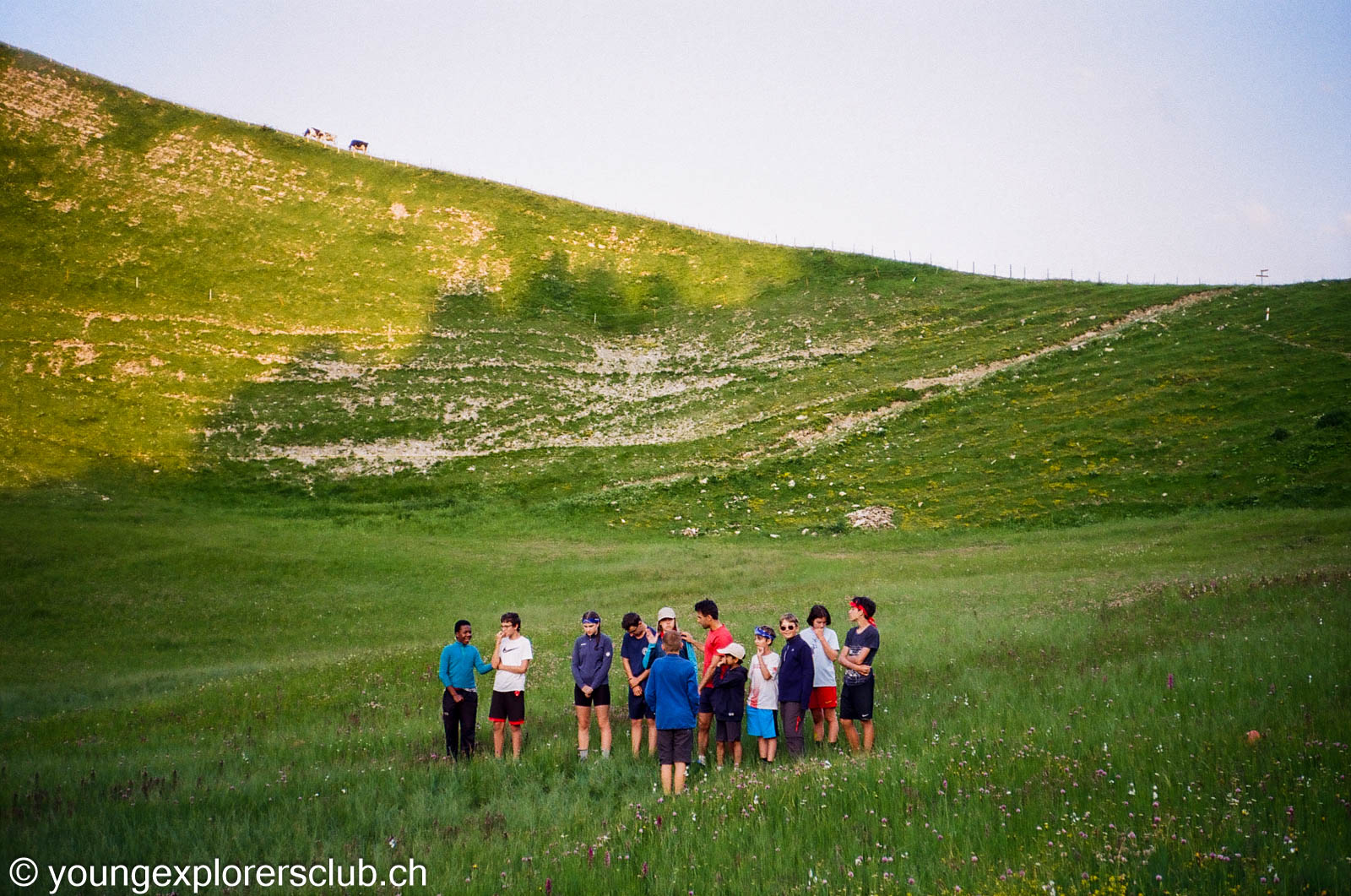
- Altitude options: Alpine towns allow altitude training at 1,000–2,000 m for moderate-altitude camps and adapted dryland programs.
- High-performance network: proximity to Swiss Swimming and Lausanne resources gives quick links to national coaching insights and testing protocols.
- Sports medicine and recovery: local physio, sports medicine clinics and recovery modalities like cold water immersion and sauna are widely available.
- Dryland variety: alpine trails, strength facilities and poolside functional training combine to build power and resilience.
I recommend combining pool sessions with measured altitude exposure and daily recovery windows. That mix delivers performance gains while limiting fatigue.
Value proposition and costs
I position Switzerland as a premium training environment. You get integrated high-performance pool work, alpine dryland options and close access to sports medicine resources. That package often outperforms single-discipline destinations. Expect higher baseline costs than many European alternatives; see the Costs section for CHF ranges that fit different budgets.
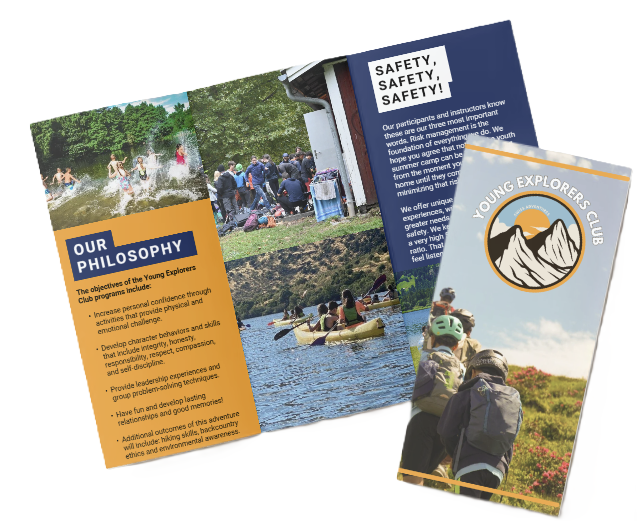
For teams wanting a broader activity mix alongside training, our camp planning often ties in local outdoor programming — learn more about our related water adventures and about general summer camps in Switzerland.

Top locations and facilities to feature
Alpine high-altitude bases
We at the Young Explorers Club prioritize high-altitude bases for swim teams that want aerobic gains and concentrated training blocks. Below I list the core alpine options with the features you should confirm locally.
-
St. Moritz — 1,822 m
- Altitude: 1,822 m.
- Pools: usually a 25 m indoor pool and additional teaching pools; confirm lane counts (commonly 6–8 lanes).
- Strength & conditioning: dedicated S&C rooms or multipurpose gym halls.
- Sports medicine: on-site physio clinics during national camps.
- Analysis: underwater video systems are often available or can be brought in.
- Altitude access: nearby high-altitude trails and easy access to altitude houses for sleep-restricted camps.
- Hosting & logistics: regularly hosts national and age-group camps; accommodation capacity typically 100–300 beds in local hotels and sports hostels. Drive time from Zurich airport commonly 2.5–3 hours; verify transport when booking.
-
Davos — 1,560 m
- Altitude: 1,560 m.
- Pools: mix of 25 m and 50 m pool options at different centres; main pools often 8 lanes for long-course work.
- Strength & conditioning: full S&C gyms with Olympic platforms in performance centres.
- Sports medicine: established physio and recovery services during camps.
- Analysis: underwater video and motion-capture setups used by national squads.
- Altitude access: extensive high-altitude trails adjacent to town for cross-training.
- Hosting & logistics: frequent host for national camps; local accommodation ranges from 150 to 500 beds. Zurich airport is typically a 2–2.5 hour transfer; confirm routes and rail options.
-
Engelberg — 1,015 m
- Altitude: 1,015 m.
- Pools: often a 25 m competition pool and training pools; lane counts vary, commonly 6–8.
- Strength & conditioning: excellent dryland spaces and climbing/bouldering options.
- Sports medicine: visiting physios during intensive blocks; check for in-house services.
- Analysis: underwater video is available at larger centres or via visiting setups.
- Altitude access: mid-altitude trails ideal for mixed aerobic and strength days.
- Hosting & logistics: common for mid-altitude training camps and combined dryland sessions; local lodging often 80–250 beds. Transfer from Zurich around 1.5–2 hours depending on connections.
Lowland and performance centres
Tenero National Sports Centre and the Swiss performance hubs give you climate-stable pools and full-service support for technical and speed work. Tenero National Sports Centre sits in a lowland setting with multiple indoor pools, large accommodation blocks and integrated S&C halls. For planning, we link teams to our Tenero page when arranging visits: Tenero. Expect one or more 50 m pool installations in national centres and detailed recovery facilities on site.
Lausanne Olympic Capital provides direct access to Swiss Olympic resources, sport science labs and performance centres. Pools here often include a 50 m pool with eight lanes, dedicated underwater video setups and immediate access to sports medicine specialists. Accommodation is modular and designed for team blocks; transport from Geneva or Zurich is usually within 1–2 hours.
Zurich-area sports centres are ideal for technical refinement, sprint work and strength phases. They deliver multiple 50 m pool options, large S&C gyms, and routine access to physio services. Underwater video is common at these centres, which helps with stroke analysis and race modeling. For logistics, most Zurich-area venues offer 200–400 bed capacities in nearby hotels or university residences and are 20–60 minutes from Zurich airport depending on site.
Recommendation: For all venues we strongly recommend you verify specific pool dimensions, lane counts and the presence of underwater video before committing. Also confirm accommodation capacities and exact transfer times from the nearest international airport as part of every booking.

Typical camp formats, daily schedules and measurable outcomes
We, at the young explorers club, structure swimming team camps as compact, high-impact training blocks. Camps usually run 5–14 days, with 7–10 day camp blocks most common for measurable gains and recovery cycles. I plan programs so athletes hit clear targets within that window.
We schedule a 2–3 hour morning session as the training spine. That session focuses on either technique and aerobic base or race-pace intensity, depending on the block. Afternoon work runs 60–90 minutes and alternates between pool skills and dryland strength or mobility. Mid-day is reserved for recovery and nutrition—short naps, active rest and targeted fueling. Evenings include mobility, light recovery swims or rolls, and a coach briefing to set the next day’s focus.
Weekly training volumes
- 40–70 km/week — elite during in-season, high-volume blocks.
- 30–50 km/week — multi-focus camp blocks.
- 15–35 km/week — youth for age-group guidance.
I calibrate intensity using race-pace percentages and tempo seconds per 100 m. Sprints sit around 95–100% race pace. Tempo work is typically -5 to -10 seconds/100 m relative to race pace, adjusted per athlete. Lactate threshold sessions are scheduled mid-block so we can profile responses and adjust load.
Sample 7-day itinerary and coach-ready sets
Below are a compact seven-day layout and concrete set examples you can drop into practice plans. Use the times and distances as templates and scale by athlete level.
-
Day 1 — AM: aerobic broken set (6–8 x 1600 m broken; e.g., 4×400 @ aerobic pace + 1×400 easy recovery, repeat). PM: mobility + light technique drills.
-
Day 2 — AM: sprint focus (20 x 50 m @ race pace with 2–3 min rest). PM: plyometrics + core.
-
Day 3 — AM: active recovery (4–6 km easy, emphasis on stroke feel). PM: dryland mobility and soft-tissue work.
-
Day 4 — AM: threshold block (10 x 200 m @ tempo -5 to -8 sec/100m with 30–60s rest). PM: race starts and turns.
-
Day 5 — AM: broken distance challenge (3 x 2000 m broken with varying intensities). PM: technique video review and feedback.
-
Day 6 — AM: race-pace simulation (4 x 100 m at 98–100% race pace, full recovery). PM: light aerobic + mobility.
-
Day 7 — AM: time-trials and testing (50/100/200/400 m depending on squad). PM: lactate sampling and coach debrief.
Intensity examples for coaches
- Sprint sets: 95–100% race pace; rest 2–3 minutes to express full speed.
- Tempo sets: target -5 to -10 sec/100 m versus race pace; limited rest to raise aerobic demand.
- Aerobic long sets: controlled pace at 60–75% effort; maintain stroke efficiency.
I recommend tracking these KPI fields in a simple dashboard:
- Baseline 100m time
- End-camp 100m time
- % change
- Lactate at target paces
We run baseline and end-of-camp time-trials (50/100/200/400 m) and perform lactate threshold profiling mid- and end-block. Expect typical short-camp time improvements in the 0.2–1.0% range over a well-run 7–10 day camp with focused recovery and supervision. Those percentages translate into meaningful race gains, especially in sprint events.
For parents and coaches wanting a deeper orientation on camp selection and fit, we suggest they review our choose the best camp page for practical decision points and age-group guidance.

Coaching, support staff, testing protocols and safety
Recommended core staff and ratios
Below are the core roles and practical staffing ratios we recommend for a safe, high-performance swimming camp:
- Head coach — overall programme design, session planning and coach development.
- Assistant coaches — supervised groups at a ratio of 1 coach per 6–10 swimmers to keep sessions safe and technically focused.
- Strength & conditioning coach — daily land sessions and individual strength programmes.
- Sports physiotherapist/masseur — on-site for acute care, soft-tissue treatment and recovery protocols.
- Sports scientist / video analyst — runs underwater video analysis and session metrics.
- Nutritionist — meal planning, hydration strategy and sports-specific fuelling advice.
I recommend keeping extra coach capacity for younger squads or mixed-ability groups. Higher ratios for juniors support safeguarding and rapid feedback. We staff more assistants for dryland and open-water swims.
Testing, monitoring and safety protocols
Time-trials are scheduled on Day 1 and the final day to measure progression; include 50/100/200/400 m depending on squad emphasis. Lactate testing and profiles should run mid-camp so we can tweak intervals and intensity; lactate testing informs exact work-to-rest prescriptions. We use underwater video analysis every few sessions to isolate stroke phases and correct small technique faults quickly.
Performance monitoring I prioritize:
- Heart-rate based monitoring during key sets and recovery to control load.
- Strength testing (e.g., 1RM or submax practical tests) at camp start and finish.
- Body composition checks for older athletes where appropriate and consented.
- Repeated 50–400 m time trials for pacing and technical consistency.
Safety and medical provisions must be explicit. Keep emergency 144 (medical) and 112 (general) posted and part of the camp brief. We require an on-site sports physiotherapist and confirm access to a local hospital within a recommended transfer time of under 30–60 minutes, depending on the camp location. Emergency action plans should list ambulance routes, nearest A&E, and designated staff responsibilities.
Insurance and legal items we enforce:
- Validate travel and sports injury coverage before arrival.
- Confirm liability insurance for coaches and camp organisers.
- Keep copies of athletes’ insurance cards and emergency contact details on file.
- Ensure sports injury insurance covers on‑facility and off‑site sessions.
Youth safeguarding is non-negotiable. We implement higher coach ratios for children, carry out background checks on all staff, collect parental consent and medical forms, and publish a clear medical emergency plan for parents and athletes. I train staff in basic first aid and AED use, and run a camp briefing that covers medical procedures and reporting lines.
For planning guidance and examples of facility standards and supervision, see our review of the best summer camps that match these staffing and safety benchmarks: best summer camps.
Costs, accommodation, meals and recovery facilities
We, at the Young Explorers Club, price Swiss swimming team camps to reflect high local standards and extra services. Typical per-person weekly budgets span budget CHF 400–700, mid-range CHF 700–1,200, and high-performance all-inclusive CHF 1,200–2,000+. You can summarize the market as roughly CHF 400–2,000 per person per week depending on services and group size.
Cost components and sample budgets
Below I list the usual cost drivers and give example budget breakdowns so you can plan and compare quotes.
- Pool rental — arena lanes, competition pool time and warm-up space are major line items.
- Coaching fees — head coach, assistant coaches, video analysis and technical support.
- Accommodation — hotel rooms, sport-centre dorms, mountain lodges or rented apartments.
- Full-board meals — team meal plans that include recovery snacks and special menus.
- Transport — airport transfers, bus for local sessions and travel to altitude sites.
- Testing and analysis — lactate testing, video stroke analysis, and performance profiling.
- Local charges — taxes, facility fees and insurance.
Example budget sketches I use for planning:
- 20-athlete team (block booking, charter travel): mid-range CHF 700–1,000 per person per week after group discounts.
- 8-athlete squad (small group, tailored testing): high-performance CHF 1,200–1,800 per person per week because per-capita fixed costs rise.
Group discounts and block-booking usually cut per-person cost by 10–25%. We recommend confirming quotes with the exact squad size to lock those savings.
Accommodation, meals and recovery logistics
Choose accommodation by training intensity and recovery needs. Dorms in sport centres keep costs lower and place athletes close to pools. Team hotels provide private rooms, meeting spaces and catered full-board meals. Mountain lodges and apartments work well for altitude-focused camps and team bonding.
We set full-board meals to support heavy training. Sports nutrition guides are integrated into menus and chefs can manage allergies and intolerances. We aim for carb-focused breakfasts and recovery meals after sessions. For heavy training blocks we follow a guideline of 5–7 g carbs/kg/day and adjust individual needs with a nutritionist. That figure supports glycogen replenishment during multi-session days.
Recovery amenities change the price bracket. Basic camps include stretching and a foam-roller station. Higher tiers add cold water immersion, saunas, physiotherapy rooms, massage and compression therapy. Cold water immersion is standard in many high-performance programs and often factors into the higher rates. We recommend adding at least one dedicated therapist if you’re in the high-performance range.
Practical tips I recommend:
- Ask for line-item quotes that separate pool rental and coaching fees so you can compare apples to apples.
- Negotiate group discounts and consider charter travel to lower per-person costs.
- Confirm food-service capability for sports nutrition and allergy handling before you commit.
- Factor in testing and video-analysis charges if technique refinement is a priority.
- Expect Switzerland to cost more than many European options, but expect excellent medical support, alpine training conditions and strong logistics.
For help choosing an appropriate option and refining what to include in a quote, see our quick guide to choose the best camp for your team: choose the best camp.

Travel, logistics, seasonality and organizing contacts
Airports, transfer times and seasonality
We route most teams through the main hubs: Zurich airport (ZRH), Geneva (GVA) and Basel (BSL). For southern Ticino we often use Milan’s MXP or LIN. Expect variable transfer times depending on traffic and rail schedules; typical examples are Zurich to St. Moritz ~3–4 h by car or train, and Zurich to Davos ~2–2.5 h. Plan extra time for equipment and traffic peaks. We always check rail and road options and keep a backup transfer plan.
Switzerland sits in Schengen, so confirm visa requirements for every athlete well before departure. School calendars shape availability: Easter and summer breaks drive high demand for facilities and accommodation. For climate and pool access, aim for the best months March–May and Aug–Oct. Winter camps work if you only need indoor pools or want altitude training, but pool availability and access can be tighter then.
Booking timeline, sustainability and local contacts
We book early. For standard camps reserve 3–6 months in advance. For national-team block training reserve 6+ months. We ask venues for weekday pool slots, warm-up lanes and athlete meal plans at the point of inquiry.
Below are the primary contacts and practical actions we use when organising a camp:
- Swiss Swimming — first stop for national-level pool access and licensing.
- Swiss Olympic — for high-performance coordination and antidoping information.
- Tenero National Sports Centre — great for block training, on-site accommodation and multi-sport logistics.
- Lausanne training centres — excellent for proximity to major sports governance and medical support.
- Engadin St. Moritz Tourism — local partner for St. Moritz area logistics and community contacts.
- Davos Klosters and local tourism offices — help with transport, accommodation and off-water recovery options.
We also follow sustainability practices that reduce local impact and often improve athlete experience. Many Swiss facilities run energy-efficient heating and active recycling programs, so we promote public transport and local food sourcing. We push to eliminate single-use plastics from team catering and prefer suppliers with clear environmental policies. These steps support sustainable tourism in Switzerland and usually smooth approvals with local venues.
For final logistics we confirm:
- Exact arrival ports and transfer times with the provider.
- Visa and Schengen paperwork for non-EU participants.
- Blocked pool times, recovery areas and medical coverage.
- Local transport passes and meal plans that prioritize local suppliers.
We keep a concise operations sheet for every camp that lists pickup windows, emergency contacts, facility rules and the booking reference numbers from Swiss Swimming and venue partners. This saves time on arrival and keeps coaches focused on training.

Sources
Swiss Federal Statistical Office — Resident population
Swiss Swimming — Official federation resources and national team contact pages
Swiss Federal Office of Public Health — Health advice and guidance
Engadin St. Moritz Tourism — Sports & high-altitude training
Davos Klosters — Sports, training and altitude resources
Centro Sportivo Nazionale della Gioventù Tenero — Tenero National Youth Sports Centre
World Aquatics — Rules, facilities and pool specifications
Levine BD & Stray-Gundersen — Living high–training low (J Appl Physiol., 1997)
PubMed — Altitude training review (search results)
SBB CFF FFS — Swiss Federal Railways (travel and connections)