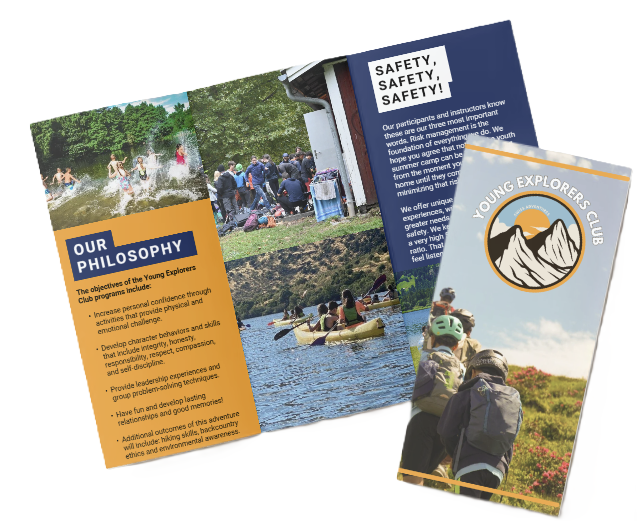
The Importance Of Role Models In Camps
Trained camp role models (counselors, near-peers, specialists) boost leadership, self-efficacy and return-to-camp rates.
Camp Role Models and Developmental Impact
We use camp role models—adult counselors, near-peer leaders, specialists, and alumni—to shape millions of campers’ behavior and identity. They model skills through repeated observation, guided practice, and instant feedback. Overnight programs amplify these effects by keeping campers in sustained social settings. We recruit diverse, well-trained staff and set up clear supervision and continuity plans. Validated pre/post measures and retention metrics reveal gains in self-efficacy, leadership, social competence, and school engagement. We report effect sizes, sample sizes, and limitations with transparency.
Mechanisms of Influence
Role models influence campers by making desired behaviors visible and repeatable. Through observation, campers see peers and adults enact skills. Through guided practice and feedback, those behaviors become internalized. Extended contact in overnight settings increases the number of interactions and opportunities for growth, producing deeper and more sustained developmental gains.
Staff Recruitment, Training, and Supervision
To make role modeling intentional and reliable, we focus on rigorous hiring and ongoing support.
- Background checks and clear eligibility criteria.
- Structured hiring rubrics to evaluate fit and competencies.
- 16–24 hours of orientation that combine culture, safety, and skill-based training.
- Weekly supervision with biweekly check-ins for performance and wellbeing.
- Continuity plans and incident-reporting systems to manage transitions and risk.
Measurement and Reporting
Impact measurement relies on validated instruments and transparent reporting. Use pre/post assessments that are psychometrically sound and pair those with operational metrics like camper return rates and staff retention.
- Report means and percent changes for key outcomes.
- Include effect sizes and sample sizes to contextualize findings.
- Document limitations and potential biases in methods.
- Track retention as a core indicator of program quality and ongoing role-model availability.
Key Takeaways
- Larger programs and overnight stays create more chances for meaningful role modeling and deeper developmental gains.
- A diverse mix of role models—adults, near-peers, specialists, and alumni—adds complementary benefits: safety, relatability, skill-building, and aspiration.
- Make role modeling intentional: require background checks, use structured hiring rubrics, provide 16–24 hours of orientation, and offer weekly supervision with biweekly check-ins.
- Measure impact with validated pre/post instruments. Report mean and percent changes, effect sizes, and sample sizes. Track camper return rates and staff retention as core indicators.
- Pilot new initiatives, keep incident-reporting and continuity plans current, and build alumni recruitment plus incentive systems to cut turnover and maintain quality.
Actionable next steps: pilot targeted overnight experiences to test amplified role-modeling effects; implement the hiring and training checklist above; adopt validated pre/post instruments and a transparent reporting template; and create an alumni recruitment pipeline with incentives to improve continuity.
Role Models at Camp: Scale, Reach, and Why They Matter
We serve youth in a landscape that reaches millions: about 14 million children and adults attend camps each year (2019 data: 14 million; American Camp Association). We track those headline figures and update them as the ACA releases newer reports. We also watch how scale amplifies impact—more campers means more opportunities for strong adult and peer role models to shape behavior and identity.
Types and participation
Below are the major camp categories and the typical participation patterns we observe:
- Day camps vs. overnight camps: Day programs concentrate hours; overnight camps offer 24/7 social immersion.
- Public vs. private providers: Municipal and school-based camps sit alongside nonprofit and for-profit operators; participation mixes vary by region and year.
- Age cohorts: Many programs focus on ages 6–12 (elementary) while a distinct share serves teens 13–17, as reflected in recent ACA reporting.
- Demographics and geography: Socioeconomic, racial/ethnic, and urban–rural distributions differ by camp type and state; those differences shape access to role models and mentorship opportunities.
We emphasize overnight settings because they deliver sustained exposure to role models across daily routines, conflict moments, and free-time choices.
We ground our approach in Social Learning Theory (Bandura). We know youth learn a lot by watching others and imitating successful strategies. We create settings where campers repeatedly observe positive behaviors, practice them, and get immediate feedback. Overnight camps intensify that cycle. They provide continuous observational learning, deeper practice, and more chances for corrective feedback than brief after-school contacts.
We also look to evidence. Meta-analytic reviews show mentoring programs produce small-to-moderate positive effects on youth outcomes (DuBois et al.). We use validated outcome tools in our evaluations—examples include the Rosenberg Self-Esteem Scale and measures of self-efficacy, social competence, and school engagement—to track change without overstating impact.
We act on these facts with clear staffing and program choices. We recruit staff who model emotional regulation, problem-solving, and inclusive leadership. We train them in reflection and concrete feedback techniques so role modeling becomes intentional, not accidental. We structure daily routines to surface teachable moments: evening debriefs, peer-led activities, and task-based leadership rotations.
We design age-appropriate pathways for teens to step into leadership roles. We encourage them to mentor younger campers and to lead small projects, which reinforces competence and belonging. For programs focused on teen development, we highlight our leadership tracks and link to resources about leadership in teens: leadership in teens.
We measure what matters and iterate. We collect baseline and end-of-session data, monitor social dynamics, and combine survey scales with observational checklists. We prioritize retention of high-quality staff and offer ongoing coaching, because stable, consistent role models drive the strongest gains in self-efficacy and social skill development.

Types of Role Models in Camps and What Each Contributes
Role types and what they offer
I’ll list the main role-model types and one-line vignettes that show what each contributes.
- Adult counselors — we rely on experienced staff who provide maturity, safety, clear boundary-setting and professional mentoring while modeling adult caregiving, problem-solving and long-term planning.
- Near-peer/teen leaders — we place slightly older, relatable peers who boost aspiration, model near-term social skills and identity exploration, and make achievement feel attainable.
- Specialists/instructors (sports, arts) — we hire technical experts who model disciplined skill development, practice habits and contagious passion in their domains.
- Alumni & volunteers — we draw on past campers and volunteers as community continuity figures who demonstrate aspirational pathways and reinforce organizational culture.
Staffing composition, ratios and layered benefits
We monitor staff demographics closely because the mix shapes everyday learning and safety. Many camps report sizable proportions of staff aged 18–24, and we see that young staff bring energy and recent peer experience while older adults deliver stability. Our staffing approach intentionally creates a pipeline: alumni often return as counselors, and return rates vary by program as camps cultivate that continuity.
We follow recommended counselor-to-camper ratio guidance for safety and program quality; for overnight camps a common range is roughly 1:6–1:12 depending on camper age (ACA). We also comply with state regulations that may adjust those minimums.
We design teams so different role models complement one another. Typical complementarities include:
- Adult counselors — provide stability and safety.
- Near-peer mentors — increase relatability and immediate social learning.
- Specialists — drive skill gains and sustained interest.
- Alumni and volunteers — strengthen community and long-term aspiration.
Multiple role-model types yield layered benefits.
We embed near-peer mentors in our youth leadership program to fast-track leadership habits, and we assign specialists where technical coaching will maximize retention and confidence. Practical tip: keep ratios flexible across activities—raise adult supervision for high-risk sessions and lean into near-peer leadership for daily cabin life.

Measurable Benefits & Key Statistics to Cite
We, at the young explorers club, track socio-emotional gains after camp participation and use evaluation data to guide program improvements. Multiple camp program evaluations document increases in confidence, independence, teamwork, and leadership. Many of those evaluations report a percent improvement in self-reported confidence after camp (from camp evaluation surveys). Evaluators typically use validated instruments such as the Rosenberg Self-Esteem Scale and program-specific self-efficacy items to capture change pre/post.
Evidence on academic engagement is consistent with the mentoring literature: program evaluations and comparative studies show improved school engagement and higher aspirations. The Big Brothers Big Sisters impact study is often cited as comparable evidence of improved school outcomes and reduced absenteeism in mentored youth. We interpret those findings cautiously and align our school-focused activities with the measures used in those studies so we can compare results.
Behavioral outcomes vary by subgroup. Meta-analyses of mentoring programs show reductions in risky behaviors for some youth groups, though effect sizes are often modest and context-dependent. We reference meta-analytic trends directly and avoid overstating effects. Meta-analytic evidence shows mentoring programs produce small-to-moderate positive effects on youth outcomes (DuBois et al.). That framing helps set realistic expectations for prevention-oriented work at camp.
Typical evaluation reports include
- mean change on an outcome measure;
- percent change from baseline;
- sample size and survey timing (pre/post or follow-up);
- year of the evaluation.
We use those elements when reporting impact so funders and families can assess magnitude and reliability. Example reporting format we use in evaluations (fill with program data): “Camp X’s evaluation found campers’ mean self-efficacy scores increased by [mean change] points ([Z% change]) from pre- to post-camp (n = [sample size], [year]).” That phrasing makes change transparent and comparable.
Suggested before/after metrics
I recommend focusing on a short set of high-signal indicators for any campaign or dashboard. These indicators map directly to role-model effects and are straightforward to collect in short surveys. Include return-to-camp rate as a retention metric: return-to-camp rate often functions as a practical impact indicator and should be presented alongside effect estimates and sample sizes.
- % change in self-reported confidence after camp (from camp evaluation surveys)
- % increase in observable leadership behaviours (staff ratings pre/post)
- % change in school engagement scores (student or parent report)
- change in risky-behavior indicators for targeted subgroups (report effect size and n)
- return-to-camp rate (year-over-year)
For behavioral claims, always report effect sizes and sample sizes and note subgroup analyses. For example, if a mentoring meta-analysis reports an effect size, include the estimate and clarify that effects differ by age, risk level, and match quality. When benchmarking our outcomes, we compare against the Big Brothers Big Sisters impact study and meta-analytic summaries like DuBois et al. to contextualize magnitude.
Practical takeaway for program teams
Collect pre/post data on a small core set of validated measures, report percent improvements and mean changes with sample sizes and year, and include a retention metric such as return-to-camp rate to demonstrate sustained engagement. For resources on leadership programming that support these outcomes, we link our curriculum to the youth leadership page so teams can align measures with activities.
Best Practices for Building Role Models into Camp Programs (with Common Challenges and Mitigation)
We, at the young explorers club, make role models a program priority because campers mirror what they see. Strong recruitment and clear expectations drive consistent role-model quality. Set measurable staff diversity targets so staff reflect camper populations. Require comprehensive background checks for every hire and treat them as non-negotiable. Build selection rubrics into interviews and use probationary feedback cycles to catch gaps early.
Provide a focused pre-camp orientation to prepare staff for real work with kids. I recommend 16–24 hours of orientation (recommendation). Cover child development, boundary-setting, cultural competence, behavior management, and explicit role-modeling and feedback skills. Pair this with matching strategies that pair campers and counselors by age, interests, or cultural background. Create continuity plans so a primary counselor stays with a camper across sessions whenever possible. For leadership-focused tracks, link counselors into our youth leadership program to deepen mentoring skills.
Support and supervision are non-negotiable. Run weekly group supervision and schedule individual check-ins at least biweekly. Add wellbeing supports like peer support groups, mental-health days, and access to counseling to prevent burnout and reduce staff turnover. Offer incentives and cultivate an alumni recruitment pipeline to keep skilled people returning.
Common challenges and mitigations
- Inconsistent role-model quality: Tighten hiring checks, use structured interview rubrics, and enforce probationary feedback cycles. That combination raises baseline performance quickly.
- Staff turnover: Counter high turnover with incentives, an alumni recruitment pipeline, and a mentoring-of-mentors system that transfers institutional knowledge. Investing in early-career retention saves time and money.
- Boundary problems: Establish a clear, written code of conduct and mandatory boundary training before camp starts. Ongoing supervision catches boundary slippage early and incident-reporting protocols keep things transparent.
- Cultural mismatch: Pursue targeted recruitment, add cultural competence modules to orientation, and bring community advisors into program design. These steps make the camp feel safe and relatable for diverse campers.
Staff-training checklist
Use this actionable checklist to embed role models into program operations:
- Mandatory background checks for all hires.
- Minimum pre-camp orientation: 16–24 hours (recommendation).
- Orientation content:
- Child development
- Boundary-setting
- Cultural competence
- Behavior management
- Role-modeling and feedback skills
- Weekly group supervision meetings.
- Individual check-ins at least biweekly.
- Mentoring-of-mentors program for new counselors.
- Clear written code of conduct and incident-reporting protocols.
- Incentives and alumni recruitment pipeline to reduce staff turnover.

Measuring and Reporting Impact: Metrics, Methods, and Benchmarks
We measure impact with a combination of quantitative and qualitative evidence. Our approach centers on pre/post evaluation and validated scales (Rosenberg Self-Esteem Scale, Youth Self-Report, Developmental Assets). We aim for n≥30 per comparison group for basic statistical inference and always report effect sizes and confidence intervals alongside p-values.
We use standardized instruments to quantify change and track operational indicators over time. Our quantitative set includes attendance and return rates, incident reports, staff retention, and 3–6 month follow-up outcomes. We collect qualitative data to explain the numbers: camper testimonials, parent surveys, focus groups, and targeted case studies.
Core indicators, instruments, and a short evaluation plan
- Pre/post validated scales: Rosenberg Self-Esteem Scale; Youth Self-Report; Developmental Assets.
- Operational metrics: attendance/return rates; incident reports; staff retention; 3–6 month follow-up outcomes.
- Qualitative sources: camper testimonials; parent surveys; focus groups; case studies to contextualize quantitative findings.
- Minimum evaluation-plan template:
- Objectives
- Indicators
- Instruments
- Timeline
- Analysis methods
- Analysis notes: label instruments used; report mean changes, percent changes, p-values, standardized effect sizes (Cohen’s d or comparable), and include confidence intervals.
We recommend at minimum implementing pre/post surveys for every cohort. Stronger designs add comparison groups or matched controls. When random assignment isn’t feasible we use propensity-score methods or other quasi-experimental designs; the specific choice depends on feasibility, ethics, and sample size.
We aim for n≥30 per comparison group for basic statistical inference and plan recruitment accordingly. Our analysts always report effect sizes and confidence intervals alongside p-values, interpreting Cohen’s d as a practical gauge of magnitude rather than relying on p-values alone.
Reporting and interpretation
- Mean changes and percent changes for key indicators.
- p-values and standardized effect sizes.
- 95% confidence intervals for primary outcomes.
- Sample sizes and notes on missing data or attrition.
We write reports to be transparent and actionable. We phrase results clearly so stakeholders can read them at a glance. An example reporting sentence we use reads: “X% improvement in leadership self-rating from pre- to post-camp (mean change = M, p = .01, Cohen’s d = .35, 95% CI = [a, b]; n = X).” We adapt that template for self-esteem, behavioral reports, and developmental assets.
We align our measurement choices with program goals and evidence from practice. For programs that emphasize leadership skills, we reference tools and lessons from our youth leadership program in design and interpretation. We communicate limitations plainly and recommend replication or longer follow-up when effect sizes are modest or sample sizes fall below recommended thresholds.

Practical Implementation Checklist for Camp Directors (Actionable Targets)
We translate role-model best practices into an urgent, measurable checklist directors can act on now. These items focus on safety, continuity, and measurable outcomes so you can track progress each month and year.
Immediate-action checklist (prioritized) — implement in order
The list below shows prioritized actions; track completion and percentage compliance for each item.
- Recruit diverse role models and require background checks. Track % compliance for hires and contractors. Aim for visible demographic and skill diversity so campers see varied examples of leadership.
- Require 16–24 hours of training before staff arrival. Make training interactive and scenario-based. Log attendance and assessment scores.
- Assign supervisors and schedule weekly supervision plus biweekly individual check-ins. Confirm agendas, attendance, and action items after each meeting. This satisfies the weekly supervision and biweekly check-in recommendation.
- Implement matching goals and continuity plans. Attempt to match at least 60–75% of campers with a named primary counselor for the session (program goal). Document named matches in registration and staff rosters.
- Run pre/post evaluations and 3–6 month follow-ups. Store instruments with metadata: instrument name, administration date, sample size. Track camper satisfaction and behavioral indicators over time.
- Track return-to-camp rates and staff retention. Set a clear return-rate target for campers and goals for staff retention rate. Review trends quarterly.
- Pilot any new role-model initiative for one session before scaling. Treat the pilot as a research cycle: define metrics, collect baseline data, iterate.
- Maintain an incidents dashboard. Log counselor-to-camper incident rates and categorize by severity and cause. Use this as a leading indicator for additional training or supervision.
Recommended numeric targets
Use these targets as starting points; adapt to your program context.
- Training: 16–24 hours of training minimum (recommendation). Include child development, boundaries, and cultural competence modules.
- Supervision: weekly group supervision + individual check-ins at least biweekly (recommendation). Protect time on staff calendars.
- Matching: attempt to match at least 60–75% of campers with a named primary counselor for the session (program goal).
Suggested KPIs to track monthly and annually
- Staff retention rate — monitor by season and year-over-year to spot attrition patterns.
- Counselor-to-camper incident rates — report monthly with trendlines.
- Camper satisfaction with staff (Likert-scale average) — run pre/post surveys and roll up averages by unit.
- Return-to-camp rate — compare cohorts and tie back to specific role-model initiatives.
Operational notes and data hygiene
- Pilot measures on a small sample (one session) before full rollout; treat pilots as controlled experiments.
- Label and store all evaluation instruments with metadata so results remain auditable. Include instrument version, administrator, and sample size.
- Create simple monthly reports for directors that highlight KPIs and three recommended actions for improvement.
- Build a staff training tracker that flags missing modules and recertification dates. Use the tracker to enforce 16–24 hours of training completion before staff work with campers.
- Use qualitative notes from supervision to triangulate numeric KPIs. Short narrative summaries often reveal context behind the numbers.
Practical tips I recommend for faster adoption
- Bundle background checks into onboarding so % compliance rises quickly.
- Use a short checklist at check-in to confirm named counselor matches.
- Run focused role-play during the first 4 hours of training to reduce common boundary incidents.
- Link program outcomes to staff incentives tied to staff retention rate and return-rate target.
For examples of structured leadership curricula and counselor roles you can adapt, see our youth leadership program.
Sources
The following sources were used to locate reports, research, and guidance relevant to the role of camp role models, mentoring, evaluation methods, and camp-sector statistics.
American Camp Association — Research & Policy
MENTOR: The National Mentoring Partnership — The Mentoring Effect (Research Report)
DuBois, D. L., Holloway, B. E., Valentine, J. C., & Cooper, H. — Effectiveness of mentoring programs for youth: A meta-analytic review
Big Brothers Big Sisters of America — Research & Impact
National Research Council & Institute of Medicine — Community Programs to Promote Youth Development
Search Institute — Developmental Assets and Asset-Building Communities
Simply Psychology — Bandura social learning theory
MIDSS — Rosenberg Self-Esteem Scale (RSES)
Centers for Disease Control and Prevention — Positive Youth Development
National AfterSchool Association — Standards