The Importance Of Travel Insurance For Swiss Camp Trips
Essential travel insurance for Swiss camp trips—covers helicopter evacuation, repatriation; verify evacuation limits, 24/7 emergency assistance.
Travel Insurance for Swiss Camp Trips
We consider travel insurance essential for Swiss camp trips. Alpine rescues and foreign medical care can create rapid, large out‑of‑pocket bills. Helicopter evacuations commonly cost CHF 1,500–25,000; medical repatriation CHF 10,000–50,000+; routine hospital days CHF 1,000–2,000. One helicopter evacuation plus six hospital days can reach about CHF 18,000. Choose comprehensive policies that state explicit evacuation and repatriation limits, provide 24/7 emergency assistance, and include activity riders and clear deductibles. They protect families and organisers from large bills and logistical headaches. Check policy wording and carry policy numbers plus printed and digital copies before departure.
Why this matters
Alpine incidents often require expensive logistics (helicopter, stretcher transfers) and cross‑border arrangements. Without the right coverage, families and organisers can face both high costs and complex coordination problems during emergencies.
Costs to expect
- Helicopter evacuations: CHF 1,500–25,000
- Medical repatriation: CHF 10,000–50,000+
- Routine hospital days: CHF 1,000–2,000 per day
- Example: one helicopter evacuation plus six hospital days ≈ CHF 18,000
What to look for in a policy
- Explicit evacuation & repatriation limits: confirm amounts or an unlimited wording.
- 24/7 emergency assistance: multilingual hotline and coordination services.
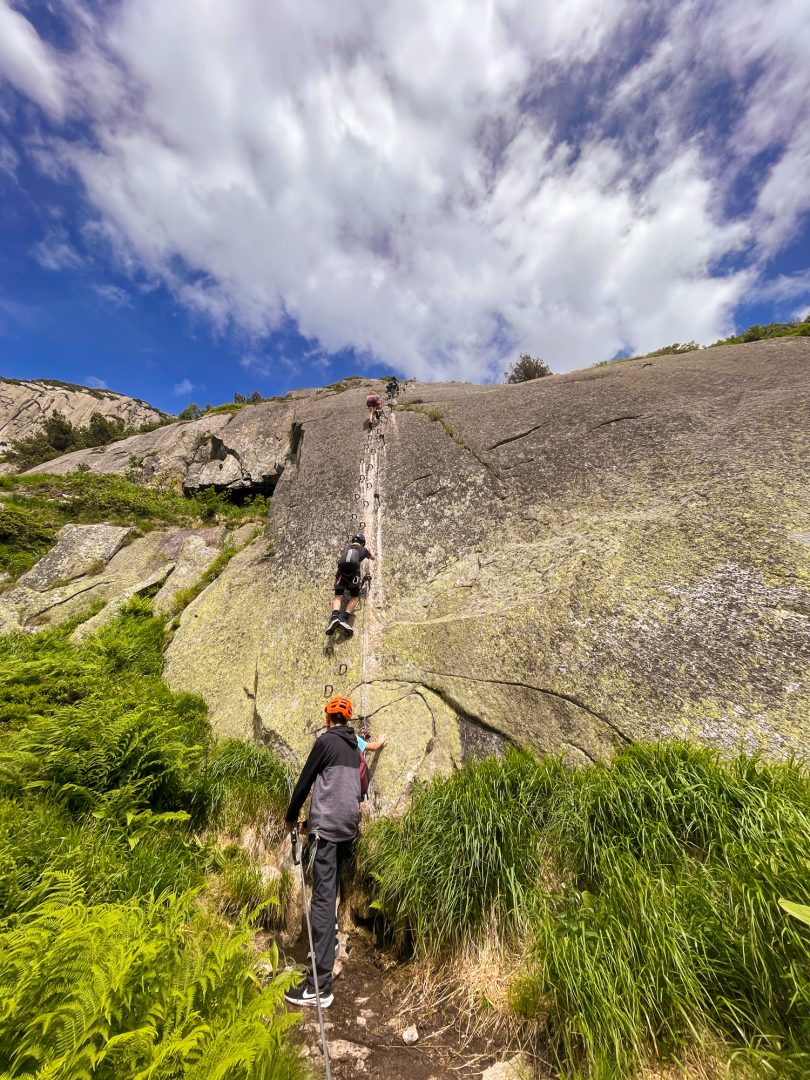
- Activity riders: add coverage for via ferrata, climbing, off‑piste skiing and other high‑risk programmes.
- Clear deductibles: know the out‑of‑pocket before the insurer pays; use lower deductibles for higher‑risk trips.
- Direct payment vs coordination: check whether the insurer pays providers directly or merely coordinates billing and reimbursement.
- Policy wording: read exclusions, definitions (e.g., what counts as a rescue), and territorial limits.
Aim for these minimums
- Emergency medical: CHF 100,000–1,000,000
- Evacuation/repatriation: CHF 100,000 or unlimited
- Liability: at least CHF 1,000,000
- Deductible strategy: use lower deductibles for higher‑risk activities and group trips.
Practical steps before departure
- Review policy wording carefully—confirm activity coverage and limits.
- Record policy numbers and emergency contact details.
- Carry printed and digital copies of the policy and emergency card.
- Designate a claims liaison and share their contact plus policy details with families and organisers.
- Confirm insurer procedures for on‑scene coordination, hospital payments and repatriation.
Key Takeaways
- Alpine rescues and repatriation generate the biggest costs—helicopter CHF 1,500–25,000; repatriation CHF 10,000–50,000+.
- Confirm coverage explicitly for helicopter evacuation, stretcher transfers and 24/7 multilingual assistance. Also check whether the insurer pays directly or coordinates billing.
- Review activity exclusions and add riders for via ferrata, climbing, off‑piste skiing and other high‑risk programmes.
- Aim for these minimums: emergency medical CHF 100,000–1,000,000; evacuation/repatriation CHF 100,000 or unlimited; liability at least CHF 1,000,000. Use lower deductibles for higher‑risk trips.
- Record and share policy numbers, emergency contacts and printed and digital policy copies with a named claims liaison before departure.
https://youtu.be/
Immediate financial risks: why travel insurance is essential for Swiss camp trips
We, at the Young Explorers Club, send kids to day camps, overnight youth camps, school excursions and alpine adventure programs. These trips expose leaders and campers to a range of hazards that can create large out-of-pocket bills and heavy administrative work: injury, sudden illness, emergency evacuation, weather-related delays or cancellations and theft of equipment. Mountain settings make those risks costlier and quicker to escalate.
Alpine rescues and foreign care are expensive. Typical figures you should keep in mind include helicopter rescue costs of CHF 1,500–25,000, medical repatriation in the range CHF 10,000–50,000+, and routine hospital charges such as hospital day CHF 1,000–2,000. Those numbers add up faster than most parents expect.
A short example shows how fast bills grow. A camper slips on a steep hike, needs a helicopter evacuation (we’ll use CHF 12,000) and then spends six days in hospital at CHF 1,000 per day (CHF 6,000). The total sample bill hits CHF 18,000. That sum can overwhelm a school, family or small programme overnight.
Buying travel insurance transfers that financial exposure to an insurer and gives you 24/7 emergency assistance and claims support to manage evacuations, hospital admission and repatriation logistics. Insurance reduces the need for staff to arrange complex cross-border care or to front large rescue bills while you wait for reimbursement. In Switzerland, high healthcare prices and costly mountain rescues make this coverage especially important. Rega membership helps with air rescue, but it may not cover all transport costs, foreign medical bills or the administrative work of claims and repatriation — so relying on Rega alone can leave gaps.
Common costs and what to check on a policy
Below I list the items I check for every camp and family; policy limits and wording matter, so read them closely.
- Emergency evacuation (air and ground): confirm helicopter and stretcher-ambulance limits and whether alpine rescues are included.
- Hospital and medical care: look at per-day hospital limits and outpatient limits for urgent care.
- Medical repatriation: verify both the trigger conditions and the maximum payout.
- Trip interruption and delays: ensure coverage for weather-related cancellations and extra accommodation or transport.
- Personal effects and equipment theft: check limits for outdoor gear, instruments and tech.
- 24/7 emergency assistance and claims handling: confirm multilingual assistance, direct-billing options and whether the insurer coordinates repatriation.
- Exclusions and activity clauses: review high-risk activity exclusions, age restrictions and pre-existing condition rules.
We, at the Young Explorers Club, recommend comparing evacuation and repatriation limits first, then hospital and equipment coverage. For families who want a quick primer, read our travel insurance guide that explains common clauses and shopping tips.

Real-world cost examples and short case studies
Vignette 1 — Injury in the Alps
Incident: A broken tibia on a group hike.
Cost without insurance: helicopter CHF 12,000 + hospital CHF 6,000 = sample cost CHF 18,000.
Insured outcome: the insurer arranges and pays the helicopter evacuation and hospital bills minus the policy deductible; the family or organiser pays only that deductible. We see evacuation alone can exceed typical annual healthcare deductibles, which makes evacuation coverage essential for alpine activities.
Vignette 2 — Serious illness requiring repatriation
Incident: Severe acute illness that needs an air ambulance home and follow-up domestic care.
Cost without insurance: air ambulance CHF 35,000 + domestic care CHF 5,000 = sample total CHF 40,000.
Insured outcome: the insurer coordinates and covers the air ambulance and onward care, with the insured party responsible only for the deductible. We emphasise the value of 24/7 assistance and repatriation limits; logistics and authorization are the insurer’s responsibility, which usually speeds things up and reduces stress for families.
Vignette 3 — Group trip cancellation prior to start
Incident: Unexpected event forces cancellation of a booked camp with non-refundable contracts.
Cost without insurance: non-refundable costs CHF 20,000.
Insured outcome: trip cancellation coverage reimburses covered non-refundable expenses up to the policy limit (sample trip cancellation CHF 20,000) less any applicable deductible. We note that group policies can cover organisers or be issued per family; either way, cancellation cover protects the budget when a whole group is affected.
Quick takeaways for organisers and parents
We recommend these practical checks before confirming a camp booking and departures:
- Confirm each policy explicitly covers helicopter evacuation and air ambulance, not just ground transport.
- Verify repatriation and domestic follow-up care limits and that 24/7 medical assistance is available.
- Check trip cancellation terms for group bookings and whether the organiser or individual families hold the policy.
- Review deductibles and out-of-pocket exposure; a lower deductible reduces immediate family cost if an incident happens.
- Ask about coverage of medical accompaniment and escort for minors.
- Encourage every family to purchase comprehensive travel insurance and to share policy numbers and emergency contact details with organisers.
We, at the Young Explorers Club, insist organisers confirm insurance limits and carry copies of policies during camp. Small upfront premiums can prevent six-figure financial shocks and keep focus on care, not bills.

What a camp policy should cover and recommended limits
We, at the young explorers club, expect a camp policy to be clear, practical and easy to use in an emergency. I recommend you review your travel insurance before departure and carry a printed policy card with emergency numbers.
Core covers, suggested limits and checklist
Core cover types (one-line definition + camp example):
- Emergency medical: pays sudden medical treatment costs while away — e.g., emergency care after a hiking fall.
- Medical evacuation / repatriation: covers transport to an appropriate facility or home country — e.g., air ambulance or transfer to a specialist hospital.
- Accidental death & dismemberment (AD&D): lump-sum benefit for severe permanent injury or death — e.g., payout if a serious climbing accident occurs.
- Trip cancellation & interruption: reimburses non‑refundable prepaid costs if covered reasons force cancellation/early return — e.g., family illness prevents travel.
- Baggage & personal effects: reimburses loss/theft/damage to kit and instruments — e.g., replacement of a lost hiking pack or musical instrument.
- Personal liability: covers legal liability for accidental damage or injury caused by a participant — e.g., damage to a rented chalet.
- Legal assistance: covers costs of legal defence abroad — e.g., lawyer fees after an on-site dispute.
- Sports/activities extension: covers risky activities that standard policies may exclude — e.g., via ferrata, climbing, off‑piste skiing.
- 24/7 assistance: emergency hotline for medical and logistical help — indispensable for coordinating care and repatriation.
Optional / important add-ons:
- Winter sports coverage.
- Mountain rescue / heli‑evacuation extension.
- Pre‑existing conditions waiver.
- Group policy options and activity‑specific riders.
Suggested minimum limits and deductible guidance:
- Emergency medical cover: CHF 100,000–1,000,000.
- Medical evacuation/repatriation: CHF 100,000 (or unlimited where offered).
- Personal liability: at least CHF 1,000,000.
- Trip cancellation: 100% of non‑refundable prepaid costs.
- Deductible ranges commonly CHF 0–200 — choose lower for higher risk activities.
Feature checklist to verify:
- 24/7 multilingual assistance.
- Policy card and emergency phone numbers.
- Online claims portal.
- Explicit coverage for minors travelling without a parent.
- Clear pre‑existing condition clauses.
- COVID‑19 / epidemic coverage if relevant.
Important note on activity cover
Always check the activity list and endorsements. Some standard policies exclude alpine climbing, via ferrata or off‑piste skiing unless you buy a rider. We recommend adding activity riders for any planned high‑risk sessions and confirming mountain rescue limits before you sign.

Choosing and buying insurance: premiums, group options and recommended providers
We at the young explorers club recommend treating insurance as a core item in camp budgets, not an afterthought. Typical pricing models run several ways: percentage-based comprehensive premiums commonly sit around 3–8% of trip cost, flat per-person single-trip fees for short domestic trips often range CHF 10–50, and annual multi-trip policies usually cost CHF 100–400. As a quick example, a 7-day camp costing CHF 500 yields a premium of CHF 15 at 3% and CHF 30 at 6%.
Premiums shift with predictable drivers. Age, trip length and destination push prices up or down. Listed activities and declared pre-existing conditions also influence risk ratings. Underwriters will price higher for alpine rescue exposure or adventurous activities, so verify activity endorsements and evacuation limits before you buy.
How to shop and what to check
Request at least three written quotes and compare them line by line. Look beyond price and check excess levels, explicit exclusions, the activity list, and the insurer’s claims reputation. For camps, ask for group policy discounts and insist on seeing policy wording that shows per-person coverage and named insureds. Confirm coverage for minors, evacuation and repatriation limits, and whether medical expenses are paid direct or reimbursed. Always get the policy number and 24/7 emergency contact before departure. I also recommend using Swiss comparison tools such as Comparis and Moneyland to shortlist competitive offers. Pair insurance with a clear camp packing list so families know what medical kits and documents to bring.
Recommended providers and quick strengths
- AXA — large Swiss network and strong corporate products.
- Zurich — comprehensive international cover for multi-country trips.
- Helvetia — Swiss focus with local claims support.
- Allianz — global presence and broad assistance options.
- Swiss Life / CSS — familiarity with Swiss healthcare and billing.
- World Nomads — activity-friendly policies for youth and adventure travel.
- Europ Assistance — strong assistance and helpdesk services.
- Chapka — specialist short-stay and working-holiday offers.
- Rega — excellent air-rescue membership to complement insurance.
- SUVA — relevant for employer or volunteer accident insurance contexts.
We advise documenting every quote, noting deductibles and emergency numbers, and keeping digital and printed copies of the chosen policy with camp staff and parents.

Claims, common risks and required documentation
We see the bulk of camp claims fall into medical and evacuation categories; medical/evacuation account for roughly 30–60% of claims. Mountain rescue and sports injuries are frequent in alpine and outdoor programmes. Swiss air‑rescue organisation Rega conducts roughly 10,000–15,000 missions per year (Rega), and those missions can drive extremely high bills for families and insurers alike.
Typical claim scenarios I handle include:
- Broken bones on day hikes or via falls.
- Severe allergic reactions requiring urgent treatment.
- Heat- and exertion-related illnesses during multi-hour activities.
- Ski and snowboard injuries on resort slopes.
- Theft of cameras, phones or expensive outdoor equipment.
Required documentation — what to collect
Below is the checklist I insist campers and parents gather before filing a claim.
- Completed insurer claim form.
- Detailed medical report from the treating physician, in English, German, French or Italian.
- Original receipts/invoices for hospital care, transport and pharmacy charges.
- Police report for theft when applicable.
- Proof of trip cost and original booking for cancellation or interruption claims.
- Photographic evidence of injury, damage or theft when available.
- Participant identification and policy number.
- Contact details for the treating facility and attending clinician.
Keep originals and create clear copies. We recommend organising documents in chronological order and annotating each item with the incident time and location.
Timelines, follow-up and practical tips
Notify the insurer immediately; many policies have strict time limits and expect prompt notification. File documentation commonly within 30–90 days of the incident, but confirm exact windows on the policy. Keep a clear incident timeline with timestamps for calls, treatments and expenses. Ask the insurer for a claim reference number at first contact and record the representative’s name.
If a claim stalls, escalate through the insurer’s internal complaints process. Persistent disputes can be referred to the independent ombudsman or FINMA.
I also advise these practical steps:
- Capture contact details for any treating facility and request written medical summaries.
- Keep copies of all invoices and correspondence; never hand over originals without retaining scans.
- Photograph injuries, damaged gear and the scene as soon as it’s safe.
- Where theft is involved, obtain the police report promptly; insurers often require the police report for payout.
For families planning Swiss camps, check your cover limits for mountain rescue and winter sports before departure. You can read our guidance on travel insurance for families in Switzerland at travel insurance to confirm gaps in cover and avoid surprise bills.
Practical checklist for parents and camp organisers, legal notes and administration
We collect key documents by Day −7: signed consent forms, completed medical forms, allergy and medication lists, the family insurance policy number plus a copy, parental consent/waivers, and the group policy number if we use one. I ensure every participant has an ID card or brief with the policy card and emergency numbers. We confirm who holds the original authorisations and where digital copies are stored.
On Day 0 (departure) we verify locational coverage and emergency numbers on the policy card, confirm a 24/7 hotline and multilingual assistance, and make sure the leader(s) have the policy number and the named claims liaison contact. We print one paper copy for the vehicle or base and keep another copy on a secure cloud folder that leaders can access offline.
During the trip we keep both digital and paper copies of the policy and emergency phone numbers, and we designate a single organiser responsible for claims and insurer liaison. We record all medical receipts and incident reports as they happen. Where safe, we photograph accidents or damaged property. We store originals and duplicates separately.
After an incident we notify insurer immediately. We collect all medical reports and receipts and retain originals. We keep a clear timeline of events and witness statements. We file within 30–90 days per most policy requirements and follow up with the insurer until we have a claim reference and contact name.
Checklist decision points — review these before travel
Use this quick list to confirm cover before departure:
- Confirm coverage for minors traveling without a parent present and any required parental waivers.
- Verify activity and sport level coverage for alpine hiking, via ferrata, climbing, and skiing.
- Check rescue and evacuation limits, including helicopter and cross-border extractions.
- Ensure minimum medical limits meet Swiss emergency care costs.
- Confirm liability coverage for group leaders and the organisation.
- Validate covered cancellation causes and refund triggers.
- Check that a 24/7 emergency contact is listed and reachable.
- Watch common exclusions like alcohol or drug use and reckless behaviour.
I consult Swiss regulatory bodies and emergency services guidance before every season. We check SUVA rules for employer or volunteer accident insurance requirements. We clarify Rega membership versus travel insurance roles so families know what rescue and repatriation covers. We reference FINMA for insurer regulation and look to BAG / FOPH for public-health obligations during outbreaks. We also verify canton-specific requirements about mandatory insurances for organised youth activities.
For administration I recommend using a single group policy number where possible and appointing a named claims liaison to simplify insurer and family communication. We document that liaison’s contact on every participant roster. For further reading on family-oriented cover and policy selection I link our page on travel insurance.

Sources
Bundesamt für Statistik (BFS) – Gesundheit
Bundesamt für Gesundheit (BAG) – Gesundheitssystem
AXA Schweiz – Reiseversicherung
Allianz Partners – Reiseversicherung Schweiz
World Nomads – Travel Insurance for Adventurous Travellers
Comparis – Reiseversicherung vergleichen