Top 20 Outdoor Activities For Kids In The Swiss Alps
Family activities, tips & itineraries for kids in the Swiss Alps — cable cars, hikes, lakes, winter fun & safety essentials.
Practical family activities and planning tips for the Swiss Alps
I offer practical family activities and planning tips for the Swiss Alps.
Top 20 Outdoor Activities for Kids in the Swiss Alps
These options span clear categories. They include high‑impact half‑day outings (mountain cable cars, panoramic cog railways and short scenic‑train legs), everyday alpine hikes, lakeside swimming and play, wildlife and farm visits, adventure parks, and winter‑season activities. I pair each activity with concise planning notes on age suitability and season timing.
Seasonal windows
Hiking: May–Oct (high passes can stay snowbound).
Lake swimming: best July–Aug.
Winter sports: mainly Dec–Mar.
Safety essentials
I list essential safety items and measures: helmets, qualified guides for glaciers and via ferrata, sun protection, a basic first‑aid kit, plus the emergency numbers 112/144. Accessibility and typical cost ranges help when planning family trips.
Key Takeaways
- Prioritise cable cars, panoramic cog railways and short scenic‑train segments for high‑impact, half‑day outings that keep children engaged.
- Match activities to age and mobility: valley and lake routes work with a stroller from about age 2; short independent walks suit kids around 4; via ferrata and mountain biking usually fit ages 8 and up (e‑bike minimums often apply).
- Plan around seasonal windows: hike May–Oct (high passes can stay snowbound), swim July–Aug, and expect winter sports Dec–Mar; always check local conditions.
- Follow safety essentials: helmets for biking and skiing, qualified guides and proper gear for glacier travel and via ferrata, sun protection, a basic first‑aid kit, and the emergency numbers 112/144.
- Book popular attractions and rentals in advance. Compare family passes and guest cards for discounts. Budget typical fares: cable cars CHF 10–60, equipment rentals CHF 10–80/day, guided family tours CHF 80–250.
YOUTUBE VIDEO
Top Must‑Do Family Experiences: Cable Cars, Scenic Trains, Glacier Viewpoints and Lakeside Fun
I put the highest‑impact experiences first: mountain cable cars, panoramic cog railways and short scenic train legs. Switzerland boasts 100+ mountain railways and 200+ cableways, with headline highlights at Jungfraujoch (3,454 m — “Top of Europe“) and Gornergrat (3,089 m — Europe’s highest open‑air cogwheel railway). Those names sell excitement to kids and make logistics simple for half‑day adventures.
Top family picks (quick)
-
Cable cars for kids: short scenic lifts often run 10–20 minutes. Good choices include Titlis (rotating cable car, summit ~3,238 m) and Engelberg‑Titlis cableways for easy glacier access without technical travel.
-
Panoramic cog & mountain railways: Gornergrat Railway (3,089 m) and Jungfraujoch (3,454 m via cog/elevator) offer rides often 30–90 minutes — perfect for curious kids.
-
Short scenic train legs: Bernina Express St. Moritz–Tirano, Glacier Express segments and GoldenPass panoramic sections work well in 30–90 minute blocks for restless children.
-
Glacier viewpoints: Aletsch is the largest glacier in the Alps (UNESCO) and offers safe viewing platforms. Titlis summit (~3,238 m) combines a rotating cable car with an ice cave for glacier experience without rope teams. Remember that walking on a glacier requires a qualified guide and proper gear.
-
Lakeside play & swim: Switzerland has about 1,500 lakes; many low‑altitude lakes warm enough to swim in July–August. Family lidos and lifeguarded beaches are common at Lake Lucerne, Lake Thun and Lake Brienz.
Practical timings, booking and safety
Short cable‑car rides usually take 10–20 minutes. Cog railway segments and scenic train legs commonly run 30–90 minutes, which fits neatly into half‑day family outings. I recommend reserving peak‑season slots for Jungfraujoch and Gornergrat since departures can sell out. Typical short cable‑car fares run CHF 10–60 per adult; check family passes, regional guest cards and Swiss Travel Pass benefits for discounts.
Accessibility and on‑site facilities
Strollers are often allowed on trains and cable cars, but policies vary by operator. Most major viewpoints include toilets and restaurants. I always confirm operator rules before I travel to avoid surprises.
Safety note
Glacier viewpoints are safe for families, yet walking on glaciers requires a qualified guide and technical gear. Follow posted safety guidance and any instructions from guides or staff.
If you’re planning a longer itinerary, see recommendations for a family trip in Switzerland to combine cable cars, scenic trains and lakeside days.
Everyday Alpine Adventures: Family Hiking, Wildlife & Farm Discovery, Geocaching
I plan short, steady walks that match kids’ energy and attention spans. Switzerland has about 65,000 km of signposted hiking trails, and Kinderwege for families appear across every major alpine region. Typical family trail loops run 1–6 km with elevation gains around 20–300 m. Stroller‑accessible routes start at about age 2+; short independent walks work well from age 4+. The main hiking window is May–October, while many high‑alpine routes stay snowbound until mid‑summer.
I use wildlife and nature parks to make nature tangible for children. Roughly 30% of Swiss alpine ecosystems lie within protected areas, and Jungfrau‑Aletsch stands out as a biodiversity hotspot. Look for ranger programs, marmot spotting sessions and family nature activities at local visitor centres. These programs turn a walk into a workshop on alpine ecology and native species — perfect for wildlife for kids Swiss Alps.
I bring kids to alpine farms to mix learning with taste. Numerous farms offer cheese‑making demos and seasonal events such as spring lambing and alpine pasture activities from June to September. Sessions typically last a half‑day and often include tastings, so a farm visit kids Switzerland can double as a hands‑on snack break.
Geocaching and themed Kinderwege make trails playful. Dozens of official Kinderwege feature educational stations; many routes and printable materials are available from local tourist offices. Geocaching Swiss Alps kids works well for ages 4+ and turns a simple loop into a treasure hunt.
Three family hikes I recommend with quick practical notes:
- Rigi family trails — Distance: 2–4 km loops; Time: 45–90 min; Elevation gain: <200 m. Stroller‑friendly sections make this ideal for valley promenades and summit views.
- Oeschinensee panorama paths — Distance: 2–5 km options; Time: 1–2 hours; Elevation gain: 50–300 m. Carrier advised on steeper parts; excellent for lake scenery.
- Grindelwald First “Children’s Trail” — Distance: ~2 km themed loop; Time: 45–60 min; Elevation gain: ~100–200 m. Activity stations and viewpoints keep kids engaged.
I compare stroller‑friendly routes with carrier‑required options so you can pick the right day:
- Stroller‑friendly: valley promenades, lakefront lidos and selected Rigi paths — suitable from age 2+.
- Carrier required: most high‑alpine Kinderwege with uneven ground or gains > 200 m — better for ages 4+ or with a child carrier.
- Seasonal note: trails above roughly 1,800–2,000 m often remain snowbound until mid‑summer.
Practical checklist, mini‑panels and safety tips
Below are compact callouts for quick planning and on‑trail safety.
- Where to try it: Rigi family trails; Oeschinensee panorama paths; Grindelwald First “Children’s Trail”.
- Practical details: ages 2+ for stroller‑friendly mountain trails / 4+ for independent short walks; difficulty low–moderate; typical time 45–120 min; cost: free to small parking or cable fees.
- Farm visits: cheese‑making demos, spring lambing, alpine pasture activities (June–Sept); sessions usually half‑day with tastings.
- Geocaching & Kinderwege: many themed trails are low‑cost and downloadable from local tourist offices.
- Safety essentials: sturdy walking shoes, sun hat, sunscreen, water, snacks, small first‑aid kit, map or downloaded GPX, child carrier for non‑stroller sections.
- Emergency numbers: 112 / 144.
- Safety tips: check weather forecasts, pack warm layers, stay on signposted paths, tell your accommodation your planned route.
I also suggest checking local resources and booking ranger or farm sessions in advance. For planning longer family trips I often point visitors to a useful family trip guide that highlights routes and seasonal activities.
High‑Energy & Adventure Activities: Mountain Biking, Adventure Parks, Via Ferrata, Climbing and Ziplines
I guide families toward options that match energy, skill and age. I break down the core activities, what to expect, and how to prepare so outings stay fun and safe.
What each activity looks like and where to go
Mountain biking & e‑biking
- Trails and regions: Switzerland offers thousands of km of cycle/bike routes including national cycle routes and mountain‑bike trails. Look for bike‑friendly resorts like Laax and Grindelwald, and gentler valley routes around Zermatt.
- Rentals & costs: Mountain bike rentals typically CHF 30–80/day. E‑bike rentals cost more; many operators set a typical minimum rental age for e‑bikes at about 12+ (check operator rules).
- Services & trail types: Many resorts run shuttle services to top trailheads. Look for family‑friendly flow trails for children and teens. For young kids, stick to paved cycle‑paths; these work well from about age 6+. Forest singletrack usually suits riders 8+, while downhill and flow trails fit teens.
Adventure parks, high‑ropes & ziplines
- Age ranges & course details: Parks offer circuits for ages 4+, typically split into sections for 4–6, 7–12 and teens. Course heights commonly range 3–15 m, and zipline lengths can exceed 200 m. Sessions generally last 1–3 hours.
- Safety & rules: Courses enforce harnesses and helmets. Expect weight and height limits and standard waiver forms. Book slots in busy months.
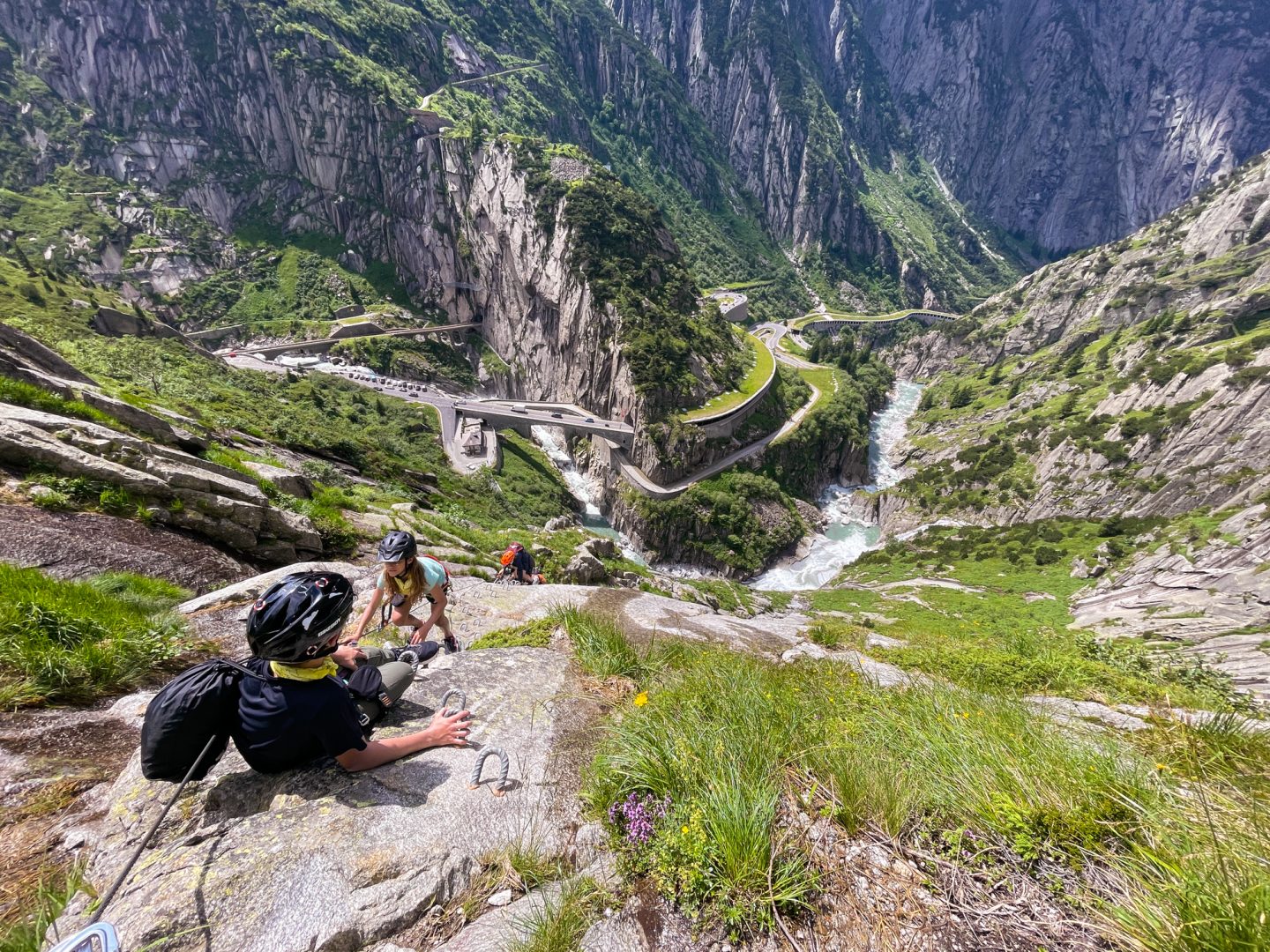
Family via ferrata (Klettersteig)
- Where & suitability: Family routes are common in Graubünden/Grisons and Ticino. Typical family via ferrata length is 200–800 m. Recommended ages are about 8+.
- Equipment & guidance: You must use a via ferrata set (harness plus an energy‑absorbing lanyard). Guided family options are widely available if you want extra confidence on exposed sections.
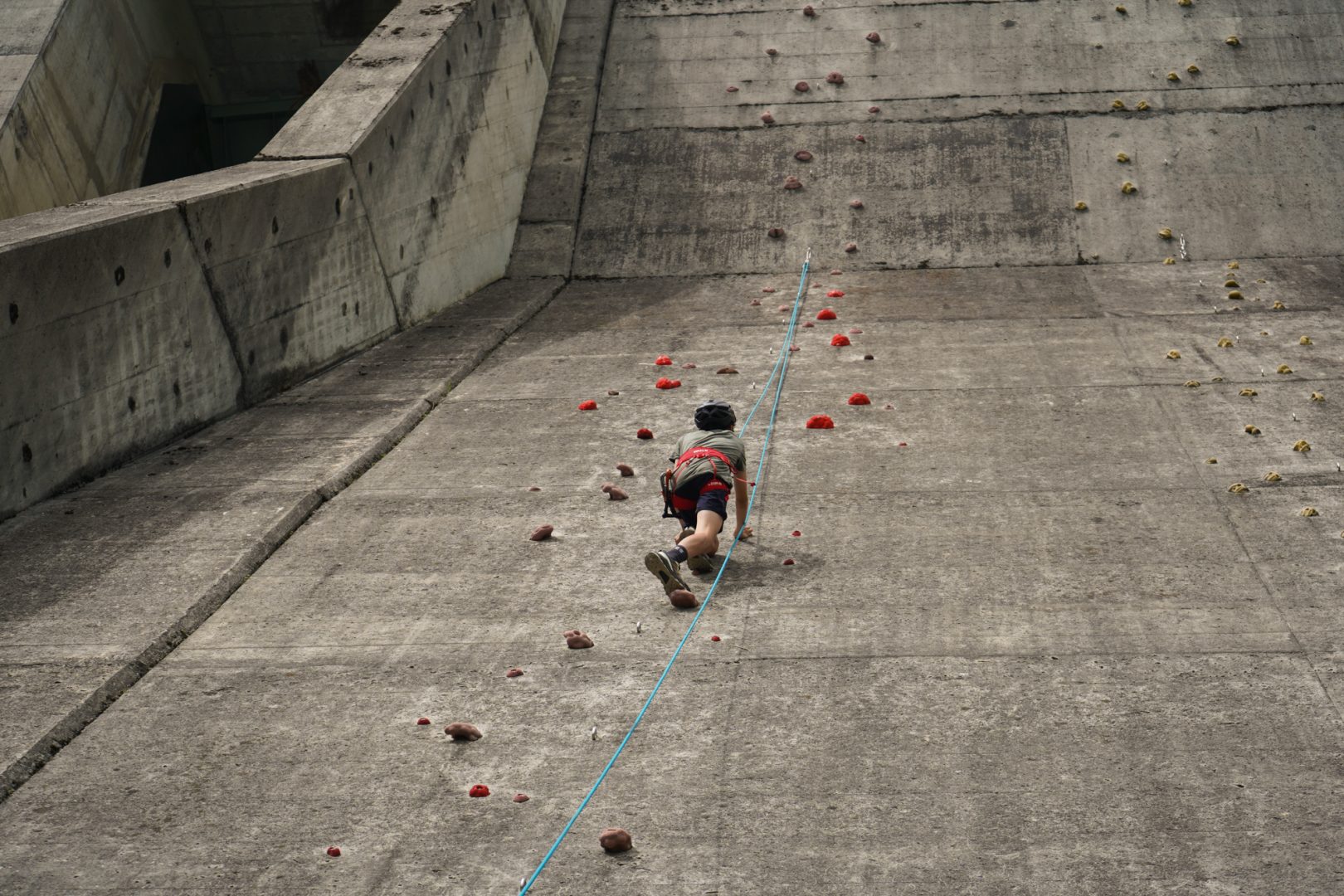
Outdoor climbing & bouldering
- Grades & heights: Beginner kids routes sit around UIAA I–III or bouldering grades V0–V2. Crag heights for beginners are often 10–20 m.
- Instruction: Many resorts and climbing schools run family courses for ages 6–8+ with top‑rope setups and professional instruction. I encourage starting with an instructor for first outdoor climbs to learn rope skills and solid belay habits.
Practical guidance, safety and costs
Below I list the essentials you should check and pack before you head out.
- Age & difficulty guidance: Cycle‑paths are fine from about age 6+; forest singletrack for 8+; downhill/flow trails suit teens. Family via ferrata commonly recommends ages 8+.
- Protective gear: Helmets at all times. Add gloves and knee pads for downhill or younger riders. Use a certified via ferrata set for klettersteig. Wear a comfortable harness and sturdy shoes for climbing.
- Rentals & cost expectations: Mountain bike rental CHF 30–80/day; e‑bike rentals are higher. Adventure‑park sessions typically cost around CHF 20–50 per child. Guided via ferrata family half‑day rates often range CHF 80–250 depending on length and guide.
- Safety checks and rules: Check weight and height limits for ziplines. Most parks require waivers and have strict harness‑use policies. Review operator safety briefings and enforce them with kids.
- Booking and peak season notes: Reserve bikes, guides and adventure‑park slots in advance for holidays and summer weekends. Shuttle services and school holiday programs fill fast.
- Local providers and regions: Look for climbing schools and adventure‑park operators in cantons like Valais, Graubünden and Ticino. Resorts such as Laax, Grindelwald and Zermatt each have family‑oriented offerings and rental hubs.
- Skill progression and teaching: Start on easy, low‑exposure lines and build confidence. I teach basic rope commands and hand signals before moving higher. Reward progress with a fun, easy run or a short zipline at the end.
If you’re planning a longer stay, consider combining activities on a family trip in Switzerland so kids can try mountain biking, a high ropes course and a guided via ferrata across different landscapes.
Snow & Ice Family Fun: Ski Schools, Snowshoeing, Ice Skating and Tobogganing
I focus on getting kids into the snow safely and with fun. Skiing in Switzerland is accessible: the country hosts roughly 150–200 ski areas spread across valleys and high alpine basins, so you’ll find family ski areas in the Swiss Alps almost everywhere.
I advise parents to consider ski kindergarten for the youngest children; many accept ages 3–4, while group lessons are common for ages 4 and up. Resorts often run snow gardens and supervised childcare so I recommend you book lessons and care in advance. Expect a typical beginner half‑day lift ticket to cost around CHF 20–40 per child.
I take a pragmatic approach to snowshoeing and winter walks with kids. Family snowshoe loops are usually short and manageable — commonly 1–5 km with 50–250 m of ascent — and rentals run roughly CHF 10–25 per day. Many resorts offer guided family snowshoe evenings and illuminated winter walks that keep little ones engaged after dark. For more ideas about outings and logistics, see family activities.
Ice skating outdoors is an iconic Swiss winter pastime. The country has about 1,500 lakes, and outdoor rinks or frozen ponds open at higher altitudes depending on weather. I always check local advice on ice thickness and stick to supervised rinks rather than random lake spots. Bring warm layers and traction aids for boots.
Tobogganing remains a high-energy family favourite. Several Swiss runs exceed 5–10 km, and many are lit for night sledding. Summer alpine coasters provide a shoulder-season thrill and are excellent for older kids. Ticket prices vary by resort, so I look up each run’s schedule and fees before heading out.
Safety and timing matter. The main winter sports window runs December–March, snowshoeing often stretches from mid‑winter into spring, and lake ice activities tend to be safest December–February. I always require helmets for kids on skis and sledges, check avalanche bulletins before any off‑piste activity, and follow local piste and safety updates.
Practical checklist for family winter days
Before you go, I follow this short list:
- Book kids ski school early and confirm age groups and childcare options.
- Reserve rental gear; expect snowshoe rental CHF 10–25/day and beginner lift tickets CHF 20–40 half‑day.
- Pack helmets, warm layers, and microspikes for icy approaches.
- Choose lit toboggan runs or supervised skating rinks for night activities.
- Pick family-friendly resorts like Wengen/Mürren, Saas‑Fee, Arosa, Engelberg‑Titlis, Laax, Zermatt, or Grindelwald and verify current opening schedules.
Gentle, Educational & Overnight Experiences: Horseback Riding, Fishing, Camping, Mountain Huts and Stargazing
I pick experiences that blend gentle challenge with clear learning outcomes. Horseback riding is approachable for toddlers and teens alike. Pony rides suit ages 3+ and run typical sessions 30–60 minutes; family trail rides usually last 1–3 hours. Many equestrian centres offer family packages and beginner supervision, so I recommend booking a guided ride for confidence and safety. For program ideas and camps that include equine options, see pony trekking Swiss Alps.
Fishing, pond‑dipping and rock‑pooling teach observation and patience. Day licences vary by canton; typical youth/regional day permit fee ranges around CHF 10–30. Alpine species you’ll commonly find include trout and char, and pond invertebrate dipping is a perfect hands‑on activity for younger children. I always stress catch‑and‑release where rules allow, and I teach kids simple ID skills and how to handle fish gently.
Camping and mountain huts offer different overnight rhythms. Swiss Alpine Club (SAC) runs approximately 150+ mountain huts across the Alps (Swiss Alpine Club). Family‑friendly huts often have short approaches (30–90 minutes), shared bunks and set meal times, so plan for early dinners and communal etiquette. Wild camping rules vary by region; I check local regulations and follow leave‑no‑trace principles every time.
Stargazing and alpine night walks create lasting memories and calm late‑evening activities. Guided astronomy sessions for children are common, with a typical session duration 1–2 hours. I schedule night walks for clear, moonless nights and bring small red torches, layered clothing and a simple star map to keep kids engaged without overwhelming them.
Practical family programming & booking
Below are sample overnight options and quick booking tips I use for family trips:
- Short hut stay + valley farm visit: easy 30–90 minute approach, communal dinner, morning farm tour with lambs or cheese demo.
- Family farm stay + cheese demonstration: hands‑on milking or feeding, local food tasting and a gentle altitude introduction for kids.
- Tented camping near lakes: ideal for summer evenings and simple stargazing sessions; pick established sites and avoid fragile alpine meadows.
- Booking & hut etiquette: reserve in summer months, bring sleep liners and warm layers, respect meal times and quiet hours.
I emphasize conservation and education in every activity. I include farm demos, seasonal events like spring lambing and sustainable fishing guidance so kids leave with respect for the landscape and practical skills for future trips.
65,000 km of trails — Planning, Safety, Costs & Practicalities (Seasonality, Transport, Packing and Family Logistics)
Switzerland covers roughly 41,285 km² and the Alps make up around 60% of that area; the Dufourspitze (Monte Rosa summit) tops out at 4,634 m and the Alps include 82 official “four‑thousanders.” Switzerland also has roughly 1,500 lakes and around 65,000 km of hiking trails — facts you can use directly in headers and meta copy to boost visibility.
Seasonality and quick timing rules
Use these seasonal windows when planning family activities; local conditions can vary by altitude and year.
- Hiking: May–Oct (expect high passes to stay snowbound until July).
- Lake swimming: July–August (most lakes warm enough then).
- Winter sports: Dec–Mar (exact window varies by altitude).
Advice: plan activities around these windows and check local snow and water temperatures before you go.
Costs, discounts and advance‑booking tips
Typical price ranges to quote readers and tips to reduce spend:
- Cable car: CHF 10–60 per adult.
- Equipment rental: CHF 10–80 per day.
- Guided family tour: CHF 80–250 depending on length and guide.
Money‑saving tips: always check regional guest cards, the Swiss Travel Pass benefits and family passes; local resort offers often cut lift and transport costs. Book timed attractions well ahead — Jungfraujoch and Gornergrat seats, popular scenic‑train windows, summer‑hut bunks and adventure‑park slots sell fast.
Safety and mountain logistics
Mountain conditions change fast. Daily weather checks and family briefings are essential.
- Altitude awareness: monitor kids for headache, nausea or unusually tired behaviour.
- Sun protection: high UV at altitude — use SPF, hats and sunglasses.
- Trail discipline: stay on marked trails and follow local signs.
- Winter risks: avalanche awareness in winter; carry proper gear if traveling off‑piste.
Emergency: call 112 or 144.
Packing checklist, transport notes and practical attachments
Below I list the items I always pack and the practical notes families ask about most. Use these as printable prep tools.
Packing checklist (bring these)
- Layered clothing, insulating mid‑layer, rain shell, warm hat and gloves.
- Sturdy footwear (children’s boots), child carrier for steep terrain, compact stroller for valley paths.
- Sun protection, sunglasses, basic first‑aid, blister kit.
- Map, headlamp, extra snacks, water and a power bank.
Transport and accessibility quick notes
- Rail network: Switzerland’s SBB and regional lines reach most mountain towns; many peaks are train + cable‑car combos.
- Stroller accessibility: varies — valley promenades and lower alpine routes are usually stroller‑friendly but check operator rules.
- Reservations: reserve scenic‑train seats and cable‑car time slots for peak days.
Attachments I recommend offering as downloads
- Family alpine packing checklist (PDF).
- Three sample itineraries: half‑day, full‑day, multi‑day.
- Map and elevation profile files for recommended family hikes.
For practical itinerary examples see my family trip in Switzerland page — it shows distances, durations and booking notes you can adapt.
Sources:
UNESCO
Swiss Alpine Club (SAC)
SBB / Regional lines
Swiss Travel Pass
Jungfraujoch “Top of Europe”
Gornergrat Railway
Glacier Express
Bernina Express
GoldenPass