Top Swiss Mountain Locations for Kids’ Adventures and Camps
Plan family-friendly mountain adventures in the Swiss Alps: regional guides, kid-safe camps, altitude tips, packing lists and family itineraries.
Planning a family trip to the Swiss Alps? This comprehensive guide brings together regional recommendations, safety and altitude advice, camp selection tips, packing checklists and printable assets to help you choose the right mountain experiences for toddlers, school-age children and teens. Use the quick links below to jump to the region or topic you need, and download the checklists and templates before you travel.
Overview & Quick Facts + Seasonal Planning
Top-line stats & quick facts
Here are the key figures and travel snapshots to help plan trips and choose the best mountain adventure camps for children Switzerland offers.
- Switzerland area ≈ 41,285 km², with the Alps covering ≈ 60% of the country — plenty of terrain for family-friendly Alps adventures.
- There are 48 Alpine peaks above 4,000 m, so high-altitude play tends to be concentrated and managed at specific sites like Jungfraujoch, Matterhorn viewing points and glacier areas.
- Thousands of kilometres of marked hiking trails traverse cantons; check cantonal tourism pages for exact totals and seasonal closures (Bern, Valais, Graubünden/Engadine pages are especially useful).
- Practical travel-time snapshots from Zurich: Interlaken ≈ 2–2.5 hrs; Zermatt ≈ 3.5–4 hrs; Engelberg ≈ 45–60 min — these give a sense of day-trip feasibility for families.
- Altitude guidance quick facts: kids usually comfortable for day trips to ~2,000–2,500 m with precautions; above ~3,000 m plan acclimatisation and medical advice where needed (keep altitude safety 2,500 m in mind).
Seasonal planning, activity ideas and age guidance
We recommend matching month, altitude and child age to reduce risk and maximise fun.
Summer (June–Sept): alpine hiking, adventure parks, summer camps in Switzerland, beautiful lakes and glacier snow play suit many families. Lower alpine routes around Interlaken, Engelberg-Titlis and the Valais lake routes work well for school-age kids. We suggest packing layers, plenty of water and sun protection; monitor signs of fatigue and turn back early if needed.
Autumn (Oct–Nov): choose lower-elevation hikes to enjoy colourful foliage and quieter camps. Bernese Oberland valleys and parts of Graubünden offer crisp, child-friendly trails and calmer family camps; book earlier in bilingual regions where French- and German-speaking services overlap (Valais, Bern).
Winter (Dec–Mar): ski and snow camps, sledging and resort crèches dominate. Many resorts provide indoor childcare/crèches and family lessons — Engelberg, Zermatt and Interlaken-area resorts list child-care options and beginner slopes. For toddlers we recommend valley-level sledging and short gondola rides; book creche space ahead for holiday weeks.
Spring (Apr–May): high-altitude access can be limited; pick glacier bases and pre-season ski camps on glaciers (Titlis, Zermatt glacier activities) for early snowplay. We advise checking lift openings and avalanche bulletins before travelling.
Age-specific, actionable tips we follow:
Toddlers (0–3): keep routes valley-level or short gondola trips. Avoid prolonged altitude and always bring spare clothing, snacks and a lightweight carrier for steep sections.
School-age (3–11): plan family hikes to alpine lakes, supervised glacier snowplay and adventure parks. Use shorter stage lengths, choose trails with switchbacks and regular rest spots, and teach basic altitude awareness signs.
Teens (12+): allow longer hikes, mountain biking and via ferrata where age, weight and local regulations permit. We check equipment rules, guide age minimums and helmet requirements before booking.
Practical prep actions we take before every mountain day: check weather and lift status, pack layered clothing and sunscreen, plan gradual ascent profiles, hydrate frequently, and identify nearest mountain rescue or resort medical services for peace of mind.
Bernese Oberland: Jungfrau Region + Interlaken & Lakes Thun/Brienz
We choose the Jungfrau region because it combines high-alpine spectacle with accessible family-friendly options. Interlaken sits at roughly 566 m and acts as our transport hub (Interlaken Ost), so you can hop between valley experiences and high-altitude adventures in one day.
At the top end, the famous Jungfraujoch is reachable by cogwheel train and sits at Jungfraujoch 3,454 m. It delivers glacier views, the Ice Palace and the Sphinx viewpoint. We treat it as a supervised full-day outing for families: expect cold temperatures, short walks on icy surfaces and crowds in high season. For summit-feel with more playful options, First (summit around First Cliff Walk 2,168 m) in the Grindelwald area gives kids ziplines, the First Flyer and Trottibike downhill — all staples of Grindelwald family activities.
Bachalpsee is an ideal family hike. We recommend the easy 6 km round-trip from First with a moderate grade and a stunning alpine-reflection photo spot. Move slowly with little legs, stop often for snacks and expect about 2–3 hours depending on pace.
We pick lake options when families need gentle time. Boat trips on Lake Thun and Lake Brienz are calm, scenic and suitable for toddlers to teens — short 1–2 hour family cruises let little ones stretch without tiring out parents. For a quick panorama, Harder Kulm is one funicular ride from Interlaken and gives an easy viewpoint with a playground and restaurant.
Here’s a sample family day we often recommend: morning take the train Interlaken → Jungfraujoch (full-day outing). Book tickets in advance for high season via Jungfrau Railways, pack mid-day warm layers, and allow a slow pace for kids. Afternoon, return via Grindelwald for First activities (zipline/Trottibike) or opt for a relaxing Lake Brienz or Lake Thun cruise.
Quick practical facts and action points
Use this checklist to plan and adapt activities to your children’s ages.
- Transport hubs & elevations: Interlaken ≈ 566 m; Grindelwald ≈ 1,034 m; Wengen ≈ 1,274 m.
- Travel times: train Interlaken → Grindelwald ≈ 30–35 minutes; cogwheel connections to Jungfraujoch require transfers and take several hours round-trip.
- Jungfraujoch fares: ticket prices vary by season and discounts (Swiss Travel Pass partial discounts apply) — check Jungfrau Railways before you travel.
- Age guidance:
- Toddlers: stick to valley-level Lake Thun Brienz boat trips, Harder Kulm and village strolls.
- School-age (6–12): Bachalpsee hike, First zipline and First Flyer (confirm age/weight rules at the station), supervised Trottibike downhill (often 8+).
- Teens: longer hikes, mountain biking and more challenging routes around Grindelwald and Mürren.
- Clothing & safety: always carry warm layers, windproof jacket and sun protection for high-alpine stops. Acclimatize gradually; monitor kids for cold-related symptoms and keep them closely supervised on snow/ice and at viewpoints.
- Booking & logistics: reserve Jungfraujoch tickets in peak summer; arrive at Interlaken Ost early to secure seats; check activity age/weight limits for ziplines and Trottibikes at First.
- Practical kit: small daypack, spare gloves and hats, high-energy snacks, credit card for on-site payments, child ID and medication if needed.
- Local rules: follow posted signs on trails and at lookouts; Swiss mountain rescue is excellent but prevention saves time and stress.
Tip: Book tickets on Jungfrau Railways for peak dates, pack layers for Jungfraujoch 3,454 m and First Cliff Walk 2,168 m, and choose lake cruises when little ones need a gentle, scenic option.
Valais Alps: Zermatt, Gornergrat, Klein Matterhorn & Saas-Fee
We love the Valais for family mountain adventures. Zermatt and Saas-Fee are standout bases with car-free villages that make exploring with small kids much easier.
Zermatt sits at about 1,608 m and is famously car-free — a real benefit for parents. The village runs on electric taxis and trains, so we find stroller walks and toddler-safe streets far less stressful than roadside parking. The Matterhorn 4,478 m dominates the skyline and delivers unforgettable sunrise photo spots. We recommend early-morning trips to vantage points near the Bahnhof or along the river for family shots when light is soft and crowds are smaller.
For a quick family outing, compare the two classic lifts: Gornergrat and Klein Matterhorn. Gornergrat 3,089 m is served by a cogwheel railway that carries you to panoramic viewpoints with relatively gentle altitude gain — a half-day excursion that suits most families. Klein Matterhorn 3,883 m is reached by cable car and drops you onto glacier terrain. Its Glacier Paradise and Ice Palace offer a true high-altitude glacier experience, but temperatures are much colder and conditions require stricter clothing and precautions.
Saas-Fee is another car-free gem. The village sits around 1,800 m and the Mittelallalin/Allalin area reaches roughly 3,500 m — often labeled Saas-Fee Mittelallalin 3,500 m on maps and guides. That lift infrastructure gives reliable summer snow, an Ice Pavilion and beginner slopes close to town. We find Saas-Fee especially family-friendly for glacier play and safe, marked learning areas for kids just starting on skis or sleds.
Practical tips, age recommendations and family services
Below are the key points we always check before heading up the valley.
- Clothing & safety: Pack layers, windproof outer shells and sunglasses. Even in July, glacier zones on Klein Matterhorn 3,883 m and Saas-Fee Mittelallalin 3,500 m stay cold. We emphasize warm base layers for toddlers and strict supervision near crevasses and seracs.
- Altitude & activities by age:
- Toddlers — stick to village-level activities: short valley walks, playgrounds, gentle gondola rides and easy train trips in car-free Zermatt family friendly areas.
- School-age kids — take the Gornergrat 3,089 m cogwheel railway for panoramic walks and supervised glacier snowplay at marked sites.
- Teens — consider via ferrata, longer hikes or advanced climbs with certified guides; always check operator age/weight limits first.
- Childcare & camps: Les Elfes has a presence in Valais; local ski schools commonly offer toddler crèche and beginner lessons. We recommend booking early for peak weeks (school holidays).
- Travel times: Plan train journeys—Zurich → Zermatt takes about 3.5–4 hrs; Geneva → Zermatt about 3–3.5 hrs. We prefer trains for convenience in car-free areas.
- Glacier access & supervision: Only visit glaciers in marked areas or with guides. We always check lift operator rules, age and weight limits, and current mountain conditions before booking.
- Logistics tip: Reserve sunrise or late-afternoon Gornergrat windows for softer light and fewer crowds. For Klein Matterhorn, confirm cable-car operating hours and pack crampons or rent equipment at the top if you plan glacier walks.
Central Switzerland: Engelberg–Titlis day trips and family glacier play
Titlis 3,238 m crowns a compact, high-impact family outing. We can reach the Rotair rotating cable car from Engelberg village and be standing on the glacier within an hour of leaving town. The Bergstation area mixes thrilling experiences — the Titlis Cliff Walk suspension bridge, glacier playgrounds and easy lifts for beginners — with short, manageable days for families.
Engelberg village sits at roughly 1,000 m and offers fast connections from Zurich, making an Engelberg family day trip Zurich 45 min a realistic option for many families. We usually recommend an early start: the day feels longer, kids stay energized, and weather windows are better at altitude.
What families can do — and how to plan it
Below are the activities we rely on and practical tips for keeping the day smooth.
- Rotair & summit visit: Board the Rotair rotating cable car for a continuous, 360° ride up. Expect cold, windy conditions at the top. Bring warm layers and sunglasses for everyone.
- Titlis Cliff Walk: Walk the Titlis Cliff Walk suspension bridge with older kids for dramatic views. Stay close to children, and avoid peak gusts; the bridge has safety rails but it’s exposed.
- Glacier playground & summer sledging: In summer we find the glacier playground a big hit — think small toboggans and snow tubing on groomed snow. Keep toddlers off the glacier itself; school-age kids can join supervised sledging runs.
- Beginner ski options: Engelberg runs gentle nursery slopes and magic carpets ideal for first-time skiers. Book a beginner lesson through local ski schools to speed progress and improve safety.
- Age guidance: Toddlers — stay around the valley and take short gondola rides; Engelberg playgrounds give low-altitude fun. School-age — supervised glacier activities and sledging are great. Teens — via ferrata routes and more technical alpine options exist near Engelberg, but check age restrictions and ensure proper guides/equipment.
- Short-trip itinerary we use: Take the first Rotair up, spend the morning at the glacier playground and Titlis Cliff Walk, have lunch at the summit restaurant, then return for a gentle family hike in Engelberg valley in the afternoon.
- Clothing & safety checklist: Expect sub-zero temps on the glacier even in summer. Pack waterproof outer layers, insulated jackets, warm hats, gloves, sunglasses and high-SPF sunscreen. We always bring a small first-aid kit, extra snacks and a charged phone.
- Glacier rules: Never wander off marked areas. Crevasses can be hidden by snow. For any glacier traverses beyond the playgrounds, hire a certified mountain guide or join a guided family program.
- Logistics tips: Trains to Engelberg run via Lucerne; check SBB schedules and mountain transport timetables. Reserve summit cable-car tickets or lunch slots in busy summer weekends and school holidays.
- Local camps & lessons: Engelberg summer day camps cater to ages 4–14 with mountain games, basic climbing and nature education. Beginner ski programs run in winter and spring; family-friendly hotels often partner with schools for equipment rental and childcare.
We pick accommodation in Engelberg that offers easy access to the valley lifts and childcare options when we want a relaxed evening. For technical activities near Engelberg, we check age limits and require helmets and harnesses for via ferrata. For families wanting a high-alpine taster without long transfers to Jungfrau or Zermatt, Titlis is ideal — it delivers glacier thrills and the Titlis Cliff Walk in a single, manageable day and pairs well with Engelberg summer day camps for longer stays.
Davos–Klosters: sport-specific camps & mountain biking for kids
We find Davos–Klosters ideal for families who want focused training and plenty of outdoor space. With Davos elevation 1,560 m and Klosters around 1,200 m, the broad valley hosts many sport-specific programmes and year-round infrastructure that suit week-long stays or multi-week camps.
Why Davos works for families and what to expect
We see two main strengths: space and variety. The valley stretches across Davos Platz, Davos Dorf and Klosters, giving camps room for separate beginner and progression areas. Parsenn, Jakobshorn and Rinerhorn all run summer trails, downhill beginner zones and summer toboggan runs. That layout makes Davos family camps and Davos mountain biking for kids both practical and progressive.
Below are the practical points we recommend families check before booking:
- Age suitability — Toddlers: use crèche and childcare at local ski schools (minimum ages typically ~3–4 for ski classes; check each operator). School-age kids: ideal for week-long mountain-bike camps and multi-sport weeks. Teens: best for intensive sports academies and downhill progression programmes.
- Camp types — Expect week-long mountain-bike camps for ages ~8–16, skills clinics at Jakobshorn and Parsenn, and multi-sport camps that mix MTB, climbing and trail running — perfect for multi-sport camps Switzerland seekers.
- Facilities — Bike parks with kid-friendly trails, pump tracks, skills areas and summer toboggan runs at Parsenn and Rinerhorn. Kids’ ski schools and toddler crèche services operate across Davos and Klosters in winter.
- Transport & logistics — Davos is spread-out. Choose accommodation near the lift or bus hub for your chosen camp (Davos Platz or Klosters Dorf often work best). Trains arrive frequently via the Rhaetian Railway; local PostBus routes link remote trailheads.
- Gear & safety — Rent bikes and helmets locally if you don’t want to travel with gear. We recommend full-face helmets only for advanced downhill; a certified MTB helmet and pads suit most kids. Confirm insurance and emergency procedures with the operator.
- Booking tips — Popular summer camps fill early. Reserve 3–6 months ahead for peak July–August weeks. For winter ski school with crèche, book as soon as dates are announced to secure toddler spaces.
We advise parents to match the camp intensity to their child’s experience. Toddlers should stick to low-elevation activities and supervised crèche. Children aged 8–12 get the most from basic to intermediate mountain-bike camps, building cornering and braking skills. Teens benefit from multi-week academies focused on progression, race prep or guided downhill runs.
We recommend checking operator specifics for minimum ages, group sizes and instructor qualifications. Look for camps affiliated with local mountain-bike associations or recognised ski schools in Davos–Klosters. Confirm daily schedules, drop-off/pick-up points and weather contingency plans before you arrive.
To prepare, follow these simple steps when booking:
- Choose your base (Davos Platz for quick access to Jakobshorn; Klosters for a quieter village feel).
- Book camp and accommodation together if possible to guarantee proximity to meeting points.
- Arrange rental gear in advance and pack layered clothing for alpine weather shifts.
- Bring copies of insurance and emergency contacts; note local emergency number 144 for Switzerland.
Graubünden & Engadine: Arosa–Lenzerheide, Laax & St. Moritz
Arosa–Lenzerheide: nature, gentle family hiking and wildlife
We favour Arosa for calm mountain days and easy trails that suit young legs. Arosa elevation ≈ 1,775 m offers cooler mornings and meadow paths that are ideal for Arosa family hikes. Parents can follow lakeside loops around Obersee, take the Hörnli cableways for short summit walks, or choose gentle valley paths to spot marmots, chamois and alpine birds.
We recommend booking summer kids’ programmes early; many run themed nature weeks with guided wildlife spotting and hands-on learning. For practical planning, pick routes with clear turnaround points, carry layered clothing for sudden weather changes, and bring binoculars and a field guide for instant discovery. Trails are well marked, but we always check local trail reports at the tourist office in Arosa or Lenzerheide before setting out.
Laax, St. Moritz & Swiss National Park — activities by interest and age
Below are our suggested matches between regions and children’s interests, plus quick practical tips for each.
- Wildlife & education: Swiss National Park (172.2 km²) and Zernez provide immersive conservation programmes and guided family treks. We advise parents to prep kids on park rules — stay on trails, no picking plants, and observe quietly to increase chances of seeing wildlife. Expect elevation changes from about 1,400 to over 3,000 m; choose lower valley walks for younger children.
- Gentle family hiking & nature camps: Arosa family hikes suit school-age kids who enjoy wildlife walks and learning about alpine habitats. We pack snacks, sun protection, and a compact first-aid kit. Many Arosa summer camps include short summit excursions and nature crafts.
- Freestyle & teens: Laax is famous for its parks and coaching — think Laax kids’ snowpark and youth-focused freestyle programs. We recommend booking a block of lessons; consistent coaching accelerates progress and keeps teens motivated. In summer, Laax runs bike and trick camps that bridge skills from snow to dirt.
- Scenic family & luxury activities: St. Moritz (St. Moritz 1,822 m) pairs refined amenities with family fun: pony-trekking, lake swims in the Upper Engadine, and summer toboggan runs. We often combine a day in St. Moritz with a Bernina scenic train family journey on the Bernina/Albula routes from Chur → St. Moritz for unforgettable panoramas.
- Age guide:
- Toddlers: pony rides, short lakeside strolls and gentle valley excursions — choose lower-altitude venues and shade.
- School-age (6–12): family hiking, wildlife trails in Arosa or Zernez, and day camps with clear learning outcomes.
- Teens (13+): Laax freestyle coaching, longer ridge hikes, and multi-day scenic train trips like the Bernina for more independence.
We always check transport links and book key items in advance — lift tickets, coaching sessions, and Camp/SKILLS slots — especially during school holidays. For national-park visits, we plan short, interpretive walks and bring spare water and sun protection, since trail services can be limited. For Laax and St. Moritz activities, we verify age and helmet requirements and reserve rentals online to avoid busy-day disappointments.
Practical planning: choosing camps, transport & family logistics
We help families cut through options so you can pick the right summer camp with confidence. Start by matching the programme to your child’s age, interests and language comfort, then verify safety, logistics and food needs.
When choosing a camp, consider age and focus first. Toddlers need short, gentle programmes or crèche care. Ages 3–6 thrive in play-focused beginner camps. Kids 7–11 enjoy multi-activity weeks with clear routines. Teens want challenge: adventure, language immersion or internship-style experiences. We look for clear daily schedules and progressive skill plans so expectations match reality.
Staffing and accreditation matter. Prioritise instructor-to-child ratios and ask for staff CVs and first-aid/childcare certificates. Choose J+S accredited Swiss camps where possible — J+S accreditation signals standardized safety and training for sports and outdoor youth work. Also confirm medical and insurance procedures: who holds medication, where is the nearest clinic, and what’s the emergency transfer plan for car-free villages like Zermatt or Saas-Fee.
Language and inclusion shape the experience. Many camps in Valais and the Bernese Oberland run in German or French; look for bilingual or English-friendly options if you’re international. Les Elfes camps Verbier Zermatt advertise multilingual staff and structured language hours, which suit families wanting both outdoor play and language exposure.
Transport logistics affect comfort. Swiss trains are reliable and stations are generally stroller-friendly, but regional lines (e.g., mountain rack rail) vary in platform access — check SBB and regional carrier details before booking. Remember car-free villages use electric taxis, shuttle trains or lifts; you may need an extra 15–45 minute transfer from the nearest car-accessible drop-off. Approximate travel times from Zurich: Interlaken ≈ 2 hrs; Zermatt ≈ 3.5–4 hrs; Engelberg ≈ 45–60 min. We recommend booking SBB connections early and noting luggage transfers and stroller policies.
Accommodation and meals shape daily life. Family rooms or self-catering apartments ease picky-eater challenges and late toddler bedtimes. Seek hotels or hostels with kids’ menus and high chairs. Alpine huts are brilliant for short hikes, but reserve for lunch on popular weekends. Local Swiss Youth Hostels family programmes often combine budget-friendly rooms with child-focused extras.
Quick checklists, operator comparison and packing
Below are compact, actionable lists to research and pack before you book.
- Choosing a camp — quick checklist:
- Child’s age & interests matched to programme (toddlers / 3–6 / 7–11 / 12+).
- Instructor-to-child ratio and staff qualifications (first aid, childcare, language skills).
- Accreditation: J+S (Jugend+Sport) or equivalent.
- Residential vs day option — review daily schedule, wake/bed times and meal plans.
- Medical/insurance: on-site nurse, emergency procedures, copies of prescriptions and insurance card.
- Language of instruction and bilingual options.
- Sample operators — quick research points:
- Les Elfes camps Verbier Zermatt | Verbier, Zermatt | 7–17 | residential/day | multilingual staff | week price ~CHF 1,400–2,200.
- Swiss Youth Hostels family programmes | various | all ages | residential/self-cater | J+S affiliated local camps possible | week price ~CHF 300–900.
- Local J+S affiliated camps | local valleys | 6+ | day/residential | J+S accredited Swiss camps | price varies by canton.
- Local ski schools (Zermatt, Grindelwald, Engelberg) | resort towns | 3+ | day | ski school certified | lesson packages ~CHF 100–400/week.
- Packing checklist (bring these every time):
- Layering: base, mid, insulating shell (waterproof jacket and pants).
- Sun protection: sunscreen, sunglasses, sun hat.
- Water bottle, small daypack and sturdy walking shoes.
- Small first-aid kit, altitude symptom card, photocopy of insurance and prescriptions.
- Extra chargers, a lightweight travel blanket and comfort item for younger kids.
- Downloadables and templates: We offer a summer packing list and one-week itinerary templates per region to help you book family mountain camp Switzerland and plan transfers, meals and rest days.
Safety considerations & altitude guidance for families
We guide families through altitude, weather and activity rules so you can pick safe mountain adventures for children across Switzerland. We balance excitement with clear limits and give practical steps you can use on the trail, at a hut or at a resort.
Keep altitude simple: most valleys and many resorts sit below 2,000 m and suit toddlers and infants. When you head higher — to places like the Jungfrau region, Titlis (3,238 m) or the Matterhorn Glacier Paradise — plan differently and expect slower pace and more checks.
Practical limits, symptoms and quick actions
Read this short checklist before you go and keep a copy in your pack.
- Altitude guidance (quick reference)
- 0–2,000 m: suitable for all ages — choose child-friendly hiking Switzerland routes like easy trails around Davos, Interlaken valley walks or family paths in the Engadin.
- 2,000–2,500 m: OK for school-age children with precautions — limit first-day exertion and watch for early symptoms.
- 2,500–3,000 m: older children only; allow acclimatization and limit vigorous activity.
- >3,000 m: seek medical advice; reserve for guided, experienced outings (e.g., guided trips onto Aletsch area or glacier viewpoints).
- Symptoms to watch for
- Headache, nausea, fatigue, poor appetite, dizziness — take these seriously in children and slow the ascent or descend.
- Practical acclimatization tips
- Ascend gradually; plan an overnight stop between big altitude gains (for example, stay one night in Saas-Fee before heading higher).
- Limit vigorous activity during the first 24 hours at higher altitude.
- Keep children well hydrated; avoid alcohol and sugary drinks; schedule rest days after travel.
- Activity-specific age/weight examples
- Ski school: many Swiss ski schools accept children from 3–4 years; check resort rules in Zermatt, Verbier or St. Moritz.
- High-ropes/zipline/canyoning: typical minimum ages run 8–12 and operators set weight limits — always check operator terms and waiver details.
- Paragliding tandem: age and weight limits vary by company; contact operators in Interlaken or Gstaad in advance and ask about child harnesses.
- Emergency & medical planning
- Carry health insurance details and EHIC for EU families; non-EU families should review Swiss insurance rules and carry proof of coverage.
- Know the nearest medical facility for your base — resorts usually publish emergency contacts (e.g., mountain rescue numbers for the Jungfrau and Zermatt areas).
- Bring copies of prescriptions, a basic first-aid kit and any necessary asthma or allergy medication.
- Weather and seasonal hazards
- Expect rapid temperature swings and plan morning hikes to avoid summer afternoon thunderstorms.
- Respect glacier hazards — crevasses and persistent cold mean only guided travel or marked, managed glacier paths (e.g., guided Aletsch or Titlis crossings).
Before booking an activity, we call operators to confirm age and weight rules and ask about on-site medical procedures. We also print or save offline the resort’s emergency and clinic contacts, and we build extra time into itineraries for slow starts, naps and hydration breaks.
For trips approaching or exceeding 2,500 m we recommend discussing plans with your paediatrician, especially for children with respiratory or heart conditions and when you search for “altitude safety children 2,500 m” guidance online.
When in doubt, descend a few hundred metres: symptoms often improve quickly and that action keeps the day fun and safe for the whole family.
Frequently Asked Questions
Ages, safety and activities
Q1: What age is appropriate for a first mountain camp in Switzerland?
We find day camps often accept children from about 3 years old; many residential camps begin around age 6. Several resorts (Zermatt, Saas‑Fee, Verbier) offer crèche or kindergarten options for 1–3 year olds—check each operator’s age rules.
Q2: Can toddlers handle mountain day trips?
Yes — at lower elevations and with sensible pacing. We stick to gentle trails, plan frequent rests and shade breaks, bring extra snacks and a sun hat, and keep outings under 2–3 hours for younger toddlers.
Q3: How high can children safely go in the Alps?
For day trips we recommend staying below about 2,500 m and watching for tiredness or headaches. Trips above 3,000 m need acclimatisation and medical advice; if you plan high routes consult a paediatrician first.
Q4: What should I pack for kids on a mountain day trip in summer?
We pack for kids layers and sun protection as essentials. Always include water and snacks, a small first‑aid kit and an altitude‑symptom card listing when to seek help.
Q5: Are there car-free resorts good for families?
Yes — Zermatt and Saas‑Fee are fully car‑free and family-friendly, with safe village streets, easy lifts and lots of child activities. Engelberg and Wengen also offer calm, pedestrianised areas.
Q6: Do Swiss camps teach in English?
Many international providers (for example Les Elfes) run English programmes; some local camps include bilingual staff. We always check the operator’s language policy before booking.
Q7: How to find J+S‑accredited camps?
Search the Jugend+Sport (J+S) listings or ask camp providers to show their J+S accreditation. We recommend J+S for recognised Swiss safety and instruction standards.
Q8: Are glaciers safe for kids?
Only on marked access zones or with an experienced guide. We avoid unroped glacier travel with children, dress them warmly and keep a strict distance from crevasses and seracs.
Packing, travel, bookings and practicalities
Here are the items we always bring for a safe, comfortable day in the mountains:
- Layered clothing (merino base, insulating mid‑layer, waterproof shell)
- Sun protection (hat, sunglasses, SPF 50+ sunscreen)
- 2 litres of water per adult and age‑appropriate amounts for children
- High‑energy snacks and easy lunch items
- Small first‑aid kit and altitude‑symptom card
- Lightweight carrier or sturdy stroller for stations and easy paths
Q9: Cogwheel and cable‑car trips typically run CHF 50–200 per person depending on route and season. We check operator pages for current fares and look for family tickets or regional passes.
Q10: Many major resorts (Zermatt, Davos, Engelberg) provide childcare or crèche services; availability and ages vary by season and operator, so we book early and confirm staff qualifications.
Q11: Canyoning or paragliding are operator‑specific activities. Minimum ages between 8–12 and minimum weight limits are common. Always confirm certifications, group ratios and helmet/gear sizes beforehand. For other ideas see our activity guides.
Q12: Notify the camp well before arrival about food allergies. Reputable operators use allergen protocols and train staff; we request written confirmation of their procedures and carry emergency meds (e.g., epipens).
Q13: Train travel with a stroller is generally easy in Switzerland. Check platform accessibility on regional lines and use SBB’s journey planner for step‑free connections (see SBB website).
Q14: Book summer camps 3–6 months ahead for popular weeks in July and August. Reserve early if you need specific weeks, language options or J+S accreditation.
Q15: Yes — the Swiss Half Fare Card, Swiss Family Card and regional offers often cut transport costs. Check SBB and Swiss Travel System pages for current family deals.
Appendix (suggested visuals & comparison assets to include in the live post)
We’ll keep the appendix practical and ready to drop into the live article so editors and designers can implement assets fast. Below I outline the must-have comparison table columns and give a few sample entries to copy into the CMS, plus visual, bilingual and SEO guidance to integrate across captions and metadata. what kids should expect
Comparison table — suggested columns (must-have): Location | Village elevation (m) | Notable summit/viewpoint (name + m) | Typical train time from Zurich (approx) | Best season | Best ages. Populate each cell with verified figures before publishing and flag any seasonal closures. how to choose the best summer camp
Sample rows you can paste directly into drafts and then verify:
- Zermatt | 1,608 m | Matterhorn 4,478 m / Gornergrat 3,089 m | Zurich ≈ 3.5–4 hrs | Summer & Winter | ages 3+ general, 8+ for adventure.
- Jungfrau region (Grindelwald/Wengen) | 1,034–1,274 m | Jungfraujoch 3,454 m / First 2,168 m | Zurich ≈ 2.5–3 hrs | Summer & Winter | ages 4+ general, 7+ for via ferrata or alpine routes.
- Davos/Arosa | 1,560–1,800 m | Jakobshorn 2,590 m / Weissfluhjoch 2,665 m | Zurich ≈ 2–2.5 hrs | Summer & Winter | ages 3+ general, 9+ for mountain-biking trails.
- Saas-Fee | 1,800 m | Allalinhorn 4,027 m / Mittelallalin 3,500 m | Zurich ≈ 3–3.5 hrs | Summer & Glacier season | ages 5+ general, 10+ for glacier hikes with guides.
Assets to create and include (use these exact items in the live post)
Below are the specific visual and comparison assets we should include in the live post:
- Comparison table — deliver as responsive HTML table plus a CSV for editors. Include a verification flag column (e.g., “verified: date”) so editors confirm elevations and train times before publishing.
- Map — static SVG and interactive embed: pin all locations and show approximate train times from Zurich and Geneva with concentric time rings (30, 60, 120, 240 mins).
- Infographic — Top 5 mountain activities for kids: hiking, cable-car rides, easy via ferratas, summer toboggan runs, glacier viewpoints. Add age guidance and simple risk notes (supervision level, footwear, altitude caution).
- Packing one-pager — printable PDF and web HTML with checklist items: layering system, sun protection, reusable water bottle, altitude information card for kids, compact first-aid, whistle, child-size crampons for glacier trips. Mark items required by season (winter gloves, crampons, helmets).
- One-week family itinerary templates — three downloadable PDFs: close day-trip (base Zurich/Bern), multi-day alpine (Jungfrau/Grindelwald loop), glacier-focused (Saas-Fee/Verbier with glacier station visits). Include travel times, suggested camps or family-friendly hotels, and age-tailored activities.
- Suggested visual alt-texts — “Jungfraujoch Top of Europe 3,454 m family viewpoint”, “Matterhorn 4,478 m Zermatt family photo”, “Bachalpsee 6 km family hike Jungfrau region”. Ensure alt-text contains primary keywords and location/canton names.
- Bilingual cues — display local names and languages: tag German regions (Grindelwald, Davos, Arosa) with DE cues and French Valais pointers (Sion, Verbier) with FR cues. Add a simple language badge on camp/operator callouts (DE/FR/EN) so parents know what to expect.
- Seasonal/regional notes — visual badge system: year-round (glacier cable cars), summer-only (alpine passes, high-altitude trails), winter-only (specific sledging runs). Add altitude warnings where kids may feel effects above ~2,500 m.
- SEO & editorial checklist card — include target total article length (4,000–5,000 words), H1/H2 keyword placements (use “Swiss Alps for kids”, “family-friendly mountain camps Switzerland”), long-tail local phrases (e.g., “day trips with kids from Zurich to Engelberg”), and local SEO tags with canton names (Bern, Valais, Uri, Graubünden).
- Publishing reminders — make downloadable links prominent (packing checklist, itineraries), embed alt-text with keywords, and verify every elevation/train-time entry before going live.
Conclusion & Next Steps
Ready to plan your family mountain adventure? Start by downloading the packing list and one-week itinerary that best matches your chosen region. Book key lifts and camp slots early for peak weeks, confirm language and medical arrangements with providers, and pack layers and sunscreen for every child. If you’re unsure which region fits your family’s interests, use the comparison table in the appendix to match elevations, travel times and age-appropriate activities.
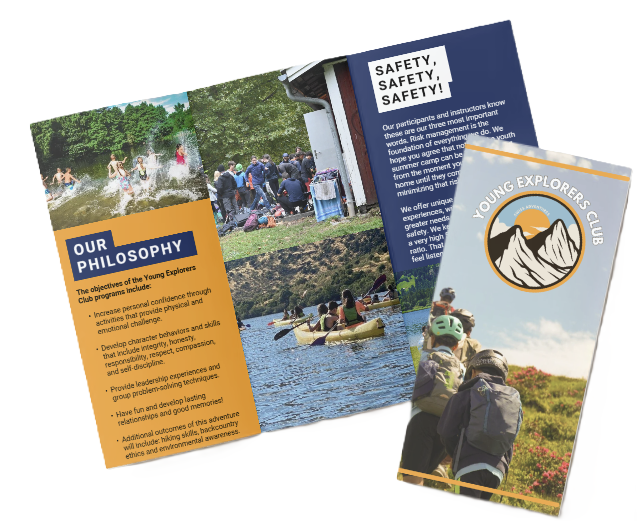
Call to action: Download the summer packing list and itinerary templates, reserve your camp weeks now, and sign up for updates from Young Explorers Club for seasonal camp openings and regional tips. Safe travels — and enjoy the mountains with your family!