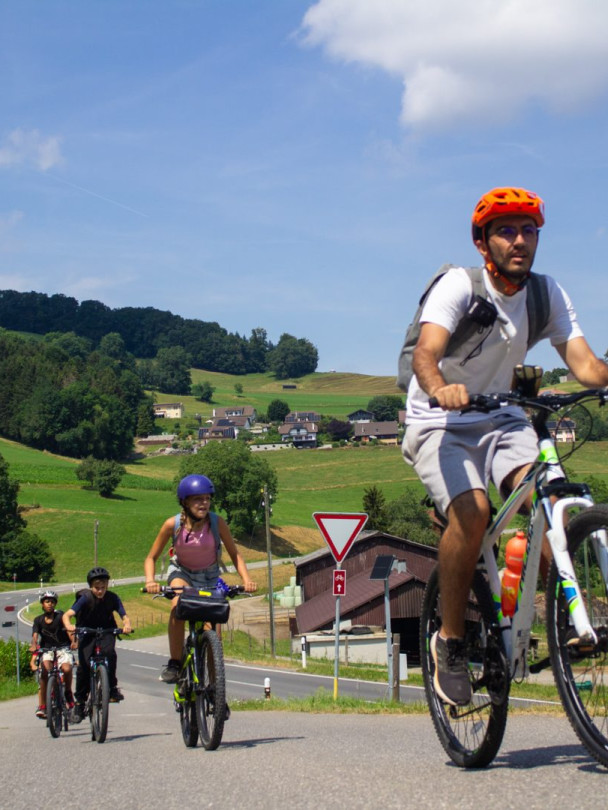
Summer break stretches ahead, and many parents wonder how to keep their kids active, engaged, and growing. Sports camps for kids offer a supervised environment where children aged 8 to 17 dive into activities that build physical skills, boost confidence, and foster teamwork through experiential learning. These programs blend structured sports training with adventure and personal development, giving young people a chance to thrive outside traditional classrooms. This guide walks you through what sports camps are, the benefits they deliver, how to choose quality programs, and what to expect when your child attends.
Key Takeaways
| Point | Details |
|---|---|
| Skill building and confidence | Sports camps help kids grow by building skills and boosting confidence through structured play and teamwork. |
| Diverse coach led activities | Programs emphasize variety across sports and adventure activities guided by qualified coaches. |
| Multi sport learning | Experiential learning and exposure to multiple disciplines prevent burnout and promote well rounded athleticism. |
| Cost and quality indicators | Families are guided to compare price ranges, supervision quality, safety measures, and program outcomes when choosing a camp. |
Understanding sports camps for kids: what they are and how they work
Sports camps for kids are supervised programs where children aged 8 to 17 engage in sports and adventure activities to build skills, confidence, teamwork, and personal development through experiential learning. These camps operate during school breaks, primarily summer, and provide structured yet flexible schedules that balance athletic training with fun and exploration. Unlike drop-in recreation programs, sports camps offer intentional curriculum designed to develop specific competencies while keeping kids safe and engaged.
Camps come in two main formats. Day camps run from morning to late afternoon, allowing kids to return home each evening. Overnight or residential camps provide lodging, meals, and round-the-clock supervision, immersing children in a multi-day experience. Both formats share core elements: qualified coaches, age-appropriate activities, and a focus on experiential learning that goes beyond drills and games.
Typical camp activities include:
- Team sports like soccer, basketball, and volleyball that teach cooperation and strategy
- Individual skill development in activities such as swimming, tennis, or track and field
- Adventure challenges like rock climbing, mountain biking, or orienteering that build confidence
- Creative play and free time that encourage social bonding and self-directed exploration
- Reflection sessions where kids process experiences and set personal goals
A standard day at camp might start with warm-up exercises, move into skill stations or scrimmages, break for lunch and rest, then continue with different activities or tournaments in the afternoon. Evening programs at overnight camps often feature campfires, team-building games, or quiet time for journaling. This rhythm balances physical exertion with recovery and social connection.
For families exploring options, ADHD-supportive camp environments offer specialized structures that help all kids succeed. Similarly, multi-sport camps variety exposes children to multiple disciplines, preventing early burnout and fostering well-rounded athleticism. The overview of day camps provides historical context and shows how these programs have evolved to meet modern family needs.
The benefits of sports camps: physical, mental, and social development
Research consistently shows that sports camps deliver measurable gains across multiple domains. Empirical data reveals benefits like 40% higher test scores in active kids, improved self-esteem, skill gains, better physical fitness, mental health via nature experiences, and life skills development. These outcomes stem from the unique combination of structured activity, peer interaction, and outdoor exposure that camps provide.
Physical benefits are immediate and tangible. Kids improve cardiovascular endurance, strength, coordination, and sport-specific skills through daily practice and play. Regular movement helps combat childhood obesity, builds healthy habits, and enhances motor development during critical growth years. Unlike sedentary summer activities, camps keep children moving for hours each day, meeting or exceeding recommended physical activity guidelines.
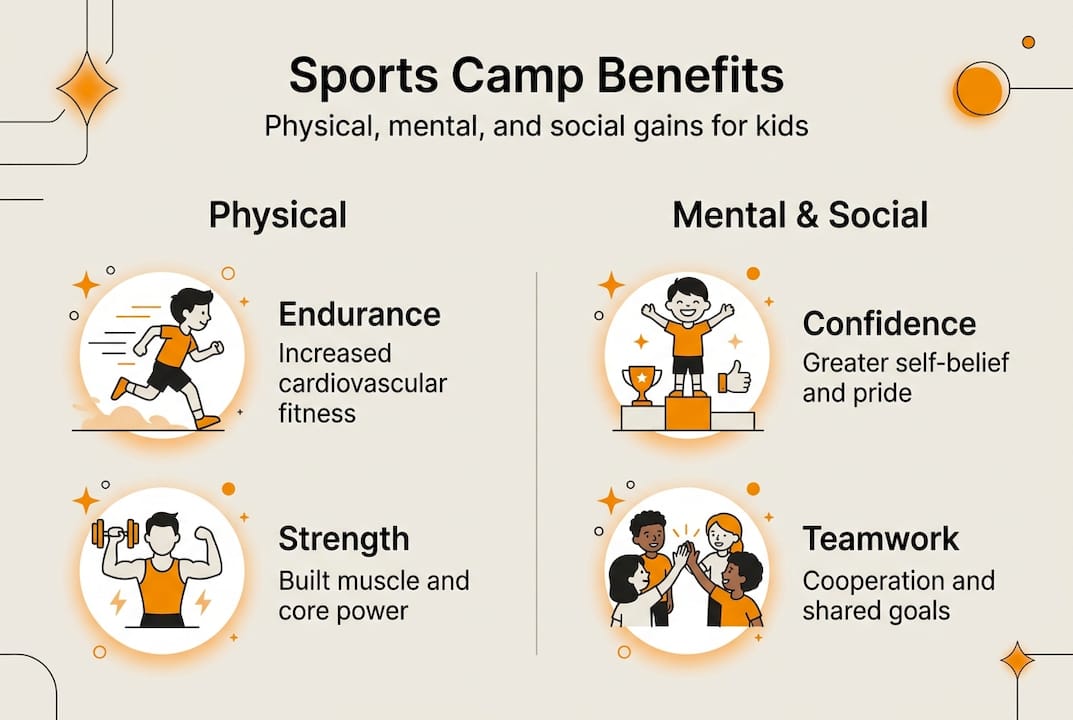
Mental health improvements are equally significant. Time spent outdoors reduces stress, anxiety, and symptoms of attention disorders. The camp environment offers a break from screens and academic pressure, allowing kids to reset and recharge. Success in new activities builds self-efficacy, the belief that effort leads to achievement. This confidence transfers to school, home, and future challenges.
Social and emotional learning flourishes at camp. Key developmental gains include:
- Teamwork and communication skills practiced through group sports and cooperative challenges
- Conflict resolution learned by navigating disagreements with peers and coaches
- Empathy developed through exposure to diverse backgrounds and perspectives
- Independence gained by managing personal belongings, schedules, and decisions
- Resilience built by facing setbacks, trying again, and celebrating incremental progress
Did you know? Children who attend quality sports programs show significantly higher social competence scores compared to peers in unstructured activities. The combination of adult mentorship and peer interaction creates an ideal environment for practicing social skills in real time.
Cognitive benefits extend beyond the playing field. Physical activity increases blood flow to the brain, enhancing focus, memory, and academic performance. Problem-solving during games and adventure activities strengthens executive function. Kids learn to plan, adapt strategies, and think critically under pressure.
For families interested in maximizing these benefits, exploring mental health benefits of outdoor activities provides deeper insight. The data on after-school sports benefits offers a comprehensive look at how structured athletic programs support child development across cultures and contexts.
Pro Tip: Look for camps that explicitly teach life skills alongside sports. Programs that incorporate reflection, goal-setting, and character development deliver more lasting benefits than those focused solely on athletic performance.
Choosing the right sports camp: avoiding pitfalls and prioritizing quality
Not all sports camps deliver equal value. Parents face a crowded marketplace where marketing claims often exceed actual program quality. Making an informed choice requires understanding key differences and recognizing red flags that signal subpar experiences.
High program quality predicts social-emotional learning gains, multi-sport camps help avoid burnout, and quality coaching matters more than early specialization. This evidence challenges the common assumption that intensive, single-sport training produces better athletes. In reality, early specialization increases injury risk, psychological burnout, and dropout rates without improving long-term performance.
| Feature | Multi-Sport Camp | Single-Sport Camp |
|---|---|---|
| Skill variety | Broad exposure to multiple sports and movements | Deep focus on one sport’s techniques |
| Injury risk | Lower due to varied movement patterns | Higher from repetitive stress |
| Burnout potential | Reduced through novelty and choice | Elevated with intense focus |
| Social interaction | Diverse peer groups across activities | Narrower social circle |
| Long-term development | Supports well-rounded athleticism | May limit overall motor skills |
| Best for | Ages 8-14, exploration phase | Ages 15+, committed athletes |
Quality indicators to prioritize include:
- Certified coaches with youth development training, not just sport expertise
- Clear safety protocols including emergency procedures, medical staff, and supervision ratios
- Positive coaching philosophy that emphasizes effort, improvement, and enjoyment over winning
- Inclusive environment that welcomes kids of all skill levels and backgrounds
- Transparent communication with parents about daily activities, progress, and any concerns
Red flags that warrant caution:
- Promises of elite performance or college recruitment for young children
- High coach turnover or staff with minimal youth experience
- Vague or missing safety information on the website or registration materials
- Pressure to commit to year-round programs or additional paid services
- Lack of references, testimonials, or verifiable track record
For families exploring options, benefits of multi-sport camps explains why variety supports long-term athletic development. The advantages of short adventure camps demonstrates how even brief programs can spark meaningful growth. The youth sports parent advice article separates evidence-based practices from marketing hype.
Pro Tip: Visit the camp before registering if possible. Observe how coaches interact with kids, check facility conditions, and ask about staff training. A quality program welcomes parent visits and transparently answers questions about philosophy, safety, and outcomes.
What to expect: lodging, facilities, and experience at a sports camp
Understanding the practical details of camp life helps parents and kids prepare mentally and logistically. Camps work for diverse and low-income kids, offer day versus overnight options, and research shows 1-week camps improve body composition but longer durations are needed for motor skills improvements. This evidence reassures families that even shorter programs deliver value, though extended attendance maximizes benefits.

Lodging varies by camp type. Day camps require no overnight accommodation, making them ideal for younger children, first-time campers, or families preferring home-based evenings. Overnight camps provide dormitory-style cabins, tents, or bunkhouses where kids sleep under staff supervision. Facilities typically include bathrooms, common areas, and secure storage for personal belongings. Quality camps maintain clean, well-maintained spaces that meet health and safety standards.
Athletic facilities form the heart of camp infrastructure. Expect to find:
- Multi-purpose fields for soccer, ultimate frisbee, and field games
- Courts for basketball, tennis, and volleyball
- Specialized areas like climbing walls, mountain bike trails, or swimming pools
- Equipment storage and maintenance areas
- Shaded rest zones and water stations to prevent heat-related illness
A typical daily schedule balances structure and flexibility. Morning sessions focus on skill development with small-group instruction. Midday brings lunch, rest, and free play. Afternoon activities often include scrimmages, adventure challenges, or creative projects. Evening programs at overnight camps feature social activities, reflection time, and preparation for the next day.
Camps adapt to diverse skill levels through differentiated instruction. Coaches assess abilities early and group kids appropriately, ensuring beginners receive foundational teaching while advanced participants face suitable challenges. This approach prevents frustration and boredom, keeping all campers engaged and progressing.
Preparing your child for camp success:
- Discuss expectations and address any fears or questions honestly
- Practice independence skills like packing bags, managing time, and solving minor problems
- Review camp rules and behavioral expectations together
- Pack appropriate clothing, gear, and any required medications with clear labels
- Establish communication plans for day camps or designated contact times for overnight programs
- Encourage an open mindset about trying new activities and meeting new people
For families with specific concerns, fitness camps for overweight kids explores supportive approaches that prioritize health over appearance. The short adventure camp benefits article details what happens during condensed programs. Additional context appears in youth sport physical activity benefits research.
Pro Tip: Send your child with a small comfort item for overnight camps, a favorite book, stuffed animal, or family photo. This tangible connection to home eases homesickness without interfering with the camp experience.
Explore top summer sports camps with Young Explorers Club
Young Explorers Club offers engaging, skill-building summer sports camps for kids throughout Vaud and Switzerland. Our programs emphasize adventure, confidence-building, and multi-sport variety in safe, supportive environments led by experienced coaches. We serve children and teens across age groups, with specialized options including summer camp for teens that challenge older participants with advanced activities.
Our camps blend athletic training with experiential learning, helping young people develop physical skills, mental resilience, and social confidence. From weekly activities in Vaud to comprehensive summer camp Switzerland programs, we create transformative experiences where kids thrive. Explore our offerings and register today to give your child a summer of growth, adventure, and lasting memories.
Recommended
- Multi-sport Camps: Variety For Young Athletes | Young Explorers Club Switzerland
- Fitness Camps For Overweight Kids: Healthy Approaches | Young Explorers Club Switzerland
- Como Os Campos De Férias Bilingues Ajudam As Crianças A Aprender Mais Depressa (fr/en) | Young Explorers Club Switzerland
- How Outdoor Sports Teach Kids Perseverance | Young Explorers Club Switzerland