What Makes Swiss Nature The Perfect Outdoor Classroom
Switzerland: compact, biodiverse, 65,000 km trails, reliable public transport—perfect for low‑cost, curriculum‑aligned outdoor lessons.
Overview
Switzerland‘s compact geography spans about 41,285 km². Roughly 60% lies in the Alps, 30% on the Plateau and 10% in the Jura. Over 1,500 lakes and steep elevation gradients let me reach multiple ecosystems and climatic zones within hours. Reliable public transport to trailheads, a 65,000 km marked trail network, SAC huts and accessible protected areas make logistics simple. I use low-cost, repeatable field protocols to run flexible, year‑round lessons. Those lessons deliver measurable curricular and wellbeing outcomes.
Key Takeaways
Highlights
- Compact, varied landscapes and strong elevation gradients let me reach multiple ecosystems within short travel times, making field teaching efficient.
- Reliable public transport, a vast trail network and mountain huts simplify logistics — I rarely need private coaches or complex transfers.
- Rich biodiversity (≈50,000 recorded species), lakes and protected zones let me build seasonal modules — phenology, freshwater ecology, glaciology and snow ecology — that map directly to curriculum standards.
- Standardized, low‑cost field methods and digital tools (topographic maps, transport timetables, species ID and weather apps) let me collect repeatable data and integrate citizen science.
- Clear safety, permit and planning procedures (park rules, SAC hut bookings, weather checks, emergency contacts and insurance) keep programs efficient and legally compliant — I follow them every time.
YOUTUBE VIDEO
Swiss nature at a glance: compact, varied and extremely accessible
Key facts I rely on
I keep these numbers top-of-mind when I plan outdoor lessons and trips:
- Total area: 41,285 km² — roughly the size of Maryland.
- Geomorphology: about 60% Alps, 30% Swiss Plateau, 10% Jura.
- Highest summit: Dufourspitze at 4,634 m.
- Water: over 1,500 lakes spanning low valleys to high basins.
- Short travel times: major landscape changes occur within hours, not days, so field sites can show multiple ecosystems on a single itinerary.
I recommend a simple map or infographic that labels the three regions (Alps, Plateau, Jura) to give students quick spatial context. A clear visual reduces prep time and helps everyone grasp why Swiss sites feel so diverse even in a small area.
Accessibility and practical tips for busy teachers and planners
I plan trips assuming public transport is the default vehicle. Switzerland’s national network routinely serves trailheads and park entrances. Many trailheads and nature reserves even have designated train stops or short connecting buses. That means I can organize a whole-class outing without hiring coaches or arranging complex logistics.
When I choose a site I check these points first:
- Proximity to transit: Is there a train or regional bus stop within 10–20 minutes walk of the trailhead?
- Timetable fit: Can I time arrival and departure around school schedules to avoid long waits?
- Facilities: Are there simple toilet and shelter options at the start or finish?
I cut planning time by building itineraries around transit hubs. A lake study in the Swiss Plateau, a geology lesson in a Jura ridge, and an alpine biodiversity walk can all be chained into one day with fast connections. I also favor routes that let me adapt to weather and student energy levels—short loop options and nearby refuges keep things flexible.
For educators who need quick resources, I point supervisors and parents to practical trip guides such as this family trip reference to help with expectations and packing lists. I pack a compact field kit and a simple risk plan, and I confirm timetables the day before. That short checklist often makes the difference between a stressful outing and a smooth, instructive day outdoors.
Biodiversity and year‑round learning: ecosystems, protected areas, and climate classroom
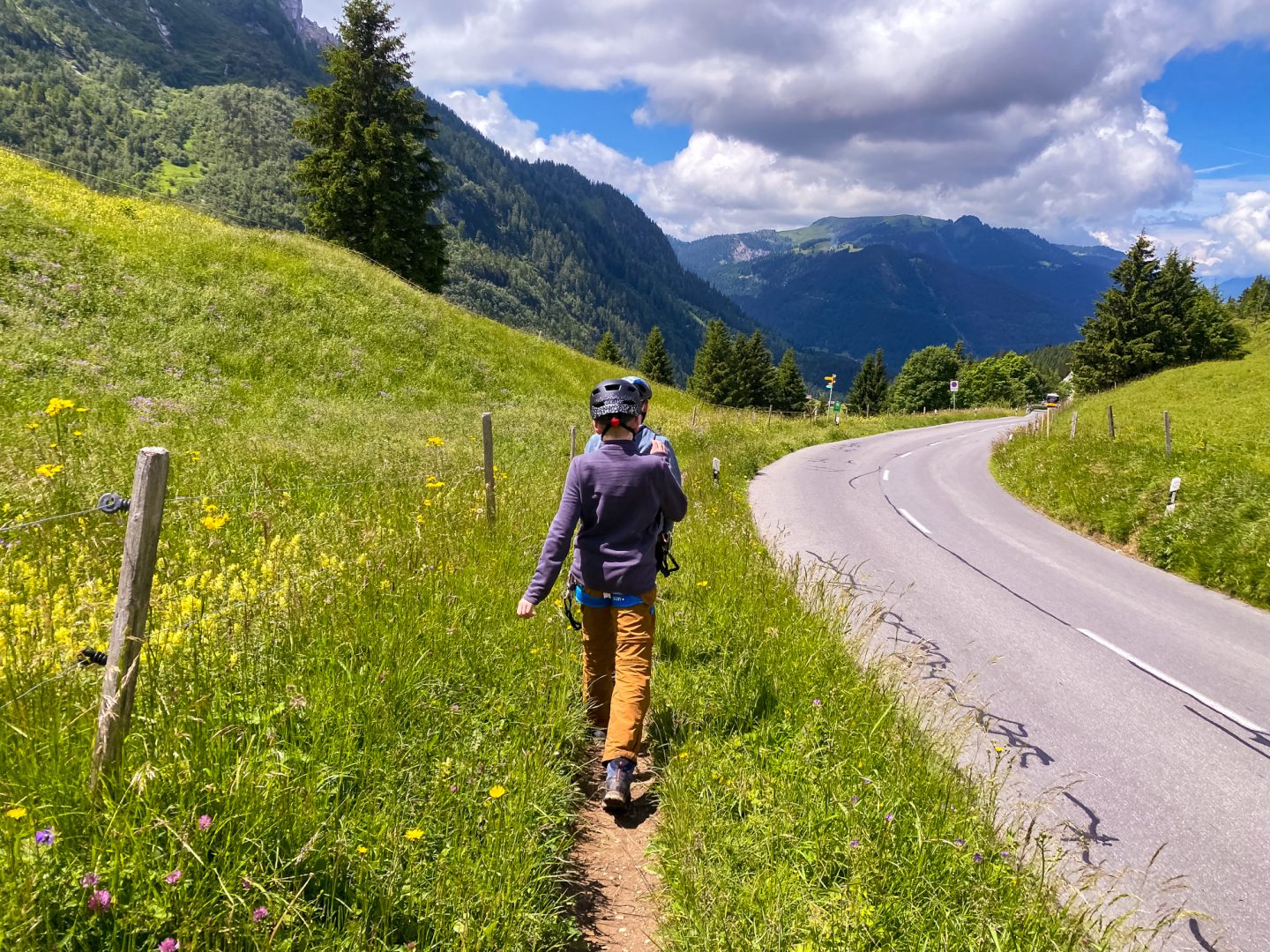
Switzerland packs huge ecological variety into a small area. I use that variety as an outdoor classroom. Roughly 50,000 recorded species provide living examples for lessons in ecology, evolution, and conservation. Forest cover sits at about 31% of the land. More than 1,500 lakes and strong elevation gradients — plateau → pre‑alpine → high alpine — create clear climatic zones that let me run seasonal modules across short travel distances.
Protected areas offer structured study sites. I bring groups to Switzerland’s first and strictest protected zone, Swiss National Park (established 1914; area ≈174 km²), to observe recovery and minimal‑intervention management. I use Jungfrau–Aletsch as a model of large‑scale conservation — it’s recognized as a UNESCO natural World Heritage site and shows how glaciers and alpine ecosystems link across scales.
I plan lessons that use simple, repeatable methods and local materials so teachers and youth leaders can recreate them. Field protocols stay low‑cost and scientifically valid:
- Plant surveys with standardized plots
- Point counts for birds
- Pitfall traps for invertebrates
- Leaf litter sampling for fungi
- Conductivity plus macroinvertebrate indices for lake and stream health
I emphasize repeat sampling so students can detect change over months and years.
Seasonal field modules and practical tasks
I recommend these activities for year‑round programming:
- Spring: phenology walks, budding and bloom timing, and plot‑based plant surveys to teach life cycles and climate cues.
- Summer: water‑ecology sessions at lakes or streams; macroinvertebrate sampling and basic water chemistry for hands‑on trophic studies.
- Autumn: migration monitoring and fungi identification, using simple dichotomous keys and GPS mapping to link species to habitat.
- Winter: snow‑ecology workshops — snowpack profiles, insulation effects on soil temperature, and tracking animal signs beneath snow.
Glacier retreat becomes a live climate dataset. I use repeat historic photos, glacier length and area monitoring records, and classroom analyses to turn observations into quantitative lessons. Students compare past and present images, digitize outlines, and plot change rates. That exercise teaches data literacy, error margins, and the difference between weather and climate.
I also build experiences around accessible sites and family engagement. For practical ideas and off‑season programs, I point parents to curated family activities that extend learning beyond school hours.
Practical infrastructure: trails, transport, huts, recommended apps and essential kit
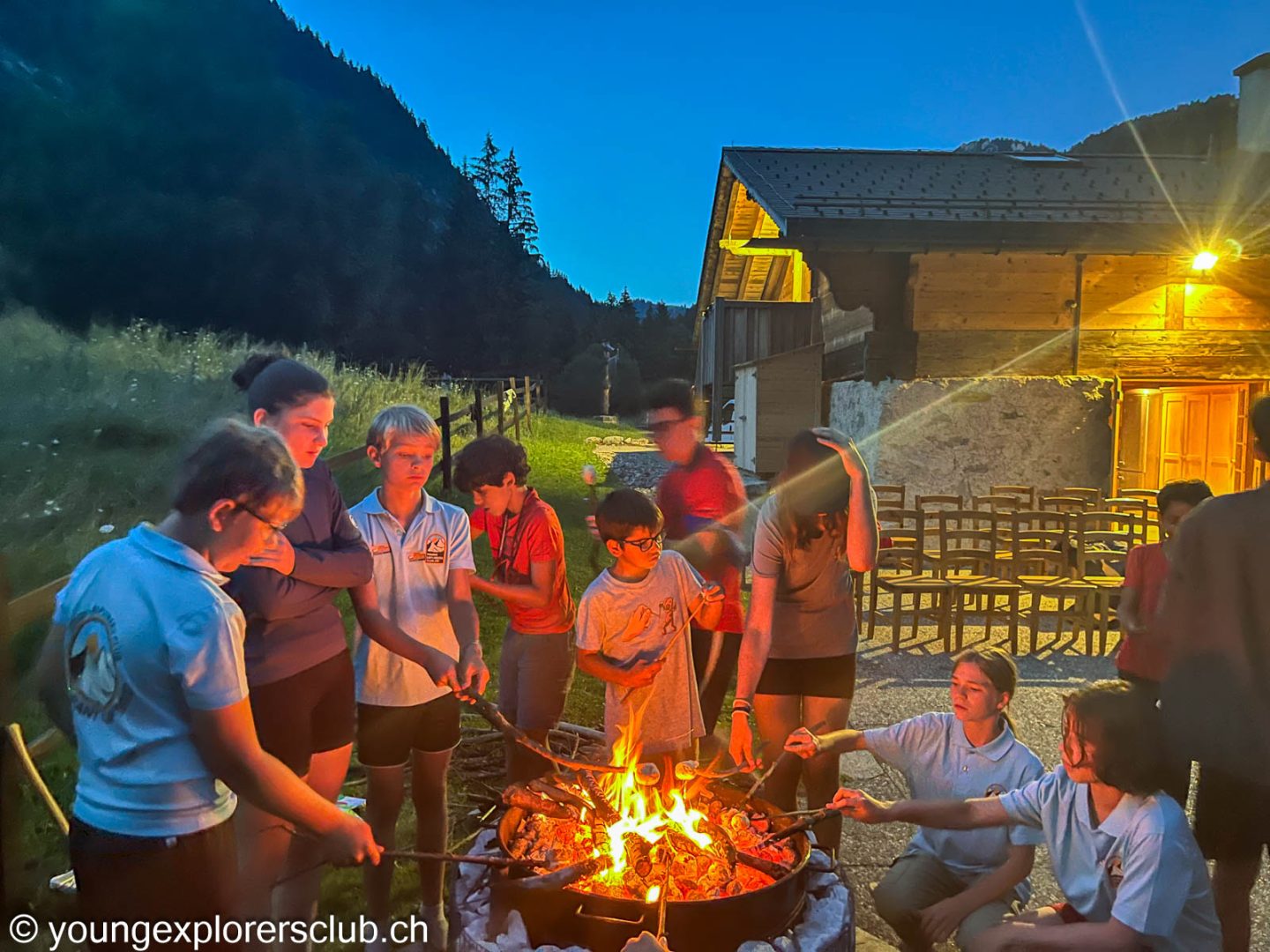
Switzerland‘s trail network and shelter system make fieldwork efficient and safe. I plan routes around the roughly 65,000 km of marked hiking trails (Swiss Alpine Club (SAC)). I route multi‑day exercises to take advantage of about 150 SAC huts for overnight stays and staging points (Swiss Alpine Club (SAC)). Those figures shape logistics: you can split a syllabus across short day hikes, multi‑day traverses, or hut‑based modules with minimal backtracking.
Transport, trailhead access and operational tips
Public transport connects schools to trailheads more often than not. I use trains, PostBuses and cable cars to push start points higher and shorten approach times. I advise scheduling around SBB Mobile timetables to link class periods to transport windows and to avoid long downtime at stations. Trails are well signposted and regularly maintained, which lowers the fieldwork barrier for mixed‑ability groups. Established search‑and‑rescue frameworks also reduce risk and simplify emergency planning.
Operational tactics I use:
- Book SAC huts early in high season and confirm capacity rules; many huts have limited bunks.
- Stage hikes so the longest walking day is in the middle of the schedule, when groups are acclimatized.
- Factor in cable‑car timetables and seasonal closures when building daily distances.
- Preload routes and timetables for offline use and share a printed schedule with guardians.
I often link route pages from my trip notes to supporting resources such as this family trip in Switzerland guide to align expectations with logistics.
Recommended digital tools and essential group kit
Below I list the apps and the kit I bring for safe, effective outdoor lessons.
-
Key apps and digital tools I rely on:
- Swisstopo for official topographic maps and contour detail.
- SBB Mobile for real‑time transport planning.
- iNaturalist and Seek for species ID and citizen‑science submissions.
- Outdooractive or Komoot for route planning and sharing GPX tracks.
- MeteoSwiss for local weather forecasts and alerts.
-
Essential group kit I always carry:
- First‑aid kit sized to the group, plus a basic emergency medicine list.
- Emergency blanket(s) and a lightweight shelter or tarp.
- Headlamps with spare batteries.
- Spare warm layers and rainproof outerwear for every participant.
- Group water containers and simple water‑testing kits (pH strips and turbidity tubes).
- Printed Swisstopo maps and compasses as primary navigation backups.
- VHF radios or mobile phones, and battery packs; I plan for limited reception at higher elevations.
- Offline map downloads and spare power for GPS units.
Practical packing notes: I pack water‑testing kits in a small waterproof case and run a simple demonstration at the start of any water sampling exercise. I issue headlamps to all participants whenever dusk or cave visits are possible. For communication, I test VHF radios before departure and leave a copy of the itinerary with local authorities or hut wardens when appropriate.
I instruct students in basic compass use and in how to read Swisstopo contours during the first session. I also run a short app‑orientation so everyone can submit a species observation with iNaturalist or Seek; that turns data collection into a curricular task and strengthens engagement.
Weather and power management are non‑negotiable. I check MeteoSwiss the night before and at breakfast. I schedule buffer time for delays caused by sudden weather changes. I keep at least two portable chargers and distribute power responsibilities so one device per pair stays charged for navigation and emergency calls.
Curriculum connections and measurable educational outcomes
Evidence and learning outcomes
I use Swiss landscapes to deliver measurable gains in attention restoration, stress reduction and physical activity. Studies show time in natural settings improves directed attention and lowers physiological stress markers (Bratman et al. 2019). Short bouts of green‑space exposure and unstructured play also increase concentration and prosocial behavior, consistent with Kuo & Taylor 2004. I bring Richard Louv into classes to frame why nature experiences matter culturally and to motivate stewardship through story and history.
These outcomes map directly onto curricular goals:
-
Attention restoration supports longer on‑task periods in science labs and literacy work.
-
Reduced stress improves working memory, helping students handle complex field data.
-
Increased physical activity ties to health requirements and motor‑skill objectives.
I design lessons so ecology, geology, maths, arts and citizenship all contribute to the same measurable targets. For example:
-
Species ID exercises feed biology standards.
-
Moraine mapping satisfies glaciology and spatial reasoning.
-
Nature journaling meets language and observational‑writing rubrics.
Practical assessments and classroom‑ready activities
Below are classroom‑tested activities and assessment methods you can deploy on Swiss field days.
-
Macroinvertebrate kick‑sampling protocol (class version):
-
Choose a 5–10 m riffle section. Work in teams of three. One holds a 500 µm net downstream, one disturbs substrate for 60 seconds, one records abiotic notes.
-
Empty net into tray, pick out specimens for 5 minutes, identify to group level (mayfly, stonefly, caddisfly, beetle, fly larvae, snail, worm).
-
Tally individuals per group and photograph for records and iNaturalist upload.
-
-
Simple biotic index scoring rubric:
-
Sensitive taxa (mayfly/stonefly/caddisfly): 3 points per presence.
-
Moderately tolerant (beetles, some fly larvae): 2 points.
-
Tolerant (worms, leeches, snails): 1 point.
-
Biotic index = (sum of taxa points) / number of taxa types observed, score range 1–3. Use bands: 2.3–3 = good, 1.5–2.29 = moderate, <1.5 = poor. Record scores on sheet and compare sites.
-
-
Pre/post cognitive and attitudinal surveys:
-
Short attention checklist (5 items) administered before and after a 60–90 minute session to detect immediate restoration effects.
-
Emotional state slider and stewardship intent question to measure attitudinal shifts.
-
-
Physical activity logs and map/data rubrics:
-
Step‑count logs for each field session; compare baseline classroom days to field days for improved activity metrics.
-
Rubrics for observation accuracy and data recording: score 0–3 for identification accuracy, timestamped data entry, GPS coordinate precision and map annotation clarity.
-
I encourage student contributions to citizen science. I have students upload validated photos and identifications to family trip projects or iNaturalist so field data gain wider value and drive authentic assessment.
Top Swiss field sites and concrete learning activities (with logistics notes)
Field activities and learning outcomes
Swiss National Park (Swiss National Park 1914) is ideal for hands‑on ecology lessons. I run guided species surveys and vegetation transects that teach identification, sampling design and data recording. Students compare strict protection strategies with nearby sustainable‑use case studies to explore policy and ethics. Older primary and secondary pupils work best here. Off‑trail work is restricted; I always coordinate with park rangers for any closer study.
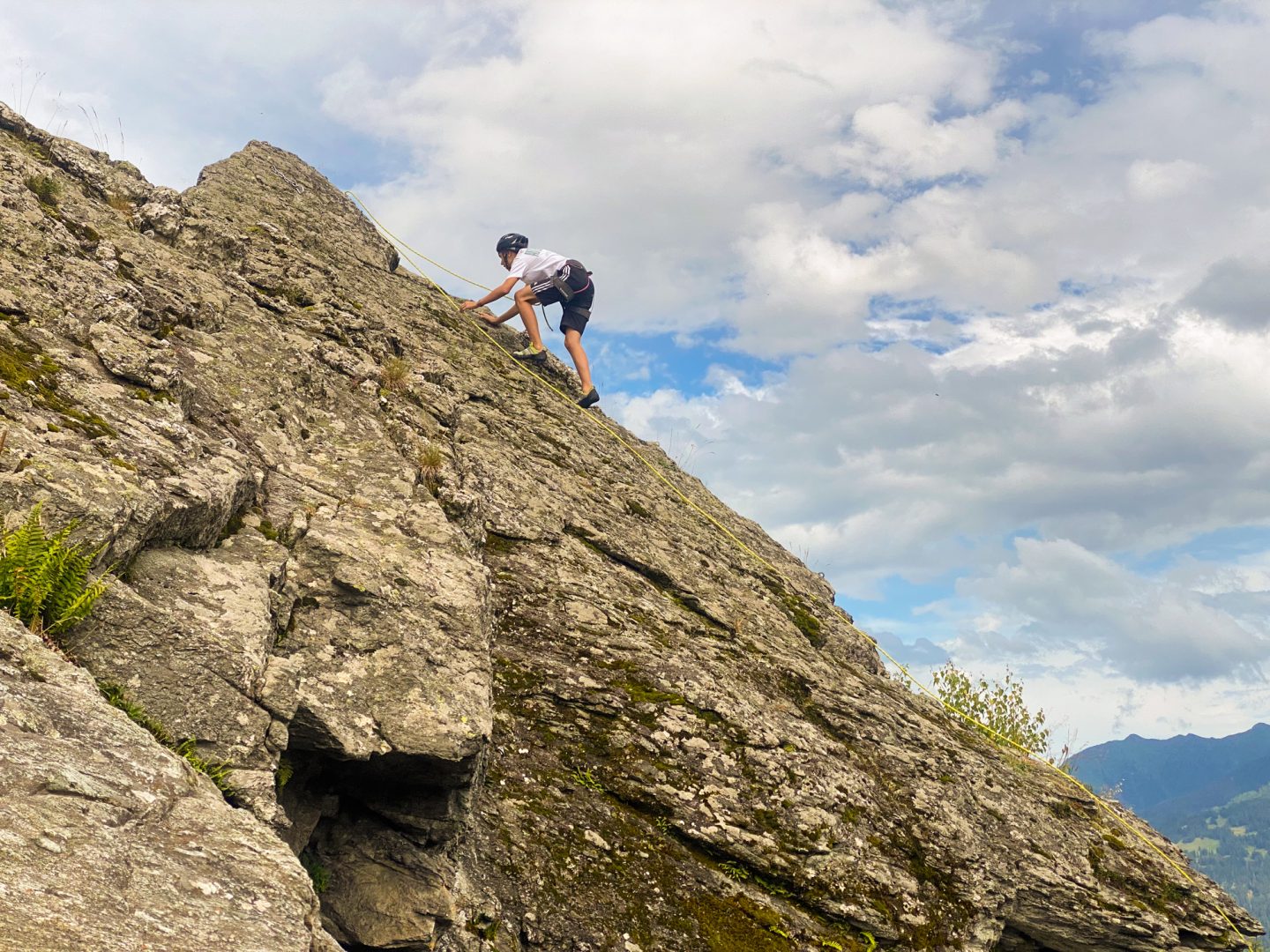
Jungfrau–Aletsch UNESCO focuses on glacier change and basic glaciology. Activities include matching historic photos to current glacier terminus positions, simple ice‑melt measurements, and moraine mapping with GPS. Secondary groups manage the altitude demands best. Expect cold conditions and short field seasons; I use local guides who offer lift and cable‑car access for efficient field time (Jungfrau–Aletsch UNESCO).
Rhine Falls suits shorter, transport‑friendly lessons. I teach freshwater geomorphology by mapping channels, measuring flow velocities and discussing hydropower trade‑offs with visible infrastructure as a case study. The site fits both primary and secondary groups and works well as a day trip.
Lakes Geneva and Zurich are excellent for freshwater ecology and urban–rural gradient studies. I run pond‑dipping sessions, nutrient and turbidity testing, and paired site comparisons along shorelines. The sites are accessible year‑round and flexible for mixed‑age groups; I often recommend these for a family trip to Switzerland that combines public transport and fieldwork.
Valais terraces and vineyards provide a human–environment lab. I assign terrace mapping, land‑use change analysis and sustainable viticulture case studies for secondary geography projects. Fieldwork links soil management, erosion control and local economies.
Ticino’s Mediterranean influence makes it great for comparative flora surveys and cross‑border biodiversity work. I schedule seasonal surveys there; milder weather extends the field window.
Jura ridges and Creux du Van let younger students explore karst features and plateau ecology on easy ridge walks. Activities stay simple and observational, with geology and soil discussions.
Regional nature parks such as Parc Ela and Thal are perfect for community conservation projects and citizen‑science templates. I partner with park offices to deliver ready‑made survey protocols and local stewardship activities.
Quick logistics and permits
- Swiss National Park — Nearest rail: Zernez; Age: older primary/secondary; Recommended guides: park rangers and licensed local naturalists in Zernez; Restrictions: core‑zone and off‑trail access require permits or guided visits (Swiss National Park 1914).
- Jungfrau–Aletsch UNESCO — Nearest hubs: Interlaken / Grindelwald / Lauterbrunnen; Age: secondary; Recommended guides: certified mountain guides and glacier specialists; Restrictions: altitude limits and weather windows; use lifts/cable cars for viewpoints (Jungfrau–Aletsch UNESCO).
- Rhine Falls — Nearest stations: Neuhausen Rheinfall / Schaffhausen; Age: primary and secondary; Recommended guides: local visitor‑centre educators; Restrictions: easy public access, no special permits for shore studies.
- Lake Geneva & Lake Zurich — Nearest stations: Geneva / Zürich HB; Age: flexible; Recommended guides: local university outreach teams or environmental NGOs; Restrictions: standard public‑access rules, check municipal sampling permissions.
- Valais terraces & vineyards — Nearest stations: Sion / Martigny; Age: secondary; Recommended guides: viticulture extension services and local agronomists; Restrictions: private land access may need landowner permission.
- Ticino — Nearest stations: Lugano / Locarno; Age: flexible; Recommended guides: regional botanists and cross‑border experts; Restrictions: border‑area rules for transects — confirm with guides.
- Jura ridges / Creux du Van — Nearest access: regional train/bus (Noiraigue); Age: primary; Recommended guides: local mountain leaders; Restrictions: trail safety advisories; keep children on marked paths.
- Regional nature parks (Parc Ela, Thal) — Nearest access: local train/bus; Age: varied; Recommended guides: park offices and volunteer coordinators; Restrictions: most projects run with park approval and support.
Safety, permissions, budgets and a step‑by‑step planning checklist
Core safety and legal points
I start every program by confirming protected‑area rules. Core zone restrictions often ban off‑trail travel and may require permits or authorised guides. I always check the specific park or reserve office rules and record whether a permit or guide is mandatory.
I expect rapid weather changes and plan for altitude effects. I monitor ascent profiles and brief leaders on altitude sickness signs before any hike above 1,500–2,000 m. I carry pulse oximeters on multi‑day high‑elevation trips and insist participants report symptoms early. I also factor in shorter, lower‑impact options if symptoms appear.
I apply Leave No Trace principles on every outing. That means group sizes that match trail capacity, strict waste management, and no collection of plants, insects or geological samples without explicit permits. I teach simple behaviors that reduce impact and legal risk: stay on marked paths, keep wildlife disturbance to a minimum, and pack out all rubbish.
I manage terrain and water hazards proactively. I assess route difficulty against group ability, scout creek crossings during the planning phase, and avoid high‑flow crossings after heavy rain. For glacier or steep snow travel, I require certified guides and appropriate rescue equipment. I document mountain rescue and park office contacts and distribute them to leaders before departure.
Pre‑trip logistics, budget items and a step‑by‑step checklist
Below I list the practical actions I complete (or assign) in the final planning window.
- Obtain permits and permissions: apply for core zone permits, research protected species restrictions, and secure any collecting permits well in advance.
- Book accommodation and guides: reserve SAC huts and contracted guides several months ahead; confirm cancellation and minimum‑group policies.
- Arrange transport and insurance: set up SBB group fares and purchase group travel insurance that covers mountain rescue and evacuation.
- Prepare the safety briefing script: cover route, weather contingency, buddy system, emergency signals, and altitude awareness. Share this script with all leaders.
- Compile emergency contacts: list park office, canton mountain rescue, nearest hospital, and local guide phone numbers; distribute to group leaders and upload to mobile phones.
- Assemble kit and medical supplies: allocate group and personal equipment; check first‑aid kits, oxygen canisters or pulse oximeters, and any prescription meds.
- Maps and weather tools: download Swisstopo offline maps and the MeteoSwiss app; set weather‑alert notifications for the route.
- Permissions and consent: prepare photographic and data consent forms for participants and guardians; store them securely.
- Budget checklist: include SBB group tickets, guide and park fees, hut or hostel bookings, equipment purchase versus rental, and group insurance.
- Cost‑saving tactics: choose trailheads reachable by public transport to avoid bus hire, request school or tourist‑office rates, and book early to capture lower tariffs. I often plan routes that start at an SBB station to reduce surface transport costs and simplify logistics — see my family trip suggestions for public‑transport routes.
- Final confirmations: recheck SAC hut and guide bookings, confirm SBB group fare reservations, run a final safety briefing with leaders, and do a kit inspection the evening before departure.
I keep lead times in mind. SAC huts, guided visits and some protected‑area permits commonly require months’ notice, so I lock in critical bookings early and stagger non‑essential costs to manage cash flow. I also archive a short post‑trip report that notes any near misses and permit issues; those lessons feed into the next plan.
Sources: