

Why Argentinian Families Seek Adventure-based Education
Argentine families choose adventure-based education: outdoor learning that boosts wellbeing, SEL, activity and cuts screen time.
Argentinian families choosing adventure-based education
Context
Argentinian families are choosing adventure-based education because dense urban living, rising concern for child mental health, and growing sedentary screen time limit kids’ daily access to nature. These pressures lead parents to prefer hands-on, wellbeing-focused options that deliver measurable socio-emotional growth, increased physical activity and curricular relevance while balancing cost, logistics and safety.
Key Takeaways
- Urbanization, mental-health worries and sedentary lifestyles drive demand for outdoor, experiential programs that reconnect children with nature and active play.
- Parents prioritize socio-emotional outcomes (resilience, teamwork, independence), reduced anxiety and screen time, plus tangible physical-activity gains.
- Program types range from intensive residential expeditions to school-integrated “aula al aire libre” and after-school clubs, each with different cost, accessibility and impact trade-offs.
- Geographic concentration and program cost create access gaps; solutions include subsidised spots, transport support, day formats and school partnerships.
- Effective offerings align activities with curriculum objectives, publish clear outcomes, track wellbeing and activity metrics, and show rigorous safety standards and qualified facilitators.
Program types and trade-offs
Typical formats include:
- Residential expeditions — high-impact on resilience and independence but higher cost and logistical complexity.
- School-integrated outdoor classrooms (“aula al aire libre”) — good curricular alignment and daily access, requiring teacher training and scheduling adjustments.
- After-school clubs and day programs — more accessible and lower cost; can be limited in intensity and duration.
Access gaps and practical solutions
To broaden reach, programs should consider:
- Offering subsidised spots or sliding-scale pricing.
- Providing transport support or local day formats to reduce travel barriers.
- Partnering with public and private schools to embed outdoor programming within the school day.
- Designing scalable modules that fit different urban contexts and resource levels.
What effective programs measure
High-quality offerings demonstrate impact through:
- Curricular alignment — explicit links between outdoor activities and learning standards.
- Published outcomes — clear goals for socio-emotional and physical results with evidence.
- Metrics tracking — routine measurement of wellbeing, anxiety reduction, social skills and activity levels.
- Safety and staffing — transparent safety protocols and qualified, trained facilitators.
Conclusion
Families in Argentina are prioritizing outdoor, experiential education to offset urban pressures and promote wellbeing, physical activity and meaningful learning. Programs that balance measurable outcomes, accessible formats and rigorous safety are most likely to meet this growing demand.
Argentine education and urban context — key stats and why this matters now
Education snapshot
We, at the Young Explorers Club, track Argentina education statistics closely because high access masks uneven quality. Adult literacy sits at about 98% (UNESCO Institute for Statistics). Net primary enrollment also reaches roughly 98% (UNESCO Institute for Statistics). Public spending on education is in the 5–6% of GDP range (World Bank / UNESCO), a level that places Argentina near regional peers but still leaves gaps in outcomes and resources across provinces. These headline figures show strong basic coverage, yet classroom results and extracurricular opportunities vary widely between urban centres and outlying areas.
Why this matters now
The urban makeup of the country shapes how families experience schooling and free time. Argentina’s population has been predominantly urban for decades, historically above 90% urban (INDEC). Because most children live in cities, many have limited daily access to wild or natural settings. I introduce the immediate consequences in the list below.
Consider these current pressures and how they link to educational choices:
- Rising parental concern about child mental health and wellbeing, pushing families to look for programs that support emotional resilience and autonomy.
- Sedentary lifestyles and growing screen time, which reduce incidental outdoor play and practical skill-building.
- Increased interest in alternative pedagogies that emphasize wellbeing, hands-on learning and outdoor skills; parents want options that complement formal schooling.
- Uneven distribution of school resources and extracurricular green space, which makes outdoor programs an attractive equalizer for kids from denser neighbourhoods.
We design our programs to respond to these facts. By integrating outdoor learning with curriculum-aligned activities I connect children to nature, boost physical activity and support social-emotional growth. Learn more about how we use outdoor learning in practice with this short overview of our approach: outdoor learning.
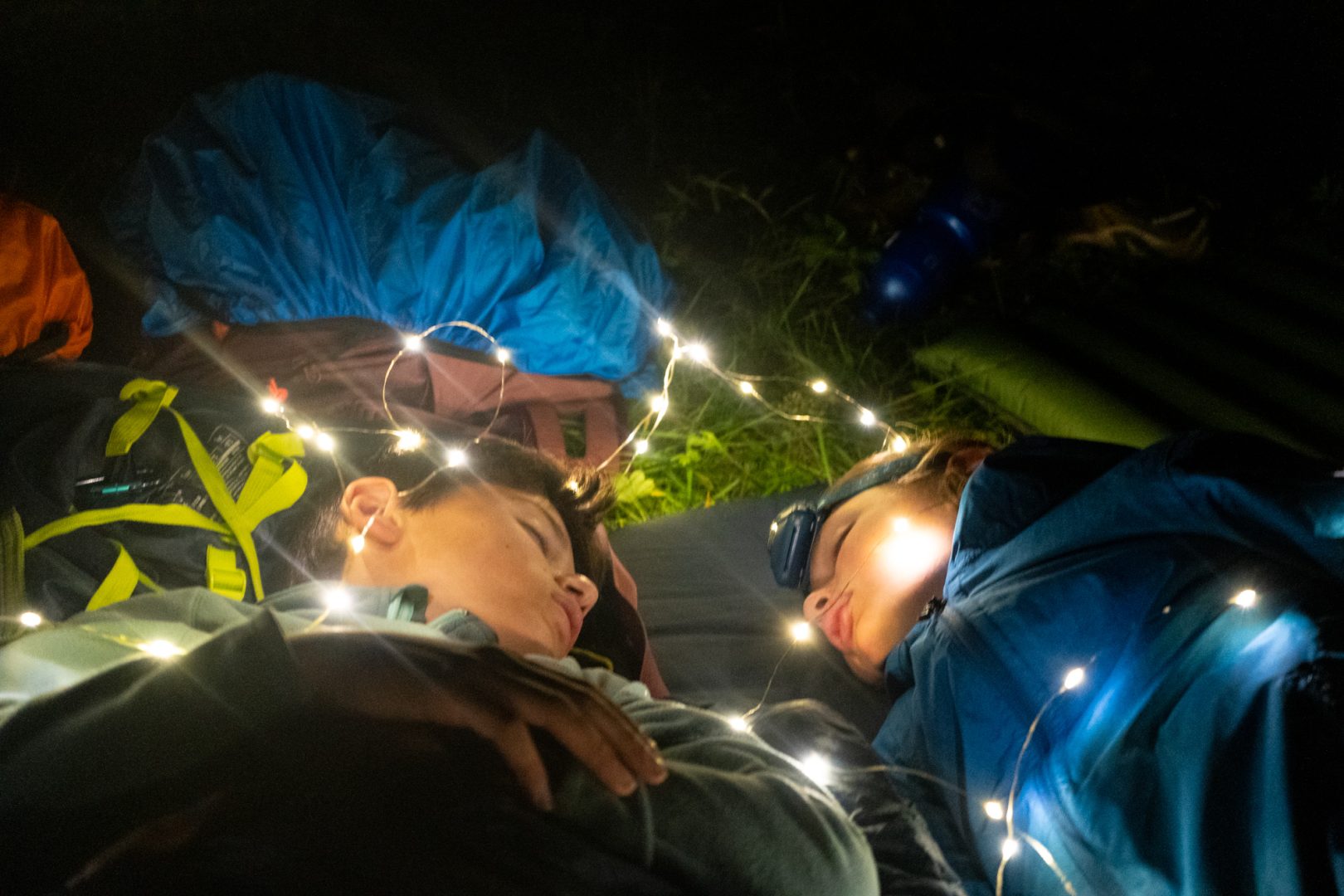
Main family motivations for seeking adventure-based education
Argentine families prioritize programs that build socio-emotional skills through hands-on challenge. At the Young Explorers Club, parents commonly name resilience, teamwork, independence and leadership as top goals. They want children who are more confident, less anxious, and more active. We design activities to produce those outcomes and to measure progress in practical ways.
Mental health concerns are a primary driver for many families. National and regional estimates put adolescent mental health prevalence at roughly 10–20%, which parents interpret as a call to try alternatives to purely classroom-based care (WHO). At the Young Explorers Club, we use outdoor challenge and group problem-solving to reduce anxiety and support peer connections.
Physical inactivity and weight are regular themes in conversations with families. Argentina’s national survey data show adolescent overweight and obesity in approximately the high teens to mid-20s percent range, and parents cite this when choosing programs (ENFR). We select high-engagement outdoor sessions to increase daily activity and make movement feel fun rather than punitive.
Screen time and sedentary behaviour push families toward adventure learning. Many parents want fewer hours glued to devices and more time hiking, building or cooking together. Regional studies show average daily screen time is rising, so we structure days to replace passive screen minutes with active learning.
Dissatisfaction with conventional pedagogy fuels the search for experiential options. Families value project-based, outdoor learning as an alternative to rote or standardized methods. Argentina’s Law 26.206 explicitly encourages diverse pedagogical approaches and includes environmental education as a curricular objective. We align our programs with that spirit and help parents complement formal schooling.
Key motivations families list include the following — these are the factors I use when designing programs and communicating with parents:
Motivations families commonly report
- Socio-emotional skills: build empathy, teamwork and leadership through shared challenges.
- Resilience and independence: scaffolded risk and reflection to increase confidence.
- Mental health support: reduce anxiety and isolation with peer support and outdoor time (WHO).
- Physical activity and weight prevention: daily movement to counter adolescent obesity prevalence (ENFR).
- Reduced screen time: structured, meaningful alternatives to hours on devices.
- Pedagogical fit: experiential, project-based learning that complements formal school and boosts parental satisfaction.
I recommend families choose programs that publish clear outcomes and offer trial days. Learn about our approach to outdoor learning and why many pick outdoor camps as a practical step.
https://youtu.be/LjKCu4dq0Zs
What research and reviews say: benefits, limits and equity considerations
Systematic reviews, starting with Rickinson et al., 2004, report modest-to-strong positive effects of outdoor and experiential learning on engagement, motivation and some academic outcomes. Later reviews and syntheses tend to conclude small-to-moderate positive effects across many cognitive and academic indicators, so we treat meta-analysis outdoor education findings as evidence that well‑aligned outdoor programmes can boost classroom engagement and selective achievement. We also emphasise outdoor learning as a clear lever for motivation when activities map back to syllabus goals.
Evidence on socio-emotional learning is more consistent and robust. Studies and program evaluations repeatedly show gains in resilience, teamwork, leadership and reduced behavioural problems after adventure-based courses. We see reliable improvements in self-regulation and improved self-efficacy, especially following short residential challenges that give kids immediate, hands-on success experiences. Those socio-emotional shifts often appear quickly and predict better peer relations and classroom behaviour over the short term.
Physical outcomes are straightforward: participants typically show a physical activity increase, improved fitness markers and a stronger connection to nature after outdoor/adventure programs. Regular movement, multi-day exposure and varied terrain produce measurable changes in stamina and activity habits, which then support cognitive focus back at school.
Transferability and equity need explicit design. Programs can produce real gains for disadvantaged young people when they’re inclusive and sustained. Cost, transport and rural access are common barriers that prevent the youth who could benefit most from attending. Short residential courses produce noticeable short-term socio-emotional benefits; sustained, school-integrated programs are far more likely to change school culture and produce long-run behavioural change. We, at the young explorers club, therefore focus on continuity and follow-through to convert short-term wins into lasting outcomes.
Design features we recommend to maximise benefit and equity
Consider these practical elements when you plan or evaluate programs:
- Offer subsidised spots and transport support to reduce cost and access barriers.
- Use nearby green spaces and day formats so geography isn’t a gatekeeper.
- Align activities with curriculum objectives to improve transfer to classroom learning.
- Build in post-course follow-up and classroom integration to sustain gains.
- Track outcomes with baseline and follow-up measures for cognitive, socio‑emotional and physical indicators.
- Train facilitators in inclusive practice and family outreach to increase participation and retention.
https://youtu.be/V823vgQB6hk
Types of adventure-based education Argentine families choose (how they differ)
We, at the young explorers club, see families pick programs based on time, cost, skill focus and curricular alignment. Choices range from short residential expeditions that intensify personal growth to light-touch after-school options that fit urban schedules. Below I outline the main models and the practical trade-offs families should weigh.
Core types and how they differ
Consider these categories and what each delivers:
- Residential expeditions (3–14 days): Intensive personal-development experiences with strong socio-emotional impact. Typical durations run from three to fourteen days depending on age and provider. Benefits include focused group dynamics, overnight challenge progressions and measurable confidence gains. Drawbacks are higher cost and limited accessibility for families far from activity hubs.
- Integrated school programs — aula al aire libre: Regular outdoor classes that embed learning into the school day and can shift daily habits over time. These align with environmental education objectives in Law 26.206 and reach more students at lower marginal cost per child. They work best where schools commit to teacher training and curriculum mapping.
- After-school adventure clubs and weekend family programs: Lower-cost, flexible formats that urban families prefer. Sessions are usually weekly or monthly and allow gradual skill-building without long absences from school. They’re ideal for younger kids or families balancing work and schooling.
- Expedition- and skill-based providers (mountaineering, paddling, trekking): Specialized instruction concentrated in regions like Patagonia, Bariloche and Córdoba. Providers target older children and adolescents for technical skills and certifications. Expect focused progression plans, higher instructor-to-student ratios and seasonal calendars tied to weather windows.
- Environmental service‑learning: Combines outdoor challenge with civic engagement—ecology projects, restoration and citizen science. This model supports curriculum-aligned outcomes and can be structured for school credit and community partnerships. It’s effective where local stakeholders and schools collaborate.
I recommend families match program intensity to their child’s readiness and logistics. For deeper, transformative work choose residential expeditions or expedition schools. For broad impact and lower cost prefer an aula al aire libre model or after-school clubs. If environmental outcomes matter, look for programs that partner with Eco‑Schools or include service‑learning elements.
For practical planning we point families to our principles on program design and how we run multi-day options in remote settings; read our camp philosophy. If you want evidence that outdoor lessons stick longer than classroom ones, check examples of aula al aire libre initiatives and provincial pilots to see how schools phased implementation.
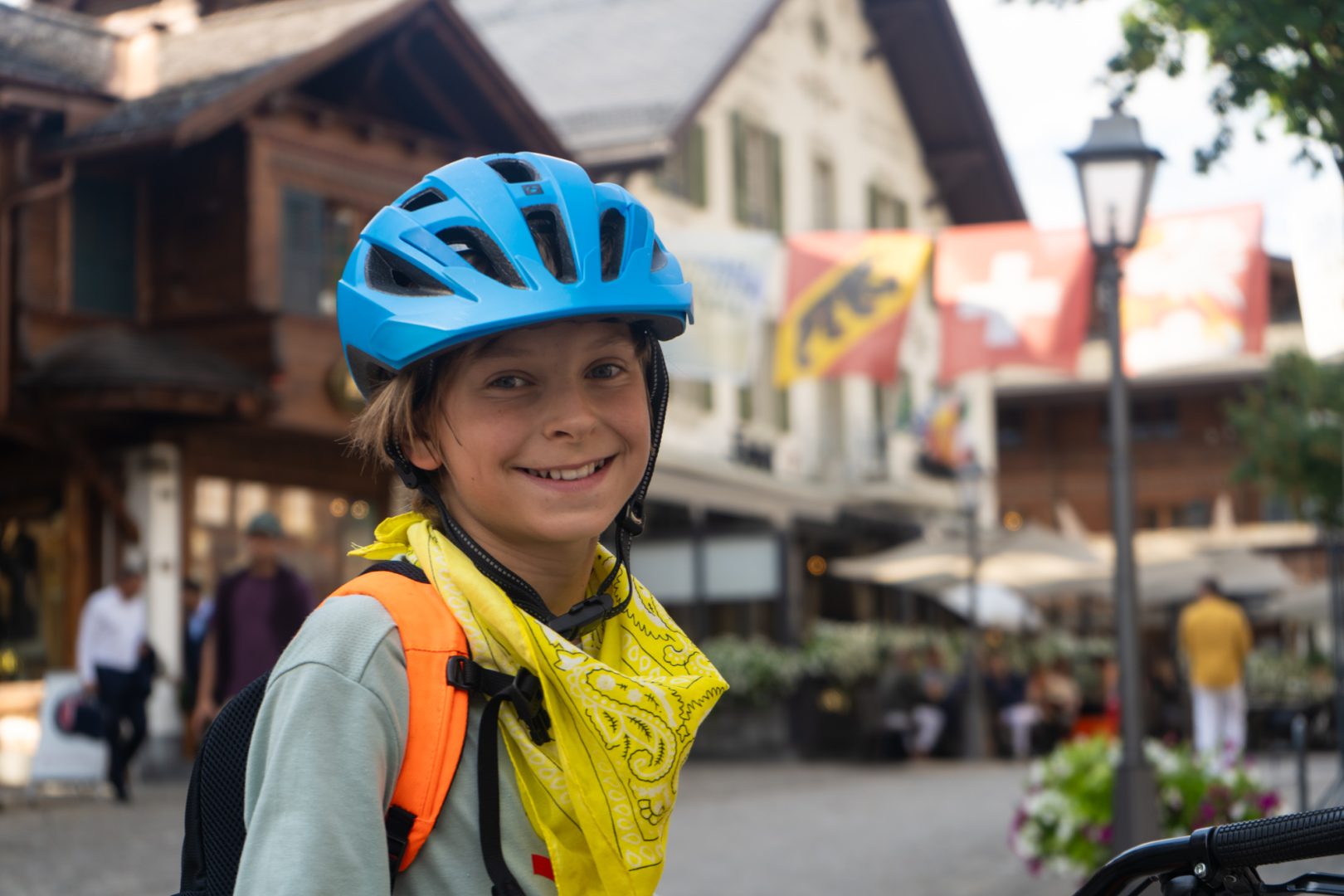
Socioeconomic and geographic equity: barriers and public responses
We, at the young explorers club, see equity and accessibility as central constraints for Argentinian families seeking adventure-based education.
Providers tend to cluster near major natural and tourist zones — Patagonia, Bariloche and Córdoba attract the majority of multi-day programs — and that creates clear access gaps for families living in large urban centres.
Many providers are private, which raises program cost and limits options for lower-income households.
National policy offers some levers. Argentina’s National Education Law 26.206 explicitly supports environmental education and pedagogical diversity, so schools can legally integrate outdoor learning into curricula. Still, implementation varies and relies on provincial initiatives and provincial pilot programs to move from policy to action. We recommend families and schools ask about public subsidies, school partnerships, or transport supports tied to those provincial initiatives when planning trips.
Rural and urban dynamics create contrasting advantages and barriers. Rural children often have routine, informal access to natural settings but encounter fewer organized programs and certified providers nearby. Urban families usually face higher travel costs and time barriers to reach established camps, which compounds the effect of program cost. Multi-day residential camps and specialized expeditions typically fall into a moderate-to-high price range; exact rates depend on duration, staffing ratios and equipment needs, so verify program cost with each provider before committing.
Barriers and practical/public responses
Below are common obstacles and the responses that prove effective:
- Geographic concentration: concentrated offerings in Patagonia, Bariloche, Córdoba. Response: develop satellite day programs, school-based outdoor modules and shared transport agreements with nearby districts.
- Program cost: multi-day formats incur lodging, specialist staff and gear expenses. Response: sliding-scale fees, scholarship pools, and municipal subsidies tied to provincial pilot programs.
- Urban travel burden: families pay extra for transit and lodging. Response: mobile field teams and week-long school residencies that minimize family travel.
- Rural program scarcity: limited certified providers. Response: capacity-building grants and teacher training funded via provincial initiatives.
- Data gaps: sparse national statistics on how many families cite cost or map provider distribution. Response: use provincial case studies and pilot evaluations to inform scale-up efforts.
We integrate these lessons into our planning and encourage partners to tap existing policy tools. For practical background on program models and why outdoor learning sticks, visit our page on why choose outdoor camps.

Practical guidance for families and schools when choosing or designing programs
At the Young Explorers Club, we start every selection conversation with safety standards. Request written protocols for emergency response, insurance coverage, and program accreditation. Ask for staff qualifications up front: look for Wilderness First Aid certification and formal pedagogical or teacher training. Verify the child-to-staff ratio for the specific age group you’ll enroll; lower ratios matter for younger children and for higher‑risk activities.
Look for clear curriculum fit and legal compliance. Ensure the program maps activities to SEL competencies, physical education goals and environmental education requirements under Ley 26.206. Ask providers to show sample lesson plans that link each session to competency outcomes and assessment methods. Confirm any school or provincial reporting they’ll do so your classroom teachers can credit participation.
Measure basic outcomes with simple, repeatable indicators. Track attendance and participation rates as a baseline. Use short wellbeing questionnaires or brief SEL scales before and after sessions. Have classroom teachers rate changes in engagement. Capture basic activity metrics such as daily active minutes or step counts to demonstrate physical impact. We prefer measures that are easy to collect and useful in school reporting.
If you want a quick primer on the advantages of outdoor options, check why choose outdoor camps for a short overview.
Checklist to request from providers
Here are the specific items we always ask providers to supply before recommending a program:
- Written safety and emergency protocols, including evacuation and medical response plans.
- Details of insurance coverage and program accreditation.
- Staff credentials with copies of certifications (Wilderness First Aid, first aid, and teacher/pedagogical qualifications).
- Clear child-to-staff ratio by age (recommended: younger children — 1:6–1:8; older children/adolescents — 1:8–1:12).
- Sample curriculum and session plans showing alignment to SEL competencies and national competencies under Ley 26.206.
- References from schools and families, plus documented prior outcomes or evaluations.
- A summary of how the provider measures participation, wellbeing, classroom engagement and physical activity minutes.

Sources
UNESCO Institute for Statistics — Argentina (UIS country profile)
World Bank — Government expenditure on education, total (% of GDP) – Argentina | Data
INDEC – Instituto Nacional de Estadística y Censos
Ministerio de Educación — Ley de Educación Nacional 26.206
Ministerio de Salud — Encuesta Nacional de Factores de Riesgo
World Health Organization — Adolescent mental health
Pan American Health Organization (PAHO) — Physical activity
National Foundation for Educational Research (NFER) — A review of research on outdoor learning
Foundation for Environmental Education (FEE) — Eco-Schools


