
Why Choose Outdoor Camps for Swiss Youth
Why choose outdoor camps for Swiss youth: discover experiential learning, bilingual programs, skill-building adventures, and personal growth benefits.
Every parent faces the challenge of finding a summer experience that truly supports their child’s growth. Swiss outdoor camps blend adventure with bilingual immersion and real-world challenges that nurture confidence, resilience, and independence. Research confirms these programs lead to measurable increases in empathy, self-esteem, and optimism among kids and teens. If you want your child to develop social, emotional, and outdoor skills while building cross-cultural friendships, Switzerland offers unique opportunities unmatched in other European destinations.
Table of Contents
- What Are Outdoor Camps and Their Purpose
- Types of Outdoor Camps in Switzerland
- Core Features: Bilingual, Experiential Learning
- Personal Development and Skill Building
- Practical Considerations: Safety, Cost, Access
Key Takeaways
| Point | Details |
|---|---|
| Unique Learning Environment | Outdoor camps in Switzerland offer experiential learning through nature, enhancing personal growth and teamwork. |
| Focus on Personal Development | These camps prioritize building confidence, independence, and resilience, transforming young people into capable individuals. |
| Bilingual Immersion | Language skills develop naturally through real-life interactions in English and French, enhancing communication abilities. |
| Variety of Camp Types | Swiss outdoor camps provide options from residential to specialized programs, catering to different ages and interests. |
What Are Outdoor Camps and Their Purpose
Outdoor camps in Switzerland represent a completely different learning environment than traditional classrooms. These are structured programs where young people spend days or weeks in nature, participating in physical activities, skill-building exercises, and group challenges designed to develop character alongside competence.
Think of outdoor camps as experiential learning laboratories. Instead of reading about teamwork in a textbook, your child lives it by navigating mountain trails with peers or completing group climbing projects where success depends on collective effort.
Core Components of Swiss Outdoor Camps
Swiss outdoor camps typically blend several key elements:
- Adventure activities: Mountain biking, rock climbing, hiking, and water sports in Alpine settings
- Skill development: Survival techniques, navigation, outdoor cooking, and emergency response training
- Team challenges: Group activities that require communication, problem-solving, and mutual support
- Language immersion: Bilingual environments (English and French) where communication skills naturally develop
- Personal growth focus: Activities intentionally designed to build confidence, resilience, and self-awareness
The Swiss location matters significantly. The Alps provide a natural classroom with diverse terrain, challenging conditions, and genuine outdoor contexts that make learning stick in ways textbooks cannot replicate.
The Purpose Behind Outdoor Camp Design
Outdoor camps serve multiple purposes simultaneously. They build physical fitness and outdoor competency, but the real transformation happens in areas that matter most to parents: confidence, independence, and emotional resilience.
Research shows how outdoor activities develop responsibility and self-reliance in young people, moving them from dependent learners to capable, confident individuals. When a teenager successfully navigates a climbing route or solves a group challenge, they internalize capability in ways that transfer to everyday life.
Outdoor camps work because they place young people in real situations where their actions produce real consequences, creating authentic learning that changes how they see themselves.
Parents choose these camps because they address a gap modern childhood has created. Many young Europeans spend limited time in unstructured outdoor environments, missing opportunities to develop self-reliance, physical confidence, and resilience through natural challenges.
Why Swiss Camps Stand Out
Switzerland’s outdoor camp programs combine Alpine adventure with European educational philosophy. The emphasis on independence, multilingual development, and character-building through experience distinguishes Swiss programs from other European options.
Your child won’t just hike mountains or learn to rock climb. They’ll develop genuine friendships with peers from multiple countries, practice communication skills in another language, and discover capabilities they didn’t know they possessed.
Pro tip: Ask your child’s camp coordinator about specific skill progressions in activities like climbing or mountain biking—progression creates achievement moments that build genuine confidence far better than participation alone.
Types of Outdoor Camps in Switzerland
Swiss outdoor camps come in several distinct formats, each designed for different ages, interests, and learning goals. Understanding these categories helps you find the right fit for your child’s personality and what you want them to gain from the experience.
The variety available means your child doesn’t have to choose between adventure and academics, between structure and freedom. Many camps blend multiple elements seamlessly.
Residential Camps
These are immersive programs where your child stays on-site for the entire duration, typically one to four weeks. Residential camps create a complete community experience where young people develop independence and lasting friendships.
What makes residential camps powerful is the 24/7 environment. Your child participates in activities, meals, evening programs, and daily camp life together with the same peer group. This constant interaction builds genuine relationships and develops social skills naturally.
Residential camps typically focus on:
- Overnight adventure expeditions into Alpine terrain
- Continuous skill progression in climbing, mountain biking, or survival techniques
- Integrated language immersion throughout all activities
- Leadership development through progressively challenging experiences
- Personal growth work facilitated through group living
Day Camps and Commuter Programs
If overnight stays feel too long for your child, day camps offer structured outdoor experiences without residential requirements. Your child arrives in the morning and returns home each evening, participating in the same quality activities as residential campers during program hours.
Day camps work well for younger children (ages 8-12) or those building confidence before trying residential experiences. They also suit families with scheduling constraints or those preferring gradual adjustment to camp culture.
Specialized Adventure Programs
Swiss summer camps often feature specialized tracks including mountain biking bootcamps, rock climbing intensives, wilderness survival courses, and water sports expeditions. These programs go deeper into specific skills rather than covering multiple activities.
Choose specialized programs when your child has already discovered a genuine passion. A climbing-focused camp provides daily progression in technique, safety, and confidence on rock—much more effective than rotating through multiple sports.
Language Immersion Camps
Many Swiss camps integrate language learning throughout the day, with English and French emphasized during activities, meals, and social time. Your child improves language skills naturally through real communication needs rather than classroom drills.
This approach works because young people learn languages fastest when using them to accomplish meaningful goals, not studying grammar rules.
Leadership and Personal Development Camps
For older teens (ages 14-17), some programs emphasize leadership skills, emotional intelligence, and personal growth alongside outdoor competency. These camps use adventure-based activities to teach responsibility and self-reliance, preparing young people for independence and confident decision-making.
The camp type you choose shapes not just what activities your child does, but who they become through the experience—from day camps building confidence to residential programs building deep resilience.
Choosing Based on Your Child
Consider these factors when selecting a camp type:
- Age and maturity level determine readiness for overnight experiences
- Previous camp experience influences comfort with residential settings
- Specific interests point toward specialized versus multi-activity programs
- Family schedule and budget affect residential versus day camp viability
- Learning goals (language, leadership, specific skills) suggest the right emphasis
Most young people thrive in residential camps once they try them, but starting with day camps or shorter residential experiences builds confidence naturally.
Here’s how the main types of Swiss outdoor camps compare:
| Camp Type | Age Range | Key Benefits | Unique Features |
|---|---|---|---|
| Residential Camps | 10-17 years | Independence, deep peer bonds | 24/7 immersion, overnight trips |
| Day Camps | 8-12 years | Introductory outdoor experience | Home evenings, flexible access |
| Specialized Adventure Programs | 12-17 years | In-depth skill mastery | Focus on one sport/activity |
| Language Immersion Camps | 9-16 years | Practical language acquisition | English & French in all contexts |
| Leadership Camps | 14-17 years | Leadership, self-reflection | Team projects, personal growth |
Pro tip: Start with a shorter residential program (3-5 days) before committing to a full week or longer—this lets your child experience overnight camp culture without overwhelming anxiety, and you’ll see clear signs of whether they’re ready for extended programs.
Core Features: Bilingual, Experiential Learning
Swiss outdoor camps stand apart from typical vacation programs because of two fundamental design features: bilingual immersion and experiential learning methodology. These aren’t add-ons—they’re woven into everything your child experiences, from morning activities through evening reflections.
Understanding these core features explains why parents report such transformative results compared to single-language or classroom-based programs.
Bilingual Immersion in Action
Your child doesn’t attend separate language classes and then go rock climbing. Instead, English and French flow naturally through all activities. Instructors, counselors, and peers communicate in both languages, creating authentic situations where multilingual communication becomes necessary, not academic.
This immersion approach works because young people learn languages fastest when using them for real purposes. Your teenager navigating a climbing route while communicating with international peers internalizes language through genuine need and practical application.
Bilingual camps develop:
- Confidence in spontaneous communication across multiple languages
- Cultural awareness through constant interaction with international peers
- Natural pronunciation and accent reduction from daily exposure
- Real-world vocabulary specific to adventure activities and problem-solving
- Cognitive benefits including improved focus, memory, and executive function
Experiential Learning: Learning by Doing
How international summer camps boost confidence and independence often hinges on experiential methodology rather than traditional instruction. Instead of reading about survival skills or practicing climbing technique in a gym, your child applies skills in real Alpine environments where outcomes matter.
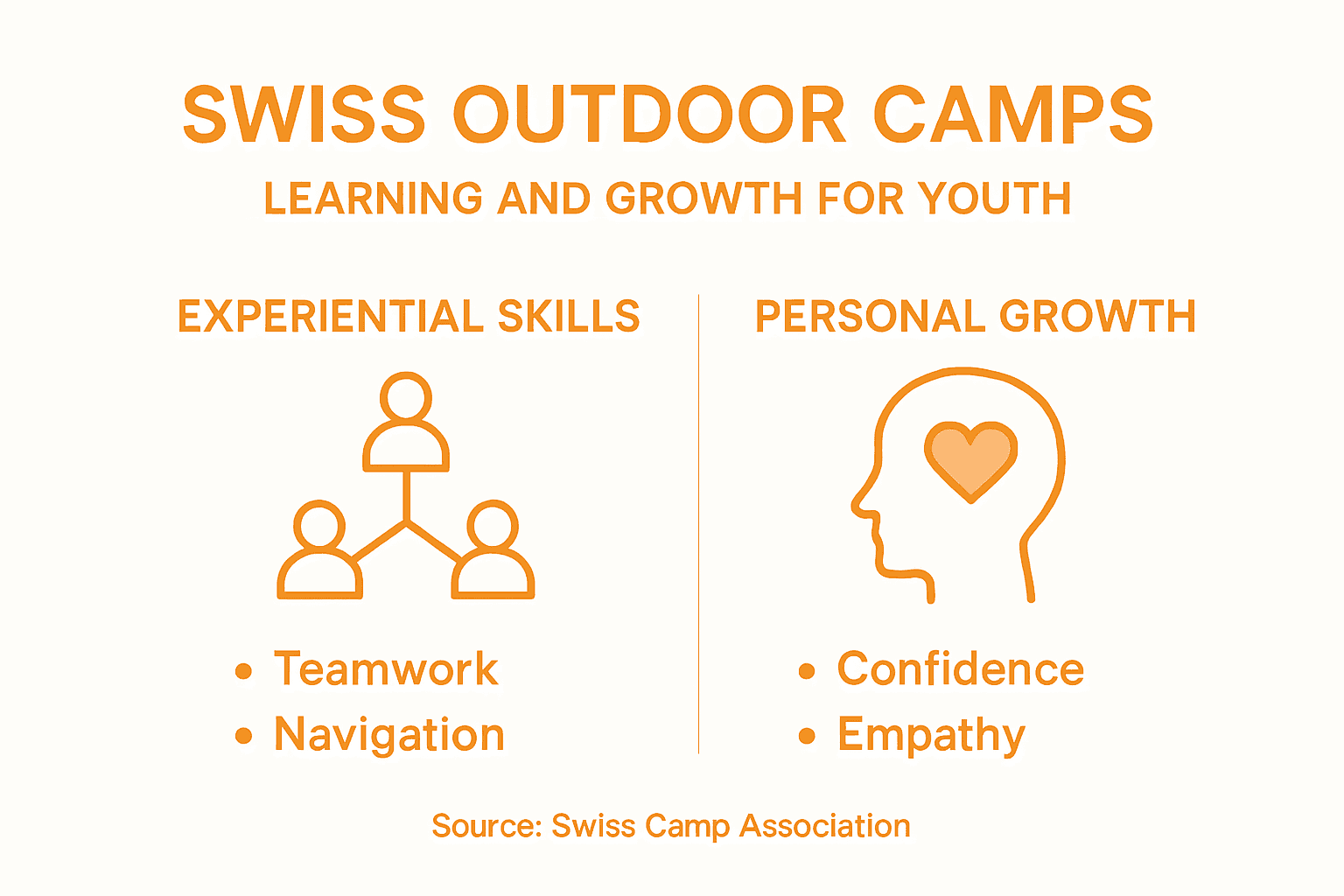
Experiential learning means your child becomes an active participant in creating knowledge, not a passive receiver of information. When navigating a mountain trail, she develops real spatial reasoning. When completing a group climbing project, he experiences genuine interdependence and problem-solving under pressure.
This approach produces deeper learning because:
- Memory retention increases when skills are practiced in authentic contexts
- Emotional engagement drives motivation far beyond classroom settings
- Immediate feedback from real consequences shapes decision-making
- Personal relevance makes learning meaningful and lasting
- Confidence builds from completing genuinely challenging experiences
The Integration: Why Bilingual Plus Experiential Matters
Combining these two features creates something singular. Your child isn’t just learning French verbs or climbing techniques in isolation. She’s using French to coordinate a team ascending a rock face. He’s building problem-solving language while navigating real terrain with peers from five countries.
This integration means language skills improve because communication is necessary for success. Leadership skills develop because the group’s outcome depends on effective coordination. Resilience builds because young people encounter and overcome real challenges.
The power of bilingual, experiential camps lies in removing the artificial separation between language learning, skill development, and personal growth—they become one integrated experience.
What Makes Swiss Programs Different
Swiss outdoor camps emphasize this dual focus specifically because Switzerland itself is multilingual, with strong outdoor traditions and Alpine infrastructure. The environment, culture, and program design all reinforce both language exposure and experiential methodology.
Your child benefits from:
- Native bilingual instruction from counselors fluent in multiple languages
- Alpine terrain designed for progressive outdoor skill-building
- International peer groups requiring constant communication across languages
- Cultural integration with Swiss outdoor traditions and values
- Intentional reflection connecting experiences to personal growth
Pro tip: Before camp, discuss with your child that mistakes in languages and outdoor skills are expected learning moments, not failures—this mindset shift makes young people far more willing to take risks and learn faster in both domains.
Personal Development and Skill Building
Outdoor camps transform how young people see themselves. The changes parents notice aren’t just about better climbing technique or improved French pronunciation. Research shows measurable increases in confidence, emotional resilience, and social capability that persist long after camp ends.
This happens because outdoor camps create conditions where personal growth becomes inevitable, not aspirational.
Measurable Personal Growth
Short-term outdoor camp experiences lead to increases in empathy and self-esteem among adolescents, according to research conducted at Swiss outdoor programs. These aren’t subjective feelings—studies document real improvements in emotional self-control, optimism, and assertiveness.
Your child returns from camp noticeably different. She speaks up in family discussions with more confidence. He tackles challenges without immediate defeat. These shifts happen because camp provides repeated experiences of capability and success in situations that matter.
Research-documented improvements include:
- Increased empathy from daily interaction with diverse peers
- Enhanced emotional self-control through managing group dynamics
- Greater optimism following successful challenge completion
- Improved assertiveness through meaningful contribution to group goals
- Stronger self-esteem from demonstrating genuine competence
Outdoor Skills Development
Your child learns rock climbing, mountain biking, wilderness navigation, and survival techniques through progressive instruction in real Alpine environments. But the skill itself matters less than what skill-building teaches about capability and persistence.
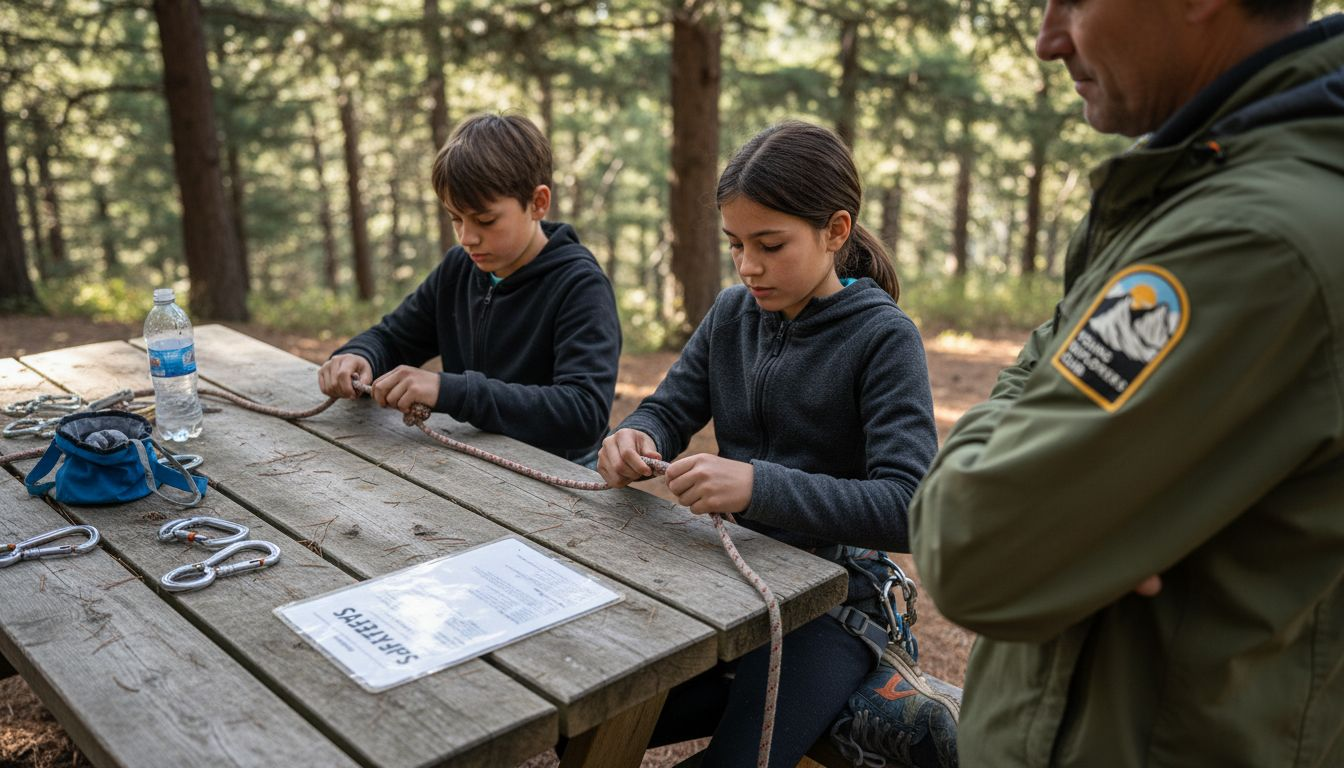
When a young person successfully completes a climbing route that initially felt impossible, she internalized something crucial: difficulty doesn’t mean inability. With proper instruction, effort, and support, challenging things become achievable. This transfers directly to academic challenges, social situations, and future obstacles.
Skill development includes:
- Technical competence in specific outdoor activities
- Safety awareness and risk assessment capability
- Problem-solving under real-world conditions
- Physical confidence from expanded capability
- Growth mindset understanding that abilities develop through effort
Emotional and Social Development
Two-week summer camps significantly enhance children’s altruism and emotional regulation through structured socio-emotional learning experiences. Your child develops genuine friendships with international peers, learns to navigate group dynamics, and practices cooperation under pressure.
These aren’t team-building exercises designed to make cooperation feel forced. They’re real situations where group success depends on individual contribution. A climbing expedition requires genuine interdependence. A group challenge demands authentic cooperation. This builds social skills that transfer to school, family, and future relationships.
Emotional development creates:
- Authentic friendships across language and cultural differences
- Improved communication skills developed through necessity
- Cooperation capability from genuine interdependence
- Conflict resolution experience in supportive settings
- Social confidence from successful peer interactions
Integration of Skills and Character
The magic of outdoor camps lies not in teaching skills separately from character development, but in creating conditions where skill-building naturally develops the character qualities that matter most: resilience, confidence, and genuine capability.
Your teenager doesn’t compartmentalize. Learning to belay a climbing partner teaches trust and responsibility. Navigating difficult terrain teaches persistence. Solving group challenges teaches leadership. These aren’t separate lessons—they’re integrated into everything your child experiences.
Qualified instructors are critical. Research emphasizes that structured activities led by skilled facilitators produce these documented improvements. The camp environment alone isn’t enough—intentional design and experienced leadership create the conditions where transformation happens.
Pro tip: After camp, ask your child specifically about moments when she felt proud, struggled and succeeded, or helped someone else—these conversations help consolidate learning and reinforce the personal growth that happened.
Practical Considerations: Safety, Cost, Access
Choosing an outdoor camp requires evaluating three practical dimensions that directly impact your decision: how safe the program operates, what it costs, and whether your family can realistically access it. These aren’t secondary concerns—they’re foundational to making the right choice.
Understanding what questions to ask in each area helps you evaluate programs confidently.
Safety Standards and Protocols
Swiss outdoor camps operate under strict safety regulations. Instructors hold formal certifications in climbing, water sports, wilderness first aid, and youth supervision. Equipment undergoes regular inspection, and activity protocols follow international safety standards.
Before enrolling, verify specific safety practices:
- Instructor qualifications including certifications and experience levels
- Equipment inspection schedules and replacement standards
- Adult-to-youth ratios for different activity types
- Emergency response procedures and communication protocols
- Medical facilities and evacuation procedures
- Insurance coverage for participants during all activities
- Weather monitoring systems and activity adjustment procedures
Don’t hesitate to request detailed safety information or speak with program directors. Reputable camps welcome these questions because safety is their priority.
Cost and Financial Planning
Outdoor camps range significantly in price depending on duration, location, and included services. Residential camps typically cost more than day programs, and specialized programs (climbing intensives, multi-sport expeditions) command higher fees than generalist camps.
Typical cost ranges for Swiss outdoor camps:
- Week-long day camps: CHF 500-800
- Week-long residential camps: CHF 1,200-2,000
- Two-week residential programs: CHF 2,200-3,500
- Specialized adventure camps: CHF 2,500-4,000
Factors affecting price include meals, accommodations, equipment provision, instructor expertise, and program location. Some camps offer financial assistance or payment plans—ask directly about options.
Build your budget by including:
- Camp tuition
- Travel to Switzerland
- Travel insurance
- Equipment (if not provided)
- Spending money for your child
- Any pre-camp preparation
Accessibility and Logistics
International summer camps in Switzerland offer accessibility through multiple entry points for European families. Most programs provide transportation coordination from major airports or train stations, easing logistical complexity.
Consider these accessibility factors:
- Airport proximity and shuttle service availability
- Camp location relative to major European cities
- Program timing aligned with your family’s school calendar
- Age requirements and minimum skill prerequisites
- Language support for non-English/French speaking families
- Communication channels with parents during camp
Many camps offer optional pre-camp orientation calls or documents explaining what to expect, reducing anxiety for both you and your child.
Consider these practical aspects when planning for a Swiss outdoor camp:
| Consideration | What to Evaluate | Questions to Ask |
|---|---|---|
| Safety | Instructor certification, emergency plans | Are all staff certified in first aid? |
| Cost | Tuition, equipment needs, extras | Is equipment included in the price? |
| Accessibility | Travel logistics, transport options | Is airport transfer available? |
| Language Support | Multilingual staff, peer mix | Is help available for non-speakers? |
Making the Financial Decision
The true cost of outdoor camps isn’t just the tuition—it’s measured against the documented personal development, confidence gains, and life-changing friendships your child develops.
Parents consistently report that the transformation their teenagers experience justifies the investment. A week-long camp costs less than many European family vacations while producing benefits that extend far beyond the experience itself.
When evaluating cost, weigh it against:
- Measurable gains in confidence and resilience
- Language skills developed through immersion
- International friendships and cultural awareness
- Outdoor competency and adventure skills
- Reduced need for later interventions or support
Pro tip: Research early-bird discounts (often 10-15% savings) and ask about multi-week package pricing—many programs offer significant savings when families commit to longer programs or multiple camps.
Discover the Transformative Power of Outdoor Camps with The Young Explorers Club
Are you seeking a way for your child to gain real confidence, independence, and resilience through authentic outdoor experiences in Switzerland The challenges of modern childhood can leave young people disconnected from nature and valuable life skills The Young Explorers Club specializes in immersive bilingual camps that blend adventure, language learning, and personal growth in the heart of the Swiss Alps Our programs offer structured activities designed to forge teamwork and self-reliance through climbing, mountain biking, survival skills, and more
Join families worldwide who trust The Young Explorers Club for high-quality residential and day camps tailored to various ages and interests Explore our diverse options in residential camps, specialized adventure programs, and language immersion camps to find the perfect fit for your child Take the next step now to secure a spot that will unlock your child’s full potential in a safe, supportive, and inspiring environment
Frequently Asked Questions
What are the main benefits of outdoor camps for youth?
Outdoor camps provide unique benefits such as developing independence, confidence, emotional resilience, and social skills through real-life challenges in nature. They also allow for adventure activities that promote physical fitness and outdoor competency.
How do outdoor camps support language learning?
Outdoor camps integrate language immersion by using both English and French during activities, meals, and social interactions. This method allows youth to improve their language skills naturally by engaging in meaningful communication with peers.
What types of activities are typically included in Swiss outdoor camps?
Swiss outdoor camps often include adventure activities such as mountain biking, rock climbing, water sports, survival training, and team challenges that encourage communication and problem-solving skills.
How do I choose the right outdoor camp for my child?
Consider your child’s age, previous camp experience, interests, and learning goals when choosing an outdoor camp. Options range from residential camps that build independence to day camps for younger children seeking gradual exposure to outdoor experiences.
Recommended
- Sélection Des Meilleurs Camps D’Été 2024: Activités Et Aventures Pour Enfants | Young Explorers Club Switzerland
- Descubra A Aventura: Seu Guia Definitivo Para O Camp Montana Na Suíça | Young Explorers Club Switzerland
- Les 10 Meilleurs Camps D’aventure En Montagne En Suisse Pour 2024 | Young Explorers Club Switzerland