Why Kids Love Bike Trips Through The Alps
Family-friendly Alps bike trips: short climbs, playful descents, lakeside rewards — keep kids engaged, fit and safe on scenic valley routes.
Bike trips through the Alps with kids
I find kids love bike trips through the Alps. The region spans roughly 190,000 km² across several countries. Its varied terrain delivers constant multisensory novelty. Sudden vistas, alpine meadows, lakes and wildlife reset attention again and again. For family rides I plan short climbs followed by playful descents. Valley cycleways and lakeside or village stops act as rewards. I don’t force long, hard days.
Key Takeaways
- The Alps’ scale and variety produce frequent sensory surprises (vistas, lakes, wildflowers, wildlife) that reduce boredom and sustain engagement.
- Short climbs followed by fun descents, plus lakeside or village rewards, form reliable motivation loops for children.
- Cycling in the Alps delivers efficient moderate-to-vigorous physical activity and improves cardiovascular fitness, motor skills, attention and mental well‑being.
-
Plan by age and terrain
Typical daily ranges and shortening strategies:
- 5–20 km — ages 4–6
- 15–40 km — ages 7–10
- 30–70 km — ages 11–15
I use trains, cable cars or e‑bikes to shorten hard sections.
-
Safety and kit
I prioritise safety and kit:
- Helmets
- Lights
- Layers
- Basic repair kit
- Child-transport options (trailers / child seats)
- Printed safety checklist
YOUTUBE VIDEO
Why kids find Alps bike trips irresistible (experience and fun)
I see the Alps as a huge, varied playground for families. They span roughly 190,000 km² and are home to about 14 million people, so there’s constant variety within reach.
Multi-sensory novelty and wildlife
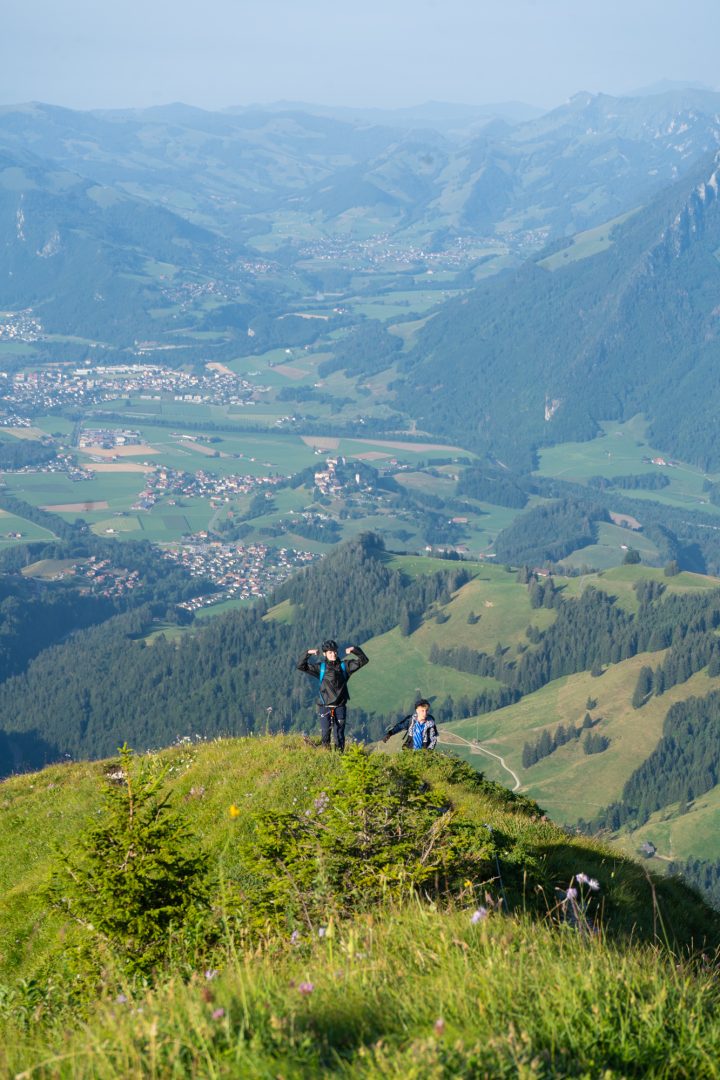
Kids stay engaged because the landscape feeds all their senses. I watch them react to sudden vistas, bright alpine meadows, and the sound of distant cowbells. Here are the elements that make each day feel new:
- Vast views and quick visual changes across passes and valley floors.
- Alpine lakes that invite picnics and paddling.
- Wildflower meadows that smell and look different from one bend to the next.
- Wildlife encounters with marmots and ibex that spark curiosity and quiet observation.
- Village scenes and farmers’ markets that introduce local life and tastes.
These quick shifts create novelty on a small scale, so kids get surprised frequently. That steady stream of new stimuli reduces boredom and beats screen-time boredom.
Reward loops, short climbs + downhill, and safe family routes
I design days to build instant wins. Short climbs followed by fast, playful descents create reliable reward loops that keep motivation high. A 10–15 minute climb gives a clear target. The downhill that follows feels earned. I often plan a lakeside picnic after a climb, then let the kids ride a 5–10 km downhill through a village — they get achievement and immediate fun.
Safety and accessibility matter. Many Alpine valleys offer protected family cycle routes along flat valley floors or on converted rail-trails, so parents can push for adventure with reassurance. I choose routes that mix:
- quieter low-traffic roads,
- segregated lanes, and
- old railway corridors turned cycleways.
Long-distance cycleways work well for families because you can split them into short daily sections that match attention spans. If you’re planning a family trip, pick stages that finish near a lake or village so you have built-in rewards and downtime.
I also use the contrast with screens as motivation. I frame rides as active, multisensory challenges: watch for marmots, identify alpine flowers, time a descent. Short, sensory tasks replace passive scrolling, and they give kids simple goals that feel meaningful.
Quick alpine facts that set the scene
Scale, population and countries
These headline figures show how vast the playground is for kids on bikes:
- Area: approximately 190,000 km².
- Residents: roughly 14 million people.
- Countries covered: Austria, France, Germany, Italy, Liechtenstein, Monaco, Slovenia and Switzerland (Monaco and Liechtenstein make up very small parts).
I use these numbers to explain why routes vary so much. Small villages sit next to major transport hubs. That mix creates options for short family legs or multi-day loops.
Heights, comparisons and tourism
- Mont Blanc tops the list at 4,808 m.
- Stelvio reaches 2,757 m.
- Col du Galibier sits at 2,642 m.
- Grossglockner at 2,504 m.
One simple comparison: Mont Blanc is about 4.8 km high — that’s more than 60 Eiffel Towers stacked. That kind of scale helps kids grasp altitude and distance in a fun way.
Tourism in the Alps exceeds 100 million visits a year. That level of demand funds extensive bike paths, reliable rentals and family services. I point families to routes with gentle gradients, well-marked trails and nearby rental shops. If you want practical planning tips for a family trip, I recommend checking a focused guide like this family trip resource.
Pick segments lower in elevation for youngest riders. Reserve high passes for confident teens or shuttle-assisted days. I’ll also say this: the infrastructure is strong. You’ll find luggage transfer, graded trails and child seats where you need them.
Health, developmental and environmental learning benefits
I treat bike trips through the Alps as a highly efficient health intervention for kids. WHO recommends 60 minutes/day for 5–17-year-olds; in 2016 WHO reported ~81% of adolescents were insufficiently active, which frames cycling as a practical solution.
Cycling counts as moderate-to-vigorous physical activity (MVPA). I see clear gains in cardiovascular fitness, muscular endurance, coordination and balance after repeated rides. A typical family day on two wheels makes that point: a 2-hour family cycling day = 120 minutes = 200% of one day’s 60-minute target and supplies ~28.6% of the weekly WHO recommendation (120/420 minutes). That’s efficient exercise that also feels like play.
I also look at mental health and attention benefits. Time outdoors reduces stress and improves attention and self-regulation in children. Riding through varied terrain forces short bursts of focus and then restful vistas, which trains attention in a way that classroom time can’t replicate. Kids return from alpine rides calmer, clearer-headed and better able to concentrate.
Practical skills and social development are obvious on multi-day trips. I teach handling, gear shifting and simple repairs on the trail. Those are immediate win-win skills that blend physical competence with problem solving. Completing a steep climb or a multi-day loop builds measurable confidence and self-efficacy. I watch teamwork emerge naturally: parents and kids trade roles as navigator, mechanic and motivator. Planning routes, managing snacks and pacing climbs teach perseverance, planning and cooperation.
I use every ride as an opportunity for age-appropriate environmental lessons. Alpine glaciers have lost roughly half their volume since the 19th century (approximate; based on glacier-monitoring organizations), and kids notice the changing face of the landscape. I frame short conservation talks around what they can observe and what simple actions—like leaving no trace, choosing sustainable travel—mean for alpine biodiversity. Those moments turn a ride into stewardship training.
Key, actionable benefits and examples
Here are the core benefits I aim for and how I deliver them on a family cycling outing:
- Cardiovascular and strength gains: sustained pedaling and hill repeats build heart health and leg endurance.
- Motor skills and balance: varied trails and shifting gears sharpen coordination and bike handling.
- Mental health uplift: exposure to alpine scenery and fresh air reduces stress and boosts mood.
- Attention training: alternating concentration on trail techniques and relaxed observation improves self-regulation.
- Practical bike skills: I show kids how to fix a puncture, adjust brakes and use gears; those skills stick.
- Social and life skills: route planning, pacing and shared problem-solving reinforce teamwork and perseverance.
- Environmental awareness: short talks about glacier shrinkage and biodiversity create tangible stewardship lessons.
I often recommend families use a short practice loop before a longer alpine day and plan one clear learning goal per outing, whether it’s shifting smoothly, changing a tire or learning to pace on climbs. For planning tips and family-focused routes, consider a family trip that matches your skill level and learning goals.
Top family-friendly Alpine cycle routes and short sample itineraries
Major routes — why they work for kids
- Alpe Adria Cycle Route — approx. 410 km: Varied scenery keeps kids engaged. Signposting is clear and many days can be shortened to 25–40 km, so I recommend planning short finishes and playground stops.
- Danube / Donau Cycle Path — approx. 320–330 km: Mostly flat and riverside, this is the easiest long-route option for little legs. Towns and cafés are frequent, so you can break rides into very short stretches.
- Salzkammergut Cycle Path — approx. 350–360 km loop: Lakeside riding and short ferry hops add variety. You can slice the loop into easy day trips from lakeside bases.
- Inn Cycle Route — approx. 500–520 km: This follows the valley along the Inn River. The full route is long, but you can use the natural segmentation to build gentle multi-day legs.
- Via Claudia Augusta — approx. 600–700 km: Historic markers and valley stretches give a mix of flat sections and short climbs. Pick valley days for families and save the passes for older kids.
- Short local options: Rail-trails and valley cycleways provide gentle gradients and simple hop-on/hop-off options by train or cable car, which are useful to cut out steep or boring sections.
Sample short itineraries and practical tips
- 3-day beginner (Danube/Linz loop): Plan 20–35 km per day with negligible elevation (Danube / Donau Cycle Path). Keep stages short around towns so you can stop early if a child is tired. Pack one picnic and one café stop each day.
- 5-day mixed (Alpe Adria family-friendly): Aim for 25–45 km/day with mixed valley riding and occasional short climbs; expect 200–600 m of climbing on hillier days (Alpe Adria Cycle Route). Schedule shorter start days and use trains to skip any long climb.
- 7-day active family (Inn Cycle subdivided): Target 30–60 km/day across mostly valley sections with moderate climbs; include one rest or cultural day (Inn Cycle Route). Build flexibility into the plan so kids can recover and enjoy local attractions.
Practical routing and kid-proofing: I rely on these tactics every time I plan:
- Start with kid-friendly segments such as Passau→Linz (first ~200 km) to build confidence and keep the first days very flat (Danube / Donau Cycle Path).
- Use trains and cable cars to shorten long approaches or to create downhill-only days from higher villages.
- Add ferry crossings and short boat rides to break monotony and add excitement.
- Book rental bikes with good child seats or kid-specific e-bikes where needed; local rental availability varies by season.
- Check signage, closures, train-bike rules and rental options before you go; route conditions can change and official route operators or national tourist offices have the latest information.
If you want sample family logistics and packing ideas for a shorter Swiss leg, I’ve found the family trip resources helpful for combining cycling with regional transport options.
How far can kids reasonably ride? Daily distances, elevation and logistics
Age-based daily distance guidance
I set clear daily targets by age so expectations match kids’ abilities. Use these ranges as starting points and reduce them for steep terrain or hot weather. Below are practical daily distance guidelines and equipment notes.
- Ages 4–6: 5–20 km/day (with trailer or child seat for long transfers). Keep rides short and flat. Use a trailer or child seat for transfer legs and opt for mixed riding plus walking.
- Ages 7–10: 15–40 km/day depending on terrain and experience. Aim for the lower end on hilly routes. Daily climbing 200–600 m for young children helps avoid overtaxing them.
- Ages 11–15: 30–70 km/day depending on fitness and use of e-bikes. Teenagers can handle longer days; e-bike assist pushes comfortable ranges toward the top end.
I always plan conservative first days so families find a rhythm. Repeat targets like 5–20 km/day (4–6 yo), 15–40 km/day (7–10 yo), and 30–70 km/day (11–15 yo) when briefing riders.
Pacing, elevation, logistics and budget
I schedule breaks every 30–60 minutes and a longer midday stop to recharge energy and mood. Rest every 30–60 minutes is crucial for focus and enjoyment. For multi-day trips I split long routes into shorter segments on consecutive days.
For elevation, I keep daily climbing modest for younger kids: 200–600 m/day (young children) is a sensible rule; older teens can handle 600–1,200 m/day with frequent stops.
Train and public-transport logistics often save the day. Regional trains across Austria, Switzerland, Germany and Italy often allow bikes, though rules and fees vary by carrier. Intercity trains may require reservations. Cable cars and ferries let you shorten or vary routes and are great for tired legs. For route inspiration and practical family advice see my family trip suggestions.
E-bike specifics matter. Check battery transport rules for flights and trains well before departure. Batteries have airline and rail restrictions; confirm allowable watt‑hours and whether batteries must be removable. For hires, factor rental costs into the budget: child bike €10–€20/day; adult e-bike €25–€50/day.
Budget ranges I use for planning:
- Accommodation: €80–€200 per night for a family room or bike hotel.
- Bike rental: child bike €10–€20/day; adult e-bike €25–€50/day.
- Meals: €15–€40 per person per day.
- Guided family tour packages: roughly €500–€1500 per person for a week, depending on inclusions.
I always prepare contingency strategies. Useful options include:
- Train shortcuts to skip a hard pass or a long low-motivation day.
- Cargo trailers for tired kids or extra kit.
- E-bike assist for parents or teens to even out pace across the group.
I advise packing a basic repair kit, spare tube, and a charging plan for e-bikes. I also recommend booking at least one flexible travel ticket or accommodation night so you can shorten a stage if needed.
Safety, equipment, rentals and child-friendly extras
Helmets are non-negotiable. Systematic reviews and public health bodies commonly cite that helmet use reduces head-injury risk by about 50–70%. I recommend a helmet that sits level on the brow, with the front edge one to two finger-widths above the eyebrows. Use the two-finger strap test under the chin and tighten so only two fingers fit comfortably. Check for visible damage and replace any helmet after a crash.
Alpine weather turns fast. I always pack front and rear lights and high-visibility clothing even for daytime riding. Lights help in low sun, tunnels and sudden fog. Layering matters: a waterproof shell and a warm mid layer keep kids riding longer and happier.
Bike fit and basic mechanics stop most problems on the trail. I check frame size, seat height and handlebar reach before setting off. Seat height should allow a slight bend in the knee at the bottom of the pedal stroke. Confirm brakes engage smoothly and gears shift under light pressure. Fit a lower gear range for sustained climbs so cadence stays comfortable. I carry a mini multi-tool and make routine quick checks: tire pressure, brake pad wear and quick-release skewer security.
I find good child transport options reduce stress and extend range. Trailers like Burley, Thule Chariot and Bob Yak tow safely for naps and gear. For on-bike seating consider Thule Yepp, Bobike or Hamax child seats for shorter rides or sightseeing. For kid-specific bikes, Islabikes, Trek Precaliber, Specialized Hotrock and Cube cover most ages and terrains. Helmets from Giro, Bell or POC balance weight and protection. If you want to cut hills or boost range, look into e-bike rental and e-bike rental insurance available at many towns.
Many Alpine towns run bike rental and bike-hotel schemes; I compare prices, helmet availability and insurance coverage before booking. Guided services often offer tailored routes for families and provide spare parts and local support. For route ideas on a family trip, check local rental shops for child-size bikes and panniers.
Ready-to-print safety checklist
Use this checklist at packing time; I print it and tick items as I load the car:
- Helmet (correct size, strap checked)
- Lights (front and rear)
- High-visibility clothing
- Spare inner tube(s) and patch kit
- Mini pump or CO2 inflator
- Multi-tool and basic bike repair kit
- Mini D-lock + cable or foldable lock
- Panniers or pack for snacks and layers
- Waterproof jacket and extra warm layer
- First-aid kit
- Phone + charger/power bank
- ID, insurance card, emergency contacts
I also prepare small extras to keep kids engaged:
- Simple scavenger sheet
- Nature bingo
- Photo challenge
I plan one “big” non-cycling day mid-week — for example a cable-car ride plus a playground stop — to reset energy and enthusiasm.
Short testimonial templates you can print and adapt:
- Parent: “My 9-year-old did 35 km/day for 4 days and improved cadence and confidence.”
- Child: “I loved the cable car and the lake swim more than the steep hill.”
I advise saving these notes after the trip to guide future gear buys, like choosing between a Burley trailer or a Thule Chariot, or picking the next kid bike from Islabikes or Trek Precaliber.
Sources: