
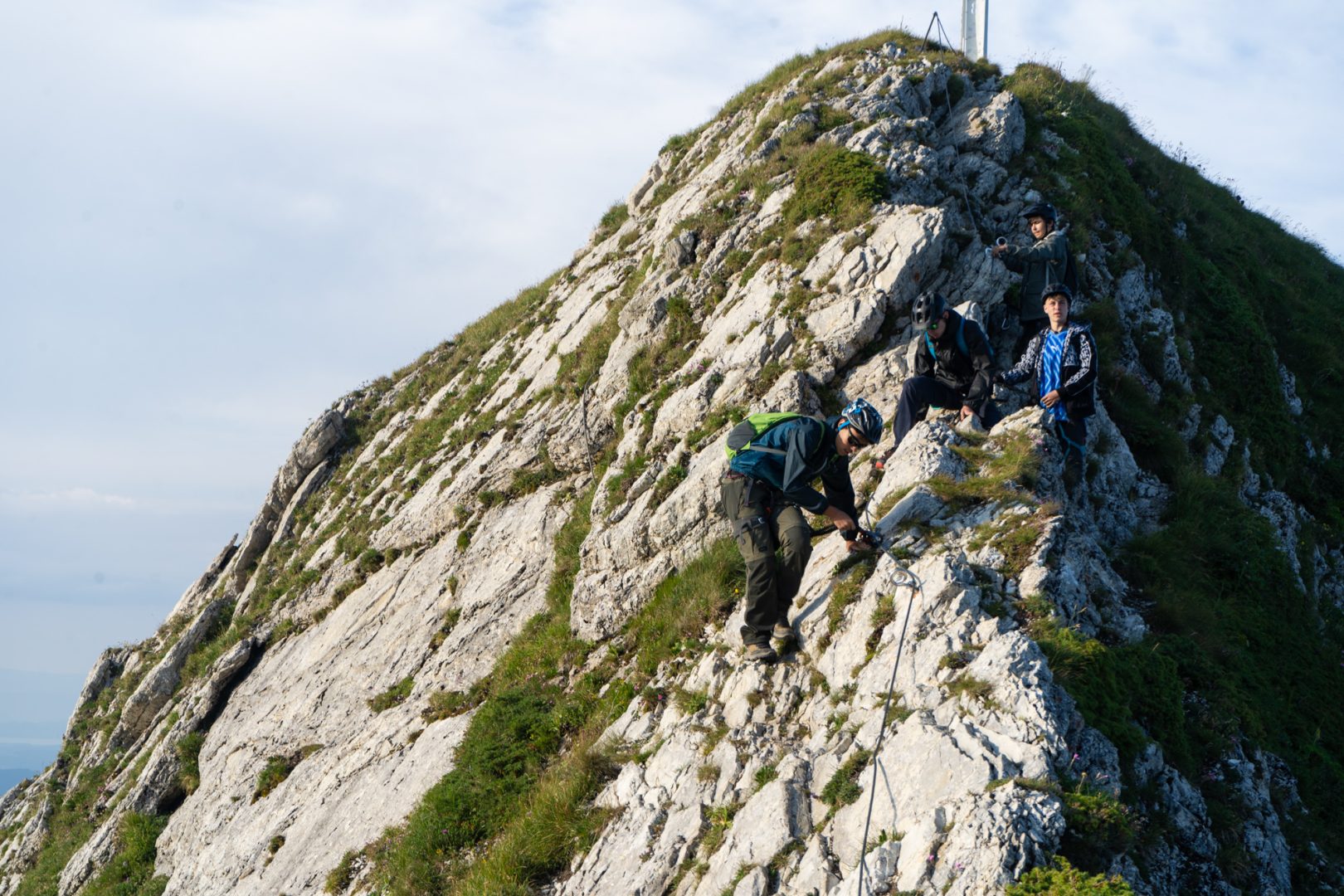
Why Mountain Sports Help Kids Build Resilience
Mountain sports for kids: meet 60-min/day activity and 120-min/week nature dose to boost mental health, attention, sleep and resilience.
Why I Recommend Mountain Sports for Children
I recommend mountain sports for children because they meet evidence-based activity and nature targets. These activities support the 60-minute daily activity guideline and roughly 120 minutes per week of nature exposure, both of which are linked to better physical and mental health. Mountain sports also address widespread inactivity (about 81% of adolescents are insufficiently active) and common youth mental-health difficulties (roughly 10–20% prevalence).
Mountain sports combine sustained aerobic effort with immersive outdoor settings and graded, skill-based challenges. That combination helps reduce rumination, restore directed attention, improve sleep physiology, and strengthen decision-making and self-efficacy. With regular practice and appropriate supervision, measurable gains in emotional regulation and resilience are commonly observed.
Key Takeaways
- Activity and nature targets: Mountain sports can meet the 60-minute/day activity target and about 120 minutes/week of nature exposure through practical, scalable outings.
- Psychological benefits: Nature exposure combined with aerobic effort reduces rumination and restores attention, producing short-term mood and cognitive benefits.
- Skill and resilience: Progression through graded challenges builds self-efficacy, problem-solving, and teamwork — core components of resilience.
- Simple routines: Two 60-minute weeknight outings or one 120-minute weekend hike, plus short daily active play, are practical ways to turn evidence into action.
- Safety and integration with care: Prioritize supervised, safety-focused programs as complements to clinical care; track sleep, activity minutes, and behavioral metrics, and seek professional help for severe symptoms.
Practical Routine
Suggested weekly schedule
- Two weekday outings: 60 minutes of active, supervised mountain play or practice on two weeknights (skills, short hikes, or hill repeats).
- Weekend session: One 120-minute hike, approach, or longer skills session that includes rest and time in nature.
- Daily micro-activity: 10–20 minutes of active play or movement at home (balance games, short stair climbs, mobility drills).
Safety, supervision, and tracking
Prioritize trained supervision, age-appropriate skill progression, and proper equipment. Track simple metrics such as sleep quality, daily activity minutes, and observable behavioral changes (mood, attention, social engagement). Use those data to adjust intensity and progression.
When to seek professional help
If a child shows severe or persistent symptoms — such as marked decline in functioning, suicidal ideation, prolonged sleep disruption, or severe behavioral changes — seek qualified medical or mental-health care. Mountain-sport programs are supportive complements, not replacements, for clinical treatment when needed.
Bottom line: Mountain sports are a practical, evidence-aligned way to increase physical activity, expand nature exposure, and support mental-health resilience in children when delivered with appropriate supervision and safety planning.
YOUTUBE VIDEO
Evidence and urgency: children’s mental health, inactivity, and the nature dose
“About 10–20% of children and adolescents worldwide experience mental disorders” (WHO)
“About 81% of adolescents aged 11–17 are insufficiently physically active worldwide” (WHO)
“Children and adolescents should do at least 60 minutes of moderate-to-vigorous physical activity daily” (CDC/WHO guideline)
Caption: These three anchor statistics show an urgent need and a clear target: mountain sports can help families reach the “60 minutes physical activity” guideline while delivering the evidence-based nature dose (White et al.).
What the research shows and why it matters
I treat White et al. (Scientific Reports 2019) as an achievable benchmark: “Spending at least 120 minutes a week in nature is associated with good health and wellbeing.” That 120 minutes/week finding gives families a clear, evidence-based goal. Mountain sports are a practical, scalable pathway to deliver that time and the physical activity required.
I point to the core prevalence figures again to keep focus: “About 10–20% of children and adolescents worldwide experience mental disorders” (WHO); “About 81% of adolescents aged 11–17 are insufficiently physically active worldwide” (WHO); “Children and adolescents should do at least 60 minutes of moderate-to-vigorous physical activity daily” (CDC/WHO guideline).
-
Immediate implication 1: Lack of activity is widespread and is linked to poorer mental health.
-
Immediate implication 2: Nature exposure — the White et al. 120 minutes/week finding — amplifies the benefits of movement by reducing stress, improving mood, and strengthening attention. Mountain sports deliver both components: sustained moderate-to-vigorous activity plus immersive nature contact.
I recommend treating mountain outings as a weekly preventive strategy, not an occasional treat.
Practical weekly plan for families
Use the short list below to convert the evidence into action; each item supports the 60 minutes/day and 120 minutes/week targets.
-
Aim for two 60-minute family mountain outings per week or one longer weekend hike to hit White et al.’s 120 minutes/week.
-
Break daily activity into manageable blocks: 30 minutes before school and 30 minutes after, or a single 60-minute session.
-
Choose child-friendly routes with varied terrain to build physical confidence and mental resilience.
-
Rotate activities across the season — hiking, easy scrambling, and nature-based games — to keep motivation high.
-
Pack short reflective pauses (5–10 minutes) during outings to boost mood and attention.
-
For ideas on family-friendly excursions and activity planning, see my guide to outdoor activity benefits.
How mountain sports reduce stress and restore attention: neuroscience and the “nature dose”
Key experimental evidence
Bratman et al. (PNAS 2015) tested the neural effect of a 90-minute nature walk and found lower self-reported rumination and reduced activity in the subgenual prefrontal cortex after the natural walk compared with an urban walk. This was a parallel-group experiment comparing 90-minute natural versus urban walks; the key outcome tied reduced rumination to measurable changes in brain activity linked to negative, self-focused thought.
Population-level evidence
White et al. (Scientific Reports 2019) showed people who spent at least 120 minutes per week in nature were more likely to report good health and well-being, with benefits continuing up to roughly 300 minutes/week and then plateauing. Using 120 minutes/week as a realistic, evidence-linked goal is supported by these findings, while time beyond ~300 minutes/week appears to yield diminishing returns.
Attention and children
Work by Taylor & Kuo (and Kuo & Taylor) demonstrates that exposure to green settings improves concentration and helps children with attention difficulties. These findings are best interpreted as attention restoration and improved executive function, translating into better classroom and home behavior.
Proposed mechanisms
The mechanisms are straightforward and complementary:
- Reduced rumination — decreases in repetitive negative thought linked to mood symptoms.
- Improved attention — restoration of directed attention capacity after exposure to natural settings.
- Combined effect — reduced rumination plus improved attention leads to stronger emotional regulation and better problem solving, core resilience skills.
- Why mountain sports amplify effects — they combine aerobic exertion, novel sensory input, and a manageable cognitive load (navigation, route choice, hazard assessment), which together lower stress and strengthen attention restoration beyond passive time outdoors.
Nature-dose relationship (figure description)
Describe a simple figure for the nature-dose relationship:
- X-axis: minutes in nature per week.
- Y-axis: percent reporting “good health”.
- Shape: a sharp rise up to about 120 minutes/week, continued increase to roughly 300 minutes/week, then a plateau beyond 300 minutes/week.
- Highlight points: 120 minutes/week is the evidence-linked threshold; 300 minutes/week marks the plateau region.
Practical weekly targets and routines
Suggested, evidence-linked routines:
- Two 60-minute mountain walks during the week to reach 120 minutes/week.
- One 120-minute weekend hike instead of multiple short outings when schedules are tight.
- Mix shorter daily outdoor play (15–30 minutes) with an extended family hike to accumulate time.
- Occasional 90-minute nature outings to get measurable reductions in rumination, mirroring the Bratman et al. experimental session.
Recommendations for families
For tested ideas about easy outings and kid-friendly routes, see the resource on family activities linked below. I recommend keeping sessions varied: steady aerobic effort for heart-rate benefits, alternating with low-intensity exploration to maximize attention restoration and stress reduction.
Building confidence and physiological resilience: skill mastery, exercise effects, sleep and stress hormones
I privilege skill progression as the primary path to self-efficacy in kids. Small wins — learning route-finding, knot-tying or reaching a summit — create a chain of competence that boosts persistence and problem solving. Adventure therapy literature supports skill-based change (Gass et al.), and I use that framework when I design outings or coach parents on next steps.
I follow a practical progression ladder so children meet success at each stage. Start family hikes for children as young as 4–6; introduce overnight backpacking after basic trail competence (~8–10 yrs, depending on child and distance). Use the ladder as guidance, not strict rules.
Progression ladder (example: hiking)
- Short family hike (beginner): Age ~4–6+. Skills learned: following a trail, basic pacing, snack and drink routine. Psychological benefits: enjoyment, early self-reliance.
- Day hike (intermediate): Age ~6–9+. Skills: map reading, appropriate pacing, simple route choices. Benefits: planning skills and growing confidence.
- Overnight backpack (advanced beginner): Age ~8–10+ depending on child and distance. Skills: packing, campsite routine, basic overnight problem solving. Benefits: independence and coping with discomfort.
- Multi-day trek (adolescent advanced): Older teens. Skills: trip planning, leadership, sustained endurance. Benefits: leadership and complex problem solving.
I pair skill work with consistent physical activity because the two reinforce each other. Children and adolescents should do at least 60 minutes of moderate-to-vigorous physical activity daily. Meta-analytic evidence links regular moderate-to-vigorous activity with lower rates of depression and anxiety in young people, and mountain sports deliver the right mix: sustained aerobic work, intermittent high-demand bursts and continuous skill practice. That combination produces clinically meaningful reductions in depressive symptoms when exercise is part of the plan.
I also track sleep and physiology because they mediate emotional resilience. Regular physical activity improves sleep quality and reduces physiological stress markers such as cortisol, supporting better emotional regulation. Mountain sports combine aerobic exertion with balance and strength challenges that tend to deepen slow-wave sleep and shorten sleep onset. The net effect is better recovery and lower daytime irritability.
I use simple metrics to monitor change: consistent increases in trail distance or difficulty, fewer tantrums or shutdowns after setbacks, and improved bedtime routines and sleep duration. Parents often see tangible shifts within 8–12 weeks of regular outings.
Here’s a concise vignette that shows how the pieces fit. A 10-year-old with low confidence begins weekly guided hikes. Over 12 weeks we move from 30–45 minute walks to full-day hikes. The child learns basic route choices and packing. Parents report a higher willingness to try new tasks, fewer meltdowns over small setbacks, and a steadier bedtime routine with deeper sleep. I note concurrent reductions in anxiety-like behavior and better problem solving on tricky trail sections.
I recommend combining skill-focused sessions with regular aerobic outings and deliberate recovery habits. For families who want an organized path, I sometimes point them toward mountain adventure camps that emphasize gradual progression and leadership development as they build self-efficacy and physiological resilience.

Risk, decision-making and teamwork: controlled challenges that teach coping
I use graded exposure to controlled risk as a deliberate training ground. Short, progressive challenges force kids to assess hazards, make choices with incomplete information, and absorb the lesson when things go wrong. Those three capacities — hazard assessment, decision making, and coping with setbacks — are core resilience skills I want children to leave with.
Why structured mountain challenges build resilience
Structured mountain activities create a learning loop: controlled challenge → immediate feedback → skill development. Research in adventure and outdoor education, including adventure therapy, reports a moderate effect on youth problem-solving, behavior, and social functioning. That aligns with what I see in practice: when challenges match ability and instructors provide clear feedback, kids gain confidence and learn to manage uncertainty.
I emphasize risk management for kids because supervised, skill-matched challenge reduces harmful outcomes compared with unsupervised risky behavior. Supervision combined with skill progression turns risky impulses into opportunities for decision-making practice — picking a route, checking gear, or negotiating pace with teammates. Those moments teach practical judgment, not just physical technique.
Use these program elements to make training measurable and repeatable:
- Clear progression: break skills into specific steps with objective checkpoints.
- Guided debriefs: make reflection routine after every task; ask what went well, what surprised them, and what they’ll try next time.
- Decision drills: practice route choice, gear checks, and contingency planning under mild pressure.
- Teamwork tasks: add roles that force communication and collective problem-solving, such as leader rotation or buddy checks.
- Data points: track attempts, errors, and instructor feedback to show learning over time.
For concrete program models and examples of progressive challenge in action, see mountain adventure camps.
How to grade risk — concise checklist
Use this checklist when you design a challenge so learning stays safe and effective:
- Skill match: choose tasks slightly above current skill level.
- Protective gear: ensure correct-fit helmets, harnesses, pads as appropriate.
- Buddy system: pair children with peers at similar skill levels.
- Instructor ratio: maintain appropriate adult-to-child ratios for supervision.
- Clear failure-as-learning messaging: normalize mistakes and debrief for learning.
Contrast the outcomes: supervised mountain activity equals controlled challenge plus feedback and measurable skill-building. Unsupervised risky behavior equals higher injury risk and fewer opportunities for structured learning or mentorship. I prioritize structured exposure because it converts outdoor risk-taking into deliberate practice, and that leads to durable improvements in decision making and social functioning.
Practical activities, age-appropriate progressions, gear lists and program guidance
I match specific mountain sports to resilience skills so parents and instructors can plan purposeful practice. For hiking and backpacking I focus on endurance, route planning, on-trail problem solving and growing self-reliance. I start simple: family hikes teach pacing and basic navigation before I add weight and overnight logistics. For climbing (indoor → outdoor) I emphasize concentration, fear management, trust-building and clear goal setting; I want kids to learn to break routes into manageable moves. Mountain biking and trail cycling sharpen risk assessment, technical handling and situational awareness; I coach line choice and braking as decision drills. Skiing and snowboarding develop balance, fall-recovery instincts and grit; I stage progressive exposures to steeper terrain and exposure. Orienteering and navigation train spatial reasoning and decision-making under uncertainty by turning map work into timed challenges. Mountaineering and alpine skills bring all these together: complex planning, teamwork and layered risk management for older teens.
Start family hikes for children as young as 4–6; introduce overnight backpacking after basic trail competence (~8–10 yrs, depending on child and distance). For program length I recommend a mix of formats:
- Short, confidence-building weekend trips for beginners.
- 1–2 night youth trips to practice group routines and camp skills.
- Weeklong youth expeditions in adolescence for sustained leadership development.
I use an age/skill matrix that guides programming without being prescriptive:
- Beginner (parent-led): short outings, high adult supervision, focus on enjoyment and basic skills.
- Intermediate (guided group): instructor-led skills development with moderate independent tasks.
- Advanced (supervised independent): older teens taking peer leadership, complex planning and execution.
I include practical coaching cues for each stage. For beginners I keep goals tiny: carry your own snack, read a contour line, clip into the harness. At the intermediate level I assign roles—route planner, gear manager, or group navigator. For advanced teens I expect them to draft the trip plan, run a safety briefing and lead by example. If you’re wondering how to start hiking with kids, start slow and build clear, achievable tasks every outing. For climbing for kids and mountain biking youth I insist on short focused sessions that repeat one or two skills until they become habits. I integrate orienteering exercises into scavenger hunts to keep engagement high.
Gear checklists and choosing programs
Below are compact checklists and a short parent checklist I use when vetting programs and packing for outings.
Hiking (day trip for kids)
- small daypack
- layered clothing (base layer, insulating mid-layer, waterproof shell)
- good trail shoes or hiking boots
- water bottle / hydration system
- snacks / high-energy food
- sun hat, sunscreen
- basic first-aid kit
- map & compass or phone with downloaded offline map
- whistle
- small torch / headlamp
Introductory rock climbing (indoor → outdoor)
- climbing shoes (child-size)
- harness (child appropriate)
- climbing helmet (UIAA/CEN standard)
- belay device (instructor-supplied for kids in classes)
- chalk bag
- sturdy athletic clothing
- guide / qualified instructor
Mountain biking (trail)
- youth mountain bike with appropriate frame/wheel size
- helmet (certified)
- gloves
- basic flat repair kit (tube / CO2 / patch)
- water
- knee / elbow pads optional
- pump
- bright clothing
Choosing programs and instructors — quick parent checklist
- Check instructor credentials / certifications.
- Confirm staff-to-child ratios and supervision plans.
- Review safety policies, emergency plans, and communication procedures.
- Ask about progressive skill curricula and debriefing / learning practices.
I often point families to resources on hiking for kids that outline family activities and progressive camp options, and I encourage parents to ask programs about how they handle incremental skill transfer. When you evaluate a program, watch a skills session if you can. I look for clear demonstrations, positive correction, and a culture that treats mistakes as learning opportunities.
Program evidence, measurable outcomes, limitations and safety guidance (including when to seek help)
Evidence and limitations
I rely on program evaluations and reviews when I assess mountain sports for youth. Adventure therapy, wilderness therapy and outdoor education programs report improvements in resilience-related outcomes such as self-esteem, internal locus of control and reductions in risky behavior; Gass et al. and several systematic reviews describe these as generally positive, often using terms like “moderate effect”. Many reports show promising short-term gains in confidence and attention, but they vary in rigor and design. A number of studies are observational or are pre/post program evaluations with small samples (for example, n = 52 campers measured across six weeks), so causation is hard to prove and self-selection bias is common.
I stress that these activities are supportive interventions, not replacements for clinical care. Programs can complement therapy but do not substitute for it when clinical diagnosis or severe pathology is present. Research gaps remain: randomized trials are fewer for some outcomes, long-term follow-up is limited, and outcome measures often rely on self-report. Keep the anchor statistics visible when you make the case: About 10–20% of children and adolescents worldwide experience mental disorders and About 81% of adolescents aged 11–17 are insufficiently physically active worldwide. I pair outdoor programming with targeted skills training and, where possible, evidence-based mental-health supports like counseling or referral pathways.
I often integrate youth leadership modules to reinforce responsibility and social skills.
Measurable metrics, safety, checklists and when to seek help
Below are practical metrics to track program impact and clear safety guidance to use in planning.
Suggested measurable metrics I recommend tracking:
- Self-reported well-being (pre/post surveys)
- Teacher/parent-rated behavior and attention
- Sleep duration/quality (pre/post or weekly logs)
- Physical activity minutes/week (objective monitor or diary) — align with the guideline that “Children and adolescents should do at least 60 minutes of moderate-to-vigorous physical activity daily”
- Concrete skills checklists (for example, “can tie figure-8 knot”)
Safety, equity and access considerations I emphasize in program design:
- Acknowledge barriers like access, equipment cost and perceived danger; pursue school or community partnerships, scholarships and gear libraries to increase participation.
- Maintain appropriate gear, helmets, layered clothing and weather planning.
- Use clear training progression and adult-to-child supervision ratios.
- Train staff in basic first aid and wilderness risk management.
Two clear danger signs that require immediate professional help:
- Suicidal ideation or self-harm — seek immediate professional help and emergency support.
- Severe functional impairment (unable to attend school or perform routine daily activities) — consult a pediatrician or mental health professional.
Printable parent safety checklist to carry on outings:
- Weather check
- Tell someone (route and return time)
- Buddy system
- Emergency plan (local emergency numbers and meeting point)
- Basic first-aid kit
- Hydration and snacks
Recommended visuals for program reporting that I use:
- Before/after bar charts (self-efficacy, attention)
- Nature-dose chart highlighting the 120-minute weekly target and the 90-minute experimental point (White et al.)
- Small table of program types (wilderness therapy, adventure education, youth clubs) with typical durations and measured outcomes
I repeat the public-health anchors to keep messaging clear: “About 10–20% of children and adolescents worldwide experience mental disorders” and “About 81% of adolescents aged 11–17 are insufficiently physically active worldwide.” I aim to support meeting the daily activity target and at least 120 minutes/week in nature (White et al.), while being transparent about limitations and safety.
Sources:
World Health Organization — “About 10–20% of children and adolescents worldwide experience mental disorders” (WHO statistic)
World Health Organization — “About 81% of adolescents aged 11–17 are insufficiently physically active worldwide” (WHO statistic)
Centers for Disease Control and Prevention / World Health Organization — “Children and adolescents should do at least 60 minutes of moderate-to-vigorous physical activity daily” (CDC/WHO guideline)
Scientific Reports (White et al., 2019) — “Spending at least 120 minutes a week in nature is associated with good health and wellbeing”
Proceedings of the National Academy of Sciences (Bratman et al., 2015) — “90-minute nature walk → lower rumination + lower subgenual prefrontal cortex activation” (Bratman et al.)
Taylor & Kuo; Kuo & Taylor — studies on green settings improving concentration and benefits for children with attention difficulties
Gass et al. — Adventure therapy literature (theory/research on skill-based change)
UIAA / CEN — climbing helmet standards (UIAA/CEN standard)


