Why Omani Families Choose Cooler Summer Destinations
Omani families escape Muscat’s 37–41°C heat—choose Salalah Khareef, Jebel Akhdar, Musandam; book early, pack sun protection and hydration.
Omani families choosing cooler summer destinations
We’re seeing Omani families pick cooler summer spots because Muscat‘s daytime highs of 37–41°C and coastal humidity of 60–90% push heat‑index values high. That raises risks of dehydration, heat exhaustion and heatstroke for children and older adults. Families therefore prioritise predictable coolness and lower humidity, choosing destinations and travel patterns that reduce daily heat strain.
Popular destinations and temperature differences
Common choices include:
- Salalah’s Khareef — typical temperatures of 24–30°C.
- Mountain retreats (Jebel Akhdar, Jebel Shams) — about 10–15°C cooler than Muscat daytime highs.
- Musandam fjords — cooler coastal microclimates and shaded water activities.
Booking rhythms and family needs
Multi‑generational requirements and school holidays shape bookings. Domestic Khareef trips are often reserved 2–12 weeks ahead, while international summer travel commonly books 1–4 months ahead. Families value direct or short-transfer flights, family rooms or villas, and flexible/refundable rates to reduce stress and accommodate older relatives or young children.
Practical recommendations
To reduce daily friction and health risks, we recommend:
- Book early for Khareef seasons and peak summer slots to secure preferred accommodation and room types.
- Prioritise short transfers and direct flights to limit exposure to heat during travel.
- Choose family‑friendly accommodation (villas, family rooms, swimming access, shaded outdoor spaces).
- Bring sun protection and hydration supplies — high‑SPF sunscreen, wide‑brim hats, UV clothing, refillable water bottles, and oral rehydration options.
- Buy travel insurance with medical coverage and flexible cancellation for multigenerational groups.
- Prefer eco-certified properties and combine fewer, longer trips or multiple nearby stops to balance climate trade‑offs.
Key takeaways
- Muscat’s high temperatures and coastal humidity sharply raise heat‑related health risks, especially for young children and older relatives.
- Families favour reliably cooler, less humid destinations such as Salalah’s Khareef, Jebel Akhdar/Jebel Shams, and Musandam to lower heat strain and boost comfort.
- Multi‑generational requirements and school holidays shape bookings: domestic Khareef trips often book 2–12 weeks ahead; international summer travel commonly books 1–4 months ahead.
- Practical measures — direct or short‑transfer flights, family rooms or villas, refundable rates, travel insurance, and packing for sun protection and hydration — reduce daily friction and health risks.
- Families balance climate trade‑offs by choosing fewer longer trips, combining destinations, preferring short‑haul or ground travel when practical, and selecting eco‑certified accommodations.
https://youtu.be/2po0j_UFi_I
How Oman’s summer climate and health risks push families to leave
We, at the Young Explorers Club, see summer in Muscat push families to look elsewhere. Daytime highs commonly reach 37–41°C. Nights stay warm, often 28–32°C, so homes and children get little relief.
Humidity makes heat far worse along the coast. Relative humidity often sits between 60–90% in summer. That raises heat-index values well above the air temperature; for example, 37°C with 80% humidity can feel like 50°C or more (NOAA/meteorological guidance). Hot nights plus high humidity increase cumulative heat strain on kids and older adults.
Heat directly affects health and healthcare demand. Heat stress raises the risk of dehydration, heat exhaustion and heatstroke. Young children and elderly relatives face greater danger. Heatwaves drive more emergency visits and raise all-cause mortality, according to WHO. We prioritize child safety, so those figures strongly influence family travel choices.
Families prefer predictable coolness. Locally, Dhofar’s Khareef season (June–September) offers that escape: Salalah usually sees 24–30°C with persistent cloud and fog, and much lower heat discomfort. Mountain districts also deliver relief; Jebel Akhdar and Jebel Shams are typically 10–15°C cooler than Muscat depending on elevation, giving families real respite from coastal humidity.
Global trends add urgency. The planet has warmed about 1.1°C since pre-industrial times, which raises the baseline for regional heat and extreme events (IPCC). We factor that into planning, knowing summers will trend hotter and extreme heat days will become more frequent.
Key climate and health factors
- Muscat summer ranges: daytime 37–41°C, nighttime 28–32°C.
- Coastal humidity: 60–90%, creating much higher heat-index values (NOAA/meteorological guidance).
- Local escape: Salalah Khareef typically 24–30°C with cloud and fog, reducing heat discomfort.
- Highlands: Jebel Akhdar/Jebel Shams about 10–15°C cooler than Muscat, depending on elevation.
- Health risks: higher heat stress, dehydration, heat exhaustion and heatstroke; children and elderly are most vulnerable.
- Public health impact: heatwaves increase ER visits and mortality (WHO).
- Climate trend: global warming ~1.1°C since pre-industrial levels, increasing regional extreme heat risk (IPCC).
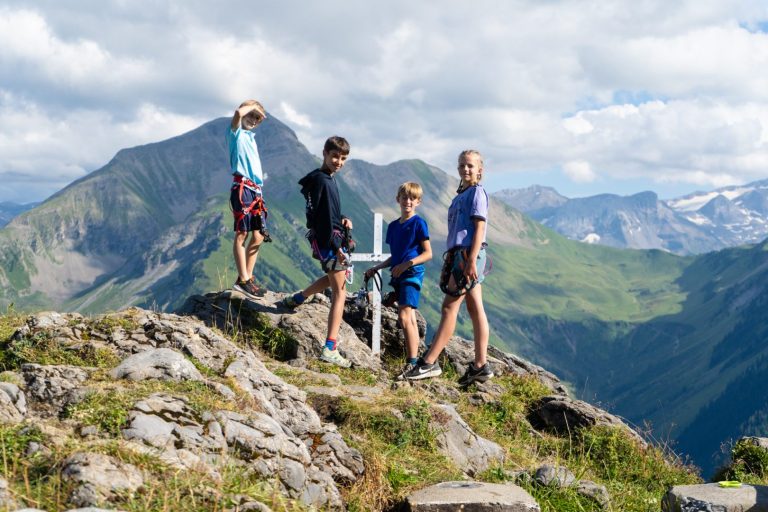
We recommend families opt for cooler, less humid destinations for both comfort and safety. For practical planning and options, we guide parents toward a relaxed family trip to alpine climates where nights cool and children can be active without undue heat risk.
School holidays, family structure and booking rhythms that shape summer escapes
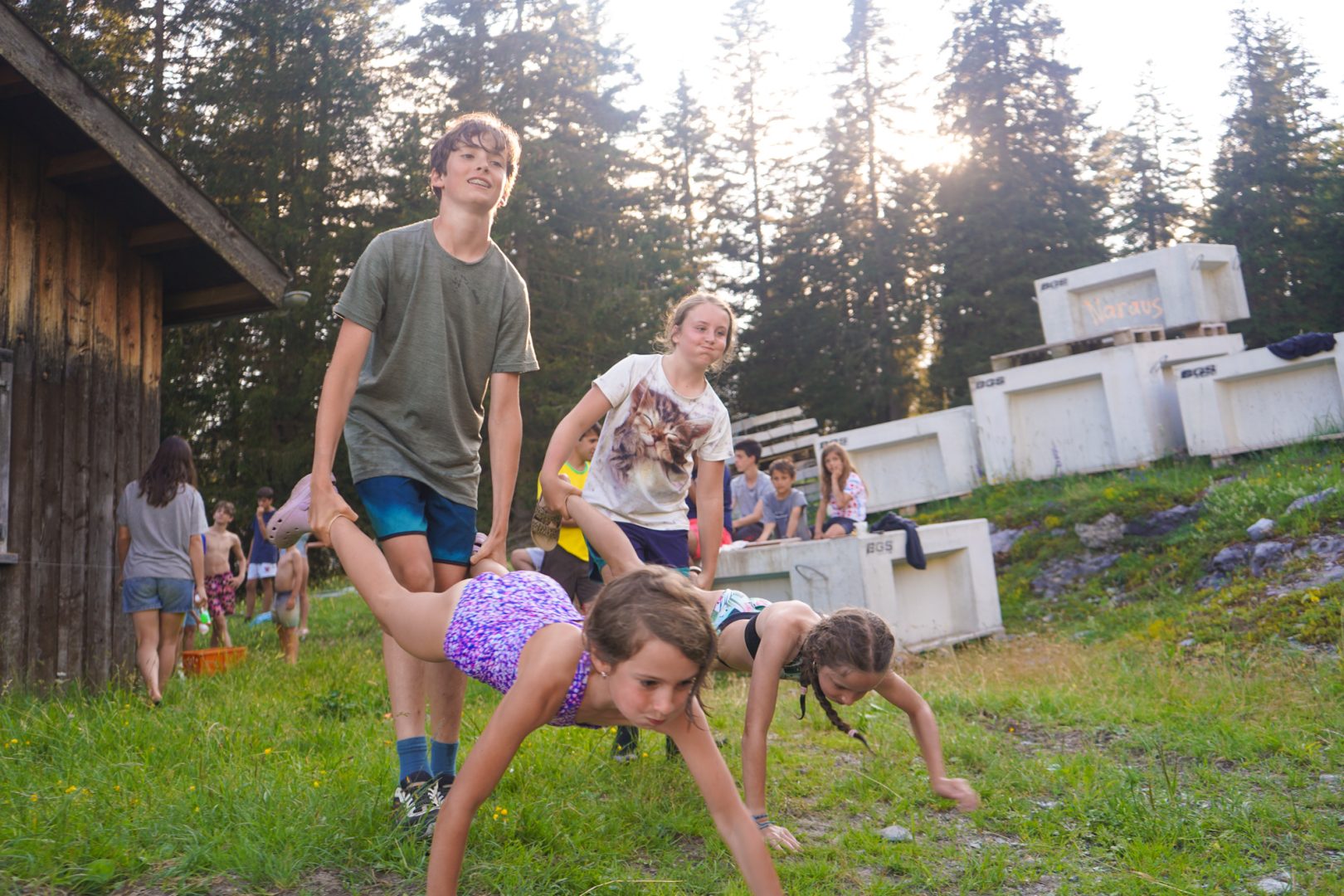
We, at the Young Explorers Club, watch how Omani family rhythms dictate summer travel. School break runs June–August, giving families a long window to plan extended trips. That stretch turns summer into the default family-bonding period and a chance to escape Oman’s heat.
Families often travel multi-generationally. Parents and children usually go together, and many add grandparents for longer stays. I hear this all the time: “We go to Salalah every Khareef with my parents — grandparents join for the full month.” That dynamic changes choices: families need larger rooms, adjoining suites or private villas. They want child-friendly activities and quieter spaces where older relatives can rest.
Booking follows clear patterns based on those needs. Demand for family-friendly hotels, villas with private pools, and child-focused resort packages spikes in summer. Flight choices lean toward fewer total travel hours; families favor connecting itineraries with short layovers over complex routings.
Typical booking windows and practical tips
- Domestic Khareef trips: families typically book 2–12 weeks ahead. Tip: aim for the 4–8 week mark to secure beachfront villas and peak-season ferry or domestic flight seats.
- Popular GCC summer dates: many families reserve 1–3 months in advance. Tip: lock rooms early if you need interconnecting suites for grandparents.
- International summer travel: booking usually falls in the 1–4 month window. Tip: book 2–3 months out to get family rooms and preferred flight times; this matches what families often tell me: “We usually book international summer trips 2–3 months ahead to get family rooms and better flight times.”
I recommend prioritizing accommodation that reduces daily logistics. Villas with private pools cut the need for daily transfers. Resorts with kids’ clubs and senior-friendly amenities let everyone relax. Direct flights are ideal, but when not available, choose the shortest total travel time rather than the cheapest fare.
I also encourage considering cooler destinations beyond the region. Switzerland is an attractive option for families wanting alpine air and varied activities, and it suits multi-generational groups well — see why it’s a dream destination. When you pick a destination, factor in travel time, medical access for elders, and the availability of family rooms.
I plan with flexible cancellation and travel insurance in mind. Peak summer often brings shifting plans, so opt for refundable rates when possible and secure cover for health and trip changes. Booking earlier for popular dates gives you better room selection; booking a bit later offers price flexibility but less choice.
Make decisions that reduce daily friction: choose shorter transfers, book adjacent rooms or a villa, and confirm kids’ meal plans in advance. Those small choices turn a long family holiday into a smooth, restorative escape.

Top cooler destinations Omani families choose — domestic and international options
Ranked cooler destinations (average summer temps, flight time from Muscat, visa notes)
Below we list the popular family picks with typical summer temps, travel time and visa notes so you can compare at a glance:
- Salalah (Dhofar) — Salalah Khareef cooler 24–30°C. Domestic flight ~1–1.5 hours from Muscat or a long scenic drive ~12–14 hours by car. Domestic travel only; no visa required.
- Jebel Akhdar (mountains) — Temperatures usually about 10–15°C cooler than Muscat; reachable by a short domestic drive or via nearby hubs. Domestic travel only; no visa required.
- Musandam fjords — Cooler sea breezes, fjord cruising and water activities make this a summer favourite; short domestic flight or drive to the Musandam gateway. Domestic travel only; no visa required.
- Turkey (Aegean, Black Sea, interior mountains) — Europe-adjacent summers with many family resorts; common summer temps 18–28°C in popular regions. Muscat–Istanbul flight ~4–5 hours. Many Omanis can apply for an e‑visa (check current rules).
- Georgia (mountain areas) — Cooler mountain escapes and family-friendly hiking; summer mountain temps often well below coastal heat. Muscat–Tbilisi flight ~3–4 hours. Visa often free or straightforward for Omanis (check current rules).
- United Kingdom (southern England and other cooler regions) — Summer temps commonly 18–22°C in many family regions. Muscat–London flight ~8–9 hours. Visa required (check current rules).
- Switzerland (mountains and lakes) — Cool alpine summers ~18–25°C in tourist zones. Muscat–Zurich flight ~8–9 hours with transfers common. Schengen visa needed. For practical planning, see our family adventure holidays.
- France & Greece (selected highland and coastal areas) — Plenty of cooler family pockets, typical summer temps 18–28°C in chosen zones. Schengen visa required for Omanis; flight times vary by region.
How families choose and quick practical tips
We find Omani families pick destinations based on a handful of clear drivers: daytime temps around 20–28°C, family-friendly amenities, easy arrival logistics, cultural attractions and cost. Short‑haul options like Georgia and Turkey (3–5 hours) rank high because they cut airtime and reduce stress for smaller kids.
When planning I suggest you:
- Prioritise direct flights or single-transfer itineraries to limit travel fatigue.
- Check visa rules early; some Georgia/Turkey routes are visa‑friendly, while Schengen and UK need advance applications.
- Balance cooler daytime temps with safe water options and shade for kids.
- Book family rooms or nearby hotels with kids’ facilities to save on transit once you arrive.
We use these practical filters when advising families so trips feel easy, refreshing and genuinely cool for everyone.

What families do in cooler places: activities, daily rhythms and sample itineraries
Activities and daily rhythm
I recommend mornings for active outdoor fun when daytime temperatures sit comfortably between 18–28°C. Families can enjoy sightseeing, national parks, mountain walks, lakeside play and waterparks without midday heat stress. For nature lovers, Khareef in Dhofar turns landscapes green and invites waterfall walks and nature trails; typical Khareef temps hover around 24–30°C. I also suggest indoor backups for mid‑afternoon or rainy spells.
Here are practical activity options and when to do them:
- Morning active window (best before ~11:30): mountain walks, lake swims, guided nature trails, wildlife spotting in national parks and beach or lagoon exploration.
- Midday and mid‑afternoon: rest, museum visits, aquariums and indoor play centres or shopping-centre play areas to keep little ones refreshed.
- Late afternoon and evening: relaxed family drives to scenic sites, short strolls, cultural festivals and family dining when temperatures cool.
I advise a clear daily rhythm: schedule peak activity early, plan a quiet indoor hour after lunch, and use cooler early evenings for dining and short explorations. We, at the young explorers club, recommend flexible pacing for younger kids and one indoor fallback per day.
Sample 5-day family itineraries
Salalah (Khareef)
- Day 1 — Morning: gentle nature walk to see Khareef waterfall and adjacent trails. Midday: rest or visit a museum or heritage centre for cultural context. Afternoon: family drive through green landscapes and frankincense sites. Evening: browse the local souq and enjoy Dhofari dining.
- Day 2 — Morning: beach and lagoon exploration. Midday: rest at your resort. Afternoon: short excursions to nearby coves. Evening: quiet family time.
- Days 3–5 — Mix light hikes, frankincense sites, market visits and leisure at family-friendly resort pools. Adjust pacing for younger children and include an indoor option each afternoon if needed.
Practical note: Expect typical daytime temps around 24–30°C, so keep sunscreen, hats and refillable water bottles handy.
Switzerland / Turkey (mountain or coastal)
- Day 1 — Morning: a mountain walk or lakeside stroll (best active window 08:00–11:30). Midday: museum or indoor family centre to escape any afternoon cloud or rain. Afternoon: relaxed lakeside play and swimming. Evening: family dinner and light city strolls.
- Days 2–5 — Alternate vigorous morning excursions with gentler afternoons for indoor options or naps. Tailor hikes and activities to the family’s energy levels and weather.
Tip: For alpine-focused families, check advice on alpine summer conditions and kid-friendly activities in an alpine summer.
Costs, booking patterns, visas and practical travel logistics for summer family trips
We, at the young explorers club, track how Omani families shift to cooler summer destinations and why logistics matter as much as the destination. Airfares typically rise 10–40% during peak summer; popular routes and peak dates drive the higher fares and accommodation premiums. Expect those premiums on long‑haul routes and on weekends during school breaks.
Timing and booking behaviour
Families tend to aim for shorter total travel times and predictable costs. Domestic Khareef trips usually get booked in a 2–12 week window. For international summer breaks most families book 1–4 months ahead, with many GCC households locking in peak weeks 1–3 months before departure. I recommend setting fare alerts and checking flexible-date calendars so you can spot cheaper mid-week departures.
Sample fare comparisons (illustrative)
These examples show the summer premium; check booking engines for exact prices. Use these as planning anchors, not final quotes.
- Muscat–London roundtrip mid‑July ~USD 900–1,200 vs mid‑October ~USD 650–800 (summer premium).
- Muscat–Salalah roundtrip mid‑July ~USD 150–250 vs mid‑October ~USD 100–180.
Airline and accommodation preferences to manage cost and comfort
I see families pick options that reduce stress and sometimes cost:
- Connecting flights with short total travel times rather than multiple overnight legs.
- Family rooms or interconnecting rooms that keep kids close without doubling room counts.
- Child-friendly resort packages and all‑inclusive deals to cap daily spend.
- Private-villa options with pools for multi-family groups; these can split costs and provide meal flexibility.
- Favour carriers with free or generous child baggage and seat selection to avoid surprise fees.
Visas and passport checks
Domestic travel requires no visa. For common cooler, kid-friendly destinations: Georgia often grants visa-free access for Omanis, and Turkey typically issues e-visas; Schengen visas are required for Switzerland and France, while the UK has its own visa rules—check current requirements before booking. For passport strength and travel options, check the Henley Passport Index for Oman’s current ranking.
Practical packing and travel documents checklist
Below are compact lists I give families before departure.
Packing essentials
- High SPF sunscreen (SPF 50+), wide‑brim hats and UV sunglasses.
- Light, breathable clothing plus a thin layer for cool mountain evenings.
- Reusable filtered water bottles and electrolyte sachets for kids.
- Travel first-aid kit: plasters, antiseptic wipes, child‑appropriate pain/fever meds, antihistamine, blister care.
- Compact insect repellent and a small laundry kit for quick rinses.
Travel documents and admin
- Passports valid 6+ months and photocopies stored separately.
- Visas/e‑visas and printouts of approvals where required.
- Child consent forms for minors travelling with one parent or guardianship variations (if applicable).
- Vaccination records and any destination-specific health certificates.
- Travel insurance documents that explicitly cover medical evacuation and repatriation.
Practical tips to reduce surprises
- Buy travel insurance early and confirm medical-evacuation coverage. Keep a copy of the policy in your luggage and a digital photo on your phone.
- For families interested in Swiss Alps stays, plan visa needs early and read our guidance on a family trip in Switzerland.
- Compare total door-to-door travel time, not just price; a slightly higher fare with a 2‑hour total travel time beats a cheaper 12‑hour ordeal for little kids.
- Lock refundable or flexible rates if your dates aren’t fixed; the small premium often pays off if plans change.
- Book accommodation with simple meal options or on-site kitchens to control food costs and cater to picky eaters.
I keep these checks as part of every family itinerary so costs stay predictable and the trip stays fun.
Environmental trade-offs and lower‑carbon choices when escaping the heat
Weigh cooler summers against the climate cost of getting there. Long‑haul flights emit substantially more CO2 per passenger than short domestic hops, so choosing a distant alpine or European escape has a clear trade‑off.
Estimates based on typical aviation carbon‑calculator methodologies show a Muscat–London roundtrip produces roughly 1.6–2.0 t CO2 per passenger, while a Muscat–Salalah roundtrip is about 0.2 t CO2 per passenger. IATA and UNWTO climate guidance flag aviation as a major emissions source and outline mitigation options. ICAO and IATA materials add that fleet modernization, operational improvements and route optimization can cut emissions, but they stress that shorter flights remain the most effective reduction.
We recommend families think in terms of a net seasonal impact rather than single trips. A single long flight to cooler climates can be justified if it replaces several shorter getaways that would otherwise add up. Combining destinations into one longer stay reduces the number of long‑haul sectors and so lowers total emissions.
We look for alternatives wherever practical. Train travel is often a viable option for regional transfers and dramatically lowers per‑passenger CO2. Choosing eco‑certified resorts and hotels that prioritize energy efficiency, local sourcing and water management reduces the footprint of your stay. When a flight is unavoidable, carriers with modern, fuel‑efficient fleets and high load factors offer better per‑passenger emissions profiles.
Practical lower‑carbon tips for families
Below are actionable choices we use and advise for families planning cooler summer escapes:
- Choose fewer, longer trips instead of multiple short breaks to cut the number of long‑haul sectors.
- Combine destinations into one itinerary to avoid repeat long flights.
- Pick family‑friendly eco‑certified hotels or resorts that report energy and water savings.
- Travel off‑peak to help airlines operate more efficiently and sometimes reduce the need for extra services.
- Use ground transport for intra‑region travel—trains and electric shuttles often beat short flights on emissions.
- Favor carriers with newer, fuel‑efficient aircraft and higher passenger load factors.
- Consider voluntary offset programs as a last step, after reducing emissions through behavioral choices.
- Pack and plan to reduce local rental car use—rent electric vehicles where available and practical.
We draw on UNWTO and IATA climate guidance when assessing strategic choices, and we use ICAO/IATA material to evaluate airline claims about efficiency and offsets. Offsetting can help balance emissions, but the largest gains come from choosing shorter routes, combining trips and selecting ground‑based options where feasible.
We also recommend practical family policies that align comfort with climate sense. Extend stays to justify longer flights. Book accommodations with clear sustainability credentials. Plan activities within a walkable radius to cut local transport. For Swiss or Alpine escapes, consider a family trip in Switzerland that prioritizes train routes and mountain‑base stays, which keeps travel emissions lower while delivering cool summer relief.

Sources
National Centre for Meteorology and Seismology (Oman) — Climate and Weather
Ministry of Heritage and Tourism, Sultanate of Oman — Khareef (Salalah) and tourism information
IPCC — Climate Change 2021: The Physical Science Basis (AR6 WG1)
World Health Organization — Heatwaves
Henley Passport Index — Global Passport Ranking
UNWTO — United Nations World Tourism Organization (tourism data & reports)
IATA — Climate Change (environmental guidance)
ICAO — Environmental Protection (aviation and emissions)