Why Taiwanese Families Value Western Outdoor Education
Taiwanese families favor Western-style outdoor education: short intensive camps for English immersion, leadership, and measurable outcomes.
Taiwanese Families Increasingly Choose Western-Style Outdoor Education
Overview
More Taiwanese families now opt for Western-style outdoor education. Urban density, heavy exam pressure, and low birth rates push parents to focus time and money on programs that show clear returns. Parents prioritize English immersion, measurable leadership and resilience gains, and hands-on learning that supports classroom study. Short, intensive camps and exchange options fit packed schedules. Nearby national parks, clear safety rules, staff certifications, and outcome reporting make these options practical and persuasive.
Drivers
Key factors motivating this shift include:
- Urban density: Limited daily access to nature makes organized outdoor programs attractive.
- Academic pressure: Intense exam culture leads parents to seek programs with clear, measurable returns.
- Low birth rates: Smaller families often concentrate resources on higher-quality, outcome-focused enrichment.
Program Features Parents Seek
Families are looking for programs that combine practical benefits with trustworthiness:
- English immersion: Programs that provide structured, sustained English practice rather than casual exposure.
- Character development: Emphasis on leadership, resilience, teamwork, and problem-solving.
- Measurable outcomes: Pre/post assessments, clear learning objectives, and transparent reporting.
- Short, intensive formats: Options of 5–14 days fit busy family schedules.
- Safety and certification: Clear safety procedures, staff training, and certifications increase parental trust.
Advantages and Practical Considerations
Taiwan’s geography and infrastructure provide advantages for scaling such programs:
- Short travel times to national parks and managed protected areas make domestic trips feasible.
- Proximity enables many families to choose short domestic or nearby overseas options instead of long international travel.
- Operational clarity: Documented safety rules and staff certifications help programs compete on trust as well as content.
Limitations
Main constraints to wider impact include:
- Cost: High-quality programs can be expensive and thus exclude some families.
- Language retention: Gains from short immersion experiences often fade without planned follow-up.
- Variable ROI: Outcomes depend heavily on program quality, staff skill, and post-program reinforcement.
Recommendations
We’d recommend programs that pair structured English practice with planned follow-up to keep language gains. Practical elements to prioritize:
- Structured curriculum: Daily English sessions tied to activities and clear assessment points.
- Planned follow-up: Remote practice, local meetups, or school-based reinforcement to sustain gains.
- Short, intensive cycles: 5–14 day formats that balance depth with family schedules.
- Transparent outcomes: Provide parents with measurable results and next-step recommendations.
- Verified safety and staffing: Publish staff qualifications, safety protocols, and emergency plans.
Key Takeaways
- Dense cities, intense school pressure, and low birth rates push parents to invest in high-impact outdoor programs.
- Families favor English immersion, character building (leadership, resilience), and measurable results instead of sheer activity volume.
- Short, intensive formats (5–14 days), clear safety procedures, and staff certifications win parental trust.
- Taiwan’s short travel times to national parks and managed protected areas make domestic and short overseas programs feasible and scalable.
- Main limits include cost, weak long-term language gains without planned follow-up, and ROI that varies with program quality.
Immediate context: Taiwan’s urban density, nature access, and why this matters
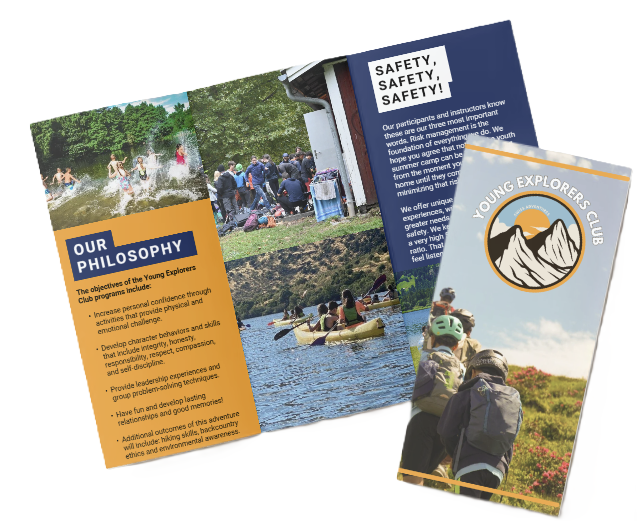
We, at the Young Explorers Club, see Taiwanese families turning to Western-style outdoor education—short-term overseas camps, semester exchanges, international outdoor curricula, and overseas secondary schools with adventure programs—as a strategic response to academic pressure, cramped urban living, and a desire for stronger English and soft skills. High-stakes testing and long school hours push parents to look for programs that build resilience, leadership, and practical communication. Urban density amplifies that demand.
Dense cities compress daily life into small apartments. Nearby natural areas remain accessible, but they feel like a scarce resource to many parents juggling schedules and tuition. That contrast—limited private outdoor space but plentiful public parks and protected areas—helps explain the surge in interest for structured outdoor programs that offer measured risk, sustained English immersion, and experiential learning that complements classroom study. We emphasize outdoor learning as a core method for developing teamwork, problem-solving, and confidence, and we use evidence-based activities to support language growth and socio-emotional skills. See our thinking on outdoor learning.
Snapshot
Here are the core figures that shape demand in Taiwan:
- Population: approximately 23.5 million (National Statistics, Republic of China (Taiwan), 2023)
- Urbanization: roughly 77–80% urban population (World Bank / National Statistics, 2022–2023)
- Protected areas: 9 national parks (Ministry of the Interior, 2023)
Those numbers matter. High urbanization means many families live in multi-generation apartments with limited outdoor play space. Still, nine national parks and an extensive coastline place nature within reach, especially for weekend trips and school excursions. That proximity makes short-term overseas camps and international programs attractive: families want concentrated, high-quality experiences that replicate the outdoor exposure they lack at home.
Practical implications for program design are clear. We recommend offering a mix of short intensive camps and longer exchange options so families can choose based on academic calendars and parental leave. Focus on these elements:
- Clear English immersion goals tied to outdoor tasks.
- Progressive skill sequences so participants build confidence fast.
- Transparent safety standards and medical protocols to reassure parents used to conservative risk tolerance.
Parents evaluate programs on academic benefit, safety, and return-on-time. Emphasize measurable outcomes—language milestones, leadership tasks completed, and reflective learning journals—to show value beyond recreation. Align schedules with school exam cycles and offer pre- and post-program materials so students can transfer new skills back into their regular studies.
Logistics matter, too. We counsel families to check student-to-staff ratios, instructor qualifications, and local emergency plans. For providers, invest in urban outreach that highlights accessible nature routes and short travel itineraries; showing how an intensive eight-day camp can replicate months of sporadic weekend hikes wins families over.
The intersection of cramped urban living and rich nearby ecosystems creates a distinct market: families want the academic and social lift of Western outdoor education without sacrificing safety or English progress. We build programs that hit those priorities and communicate them clearly to parents balancing intense schooling and limited outdoor time.
Demographics and family economics driving demand
Taiwan’s demographic profile shapes the market for Western outdoor education directly. Total fertility has dropped to about 1.0 births per woman in recent years (Ministry of the Interior, 2023). With fewer children, families concentrate resources on each child and expect higher returns from enrichment.
Household spending data show that families are reallocating budgets to enrichment services, including tutoring, camps and overseas programs (Directorate-General of Budget, Accounting & Statistics (DGBAS) household spending trends, 2021–2023). Urban density amplifies that effect. The Taipei metropolitan area holds roughly 7 million people, squeezing childhood play into small, high-rise settings and increasing demand for structured outdoor time (National Statistics, 2023). Inevitable comparisons with neighbouring low‑fertility economies reinforce a competitive parenting model: parents often prioritize programs that give measurable academic, social or leadership advantages.
Cost sensitivity doesn’t kill demand; it reshapes it. Many households trade quantity for quality, reducing frequency of lower-cost activities in favor of fewer, higher-cost experiences that promise lasting benefits (market analyses and DGBAS spending patterns, 2020–2023). That pattern favors intensive outdoor programs, international camps and short-term immersive experiences that deliver visible skills and confidence gains.
We see four core forces driving demand for Western-style outdoor education:
Demand drivers we see
- Concentrated parental investment — Fewer children means more time and money per child; parents expect programs to deliver clear outcomes (DGBAS household spending trends, 2021–2023).
- Urban lifestyle deficits — High-rise living and limited daily outdoor play push families to seek structured outdoor learning (National Statistics, 2023).
- Value-over-frequency purchasing — Households prefer fewer, higher-impact experiences and will pay premiums for programs that show results (market analyses and DGBAS spending patterns, 2020–2023).
- Regional social pressure — Low fertility across East Asia intensifies competition, making international or Western-branded programs especially attractive.
On the program side, these dynamics suggest clear product and pricing priorities. We emphasize measurable outcomes: skill checklists, portfolios and progress reports that parents can see. Safety and accreditation matter; families will pay more if you show credentials. Short, intensive formats work well—five to fourteen day modules that combine outdoor skills, leadership training and cultural exchange justify higher fees and fit busy family calendars.
We also tailor communications to address urban parents’ needs. We highlight how outdoor time supports cognitive and emotional development and link that messaging to research on why kids need more time in nature. Families respond to evidence, so we use program metrics and testimonials heavily in enrollment materials.
Operationally, we recommend flexible pricing and payment plans. Offer sibling discounts, early-bird rates and modular add-ons to capture households that prioritize investment but remain price-aware. Partnering with local schools and international education advisers helps reach families who value credentialed experiences and proven social outcomes.
We price programs to reflect both the perceived return and real delivery costs. That means transparent breakdowns — tuition, transport, gear, accreditation — so parents understand why an intensive outdoor program costs more than a routine activity. We monitor regional spending trends and adjust offerings to match the appetite for high-impact, international experiences evident in Taiwanese family economics.

Academic pressure and the search for balanced development
Taiwan’s exam-driven culture funnels students into long days of school plus cram schools, or buxibans, leaving little room for free play. We see the routine every year: daytime classes, evening tutoring, weekend mock tests. That schedule drives parents to look for experiences that broaden skills beyond test scores.
Chinese Taipei‘s strong PISA results make the tension clearer. High performance on OECD PISA assessments confirms academic excellence, yet the same data raises flags about student stress and well-being (OECD PISA, most recent cycles). Ministry of Education reports from 2018–2022 show a majority of students participate in supplementary tutoring, so intensive academic hours are the norm (Ministry of Education reports). Those facts explain why families who value both achievement and health are exploring alternatives.
We describe how Western-style outdoor programs answer these needs and why families trust them. Outdoor programs offer structured learning that practices teamwork, leadership and creative problem solving—skills that standard curricula often leave underdeveloped. They also give students sustained time away from screens and test routines, which helps reduce burnout and restore motivation.
How outdoor programs address academic pressure
Below are the concrete ways these programs complement exam-focused schooling and what parents look for when choosing one:
- Real teamwork and leadership practice. Small-group challenges force quick role shifts and real accountability, so students develop leadership habits that transfer back to class.
- Active learning that reinforces academic concepts. Field activities can strengthen scientific observation, map reading and applied math in ways that improve retention and curiosity.
- Emotional resilience and stress relief. Time outdoors and unstructured social time reduce anxiety and help students regulate emotions—factors tied to better long-term performance.
- Time for creativity and critical thinking. Project-based tasks reward risk-taking and original ideas, balancing rote memorization with flexible thinking.
- Manageable duration and clear goals. Parents prefer programs with measurable outcomes and short, regular cycles so the experience supplements, not replaces, exam prep.
We recommend parents evaluate programs on these points:
- Instructor qualifications and child-to-staff ratio.
- A curriculum that links activities to observable skills.
- Evidence of safety practices and emergency planning.
- Post-program feedback that tracks changes in confidence or teamwork.
We, at the young explorers club, integrate those elements into programs that respect Taiwanese families’ emphasis on results while protecting young people’s mental health. Families often report better focus after just one session away from routine study. When parents want a balance between high academic standards and healthy development, they increasingly choose outdoor learning as the practical solution. outdoor learning provides a clear path to that balance.
Geography and access to nature: why outdoor programs are feasible and attractive
We sit on a landscape that makes outdoor education practical by default. Taiwan is roughly 70% mountainous, and about 58% of the island is under forest cover (Forestry Bureau / Council of Agriculture reports). That terrain creates short travel distances between dense urban centers and genuine wilderness. We can reach iconic hiking and learning sites like Taroko, Yushan, Kenting, Yangmingshan and Shei-Pa within a few hours from major cities. Those short travel times turn weekend trips into meaningful immersive experiences rather than rushed checklists.
The country’s network of protected areas is extensive and organized. Taiwan has nine national parks (Ministry of the Interior, 2023), and a regional system of forest recreation areas and reserves surrounds urban centers. We work with this infrastructure: trails are maintained, ranger stations are accessible, and transport connections to trailheads are frequent. That lowers logistical risk and keeps program costs reasonable for families.
Short distances and dense natural cover also let us design progressive skill pathways. Urban kids can try guided half-day hikes, then graduate to overnight camps and multi-day ridge treks, all within domestic borders. Local operators and Western-style programs coexist here, so families can choose a format that mixes international pedagogies with Taiwan’s terrain. We integrate evidence-based methods for place-based learning and reinforce outdoor skills through focused outdoor learning practice.
Practical implications for program design and family planning
- Travel and timing: Short drives mean weekend and multi-day formats are both viable; schedule shorter first trips for younger kids and longer, skills-focused trips for teens.
- Site selection: Match terrain to age and objective—Yangmingshan for families and school groups, Taroko for geology and river canyon studies, Yushan for alpine ecology, Kenting for marine programs.
- Safety and logistics: Use national-park infrastructure and local guides to reduce risk; plan for quick evacuation options and reserve ranger contacts ahead of time.
- Seasonality: Pick spring and autumn for stable weather and best biodiversity viewing; monitor typhoon season and plan indoor fallback activities.
- Provider choice: Combine domestic providers’ local knowledge with Western-style curricula if you want international pedagogy alongside local ecosystems.
- Access and equity: Short transit times lower barriers for urban families, so focus on sliding-scale pricing and weekend slots to widen participation.
We design programs that leverage forest cover and mountainous routes to build both competence and curiosity. Urban density doesn’t limit outdoor learning here; it concentrates demand and makes quality programs sustainable and scalable.

What Taiwanese parents seek from Western outdoor education and cultural fit
We, at the young explorers club, see Taiwanese families prioritize clear, measurable outcomes. They want programs that deliver language gains, character growth, and secure, professional delivery. I focus on how those demands shape program design and daily practice.
Primary motivations — what parents typically rank highest
Parents most often ask for the following, in roughly this order:
-
English immersion — families expect sustained spoken English in small groups, real-world practice and measurable progress; we support this with bilingual instructors and outdoor tasks that force natural conversation. English immersion
-
Character education and resilience — programs must build persistence, problem-solving and emotional regulation through graded challenges.
-
Physical fitness and mental well-being — parents value activities that reduce screen time and improve sleep, mood and stamina.
-
Leadership and teamwork — experiential leadership, role rotation and reflection exercises that universities and employers recognize are high on the list.
Safety, quality and reputation drive enrollment decisions. Parents ask for explicit risk-management policies, Wilderness First Aid or Wilderness First Responder standards on staff CVs, low student-to-supervisor ratios and third-party accreditation or long track records. I recommend programs publish:
-
staff certifications and experience
-
emergency and evacuation plans
-
ratio and night-supervision details
so families can compare providers quickly.
Cultural fit matters almost as much as outcomes. Confucian values like effort, perseverance and group responsibility mesh well with programs that emphasize discipline and cooperative goals. Many Western providers adapt by:
-
hiring Mandarin-speaking liaisons or instructors
-
offering parent-student debrief sessions after activities
-
structuring incremental exposure with shorter initial stays, which builds trust and honors family expectations
Program attributes that tip the decision are consistent across markets: staff qualifications, visible safety protocols and clear, documented learning outcomes. Market surveys and enrollment patterns repeatedly place language and leadership near the top. I advise providers to report progress with concrete artifacts so parents see evidence quickly:
-
daily logs
-
photos
-
short assessment notes
Parents share feedback that matters. They appreciate Mandarin briefings before departure and short, staged programs for first-timers. They respond positively when camps offer post-camp reflections tied to school and university skills. I train teams to present safety certifications and learning outcomes before enrollment and to maintain open communication during the stay.

Types of Western-style outdoor programs, typical costs, outcomes and limitations
We break the main program types Taiwanese families choose into five clear categories and match expectations to typical outcomes.
Program types
-
Short-term overseas summer camps — 1–4 weeks: Families often pick programs in the UK, US, Australia, New Zealand or Canada for focused adventure skills, English immersion and structured electives. Costs commonly run US$1,000–4,000 per session. Parents report visible boosts in confidence and short-term English gains after 2–6 weeks.
-
Semester or year-long exchange programs: These place students with outdoor-enriched schools, notably in New Zealand and Australia. Programs blend academics with regular expeditions and leadership projects. Typical fees for an outdoor-focused semester range roughly US$6,000–20,000, depending on boarding and activities.
-
International schools in Taiwan with outdoor curricula: These provide a continuous program within Taiwanese residency, combining accredited academics with regular outdoor modules and camps. Annual tuition varies widely — roughly US$8,000–30,000+ depending on school and grade.
-
Domestic Western-style programs and camps: Run by Western-trained instructors or international organizations, these range from weekend wilderness skills to multi-day expeditions and often include Western teaching methods and certifications.
-
Gap-year and wilderness expedition programs for older teens: Older teens opt for extended expeditions, service learning and gap-year opportunities aimed at leadership and independence. These programs often include certifications and longer-term personal development planning.
Typical outcomes families value
-
Measurable gains in confidence, teamwork and leadership, as reported by parents and experiential-education literature.
-
Better physical activity habits and improved mental well-being following regular outdoor engagement.
-
Noticeable short-term English improvement after immersion (parent-reported gains within 2–6 weeks).
-
Stronger problem-solving and resilience when programs include progressive responsibility and reflection.
Key limitations and risks
-
Cost barriers: Financial burden can rule out semester exchanges or international school tuition for many families.
-
Limited long-term language gains: Short-term immersion rarely produces long-term bilingualism without deliberate follow-up at home or school; ongoing practice matters.
-
Safety incidents: Rare but highly salient; families should expect transparent risk management, emergency protocols and accreditation before committing.
-
Variable ROI: A well-run gap-year expedition can profoundly shift trajectory, while a brief tourist-style camp may give only short-term gains.
Inevitably, program fit matters more than brand alone. We recommend families align program intensity, language support and post-program plans with the child’s temperament and learning goals.
Practical vetting checklist for families
Below are the core items we insist families confirm before enrolling.
-
Accreditation and external review: Ask for institutional accreditation and any third-party audits.
-
Certifications relevant to wilderness medicine: Confirm WFR/WFA where appropriate.
-
Staff qualifications and background checks: Verify CVs, teaching credentials and clear criminal-background screening.
-
Student-to-staff ratios: Request actual ratios on both routine days and expedition days.
-
Medical protocols and emergency plans: Get written procedures for common and extreme incidents.
-
Insurance and liability coverage: Confirm medical evacuation, activity coverage and international insurance limits.
-
Transparent references and outcomes: Ask for recent parent references and measurable outcome summaries.
-
Sample itineraries and learning objectives: Demand daily examples and the learning goals behind activities.
-
Local cultural and language support: Ensure Mandarin liaisons, family briefings or post-trip debriefs are part of the program.
We, at the young explorers club, also encourage families to read about the benefits of outdoor learning and to compare program philosophies before they commit. For a concise discussion of why outdoor learning often outperforms classroom-only approaches, see outdoor learning.
https://youtu.be/oBnHz4C4SfI
Sources
National Statistics, Republic of China (Taiwan) — Demographic Statistics
Department of Household Registration, Ministry of the Interior — Population & Vital Statistics
Ministry of Education, R.O.C. (Taiwan) — Education Statistics and International Schools
Forestry Bureau, Council of Agriculture — Forest Resources and Cover Statistics
National Parks of Taiwan — National Park Administration (English)
OECD — PISA (Programme for International Student Assessment)
Journal of Experiential Education — Journal Home (SAGE Journals)
Wilderness Medical Society — Education, Guidelines & Certifications
Western Association of Schools and Colleges (WASC) — Accreditation
Council of International Schools (CIS) — Accreditation & School Directory