Wildlife Spotting On Swiss Hiking Trails: Guide For Families
Family wildlife spotting in Switzerland: short 2–8 km hikes, cable‑car access, dawn/dusk sightings, marmots, ibex, kid-friendly safety tips.
Family wildlife spotting on Swiss hiking trails
We offer a practical guide to family wildlife spotting on Swiss hiking trails. The guide pairs route tips, seasonal viewing windows, and child-focused safety rules. Below we summarize family-friendly distances (2–8 km, under ~400–600 m ascent), best times (dawn and dusk plus seasonal highlights), typical species, transport and cable-car choices, and protected-area rules such as dog bans in the Swiss National Park.
Key Takeaways
- Choose short family hikes (2–8 km, under ~400–600 m ascent). Use cable cars or public transport to reach wildlife-rich meadows and ridgelines quickly.
- Time outings for dawn and dusk. Spring brings newborns, summer yields active marmots in alpine meadows, and early autumn features deer rut displays.
- Expect marmots, ibex, chamois, roe and red deer, and raptors (golden eagle, bearded vulture). Treat wolves and bears as rare visitors, and lynx as mostly nocturnal.
- Follow park rules and safety distances (roughly 50–300 m by species). Keep dogs on approved leads or leave them at home where they are banned. Stay on marked trails and carry a basic first-aid kit plus emergency numbers.
- Pack lightweight optics (family 8×42 and kid-sized binoculars), a simple field guide, snacks, and engagement activities (wildlife bingo, sketching, track ID). These boost spotting success and keep kids involved.
Planning routes
Distance and elevation
Pick walks that match your children’s abilities. Aim for 2–8 km routes and under about 400–600 m ascent. Use cable cars or lifts to gain altitude fast and open access to alpine meadows where wildlife is easier to see.
Public transport and cable cars
Many Swiss valleys are served by trains and postbuses. Cable cars and mountain railways can reduce hiking time and place you near ridgelines and meadows where marmots, ibex, and chamois are common. Check timetables and seasonal openings before you go.
Seasonal windows and when to go
Best times of day
Dawn and dusk are prime for most mammals and raptors. Plan shorter hikes to arrive at these times without overtiring kids.
Seasonal highlights
- Spring: newborns and family groups — keep quiet and keep distance.
- Summer: marmots are highly active in alpine meadows; amphibians in lower wetlands.
- Early autumn: deer rut displays and heightened raptor activity.
Typical species to expect
Common, visible species on family-friendly trails:
- Marmots — alpine meadows.
- Alpine ibex and chamois — rocky ridges and steep meadows.
- Roe deer and red deer — forest edges and clearings.
- Raptors — golden eagle, bearded vulture in some regions.
- Wolves and bears — possible but rare; lynx are mostly nocturnal.
Park rules, safety and etiquette
Respect distances and avoid disturbance
Maintain safety distances — roughly 50–300 m depending on species — and use binoculars to observe. Never approach young animals; mothers may defend or abandon young if stressed.
Dogs and protected areas
Many parks and reserves have strict rules. In particular, the Swiss National Park bans dogs entirely. Elsewhere, dogs must be on approved leads. Always check local regulations before you go.
Emergency preparedness
Carry a basic first-aid kit, sufficient water and snacks, a map or offline route, and emergency numbers. In Switzerland common emergency numbers are 112 (EU emergency), 144 (ambulance), 117 (police), and 118 (fire) — save the ones relevant to your area.
Packing, optics and child engagement
Essentials to bring
- Binoculars: family 8×42 for adults and smaller, lighter models for kids.
- Field guide or app for quick IDs.
- Snacks, water, sun protection, and weather layers.
- First-aid kit and a whistle for emergencies.
Keep kids involved
Bring simple activities: wildlife bingo, sketching pads, a magnifying glass for tracks, or a checklist of species to spot. Short, gamified goals help maintain attention and reduce surprise movements that could scare animals.
Practical tips for successful spotting
- Move quietly and in small groups; avoid sudden movements and loud voices near potential wildlife.
- Use vantage points — ridgelines and passes often allow broader views with less disturbance.
- Start early or plan to be out in the hour before sunset for the best activity windows.
- Teach observation skills: look for tracks, droppings, burrows, and feeding signs as well as the animals themselves.
If you want, I can suggest specific family-friendly routes by canton, recommend cable-car links, or prepare a printable wildlife bingo sheet for children.
https://youtu.be/
Quick essentials for family wildlife spotting in Switzerland
Snapshot facts & best places
Here are the quick numbers and destinations we use when planning family days outdoors:
- 65,000 km marked trails cross Switzerland, giving us huge flexibility for short outings.
- Swiss National Park 1914 remains the strictest protected area; its size (about 174.2 km²) makes it ideal for observing wildlife in protected conditions.
- Many trailheads are reachable by public transport; we rely on SBB Mobile to plan trains and buses.
- Cable-car access often cuts the climb and lets families reach alpine meadows and ridgelines quickly (use cable car access where available).
- Some reserves ban dogs or set tight rules — always check local access rules before you go.
Practical family-friendly guidance
We pick family-friendly hikes 2–8 km with elevation gain <400–600 m for most kids. Those distances keep legs fresh and attention spans happy. Valley trails are low-effort and often offer roe deer and abundant birdlife. Alpine meadows show high marmot activity and excellent raptor watching in summer. We plan outings around early morning or late afternoon light — animals move more then and the trails are quieter.
Pack light but smart:
- Binoculars, a simple field guide, layered clothing, snacks, and a small first-aid kit.
- I keep kids close and quiet near likely sightings, and I teach them to watch movement and listen for calls rather than chase. Use binoculars instead of approaching.
- Cable-car access lets us swap a long ascent for an easier, wildlife-rich loop, which keeps younger kids engaged.
For route ideas and family-tested trails see our family trip in Switzerland. We always check transport links, weather, and reserve rules on the morning of departure. When dogs come along, we confirm permissions in advance and use short leads in sensitive habitats.

What wildlife you can realistically expect to see (species ID & quick facts)
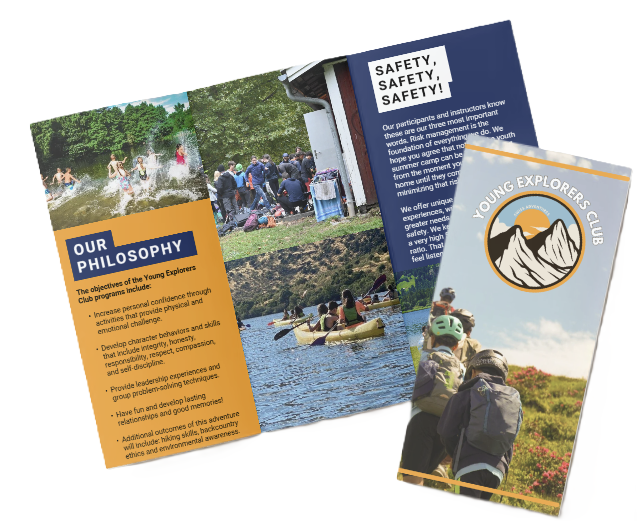
We, at the Young Explorers Club, concentrate on animals you and your kids can actually encounter on day hikes — not rare checklist fantasies. The list below covers typical altitudes, quick ID cues and behaviour that makes each species noticeable on trails.
Quick ID and where to see them
Here are the species you’ll most often meet, with the short facts to recognise them on the move:
- Marmots — Sunbathe on rocks mid-morning and give sharp whistles near burrows. Look in alpine meadows between 1,500–3,000 m. Size cues: 40–50 cm long and 4–8 kg in summer — Alpine marmot (Marmota marmota).
- Ibex — Prefer steep cliffs and ridgelines above the tree line (roughly 1,800 m+). Best viewing at dawn or dusk when they move to graze. Males are large: 70–100 kg; females 30–50 kg — Capra ibex.
- Chamois — Hug rocky slopes and move with explosive agility. You’ll spot them between 900–3,000 m on escarpments and gullies. Typical weight: 22–32 kg — Rupicapra rupicapra.
- Red deer — Mainly forest and clearing animals at 800–1,600 m. Stags can reach roughly 200 kg; the rut gets vocal and obvious in September–October — Cervus elaphus.
- Roe deer — Frequent lower-elevation woods and edges. They’re smaller, typically 15–30 kg, and often active at dawn and dusk — Capreolus capreolus.
- Golden eagles — Patrol high valleys and cliff faces. Wingspan about 2.3 m, with nests usually between 1,200–2,500 m — Aquila chrysaetos.
- Bearded vultures (lammergeier) — Cruise mountain thermals and feed on bone fragments. Expect a massive wingspan of 2.8–3.0 m; sightings are part of monitored reintroduction efforts in the Alps — Gypaetus barbatus.
- Lynx — Elusive and mostly nocturnal. Populations exist thanks to reintroduction programs from the 1970s–1980s, but you’ll rarely see one in daylight — Lynx lynx.
- Wolves and bears — Currently appear as rare, occasional visitors or recolonisers from neighbouring areas. Treat these as infrequent large-carnivore sightings rather than regular trail encounters.
Family-focused field tips
Keep kids quiet and curious. We teach them to freeze and scan ridgelines or rock faces for movement, then confirm shapes against the ID notes above. Binoculars and a small field guide cut misidentifications dramatically. We recommend:
- Move slowly at dawn or dusk for higher odds with ibex, chamois and deer.
- Stay on paths and respect distance; many species warn with whistles, calls or sudden movement.
- Use a spotting routine to save time and avoid chasing shadows:
- Silhouette — check the overall shape.
- Size estimate — compare to nearby features.
- Behaviour — feeding, fleeing, sunbathing, calling.
- Markings — tails, horns, plumage, distinctive patches.
- Encourage kids to note habitat: meadows, cliffs, forests and edges tell you which species to expect next.
For more family-friendly background and simple field exercises, see our exploring Swiss wildlife guide for young hikers.
Best times and where to go: seasonal tips, top regions and sample family trails
Seasonal windows and best hours
We, at the Young Explorers Club, time our outings to match animal behaviour and family energy. In spring (May–June) you’ll see newborns such as fawns, migrating birds and carpets of early wildflowers. I recommend quieter valley trails for easy spotting and bringing binoculars for birding. In summer (July–August) marmots are very active above ~1,800 m — bring sunscreen and plan short, shaded breaks so kids stay happy. Early autumn (September–October) is deer rut season with dramatic calls at first light and late afternoon; keep a respectful distance and use your ears as well as your eyes.
Time of day matters as much as season. I aim for dawn and dusk for mammal activity. Mornings often give clear views and calmer weather. Dusk can be magical for deer and fox silhouettes — but always carry headlamps for the walk back.
Top regions, sample family trails and access tips
Below are regions I trust with families, what to expect, plus practical itineraries.
- Swiss National Park — Val Trupchun: Strict protection means high densities of red deer, ibex and marmots. Dogs prohibited in the park, so plan childcare or leave pets at home. The Val Trupchun loop (2–4 hours) is an achievable family circuit.
- Engadine & Val Bregaglia (Graubünden): Gentle valley trails and alpine meadows with marmots, ibex and golden eagles. Combine short meadow stops with a cliff-side raptor watch.
- Bernese Oberland (Kandersteg / Oeschinensee): Family-friendly walks with reliable marmot sightings and chamois on nearby ridges. The Oeschinensee lakeside circuit (2–3 km, 1–2 hours) is a perfect half-day plan.
- Valais (Val d’Anniviers, Zermatt): High ridges deliver close views of ibex and chamois; cable car access reduces the climb and makes alpine wildlife reachable for kids.
- Jura Mountains & Creux-du-Van: Mixed forest trails at lower elevation are great for deer, capercaillie and raptors. Suited to families who prefer gentler climbs.
- Appenzell / Alpstein (Säntis): Short routes from valley to alpine inns bring chamois and alpine birds into easy reach.
Sample family itineraries and practical notes:
- Oeschinensee: Take the cable car up, then the lakeside circuit (2–3 km, 1–2 hours). Kids can manage the distance and there’s a high chance of marmot sightings.
- Val Trupchun: Choose simpler circuits with minimal elevation gain. Plan for 2–4 hours to maximize sightings and quiet time.
- Full-day Engadine valley + alpine hut: Expect 6–10 km with 300–700 m ascent; mix raptor-watching cliffs and meadow stops to feed kids and keep energy up.
Transport and logistics — key recommendations:
- Use public transport (SBB Mobile) to reach many trailheads and avoid parking stress. Trains and postbuses put families within minutes of lifts and trails.
- Choose cable car access to shorten uphill time and get children into alpine habitats quickly.
- Stick to family hikes of 2–8 km and keep elevation gain under 400–600 m for younger legs.
- Pack lightweight binoculars, a small field guide, and plenty of snacks. Brief kids on quiet behaviour and give simple tasks — spotting a beak, counting marmot burrows — to keep them engaged.
I link trail ideas to our suggested family activities so you can plan routes that match ages and interests; see a set of practical family activities for inspiration.
Practical spotting techniques and kid-friendly activities to boost success
I plan hikes around dawn/dusk crepuscular activity because most mammals move at first light and near sunset. I keep the group quiet and patient. When we reach a good vantage I ask everyone to hold still for 5–10 minutes while we scan ridgelines; that pause often rewards us with movement.
Scanning routine and optics
I follow a repeatable scan routine so kids learn a habit that works. I stop every 100–300 m and use binoculars to scan for 3 minutes. We sweep opposite slopes, look for sudden movement, and check shadow lines where animals hide. For bigger ungulates I scan ridgelines at about 200–500 m; for marmots I focus on open meadows at roughly 50–200 m. If nobody sees anything after a full sweep, I move quietly 50–100 m and repeat.
I carry binoculars 8×42 for general use and bring compact 8×25 models for kids — they’re lighter and less likely to get dropped. For photography I recommend a telephoto 200–600 mm range if you want close, crop-ready shots. A tripod or monopod steadies long lenses and makes children’s photos sharper.
I also point out simple behavioral cues: repeated head lifts from a marmot, a sudden freeze in smaller mammals, or multiple animals heading downhill often mean a predator nearby. I keep talks short so kids stay alert.
Kid-friendly activities
I use short games and tasks to keep attention high and teach observation skills. Try these on-trail activities with kids:
- Wildlife bingo: give each child a simple card with common signs and animals to tick off.
- Track ID: teach track ID by comparing footprints and droppings to reference sheets.
- Sketchbook drawing: quick 2–3 minute sketches of shapes and posture help memory.
- Short missions: assign clear goals like “spot one mammal, ID two birds, find three tracks.”
I encourage older kids to record sightings on iNaturalist or Seek and compare observations with local Swiss lists. I always reinforce field rules: dogs on leash, no feeding, and make no sudden moves near wildlife. For more habitat tips and safe behavior try our exploring Swiss wildlife guide.
Rules, ethics, safety and Swiss-specific emergency planning
We follow clear park rules and respect wildlife to keep families safe and animals undisturbed. Swiss National Park enforces strict regulations: dogs are banned and off-trail walking is forbidden (Swiss National Park). We tell families this upfront and plan routes that stay on marked trails.
Protect species and quiet habitats. Disturbing wildlife can be an offence and local parks often post seasonal restrictions; always follow those signs (do not disturb protected species). We follow seasonal signs and practical tips; for winter guidance we consult not disturb wild animals.
Keep safe viewing distances. Maintain a general buffer of 50–300 m depending on the species. Specific guidance we use:
- Ungulates such as ibex, chamois and deer: stay at least 50–100 m away.
- Raptors and nesting sites: keep a 200–300 m buffer and avoid sudden movements.
- Large carnivores (wolf, bear): observe from 200–300 m and never attempt to approach or feed them.
We teach families to read animal body language, move quietly, and use binoculars or zoom lenses rather than closing the gap.
Emergency numbers, planning and resources
We program key numbers into phones before every hike. For medical emergencies call 144; fire is 118 and police 117. The EU-wide 112 also works. For air rescue we rely on Rega and its emergency line 1414. We carry a charged phone, a paper map and a simple first-aid kit.
Mountain logistics and route planning
We scout routes that offer safe refuges and exit options. The Swiss Alpine Club (SAC) operates about 150 mountain huts that serve as planning anchors and overnight refuges on higher routes. We check hut locations when plotting alternatives for tired kids or sudden weather changes.
Weather, snow and avalanche awareness
We check forecasts before every trip and advise shorter outings if conditions change. In winter and shoulder seasons we consult both MeteoSwiss and the avalanche bulletin before entering steep or snowy terrain.
Public transport and access
We favor trailheads reachable by train or bus to reduce car parking stress. Integrated public transport timetables make it easy to plan point-to-point hikes with cable cars where appropriate. Using public transport also helps families stick to predictable schedules. We reference SBB timetables when planning departures and returns.
Family safety checklist
Use the following checklist to prepare every family outing:
- Share route and return time with a reliable contact and with hut or ticket offices when possible.
- Pack extra clothing, layered rain gear and spare socks for kids.
- Bring easy-to-eat snacks and extra water; small children need more frequent refuels.
- Schedule frequent rests and choose shorter loops or cable-car-assisted descents for younger children.
- Verify your Rega cover and insurance for air rescue costs before you travel (144 medical, 1414 Rega).
- Carry a whistle, basic first-aid kit and a lightweight emergency blanket; practice basic signals with kids.
- Respect closures and signed restrictions; do not enter fenced or posted wildlife sanctuaries (do not disturb protected species).
We recommend families rehearse a simple emergency plan at home: where to meet, who calls which number, and how to describe a location using local landmarks or the nearest hut. That keeps panic down and helps responders get to you faster.
Family gear and optics checklist (what to pack and model suggestions)
We, at the young explorers club, keep gear simple and purposeful so families can focus on wildlife and not on fuss. I recommend starting with optics that match your family’s ambitions: casual spotting, serious family viewing, or wildlife photography.
Optics and camera recommendations
We recommend these binoculars for family use: Nikon Prostaff 8×42 or Vortex Diamondback 8×42 for crisp views and good light gathering, and the Swarovski CL Pocket 8×25 as a compact option kids can handle. For a single-eye option, we carry a Bushnell 10×25 monocular for quick looks from a shoulder strap. Budget planning helps: expect basic models under CHF 150, serious family optics in the CHF 350–800 range, and premium glass above CHF 1,000.
We advise photographers to choose lenses that match the animals you’re after. For serious wildlife shots bring a telephoto 200–600 mm; recommended pairings include Canon RF 100–500mm, Canon EF 200–500mm, Nikon 200–500mm, or Sony FE 200–600mm. Families who travel light can get surprisingly good results with phones that have 5–10x optical or tele zoom. I stress that stability and a small tripod or monopod improve every telephoto image.
Packing checklist for a family day on the trail
Below are the essentials we always pack on Swiss hikes:
- Optics: one family binocular (8×42 recommended) and kid-sized binoculars for engagement
- Camera gear: telephoto lens or travel-zoom phone, spare batteries, small tripod or beanbag
- Clothing & footwear: waterproof outer layer, warm mid-layer, sun hat; hiking boots for adults and sturdy trail shoes for kids
- Child gear: child carrier for infants, plus extra socks and gloves
- Navigation & apps: SwissTopo map (app or paper), Komoot or Outdooractive for planning, and SBB Mobile for public transport connections
- Safety & extras: mobile phone, powerbank, whistle, headlamp, first-aid kit, blister plasters, sunblock, insect repellent
- Kid engagement: wildlife bingo cards, printable checklists, and a simple ID booklet to spark curiosity
We test gear before a trip and keep spare batteries and blister plasters within easy reach. If you want route ideas or wildlife tips for a family trip, check our family trip resources.

Sources used for the family wildlife spotting guide:
Sources
- Swiss Federal Office for the Environment (FOEN) — Protected areas in Switzerland
- Swiss National Park — Visitor information and regulations
- KORA (Carnivore Ecology and Wildlife Damage Research) — Carnivore research and monitoring
- Pro Natura Switzerland — Nature and species protection in Switzerland
- SwissTopo — Hiking maps and trail signage / map standards
- MeteoSwiss — Mountain weather forecasts and conditions
- SLF (Swiss Federal Institute for Snow and Avalanche Research) — Avalanche bulletin and mountain snow information
- Swiss Alpine Club (SAC) — Mountain huts and route information
- SBB (Swiss Federal Railways) — Public transport and trailhead access
- iNaturalist / Seek — Citizen science apps for recording species
- Rega (Swiss Air Rescue) — Emergency rescue information and service