10 Life Skills Kids Learn At Adventure Camps
Adventure camps build confidence, resilience, teamwork and outdoor skills via scaffolded multiday experiences, nature exposure, device limits.
Adventure Camps: Ten Core Life Skills
Adventure camps teach ten core life skills: confidence and resilience; teamwork and leadership; independence and responsibility; problem-solving and critical thinking; outdoor skills and environmental stewardship; and digital balance and sustained focus.
To achieve this, I embed practice into multi-day, scaffolded experiences so learning sticks. My staff convert short wins into lasting change. They employ rapid action–reflection–feedback cycles, supervised age-appropriate risk, rotating leadership roles, concentrated nature exposure, and intentional device limits.
How the Program Is Structured
Scaffolded Progression
We design sessions to build from low-risk, high-success tasks toward progressively challenging activities. This scaffolding supports self-efficacy and resilience by turning single achievements into reliably repeated skills.
Action–Reflection–Feedback Cycles
Each activity follows a compact cycle: action (try), reflection (debrief), and feedback (coach input). Rapid cycles accelerate learning and help campers generalize lessons to everyday situations.
Teamwork and Leadership Practice
We use structured team tasks, clear role descriptions, and rotating leadership opportunities so campers practice communication, delegation, and conflict resolution in varied contexts.
Independence and Responsibility
Routine responsibilities and on-the-spot problem-solving exercises develop accountability and critical thinking. Paired debriefs turn operational tasks into deliberate learning moments.
Nature and Physical Activity
Concentrated time outdoors plus daily moderate-to-vigorous activity supports mood regulation, lowers stress, and improves fitness. We prioritize meaningful, repeated nature exposure rather than incidental outdoor time.
Digital Balance
Intentional device limits at camp improve sleep, attention, and face-to-face social skills. We monitor outcomes with simple pre/post measures and triangulated observation.
Key Takeaways
- Confidence and resilience are built with scaffolded challenges; short action–reflection–feedback cycles turn single wins into lasting self-efficacy.
- Repeated multi-day outdoor sessions support mood regulation, lower stress, and improve fitness; target meaningful nature exposure and daily moderate-to-vigorous activity.
- Structured team tasks, rotating roles, and clear peer/counselor rubrics accelerate teamwork, communication, and leadership habits that transfer beyond camp.
- Routine responsibilities plus real-time problem-solving practice develop independence, accountability, and critical thinking; pair them with debriefs to cement learning.
- Limiting devices at camp improves sleep, attention, and face-to-face social skills; track outcomes with simple pre/post measures and triangulated observation.
YOUTUBE VIDEO
Confidence, Resilience, and Emotional Health: How Camps Build Inner Strength
Camps reach a huge audience — about 14 million campers attend U.S. camps in a given year — so camp-based approaches to social-emotional growth scale well. I view camps as concentrated labs for learning how to manage emotion, take healthy risks, and rebuild after setbacks. They pair deliberate challenge with steady coaching to create mastery experiences, a core idea in Bandura’s work on self-efficacy.
Short cycles of action, reflection, and feedback turn single successes into lasting confidence. Kolb’s experiential learning cycle explains the process clearly: campers face a concrete challenge, reflect with staff and peers, extract lessons, then try again with new strategies. That loop makes gains durable; campers move from “I might” to “I can.”
The evidence aligns with the model. Supervised, age-appropriate risk and outdoor play produce measurable gains in coping and resilience. The Brussoni review summarizes how risky outdoor play supports emotional, social, and cognitive development and improves kids’ ability to assess risk and cope under stress. Framing this as public health matters: 1 in 6 children experience a mental health disorder, so prevention and early support through positive experiences like camp have clear value.
Nature itself adds measurable benefit. Spending at least 120 minutes in nature per week is associated with good health and well‑being (White et al., 2019). Multi‑day camp programming easily delivers that dose and usually exceeds it, so campers get concentrated exposure that supports mood regulation and reduced stress and anxiety.
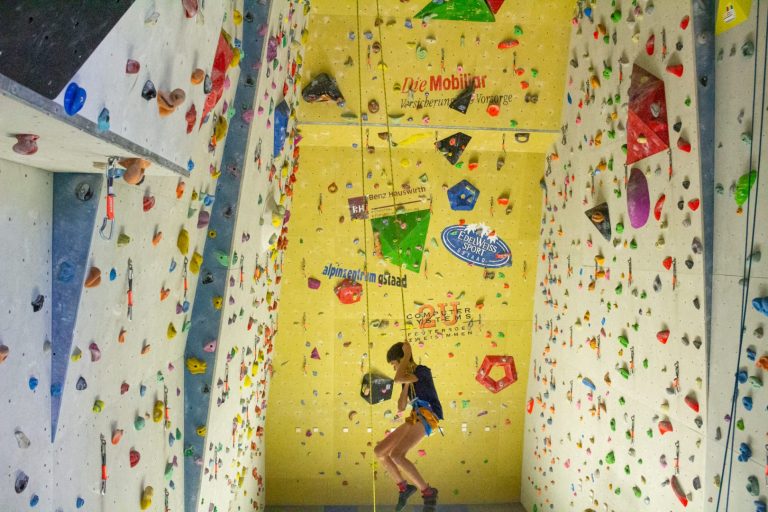
“I was scared at first, but when I finished the ropes course I felt like I could try anything,” a camper said. A counselor noted, “After one week, kids who were withdrawn were joining games and speaking up during cabin time.” Those kinds of observations map onto measurable change.
How staff turn activities into lasting growth
Below I list practical mechanisms and measurement ideas that staff and program leaders can use to convert short wins into sustained inner strength.
- Concrete challenge + scaffolded support: set progressive tasks (low to high) and give just-enough coaching so campers succeed by effort, not rescue.
- Guided reflection (debrief): ask 2–3 focused questions right after an activity to link emotion to action (What did you try? What helped? What would you do next?).
- Abstract lessons: help campers name skills — “planning,” “bravery,” “asking for help” — so they can transfer them.
- Active experimentation: schedule repeat chances to apply new approaches within the week; learning happens when they test what they learned.
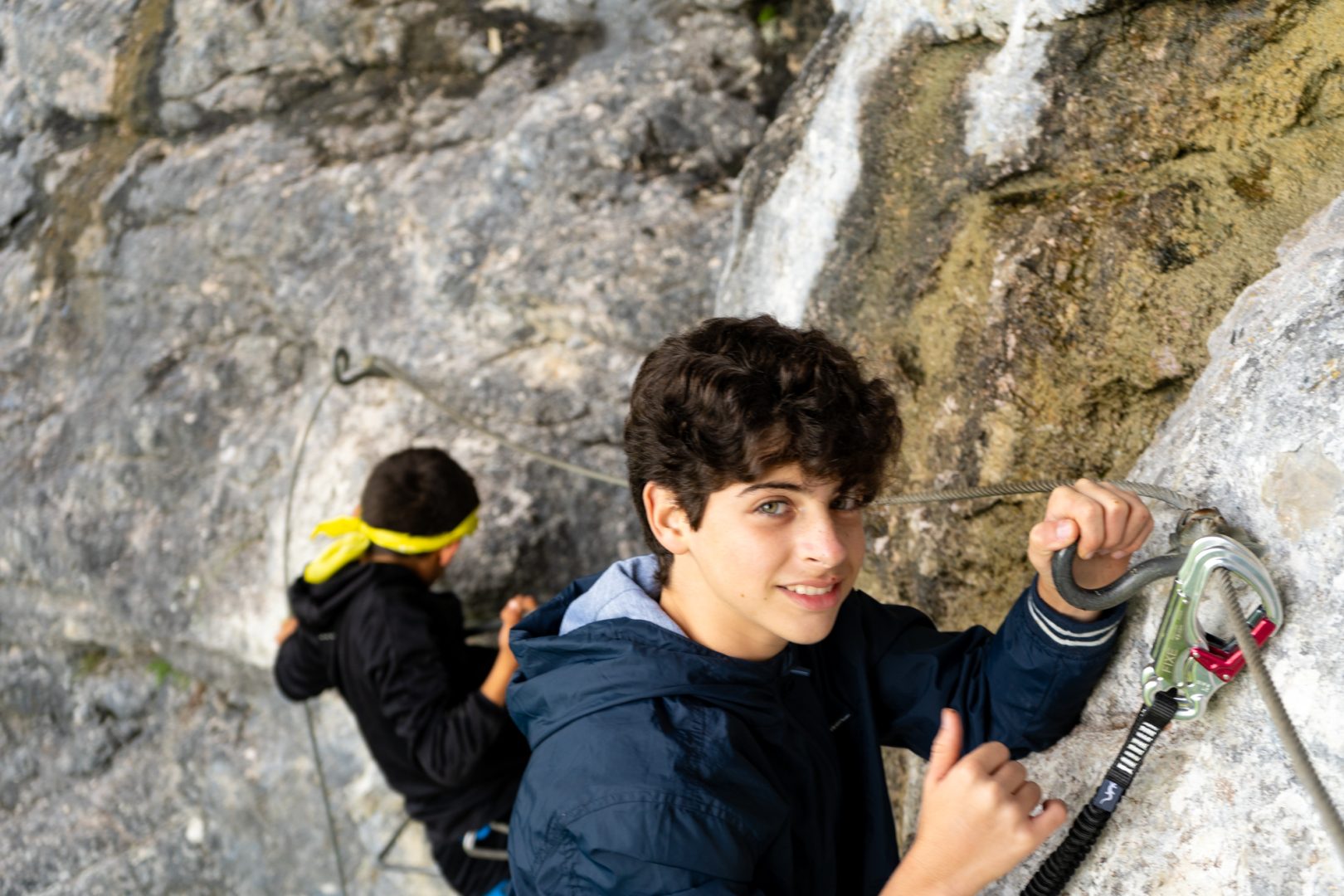
- Age-appropriate risk design: ensure adult supervision, graded difficulty, and clear safety rules so risk yields learning, not harm. The Brussoni review supports that balance.
- Nature dose delivery: plan multi-day outings and daily outdoor blocks to meet the 120-minute benchmark (White et al., 2019).
- Measurement plan: use brief pre/post self-ratings on a 1–10 scale for confidence and worry, plus a validated measure such as the Self-Perception Profile for Children; add a mood check like PANAS and counselor stress/coping checklists.
- Simple analytics: track percent change across cohorts. Example effect sizes (example): a 20–40% increase in self-rated confidence and a 15–30% reduction in self-reported anxiety symptoms are plausible program targets, but they remain hypothetical unless you have camp-specific data.
I often recommend programs pair these steps with leadership tracks so older campers practice coaching younger peers; that multiplies effects and supports measurable gains in confidence at camp. For families deciding where to send kids, a concise resource I point to is this summer camp guide to help compare programs and curricula.
Hypothetical example — a shy 10-year-old completes the ropes course, reports confidence moving from 3 to 7 on a 1–10 scale, and then volunteers in cabin activities more frequently; staff note increased eye contact and group participation within days.
Teamwork, Leadership, and Decision‑Making: Practice-Based Social Skills
I build social architecture into every session so kids learn cooperation, role-taking, negotiation, and social problem-solving through sustained multi-day group living. I set up repeated small-group tasks that force role shifts and require shared plans; these tasks embed teamwork at camp teamwork at camp and accelerate social skills development. Experiential learning cycles give each attempt immediate feedback (Kolb), and outdoor education research shows those cycles compound when repeated over days (Ewert & Sibthorp).
I create leadership micro-experiences by assigning clear, rotating roles — cabin leader, team captain, activity lead — and by designing short decision windows where children must choose, act, and reflect. I use Kolb’s cycle to frame those moments: concrete experience, brief debrief, reflection, then a new challenge. Counselors give fast, specific feedback so kids see consequences and adjust next time (Ewert & Sibthorp). That scaffolding turns single actions into durable leadership habits.
I measure what matters. Counts of leadership acts and logged team decisions tell me frequency and courage. Peer evaluations (1–5 rubrics on initiative, communication, planning) capture social perception. Counselor ratings on collaboration and conflict-resolution provide observational validity. I combine these into simple dashboards that show improvement across a session and highlight kids who need targeted coaching.
I contrast camp teamwork with solo, screen-based time: camps offer repeated, high-fidelity cooperative problem-solving and real-time feedback; screens often deliver asynchronous, individual tasks with delayed social cues. The result is faster skill transfer from camp to school and home, and clear adventure camp benefits in confidence and collaborative competence.
Metrics, rubrics, and sample activities
I track progress using a few focused measures and run activities that force authentic teamwork. Below are the items I use and the challenges I deploy.
- Leadership counts: tally each time a child leads a warm-up, navigation choice, or group vote.
- Peer rubric (1–5): initiative, clarity of communication, planning, inclusivity — average scores per child every 48 hours.
- Counselor ratings: weekly scores on collaboration and conflict-resolution, plus short notes on recurring behaviors.
- Decision log: record key team decisions during challenges and note outcome and consensus method.
I pair those metrics with practical activities that create repeatable social practice:
- Low-ropes course with rotating captains.
- Group canoeing where the stroke leader rotates mid-route.
- Orienteering team challenges with shared map duties.
- Campfire storytelling with rotating storytellers and peer feedback.
I recommend simple tools: a shared spreadsheet for logs, a one-page rubric coaches can use on a tablet, and 10-minute end-of-day debriefs. I coach leaders to increase role complexity gradually and to use peer feedback as part of the learning cycle.
Independence, Responsibility, Problem‑Solving and Critical Thinking
I see camps accelerate independence at camp through predictable routines. Overnight and residential formats — from single-day sessions to multiweek stays — give kids repeated chances to practice basic life skills. Daily responsibility tasks like packing, meal cleanup and buddy checks make accountability visible. Those small responsibilities scale up. Campers move from being prompted to taking initiative on their own.
I coach staff to match responsibilities to session length and age. Short sessions allow quick wins. Longer stays let me phase in more complex duties. Counselors should document when a camper completes tasks without adult prompting. That metric shows growth in responsibility and supports individual goal-setting.
Practical problem-solving happens naturally on activity days. Navigation, map reading and challenge-course elements force real-time planning, evaluation and adaptation. I frame these activities around Kolb’s cycle to support reflection after action. Each problem requires kids to form a hypothesis, test it in the field and then adjust their plan. That sequence builds critical thinking kids need for school and life.
A compact example shows how this works in practice. I run a 45-minute orienteering session where teams choose route options, sequence waypoints and manage time. They weigh distance against terrain and assess minor risks like slippery slopes or exposure. Every decision taxes executive function: planning, working memory, impulse control and swapping strategies when plans fail. Debriefing after the run makes the learning explicit and ties actions back to problem-solving skills.
I monitor operational safety while expanding responsibility. Recommended supervision levels should be checked against camp policies and external standards. Typical counselor-to-camper ratio 1:6 — 1:8 figures are a useful benchmark, and I verify them with ACA standards to fit age groups and high-risk activities.
Assessment methods and operational notes
Below are practical evaluation tools and operational checks I use at camp:
- Pre/post rubrics rating initiative, communication and planning on a 1–5 scale.
- Timed problem-solving scenarios that measure decision speed and adaptability.
- Observational checklists focused on strategy use, collaboration and safety choices.
- Percent of routine tasks completed without adult prompting as an independence metric.
- Verification of counselor-to-camper ratio 1:6 — 1:8 against ACA standards for specific sessions.
I also recommend families read a concise summer camp guide before enrollment to match program length and challenge level with a child’s readiness. I find clear expectations up front reduce anxiety and speed progress toward leadership skills children develop at camp.
Outdoor Skills, Environmental Steward stewardship, and Physical Fitness
I structure camp days so kids build practical skills and a lasting bond with nature. Early nature experiences predict adult environmental stewardship (Chawla’s Significant Life Experiences research). I use that finding to prioritize hands-on time and responsibility for local plants and animals.
Full-day programming often delivers 4–8 hours outside, which easily meets the “120 minutes in nature per week” benchmark many advocates promote. I encourage parents to compare daily schedules and note how a camp day stacks up. For an overview of program length and activities, see my summer camp guide.
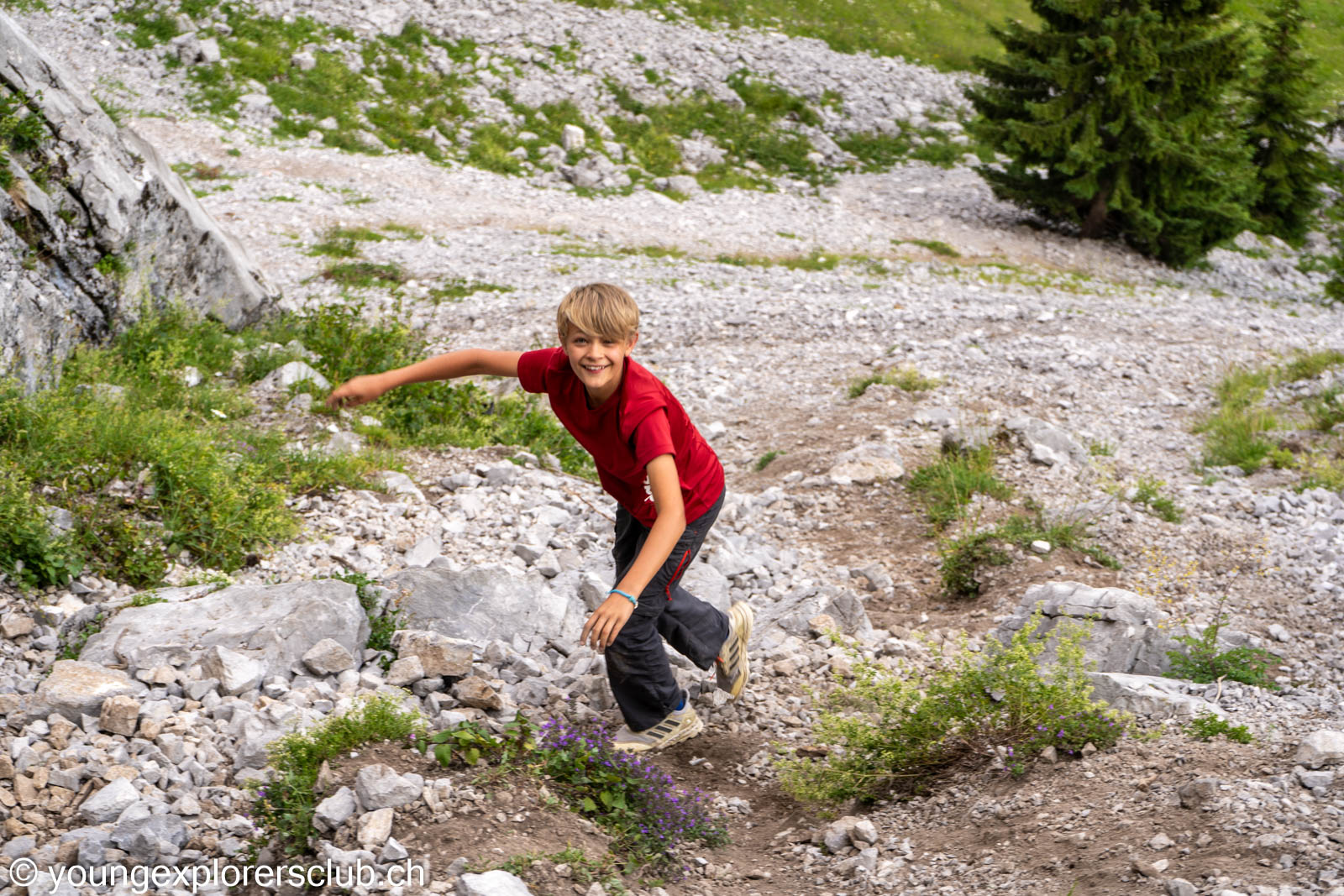
Physical activity targets guide my planning. The WHO recommends 60 minutes of physical activity per day for children (WHO). Typical camp activities — hiking, swimming, team games — can deliver 60–180 minutes of moderate‑to‑vigorous physical activity (MVPA) depending on schedule and intensity. I design rotations so active play doubles as skill practice and confidence building.
I measure outcomes with simple tools I can use in the field:
- Pedometers or accelerometers to track daily activity.
- Pre/post motor skill assessments focused on hop, throw, and run.
- A brief 3‑item nature connectedness survey to gauge attitude shifts.
Core outdoor skills I teach
I teach a concise set of competencies that support safety and stewardship. These lessons form the basis for lifelong environmental stewardship and outdoor confidence:
- Map reading and basic navigation.
- Knot tying for shelter and gear.
- Campfire safety and responsible fire use.
- Leave No Trace principles and campsite care.
- Local species identification and simple ecology notes.
I balance drills with real-world practice. For example, I pair a map exercise with a short hike so kids apply map reading for 20–40 minutes of MVPA. I schedule species ID during slow, focused walks to reinforce observation skills and nature connectedness.
For visuals, I recommend a daily schedule graphic that highlights 60–180 minutes MVPA and 2+ hours in nature. I find that concrete numbers and simple assessments help directors and parents see both health benefits and progress in motor skill development and environmental stewardship.

Digital Balance, Focus, and Behavioral Change: The Camp Tech Detox
Baseline youth screen use is high: screen time 4:44 (tweens) / 7:22 (teens) (Common Sense Media). I use that benchmark to explain why camps intentionally limit devices. Pulling kids out of constant feeds creates restoration and repeated face-to-face practice that resets attention and social skills.
I see three consistent outcomes from reduced device exposure at camp:
-
Sleep improves as evening device use drops and natural light and activity help regulate the circadian rhythm.
-
Sustained attention strengthens; campers report longer focus spans on tasks and games.
-
Face-to-face social skills improve — kids show better mood regulation and lower stress and anxiety in follow-ups.
Those changes are commonly reported by camp directors and parents.
How this translates into measurable change depends on the metrics you choose. I recommend a mix of self-report, observer report, and simple objective tasks. A clear measurement plan also helps parents and camps compare policies — for example, device hours allowed per day, supervised check-ins, and emergency-access rules.
Practical metrics, parent scripts, and reintegration steps
Use the following metrics and scripts to measure impact and prepare your child:
-
Pre/post self-reported device hours: ask kids to log weekday and weekend hourly device use for one week before camp and one week after camp.
-
Sleep logs: record bedtime, wake time, and perceived sleep quality for two weeks pre- and post-camp.
-
Parent reports of focus: short weekly ratings (1–5) on attention during homework, chores, and conversations.
-
Attention tasks where feasible: a simple timed reading or puzzle task administered before and after camp can show change.
-
Measurement chart idea: plot “Average screen time vs. hours in nature at camp” and overlay the 120 minutes in nature per week benchmark to illustrate trade-offs.
-
Sample parent script to prepare kids for limited-device camps:
-
“You’ll have a chance to call at set times, but most days we’ll keep phones in the staff locker. I want you to try new things and meet kids without screens. I’ll be excited to hear your stories when you get home.”
-
Offer concrete reassurance: describe check-in frequency, what happens in an emergency, and which items they can bring.
-
If this is your child’s first camp, refer to a practical guide like my first summer camp checklist to set expectations.
-
-
Reintegration strategies after camp:
-
Gradual reintroduction: add device time back slowly—start with low-commitment activities and limit evening screen use for the first week.
-
Family device-free windows: set daily device-free dinner or morning routines to preserve gains in focus.
-
Debrief: talk about what the child enjoyed most offline and encourage repeat activities at home.
-
-
Compare camp policies quickly by checking:
-
Allowed device hours per day.
-
Where devices are stored and who has access.
-
Emergency check-in procedures and staff monitoring practices.
-
How tech detox improves focus and behavior
I watch the mechanics closely. Reduced notifications cut cognitive switching costs, so attention stays on a single activity longer. Social cues strengthen because kids practice reading expressions and managing conflict without screens. Those repetitions help with mood regulation; campers often return calmer and better able to self-soothe.
If you want an evidence-informed approach, track small wins. Even modest reductions from baseline screen time can show measurable improvements in sleep and attention. Camps marketed as a digital detox or an adventure camp will usually publish device policies; compare them before you sign up so expectations match outcomes.
Measuring Impact, Data Tools, and Visuals for Parents and Camp Directors
Clear, simple visuals and tight measurement help parents and directors see real change. Good visuals reduce questions and make decisions easier. Below I describe the charts, instruments, and protocols that produce credible, actionable results for adventure camp benefits and outdoor education programs.
Suggested visuals and templates
Use these three visuals to communicate impact quickly — each one answers a common parent or director question.
- Chart: Average screen time vs. hours in nature at camp. Plot baseline screen use against time outdoors to show correlations with mood and focus. Include the benchmarks where relevant: “screen time 4:44 tweens / 7:22 teens” and a target of “120 minutes in nature per week” as reference lines.
- Schedule graphic: a sample daily itinerary that highlights MVPA and outdoor time. Show a day with 60–180 minutes MVPA and 2+ hours in nature, and flag blocks for skills work (leadership, teamwork, confidence).
- Pre/post table: a compact matrix listing measurable domains (confidence, social skills, leadership, physical activity, mood) with pre, post, and optional 3‑week follow-up columns. Add a column for data source (self-report, counselor rubric, pedometer).
Include brief captions on each visual explaining the instrument used (e.g., pedometer, short scale) and whether numbers are measured or projected. When reporting hypothetical percentage improvements, label them as projections unless the camp supplies actual figures.
Metrics, instruments, and data collection best practices
I use validated short scales and quick rubrics for reliable results that won’t overload kids or staff. Recommended instruments:
- Self-Perception Profile for Children — baseline self-esteem and confidence.
- PANAS — capture positive and negative affect for mood tracking.
- 3‑item nature connectedness scale — measure attachment to the outdoors.
- Pedometers or accelerometers — quantify MVPA against the “60 minutes of physical activity per day” guideline.
- Counselor observational rubrics and brief peer rubrics (peer 1–5) — assess leadership and teamwork at camp.
Quick measurement items I deploy on arrival and at departure:
- 5-item pre/post Likert checklist (1–5) for confidence, teamwork, responsibility, focus, and mood.
- Counselor observational checklist capturing participation, risk-management, and prosocial behavior.
- Peer 1–5 rubrics for leadership skills, completed during small-group tasks.
Data-collection best practices I follow:
- Collect baseline (pre-camp) and immediate post-camp measures as standard — this delivers clear short-term impact.
- If feasible, add a 3+ week follow-up to assess persistence — longer immersion usually produces deeper behavioral change.
- Triangulate: combine child self-report, counselor observations, peer ratings, and objective MVPA data to reduce bias.
- Respect privacy: get parent consent for measurement tools and explain how results will be used.
Verification and labeling notes
- Verify operational figures (for example, counselor-to-camper ratios) with the specific camp or ACA standards before publishing.
- Use explicit labels: mark any hypothetical improvements as projections if they aren’t backed by camp data.
- Reference public context facts where useful, such as “14 million campers” or that “1 in 6 children experience a mental health disorder” to frame the importance of social-emotional tracking.
Practical CTAs and resources
Examples I use in outreach:
- Download our 5-item pre/post camp skills checklist.
- Compare camps: ask about counselor-to-camper ratios (e.g., 1:6 for younger campers) and outdoor hours per day.
- Sign up for a free webinar: how camps measure social-emotional growth.
If parents want a straightforward primer on choosing and evaluating programs, I often point them to first summer camp for practical reading and next steps: first summer camp.
Sources:
American Camp Association — (report cited noting “14 million campers”)
Brussoni et al. — (systematic review on developmental benefits of risky outdoor play)
Centers for Disease Control and Prevention (CDC) — (surveillance: “1 in 6 children experience a mental health disorder”)
White et al. (2019) — “Spending at least 120 minutes in nature per week is associated with good health and well‑being”
Albert Bandura / David Kolb — (theoretical frameworks: self‑efficacy; Kolb’s experiential learning cycle)
Ewert & Sibthorp — (outdoor education authors cited regarding experiential learning in outdoor education)
Chawla — “Significant Life Experiences” research
World Health Organization (WHO) — (physical activity guideline: “60 minutes of physical activity per day”)
Common Sense Media — (2019 report cited for baseline screen use: “screen time 4:44 tweens / 7:22 teens”)
Harter (Self‑Perception Profile for Children) — (measurement instrument cited)
Watson et al. (PANAS) — (Positive and Negative Affect Schedule; measurement instrument cited)