A Complete Guide to Choosing the Right Activity Based on Your Child’s Personality
Activity planning for children in Switzerland: evidence-based 4–8 week checklist, safety, costs, and neurodiversity tips for parents.
Finding the right activities for your child can feel overwhelming — from schedules and costs to personality fit and safety. This practical, evidence-informed guide distills research, Swiss-specific tips and easy checklists so you can confidently shortlist, trial and decide on activities that boost your child’s skills, wellbeing and enjoyment. Read the quick-start checklist or dive deeper into frameworks, trial templates and safety checks.
Quick facts & evidence-informed checklist (fast answers parents want)
Vital facts to remember and age-specific guidance
We keep a few evidence-based facts in mind when selecting activities. The WHO/American Heart Association recommends children and adolescents do at least 60 minutes of moderate-to-vigorous physical activity daily. The CDC (2016–2019 parent-reported) notes about 9.8% of U.S. children aged 3–17 have been diagnosed with ADHD, and the CDC (ADDM Network, 2020) reports autism prevalence at approximately 1 in 36 children. Common Sense Media (2019) found average daily entertainment screen time for tweens (ages 8–12) is about 4–6 hours and for teens about 7+ hours, not counting schoolwork.
We factor those numbers into real choices. Toddlers (1–4) do best with very short sessions, sensory play and parent-led forest or Spielgruppe (forest playgroup) outings in places like Zürich’s Wälder or Geneva’s parks. For school-age kids (5–12) we mix structured options — sports clubs, Musikschule or J+S (Jugend+Sport) programs — with creative classes. We keep commitments to 2–3 activities max during the school year to avoid overload. Teens (13–17) thrive with leadership roles, part-time jobs or longer-term commitments like bands and competitive teams.
Costs vary widely. Expect team sports to run roughly $100–$1,000 per season; private music lessons about $20–$60 per 30-minute lesson; enrichment classes $150–$500 per semester; and summer camps $200–$2,000 per week. In Switzerland, many Gemeinden and municipal Musikschulen offer subsidised lessons or sliding-scale fees; J+S schemes also reduce costs for youth sports.
We watch local rules and practicalities. Swiss kantons often list certified youth programs and safety rules for outdoor activities; for alpine trips we check local Bergführer or Swiss Alpine Club guidance. We also adapt to school schedules — in many Swiss cantons school days are shorter, so we slot activities into afternoons and weekends.
Quick-rating checklist (3 questions to orient parents now)
Use this three-question checklist to orient decisions now:
- Energy after social interaction? (Recharged / Neutral / Drained) — helps identify extrovert vs introvert and whether group classes or solo activities suit them.
- Routine vs novelty preference? (Likes routine / Likes change / Mix) — tells us whether to prioritise regular teams and lessons or rotating workshops and camps.
- Movement-seeking? (High / Moderate / Low) — guides us toward active sports, mixed movement (dance, climbing) or calm arts and music options.
We use quick rules of thumb when trying something new: schedule a 4–8 week trial block, keep sessions short for little ones, and reduce concurrent activities during exam periods. Recommended trial period before evaluating: 4–8 weeks.
Practical next steps we follow:
- Book a single-term trial or a free drop-in session in your Gemeinde or local Klub (e.g., J+S classes, Musikschule taster). Observe mood, sleep and homework impact.
- Track three signals for two weeks: excitement on practice days, energy levels after sessions, and willingness to continue without bribery.
- If a child is drained after group time, try 1:1 lessons or small clubs; if they recharge, prioritise team sports or choir.
- For neurodiverse children, contact instructors in advance, request sensory adjustments, and favour predictable routines or clearly scaffolded novelty.
- Keep a seasonal rotation: outdoor nature skills in spring/summer, indoor creative clubs in winter.
Why personality matters when choosing activities (research + real-world examples)
Personality shapes how children use energy, learn and connect. Matching activities to those patterns increases retention, attendance and skill gains. Personality doesn’t lock a child into one box — it creates a pattern we can match to settings, schedules and teaching styles.
Children differ on continuous dimensions such as extraversion↔introversion, high-energy↔low-energy and need-for-structure↔novelty-seeking. These continua affect: baseline energy, social preference and learning style. Baseline energy tells us how active a child is between sessions. Social preference shows whether they thrive in big groups, small groups or solo. Learning style indicates whether they need hands-on practice, time to reflect or short playful bursts.
Research in education and extracurriculars backs this up: activities aligned with students’ preferences improve outcomes (see NCES). For parents choosing programs, choose the best summer camp.
Traits to check and how they show up — quick list and action steps
Below are five traits to observe and immediate ways to adapt activities in Swiss contexts (club, Gemeinde holiday camps, J+S sessions).
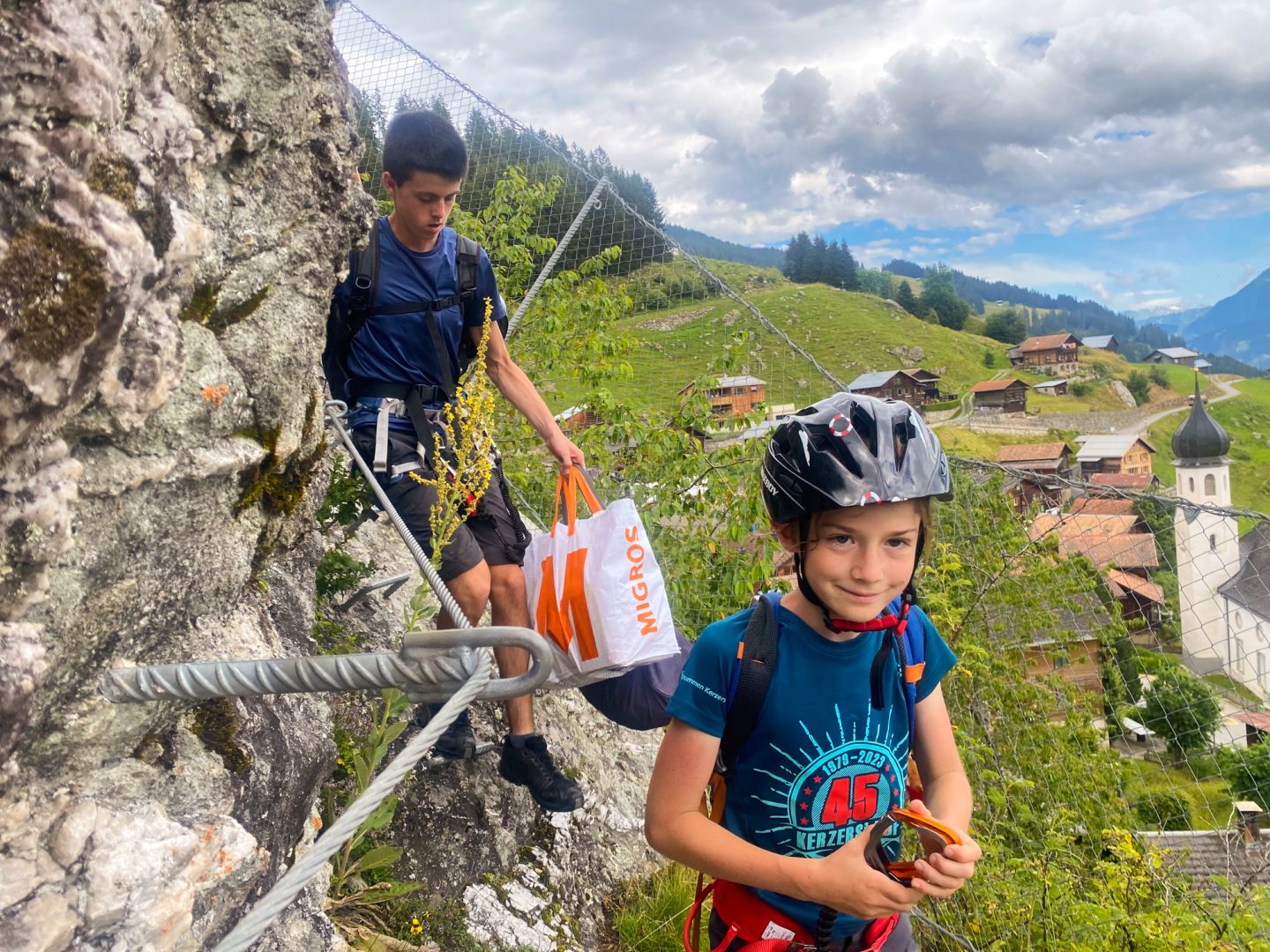
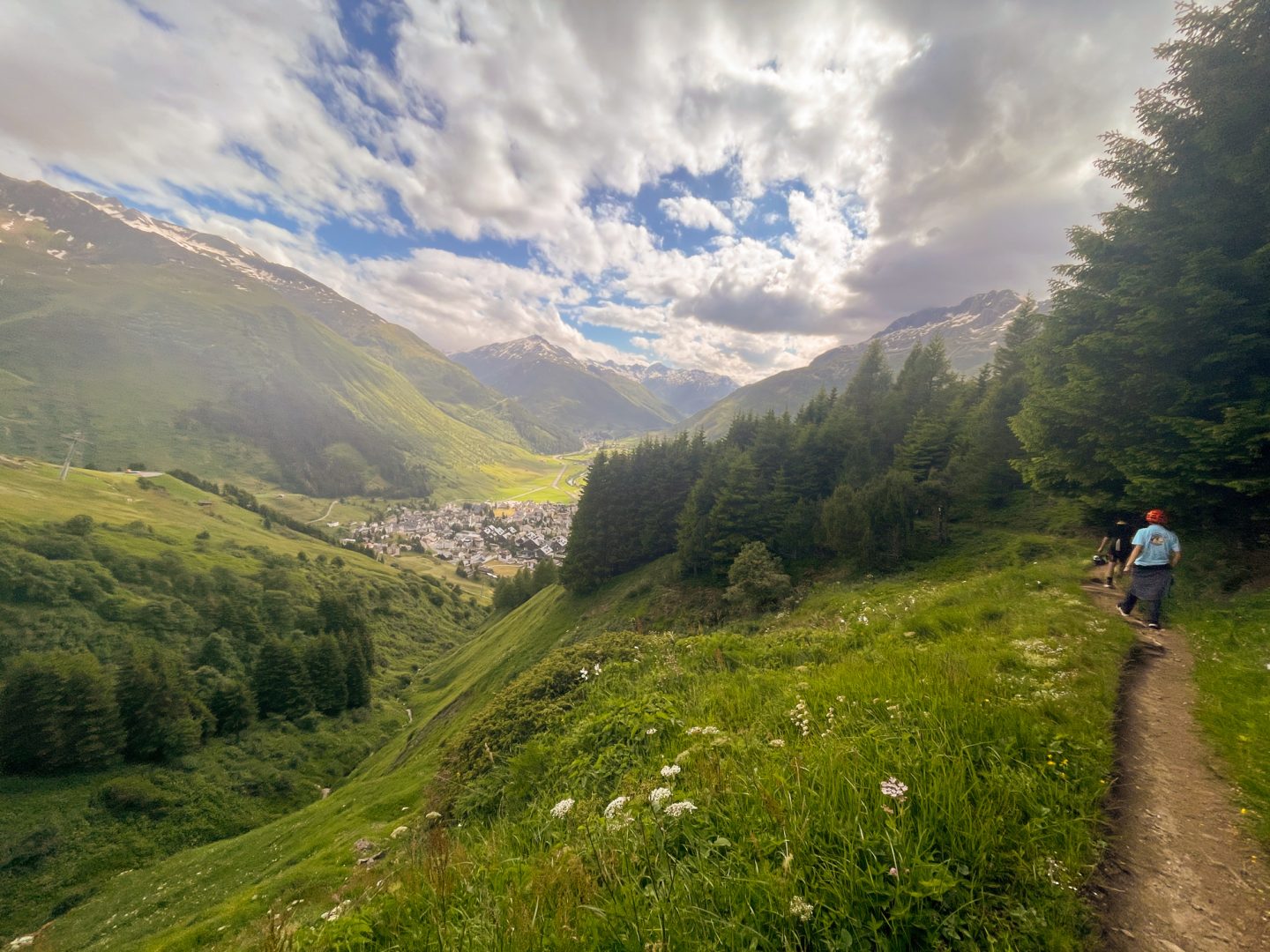
- Energy: High-energy kids fidget, prefer moving lessons and benefit from breaks. Action: choose hikes with rest stops for high-energy kids; pick museum workshops in Basel or Geneva for low-energy children. See suggested outdoor activities.
- Sociability: Extroverts gain from larger groups and team games. Introverts prefer small groups or 1:1 instruction. Action: enrol extroverted tweens in Verein sports teams; place introverts in small art ateliers or a Jugendtreff with quiet corners.
- Structure preference: Some children need clear rules and routines; others thrive on flexible, creative formats. Action: select Verein programs with scheduled drills for structured learners; pick improvisation theatre or outdoor scavenger hunts for novelty seekers.
- Novelty-seeking: High seekers want variety and quick wins. Low seekers prefer predictable formats. Action: rotate activities each term for novelty-seekers; keep a stable coach/teacher for children who prefer routine.
- Sensory sensitivity: Sensitive children can be overwhelmed by noisy gyms or crowded markets. Action: ask providers about quiet rooms, staggered arrivals or smaller groups — many Swiss museums and camps offer sensory-friendly times (see support mental well-being).
We recommend age-appropriate session lengths: preschool (4–6) 30–45 minutes, children (7–10) 45–60 minutes, tweens (11–14) 60–90 minutes, teens 90+ minutes when interest and stamina are high. Local cantons often list recommended program formats on Gemeinde websites; check those when planning. You may also find A parent’s guide helpful for seasonal planning.
Many children are ambiverts or show mixed traits — personality can shift with age, context or the season. We advise testing a new activity for one term, monitor attendance and enthusiasm, then reassess after 6–12 months.
Practical, immediate steps we use with families:
- Observe three sessions before committing long-term (tips for parents).
- Ask providers about group size, session length and quiet spaces.
- Negotiate small tweaks (movement breaks, predictable routines, material choices).
- Use local options — J+S programmes, Gemeinde youth centres, museum workshops — to trial different formats without big commitments.
- Reassess every 6–12 months and keep a flexible plan if traits shift with age or season.
Frameworks & assessment tools to understand your child (how to assess, practically)
Simple frameworks translate everyday behaviour into activity choices. They help us match hikes, forest plays or museum days to a child’s natural style and needs.
Big Five — Openness, Conscientiousness, Extraversion, Agreeableness, Neuroticism. This trait model fits older children and teens.
Introversion/Extraversion — shows where your child recharges: alone or in groups.
Temperament — Easy / Difficult / Slow-to-warm-up. Use for toddlers and preschoolers.
Sensory profiles — sensory sensitivity or sensory seeking changes how comfortable a child is in noisy or crowded places.
Neurodiversity lens (ADHD/Autism) — focuses on attention, sensory processing and social communication differences and steers us toward clear routines and sensory-friendly activities.
Age matters when you choose tools. For teenagers, the Big Five Inventory for Kids (BFI-K) gives useful trait detail. For preschoolers, temperament observations and the EAS Temperament Survey fit better. For school-aged children, use screening tools alongside teacher input to get a full picture.
Quick assessments, a short parent checklist and where to get help in Switzerland
Use these immediate tools and actions to assess your child and find local support.
- Quick, validated tools
- Strengths and Difficulties Questionnaire (SDQ) — quick screening for emotional or behavioural concerns.
- Big Five Inventory for Kids (BFI-K) — suitable for older children and teens wanting trait-level insight.
- EAS Temperament Survey — measures Emotionality, Activity and Sociability for younger kids.
- Practical note — use a 10–20 question scale or the SDQ for a fast check; follow up with teacher input.
- Short parent checklist — ask these after a typical playday
- Energy: Is the child usually energized or drained after group play?
- New people: Do they approach strangers or need time to warm up?
- Preferred play: Do they choose solo projects or team games?
- Frustration tolerance: How long until a meltdown or withdrawal during a setback?
- Sensory likes/dislikes: Are loud sounds, strong smells or busy places upsetting?
- Mini-scoring guide
- Tally higher scores for energy, social drive and novelty preference to indicate extrovert/high-energy.
- Higher scores for quiet, solitary preference and slow recovery indicate introvert/low-energy.
- Use pattern over several days; if results vary widely, consider mood or sleep as the cause and retest later.
- If screening raises concern — Swiss contacts
- Contact your cantonal Schulpsychologische Dienste (school psychology services) via the Kanton website for school-based assessments and recommendations.
- For medical or diagnostic support, reach the Kinder- und Jugendpsychiatrische Dienste in your Kanton (cantonal child & adolescent psychiatry).
- Call Pro Juventute guidance lines for parenting advice and referrals across Switzerland.
- Language note: many cantonal services operate in German, French or Italian — check your Kanton’s Gesundheits- oder Erziehungsdepartement for local language options and referral routes.
Activity-matching matrix — pick activities by personality profile (practical, table-ready)
Use a quick matrix to match personality profiles to activities so families can trial options with confidence. Identify the dominant profile, choose activities from the matching list, book a short trial, then commit to the recommended trial period.
Try age-appropriate examples: for preschoolers (3–6) look at playful, short sessions; for primary kids (6–12) aim for skill-building 1–3x/week; for teens (13–17) offer longer, self-directed options and leadership roles.
Extrovert / Socially energized — Recommended for kids who light up in groups. Try team sports, community theatre or debate.
Sample items: soccer or Fussballverband club teams, basketball, community theatre productions, Toastmasters youth programs (teens), hip-hop/jazz dance classes.
Session length/frequency: 45–90 minutes, 2–4x/week.
Introvert / solitary recharge — Best for children who need quiet to refuel. Offer individual or very small-group formats.
Sample items: piano or violin lessons, private swimming lessons, coding with Scratch, Waldspielgruppe, small art workshops (≤6).
Session length/frequency: 30–60 minutes, 1–3x/week.
Ambivert / flexible — Choose mixed-format programs that balance group and solo work.
Sample items: Pfadi/Scouts Suisse, karate/taekwondo, improv drama workshops that rotate activities.
High-energy / sensation-seeking — Give outlets for intensity and quick feedback.
Sample items: team sports, parkour, gymnastics, mountain biking, climbing, CrossFit kids.
Low-energy / sensitive / anxious — Prioritise predictability and calm sensory environments.
Sample items: kids’ yoga, calming swim lessons, forest school, sensory-friendly art, guided mindfulness.
Creative / open to experience — Encourage exploration and portfolio-building.
Sample items: music, theatre, visual arts, creative writing, maker labs, open-ended STEAM projects.
Analytical / logical — Offer structured problem-solving and measurable progress.
Sample items: chess, robotics, math circles, coding, science clubs.
Conscientious / structure-loving — Provide predictable progression and milestones.
Sample items: Scouts, classical music exams, competitive academic teams, swim team, track.
Neurodiverse-specific (Autism, ADHD, Sensory Processing) — Use shorter predictable sessions with sensory supports and therapy-informed activities.
Sample items: sensory-friendly swim, social skills groups, OT movement groups, therapeutic horseback riding (hippotherapy).
Quick-build table columns and trial checklist
Use these columns in a spreadsheet and follow this trial checklist:
- Suggested columns: Social demand | Physical demand | Structure (rigid–open) | Cost | Accessibility | Ideal session length
- Trial checklist: identify profile → shortlist 2–3 activities → book single sessions or short block → commit to 4–8 weeks before evaluating
- Track metrics weekly: enjoyment (1–5), attendance, behaviour notes, social connections, sleep/restlessness
- Swiss reminders: verify J+S availability, cantonal Musikschule subsidies, Pfadi groups, local climbing gyms, FIRST LEGO League teams, and therapeutic listings in your canton
- Decision point after trial: keep, adjust format (smaller group, shorter session), or try an alternative activity
How to trial, measure & decide — a practical 4–8 week process
We recommend a 4–8 week trial before making a decision about a new activity. Aim for 2–3 sessions per week where feasible; for shorter commitments 1 session per week is acceptable.
Set expectations with your child and the provider at the start. Block sessions in your family calendar around Swiss school terms and cantonal holidays so you avoid confusing breaks. Check whether sports groups have Jugend+Sport (J+S) certification or Pfadi affiliation — those signals often mean consistent coaching and clear child-protection policies.
What to track — simple metrics, templates and survey questions
Use a short weekly log and quick child/parent surveys so you can compare activities objectively.
- Weekly metrics to record:
- Enjoyment — child report on a 1–5 scale
- Attendance — present/late/absent
- Behavior observation — energy after activity (High / OK / Low)
- Skill progress — one concrete note (e.g., tied knot, learned a new role)
- Sleep quality — parent-observed that night (Better / Same / Worse)
- Peer connections — any new friend interactions or conflicts
- Sample tracking template columns to copy into a sheet:
- Date / Session Type / Duration / Mood (1–5) / Energy after (High/OK/Low) / Notable social interactions / Notes
- Rule of thumb for action:
- If enjoyment is under 3 for four consecutive sessions, or the child asks to stop twice, consider switching.
- Quick survey questions to use:
- Child: “Did you have fun today?” (1–5); “Would you go again?” (yes / no / maybe); “Was it too loud or crowded?”
- Parent: sleep quality, mood after the day, willingness to continue, logistical burden (time/cost/transport)
- Tools to collect data:
- Google Forms for digital collection and charts
- Printable paper checklists for small kids or coaches who prefer pen-and-paper
Interpret results with clear decision rules: continue if enjoyment and attendance stay high; adapt by changing group size or session length if interest is mixed; pause seasonally if energy dips; switch if red flags persist. We recommend meeting the instructor after the first two weeks to request small, reasonable adjustments (smaller groups, quieter space, different role in the team).
Practical considerations — cost, time, logistics & accessibility (how to make it work in Switzerland)
Cost realities & saving strategies
We outline realistic price ranges and practical ways to reduce costs so you can decide without surprises.
Typical costs (approximate USD ranges and converted to CHF at ~1 USD ≈ 0.92 CHF):
- Team sports: $100–$1,000/season → about CHF 92–920/season.
- Private music lessons: $20–$60 per 30-minute lesson → about CHF 18–55 per lesson.
- Enrichment classes: $150–$500 per semester → about CHF 138–460/semester.
- Summer camps: $200–$2,000 per week → about CHF 184–1,840/week.
Money-saving tips and quick actions to try in Switzerland:
- Check your Gemeinde: many municipalities list low-cost courses; small Gemeinden often offer free playgroups.
- Look for subsidised Musikschule lessons: cantonal Musikschulen often have reduced rates for residents or shorter beginner options.
- Use Jugend+Sport (J+S): J+S supports youth sport clubs with subsidies — ask your local sports club if a J+S course is available.
- Apply for scholarships: Pro Juventute and some cantonal foundations offer grants for extracurricular activities.
- Take multi-child discounts and coordinate carpooling to reduce costs.
- Choose semester-length sampling: try a short block (4–8 weeks) before committing to a full season.
- Consider group rather than private lessons for younger children: group classes lower per-child costs and build social skills.
Checklist to verify before signing up — ask these questions and keep answers in your phone notes:
- Instructor qualifications and background checks.
- Staff-to-child ratio (aim for ≤1:8 for preschoolers; lower for higher-risk activities).
- Emergency procedures and first-aid certification on site.
- Insurance and liability coverage.
- Cancellation, refund and make-up class policies.
- Privacy/data handling policies for apps used for registration or photos.
- Availability of sliding-scale fees or payment plans for families in need.
Time management, logistics & bilingual access
Keep scheduling realistic so families stay rested and engaged. For most children, avoid more than 2–3 structured activities during the school year. Reserve longer or intensive programs for school holidays; Swiss cantons list Ferienprogramme on their websites.
Plan by age:
– Ages 3–6: one structured activity plus playdates. Keep sessions under 45 minutes.
– Ages 7–12: up to two activities if one is low-intensity. Keep evenings free twice a week.
– Teens: let them choose; they can handle 2–3 focused activities.
Finding bilingual or language-appropriate programs: check Kanton websites, Gemeinde notice boards and local Maison de la Jeunesse / cultural houses. If you’re non-native, ask organisers about the language of instruction. Many urban centres host international or bilingual clubs; rural Gemeinden may have fewer options but often more affordable local programmes.
Make accessibility part of your routine checks: ask whether staff have experience with neurodiverse children, whether they can provide visual schedules, and if they offer sensory accommodations. Confirm whether adaptations exist for mobility or sensory needs and whether sliding-scale fees are available.
Handle transport and timing practically: combine sessions on the same day to reduce runs, use after-school care to bridge gaps, and keep a shared calendar with emergency contacts and pickup permissions for every provider you use.
Safety considerations — keeping kids safe in activities across Swiss environments
Safety shapes every choice. We prioritise staff qualifications, local risks and clear health rules so parents can relax and kids can explore.
Practical checks and environment-specific precautions
We check the following before we book or arrive:
- Coach and instructor qualifications — Ask to see Swiss Olympic coaching badges where relevant and J+S leader certificates. Confirm current first-aid and CPR certificates and whether staff have criminal-record checks where appropriate.
- Staff-to-child ratios — For preschoolers we expect ≤1:8. For higher-risk activities such as climbing or water sports we reduce that further (aim for ≤1:6, and ≤1:4 for very young children).
- Local mountain and weather checks — Consult the SLF (Swiss Institute for Snow and Avalanche Research) avalanche bulletin in winter and use MeteoSwiss forecasts year-round.
- Seasonal risks and prevention — In summer watch for ticks on forested trails; bring repellent and do tick checks after hikes. Above 1,000 m prioritise sun protection: SPF, sunglasses and hats.
- Essential equipment and helmets — Insist on correct, well-fitting equipment. Helmets for cycling and scooting are non-negotiable. For alpine activities check harnesses, ropes and anchors with the instructor on site.
- Route planning and emergency kit — Plan routes suited to the group’s age and fitness, include turnaround times and leave the plan with someone at home. Minimum kit: charged phone, power bank, whistle, headlamp, space blanket, basic first-aid and a physical map or compass for alpine routes.
- Pool and open-water safety — Confirm pools follow Swiss pool rules and employ trained lifeguards. For small children require close adult supervision and lessons from certified swim instructors.
- Drowning prevention — Favour structured lessons that build skills progressively. For toddlers and preschoolers recommend shorter, frequent sessions; for older children combine technique work with supervised open-water practice under trained coaches.
- Health and communicable-disease policies — Check kanton-level rules and ask camps about procedures for contagious illnesses. Require written allergy and medication plans; staff must know EpiPen procedures and medication schedules.
- Data privacy and apps — Vet digital tools for GDPR and Swiss data-protection compliance. Disable unnecessary data-sharing and set strict parental controls.
On arrival do three quick, actionable things: ask to see certificates and lifeguard credentials; verify the ratio for your child’s age and the specific activity; and inspect the equipment for wear or poor fit. For mountain trips pull the SLF bulletin and MeteoSwiss forecast the morning of the activity. For swim lessons book at recognised Schwimmschulen and expect an individual progression plan for every child.
Special populations — ADHD, Autism, Anxiety, chronic health conditions (tailored advice)
ADHD and Autism: targeted strategies and session design
Prevalence matters for planning: CDC reports ~9.8% ADHD prevalence and autism at ~1 in 36. Below are practical strategies when choosing or adapting activities.
- ADHD — structure and movement: Build clear routines and use short learning segments. Aim for 15–20 minute focus windows alternating with movement breaks for primary-school kids; preschoolers may need 8–12 minute bursts. Favour activities that channel energy and teach self-control: martial arts, swimming, gymnastics. Use visual timers and simple written rules.
- ADHD — measurement: Track outcomes such as reduced impulsive interruptions, fewer accidental injuries, and better bedtime routines. Use short weekly check-ins with parents and instructors.
- Autism — predictability and sensory planning: Offer predictable sessions with visual schedules, consistent instructors, and sensory-friendly spaces. Plan pre-visits or short orientation videos for venues.
- Autism — sensory & social supports: Create quiet corners, allow noise-cancelling headphones, and provide fidget tools. Use clear social stories for transitions and coordinate with speech therapists when communication supports are needed.
Anxiety, chronic conditions and working with specialists in Switzerland
Gentle, confidence-building activities suit anxious or low-energy children: yoga, guided mindfulness, forest school and small-group swimming reduce anxiety while building resilience.
Children with chronic health or mobility conditions need careful coordination. Start by contacting the paediatrician and any therapists to get medical clearance and specific activity goals. Ask about adapted PE options in school and check local adapted-sport offers.
Practical steps when arranging activities:
- Obtain a medical plan and written recommendations.
- Contact the venue to confirm access, toilet facilities and shaded rest areas.
- Arrange a short trial session and a pre-visit so the child can familiarise themselves.
- Share emergency contacts and any medication plans with instructors and get parental consent.
- Document agreed accommodations and set review dates.
Swiss-specific supports include IV/AI, cantonal social services, Pro Infirmis and specialised centres such as the Swiss Paraplegic Centre in Nottwil. When working with schools and specialists keep parents central: obtain consent, include parents in planning meetings, and formalise accommodations with simple plans (goals, adaptations, responsible adults, review dates).
Recommended apps, tools & programs — assessment, tracking & activity platforms
Assessment & activity platforms — quick picks and what we use them for
Tools we recommend for assessment, tracking and delivering activities:
- Google Forms — create simple weekly surveys for child/parent trackers and collect progress notes.
- ClassDojo — share daily reports, photos and short videos with parents; use it for attendance and quick messages.
- Notion / Trello — build a lightweight activity tracker and calendar for projects, hobbies and course schedules.
- Spreadsheet templates — printable trial tracker for sampling activities and noting likes, effort and skill gains.
- Code.org / Scratch — free coding projects that suit children from about 8 years and up.
- Duolingo Kids — bite-sized language practice for younger learners.
- Khan Academy Kids — educational reinforcement for preschool and early-primary ages.
- Headspace for Kids / Calm for Kids — guided mindfulness, short breathing exercises and sleep stories for ages 4+.
- Sworkit Kids — child-friendly, guided exercise routines for indoor movement breaks.
- Fitbit / Apple Health / Google Fit — basic activity tracking; pair with child-appropriate bands for steps and active minutes.
Community programmes, vetting & Swiss practicalities
Start by checking your canton’s website and your Gemeinde notices for multilingual offers and timetable updates. Many cantons publish J+S calendars and subsidy info online. Pro Juventute runs seasonal programmes and advice lines that help families access youth services.
When choosing an app or platform, follow a short vetting checklist:
- Read the privacy policy and check for GDPR and Swiss FADP compliance.
- Confirm parental controls, age ratings and explicit opt-out options for data sharing.
- Use Common Sense Media guidelines to weigh screen-time and content appropriateness.
- Prefer services hosted in Switzerland or the EU when sensitive personal data is involved.
For community programmes, check Jugend+Sport (J+S) classes, local Musikschule trial lessons, SAC youth activities, libraries and Gemeinde playgroups. Practical setup tips: start with one tracker (Google Form), use ClassDojo only after consent, build a Trello board for decisions, and choose kid-targeted wearables if you use trackers.
Practical “how-to” — step-by-step plan for choosing, trying and deciding (checklists & templates)
Clear, time-boxed plan so families in Switzerland can move from guesswork to confident choices. Adapt to your canton’s calendar and keep notes so you can make evidence-based decisions.
8-step action plan with checklists, quiz and tracker
- 1) Assess personality — 10–20 minutes: Use the quick quiz below to spot introvert/extrovert tendencies, energy level and need for structure.
- 2) Shortlist top 3 activities — 30–60 minutes: Search local offers and check coach credentials and child-to-coach ratios.
- 3) Schedule trials — 15–30 minutes: Block sessions in your family calendar; align with canton school holidays if needed.
- 4) Set tracking metrics: Prepare a tracker for enjoyment, attendance and sleep changes.
- 5) Run recommended trial period — 4–8 weeks: Attend at least 4 sessions for weekly activities or two weekend events for irregular ones.
- 6) Reassess with surveys and data: Use short parent and child surveys after weeks 2 and 4 plus the tracker data.
- 7) Adjust schedule or format: Reduce frequency, swap coach/club, or try a different structure if needed.
- 8) Commit or switch: Apply decision rules to choose whether to continue or change.
Copy and paste this 10-question “Child Activity Fit” quiz into a note for quick use with your child:
- 1) After a busy playdate, does your child seem: Recharged / Neutral / Drained?
- 2) Does your child prefer one-on-one time or group play? (One-on-one / Group / Both)
- 3) How long can your child concentrate on a single task? (<10 / 10–30 / 30+ minutes)
- 4) Does your child seek physical activity frequently? (Often / Sometimes / Rarely)
- 5) How does your child react to new people? (Comfortable / Cautious / Very shy)
- 6) Does your child prefer predictable routines or new experiences? (Routine / New / Mix)
- 7) How sensitive is your child to noise/crowds? (High / Moderate / Low)
- 8) How does your child handle frustration? (Calm / Gets upset / Meltdowns)
- 9) Does your child prefer creative/open tasks or rule-based tasks? (Creative / Rule-based / Both)
- 10) Would your child rather try alone first or with friends? (Alone / With friends / Either)
Use this scoring rule: tally answers toward extrovert/introvert, high/low energy and structure-loving/novelty-seeking. Let the dominant cluster guide activity choices.
Print or create a Google Forms tracker before the trial period. Sample weekly template: Date / Activity / Duration / Mood (1–5) / Energy after / Attendance (Y/N) / Notes / Continue? (Y/N).
Decision rules: if average enjoyment <3 for four sessions, or repeated refusal, reassess. If enjoyment and sleep improve, commit for a season (often 8–12 weeks).
FAQs — parents’ most-asked questions
Common questions answered
How do I know if my child is introverted or shy?
Introversion shows in energy: an introverted child recharges after being alone and enjoys smaller, predictable social settings. Shyness shows as fear of judgement or avoidance. Observe how they feel after playdates or classes and note whether they warm up with familiar people.
How long should a child try an activity before quitting?
We recommend a 4–8 week trial. For children under 6, 4 weeks may be enough. Older kids often need 6–8 weeks to feel comfortable.
What if my child wants to quit after one session?
Ask why, try structural changes (shorter sessions, smaller groups) and offer one or two additional trial sessions before deciding. If safety or wellbeing is concerned, stop immediately and explore alternatives.
Can activities make ADHD or anxiety worse?
Poorly matched activities can increase difficulty. Choose structured, movement-based or sensory-accommodating options and consult paediatric or school supports when needed.
How many activities are too many?
During the school year aim for 2–3 structured activities max. Keep at least one free evening per week and full weekends for family time and rest.
Are screen-based activities (coding/games) OK?
Yes, when project-based and balanced with offline outcomes. Prioritise hands-on projects and monitor overall screen time using Common Sense Media guidance.
How do I find activities in different language regions?
Check Kanton and Gemeinde pages, Jugend+Sport offers, Pfadi/Scouts clubs and call organisers to ask about language of instruction. Cities often have bilingual options.
What safety checks should I perform before enrolling?
Verify coach certification (J+S or Swiss Olympic where relevant), staff-to-child ratios, first-aid training, emergency procedures and insurance coverage. Visit a session unannounced if possible.
How do I pay for expensive programs?
Search for subsidies and local scholarships (Pro Juventute), ask your Kanton for assistance, look for multi-child discounts and community programmes.
How to involve teenagers in the decision?
Give autonomy: let teens trial activities, set their own goals and manage scheduling. Offer a shortlist and agree on a trial period.
What outcomes should I expect after 3 months?
Look for improved enjoyment, measurable skill progress, new social connections and often better sleep and behaviour if the activity boosts fitness or reduces stress. If you don’t see these, reassess fit or goals.
Practical checks & quick actions
- Observe energy before and after sessions for two weeks.
- Set a 4–8 week trial and track attendance, mood and one small skill goal.
- For ages 3–6 choose 30–45 minute play-based sessions; ages 7–12 aim for 60–90 minutes; teens can manage longer blocks.
- Ask organisers about language, J+S/Swiss Olympic certification and first-aid training.
- Limit structured activities to 2–3 during the school year and keep at least one full rest day weekly.
- For ADHD/anxiety request sensory breaks, clear routines and smaller groups; trial with the coach present.
- Explore funding: contact Pro Juventute, your Kanton Jugendamt or local sports clubs for subsidies.
- Let teens pick and manage trials; require they set a personal goal and report back after the trial period.
Quick reference — one-page printable checklist (ready to download)
This compact card helps match an activity to your child’s personality, track progress over eight weeks, and share a clear snapshot with teachers, coaches or therapists in Switzerland.
Printable card layout, contents and how to use it
- Top strip — Profile: Child’s name, age, one-line personality tag; bilingual labels if needed.
- Left box — 3 quick diagnostic questions: rough-and-tumble vs calm tasks; group vs one-on-one; sensory or attention notes.
- Center box — Top 3 matched activities: list three best-fit activities and local options; include trial period: 4–8 weeks.
- Right box — Key stat reminders: WHO/AHA 60 minutes daily; CDC prevalence reminders; screen-time guidance.
- Bottom box — 8-week tracker: Week 1–8 rows with columns: Active minutes/day (avg), Enjoyment (1–5), Focus/Attention (1–5), Sleep quality (1–5), Screen-time change, Notes.
- Printing tips: A4 single-sided folded to pocket-size, laminate for durability; bilingual headers suggested.
- How to use: Keep one copy in your family folder and one in the daypack; share with teacher or coach before the first session; use weekly mini-checks to decide whether to continue.
Personalise the card with local contacts — your Gemeinde youth centre, a trusted coach — and update the top 3 activities after week 4 if the tracker shows poor fit.
Conclusion & next steps
Take one clear step today: pick one activity to trial for 4–8 weeks, prepare a simple tracker (one row per session), and schedule a mid-trial check-in with your child and the instructor. Small, structured experiments uncover the best long-term fit and avoid costly mistakes.
Get started now: book a free taster or drop-in class at your local Gemeinde or Musikschule, download the printable checklist and share it with the coach. For funding or guidance contact Pro Juventute or your cantonal youth services.
Ready to act? Book a short trial or read practical tips here: https://youngexplorersclub.ch/tips-for-parents-ensuring-kids-have-an-amazing-camp-experience/. If you want the printable one-page card formatted for print (A4 → A6 fold), download it from the site or contact your Gemeinde for local print options.
Call to action: Try one activity this term, track for 4 weeks, then decide: Continue, Adapt, Pause or Switch. Small experiments lead to confident long-term choices.