Our Summer Camp Blog
Blog
Blog by Young Explorers Club: Swiss summer camp tips, outdoor adventure guides, and advice for parents and teens planning camp.

Our values, goals, and articles about international Swiss camps
-
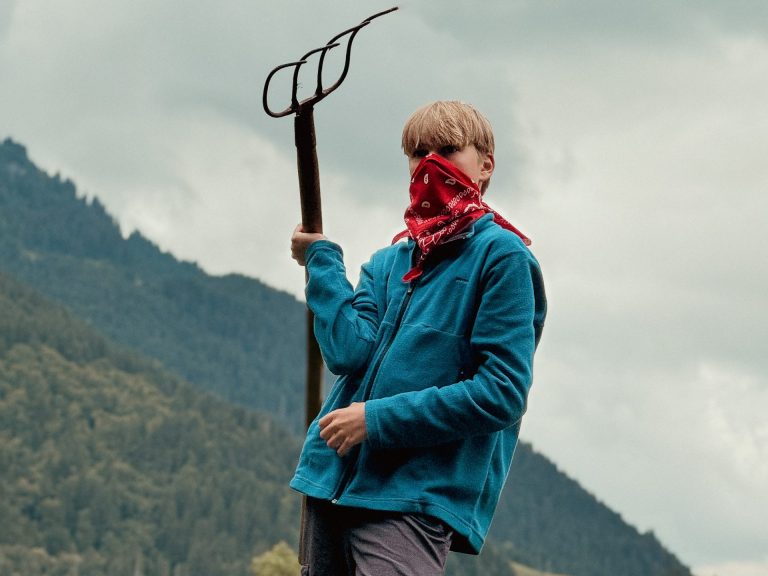
Active Holidays That Kids Actually Love
Active holidays for kids: short activity bursts plus rest boost sleep, mood and focus—Young Explorers Club’s family-friendly plans.
-
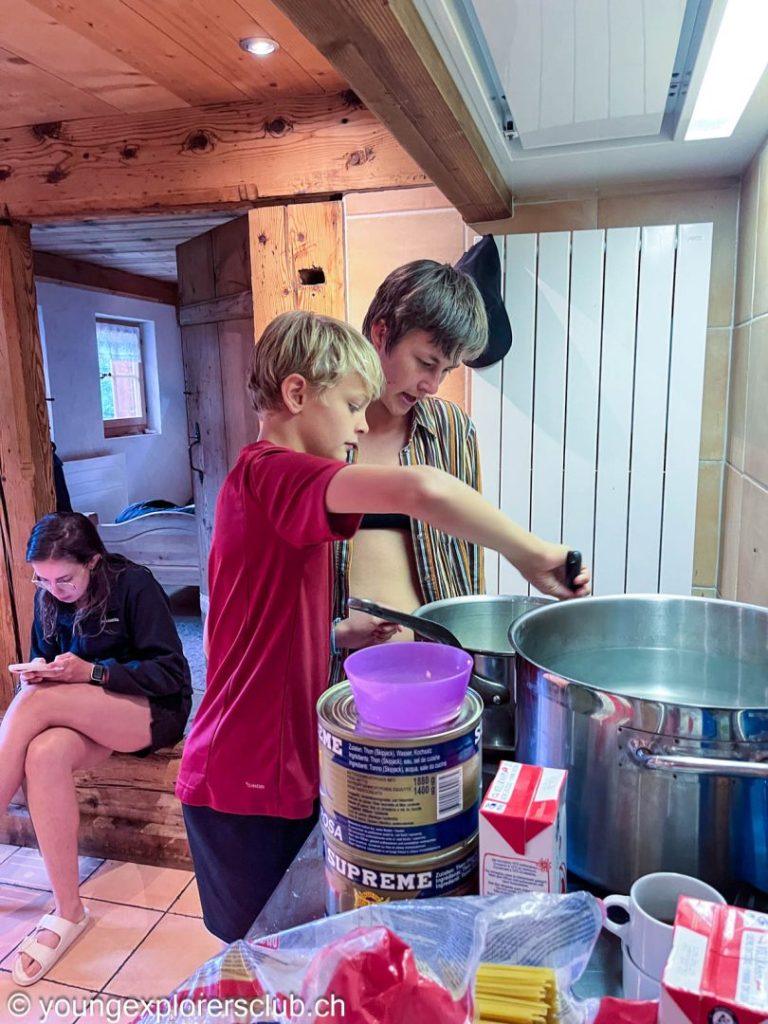
How Camps Support Social Skills Naturally
Camps build social-emotional skills through immersive, multi-day peer settings, trained counselors, rotating roles, and pre/post measures.
-
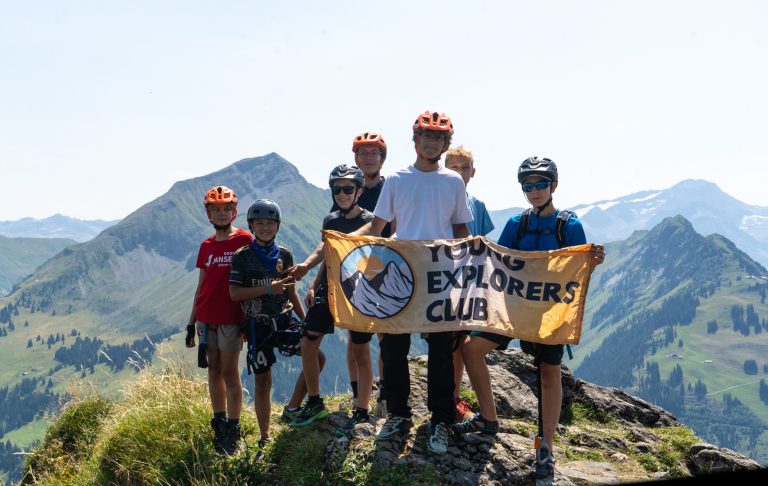
The Role Of Nature In Emotional Development
Young Explorers Club: 120 min/week in nature boosts kids' emotion regulation, reduces stress and restores attention.
-
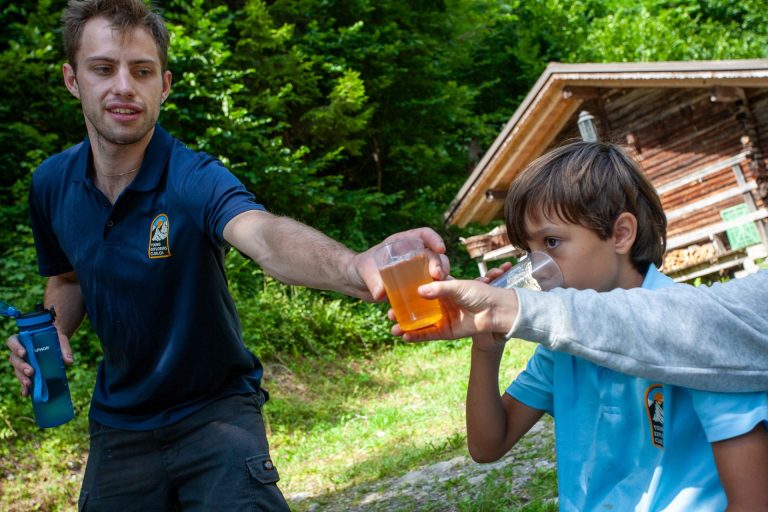
Why Camps Are Ideal For Curious Kids
Inquiry-based camps spark curiosity: hands-on projects, mixed-age mentorship, outdoor screen-free days that build confidence and leadership.
-

What Parents Should Know About Camp Supervision
Require written counselor-to-camper ratios, dated background checks, staff CPR/lifeguard certifications and incident rates per 1,000 camper-days.
-
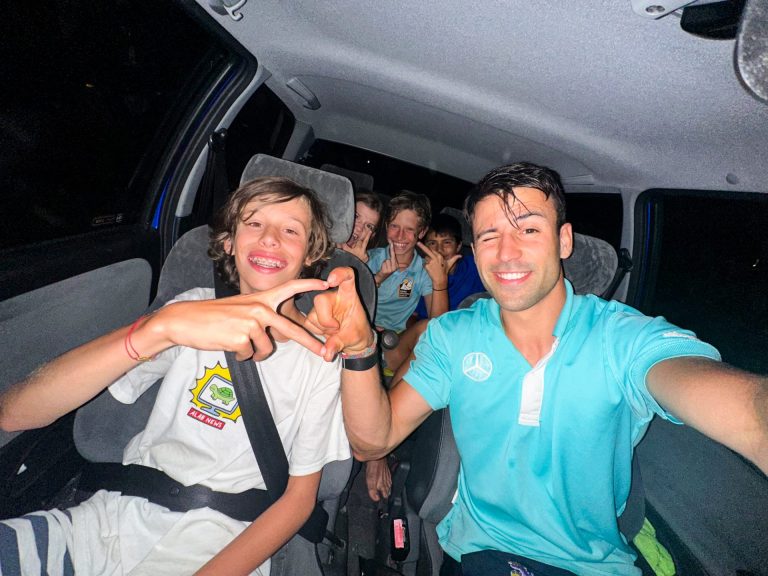
Helping Kids Build Confidence Through Adventure
Adventure builds kids' confidence: outdoor play, ropes, water activities that boost self-efficacy and resilience in 8–12 week programs.
-
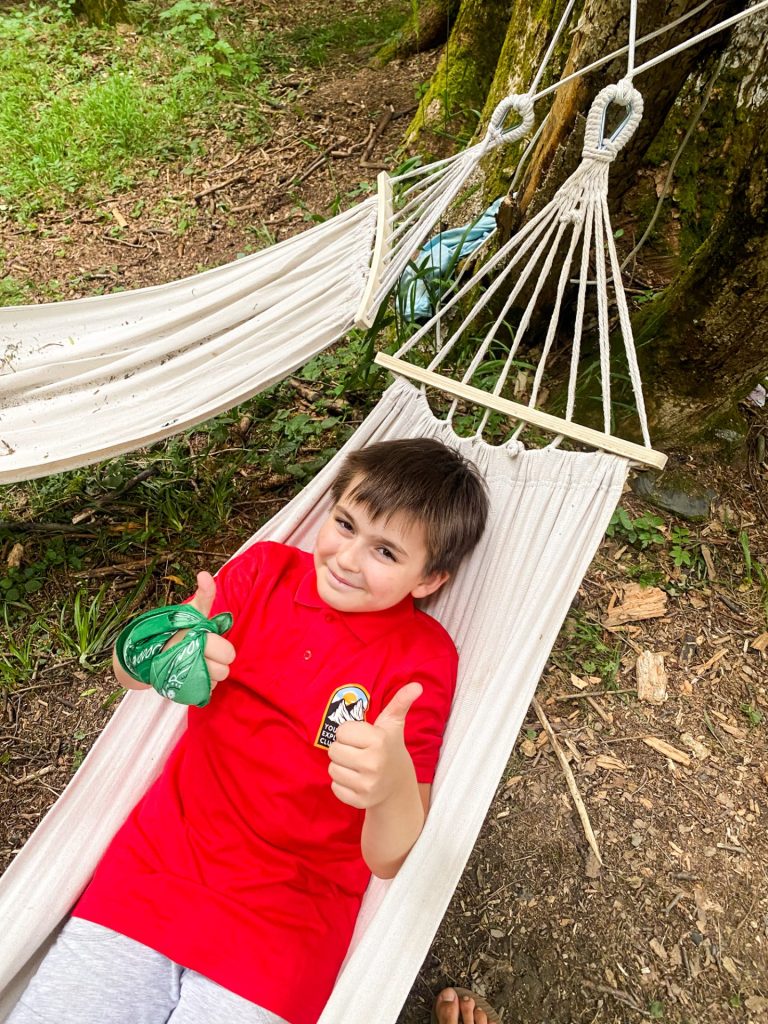
Outdoor Camps That Go Beyond Sports And Fun
Purpose-driven outdoor camps: STEM, nature science, arts, wellness and workforce tracks that boost learning, mood and real-world skills.
-

How Camps Encourage Healthy Independence
Camps build independence, confidence and self-efficacy via structured autonomy, routines, leadership ladders, and short, measurable outcomes.
-
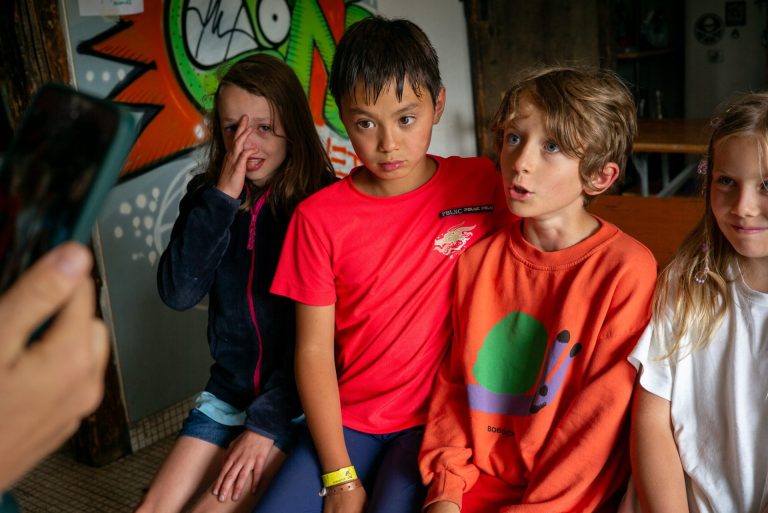
The Hidden Benefits Of Group Living At Camp
Camp routines boost friendships, self-esteem, resilience, activity and sleep. Device-free days and strong staff ratios yield measurable gains.
-

Why Mountain Environments Boost Learning In Children
Mountain settings boost children's attention and working memory—use daily 30–60 min outdoor blocks to improve focus, cognition and wellbeing.
-

Choosing Camps Based On Your Child’s Energy Level
Match your child's energy to camp: compare MVPA to CDC 60-min and AASM sleep ranges; request minute-by-minute schedules and staff ratios.
-

How Nature Challenges Teach Kids Responsibility
Short daily nature micro-tasks (≈120 min/week) teach responsibility: visible cause-effect boosts executive function, planning and follow-through.


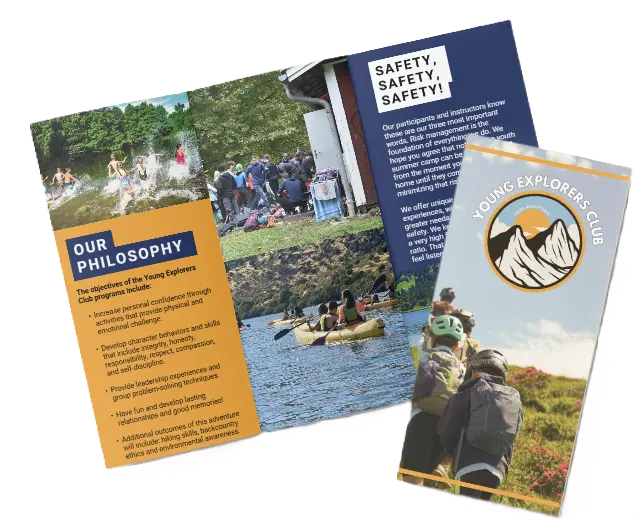
Get this year's guide now
We don't spam!
