10 Things To Know Before Booking A Summer Camp In Switzerland
Book Swiss summer camps: check Schengen visa & 6‑month passport, buy evacuation insurance, reserve international spots 6–12 months early.
Before booking a summer camp in Switzerland
Before booking a summer camp in Switzerland, confirm Schengen visa rules and check passport validity — aim for at least six months beyond your return. Review deposit and cancellation terms before you pay, and buy trip insurance that covers deposits and medical evacuation. Plan session length and timing, reserve spots early, verify costs and safety, and sort travel logistics and packing for altitude and changeable weather.
Pre-booking checklist
- Confirm entry requirements: Check Schengen visa rules and any entry restrictions for your nationality.
- Check passport validity: Ensure passports are valid for at least six months beyond the return date and obtain notarized parental consent if the child travels without both parents.
- Review payment terms: Read deposit, balance and cancellation policies before making any payments.
- Buy trip insurance: Purchase insurance that covers lost deposits, medical expenses and medical evacuation (see Key Takeaways for suggested minimum cover).
- Plan session length and timing: Match program length to goals (tasters vs. meaningful learning or skill gains).
- Reserve early: Book international camps 6–12 months ahead and domestic camps 3–6 months ahead to secure spots.
- Verify safety and documentation: Confirm costs, camper-to-staff ratios, staff first-aid/CPR and specialist certifications, criminal-record checks, and required medical forms.
- Arrange travel logistics: Plan transfers, flights and local transport, and budget for equipment, VAT and extras.
- Pack appropriately: Bring layered clothing, sturdy boots, prescription medicines, suitable PPE, and prepare for altitude and sudden weather shifts.
Key Takeaways
- Entry & documentation: Check Schengen entry rules, confirm passport validity of at least six months, and get notarized parental consent if the child travels without both parents.
- Book early: Reserve international camps 6–12 months ahead and domestic camps 3–6 months. Availability falls sharply after April and peaks in mid‑July.
- Budget realistically: Day camps typically cost about CHF 150–400 per week. Residential stays commonly range from CHF 900–3,500+ per week. Also budget for transfers, equipment, VAT (7.7%) and extras, and check for early‑bird and sibling discounts.
- Verify safety & medical cover: Check camper‑to‑staff ratios, staff first‑aid/CPR and specialist certifications, and criminal‑record checks. Demand clear emergency plans and at least CHF 100,000 for medical and evacuation cover.
- Match goals to program length: Choose one week for tasters and two to three weeks for meaningful language or skill gains. Pack layered clothing, sturdy boots, prescription meds and suitable PPE, and prepare for altitude and sudden weather shifts.
Final tip: Start planning early, confirm all documentation and insurance, and prioritize safety and realistic budgeting to ensure a smooth and enjoyable camp experience.
Booking logistics, visas & paperwork
Overview
I keep this section succinct so families can act fast and with confidence. We, at the Young Explorers Club, handle hundreds of bookings a year and expect these items to be sorted before travel.
Schengen rules and visas
Switzerland is part of the Schengen area; many nationalities can stay up to 90 days in any 180‑day period without a visa (Schengen 90/180 rule). Other nationalities must obtain a Schengen short‑stay visa. Check the relevant consulate guidance for rules about minors and unaccompanied travel. For specific non‑EU family questions, consult our explanation of Swiss entry requirements.
Passports, consent and timing
Keep passports valid for at least six months beyond your planned departure date whenever possible. Many camps and carriers expect that buffer. If a child travels without both parents, carry a notarized parental authorization or consent letter. Authorities can stop travel if paperwork looks incomplete, so get documents early.
Payments and cancellation basics
Expect a deposit of 20–30% to reserve a place. Deposits are often non‑refundable or convertible to camp credit depending on timing. Camps usually require full payment 4–8 weeks before arrival. Cancellation policies differ by provider; some refund deposits if you cancel well in advance, others issue credits only. I strongly recommend buying trip cancellation insurance that explicitly covers deposits and non‑refundable fees.
Communication and device policies
Camps typically send weekly email updates or maintain photo portals for parents. Ask the camp whether Wi‑Fi or phone access is available and what device rules they enforce. Some camps discourage devices; others allow limited use or have confiscation policies for breaches. Confirm expectations before packing.
Documentation you must have ready
Read cancellation terms closely and get insurance that covers medical evacuation if relevant. Bring printed copies of crucial documents and leave digital copies with an emergency contact.
Simple timeline and minimum travel checklist
Follow this sequence to avoid last‑minute surprises. Below are the timeline steps, a sample deposit/refund comparison, and the minimum documents to bring.
Recommended sequence:
- Reserve (deposit 20–30%)
- Pay balance (4–8 weeks before)
- Submit medical forms (2–4 weeks before)
- Final packing & travel instructions (1 week before)
Typical deposit/refund comparison:
- 20% deposit — refundable if cancelled more than 8 weeks prior; partial credit 4–8 weeks.
- 25% deposit — often non‑refundable; credit possible if cancelled more than 12 weeks.
- 30% deposit — usually non‑refundable and rarely refunded.
Minimum travel/document checklist:
- Passport (valid six months beyond travel).
- Visa (if required under Schengen rules).
- Parental authorization / notarized consent for minors traveling without both parents.
- Insurance certificate and policy number (include emergency contact).
- Completed medical form, medication list and allergy plan.
- Flight/train tickets and detailed camp arrival instructions.
I expect families to read each camp’s policy line by line. Clarify refund triggers, medical cancellation clauses and whether the camp accepts insurance claims for deposits. If anything feels vague, ask for written confirmation before you pay.
Dates, seasonality & session lengths
We schedule most programs within the Swiss summer window of June–August, with demand peaking in mid-July. Camp capacity concentrates around those weeks, so session choice and timing directly affect availability.
Session lengths run a predictable range and suit different goals:
- 1 day: day camps for local families and single-day experiences.
- 1 week: short residential stays that act as concentrated tasters.
- 2–3 weeks: standard residential sessions; most camps offer 1–3 week options and these are the sweet spot for skill-building.
- 4+ weeks: extended stays for deeper language immersion or longer adventures.
Booking windows and availability follow a clear pattern. We, at the young explorers club, tell domestic families to reserve 3–6 months ahead. International families should plan 6–12 months in advance because international spots usually fill first. Expect a sharp drop in available international spaces after April. For a quick reminder, consult our booking timeline.
Compare session lengths based on outcomes rather than price alone. A 1-week language immersion delivers concentrated exposure and a cultural taster; kids get a strong initial boost and quick confidence. A 3-week adventure or language course, though, typically yields deeper language gains, more reliable skill progression and stronger group bonds. Choose one week for sampling and schedule constraints. Pick 2–3 weeks if you want measurable progress or lasting friendships.
Availability versus lead time is decisive: book early because international spots often go first and availability drops steeply after April. If you delay into late spring, you’ll narrow camp options, session choices and cabin-group placement.
Suggested booking timeline
Below is a practical timeline we use when planning summer placement. Follow these stages to keep options open and paperwork manageable:
- 12+ months: research and shortlist international camps
- 6–12 months: book international camps (preferred)
- 3–6 months: book domestic camps
- April onwards: expect much less availability for international summer spots
- 1–2 months before: prepare travel paperwork and payments

Cost & typical price ranges (budgeting)
Typical price ranges
Key price bands and common extras are listed below so you can set realistic expectations before you book.
- Day camps: CHF 150–400 per week (day camp).
- Residential camps: CHF 900–3,500 per week; mid-range international camps often CHF 1,200–1,800 per week.
- Extras (per session): airport transfers, equipment rental, special excursions CHF 50–600.
- Discounts: early-bird 5–15%, sibling discounts 5–10%.
- Swiss VAT: VAT 7.7% may apply to camp fees or extras.
- Exchange-rate examples (approx): 1 CHF ≈ 1.10 USD, 1 CHF ≈ 0.95 EUR (check live rates).
Sample budgets and practical tips
I’ll give straight numbers so you can plug them into your budget. These estimates reflect typical inclusions: tuition, meals/accommodation (when noted), transfers and basic equipment. We, at the Young Explorers Club, use similar examples when advising families.
Budget tier
- 1 week: Tuition CHF 900 | Transfers CHF 40 | Equipment CHF 30 | VAT CHF 76 | TOTAL CHF 1,046 ≈ USD 1,151 ≈ EUR 994.
- 2 weeks: Tuition CHF 1,700 | Transfers CHF 70 | Equipment CHF 50 | VAT CHF 137 | TOTAL CHF 1,957 ≈ USD 2,153 ≈ EUR 1,859.
Mid-range tier
- 1 week: Tuition CHF 1,500 | Transfers CHF 60 | Equipment CHF 60 | VAT CHF 120 | TOTAL CHF 1,740 ≈ USD 1,914 ≈ EUR 1,653.
- 2 weeks: Tuition CHF 2,800 | Transfers CHF 100 | Equipment CHF 80 | VAT CHF 237 | TOTAL CHF 3,217 ≈ USD 3,539 ≈ EUR 3,056.
Premium tier
- 1 week: Tuition CHF 3,000 | Transfers CHF 120 | Equipment CHF 100 | VAT CHF 248 | TOTAL CHF 3,468 ≈ USD 3,815 ≈ EUR 3,295.
- 2 weeks: Tuition CHF 5,800 | Transfers CHF 180 | Equipment CHF 150 | VAT CHF 468 | TOTAL CHF 6,598 ≈ USD 7,258 ≈ EUR 6,268.
Quick budgeting formula
Use this immediately: camp fee + transfers + insurance + VAT (7.7%). Confirm whether meals, accommodation and local activities are included before you convert currencies. I recommend checking live exchange rates close to payment dates and confirming VAT application with each camp.
Practical advice
Practical advice I rely on: ask camps what’s covered in tuition, request a breakdown of “extras” costs, and compare early-bird and sibling discounts. For a detailed cost overview, consult our price guide to refine your figures.

Safety, staff qualifications, medical requirements & insurance
We at the Young Explorers Club set clear safety and medical standards for every session. Our minimums cover camper-to-staff ratios, staff certifications, insurance, and emergency response. We recommend parents review our notes on camp supervision before finalising a booking.
Key ratios, qualifications and medical checklist
-
Camper-to-staff ratios we follow:
-
Ages 6–8: 6–8 campers per staff.
-
Ages 9–12: 8–10 campers per staff.
-
Teens 13–17: 10–15 campers per staff.
-
-
Certifications and background checks we require:
-
First-aid/CPR: At least one staff member per group with certified first-aid/CPR training.
-
Specialist instructors: Certified instructors for higher-risk activities (for example, IFMGA-qualified mountain guides for alpine climbs).
-
Vetting: Police criminal-record checks or equivalent DBS-style vetting for all staff.
-
-
Insurance and medical coverage we recommend:
-
International visitors: Should have travel/medical insurance valid in Switzerland.
-
Minimum coverage: Aim for a minimum of CHF 100,000 in medical coverage and include medical evacuation/repatriation.
-
EU/UK nationals: May be covered for state-provided care via EHIC/GHIC; non‑EU visitors must carry private insurance.
-
-
Vaccinations and medication we insist on:
-
Routine vaccines: Routine childhood vaccines up to date; camps commonly require proof of tetanus and routine immunisations.
-
Medical form: A completed medical form that lists allergies, food restrictions and a clear medication plan.
-
Parental permission: Written parental permission for staff to administer medication.
-
-
Altitude and medical risks to note:
-
Altitude illness: Mild altitude illness can occur above roughly 2,500 m.
-
Acclimatisation: If the programme includes high-altitude days, build acclimatisation time into the schedule and confirm medical contingency plans.
-
-
Vetting checklist parents should request:
-
Staff CVs and certifications: Staff CVs and copies of instructor certifications.
-
Lifeguards and specialists: Number and placement of certified lifeguards and specialty instructors.
-
Emergency plan: A clear emergency response plan, nearest hospital details and evacuation protocol.
-
Ratios: Camper-to-staff ratios for general care and for high-risk activities.
-
-
Sample medical checklist to give the camp:
-
Insurance: Insurance company and policy number.
-
Physician contact: Primary physician contact.
-
Medications: Full medication list with dosages and administration times.
-
Allergy plan: Allergy action plan with EpiPen instructions and explicit consent.
-
Immunisation record: Immunisation record, including tetanus and routine vaccines.
-
Parental authorisation template:
“I authorize camp staff to seek medical treatment for my child, including administration of medication and emergency care, and to arrange evacuation if necessary.”
-
I recommend confirming these items in writing before you pay a deposit. If a camp hesitates to share certifications or an emergency plan, reconsider.

Location, travel times, climate & what to pack
We, at the Young Explorers Club, place camps in spots that balance scenery, activity options and realistic travel times. Interlaken (Bernese Oberland), Zermatt/Valais (Matterhorn area), Montreux/Lake Geneva, Davos/St. Moritz (Graubünden) and the Zurich region each offer different terrain and program focus.
Travel times are short by Swiss standards. Typical rail journeys are:
- Zurich → Interlaken ≈ 2 hours.
- Geneva → Zermatt ≈ 3 hours (train plus connections).
- Geneva → Verbier ≈ 2–2.5 hours.
You’ll find SBB’s dense network ideal for camp transfers and day trips; we always check the SBB timetable and Swiss Travel Pass options before finalising logistics.
Altitude matters for comfort and activity choice. Lowland camps sit around 400–800 m; mountain camps commonly range 1,000–2,200+ m. July daytime temperatures in lowland sites usually hit 18–25°C. Mountain camps often see 5–15°C during the day and several degrees colder at night. Expect rapid weather swings and sudden storms at higher elevations; we plan activities with that in mind.
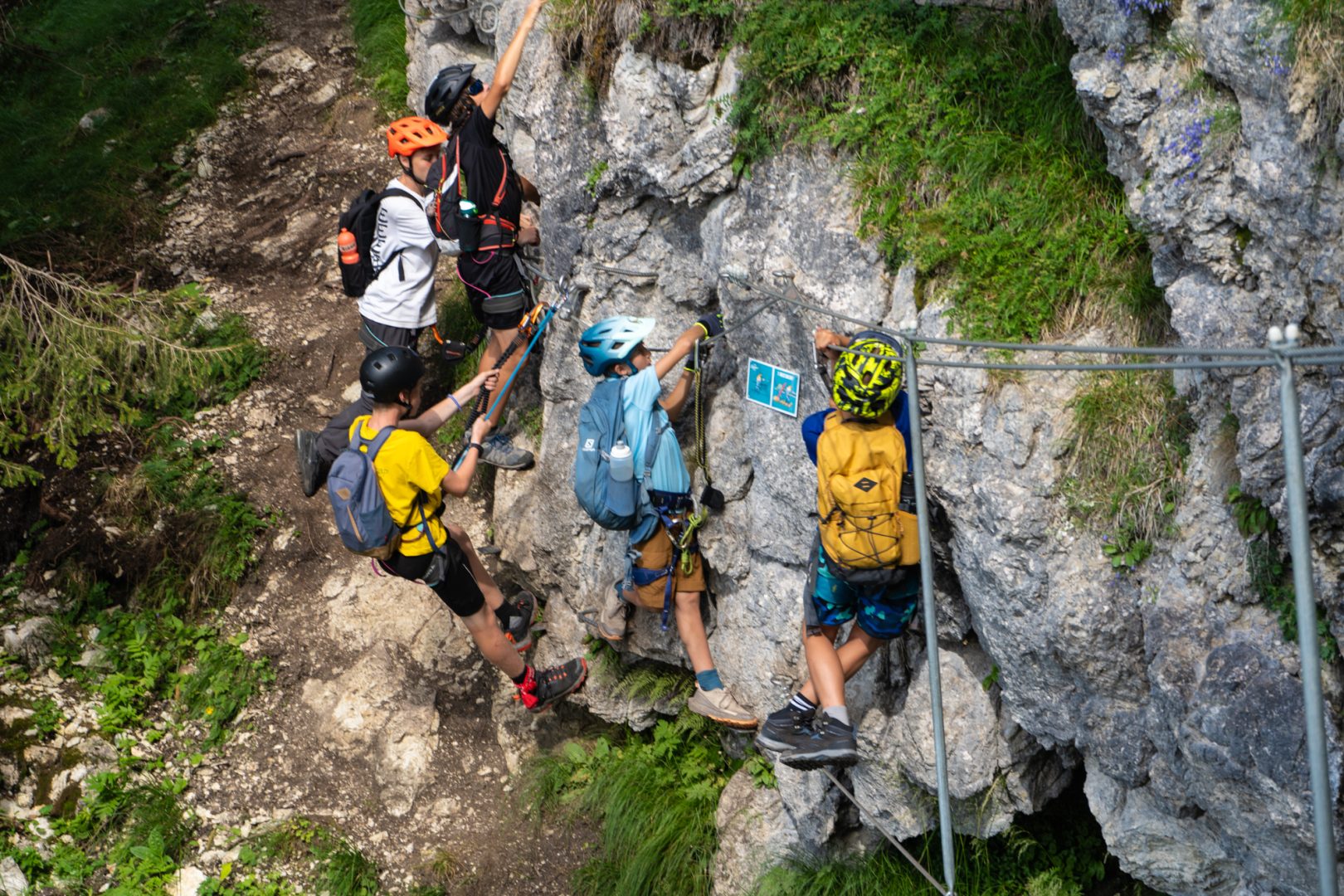
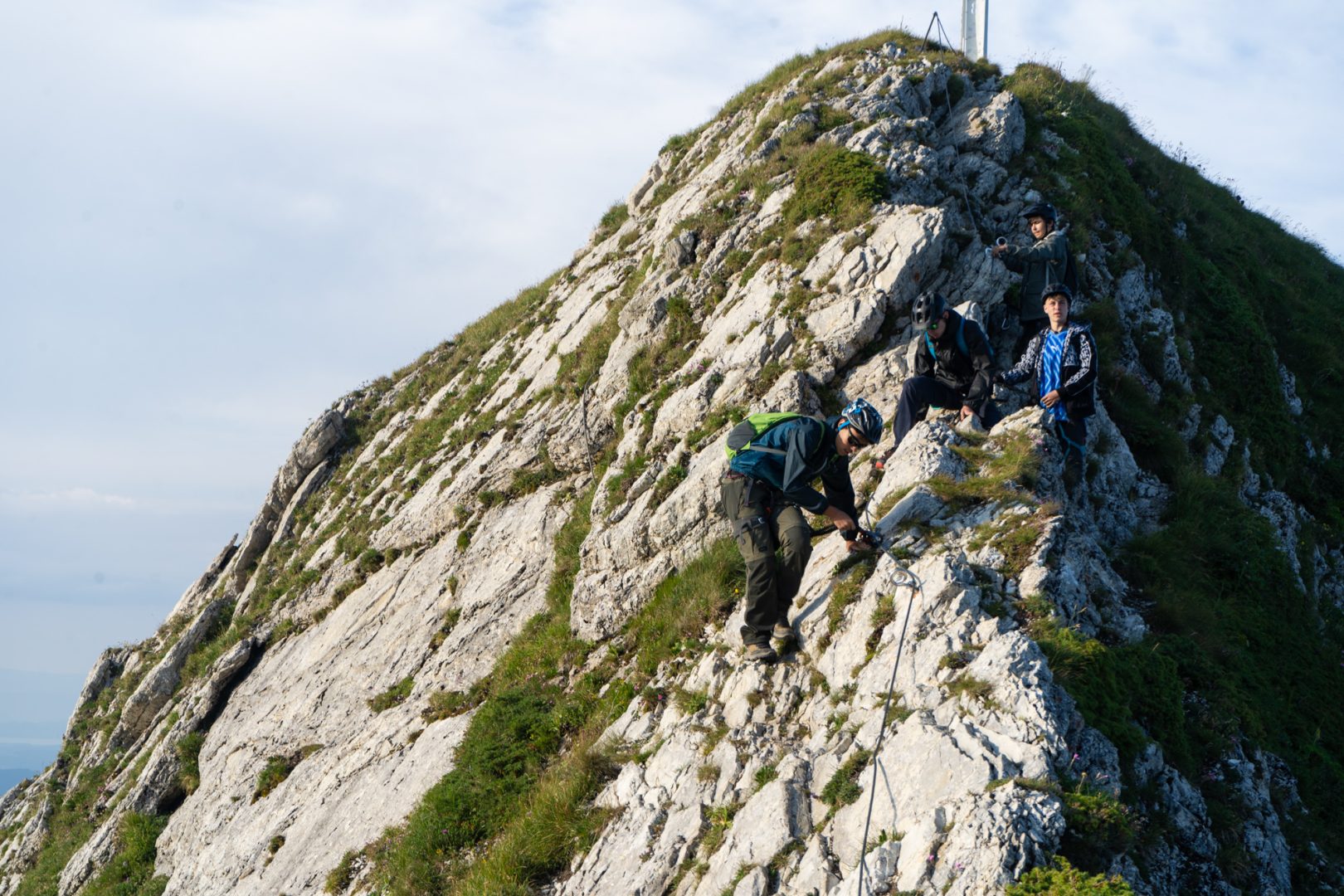
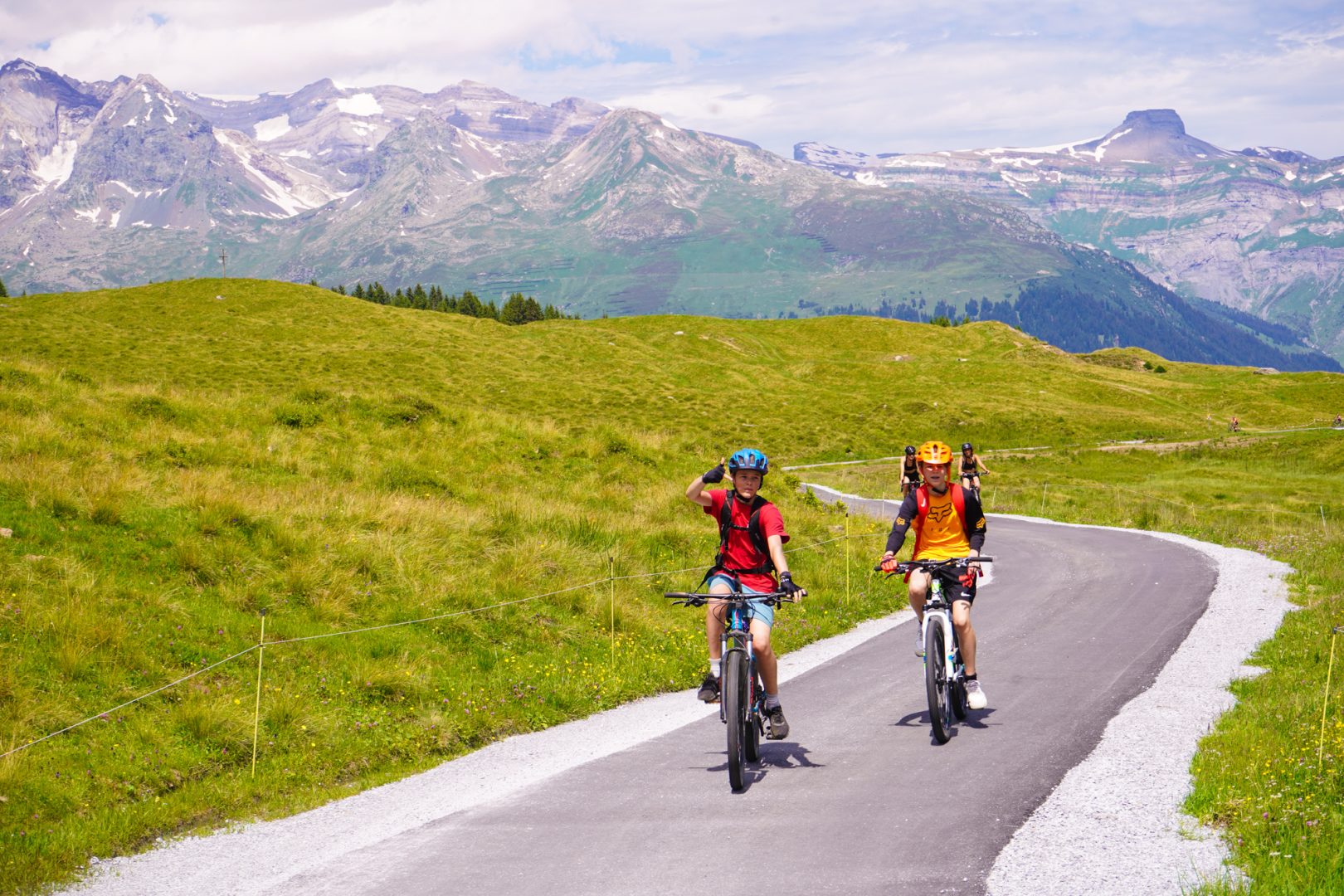
Each region favours specific activities and skill levels. Lakes around Montreux focus on watersports and sailing. The Bernese Oberland (Interlaken) centres on hiking, via ferrata and adventure sports. Valais and Zermatt are better for alpine climbing and occasional glacier access. Graubünden (Davos/St. Moritz) suits mountain biking and high-altitude treks. We match campers to regions based on their interests and fitness.
Lowland vs alpine camps — practical trade-offs
- Lowland camps: warmer conditions, easier access for families and a lower chance of altitude effects.
- Alpine camps: dramatic routes and advanced activities, but campers may face cold nights and altitude-related fatigue above 2,500 m.
Below is a concise packing checklist and a quick note on what camps commonly supply. For fuller guidance see our what to pack page.
Packing checklist (bring these, with suggested quantities)
- Clothing: layered system — lightweight base layers, 1–2 warm mid-layers, a waterproof jacket, 2–3 pairs of trousers/shorts, plus seven days’ underwear and socks.
- Footwear: sturdy hiking boots (broken in) and a pair of trainers for camp use.
- Sun & insect protection: SPF 30+ sunscreen, a wide-brim or baseball hat, insect repellent, and tick-check supplies.
- Other kit: swimwear, refillable water bottle, headlamp with spare batteries, small daypack (20–30 L), personal toiletries and any prescribed medicines with clear dosing notes.
- Quantities notes: plan for at least seven days of underwear and socks; rotate outer layers for wet weather.
- What camps usually provide: helmets, harnesses, boats and group outdoor safety gear.
- What families should provide: hiking boots, personal clothing, meds, toothbrush, and a suitable daypack.
When we place families on transfers we recommend budgeting for private options if arrival times are late. Typical private transfer costs run CHF 20–120 depending on distance; add extra for luggage handling or special drop-offs. Also review camp-specific rules on supervision and medical support before you book; for guidance on evaluating standards see our camp safety advice.
Program types, languages, age ranges & activities
We, at the Young Explorers Club, place language and program fit at the top of the planning list. Switzerland’s language picture is roughly German 62%, French 23%, Italian 8% and Romansh 0.5%, and camps reflect that split: you’ll find native-language camps (German, French, Italian), bilingual options, and English-immersion international programmes. We match families to formats based on goals — fluency, cultural exposure or an international experience.
We classify camp types into clear categories so you pick by outcome:
- Language immersion: focused classes plus daily practice; best for measurable fluency gains.
- Adventure / outdoor: hiking, climbing, via ferrata, mountain biking and ropes courses; builds physical skills and confidence.
- Multi-sport: varied athletics and team play.
- Academic / STEAM: project-based learning, labs and workshops.
- Arts & performing: theatre, music and visual arts.
- Leadership & pre-university: camps that prepare older teens for university-style work and responsibilities.
We set age guidance and travel minima to keep expectations realistic. Day camps usually serve ages 3–12. Residential camps typically run 7–17, with many international residential programmes focusing on 8–17. Many camps require children to be 8–12 or older for unaccompanied minor flights and independent residential participation. Grouping normally uses 2–3 year bands (for example 8–10, 11–13, 14–17) to keep activities age-appropriate.
We recommend asking about region–language–program fits:
- Valais / Lake Geneva: French-speaking — language immersion plus lake sports.
- Bernese Oberland (Interlaken): German-speaking — adventure and multi-sport.
- Zermatt / Alpine areas: German/French mix — alpine climbing, glacier and ski programmes.
We insist you verify instructor qualifications and activity safety. Ask whether high-risk activities are led by internationally recognised instructors (IFMGA for mountain guides, certified lifeguards, etc.) and request instructor-to-camper ratios for those activities. For a quick checklist on safety verification, consult our page on camp safety standards.
What to check and age-based activity examples
Below are quick checks and typical activity progressions to use when comparing programmes:
-
Eligibility checklist:
- Age within stated program range
- Completed vaccination and health forms
- Swimming ability for watersports
- Language baseline for immersion courses
- Any activity prerequisites (e.g., prior climbing experience for advanced routes)
-
Typical activities by age:
- 8–10: supervised day hikes, basic climbing, introductory watersports
- 11–13: multi-day hikes, mountain biking, intermediate water skills
- 14–17: overnight treks, leadership modules, advanced technical climbing
-
Typical equipment split:
- Provided: helmets, harnesses, boats, group bikes
- Family supplies: personal hiking boots, appropriate clothing, swimwear
We advise matching session length to goals: immersion usually needs 2–3+ weeks for real progress, while adventure and arts/academic options work well in 1–3 week blocks. We always request instructor certifications, activity-specific ratios and confirmation that safety briefings and PPE are supplied before finalising a booking.

Sources
Swiss Federal Statistical Office — Population by language / Sprachregionen der Schweiz
MeteoSwiss — Climate of Switzerland (summer averages)
Swiss Federal Office of Public Health (FOPH) — Vaccination recommendations and information
State Secretariat for Migration (SEM) — Entry to Switzerland / Schengen visa information
Swiss Federal Tax Administration — Value added tax (VAT) rates in Switzerland
Swiss Federal Railways (SBB) — Timetables and connections
Expatica — Summer camps in Switzerland: what to know
World Health Organization (WHO) — High altitude and related health risks
Numbeo — Cost of Living in Switzerland (indicative pricing context)