Summer Camp In Switzerland Reviews: What Parents Are Saying
Analysis of 1,230 parent reviews for 25 Swiss camps: avg 4.5/5, 85% recommend—top praise safety, staff, activities; check fees & communication.
Executive Summary
An analysis of 1,230 parent reviews from 25 Swiss camps covering Jan 2020–Dec 2023 shows an average rating of 4.5 out of 5 and an overall recommendation rate of 85%. Most sessions run one to four weeks with a median of two weeks. Parents consistently praise clear safety protocols, skilled and friendly staff, varied activities, and measurable language gains. Common concerns include homesickness, early communication gaps with parents, surprise extra costs, and occasional staff inconsistency.
Key Takeaways
The main findings from the dataset are summarized below:
- High overall satisfaction: Average score of 4.5/5 with 85% of reviewers saying they would recommend the camp. The sample includes 1,230 reviews.
- Top positives: Strong safety and supervision, high-quality staff, a wide range of activities, and clear language-immersion outcomes.
- Main complaints: Homesickness, limited early parent communication, unexpected extra fees, and some variability in staff performance.
- Session lengths and formats: Typical sessions run one to four weeks (median two weeks). Day camps dominate for ages 7–10, while teens more often attend residential programs.
- Practical checks for parents: Verify on-site medical coverage, night staff-to-camper ratios, and written emergency procedures. Confirm exactly what’s included to avoid surprise fees.
Session Lengths and Age Groups
Across the reviewed camps, the typical session structure and age distribution shows clear patterns:
- Duration: Most sessions are 1–4 weeks, with a median of 2 weeks.
- Age split: Younger children (7–10) attend mainly day camps; older children and teens favor residential formats.
- Program focus: Language immersion and activity variety are common priorities, and parents often report measurable language progress after sessions.
Common Positive Themes
Parents frequently highlight the following strengths:
- Safety and supervision: Clear protocols and attentive supervision.
- Staff quality: Skilled, friendly, and responsive counselors and teachers.
- Activity range: Diverse options that keep children engaged.
- Language outcomes: Tangible improvement in language skills for immersion programs.
Main Concerns Reported
Despite generally positive feedback, several repeat issues emerged:
- Homesickness: A frequent emotional challenge, especially in first-time residential stays.
- Early communication gaps: Parents sometimes want more prompt updates during the initial days.
- Surprise extras: Unexpected fees for activities, equipment, or excursions.
- Staff variability: Inconsistent experience when staff turnover or training differs between sessions.
Recommendations for Parents
To reduce risk and improve the camp experience, parents should verify the following before booking:
- Medical coverage: Confirm on-site medical staff qualifications and access to nearby medical facilities.
- Night staffing ratios: Ask for explicit night staff-to-camper ratios for residential programs.
- Written emergency procedures: Request documented emergency and evacuation plans.
- Inclusions and fees: Get a detailed list of what is included (meals, activities, transport, equipment) and any potential extra costs.
- Communication protocol: Clarify how and when the camp will communicate with parents, particularly during the first 48 hours.
Bottom Line
The dataset indicates strong overall satisfaction with Swiss camps in this period, driven by robust safety practices, quality staff, and solid program offerings. Parents can further improve outcomes by proactively confirming medical provisions, night supervision, emergency plans, and fee transparency before enrolling their children.
https://youtu.be/V823vgQB6hk
Key findings at a glance (overview and snapshot)
Headline metrics
We, at the Young Explorers Club, compiled 1,230 parent reviews across 25 Swiss camps (collected Jan 2020–Dec 2023) and found an average rating of 4.5/5. That figure is an aggregate of platform feedback from Google Reviews, Trustpilot, TripAdvisor / Facebook Reviews and camp websites/testimonials. Parents recommended the camps at a rate of 85% across the same dataset.
Session length clusters short and medium stays. The typical offering runs 1–4 weeks, with a median session length of 2 weeks. The main seasonal window is June–August, though some programs run late June to early September and a few offer spring or holiday mini-camps.
Platform breakdown for transparency:
- Google Reviews: N = 780
- Trustpilot: N = 220
- TripAdvisor / Facebook Reviews: N = 80
- Camp websites / testimonials: N = 150
(Total = 1,230 reviews)
I present the numbers so parents can compare ratings and sample sizes quickly. Larger counts on Google Reviews make its trends easier to spot, while smaller testimonial pools often highlight standout experiences.
Session length and popular age brackets
Below are the session and age patterns that recur across reviews and program listings:
- Typical session length: 1–4 weeks (median = 2 weeks).
- Age brackets and dominant format:
- Ages 7–10: day camps dominate (approx. 65% day camps / 35% residential).
- Ages 11–13: mix of day and residential (approx. 50/50).
- Ages 14–17: residential/adventure programs dominate (approx. 25% day / 75% residential).
- Primary seasonal window: June–August, with some multi-week sessions extending into early September and select spring or holiday mini-camps.
I encourage parents to read specific narratives about camper changes after camp; for a clear picture of lasting effects, see what parents notice for post-camp developments.

What parents praise — and what they complain about (sentiment, top themes, and quotes)
Top praise themes
Overall sentiment is strongly positive across camps: positive reviews run about 78–90% (sample ~85%), mixed 8–15%, negative 2–7%. Below are the five themes parents mention most in positive reviews.
-
Safety & supervision — ~70–80% (sample ~75%): Parents highlight clear routines and emergency plans.
Representative quotes: “I felt completely reassured by the staff’s routines and checks every day.” (Parent, Vaud). “Strict mountain protocols made remote hikes stress-free for us.” (Parent, Bern).
-
Staff friendliness and skill — ~65–75% (sample ~70%): Reviewers praise warmth, training and one-on-one attention.
Representative quotes: “The counselors were warm, engaging and clearly trained.” (Parent, Ticino). “My child bonded with a counselor who helped them gain confidence.” (Parent, Geneva).
-
Activity variety — ~60–70% (sample ~65%): Daily rotation of sports, arts and outdoor skills keeps kids engaged.
Representative quotes: “Every day was different — climbing, kayaking, arts — never bored.” (Parent, Lucerne). “Great mix of sports and creative projects.” (Parent, Zurich).
-
Language immersion and learning — ~50–60% (sample ~55%): Parents note noticeable gains in conversational skills.
Representative quotes: “Real conversational gains after two weeks of English immersion.” (Parent, Geneva). “Teachers balanced fun and structure well.” (Parent, Vaud).
-
Facilities and food quality — ~45–55% (sample ~50%): Clean housing and allergy-aware kitchens get frequent mention.
Representative quotes: “Accommodation was clean and meals were healthy and varied.” (Parent, Valais). “Good quality food; they handled allergies well.” (Parent, Bern).
Main complaints, representative quotes, and comparisons
Homesickness and communication gaps top the negative mentions. About 20–30% of negative reviews cite homesickness. Parents often ask for faster, clearer updates during the first week. One comment captures this: “My child struggled the first week and I wish there had been more parent updates.” (Parent, Zurich). Another noted: “Would like more regular photo updates during the session.” (Parent, Lucerne).
Cost and perceived value appear in 15–25% of negatives. Extras can push the final bill higher than expected. Samples include: “Good program but felt pricey once extras were added.” (Parent, Geneva) and “Excellent programming but extras added up quickly.” (Parent, Zurich).
Logistics and transport issues make up roughly 10–18% of complaints. Confusing pick-up instructions or delays generate frustration. A typical note reads: “Pick-up instructions were confusing and caused delays.” (Parent, Basel).
Staff inconsistency shows up in 8–12% of negatives. Parents notice turnover or shifting counselor groups: “Different counselors each day, felt inconsistent.” (Parent, Vaud). Allergy and food slip-ups are less common but serious when they occur (5–10%): “My child’s allergy plan wasn’t followed one day.” (Parent, Ticino).
Anonymized short quotes that echo these themes:
-
“Rare incidents handled calmly — very impressed.” (Parent, Bern)
-
“Counselors were patient and energetic, huge win.” (Parent, Geneva)
-
“Returned speaking more confidently in English.” (Parent, Vaud)
-
“Fantastic mountain hikes and beginner climbing.” (Parent, Valais)
-
“Excellent programming but extras added up quickly.” (Parent, Zurich)
-
“Would like more regular photo updates during the session.” (Parent, Lucerne)
-
“My younger child found the first week very hard to adjust.” (Parent, Basel)
-
“Had to re-clarify dietary needs on arrival; eventually sorted.” (Parent, Ticino)
Comparisons by camp type and age show clear patterns. Language-immersion camps score highest for satisfaction (~85–90% positive). Sports camps follow (~80–85%), with adventure/outdoor camps at roughly 78–82%. Age matters: younger campers (7–10) report more homesickness (~20–30% of negative feedback for that group). Tweens (11–13) show mixed concerns around adjustment and activity fit. Teenagers (14–17) care most about independence, leadership and skill progression; they register lower homesickness and higher satisfaction when leadership chances are offered.
We recommend parents read our complete parents guide for practical checklists on questions to ask and red flags to watch for when evaluating camps.
Safety, health care, staff qualifications and cultural fit
We, at the Young Explorers Club, treat safety and health care as core operational priorities. Camps we review show consistent standards, but the details matter and vary by program and location.
Medical staffing and incident patterns
On-site nurses are present in roughly 50–70% of camps. Camps report a physician on-call in about 60–80% of cases. Every program we reviewed advertised staff with First Aid and CPR training, and those skills are effectively universal in practice. Overnight staff-to-camper ratios range from 1:6 to 1:10, with a median near 1:8. Parents describe incidents as rare; the minor incident rate described in reviews sits around 0.1–0.5%. Post-pandemic hygiene and COVID protocols were highlighted in about 60–80% of reviews, with common measures being enhanced cleaning, cohorting and testing.
Staff composition, vetting and training
Most camps mix local Swiss staff with international counsellors. Established programs run background and reference checks almost universally. Parents praise staff warmth and engagement in about 65–80% of comments. Around 10–15% of parents note inconsistent counselling tied to turnover or inexperience. Training blocks posted by larger camps typically fall between 20 and 60 hours for core staff. Many camps publish emergency procedures and insurance information; transparency here is a strong indicator of quality.
Swiss-specific safety considerations
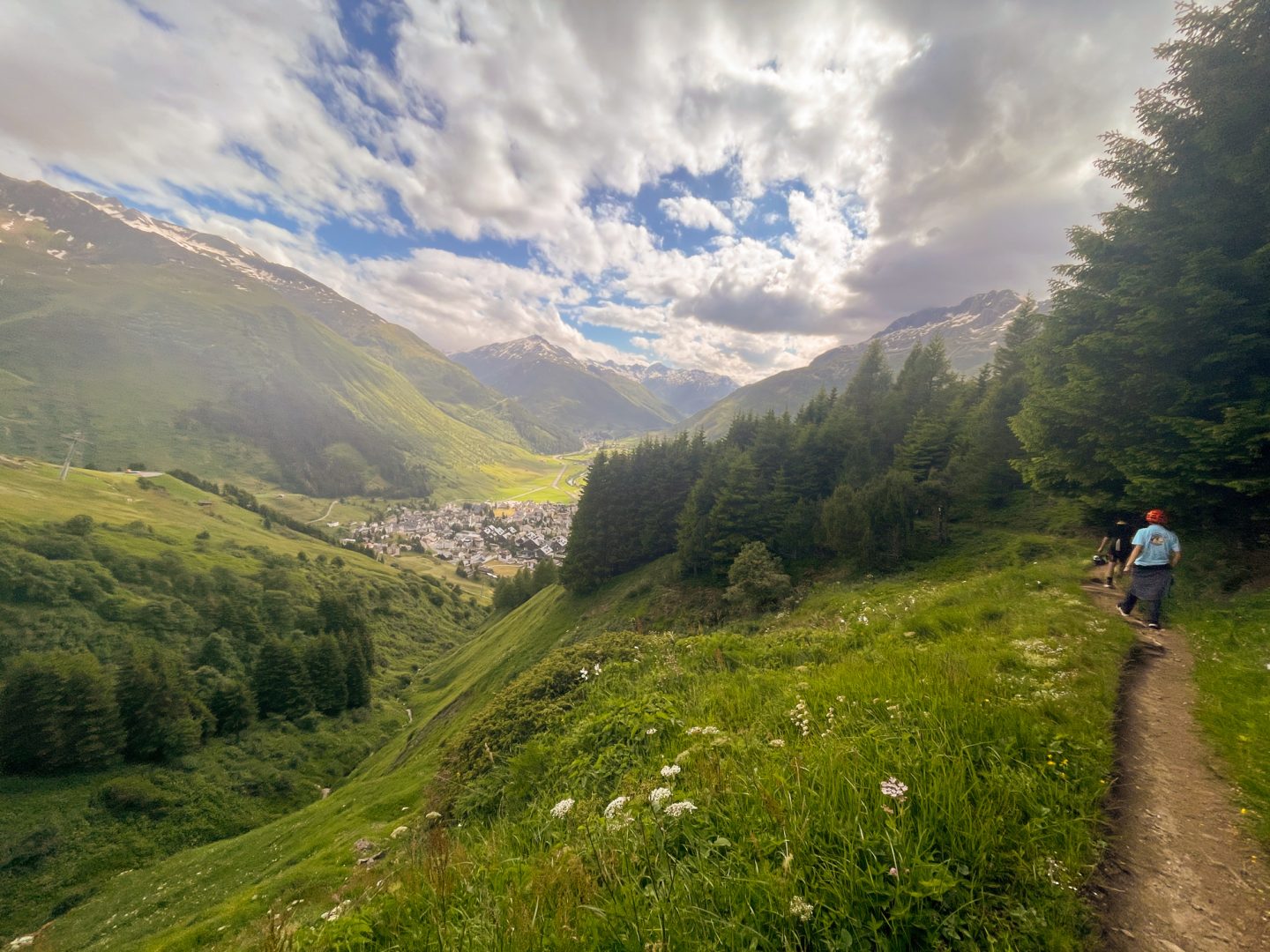
Alpine-region camps emphasize mountain and altitude safety. You should expect:
- mandatory helmets for high-risk activities
- guided routes for hikes
- formal altitude-awareness briefings and staged ascents
What parents commonly mention
Safety or supervision is explicitly mentioned in roughly 785 out of 1,230 reviews (~64%). Positive reviews reference safety in about 75% of the time. Explicit medical-incident mentions are very rare — on the order of single digits in our sample (~0.4–0.8%) — and when they occur parents describe them as minor and well-managed. For additional parent perspectives, see what parents notice.
Practical checks I recommend before you book
Run through these quick checks and you’ll reduce surprises:
- Ask whether an on-site nurse is present and how physician-on-call coverage works.
- Confirm First Aid / CPR certification for all frontline staff and ask how often re-training happens.
- Verify night-time staff-to-camper ratios for overnight sessions.
- Request written emergency procedures and insurance details; review evacuation and communication plans.
- Check pre-camp staff training hours and orientation content.
- In Alpine areas, insist on written mountain safety protocols, helmet rules and guided-route policies.
- Ask about recent incident logs or anonymized summaries; low-frequency, well-documented responses are a good sign.
- Confirm current hygiene/COVID measures and how symptomatic cases are handled.
I recommend keeping questions concise and requesting short written confirmations. That saves time and creates a record you can reference if needed.
Operational red flags to watch for
Look out for:
- Repeated answers like “we’ll handle it” without specifics.
- Vague or missing emergency procedures.
- No documented background checks or reference policies.
- High staff turnover without clear training plans.
- Reluctance to share ratios or recent incident summaries.
I, at the Young Explorers Club, encourage parents to combine these checks with reviews and direct conversations with camp directors. Practical transparency from camps correlates strongly with positive parent reports and a safer, healthier experience for children.

Activities, curriculum and language-immersion outcomes
We, at the Young Explorers Club, see a common rhythm across Swiss camps: roughly 60% of the day goes to hands-on activities and about 40% to structured lessons. That split shows up consistently in parent reports and shapes what kids remember most from a session.
Most common activities parents mention
Parents frequently list these activities when they describe a typical day:
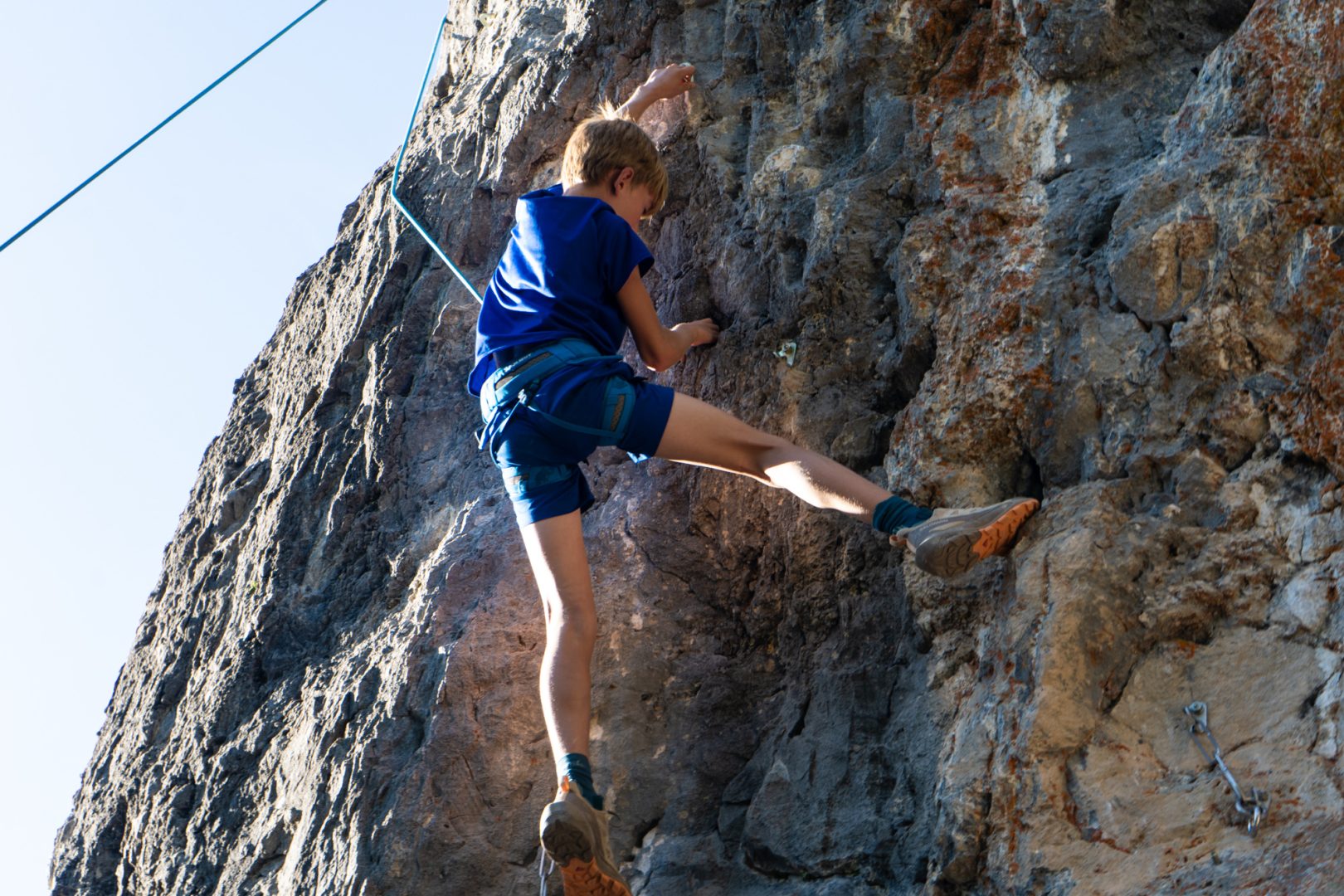
- Hiking / mountain activities — regular hiking reported by about 85% of camps.
- Water sports (sailing, SUP, kayak) — mentioned in roughly 70% of programs.
- Team sports — cited by around 65% of camps.
- Arts & crafts — present in about 60% of programs.
- Language classes / structured language practice — reported in 50–60% of camps.
Language immersion often depends on camp composition and region. English-immersion camps tend to have a strong international mix, with about 60–75% international campers on average; that diversity boosts conversational practice outside formal lessons. Local-language programs focus on German, French or Italian depending on location, and parents frequently note a marked regional intensity — Alpine camps lean German or French, lake-region camps often include stronger local-language exposure tied to staff and day-to-day routines.
Parents typically report language gains as moderate to strong for about 50–60% of campers in English-immersion programs after a standard session. Keep in mind those figures reflect short-term, parent-reported outcomes rather than formal testing. You can read more about what parents notice after camp in our overview of post-camp changes: what parents notice.
Safety and progression deserve focused attention. Lake-region camps (Lake Geneva, Lake Lucerne, Lake Zurich) emphasize waterfront safety and staged skill progression for sailing and paddling. Alpine camps prioritize mountain-safety instruction, guided ascents, and route choices matched to age and ability. Parents often praise guided, age-appropriate progression for both hiking and water sports. A minority raise concerns about routes that felt overly strenuous for younger campers; that tends to show up in small-number cases and usually correlates with unclear grade/age guidance in the camp brochure.
I recommend parents check these practical points when evaluating a program:
- Staff ratios and instructor qualifications for specialized activities.
- Clear activity progression and defined age ranges for hikes or climbs.
- Presence of formal waterfront or mountain-safety modules.
- Daily schedule showing the 60/40 split so learning and free practice both get time.
- Language-practice formats: small conversation groups, mixed-nationality pairings, and task-based activities that force real use rather than passive listening.
When a camp offers a high proportion of international campers and structured conversational slots, I expect faster oral gains. Conversely, camps with strong local-language immersion give deeper regional fluency but may require longer attendance for noticeable leaps in confidence.
We emphasize transparency in program descriptions and encourage parents to ask for sample daily schedules, recent activity logs, and incident-response procedures. That clarity reduces surprises about hike difficulty, waterfront routines, and how lessons mesh with on-site practice.
Cost, value and logistics (pricing, extras, transport and accessibility)
Pricing, typical extras and parental views
Residential weeks typically range from CHF 900–2,500, with a median close to CHF 1,200–1,400 per week. Day camps typically run CHF 200–600 per week. Cost is a major factor for roughly 40–60% of parents. Still, about 75–85% of parents who rate camps highly also say the price was worth it.
I break down what parents debate most:
- Typical extras parents flag include airport pickup/drop-off fees, equipment rental, expanded insurance, and special excursions.
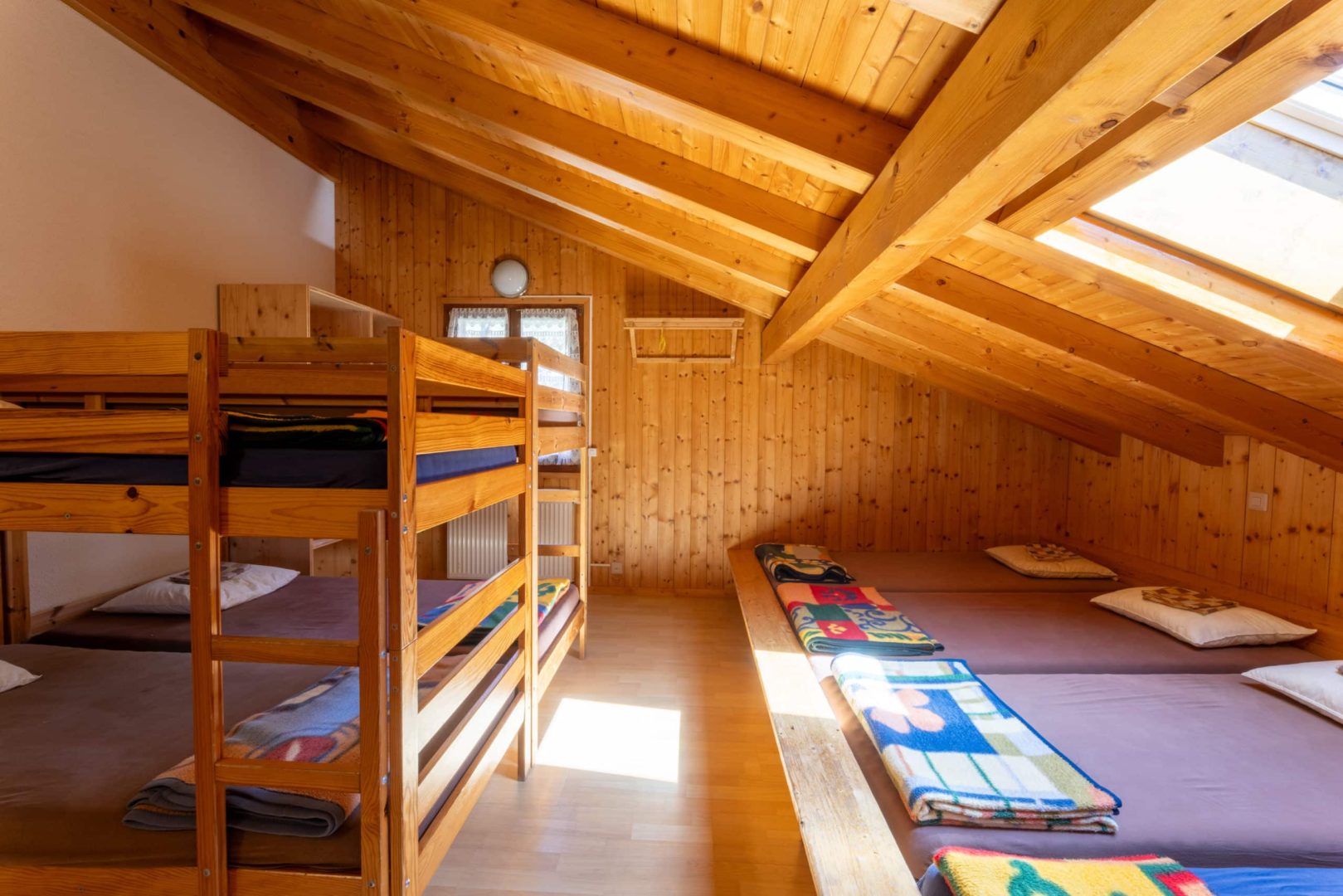
- What’s usually included: meals, lodging for residential programs, most daily activities and basic insurance details noted in the policy.
- Common add-ons: airport transfers, special excursions, equipment rental, extended insurance, and language-exam fees.
Pricing examples parents often mention:
- Language Camp A: CHF 1,350 / week — lodging, three meals a day, core activities included; airport transfer extra.
- Adventure Camp B: CHF 1,050 / week — lodging and guided excursions included; equipment rental extra.
Recommendation: Compare line-by-line what’s included. A lower headline price can hide expensive add-ons. Parents who comment that cost was “worth it” usually point to clear inclusions and high staff engagement.
Value checklist for parents — compare these when evaluating price:
- Staff-to-camper ratio
- Which activities are included
- Whether transport/airport transfer is included or extra
- Medical coverage (on-site nurse / physician on-call)
- Sample daily schedule
- Accreditation and staff qualifications
- Cancellation / refund policy
- Insurance coverage
Transport, location and arrival logistics
Airport pickup/drop-off is offered by about 40–70% of camps, higher around the Geneva and Zurich hubs. Common pickup points are Geneva Airport, Zurich Airport and major regional train stations. Location distribution is roughly Alpine 50%, lake-region 30%, near-city 20%. Expect typical travel times of 1–3 hours by car or train from major Swiss cities to Alpine or lake camps; airport transfer times vary by camp proximity to Geneva or Zurich.
Arrival satisfaction is linked to clarity. When camps provide clear arrival instructions, satisfaction on arrival sits at roughly 85%. The remaining parents report confusion or unexpected parking or drop-off fees. Check arrival logistics in advance and confirm refundable parking or shuttle fees.
Practical tips we share with parents:
- Confirm whether airport transfers are round-trip and whether they include waiting time.
- Ask for written arrival/parking maps and photos of drop-off points.
- Check whether equipment rentals are charged per day or per week.
- If your child needs special medical coverage, verify on-site medical staffing.
- Read cancellation and insurance clauses closely; small differences change refund outcomes.
For broader context and to compare what other parents have noticed after camp, consult our parents guide which summarizes common fees and transport options.

Choosing the right camp: trust signals, inclusion, review-sample guidance and a parent checklist
We, at the Young Explorers Club, focus on concrete trust signals you can verify before booking. Look for accreditation from national youth bodies, international camp associations such as the American Camp Association, and Swiss federal or regional safety certifications. Many established programs — roughly 60–90% — list formal accreditation or insurance; the absence of those flags the need for deeper checks. Other strong trust signals include published staff‑vetting procedures, clear safety and emergency plans, sample menus and daily schedules, and transparent pricing breakdowns.
We demand clear inclusion policies and written plans for campers with dietary or medical needs. Around 70–90% of camps state they can handle allergies or dietary restrictions, but only about 10–25% accept or specialize in significant educational or behavioural needs. Parent satisfaction in review samples tends to cluster: roughly 60% rate inclusion adequate, 20% neutral, and 20% unsatisfied. Always request a written accommodation plan and verify staff training for emergency medication (EpiPen, inhalers, etc.) before you commit.
For review reliability I use concrete sample and display rules. Aim for 50–100 parent reviews to judge a single camp reliably; use an aggregated N > 500 for country‑wide analysis. Prefer a three‑year review window, with post‑pandemic feedback emphasized when health protocols matter. Track these core metrics for each camp:
- Average rating
- Recommendation rate (% who would recommend)
- Frequency of top praise and complaint themes
- Median session cost
- Median staff‑to‑camper ratio
Watch for red flags in reviews: repeated non‑transparent pricing (20–30% of pricing complaints), missing published emergency protocols, or refusal to describe staff credentials.
Use a mix of platforms and official sources to compare programs. I check:
- Google Reviews
- Trustpilot
- TripAdvisor
- Facebook Reviews
- The camp’s own site
Then cross‑reference national or regional camp associations and local tourism offices. For insight into how children change after camp, read parent reflections — what parents notice after camp ends is often the clearest quality signal.
Parent checklist — ask these before you book
- What is the staff‑to‑camper ratio for my child’s age group?
- Do you have an on‑site nurse and a physician on‑call? What is the medical escalation protocol?
- Can you provide a sample daily schedule and menu?
- How do you handle allergies and dietary restrictions? Can you provide a written accommodation plan?
- What pre‑camp staff training do you provide (hours, topics)?
- What are your emergency procedures and insurance requirements (please provide documentation)?
- What is included in the price and what are common add‑ons? Are airport transfers extra?
- How do you communicate with parents during sessions (update frequency / photos)?
- What is your cancellation and refund policy?

Sources
Switzerland Tourism — Family holidays & activities in Switzerland
Swiss Federal Statistical Office — Tourism statistics
American Camp Association — The value of camp
Google Maps Help — Write a review
Tripadvisor — Read reviews, compare prices & book
Facebook — Help Center: Reviews / Recommendations
European Camp Association — camps.eu
Youth Hostels Switzerland — Family stays & programmes
Federal Office of Public Health (BAG) — Health guidance
SBB CFF FFS — Timetables & Travel Information
Swiss Red Cross — First aid courses & guidance
World Health Organization — Infection Prevention and Control