Summer Camp In Switzerland Vs. Summer Camp In Italy: Pros And Cons
Swiss vs Italy summer camps: Alps adventure, higher safety & costs vs seaside culture, Italian immersion and lower prices.
Choosing Between Summer Camps in Switzerland and Italy
Choosing between summer camps in Switzerland and Italy involves clear trade-offs: Switzerland emphasizes alpine adventure, residential international programs, and higher safety and healthcare standards at a higher cost, while Italy emphasizes coastal activities, stronger local culture and Italian-language immersion at generally lower price points. At the Young Explorers Club we recommend families match the camp’s activity mix, language goals, season, and travel logistics to their child’s needs.
Overview
Sessions commonly run 1–8 weeks for ages 6–17. Daily pacing, packing, and medical preparation are driven by mountain storms in alpine settings versus Mediterranean heat on the coast. Consider these environmental differences when planning clothing, sun protection, and emergency supplies.
Key Takeaways
- Switzerland: Mountain-focused programs (hiking, climbing, ropes, alpine lake sports) with higher international camper mixes, reliable healthcare provisions, and higher tuition.
- Italy: Coastal and cultural programs (sailing, beach sports, arts, local traditions and Italian immersion) with more regional campers and lower price tiers.
- Costs and budgeting: Expect Swiss residential two-week totals of roughly CHF 2,600–7,650 and Italian residential around €790–2,850. Add extras and plan a 10–20% contingency.
- Language and immersion: Swiss camps often offer multilingual options and frequent English use in international settings. Italian camps provide deeper Italian immersion—verify language hours and staff native-speaker ratios.
- Logistics and safety checklist: Compare travel times and transfers, review staff-to-camper ratios and on-site medical plans, and confirm accreditation and written policies before booking.
Detailed Comparison
Activities & Environment
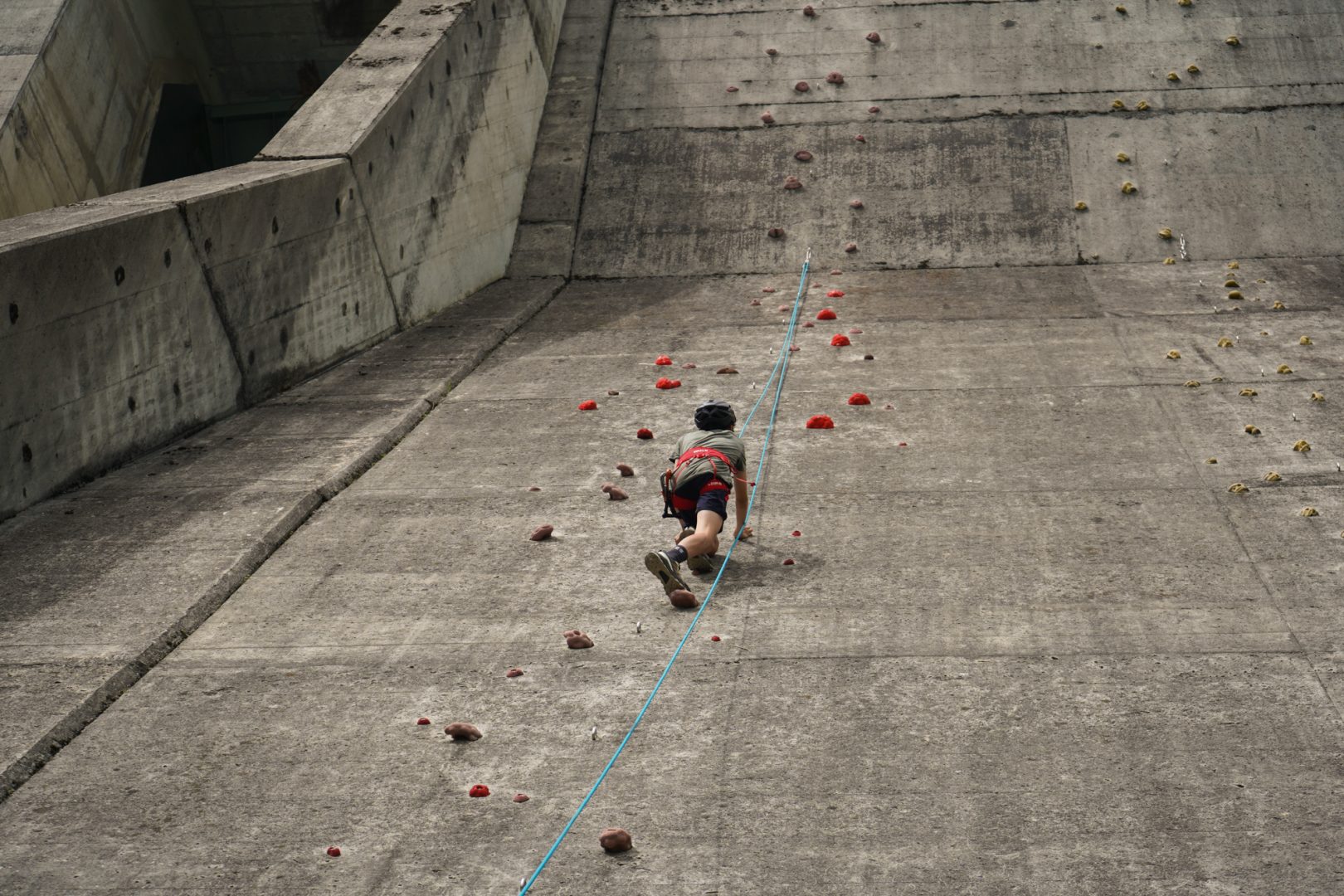
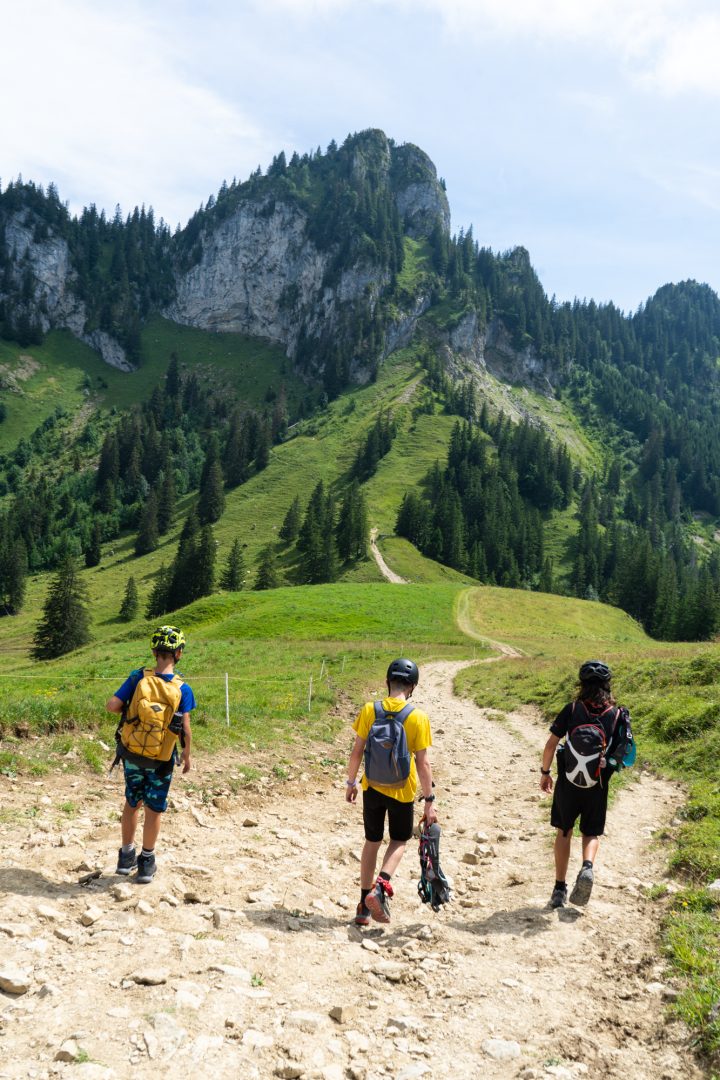
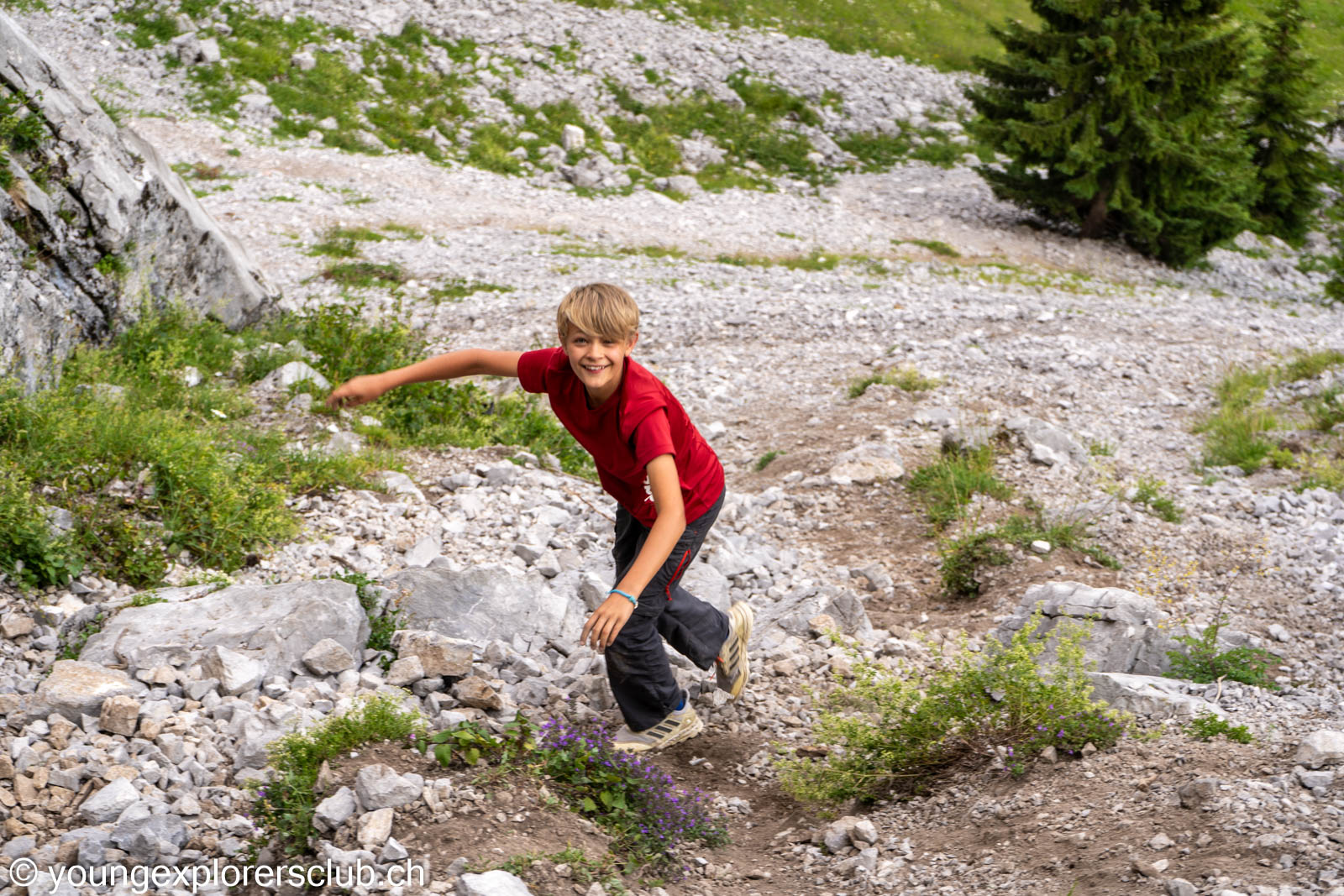
Switzerland centers on alpine activities: hiking, climbing, ropes courses, mountain biking, and alpine lake water sports. Expect variable weather and quick changes in conditions. Italy emphasizes coastal and cultural programming: sailing, beach sports, arts and crafts, culinary and local-tradition excursions, plus stronger opportunities for local community engagement.
Camper Mix & Language
Swiss camps commonly host a high proportion of international campers and often use English as a primary camp language or offer multilingual tracks. Italian camps typically have more regional campers and stronger immersion in Italian, which is preferable if the goal is language acquisition—always verify advertised language-contact hours and the ratio of native-speaking staff.
Costs & Budgeting
Typical price expectations:
- Switzerland (residential, two weeks): approximately CHF 2,600–7,650 depending on level of program and inclusions.
- Italy (residential): approximately €790–2,850 depending on region, activities, and inclusions.
These ranges may exclude extras such as airport transfers, equipment rental, special excursions, and insurance. Plan a 10–20% contingency for unexpected expenses.
Safety, Healthcare & Accreditation
Compare each camp’s staff-to-camper ratios, onsite medical coverage, access to hospitals, and formal accreditation or national licensing. Alpine locations often have quicker access to mountain rescue services but may require protocols for altitude and rapid-weather changes. Coastal sites prioritize water-safety staffing and sunscreen/hydration policies. Request written policies for medical care, emergency evacuation, and COVID-19 or communicable-disease protocols.
Checklist Before Booking
- Match activities to your child’s interests and physical level.
- Confirm session length, dates, and eligible ages.
- Review total costs (tuition, transfers, equipment, insurance) and include contingency.
- Check travel logistics: airport transfer times, supervised arrivals/departures, and connection options.
- Verify medical and dietary accommodations and bring necessary documentation and medications.
- Confirm staff qualifications and ratios, including first-aid and lifeguard certifications when relevant.
- Ask about language instruction hours and the ratio of native speakers to campers.
- Obtain written cancellation, refund, and emergency policies.
Recommendation
The Young Explorers Club recommends families choose based on a clear fit between the camp’s activity mix, the child’s language goals, the season (alpine vs. coastal weather), and practical travel logistics. For strong outdoor alpine experience and robust healthcare standards choose Switzerland. For cultural immersion, coastal activities, and lower cost choose Italy.
Quick Practical Tips
- Packing: bring layers, rain gear, and sturdy footwear for alpine camps; sun protection, lightweight clothing, and a reusable water bottle for Mediterranean camps.
- Health records: carry copies of medical records, prescriptions, and emergency contact cards.
- Budget extras: include money for excursions, equipment rental, and airport transfers.
- Insurance: consider travel insurance that covers cancellations and medical evacuation.
If you’d like, we can help compare specific camps or build a customized checklist for a particular session or child—please tell us the child’s age, preferred dates, and activity priorities.
Quick side-by-side snapshot
We, at the Young Explorers Club, lay out the core trade-offs fast: Switzerland leans mountain and adventure with high-end residential and international camps. We see Italy favoring beach and coastal programs, stronger cultural and language immersion, and more locally focused campers. We recommend Switzerland for families prioritizing safety, international exposure and alpine activities. We suggest Italy for families wanting lower cost, local culture and seaside days.
Core differences
We describe the main contrasts in plain terms:
- Switzerland — adventure-first: hiking, climbing, ropes courses and multi-day mountain trips dominate. Residential formats and international camper mixes are common. Healthcare and on-site medical protocols rate very high.
- Italy — culture-first: language immersion, arts, local traditions and beach sports are frequent. Camps often attract regional campers and run both day and residential options at lower price tiers.
- Format overlap: session lengths span 1–8 weeks, most international families choose 1–3 week intensives, and age groups typically split 7–12 and 13–17. Sports academies and language immersion programs exist in both countries.
Quick stats summary
Here are the essentials at a glance:
- Session length: 1–8 weeks (1–3 weeks common for international families)
- Age range: 6–17 (typical groupings 7–12, 13–17)
- Formats: residential and day camps; language immersion and sports academies available
- Camper mix: Switzerland — higher international share; Italy — more local/regional campers
- Safety vs cost: Switzerland — higher safety and healthcare standards; Italy — lower cost
We, at the Young Explorers Club, also run Italian language camps that show how immersion can be effective in a coastal setting, and we point families to our Italian language camps when they want a sample of that model.
https://youtu.be/9np4fAZwE5Y
Cost, value and sample budgets (day vs residential)
Typical pricing and what it covers
We find Swiss residential international camps commonly run CHF 1,200–3,500 per week for single-week bookings, with full-board two-week sessions most often CHF 2,400–7,000 (2020–2024 industry estimates). Typical Swiss day camps are CHF 200–500 per week (2020–2024 industry estimates). Italian residential camps usually range €350–1,200 per week, while Italian day camps sit around €100–300 per week (2020–2024 industry estimates).
Typical fees generally cover tuition, room and board for residential options, basic activity equipment and routine supervision. Extra costs often apply for special excursions, advanced instruction or premium gear. Switzerland’s higher price level aligns with its higher GDP per capita (roughly USD 80,000–85,000) versus Italy (roughly USD 30,000–40,000), which helps explain the difference in base fees (2020–2024 industry estimates).
Sample 2-week totals and additional fees to factor
Below are representative two-week totals we use when advising families. All ranges include tuition plus a round-trip airport transfer and mandatory insurance (2020–2024 industry estimates).
- Switzerland residential full-board: approx. CHF 2,600–7,650 (CHF 2,400–7,000 tuition + CHF 120–400 transfer + CHF 80–250 insurance).
- Switzerland day-camp 2-week example: approx. CHF 500–1,300 (CHF 400–1,000 tuition + CHF 60–200 transfer + CHF 40–100 insurance).
- Italy residential 2-week: approx. €790–2,850 (€700–2,400 tuition + €50–300 transfer + €40–150 insurance).
- Italy day-camp 2-week example: approx. €270–830 (€200–600 tuition + €40–150 transfer + €30–80 insurance).
Also remember these common extras that shift the final budget:
- Travel to/from airport and local transfers beyond the standard shuttle.
- Optional excursions or specialist lessons (watersports, climbing guides).
- Equipment rental and specialist clothing.
- Visas, extended insurance, and non-refundable deposits.
We recommend families run a scenario that adds 10–20% contingency for unplanned fees. Exchange rates and individual provider policies change regularly, so verify current provider prices and exchange rates before booking. For help comparing options and priorities, see our guide to choose the best camp.

Activities, program focus and weather implications
Program focus and typical weekly split
We separate the core programs clearly so families can match interests and learning goals. Below are typical activities and an illustrative weekly split for each country.
Typical activities and emphases:
-
Switzerland (roughly 60% mountain/adventure, 20% team sports, 20% cultural/free time)
- Mountain hiking and via ferrata routes, guided by certified instructors
- Mountain biking and technical trail sessions
- Lake sports: sailing and kayaking on alpine lakes
- Ropes courses, alpine survival skills and glacier or ski-prep modules in early summer
- Multi-sport and elite sports academies, often paired with English-language immersion
-
Italy (roughly 40% sea/beach, 30% cultural excursions, 30% sports/skills)
- Sailing, windsurfing and sea kayaking along coastal stretches
- Beach sports and structured water-safety training
- Football/soccer academies and hands-on arts or performing-arts workshops
- Cultural excursions: history, art visits and cooking classes, frequently combined with Italian language immersion
We recommend families pick based on the child’s appetite for altitude and technical outdoor skills versus marine and cultural experiences. If language immersion matters, note the clear split: many Swiss camps emphasize English, while Italian camps lean into Italian and local culture.
Weather, seasonality and program adaptations
Season runs mid‑June to mid‑August and weather drives daily planning. We adapt schedules to keep campers safe and productive.
Swiss conditions and implications:
- Lowland July averages about 15–25°C. Alpine camps at 800–1,800 m are cooler: daytime roughly 10–20°C and nights around 5–15°C.
- Afternoon storms are common. We shift long hikes to mornings, use storm windows for technical climbs, and carry contingency indoor skill sessions.
- Expect shorter swim windows on chilly days and heavier layering needs.
Italian conditions and implications:
- Coastal and lowland July/August temps often hit 24–32°C; northern lakes and coasts usually sit around 20–28°C. Southern locations get hotter and drier.
- We schedule high‑energy sea sports in the morning, hold cultural excursions in the late afternoon, and enforce strict hydration and sun protocols during peak heat.
Practical recommendations I give families:
- Pack lists and gear: layers for Swiss nights, waterproof shells for mountain storms, and strong sun protection plus reusable water bottles for Italy.
- Program pacing: in Switzerland we favor morning technical work and flexible afternoons; in Italy we block midday rest in hotter sites and move active sessions earlier or later.
- Safety and staffing: we staff camps with instructors trained in mountain weather response or marine safety depending on the site, and we always keep indoor alternatives ready for extended storms or heat spells.
If parents aren’t sure which format fits their child, we at the young explorers club suggest they choose the best summer camp by weighing the activity balance, language goals and climate tolerance before booking.
Language, cultural immersion and international camper mix
We, at the Young Explorers Club, treat language and culture as core outcomes of camp, not extras. Switzerland gives you a rare multilingual environment: roughly 62% German, 23% French and 8% Italian. Many Swiss camps operate in English as an international lingua franca, but immersion opportunities shift by canton. If you want German, choose camps in German-speaking cantons. For French immersion, pick camps in Romandy. For strong Italian exposure, focus on Ticino or programs explicitly run in Italian.
Italy is linguistically more uniform by comparison: Italian dominates. Plenty of Italian camps offer bilingual Italian–English options, yet locally focused programs deliver deeper Italian immersion. Coastal tourist hubs and popular resort areas will host more international campers, while smaller inland or village camps remain largely local.
Expect different international mixes. Swiss residential prestige camps often list 40–70% international campers, which boosts English use and multicultural daily life. Italian camps generally report 10–40% internationals; destinations near tourist coasts tend toward the higher end. These proportions change seasonally and by program type (residential vs day camp).
I pay attention to how immersion is actually executed, not just how it’s marketed. Watch for these red flags: programs that promise “full immersion” but only offer a couple of language classes; advertising in English while staff are mostly local speakers; and schedules that keep kids in mixed-language groups for all activities. Conversely, strong immersion programs will advertise language contact hours, use native-speaking activity leaders, and enforce language zones during specific parts of the day.
I recommend looking at concrete program details before you commit. Check advertised language hours per week, staff native-speaker ratios and whether the camp lists languages used in daily activities. Ask for a sample daily schedule and a breakdown of camper nationalities for recent years. If you want Italian immersion in Switzerland, consider our page on Italian language camps to compare options in Ticino.
Quick checklist to evaluate real immersion
- Compare advertised language hours per week with the daily schedule.
- Check staff native-speaker ratios and request sample CVs for language teachers.
- Match marketing language to actual staff languages; ask who leads which activity.
- Look for explicit bilingual or immersion descriptions (language zones, language-only meals, themed days).
- Ask for recent camper nationality percentages and whether the camp separates groups by language level.
- Confirm whether activities are run in the target language or just translated; activity language matters more than classroom hours.
- Verify placement testing or levels for older kids and whether instruction is differentiated.
- Consider program type: residential camps tend to create more 24/7 immersion than day camps.

Location, access, travel logistics and documentation
Gateways, typical transfer times and rail notes
We, at the young explorers club, map routes by camp type. Switzerland camps sit high in the Alps, typically 800–1,800 m. Main airport hubs are Geneva (GVA), Zurich (ZRH) and Basel (BSL). Expect transfer times of roughly 1–3 hours by car or regional train. Italy offers coastal, lake and mountain options — Amalfi, Liguria, Tuscany, Lake Garda, Lake Como and the Dolomites. Major airports are Milan (MXP/LIN), Rome (FCO) and Venice (VCE); transfers often range 1–4 hours.
We prefer rail where practical. Switzerland’s dense, punctual network gives frequent regional connections right into mountain towns. Italy has fast trains between cities and decent local services to camp regions, though connections can be slower in rural areas. For practical trip planning I link our detailed Zurich travel and logistics notes to help families with Swiss arrivals: travel and logistics.
Example itineraries I use for quotes:
- London → Zurich: 1h40 flight + ~1.5h transfer to an alpine camp.
- London → Milan: 2h flight + ~1h transfer to a lake-side program.
We handle pickup windows and recommend flights that arrive with buffer time to accommodate delays. We also plan for luggage, sports gear and potential overnight stays in gateway cities.
Documentation, visas, work permits and deadlines
Below I list the standard documents and timing I ask families and staff to follow:
-
Required participant documents:
- Completed health/medical form and vaccination records.
- Parental consent form and emergency contact form.
- Copy of passport and travel insurance proof with policy number.
-
Visa and entry:
- Switzerland and Italy are in the Schengen area for short stays; Schengen visas apply where needed.
- Apply for visas 6–8 weeks before travel to avoid rush.
-
Staff immigration:
- Work permits for non-EU/non-Swiss staff vary by country and are processed under national rules. We, at the young explorers club, start permit steps well in advance to ensure legal compliance.
-
Administrative deadlines:
- Complete medical forms 2–4 weeks before travel.
- Buy travel and medical insurance before departure.
- Send copies of passports and insurance numbers at final registration.
We, at the young explorers club, keep families informed of deadlines and verify documents before departure. For help deciding between Swiss and Italian options I suggest you choose the best camp based on travel time, terrain and documentation needs.
Safety, health care, staff standards, accreditation and parent checklist
We, at the Young Explorers Club, treat safety and healthcare as non-negotiable in this Switzerland vs Italy comparison. Switzerland delivers very high healthcare quality, strong infrastructure and typically short emergency response times in populated areas. Italy also has solid healthcare overall, but emergency access and response can vary more in remote coastal or island locations.
I recommend confirming these specifics in writing and checking distances to the nearest hospital. For detailed on-site procedures and reporting standards, consult our medical care guidance. Most reputable camps will require travel and medical insurance and up-to-date vaccination records, plus accident coverage.
There’s no single EU-wide camp accreditation. I advise looking for:
- national regulators or recognized associations
- international standards or membership in respected networks
- written proof of liability insurance and any relevant licensing
Staffing expectations and credentials
We expect camps to publish staff-to-camper ratios by age. Typical industry ranges (2020–2024 estimates) are:
- Ages 6–8: 1:4–1:6
- Ages 9–12: 1:6–1:8
- Teens: 1:8–1:12
Ask camps for these staff qualifications:
- First-aid and CPR certification
- Safeguarding/child-protection training
- Criminal-background clearances
- Teaching or coaching certifications where relevant
- On-site nurse or doctor, or a rapid-response medical plan
Food and dietary needs
Swiss menus often reflect central European cuisine; Italian camps emphasize the Mediterranean diet. I trust camps that handle allergies and dietary restrictions with advance notice and that document their food-handling protocols. Confirm sample menus and allergen controls before booking.
Parent checklist (request in writing)
- Sample daily schedule and activities
- Staff-to-camper ratios by age group
- Copies of staff background checks and first-aid/CPR certificates
- Name and distance of nearest hospital and on-site medical personnel details
- Travel & medical insurance and cancellation policy requirements
- Written dietary/allergy protocols and sample menus
- Language of instruction and supervision languages
- Detailed list of included and excluded fees
- Airport transfer arrangements and late-arrival policy
- Examples of emergency plans and communication procedures
- Written proof of liability insurance, staff CV summaries, and association membership or licensing
I recommend requesting all items well before departure and storing them with your child’s travel documents.

Sources
Swiss Federal Statistical Office — Languages of Switzerland
World Bank — GDP per capita (current US$) — Switzerland, Italy
Institute for Economics & Peace — Global Peace Index
World Health Organization — Switzerland country profile
World Health Organization — Italy country profile
American Camp Association — Trends & Statistics
Switzerland Tourism — Family & youth activities
ENIT — Italian National Tourist Board
European Commission — Schengen visa policy