
Bilingual Summer Camp In Switzerland: Learning Through Adventure
Young Explorers Club: bilingual immersion camps in Switzerland—10–20 hrs/week lessons + activity-based practice for measurable CEFR gains.
Overview
We leverage Switzerland’s daily multilingual environment and dense transport network to mix classroom lessons with genuine regional immersion across German-, French- and Italian-speaking areas. Programs pair 10–20 hours per week of formal instruction with extensive activity-based practice. That balance usually runs 30–40% formal and 60–70% activities. We align assessment to the CEFR and staff camps with certified teachers and outdoor leaders. This approach produces measurable CEFR gains, clear vocabulary growth and stronger executive-function skills.
Key Takeaways
- Switzerland’s compact multilingual regions and fast rail links give learners real-world language exposure during excursions and daily camp life.
- Typical program split is 30–40% formal instruction and 60–70% activity-based practice. Daily targets often include 60–120 minutes of speaking and 20–40 new words.
- Measurable outcomes: intensive 2–4 week programs commonly yield one CEFR step and roughly 200–400 new words for motivated learners. We track progress with pre/post CEFR tests, speaking logs and portfolios.
- Recommended session lengths: 1 week for a taster, 2 weeks for consolidation, 3–4 weeks for reliable progress. Multi-session blocks (2–8 weeks) accelerate gains.
- Safety and transparency are priorities. We staff camps with certified adventure and language personnel, set clear medical and emergency protocols, maintain age-appropriate staff-to-camper ratios, and provide numeric end-of-session reports for parents.
Program Structure
Instruction vs. Activities
Programs combine formal instruction and activity-based practice so learners use language in context. Typical weekly formal hours range from 10–20 hours, with the overall time split usually around 30–40% formal and 60–70% activities.
Daily Targets
Daily expectations focus on practical use: 60–120 minutes of speaking practice and learning 20–40 new words per day are typical targets for intensive sessions.
Assessment and Outcomes
We align all assessment to the CEFR. Typical measurement tools include pre/post CEFR tests, speaking logs and learner portfolios. For motivated participants, an intensive 2–4 week program commonly yields about one CEFR level of progress and approximately 200–400 new words.
Recommended Session Lengths
- 1 week — taster experience, useful for orientation and motivation.
- 2 weeks — consolidation of foundational skills.
- 3–4 weeks — reliable measurable progress for most learners.
- 2–8 weeks (multi-session) — accelerated gains and stronger retention.
Safety, Staffing and Transparency
Safety and transparency are core components. Camps are staffed with certified adventure and language personnel, maintain clear medical and emergency protocols, keep appropriate staff-to-camper ratios, and deliver numeric end-of-session reports for parents so progress and incidents are clearly documented.
Why Switzerland is the ideal setting for bilingual immersion
We, at the Young Explorers Club, pick Switzerland for language immersion because learners encounter authentic multilingual life every day. German 62.7%, French 22.8%, Italian 8.2% and Romansh 0.5% (Swiss Federal Statistical Office). That mix creates real, unscripted opportunities to hear and use different languages outside the classroom.
The country’s compact size and dense transport network makes moving between language regions fast and practical. Major international gateways are Geneva (GVA), Zurich (ZRH) and Basel (BSL). Rail connections link most camp regions within one to four hours; for example Geneva–Lausanne takes about 35 minutes by train, while Geneva–Zermatt is roughly 3–3.5 hours. Short travel times let us plan day trips or weekend excursions into French-, German– or Italian-speaking areas so campers get native-language exposure in context.
Swiss summer camps work well for immersion because kids live the language during activities, meals and free time—not just in lessons. Camps become adventure language camps where mountain hikes, city visits and team challenges double as language practice. We use local guides, market visits and sports sessions to reinforce everyday vocabulary and boost speaking confidence. The result is faster retention and a more natural accent than passive classroom-only approaches.
I recommend choosing session lengths to match goals. Typical sessions run 1–4 weeks, with multi-session options from 2–8 weeks. For practical guidance on camp structure and activities see our page on bilingual summer camp.
Recommended session lengths
- 1 week — taster/introduction: ideal for testing interest and the camp environment. Expect familiarization with routine and initial confidence boosts.
- 2 weeks — consolidation: enough time for measurable short-term gains in listening and basic speaking. Vocabulary starts to stick.
- 3–4 weeks — reliable progress: recommended for noticeable gains in fluency, pronunciation and spontaneous speech. This length fosters better retention and real conversational confidence.
If parents want accelerated progress, we suggest back-to-back sessions or a multi-session block of 2–8 weeks. Shorter stays with frequent regional excursions deliver varied, contextual exposure; longer stays deepen active use and conversational comfort.

Learning outcomes: cognitive, academic and measurable language gains
We, at the Young Explorers Club, see bilingualism benefits that go beyond vocabulary. Bilingualism boosts executive function — task-switching, inhibition and working memory — which improves focus and multitasking in everyday activities. Research from Bialystok et al. also links bilingualism to long-term protection: bilinguals show about a 4-year delay in the onset of dementia symptoms compared with monolinguals (Bialystok et al.). These cognitive advantages bilingualism brings translate into clearer classroom performance and lifelong resilience.
Sustained bilingual and biliteracy instruction ties directly to higher academic outcomes. Longitudinal studies by Thomas & Collier report better standardized-test trajectories and stronger literacy development across languages for students in ongoing bilingual programs versus English-only instruction (Thomas & Collier). We use those findings to shape multi-week learning cycles that scaffold transfer between languages and content areas.
Measurable short-term gains at intensive camps are predictable when you combine baseline level, formal instruction hours, and immersion percentage. Typical CEFR progress estimates are:
- With 10–20 hours/week of formal instruction plus high-percentage immersion activities, campers commonly gain one CEFR step (A1→A2 or A2→B1) over a 2–4 week intensive program.
- A beginner at A1 attending about 15 hours/week of formal lessons and daily immersion (roughly 40–60 total target-language contact hours over 2 weeks) often reaches the top of the A2 range or low B1, depending on aptitude and out-of-class practice.
- Vocabulary growth in such intensives typically ranges from 200–400 new words over 2–4 weeks for motivated learners.
I recommend framing progress claims to parents by explicitly stating baseline level, formal-hours, and immersion percentage. We track language acquisition statistics to make outcomes transparent and defensible.
We encourage parents to use simple, numeric reporting to capture impact. Use the following core items for each camper’s report, and include evidence where possible:
Recommended numeric report items (include these in every end-of-session summary)
Below are the metrics we record and share so outcomes are clear and actionable:
- Pre/post CEFR level and delta CEFR (e.g., +0.5–1 sub-level)
- Number of new vocabulary items learned (e.g., 200–400 over 2–4 weeks)
- Average daily speaking minutes (speaking-time logs)
- Teacher-rated speaking fluency score (numeric rubric)
- Project portfolio evidence (recorded presentations, written tasks)
- Certificate of completion noting instruction hours and immersion percentage
We align assessments to CEFR so parents see precise progress. Short, CEFR-aligned pre/post tests work best for 2–4 week cycles. Combine those scores with speaking-time logs and vocabulary inventories for a fuller picture. Portfolios and recorded presentations let you evaluate communicative competence, not just test results.
Practical advice I give to parents: log speaking minutes daily, encourage 15–30 minutes of post-camp practice, and review the camper’s project portfolio together. We also point families to resources about how camp builds confidence — for example, our summary on how camp builds confidence shows how immersive activities accelerate active use of language and reinforce measurable gains.

Camp types, languages offered, target ages, group sizes and costs
Camp types and language pathways
We run and recommend four main formats: day camps, residential (boarding) camps, family or host-family immersion stays, and school-linked summer programs. Day camps suit local families who want daily language practice without overnight stays. Boarding options deliver the strongest immersion; you can explore our guidance on picking a residential option with the link to residential bilingual camp Switzerland. Host-family and family-immersion choices add real-life practice; school-linked programs are ideal for students who want a lighter transition into exam prep.
Language tracks usually include:
- English–French
- English–German
- English–Italian
- Full multilingual rotations
We align most courses to CEFR levels and often provide exam-prep options for DELF/DALF, Goethe‑Zertifikat and Cambridge exams. Instruction mixes communicative practice with activity-based learning so language use stays practical and fun.
Target ages, group sizes, instruction intensity and costs
We structure age groups to match social and cognitive stages: common ranges run 6–17 with splits like 6–8, 9–12 and 13–17.
Classroom language work is compact; small-group classes typically host 6–12 students, which speeds individual progress. Camp cohorts vary: whole-camp sizes usually range from about 40 to 200 campers per session, so you can choose an intimate setting or a larger program with more activities.
Typical instruction intensity is 10–20 hours per week of formal lessons. Residential camps deliver higher immersion because learners practice outside class during meals, excursions and evening programs.
When budgeting, expect these baseline weekly ranges:
- Residential camps: CHF 1,200–4,000+ per week depending on prestige and what’s included.
- Day camps: CHF 250–800 per week.
Key cost drivers you should watch include:
- Accommodation quality and meal plans
- Instructor qualifications and native-speaker ratios
- Specialist adventure activities and certified guides
- Off‑site excursions and transport
- Insurance, medical support and administrative fees
- Number of language hours per week and exam-prep components
Payment notes: deposits typically run 10–30% of the total fee, and early-bird discounts commonly sit between 5–15%. We advise comparing what’s included in the price rather than only the headline figure; a higher fee that covers excursions, certified instructors and insurance often gives better value.
We at the young explorers club recommend matching intensity to the camper’s goals: choose high-immersion residential weeks for fast progress, and combine shorter day or host-family stays for steady, long-term gains.

Curriculum and pedagogy: balancing classroom instruction with adventure-based language practice
Structure and instruction split
We set a clear ratio: 30–40% formal instruction and 60–70% activity-based language practice. That usually means 10–20 hours of classroom work per week and 25–35 hours of immersion activities.
For a two-week program we aim for 12–20 hours formal instruction plus 40–60 total target-language contact hours.
Daily targets we use in camp are:
- Mornings (Mon–Fri): 2 hours formal class focused on grammar, phonology and task sequencing.
- Midday activity: 2–3 hours — guided hikes, science walks, or sport with language goals.
- Afternoon project/skills: 2 hours — CLIL projects or task-based challenges.
- Evening circles: 30–60 minutes of conversation practice and reflection.
- Weekend: cultural excursion with language tasks (4–8 hours).
I follow recommended daily metrics: 2 hours formal instruction/day, 3–4 hours activity-based language practice/day, speaking minutes target 60–120 minutes/day and a vocabulary goal of 20–40 new words/day. If you want a ready reference, check our sample camp schedule for a runnable template.
Methods, projects and assessment
We base lessons on CLIL, task-based learning, project work, conversation circles and language buddies. CLIL comes to life on a mountain biology walk: students collect plant samples, learn flora vocabulary, complete observation tasks and deliver a short field report spoken and written in the target language.
For task-based learning we run multi-day map-navigation projects that end with a recorded presentation — learners must use route language, give directions and negotiate meaning.
Assessment is practical and CEFR-aligned. We run pre/post tests to measure level change and use weekly speaking rubrics to chart fluency gains. Retention checks use targeted vocabulary lists and short quizzes. We also record speaking samples every few days so instructors can score phonology, complexity and interaction.
Measurable outcomes we track include:
- CEFR placement shift (e.g., A2→B1 indicators).
- Minutes of spontaneous speech per day.
- Vocabulary retention rates across the two-week span.
I keep the pedagogy activity-centered so experiential language learning drives retention. We balance explicit grammar teaching with high-immersion hours so campers get both structure and real-world practice. That mix produces faster gains, higher confidence and clear, CEFR-aligned evidence of progress.

Adventure activities, language-use goals, safety expectations and staff qualifications
We, at the young explorers club, run a mix of high-energy outdoor programming and focused language practice so campers learn by doing. Sessions blend mountain hiking and via ferrata with rock climbing, mountain biking, canoeing and sailing on Lake Geneva and Lake Zurich, ropes courses, orienteering, city cultural excursions and hands-on environmental projects. Programs set target-language use during activity sessions at roughly 50–90% and schedule about 3–6 hours of guided activities per day.
Typical activities with staff certifications and risk controls
Below are core activities and the staff credentials and controls we require for safe delivery:
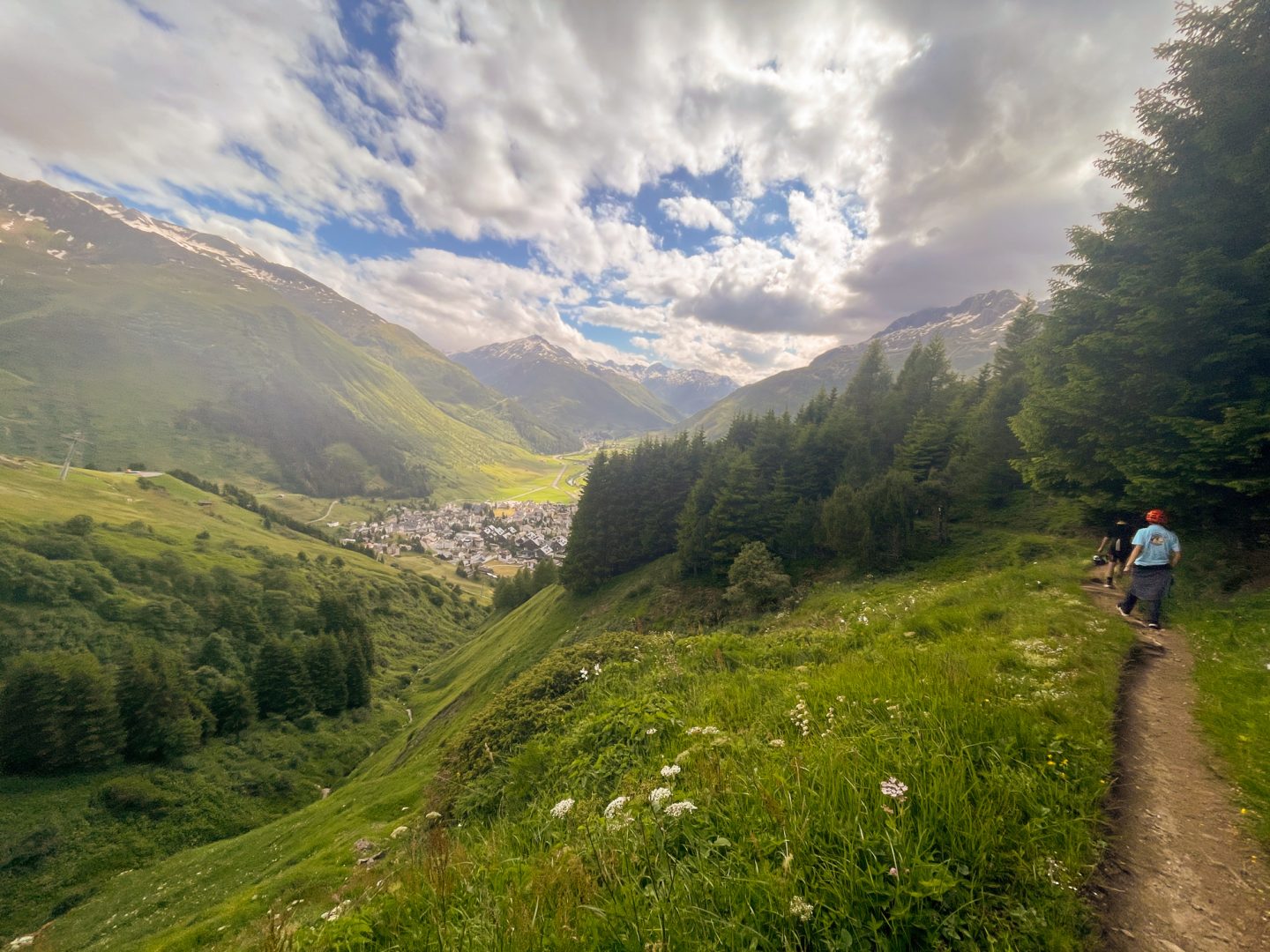
- Mountain hiking / via ferrata (1,000–3,000 m elevations): certified mountain guides (UIAA/IFMGA for technical routes) or experienced alpine leaders; Wilderness First Responder on every hike; altitude acclimatization protocols, staged ascent plans, mandatory boot and weather-appropriate clothing checks, group pace limits.
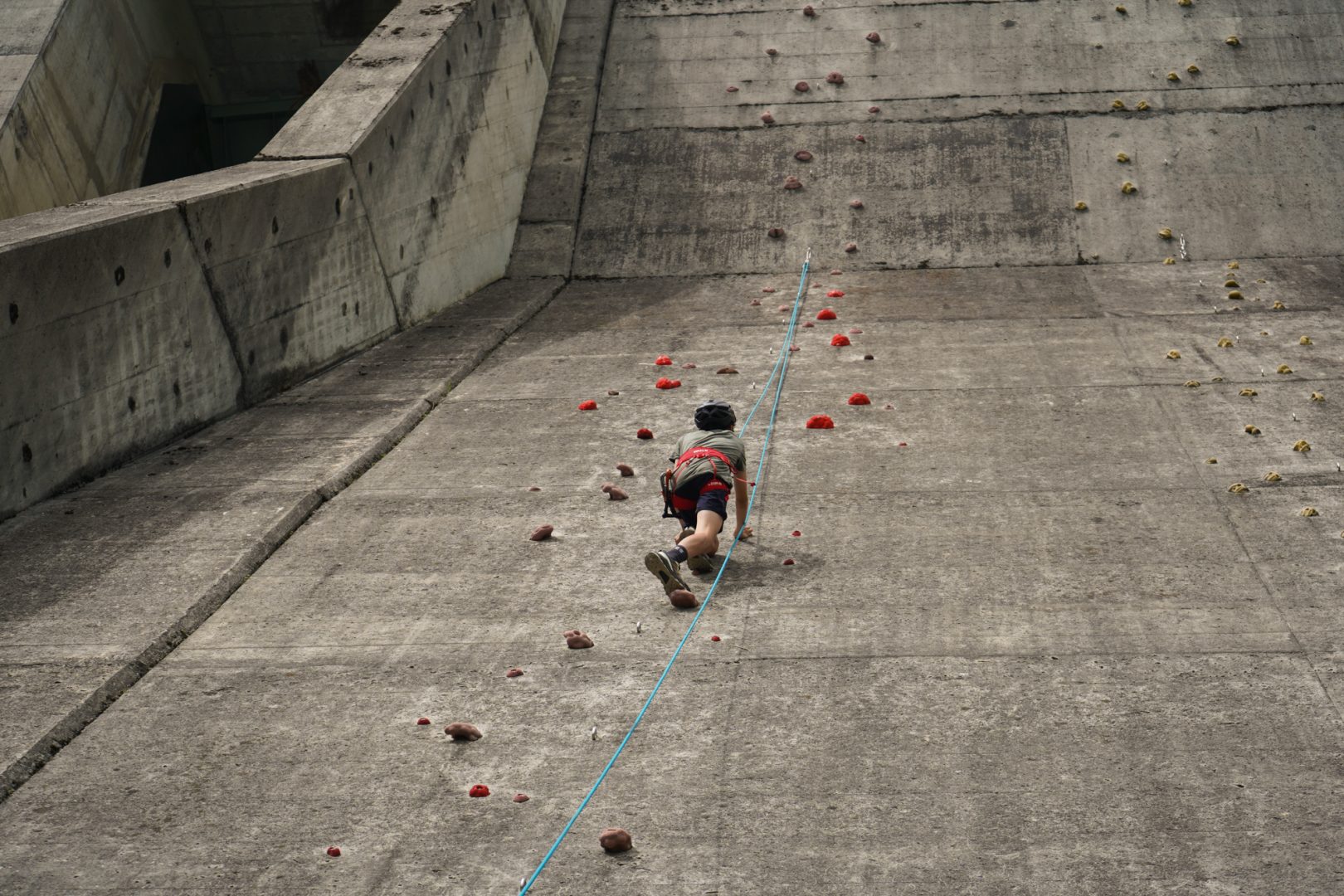
- Rock climbing: instructor certifications and top-rope/belay qualifications; guide-level oversight for multi-pitch; helmet and harness inspections before each session, pre-route safety briefings, controlled belay checks.
- Mountain biking: trained cycle instructors and first aid responders; route scouting, helmet and bike-safety checks, age-appropriate trail selection and ride groups by ability.
- Canoeing / sailing on lakes: certified lifeguards and water-safety instructors; shore-based safety briefings, PFDs required, swim tests, local-weather and lake-condition checks, emergency transfer procedures.
- Ropes courses / high elements: certified challenge-course facilitators; daily hardware and anchor inspections, belay redundancy, harness checks and continuous supervision.
- Orienteering and city cultural excursions: leaders with navigation and group-management credentials; pre-route briefings, mobile comms, check-in timelines and public-transport contingency plans.
- Environmental projects: staff with fieldwork experience and first aid; chemical/tool safety briefings, site risk assessments and waste-handling protocols.
I keep language practice integrated into every activity. Staff set clear language-use goals for each session and use immersion techniques, reward systems and role-based tasks to hit the 50–90% targets; see more about language immersion in our materials on language immersion. Teachers hold TEFL/TESOL/CELTA/DELTA credentials or DELF certification for French instruction. Adventure staff carry Wilderness First Responder or equivalent, lifeguard certification for water work, and UIAA/IFMGA credentials where technical guiding is needed.
Safety standards are concrete. I require weather contingency plans, mandatory equipment checks, clear emergency transfer procedures, and completed medical and information forms for each participant. Altitude hikes follow explicit acclimatization protocols and monitored exertion guidelines. We keep staff-to-camper ratios aligned with best practices:
- Ages 6–8: approximately 1:6
- Ages 9–12: approximately 1:8–1:10
- Teens: approximately 1:10–1:15
Background checks, child-protection training and local emergency contact protocols are mandatory for all staff. Accreditation follows American Camp Association (ACA) style standards and applicable Swiss inspections where available, and required first-aid certifications and CRB checks are maintained on file.

Accommodation, meals, health provision, travel logistics and parent communications
Accommodation and rooming
We offer mountain chalets, boarding-school dormitories, summer-camp centres and homestays. Rooms are usually single, double or shared and grouped by age and gender to keep campers comfortable. Camp sessions commonly range from 40–200 participants, so we match housing to group size and activity plans. We also consider quieter options for younger or homesick children and assign roommates with language-compatibility in mind. For a quick look at how language growth pairs with camp life see bilingual camp advantages.
Meals, medical care, travel logistics and parent communications
Meals and dietary needs are covered with three meals per day plus snacks. We can accommodate vegetarian, vegan, halal, kosher and allergy requirements with advance notice and individual meal plans. Typical menus include continental breakfast, hot lunches with protein and veg choices, packed picnic lunches for excursions, warm dinners and fruit or snacks.
Medical provision and emergency protocols are clear and enforced. We staff on-site nurses or health personnel. Medication follows strict policies: locked storage, documented administration logs and parent-signed instructions. Allergy-management plans include EpiPen protocols and staff-trained response drills. Each site has a written emergency-transfer agreement with the nearest hospital and provides documented local transfer times.
Travel logistics focus on predictable, safe transfers. Main arrival airports are Geneva (GVA), Zurich (ZRH) and Basel (BSL). Example transfer times include Geneva–Lausanne ~35 minutes by train and Geneva–Zermatt ~3–3.5 hours by train. Switzerland uses a 230V Type J plug; bring an adapter if needed.
Pack smart; alpine weather shifts fast. Bring layered clothing, a waterproof jacket and sturdy hiking boots. Include swimwear, sun protection and a hat. Keep personal medication with prescriptions and a refillable water bottle on hand. We suggest a small daypack for excursions and a Type J plug adapter for electronics.
Below is a practical packing checklist we recommend:
- Layered clothing and waterproof jacket
- Hiking boots and comfortable trainers
- Swimwear and quick-dry towel
- Sun protection and hat
- Personal medication with prescriptions and locked storage instructions
- Plug adapter (Type J) and phone charger
- Small daypack and refillable water bottle
- Copies of travel documents and emergency contacts
Documents and parent checklist must include passport, visa where applicable (Schengen rules apply for non-EU nationals), travel and health insurance, completed medical forms, parental consent and emergency contact information. We keep parents informed with daily logs or short updates, weekly instructor feedback and an end-of-session report. That final report includes specific metrics such as pre/post CEFR results, average minutes of speaking per day, vocabulary counts learned and photos or recordings of projects.

Sources
Swiss Federal Statistical Office — Languages in Switzerland
American Psychological Association — Bilingualism may delay onset of dementia
American Camp Association — Standards & Accreditation
Council of Europe — Common European Framework of Reference for Languages (CEFR)
Cambridge Assessment English — CEFR and Cambridge English Qualifications
Goethe-Institut — Goethe‑Zertifikat (Exams)
France Éducation International — DELF / DALF
Swissinfo.ch — How multilingual is Switzerland?
SBB CFF FFS — Timetables & Tickets (Swiss Federal Railways)
Camp Business — Articles and market reports on the camp industry