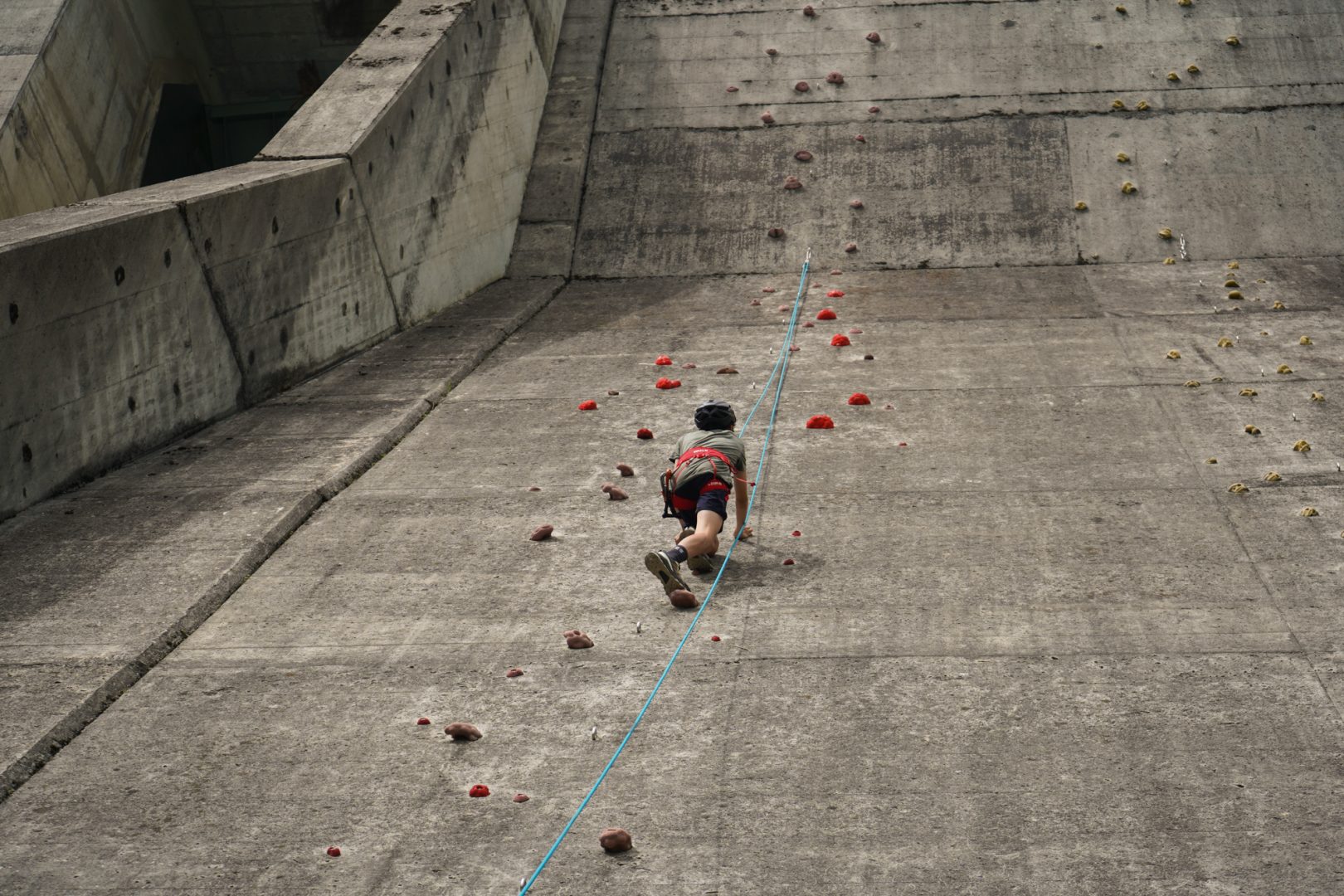
Summer Camp In Switzerland: How To Prepare Your Child For The Experience
Prep for Swiss camp: secure passports, visas, notarized consent, medevac insurance, vaccinations, layered packing and 6-week prep.
Camp Travel Checklist & Preparation
Early planning makes camp travel simple. We sort travel paperwork, entry rules and transfers well ahead. Confirm passport validity, Schengen or visa requirements, notarized parental consent and any unaccompanied-minor (UM) airline service. We’re securing medical insurance that includes medevac cover. Document vaccination and medication plans. Pack for changeable mountain weather. Practice independence and homesickness skills across a six-week plan.
Before you go: paperwork & logistics
- Finish travel documents well in advance: check passport validity and entry rules for Switzerland.
- Schengen & visa: confirm whether a visa is needed and allow extra time for processing.
- Notarized parental consent: many countries and airlines require a signed letter for minors traveling with one parent or alone.
- UM airline service: arrange unaccompanied-minor service if required and pre-book any transfers or camp pickups.
- Copies & secure storage: upload scanned documents and keep labeled hard copies with the camper and a trusted adult.
Health & insurance
- Medical insurance: buy travel insurance that covers emergency care and medical evacuation (medevac) if needed.
- Vaccinations: keep immunizations up to date and bring an official vaccination record (digital upload and paper copy).
- Medications: send meds in original packaging with prescriber notes and dosing instructions; notify camp health staff.
Choosing the right camp & budgeting
- Match the program to your child’s age, interests and activity level.
- Counselor-to-child ratio and staff certifications: verify first aid, background checks and language skills.
- Budget for extras: transfers, excursions, gear rental, high-SPF sunscreen and incidental spending.
Packing for Switzerland
- Layerable clothing for variable mountain weather (base, mid and outer layers).
- Sturdy hiking shoes and broken-in footwear for trails.
- Sun protection: high-SPF sunscreen, lip balm and sunglasses.
- Insect repellent for lakeside and wooded areas.
- Type J plug adapter (230V) for Swiss outlets and a small power strip if allowed.
- Labeled documents and a waterproof daypack for daily use.
Emotional & practical readiness
- Independence practice: short stays, packing trials and managing personal gear.
- Communication plan: set clear check-in times and preferred contact methods.
- Homesickness toolkit: favorite photos, notes from family, comfort items and coping strategies.
Recommended 4–8 week readiness plan (example)
- Weeks 4–8: Complete documents, confirm visas, notarize consent and pre-book transfers.
- Weeks 3–6: Update vaccinations, obtain insurance with medevac, prepare medication packets and prescriber notes.
- Weeks 3–4: Begin packing trials, label items and break in shoes.
- Weeks 2–3: Short overnight stays or day camps to build routine and independence.
- Week 1–2: Finalize packing, review communication plan, and prepare a homesickness toolkit.
- Departure week: double-check documents, confirm flights/transfers and ensure electronic copies are accessible.
Key Takeaways
- Finish travel documents and logistics well in advance: check passport validity, Schengen and visa rules, obtain notarized parental consent, arrange UM service if required, and pre-book transfers or camp pickups.
- Put health and insurance first: keep vaccinations up to date, bring or upload vaccination records, buy travel insurance that covers emergency care and evacuation, and send meds in original packaging with prescriber notes.
- Pick and budget for the right camp: match the program to your child’s age and interests, check counselor-to-child ratios and staff certifications, and budget for extras such as transfers, excursions and gear rental.
- Pack Switzerland-specific gear: layerable clothing, sturdy hiking shoes, high-SPF sun protection, insect repellent, a Type J plug adapter (230V), labeled documents and a waterproof daypack.
- Prepare both emotionally and practically: use a 4–8 week readiness plan that includes packing trials, short overnight stays, role-play for communication, a homesickness coping toolkit and clear check-in expectations.
https://youtu.be/3zuB-YMjPmI
Essential checklist: documents, arrival logistics and first-day must-dos
We, at the Young Explorers Club, make travel paperwork and arrival planning straightforward so families can focus on excitement, not stress. Confirm Schengen 90/180 rules for your itinerary and check that the child’s passport meets the passport-validity rule — generally valid at least three months beyond departure for most nationalities. Verify visa requirements well before booking.
Double-check airline unaccompanied-minor rules early. Many carriers require UM service for children under 12–14. Book any required UM service and sort luggage procedures 8–12 weeks in advance to avoid last-minute fees or complications.
Have a notarized parental authorization with you. It should list travel dates, the camp address, camp contact and emergency numbers, and clear permission for medical care. Carry both the original and a photocopy.
Confirm transfers and pickups before you travel. Tell the camp your arrival details and ask whether they provide airport or rail pickups. If they don’t, pre-book transfers and reconfirm pickup times 48–72 hours before arrival.
Major Swiss gateways are Zurich (ZRH) and Geneva (GVA); Lugano and Bern are smaller hubs. Typical SBB travel times to popular destinations are:
- Zurich – Interlaken: about 2 h 20 min
- Geneva – Montreux/Lausanne: about 1–1.5 h
- Geneva – Zermatt: about 3 h (train + shuttle)
- Zurich – Geneva: about 2 h 40 min
Swiss Travel Pass options run 3, 4, 8 or 15 days; pick the pass that matches your transfer and sightseeing plans.
Day-of travel checklist
Use this quick list before you leave home and keep items hand-carried on the journey:
- Passport and boarding pass
- Original notarized parental consent + one photocopy
- Camp contact, address and arrival ETA for staff
- Prescription meds in original packaging + dosing instructions
- Insurance card and emergency contact list
- UM service confirmation (if applicable) and airline paperwork
- A printed copy of local transfer or pickup reservation
Arrive at the airport 2–3 hours before international departures. Keep passport and parental consent accessible for security and border control. Text the camp your final ETA and a local arrival number. Check in with camp staff as soon as you arrive; we recommend handing meds and insurance info to staff immediately so they’re on file and easy to access.
For packing tips and final prep ideas, see our guide on preparing for camp.

Choosing the right camp and budgeting: types, ages, durations and costs
We pick a camp by matching your child’s interests, language level and comfort with independence. We assess four common camp types and how each shapes the experience.
Camp types, ages and supervision
Language immersion camps focus on structured lessons plus social practice, so kids improve quickly while having fun.
Adventure/outdoor programs emphasize hiking, climbing and water sports and usually include certified instructors and safety briefings.
Specialty camps concentrate on STEM, arts or sports, giving concentrated skill development.
International residential boarding programmes blend language, academics and life skills with a multicultural community.
Typical age ranges vary by format. Day camps often accept ages 5–12, while residential options commonly start at 8 and run to 17. Session lengths differ: day camps commonly run 1–2 week sessions; residential sessions usually span 1–4 weeks, with some intensive programs lasting 2–8 weeks. We choose length based on your child’s maturity and your family’s schedule.
Staffing and supervision drive safety and cost. Counselor-to-child ratios typically range from 1:4–1:12. Expect about 1:4–1:8 for younger children or high-supervision activities and 1:8–1:12 for older campers. Always confirm staff certifications such as first aid and climbing or wilderness instructor credentials. We check backgrounds and training before we book.
Costs and typical extras
Day camps generally run CHF 150–600 per week; residential stays range roughly CHF 1,000–5,000+ per week depending on program intensity and accommodation.
Typical extras include:
- Arrival/departure transfers
- Excursions and special activities
- Equipment rental
- Travel insurance and visa fees
- Laundry and extra meals
We also plan for pocket money of CHF 20–100 per week depending on age and planned purchases.
Budget checklist
- Verify exact pricing and what’s included (meals, excursions, laundry, insurance).
- Ask about transfer costs and excursion fees and get written estimates.
- Confirm counselor-to-child ratios and staff certifications (first aid, wilderness/climbing).
- Check deposit amounts, payment schedule and cancellation/refund policies.
- Factor in travel insurance, visa fees and emergency medical coverage.
- Set a weekly pocket-money limit and ask if on-site stores accept cards.
For practical packing and pre-camp steps, see prepare for camp.

Health, vaccinations, insurance and on-site safety
We, at the Young Explorers Club, treat health and safety as non-negotiable priorities for every camper. I’ll walk through the exact documents, policies and checks I expect before departure.
Keep routine childhood vaccinations current: MMR, DTaP and varicella. I also check Hepatitis A and B based on the child’s country of origin or previous travel history. Consult the Federal Office of Public Health (FOPH) for the latest travel vaccination recommendations and required paperwork. I advise families to upload vaccination records to the camp portal and keep a printed copy in the child’s luggage.
Buy comprehensive travel and medical insurance that explicitly covers:
- Emergency medical treatment and inpatient care
- Repatriation or medical evacuation
- 24/7 assistance hotlines
I look for policies that state coverage limits in Swiss francs (CHF); many providers recommend six-figure coverage in CHF (or equivalent) for international evacuations. Confirm the policy includes adventure activities your child will do, such as climbing, canoeing or high-rope courses.
Medical evacuation and emergency services deserve specific attention. Know local Swiss emergency numbers — 112 for general EU emergency, 144 for ambulance, 117 for police — and Swiss Air Rescue (REGA) for air evacuations. Always confirm with your insurer that medevac by helicopter or fixed-wing aircraft is covered. I register both primary and backup emergency contacts with the camp and keep insurer and REGA contact details accessible.
Camps usually require medication to be handled by medical staff. Bring medicines in their original pharmacy packaging, include the prescription and a short letter from the prescribing physician that explains dosage, indications and any administration timing. Declare any allergies, chronic conditions or recent hospitalizations on the camp medical form.
I ask camps for proof of staff training and safety systems before I commit. Important credentials and documents to request include first-aid and CPR certification for on-site staff, activity-specific accreditations (climbing instructor qualifications, lifeguard certificates), background checks or DBS records, the written emergency-response procedures, and a clear evacuation plan. I also ask about supervision ratios for off-site excursions and the camp’s policy on communicating incidents to parents.
Documents and medication checklist
Below are the papers and items I make sure parents pack and submit to camp staff before arrival:
- Vaccination records (originals and copies) and any FOPH guidance I followed.
- Travel and medical insurance policy (paper copy and a photo of the policy page with emergency numbers).
- Explicit confirmation from insurer that medical evacuation is covered and limits in CHF.
- Camp medical form with emergency contacts and consent for emergency care.
- Prescription medications in original packaging with the prescriber’s letter.
- Spare inhaler, EpiPen with an allergy action plan, and written dosing instructions for nurses.
- Parent-signed consent for camp staff to administer medications and seek emergency treatment.
- Copy of child’s passport/ID and a photocopy left with a trusted adult at home.
- Checklist of staff credentials requested from the camp (first-aid, lifeguard, climbing instructor, background checks).
- Copy of the camp’s emergency and evacuation plan, and clear contact details for their medical lead.
I also recommend discussing any special medical needs with the camp nurse by phone before arrival. If the child has a preexisting condition, I notify the insurer in advance and get written confirmation that it’s covered. For packing tips and a full preparation list, consult our ultimate checklist.
https://youtu.be/mk6u4XKmgkw
Packing and Switzerland-specific gear (practical checklist)
Essential items and Switzerland specifics
We pack for variable mountain weather and lots of activity. Start with layering: base layers, a midweight fleece, and a waterproof breathable jacket. Add quick-dry T‑shirts and convertible hiking pants so clothes dry fast after rain or lake swims. Bring hiking boots with ankle support, a pair of closed-toe activity shoes for low-impact sessions, and sandals or water shoes for streams and lakes.
I’ll call out protection next. Altitude increases UV intensity, so use sunscreen SPF 30–50 and reapply more often than at sea level. Bring a broad‑brim hat and UV400 sunglasses. Nights can turn cool even in summer; pack a warm hat and light gloves for campfires or early-morning hikes.
For swim and personal care, include swimwear, a quick-dry towel, insect repellent (DEET or picaridin recommended), blister plasters, and a refillable water bottle. Keep toiletries compact and labelled.
Electronics need planning. Switzerland uses Type J plugs at 230V, so pack an adapter. Carry a power bank for long transit or day trips. If you want reliable local data, consider a local eSIM or a prepaid SIM to avoid roaming surprises.
Documents and meds must be accessible. Pack a passport copy, insurance card, completed medical forms, notarized parental consent if required, and all camp contact details. Put medications in their original packaging with a doctor’s note. Include an allergy action plan and clear epinephrine policies if your child has severe allergies.
We recommend these other practical items: a waterproof daypack for hikes, a small first‑aid kit for blisters and scrapes, a laundry bag, and a simple lock for the cabin. Label everything with the child’s name and emergency contact.
Printable packing checklist
Below is a grouped checklist you can print and tick off before departure.
- Clothing
- Base layers (1–2)
- Fleece or midlayer (1)
- Waterproof breathable jacket (1)
- Quick‑dry T‑shirts (3–5)
- Hiking pants + shorts
- Warm hat and light gloves
- Underwear and socks (including hiking socks)
- Pajamas
- Footwear & activity shoes
- Sturdy hiking boots (broken in)
- Closed‑toe activity shoes
- Sandals or water shoes
- Cold & sun protection
- Sunscreen SPF 30–50 (travel size + backup)
- Broad‑brim hat
- UV400 sunglasses
- Lip balm with SPF
- Swim & personal care
- Swimwear
- Quick‑dry towel
- Insect repellent (DEET or picaridin)
- Blister plasters
- Refillable water bottle
- Basic toiletries (toothbrush, shampoo, deodorant)
- Electronics & power
- Type J plug adapter (230V)
- Power bank
- Headlamp or small flashlight
- Consider local eSIM or prepaid SIM
- Documents & medication
- Passport copy and ID
- Insurance card and camp contact details
- Completed medical forms and notarized parental consent
- Medications in original packaging with doctor’s note
- Allergy action plan and epinephrine policy documentation
- Other practical gear
- Waterproof daypack
- Small first‑aid kit
- Laundry bag
- Cabin lock and name labels
Altitude notes to print at the top of your checklist:
- UV is stronger at higher elevations—reapply sunscreen every 2 hours and after swimming.
- Temperature swings are common: pack layers and a warm hat for cool nights.
- Hydration matters more at altitude—encourage frequent water breaks.
For a concise printable version and extra packing tips, check our packing checklist, which matches the camp itinerary and adds camp-specific suggestions.
Preparing your child emotionally and practically for camp
We, at the young explorers club, recommend you begin active preparation 4–8 weeks before departure. Start early so skills and routines have time to stick. Set small, measurable goals each week and celebrate progress; children respond well to short wins.
Focus first on practical competence. Teach these core habits so your child feels capable and calm:
- Packing: packing their own bag with supervision
- Hygiene: basic personal hygiene (showering, toothbrushing, laundering socks)
- Sleeping area: making a simple bed and keeping a sleeping area tidy
- Schedules: following a daily schedule and using an alarm or watch
- Communication: addressing staff politely and asking for help when needed
If you want a full packing checklist to work from, use our what to pack link and adapt it to your child’s needs.
Include practice stays and role-play. Plan a short solo overnight about five weeks before camp to build confidence. Use supervised day camps or family sleepovers to rehearse separation. Role-play common camp moments: asking a counselor where the bathroom is, ordering a meal, or saying they need a bandage. Keep role-play brief and fun. Give your child a pocket-sized phrase list if they’ll be in an immersion program; teach basics like please, thank you, and where is…?
Six-week preparedness timeline
Use the following example timeline and adjust for travel time and medical requirements. Below is a practical six-week sequence you can follow.
- Week 6–4: Complete all paperwork and ensure immunizations are up to date. Review travel logistics and emergency contacts. Introduce the camp daily schedule and bedtimes.
- Week 5 (optional): Arrange a short solo overnight away from home to test routines and separation coping. Debrief the next day and praise resilience.
- Week 3: Do a full packing practice. Have your child pack and unpack once; address missing items and label belongings. Run through hygiene routines and make-a-bed practice.
- Week 2: Teach key local language phrases and run quick role-play for asking help, ordering food, and reporting problems. Confirm camp rules and safe behaviours.
- Week 1: Final packing, confirm transport and medication plans, and do one last walkthrough of routines. Keep evenings calm and predictable.
Homesickness and coping strategies
Expect some homesickness; roughly 20–40% of children may feel it upon arrival. Normalize those feelings and tell your child they’re common and manageable. Use these techniques to reduce distress and speed recovery.
Start a simple coping toolkit together:
- Journaling: encourage short daily notes or drawings to process feelings
- Buddy system: pair your child with a peer or counselor for initial days
- Rehearsed routines: predictability reduces anxiety, so practice morning and lights-out routines beforehand
- Camp check-ins: arrange with staff for brief daily updates or a scheduled message time
- Distraction strategies: pack a small activity (sketchbook, cards) for tough moments
Train communication skills so your child asks for help confidently. Practice short scripts: “Excuse me, I need help,” or “Can I have water, please?” Teach them to tell a counselor immediately about injuries or bullying. Reinforce polite but direct language. We coach parents on these scripts because they work in real camp scenarios and build independence quickly.
Keep encouragement simple and consistent. Praise attempts, not perfection. We, at the young explorers club, use these routines with families every season to boost readiness and reduce stress.
https://youtu.be/Hg6e28rzzfA
Communication, food, currency and after-camp follow-up
We, at the Young Explorers Club, set clear expectations on money, connectivity and contact before departure. You should know the local currency, SIM options, how the camp manages phones and how to handle dietary needs and post-camp recovery.
Practical checklist
Use this short checklist to get organized before drop-off:
- Local currency: Swiss franc (CHF). Carry a small amount for arrival and confirm if the camp is cashless.
- SIM and data: Swisscom, Sunrise and Salt offer prepaid SIM or eSIMs. Expect typical costs of CHF 20–50 for moderate data.
- Pocket money: Confirm cash vs. cashless. Plan CHF 20–100 per week depending on activities.
- Allergies and diet: Provide advance notice of restrictions (vegetarian, halal, kosher, gluten-free) and a translated allergy list if needed. Pack safe snacks for the first 24–48 hours.
- Contact plan: Agree on frequency (I recommend one scheduled contact per week) and list emergency contacts clearly. Note many camps limit daily phone use.
- Documents: Leave a printed copy of emergency contacts and medical info with camp staff and keep a digital copy accessible.
Communication, food and after-camp steps
I set the communication plan with parents so expectations stay realistic. We agree on scheduled check-ins and a single emergency contact chain. Camps often limit daily phone access to protect activities and social engagement; adjust your expectations accordingly.
I confirm dietary accommodations ahead of time. Most quality camps can handle common restrictions if you tell them in advance. We recommend a translated allergy list and a 24–48 hour snack pack to cover arrival delays or menu gaps.
After camp, allow a debrief day for rest and processing. We suggest these actions:
- Review photos and notes together and encourage the child to share highlights.
- Keep language practice alive with short daily phrases to retain gains.
- Complete a feedback survey for the camp to improve future sessions.
- Monitor for delayed health or emotional issues and contact your pediatrician or the camp nurse if anything seems off.
For packing, timing and arrival tips, check how to prepare for camp and use the guidance to smooth the whole experience.
https://youtu.be/MutNdlfq42Q
Sources
Swiss Federal Statistical Office — Population and Demography Statistics
Institute for Economics & Peace / Vision of Humanity — Global Peace Index
European Commission — Schengen Visa rules and short-stay (90/180 days)
State Secretariat for Migration (SEM) — Entry to Switzerland and visa information
Federal Office of Public Health (FOPH) — Travel and Vaccination Recommendations
Swiss Federal Railways (SBB) — Timetables and Travel Times
Swiss Travel System — Swiss Travel Pass information (3/4/8/15-day options)
International Air Transport Association (IATA) — Unaccompanied Minors policies
Swiss Air-Rescue (REGA) — REGA Emergency Services
American Camp Association (ACA) — Standards for Residential and Adventure Camps