
Camp Counselor Perspectives: What Makes Great Campers
Young Explorers Club uses SEL-driven counselor observations and rubrics to grow campers’ curiosity, resilience, teamwork and measurable gains.
Camp Counselors’ SEL-Based Definition of Great Campers
Camp counselors define great campers by observable behaviors tied to social-emotional learning. The core traits counselors watch for are curiosity, coachability, cooperative social skills, resilience, responsibility, safety awareness, and age-appropriate independence. Staff record short vignettes and daily observations, then turn those notes into practice through structured logs, a 1–5 rubric, clear participation and compliance targets, and focused interventions. This approach produces measurable gains within a session.
Key Takeaways
- Observable traits: Counselors focus on curiosity and enthusiasm, coachability, cooperative social skills, resilience, responsibility, safety awareness, and age-appropriate independence.
- Assessment tools: Use daily behavior logs and a 1–5 SEL rubric with concrete targets (for example, >90% participation and >95% rule compliance). Camps typically see gains of +0.5–1.0 points per domain over a session.
- Staff structure: Programs set clear expectations for staff prep and response: about 40+ hours of pre-season training, mentorship for new counselors, intervention within 15 minutes, parent contact within 24 hours, and an 80% reintegration target within three days.
- Age-specific goals: Programs define developmentally tailored measures (for example, independent toileting for ages 4–6; small-group leadership for ages 10–12; multi-day project leadership for teens) and adjust counselor-to-camper ratios accordingly.
- Parent preparation: Effective parent prep reduces friction: label gear, rehearse packing and separation coping, practice basic independence skills, and submit full medical and behavioral histories before arrival.
How We Measure Growth
Daily logs and a simple 1–5 rubric let staff track behaviors in real time. Observations are brief vignettes tied to concrete targets; that data informs immediate supports and longer-term planning.
- Record observations: Short vignettes and daily entries capture behavior as it happens.
- Score and target: Translate notes into rubric scores and check against participation/compliance targets.
- Respond quickly: Aim to deliver an intervention within 15 minutes of a notable incident or pattern.
- Communicate: Contact parents within 24 hours for incidents requiring home support or additional context.
- Reintegrate: Work toward an 80% reintegration (measured by participation/compliance) within three days of intervention start.
Age-Specific Goals and Ratios
- Ages 4–6: Focus on independent toileting, basic self-care, and supervised cooperative play; maintain higher counselor-to-camper ratios.
- Ages 7–9: Emphasize following rules, group participation, and turn-taking; adjust ratios to allow targeted coaching.
- Ages 10–12: Develop small-group leadership, problem solving, and sustained cooperation.
- Teens: Support multi-day project leadership, accountability, and peer mentorship roles.
Staff Preparation and Response Structure
- Pre-season training: Deliver approximately 40+ hours of training covering SEL targets, behavior observation, de-escalation, and documentation.
- Mentorship: Pair new counselors with experienced staff for on-site coaching and feedback.
- Rapid intervention: Equip staff to act within 15 minutes of emerging issues, with escalation steps documented.
Preparing Families
Effective family preparation reduces first-day friction and supports camper independence. Clear expectations and simple practices create smoother transitions.
- Label gear: Ask families to label all clothing and equipment.
- Rehearse packing: Practice packing checklists and routines at home.
- Separation coping: Role-play drop-off and brief separations before camp starts.
- Independence practice: Encourage basic self-care skills (dressing, toileting, managing belongings) appropriate to age.
- Complete histories: Require full medical and behavioral histories before arrival to guide staff planning.
Young Explorers Club Practice
We, at the Young Explorers Club, use these methods to train staff, communicate with families, and drive consistent camper growth. By focusing on observable SEL behaviors, rapid response, and clear family expectations, our programs produce measurable progress across sessions while keeping campers safe and engaged.
https://youtu.be/
Why Camp Experiences Matter
We, at the Young Explorers Club, point to scale and clear outcomes when we explain why camps matter.
The American Camp Association — State of Camping 2023 reports roughly 26 million campers annually and about 14,000 day and overnight camps, which shows how widespread youth development through camp has become (American Camp Association — State of Camping 2023). We use those figures to benchmark access and program impact.
We also rely on measured outcomes. Research shows campers gain in social skills, independence, leadership, physical activity, nature connection and mental health. We cite the Camp Research Collaborative, which found a 16% average pre/post increase in self-confidence on standardized self-report scales (Camp Research Collaborative, 2020). Those quantitative gains map directly to stronger social-emotional learning and long-term resilience.
We explain program length and cost clearly for families. Day camps commonly run 1–8 weeks; residential (overnight) sessions often run 1–3 weeks or as seasonal programs made of multiple sessions. Tuition varies widely by region and program type, with residential programs generally costing more per session. Current percentages for camps offering financial aid and for ACA accreditation weren’t supplied in this outline, so we note that those rates vary by region and program.
We help campers develop healthy social skills through structured group work and reflective debriefs. We also incorporate measurable checkpoints so leaders can track progress in confidence and teamwork across a session.
Day vs. Overnight: what to expect
Below are the core practical differences I use when advising parents and directors:
- Enrollment and attendance patterns: Day camp usually draws higher overall enrollment and more multi-week attendance; overnight camp often enrolls fewer campers per session but delivers deeper immersion.
- Session intensity: Day camps favor routine and exposure to skills across longer spans; overnight camps compress experiences into short, focused sessions that accelerate social-emotional growth.
- Supervision and ratios: Day camp staffing often increases for younger ages during extended daytime programming; overnight programs balance supervision with opportunities for independent living skills.
- Program objectives: Day camp emphasizes skill exposure, daily structure and family-friendly scheduling; overnight camp emphasizes independence, leadership practice and sustained peer bonding.
We recommend families match program length and objectives to a child’s readiness and goals. We track outcomes and use short, standardized measures at check-in and check-out so we can quantify growth and adjust curricula in real time.

Core Traits Counselors Say Make Great Campers (with Concrete Behaviors and Vignettes)
We evaluate campers by what we can see and measure. I’ll lay out the core traits our counselors prize, the exact behaviors they look for, and short vignettes that show change in action. I’ll also share a compact, SEL-focused rubric and realistic performance targets we use to track growth.
Observable behaviors by trait
Below are the primary traits and the clear, observable actions that signal them:
- Attitude — curiosity and enthusiasm: volunteers first for activities, asks relevant questions after instructions, and tries new skills at least once.
- Coachable — listens and applies feedback: asks clarifying questions, reduces repeated errors, and implements a coach’s cue within the same session.
- Social skills — cooperative and inclusive: invites peers into play, shares equipment, and prompts quieter kids to join group tasks. I often link this to how camp social skills develop in short sessions.
- Resilience & adaptability — handles setbacks and homesickness: returns to activities after disappointments, accepts small failures as learning, and follows gradual exposure steps when missing home.
- Responsibility & follow-through — dependable with tasks: arrives on time, completes assigned chores, and cares for personal and shared gear.
- Team orientation — supports peers and shares leadership: encourages teammates, accepts rotating roles, and steps back when someone else leads.
- Respect & safety awareness — rule-following and peer care: follows safety rules, notices peers’ limits, and signals staff for help when needed.
- Age-appropriate independence — shows expected self-care for age: younger campers manage hand hygiene and dressing; older campers manage schedules and lead small groups.
Vignettes, moment-by-moment behaviors, and the counselor rubric
Counselors watch for key moments where small actions predict larger growth: arrival (punctuality and packed correctly), participation (trying a new activity), peer interactions (asking quieter kids to join), living areas (keeping the bunk orderly), and safety (reporting injuries and following swim/archery rules). We set simple expectations like participation rate >90% of scheduled activities and rule compliance >95%.
Micro-case vignettes (anonymized)
- Case A — baseline: an 8-year-old avoided team games and shared equipment, initiating play about once per day. Intervention: a counselor modeled invitation language, paired the child with a peer buddy, and reinforced attempts immediately. Outcome: by week’s end the child initiated play about six times per day and shared equipment without prompting.
- Case B — baseline: a 13-year-old was homesick and refused meals. Intervention: daily check-ins, gradual exposure to group meals, and mentor pairing. Outcome: by day five the camper rejoined dining for 90% of meals and by day seven led a small-group activity.
Counselor-checked rubric (single-sheet, SEL-focused)
We score each domain 1–5 during pre- and post-session checks. Typical domains:
- Listening (1–5)
- Initiative (1–5)
- Teamwork (1–5)
- Emotional regulation (1–5)
Expected change across a standard 1–2 week session for campers who engage with supports is +0.5 to +1.0 average points per domain. Suggested operational targets we use in daily coaching:
- Target participation rate: >90% of scheduled activities.
- Target rule compliance: >95%.
We record measurable improvements in session summary notes so trends are visible to the next counselor team. Where campers engage with supports, we typically see noticeable gains in teamwork and emotional regulation within a week, and increased independence for older campers as they take on leadership tasks and daily self-management.
Age-by-Age Expectations and Metrics
Developmental goals and how we measure them
Below are clear, measurable goals for each age group and the recording method we use to track progress.
-
Ages 4–6 (pre-K/early elementary): Goals — independent toileting and basic hygiene, transition between activities with minimal prompting, and initiate and sustain brief group play. Recording — daily counselor checklist (yes/no), tally of prompts per day, and a brief anecdotal note at day’s end.
-
Ages 7–9 (lower elementary): Goals — follow three-step activity instructions, initiate cooperative play with peers, and complete simple chores (bed-making, snack cleanup). Recording — weekly skill rating (1–5), count of completed chores, and teacher-style progress notes for key behaviors.
-
Ages 10–12 (upper elementary): Goals — lead a small-group activity, attempt conflict-resolution with guidance, and demonstrate consistent follow-through on assigned tasks. Recording — weekly rubric with behavior categories, incident logs for conflict attempts, and signature confirmation for task completion.
-
Ages 13–15 (early teens): Goals — mentor younger campers in short shifts, plan and run an activity segment, and mediate peer disagreements. Recording — project evaluations, structured peer feedback, and rubric scores on initiative and effectiveness.
-
Ages 16–18 (older teens/leadership programs): Goals — lead multi-day projects, manage basic logistics, and mentor staff or younger campers. Recording — formal leadership assessment, project deliverables, and return-rate tracking for participants they mentored.
Ratios, benchmarks and session formats
We follow industry guidance for counselor-to-camper ratio planning and always ask camps to confirm specifics with ACA or their own licensing. Typical ratios we plan for are:
- Ages 4–5: 1:4–1:6
- Ages 6–8: 1:6–1:8
- Ages 9–12: 1:8–1:10
- Teens: 1:10–1:12 or greater autonomy
We use these ratios to set supervision levels, curriculum intensity, and safety checks.
I track expected skill benchmarks so staff know when to intensify supports. For example, by the end of a one-week residential session a 7–9-year-old cohort might show 40–60% fewer toileting/hygiene reminders and a 30–50% rise in social initiations versus day one (substitute camp data). I use those figures to set weekly targets and adjust staff coaching.
Session length affects achievable objectives. Younger day campers get repeated short sessions (1–4 weeks) that reinforce routines and habit formation. Older campers in residential programs get immersive blocks (1–3 weeks) that emphasize independence and a leadership track. I align goals, recording frequency, and counselor-to-camper ratio to the session format so outcomes are realistic and measurable.
I encourage staff to cross-check individual progress with program-wide metrics and to consult resources on how camps help social development — see how we help campers build healthy social skills.
https://youtu.be/CQ0P2d38mDM
How Counselors Identify “Greatness” — Tools, Metrics, and Benchmarks
We, at the young explorers club, rely on a concise toolkit to turn observations into reliable assessments. Counselors record daily behavior logs, apply SEL-focused rubrics, collect camper self-report surveys, use parent feedback forms, file incident reports, and track retention/return data. Each tool feeds a clear set of quantitative measures so decisions stay objective and actionable.
- Daily behavior logs — routine recording of observable behaviors and participation.
- SEL-focused rubrics — structured ratings across social-emotional domains.
- Camper self-report surveys — camper perspectives on engagement and belonging.
- Parent feedback forms — guardian insights on satisfaction and follow-up concerns.
- Incident reports — detailed records of safety or behavioral events.
- Retention/return data — year-to-year camper return metrics.
Counselors focus on these quantitative measures and how to calculate them:
- Participation rate: percentage of scheduled activities attended; calculated as activities attended ÷ scheduled activities × 100. Target: >90% daily attendance.
- Behavioral incidents per 100 camper-days: (total incidents ÷ total camper-days) × 100. This normalizes across session length and size.
- Average rubric scores per domain: mean scores for Listening, Teamwork, Initiative, Emotional Regulation on a 1–5 scale.
- Camper return rate (retention rate): percentage of campers who return year-to-year. Typical range: 40–70% depending on camp type. General target: 50%+ for youth camps.
- Parent satisfaction: consolidated from feedback forms and net promoter–style questions.
Sample Rubric & Targets
Publish a simple, transparent rubric so counselors and families know what “great” looks like. A compact example we use:
- Listening: 1 = distracted/ignores prompts, 5 = consistently attentive and follows direction.
- Teamwork: 1 = avoids group tasks, 5 = supports peers, resolves conflicts, contributes ideas.
- Initiative: 1 = waits to be told, 5 = volunteers, leads small tasks, solves problems.
- Emotional Regulation: 1 = frequent meltdowns or withdrawal, 5 = manages frustration, asks for help appropriately.
Scoring: 1–5 per domain; compute an average rubric score per camper and per cabin. Publish these top-line targets:
- Participation goal: >90% daily attendance to scheduled activities.
- Retention target: 50%+ returner campers as a baseline.
- Incident tracking: report incidents per 100 camper-days to manage risk quickly.
Implementation Steps
Follow these practical steps to make the system operational:
- Define five key metrics: participation rate, average rubric score, incidents/100 camper-days, return rate, parent satisfaction.
- Collect data regularly: daily behavior logs, weekly rubric averages, and incident forms submitted immediately.
- Analyze trends: run month-over-month and year-over-year reports to spot improvements or declines.
- Contextualize by camp type: smaller specialty camps often post higher retention and participation than large general camps.
- Share results: provide top-line summaries to staff and families and drill into details with program directors.
I recommend pairing SEL assessment results with qualitative notes from unit leaders so numbers have context. We compare SEL assessment trends with camp social skills reports to validate rubric shifts. Keep dashboards simple. Highlight participation metrics, retention rate, and incident rate on one page so stakeholders see progress at a glance.
Counselor Training, Practices, and Responses that Grow Great Campers (including Handling Struggles)
We, at the Young Explorers Club, build training around outcomes: safer campers, stronger social skills, and staff who act fast and with confidence. We prioritize positive behavior management and mental health first aid so counselors can read situations and respond effectively. We train counselors in SEL scaffolding and activity instruction techniques so they can move groups from skill-building to achievement every day. We require diversity and cultural competency work to make inclusion a routine part of program delivery.
We allocate pre-camp time to create fluency: our operational target is 40+ hours of pre-season training, with many camps aiming for 40–80 hours total. We also run 1–2 hour in-season refreshers each week. We expect 80–100% of staff to complete accredited training or certifications our camp requires, and we frame certification as a hiring standard where possible.
We pair new counselors with experienced staff during the first two weeks and require three structured observations with feedback. That mentorship model speeds skill acquisition and reduces incident rates. We track mentorship completion and use observation notes to shape professional development.
We use compact response frameworks for common challenges so staff can act fast and consistently. Key response approaches include:
- Homesickness: a homesickness protocol that combines early one-on-one support, distraction with high-engagement activities, and parent-checks when symptoms persist.
- Behavioral incidents: immediate de-escalation and safety first, then document behavior plans and set clear expectations for re-integration.
- Medical or health issues: escalate to on-site medical staff and follow standing protocols.
- Exclusion or bullying: separate, mediate, and then monitor reintegration closely.
- Severe anxiety: use mental health first aid, engage on-site mental health referrals, and, if needed, initiate removal protocols for safety.
We set response targets and measure them. Our operational targets include:
- Initial counselor intervention within 15 minutes of an incident.
- Parent contact within 24 hours for moderate incidents.
- Re-integration rate target: 80% of campers rejoin full activities within 3 days after intervention.
I document incidents using a one-line flow so audits and trend analysis stay simple: date/time; behavior description; interventions used; outcome; time to resolution; number of escalations per camper. That single-line record keeps follow-ups fast and lets us compute incident resolution time and escalation frequency.
Sample training plan and time estimates
- Safety: 8 hrs
- SEL facilitation: 8 hrs
- Activity-specific instruction: 16 hrs
- Cabin/camp management: 4 hrs
- Diversity, safeguarding, and cultural competency: 4 hrs
- Emergency response and first aid: 4 hrs
We coach counselors to use clear, goal-focused praise and formal recognition moments after achievements. That recognition system reinforces desired behaviors and raises campers’ self-esteem. We also require behavior plans to be written after repeated incidents and shared with parents; those plans include measurable goals and a timeline for review.
We expect three structured observations during the mentoring period and we rate progress against core competencies: positive behavior management, activity delivery, and safety procedures. We measure incident resolution time and report monthly; we aim to reduce escalations per camper each session.
We integrate mental health support into daily practice and link it to resources about camp-based support for emotional health; counselors are trained to identify worrying patterns and use on-site referrals. We also maintain a clear removal protocol for when a camper’s needs exceed on-site capacity, and we document every step to protect the child and the program.
We make follow-through non-negotiable: if an intervention fails, staff must escalate, update the one-line incident record, and contact parents within 24 hours. That discipline keeps families informed and increases re-integration success. For more on how camps support emotional care, see our page on mental well-being.
Parent & Camper Prep: Practical Tips Counselors Want Parents to Know
We, at the young explorers club, see the difference that simple, specific prep makes. Follow these practical actions to reduce first-day friction, prevent lost items, and lower homesickness incidents.
Prep actions counselors want
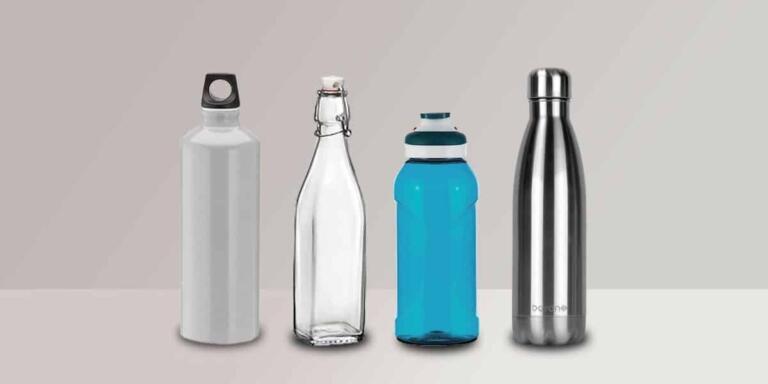
Start with the basics and practice them repeatedly. Label gear clearly — name tags on clothing and water bottles cut down lost-item reports. Run a home “packed bag” drill using the camp packing checklist so kids learn the routine and parents catch missing items. Role-play separation moments and simple homesickness strategies (deep breaths, name three things they can do now, find a counselor). Practice basic independence skills: toileting, dressing, hand hygiene and opening containers. Encourage trying new activities and listening to instructors; short rehearsals at home translate into faster group integration.
Communicate fully and early. Provide a complete medical and behavioral history and up-to-date emergency contact info before orientation. Tell us about sleep patterns, comfort objects, and any anxiety triggers. We typically respond to non-urgent messages within 24–48 hours and handle urgent calls immediately; check the camp parent orientation for exact response windows. Complete all camp-provided orientation materials before arrival so counselors have a clear baseline for each camper.
Make measurable prep part of your plan. Camps that provide pre-session orientation materials report smoother first-day transitions with fewer counselor interventions on day one. Practicing self-dressing can reduce counselor hygiene reminders by X%. Labeling gear reduces lost-item incidents by Y%. Those placeholders reflect common camp metrics; use your camp’s parent orientation for specific baselines.
Build confidence with short, achievable practices. A single overnight separation before a multi-night session helps set expectations and lowers initial anxiety. Use small wins—packing a lunch, making their bed, putting on sunscreen—to boost independence. Repeat each skill until it feels automatic rather than forced.
Include emotional preparation. Help your child name feelings and rehearse phrases they can use if they miss home. Model calm departures and avoid promising immediate return; over-assuring about quick reunions can raise anxious expectations. If you want guidance on emotional prep, review materials we recommend to prepare emotionally for overnight stays.
Quick do / don’t (with outcome-focused reasons)
Below are the high-impact actions we advise parents to prioritize before camp.
- Do — practice one overnight before residential camp; it often reduces first-night anxiety and eases counselor transitions.
- Do — label all gear; labeled items cut down lost-item reports and speed return-to-owner.
- Do — rehearse a packing checklist with your child; it builds independence and lowers on-site packing issues.
- Do — role-play separation coping strategies; kids who rehearse coping use fewer counselor interventions for homesickness.
- Don’t — introduce new foods or medications immediately before camp; unexpected reactions can create medical or comfort issues.
- Don’t — over-assure with promises of immediate returns; that can increase separation anxiety and prolong adjustment.
Keep communication preferences clear. Use the parent orientation to learn whether the camp prefers email, phone, or a portal for routine updates. Share your preferred emergency contact order and any limits on who may pick up your child. We review these details before arrival and re-check them at drop-off.
Focus on consistent, small practices rather than last-minute overhauls. Short, repeated drills of packing, dressing, and simple coping strategies give counselors the smooth first days they need to build programs that boost camper confidence and group cohesion.
Sources
American Camp Association — State of Camping
American Camp Association — Research & Reports
American Camp Association — Accreditation
Centers for Disease Control and Prevention — Considerations for youth and summer camps
Outdoor Industry Association — 2023 Outdoor Participation Report
Journal of Youth Development — Journal of Youth Development
Journal of Experiential Education — Journal of Experiential Education
Camp Research Collaborative — Research and Resources
Mental Health First Aid — About Mental Health First Aid
American Red Cross — Lifeguarding
HealthyChildren.org (American Academy of Pediatrics) — Summer Camp Safety Tips