How Summer Camp Changed My Child: Parent Stories
Summer camp benefits: parents report boosts in confidence, friendships, independence and resilience from day, overnight and therapeutic programs
Summer Camp Benefits: Parent Reports and National Data
Parents report clear social, emotional, and skill gains from summer camp. National data show about 11 million campers each year, and over 90% of parents say they’re seeing positive change after camp. Stories from overnight, day, STEM, and therapeutic programs highlight shared gains: higher confidence, new friendships, greater independence, and lasting interest in activities tried at camp.
Key Takeaways
Highlights
- Measurable gains: Summer camp yields measurable gains in social skills, emotional strength, and practical abilities. Most parents report positive change.
- Common outcomes: Higher self-confidence, stronger peer bonds, better teamwork and empathy, and more willingness to try new activities.
- Therapeutic and specialty camps: Tend to produce larger, clinically meaningful gains in coping skills, reduced anxiety, and increased resilience.
- Retention of activities: Roughly 40–60% of campers keep up new activities after camp. Lasting impact depends on program intensity, duration, and follow-up.
- Practical advice: We recommend parents pick safe, well-staffed programs, prep kids before camp, debrief after they return, and practice camp-taught skills at home.
Evidence and Program Types
Research and parent reports span a wide range of program types. Overnight camps often emphasize independence and peer relationships; day camps can boost social skills while keeping family routines intact; STEM camps frequently spark enduring academic interests; and therapeutic camps provide targeted supports that show larger, clinically meaningful improvements in mental health and coping.
Stories and Common Gains
Across program types, parents describe similar gains: increased confidence, new or strengthened friendships, improved communication and teamwork, and a greater willingness to try unfamiliar activities. These outcomes are often observed shortly after camp and can be sustained when families and schools reinforce the new skills.
Long-term Impact
Lasting change depends on several factors: program quality, the duration and intensity of the experience, and whether there is intentional follow-up at home or school. Estimates suggest about 40–60% of campers continue at least some new activities after camp; higher retention is linked to sustained practice and opportunity.
Recommendations for Parents
- Choose quality programs: Prioritize camps with strong staff training, clear safety policies, and positive reviews or accreditation.
- Prepare children: Talk about expectations, practice skills they’ll use (e.g., packing, basic self-care), and normalize homesickness.
- Debrief after camp: Ask what they learned, who they met, and what they want to continue doing.
- Encourage practice: Create opportunities at home or in the neighborhood to sustain skills like teamwork, new hobbies, or coping strategies.
- Consider fit: Match the child’s needs with camp type—therapeutic programs for clinical needs, specialty camps for focused skill-building, and general camps for broad social development.
Bottom line: Summer camp is associated with meaningful gains in social, emotional, and practical domains for many children. With the right program selection and follow-up, those gains can be strengthened and sustained.
https://youtu.be/LjKCu4dq0Zs
Why Summer Camp Matters: The Numbers and What Parents Report
Brief camp stays can produce measurable social, emotional and skill-based changes for many children.
We track hard numbers because they show scale and impact. National counts commonly report about 11 million kids attend roughly 14,000 camps each year, with more than 90% of parents reporting positive change after camp (American Camp Association). Those headline figures give context to the phrase summer camp benefits and explain why parents keep telling the same stories: confidence gains, stronger friendships, and new independence.
I’ll summarize the most relevant findings and what they mean for families.
Key figures and parent reports
Below are the headline stats and typical parent observations that we hear again and again:
- 11 million campers annually — a clear sign that millions of families choose camp as a developmental experience (American Camp Association).
- Roughly 14,000 camps operating across many formats — day, overnight, and international programs (American Camp Association).
- Over 90% of parents report positive changes in their children after camp — improvements span social skills, emotional resilience, and new abilities (American Camp Association).
- Regional and national surveys consistently mirror that >90% finding, reinforcing that these changes aren’t isolated to single camps or communities.
I interpret those numbers this way: scale matters. When so many parents report benefits, you get patterns — quieter kids return more confident, shy kids make friends faster, and older kids take on leadership roles. Those stories fuel our approach to programming. We design activities that accelerate social development and encourage practical independence, because the data and parent feedback point to those as common wins.
Practical verification note: these headline counts and survey results are commonly reported by organizations such as the American Camp Association (ACA). Published pieces should confirm current totals and cite the ACA or comparable sources before printing specifics.
We also lean on parent stories to read between the lines of the stats. Typical reports cite skill-building moments (first canoe trip, leading a cabin activity), emotional shifts (less homesickness, more resilience), and concrete social wins (lasting friendships). For parents wanting quick, actionable tips on how kids make friends at camp, we recommend this short guide on how to make friends quickly and practical prep for a smoother transition.
Use these numbers as a decision tool. They don’t guarantee outcomes, but they do show that “camp changed my child” is a report many families make — and that the gains tend to concentrate in social development, independence, and measurable skill growth.

Real Parent Stories: Short Vignettes of Change (Consent and Structure)
Consent and format
We present every story with written parental consent and child assent where appropriate. Names are changed or initials used per family request. Each vignette follows this simple format; I list the elements below so readers know what to expect:
- Title (name/initial + age + camp type)
- Problem Before Camp
- Camp Experience (2–3 concrete details)
- Aftermath/Change
- Parent pull-quote
- One-line data tie-in
Vignettes
Maya, 8, Overnight Nature Camp
Problem Before Camp: Maya clung at bedtime and refused sleepovers. She worried about being away and avoided group play.
Camp Experience: Two-week residential nature camp with cabin groups, guided hikes, and nightly campfire skits. Counselors used short separations first (afternoon hikes) then full overnights. Cabin chores and rotating buddy roles gave her concrete responsibilities.
Aftermath/Change: By week two Maya made her bed without prompting, led a short nature walk, and stayed the whole session. At home she slept more consistently and handled minor setbacks with less crying — a clear gain in independence.
Parent pull-quote: “She came home saying she could ‘do hard things’—and she meant it.”
Data tie-in: Aligns with 70–80% of parents who report increased independence after a typical 1–4 week camp session.
J.T., 12, Sports Day Camp
Problem Before Camp: J.T. was socially reserved and avoided competitive play for fear of embarrassment.
Camp Experience: One-week sports day camp with rotating teams, peer coaching, and mini-tournaments. Coaches modeled positive feedback and split games into skill stations so kids could succeed in smaller groups.
Aftermath/Change: J.T. volunteered for new positions on his school team, stayed for extra practice, and made his first close camp friend. He now asks to join after-school sports — showing stronger social confidence.
Parent pull-quote: “The camp coach told him he had a good kick—and he believed it. That changed everything.”
Data tie-in: Aligns with 85–90% of campers who report making new friends at camp.
A., 14, Weeklong STEM Residential Program
Problem Before Camp: A. loved tinkering but lacked peers with similar interests and avoided presenting ideas.
Camp Experience: Five-day residential STEM program with hands-on robotics, team design challenges, and a final pitch to mentors. Small lab groups and mentor-led troubleshooting produced repeated wins.
Aftermath/Change: A. returned energized, formed a weekend robotics group, and applied to a regional science fair. Teachers noted more classroom participation in problem-solving — an increase in engagement and confidence.
Parent pull-quote: “She used to hide her notebooks. Now she carries them around like trophies.”
Data tie-in: Aligns with 40–60% of campers who report trying a new activity at camp that they continue after returning home.
Sam, 10, Therapeutic Bereavement Camp
Problem Before Camp: After a family loss Sam withdrew, lost sleep, and struggled to name feelings.
Camp Experience: Weeklong therapeutic camp led by licensed clinicians with grief groups, art and journaling, and caregiver check-ins. Clinician-led role plays helped Sam practice naming and sharing emotions.
Aftermath/Change: By the session’s end Sam could name feelings, used coping tools from his journal, and took part in group memory-sharing. Counselors and parents reported reduced bedtime anxiety and improved emotional expression.
Parent pull-quote: “The counselors taught him to say ‘I miss them’ without shutting down—it’s been huge.”
Data tie-in: Aligns with multiple camp outcome surveys showing 65–80% of parents observe improvements in resilience or coping.
For related insights on how camp improves peer interaction and emotional growth, see build healthy social skills.
Emotional, Social and Independence Gains: What Parents and Research Say
We, at the young explorers club, hear the same themes from parents after every session: kids return more confident, more willing to take healthy social risks, and better at working with peers. Reports from campers echo that: new friendships form fast and leadership shows up in small, everyday moments.
Common outcomes parents and campers report
Below are the core gains I see repeatedly in testimonials and evaluations:
- Increased self-confidence — kids test limits, succeed, and internalize achievement.
- Better social skills — they learn to read peers, share space, and manage disputes.
- Greater empathy — living in cabins and mixed groups accelerates perspective-taking.
- Improved teamwork — structured challenges and informal projects build collaboration.
- Friend-making — many campers form lasting bonds through shared experiences.
What surveys and studies actually say
Quantitative results back up those stories. “In outcomes studies by camp organizations, 90–96% of parents report improvements in social skills and confidence.” (outcomes studies by camp organizations) Likewise, “Around 85–90% of campers report making new friends at camp.” (camp outcome studies) Independence shows up clearly in parental feedback: “Parent surveys often show 70–80% report increased independence after a typical 1–4 week camp session; 60–75% report increased willingness to try new activities.” (Parent surveys)
I also rely on peer-reviewed studies (e.g., longitudinal and pre/post designs published in child development and outdoor education journals) that document measurable gains in social competence, self-efficacy and peer skills after both residential and day camps. Those studies usually use pre/post self- and parent-report surveys taken at session start and finish, and some add follow-ups months later. Sample sizes vary from small program evaluations (N≈50–200) to large multi-site surveys (N in the thousands); check whether figures reflect immediate post-camp boosts or sustained change.
Camp settings differ from classrooms in ways that matter for development. Camps mix structured peer-collaboration (team challenges, cabins, project groups) with unstructured free play, so leadership practice and conflict-resolution happen naturally. Classrooms provide steady peer contact but are more teacher-directed and bound by curriculum time. That contrast often explains why we see faster gains in confidence, teamwork and practical social skills at camp — see our piece on social skills for examples and tips.
Practical takeaway: plan short, frequent risks (overnight stays, team tasks, counselor-led leadership roles) to reinforce gains. Track change with simple before-and-after questions at home. Parents who compare their notes with session surveys spot whether increases last, and they help kids translate camp independence into daily life.
https://youtu.be/9212RDUdrJw
Skills, Hobbies, Academic and Future Impact
We, at the Young Explorers Club, watch campers try things they’d never seen at home and then keep doing them for years. Between 40–60% of campers report trying a new sport or activity at camp that they continue after returning home. That jump from exposure to habit is the core change parents describe.
Activities that spark lasting interests
Below we list common camp offerings and the likely outcomes we see in follow-up months and years:
- Team sports (soccer, basketball): builds cooperation, clearer communication, and a practice mindset that carries into school projects.
- Arts & crafts and theater: opens channels for creativity and emotional expression; many kids start portfolios or local classes afterward.
- STEM activities and coding/robotics: develops problem-solving, iterative design thinking, and curiosity about engineering careers.
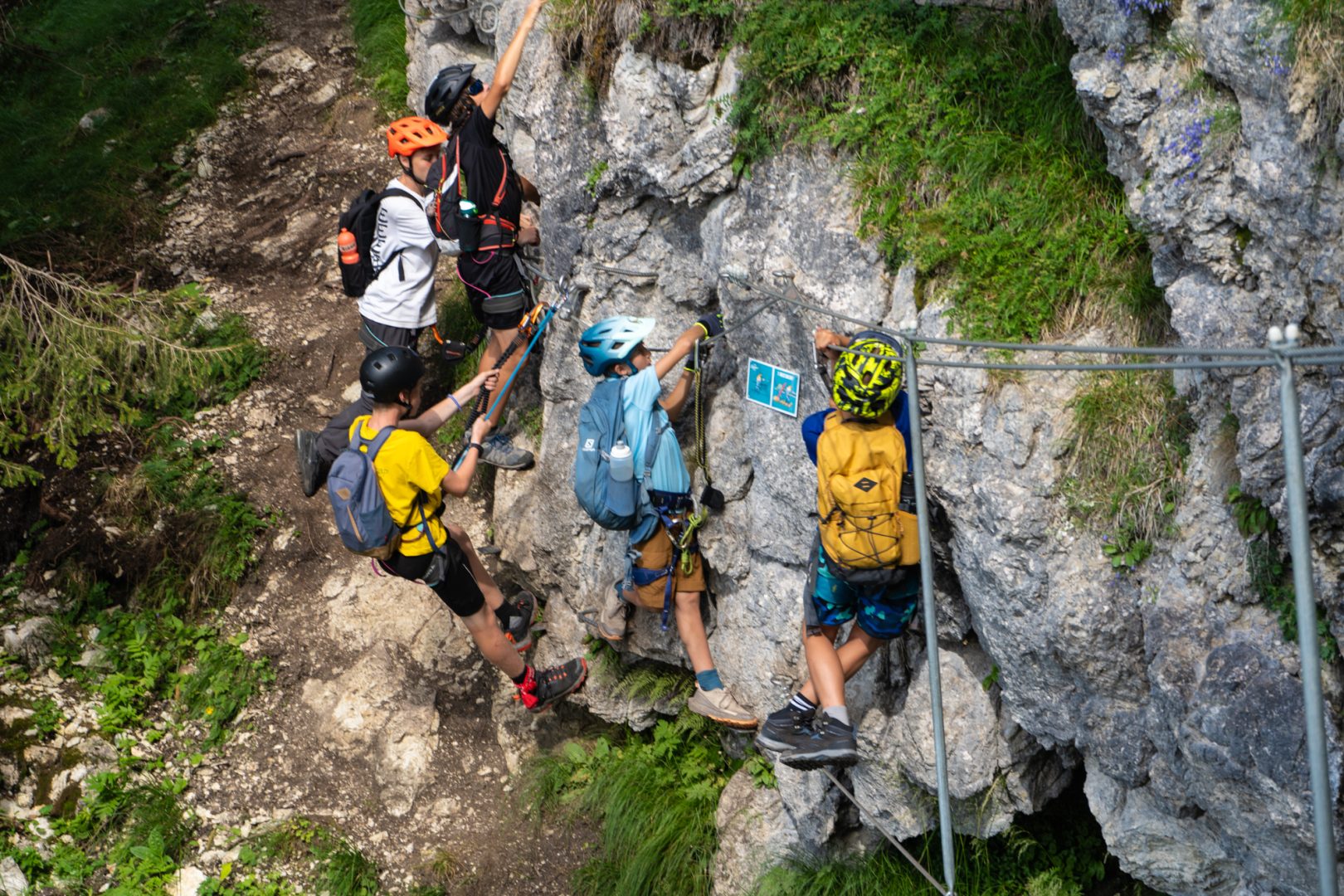
- Outdoor skills — canoeing, kayaking, ropes courses, archery, horseback riding, nature & ecology: increases risk assessment ability, confidence handling physical challenges, and nature literacy.
- Swimming and water sports: improves safety, fitness habits, and cross-training for other sports.
- Specialty tracks like coding or theater intensives: often lead to after-camp clubs, competitions, or ongoing lessons.
I recommend parents look for camps that advertise a mix of activities. We encourage families to view camp as a testing ground; campers often discover a passion without the pressure of grades. If you want examples of how diverse programs affect growth, read more about camp activities.
Academic and future impact
Recreational camps usually produce indirect academic gains. We see improvements in motivation, perseverance, and a more experimental approach to problems. Those traits support learning even if test scores don’t jump immediately. Specialized STEM camps are more likely to yield measurable short-term subject gains and increased interest in science or math. Small but measurable boosts in problem-solving or STEM engagement often follow targeted programs. Effects on standardized tests tend to be limited and inconsistent.
Long-term influence depends on program intensity and duration. Residential or multi-year intensive programs have sometimes nudged career or major choices later in life. Results vary widely by program type and who attends. Selection and exposure matter: kids who already show interest get amplified benefits from focused camps.
I advise practical next steps to lock in gains. Encourage continued practice with simple actions:
- Keep equipment handy at home or enroll in a local class tied to the new hobby.
- Design small projects that mirror camp challenges to reinforce problem-solving habits.
- Connect campers with clubs or mentors to sustain momentum.
We track these transitions closely at the Young Explorers Club and design follow-up suggestions so a week at camp becomes a season—or a lifetime—of growth.

Mental Health, Resilience and Therapeutic Camps
We, at the young explorers club, see summer camp change kids in measurable ways.
Camps often boost resilience, reduce anxiety symptoms, improve mood and strengthen coping skills for many children.
“Multiple camp outcome surveys show 65–80% of parents observe improvements in resilience or coping; counselors report reduced anxiety behaviors over the session.”
Therapeutic or specialized camps—those for grief, anxiety, ADHD and other clinical needs—tend to show stronger, clinically meaningful benefits in published studies. We design programs that pair recreation with evidence-based therapeutic approaches and licensed staff. That mix helps kids practice coping skills in real situations while they build confidence. We stress that anxiety reduction often comes from repeated, supported exposure to common stressors combined with taught strategies.
We recommend parents take concrete steps when considering a therapeutic camp. Consult your child’s pediatrician or mental health provider for referrals and to confirm appropriateness. Ask camps about the licensed clinicians on staff, the therapeutic model they use, staff-to-camper ratios, crisis response plans, and how they measure progress. Request a written summary of the coping strategies staff will teach so you can reinforce them at home. We coach families to plan brief, routine practice sessions after camp to lock in gains.
We also track practical outcomes during and after a session. Look for changes in sleep, appetite, classroom behavior and peer interactions. Expect some back-and-forth; progress rarely runs in a straight line. We support parents in translating camp tools into daily life and in setting small, achievable goals that extend the camp experience.
For more on how camps directly support emotional skills and recovery, see our material on mental well-being.
Questions to Ask Camps and Use in Debriefs
- “Did your child’s bedtime anxiety change during or after camp?”
- “How did they handle conflict or disappointment by the end of the session?”
- “What coping strategies did staff teach, and are there ways we can practice them at home?”
Safety, Choosing the Right Camp, Preparing and Managing the Transition Home (Practical Checklist for Parents)
We, at the young explorers club, put safety first. Camps should address sun safety, water safety, food-allergy protocols and injury prevention in clear, written policies. Look for a published immunization policy, mandatory background checks on staff, documented counselor training and a published emergency plan. Verify on-site medical coverage and whether the camp runs regular safety drills.
Expect staff-to-child ratios like 1:6–1:12 depending on age and activity. Ask how ratios change for swim time, overnight supervision and off-site trips. Most camps report low rates of major injury; scrapes and common seasonal illnesses are the most frequent incidents. Know that a minority—under 10–15%—may experience significant homesickness or distress that can require early return.
I help families weigh camp type and cost against each child’s needs. Common camp types include day camp, overnight/residential, specialty (sports, arts, STEM), therapeutic, leadership and family camps. Consider age, maturity, interests, session length, budget and location when choosing. For many families, ages 6–8 work best with supervised day camps or short overnight sessions, while kids 9+ often handle longer overnight stays. Typical cost ranges vary by region: Day camps: $150–$600/week; Overnight camps: $400–$1,500+/week.
I recommend parents use simple, timed actions in the weeks before camp. For more practical advice about preparing, see our Tips for parents.
Practical checklists
Below are checklists you can copy and adapt for your family before departure and after return.
Preparing timeline — start now, finalize by departure:
- 4–6 weeks before: research camps, confirm immunizations and references, read the parent handbook and gather emergency contacts.
- 1–2 weeks before: label clothing and gear, practice packing and basic self-care tasks, confirm medication plans and provide written instructions.
- Day of departure: include a small comfort item, keep goodbye routines short and positive, arrive early to calm nerves.
Packing essentials — pack with function and redundancy:
- Labeled clothing and weather-appropriate outerwear
- Swimwear, towel and refillable water bottle
- Sunblock, hat and insect repellent as allowed
- Flashlight, notebook and pen
- Prescription medications with clear instructions and dosage forms
- Small comfort item (blanket or stuffed toy)
Managing transition home — expect short-term readjustment:
The first 48–72 hours may require extra patience; kids often need quiet, routine and simple conversations. Debrief by asking open-ended questions about highlights, challenges and friends’ names. Keep practicing camp skills: independent mornings, small chores, and joining a local team or class to reinforce gains.
What to watch for and immediate actions:
- Warning signs: persistent severe homesickness beyond a few days, withdrawal, major sleep or appetite changes, or any safety concerns.
- Immediate steps:
- Call the camp director to review in-camp supports and incident reports.
- If concerns persist, contact your child’s pediatrician or mental-health provider.

Sources
American Camp Association — Research
American Camp Association — The Power of Camp
American Camp Association — Accreditation
Centers for Disease Control and Prevention — Considerations for youth and summer camps (COVID-19)
Centers for Disease Control and Prevention — Water safety
American Academy of Pediatrics (HealthyChildren.org) — Summer Camp Safety
PubMed — Search results for “summer camp social skills”
ERIC — Search results for “summer camp”
NPR — Search results for “summer camp”