How Swiss Camps Accommodate Different Sleep Schedules
Swiss camps’ sleep schedules tailored by age, activity and altitude—age-based lights-out, naps, night checks for camper safety and recovery.
Camp Sleep Management Practices
We follow Swiss camp practice and adjust sleep schedules by camp format, age group, activity load and altitude. Our staff set age-based lights-out windows, schedule short naps and stagger room timetables to protect safety, recovery and learning.
Staffing and Night Management
Staff combine set staffing ratios, routine night rounds, environmental controls and individual sleep plans to manage jet lag, altitude sleep effects and medical or neurodivergent needs. Teams record sleep metrics and refine programming from those results.
Key Takeaways
- Age-specific sleep targets and lights-out windows (about 21:00–23:00) with short naps to protect total sleep time.
- Alpine programs include 1–2 acclimatization days, monitor symptoms with pulse oximetry and schedule earlier rest after strenuous treks.
- Overnight supervision uses defined staff-to-camper ratios (≈1:6–1:12 by age), on-call night coverage and checks every 2–4 hours.
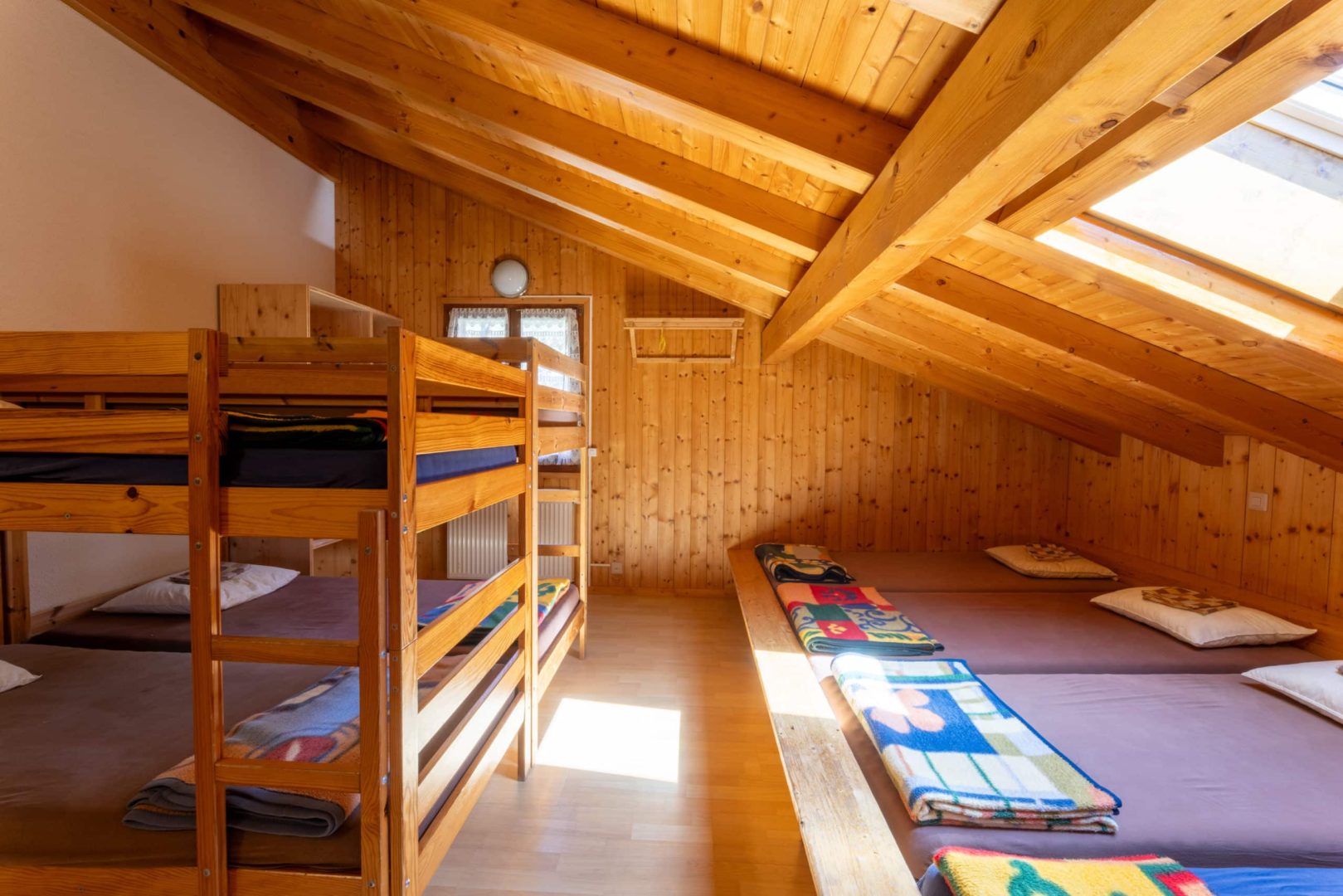
- Controlled sleep environments for temperature (16–19°C), light and noise (target ≤40 dB) and bunks equipped with suitable sleeping pads, bags and blackout or earplug options.
- Sleep hygiene enforced (screen curfew, no caffeine after 14:00), logging of sleep duration and subjective scores, and creation of individual sleep plans for medical or neurodivergent needs.
https://youtu.be/seKxX3KbGYw
Why Sleep Scheduling Matters Across Swiss Camps
We, at the Young Explorers Club, plan sleep schedules as deliberately as activity timetables. Camps run different formats and serve varied camper age groups, so sleep timing, quiet hours and facilities directly affect safety, learning and recovery. Clear schedules reduce injury risk after long travel, help manage altitude and support medical or cultural needs.
How camp formats change sleep needs
Below I list common Swiss camp types and the sleep considerations each demands:
- Day camp: No overnight stay. I prioritize naps or quiet-rest for younger campers and stagger activity blocks to avoid afternoon crashes.
- Residential camp: Multi-day stays need structured lights-out, sleep checks and flexible wake windows; see our notes on residential camp life.
- Alpine camp: High-altitude programs (often 1,000–2,500 m) alter sleep quality and breathing. I schedule earlier rest periods after long treks and monitor for altitude-related sleep disruption.
- Sports camp: Intense daily training requires early warm-ups and dedicated recovery windows, including naps and longer overnight sleep.
- International / language camp: Mixed time zones and cultural sleep norms mean we may allow later wake times or staggered room schedules to ease jet lag.
- Speciality camps (arts, adventure): Evening rehearsals or early starts demand trade-offs; I protect total sleep time even if timing shifts.
- Family camp: Mixed-age groups need flexible arrangements and private sleep spaces so parents and kids rest appropriately.
Policies and practical guidance for staff and parents
I align policy with evidence and practicality. For camper age groups, I use age-based sleep needs to set lights-out and nap allowances. Younger children get earlier bedtimes and mandatory quiet periods. Teens get slightly later lights-out but also education on sleep hygiene.
Altitude and sleep are treated proactively. I build gradual ascents into schedules, add afternoon rest after exertion, and train staff to spot sleep-disordered breathing signs. For sports camps, I bake recovery into the day: cooldowns, planned naps and nutrition timed to support sleep.
For international campers, I allow transition days and stagger check-ins to reduce jet-lag fatigue. Medical needs get individualized plans and medication storage that respects sleep routines. Staff training covers emergency sleep-related issues and respectful enforcement of quiet hours.
I recommend parents review sleep notes before arrival and communicate chronic conditions. Staff communicate nightly routines clearly and enforce them with consistency and empathy. This approach keeps campers safer, sharper and happier.

Age-Based Targets and Sample Daily Timetables
Scientific baseline and rationale
We set age-based sleep targets to match physiology and the activity load of camp life. The National Sleep Foundation guideline recommends:
- 10–13 hours/night for preschool children (3–5 years)
- 9–11 hours/night for school-age children (6–13 years)
- 8–10 hours/night for teenagers (14–17 years)
- 7–9 hours/night for adults (18+ staff)
Younger children need earlier bedtimes because they clear sleep pressure faster and regain recovery more quickly. We limit evening stimulation and schedule quieter activities for younger groups. Teenagers shift later biologically, so we protect total sleep by allowing later wake windows or optional quiet hours. Staff follow adult targets but must also manage rotating nights and on-call cover; their model balances onsite duties with phased rest periods.
Practical camp targets and sample timetables
Below are the timetables we use as starting points; each line shows how the timing translates into sleep duration.
- Age 6–9 (target ~9–11 hrs): wake 07:00; bedtime routine 20:30; lights-out 21:00 → 21:00–07:00 = 10 hrs.
- Age 9–12 (target ~9–11 hrs): wake 07:30; bedtime routine 21:00; lights-out 21:30 → 21:30–07:30 = 10 hrs.
- Age 13–17 (target ~8–10 hrs): wake 07:30–08:00; bedtime routine 22:30; lights-out 23:00 → 23:00–07:30 = 8.5 hrs.
- Staff / leaders: quiet hours typically 23:00–07:00 with shift sleeps, rotating night duties and on-call cover (shift-based sleeping models).
We pick lights-out windows between 21:00 and 23:00 depending on age group and evening activities. Typical wake windows range 06:30–08:30 to match staff timetables and morning starts.
When camps plan alpine starts or early excursions, trade-offs are inevitable. We move lights-out 1–2 hours earlier on nights before early departures. That preserves total sleep without forcing an unrealistic bedtime on older campers. For details about a usual camp day and how that affects rest, see a day in the life. For families preparing younger campers, our guidance on how to your first summer camp and how to prepare emotionally helps smooth the transition.
I manage lights-out enforcement with flexible tools: dimmed communal lighting, low-key evening programs, and staggered tuck-in for mixed-age cabins. When conditions need special handling—medical needs, homesickness or inclusion concerns—I coordinate closely with parents and staff. Parents can read about our approach to homesickness at camp and our standards for medical care. Staff training on shift patterns and rest expectations is outlined under staff qualifications.
I adapt schedules across different camp formats—residential stays, adventure programs, and inclusive sessions—so sleep remains a priority. See how sleep fits into broader daily structure in our write-up on residential camp life and what a typical day looks like at an adventure camp. For specific prep steps families can use, visit our page on how to prepare for camp. We also outline access and accommodations in our section on inclusive summer camps.
Practical tip: when you see an early alpine start on the schedule, plan for bedtime to move earlier by 60–120 minutes. I find that simple shifts like this preserve alertness and mood the next day without undue stress.
How Camps Staff and Supervise Sleep: Ratios, Night Coverage & Special Needs
We, at the Young Explorers Club, set clear staffing standards so sleep is safe and predictable. I use a range for staff-to-camper ratio 1:6–1:12 that shifts by age and need.
Staffing ratios and night coverage
Below I outline typical supervisory ratios and the night coverage practices I expect at camp:
- Ages under ~9 years: commonly 1:6 to 1:8 to keep close supervision and rapid response.
- Ages 9–12: commonly 1:8 to 1:10 to balance independence with support.
- Teens 13+: commonly 1:10 to 1:12, which reflects greater autonomy.
- Overnight supervision: at least one on-duty staff per cabin or group, with either an awake staff rotation or a nearby sleeping staff member on-call.
- Night rounds and checks: recommended every 2–4 hours, plus ad-hoc checks when a camper is unwell.
- Practical setups: on-call phones, adjacent staff rooms, or a designated night leader who’s reachable and ready to respond.
Shift schedules for staff should be practical and humane. Common patterns include:
- Four nights on / two nights off rotations.
- A night-float system where one staff covers nights while others handle daytime duties.
These rotations help protect overall staff sleep while ensuring consistent overnight supervision. I also rotate sleeping duties so no single person burns out.
Special needs are handled with advance planning and clear documentation. Parents should plan ahead 2–4 weeks for a special needs intake so I can assess medication timing, allergies, and behavioral supports. I collect medical intake early and convert it into accessible notes for on-duty staff.
I create individual sleep plans for campers who need predictable routines. These plans often include:
- Earlier bedtimes and consistent bedtime routines.
- Specific cabin placement or quiet corners for lower stimulation.
- Clear medication schedules and who administers doses.
- Visual or written cues for neurodivergent campers that reduce anxiety.
I make neurodivergent sleep accommodations part of pre-arrival planning. I train staff on ADHD/ASD strategies, set low-sensory options, and keep behavioral supports documented and easy to find. If you want guidance on getting ready, I recommend parents read our tips to prepare for camp and submit medical details early.
I monitor implementation each night and adjust quickly when a camper’s sleep pattern or health changes. Staff log night checks and flag concerns immediately so I can act before problems escalate.
Managing the Sleep Environment: Temperature, Light, Noise, Bedding and Gear
We, at the young explorers club, set clear targets for sleeping spaces and enforce them each night. I keep instructions short and practical so staff and parents can act immediately.
Maintain sleep temperature 16–19°C as a nightly target; the physiological ideal is 15.5–19.5°C, but camps run best in the 16–19°C band. I monitor room thermostats, open vents selectively in the morning, and provide lightweight blankets for campers who run cold. For alpine sites I check temperatures more often and add insulation layers to sleeping platforms.
I control noise to protect rest: target noise ≤40 dB at night (WHO night-noise guideline). I place quieter groups away from external traffic and kitchens. For sound mitigation I recommend a small SPL meter on a nightly log. If a room trends high, I use Marpac Dohm white-noise devices and supply 3M earplugs to reduce disturbances.
I manage light aggressively. I install blackout curtains or heavy drapes in sleeping cabins to block early sunrise. I enforce limit screens 60–90 minutes before bed and switch common-area lighting to warm, low-intensity bulbs during wind-down. Sleep masks are available for campers who prefer them.
I match bedding and gear to site altitude and season. Mattress insulation for altitude matters as much as mattress comfort; a thin pad can turn a warm sleep into a cold night. I choose sleeping pads like Therm-a-Rest NeoAir or Exped DownMat for multi-night stays. For sleeping bags I advise Sea to Summit sleeping bag models (+5°C rating for lower alpine nights) and Marmot Trestles; we keep reserve 0°C bags for colder or late-season alpine stays. Always check the sleeping bag temperature rating +5°C / 0°C against expected lows.
Recommended on-site inventory and operational tips
Below are items I stock and why they matter:
- Sleeping pads/mats: Therm-a-Rest NeoAir, Exped DownMat — combine insulation and packability.
- Sleeping bags: Sea to Summit (+5°C), Marmot Trestles; reserve 0°C bags for high-altitude or late-season use.
- Ear protection & sound devices: 3M earplugs, Marpac Dohm — reduce transient noise and steady background noise.
- Light-blocking & comfort: blackout curtains, sleep masks, portable blackout curtains for tents.
- Monitoring and spares: spare blankets, extra earplugs and masks, a simple SPL meter, and a logbook for room temperature and noise levels each night.
I ask parents to label gear and to bring appropriate items; I also provide loaner gear for forgotten essentials. Staff record nightly temps and noise when possible and adjust protocols when readings exceed our targets. For packing advice and expectations, I link families to a short guide to help them prepare for camp.

Alpine Camps, Altitude Effects on Sleep and Scheduling Solutions
We at the Young Explorers Club plan schedules based on clear altitude thresholds and known sleep responses. Sleep disruption commonly appears above roughly 1,500–2,000 m and can intensify above 2,500–3,000 m due to hypoxia. The risk of acute mountain sickness also rises substantially above 2,500–3,000 m. Expect fragmented sleep, periodic breathing, reduced REM, and more night awakenings as common patterns at higher camps.
Operational mitigations we enforce at camp make a real difference. I recommend allowing 1–2 acclimatization days after significant gains above roughly 2,000–2,500 m. We avoid high-intensity activities on the first full day after a major altitude gain. Instead, we schedule light walks, hydration breaks and rest.
For example, on arrival at a hut near 2,200 m we plan arrival around midday, a gentle afternoon walk, a restful evening and postpone strenuous hikes until the following morning — this reduces immediate load and respects expected increased sleep fragmentation in the first 48 hours.
I also set up daily symptom monitoring to catch trouble early. For higher camps we use pulse oximeters for objective data and keep a short subjective checklist to track changes in sleep and wellbeing.
Daily monitoring checklist
- Sleep quality: more awakenings or vivid dreams than usual.
- Headache: onset or worsening.
- Nausea or dizziness: any new symptoms.
- Daytime fatigue or breathlessness: on light exertion.
- Pulse oximeter reading (if available): note significant drops from baseline.
We adjust programming when symptoms appear. If several checklist items are positive, we delay strenuous plans, increase rest, and hydrate more. Staff receive training to recognize periodic breathing and other altitude-related patterns and to apply simple fixes like paced breathing, keeping rooms cool, and staging activity intensity.
I include practical prep advice for families before arrival: have campers learn sleep hygiene basics, pack layers for night temperature swings, and hydrate well the day of ascent. For specifics on packing and camp routines, I direct families to our guide on how to prepare for camp.

Sleep Hygiene Programming, Monitoring and Operational Checklist
We set clear, age-appropriate rules so sleep supports activity and safety. Our program enforces a screen curfew 60–90 minutes before bed and a firm no caffeine after 14:00 for teens. Quiet evenings include guided breathing, progressive relaxation and short reading. Staff lead a wind-down routine that I recommend running like this: 20 minutes of gentle group stretching or silent reading, followed by 10 minutes of guided breathing.
I allow short restorative naps after very active mornings for younger kids — naps 20–30 minutes max — and prohibit long late-afternoon naps that fragment night sleep. I track average nightly sleep duration against targets and adjust schedules quickly after travel or altitude changes. For examples of daily rhythm and how that fits into camp life, see a day in the life.
Monitoring and KPIs
I monitor both objective and subjective measures so we can act on data fast. The core metrics I log are:
- Average nightly sleep duration by age group (target vs. actual) — example targets: 9–11 hours for 6–13 y.o.; 8–10 hours for 14–17 y.o.; 7–9 hours for adults.
- Subjective sleep score 1–10 and daytime sleepiness 1–10.
- Sleep efficiency proxies and night awakenings per night.
- Number and type of sleep-related incidents (e.g., night wandering, panic, medical events).
I aim for >80% compliance with the lights-out policy and >75% reporting sleep quality ≥7/10. I use simple tools: paper or digital sleep logs, brief daily surveys completed at breakfast, and optional actigraphy devices for study-level monitoring. When medical details matter, I coordinate with parents and our medical team; see medical care for parents for background on procedures.
Operational checklist for directors (actionable items)
- Publish age-group schedules with clear lights-out and quiet hours; post them where staff and campers can see them.
- Provide or require appropriate sleeping gear: keep +5°C sleeping bags available for summer mountain huts and reserve 0°C bags for late-season alpine stays; maintain loaner sets and spares.
- Enforce the screen curfew 60–90 minutes before bed and the no caffeine after 14:00 rule.
- Train staff to lead the wind-down routine (20 min stretching/quiet reading + 10 min guided breathing) and to run short relaxation scripts for cabin leaders.
- Schedule night rounds every 2–4 hours and log findings; ensure staff know how to record night awakenings per night and other incidents.
- Monitor and log sleep metrics daily and adapt schedules within the first 48 hours, especially after travel, time-zone shifts or altitude change.
- Keep spare earplugs on site, sleep masks and blackout options; log room temperature and noise each night.
- Require pre-arrival intake 2–4 weeks for medical or sleep needs and create individual sleep plans for neurodivergent or medically complex campers.
- Limit late meals and high-sugar snacks in the evening; communicate dietary rules to kitchen staff.
- Provide staff briefings on common sleep disturbances and how to intervene calmly; reference staff qualifications when assigning night duties.
Practical tips for implementation
I recommend short training modules for leaders on reading sleep logs and using brief daily surveys. For newcomers and anxious families, link practical prep resources like how to prepare emotionally for overnight camps and tips for homesickness so arrivals are calmer and fall asleep faster. Keep a simple dashboard that shows nightly average sleep duration and subjective sleep scores so directors can spot trends and reach targets rapidly.
When you need study-level accuracy, add actigraphy and compare device data to sleep logs. If a camper shows repeated low sleep efficiency or frequent night awakenings per night, create an individual plan and involve medical staff early. I also make blackout options and earplugs standard issue in high-noise settings and keep records of spare earplugs on site so replacements are immediate.

Sources
National Sleep Foundation — How Much Sleep Do We Really Need?
American Academy of Pediatrics — School Start Times for Adolescents
World Health Organization — Night Noise Guidelines for Europe (PDF)
Mayo Clinic — High-altitude (mountain) sickness
Mayo Clinic — Altitude and sleep (FAQ)
Swiss Federal Office of Public Health (FOPH) — Federal Office of Public Health (home)
Swiss Youth Hostels (Schweizerische Jugendherbergen) — Hostelling International Switzerland
National Sleep Foundation — Sleep Hygiene
Centers for Disease Control and Prevention (CDC) — How Much Sleep Do I Need?
Peer-reviewed review (NCBI/PMC) — Sleep at high altitude
Federal Office of Sport (BASPO) — Swiss Federal Office of Sport (home)