

How to choose summer camp: bilingual adventure guide 2026
Learn how to choose the perfect bilingual adventure summer camp in Switzerland for children aged 8-17. Expert guide covering safety, language immersion, costs, and selection criteria.
Selecting the right summer camp for your child can feel overwhelming when you’re juggling adventure activities, quality bilingual learning, personal development goals, and safety standards all at once. Parents often struggle to find programs that deliver authentic language immersion while fostering independence and outdoor skills. This guide walks you through practical criteria and actionable steps to confidently choose an adventure camp in Switzerland that balances education, growth, and unforgettable experiences for children aged 8 to 17.
Table of Contents
- Understanding What Makes A Summer Camp Right For Your Child
- Prerequisites: What You Need Before Starting Your Camp Search
- Step-By-Step Process To Evaluate And Select A Summer Camp
- Common Mistakes Parents Make And How To Avoid Them
- Expected Outcomes And How To Measure Camp Success
- Explore Young Explorers Club’s Bilingual Adventure Camps
- FAQ
Key takeaways
| Point | Details |
|---|---|
| Essential criteria | Focus on safety certifications, authentic bilingual immersion, diverse adventure programs, and transparent costs. |
| Preparation steps | Assess your child’s interests and readiness, set a realistic budget, clarify language goals, and gather health records. |
| Selection process | Verify accreditation, evaluate immersion quality, compare adventure offerings, review safety protocols, and apply early. |
| Common mistakes | Avoid choosing by price alone, neglecting physical preparation, or skipping communication with camp organizers. |
| Success indicators | Look for improved confidence, teamwork, measurable language gains, positive feedback, and ongoing outdoor enthusiasm. |
Understanding what makes a summer camp right for your child
Adventure camps focus on outdoor challenges like climbing, mountain biking, and survival skills that push children beyond their comfort zones while building confidence and resilience. These programs create environments where kids learn practical skills, face manageable risks, and discover their capabilities through hands-on activities in natural settings. Bilingual camps immerse children in two languages throughout daily routines, meals, and activities, providing authentic communication practice that goes far beyond classroom learning.
Camps designed for personal development prioritize teamwork, leadership opportunities, and independence through structured challenges that require collaboration and problem solving. Over 90% of reputable Swiss camps require certified first aid and trained youth counselors to ensure safety while fostering growth. Age-specific programming matters because 8-year-olds need different supervision and activities than 17-year-olds, with camps tailoring intensity, independence levels, and skill expectations accordingly.
Swiss camp formats typically include:
- Overnight residential stays ranging from one to multiple weeks
- Mixed language groups pairing native speakers for natural immersion
- Multiweek sessions that deepen skill development and friendships
- Day trip options for families wanting flexible participation
- Specialized tracks focusing on specific sports or outdoor pursuits
Explore former camp programs to see how different formats work in practice. The right camp aligns with your child’s current abilities while stretching them just enough to spark growth without causing overwhelm or anxiety.
Prerequisites: what you need before starting your camp search
Successful camp selection starts with honest assessment of your child’s interests, physical fitness, and emotional readiness for time away from home. Consider whether they thrive in group settings, enjoy outdoor activities, or show curiosity about new languages and cultures. Setting a realistic budget early prevents disappointment later, as Swiss camps vary widely in cost based on duration, included activities, and accommodation quality.
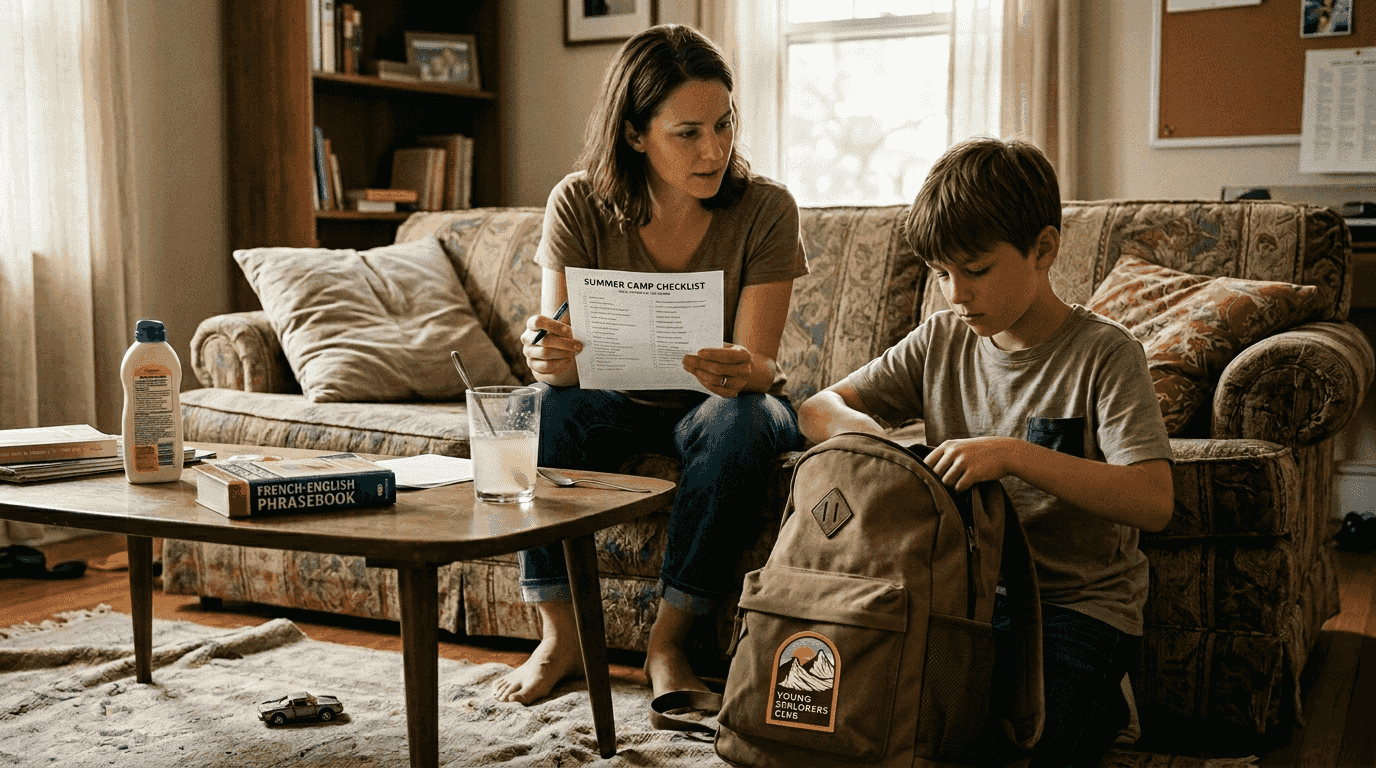
Clarifying your bilingual immersion goals helps narrow options quickly. Ask yourself whether your child needs beginner exposure, intermediate practice, or advanced fluency development in their target language. Review your summer camp cost guide to understand typical price ranges and what’s included at different levels.
Follow these preparation steps:
- Document your child’s medical history, allergies, dietary needs, and emergency contacts
- Check passport validity and research visa requirements if traveling internationally
- List physical activities your child currently enjoys and their fitness level
- Identify application deadlines for camps on your shortlist, typically 3 to 6 months ahead
- Discuss expectations with your child to ensure they’re excited and committed
- Calculate total costs including travel, gear, insurance, and spending money
Gathering this information upfront streamlines your search and helps you ask informed questions when contacting camp organizers. You’ll quickly eliminate programs that don’t match your requirements and focus energy on the best fits.
Step-by-step process to evaluate and select a summer camp
Start by verifying camp accreditation through recognized youth organization standards and checking staff certifications for first aid, language instruction, and activity-specific qualifications. Request detailed information about staff-to-camper ratios, typically 1:6 for adventure activities and 1:8 for general programming, which directly impacts safety and individual attention.
Evaluate bilingual immersion authenticity by confirming that staff members are fluent speakers who use both languages naturally throughout the day, not just during formal lessons. Ask for examples of how language learning integrates into activities, meals, and evening programs. Quality camps employ native speakers from both language backgrounds and create situations requiring real communication rather than scripted practice.
Assess adventure program variety and skill progression to ensure activities match your child’s abilities while offering appropriate challenges. Camps encouraging kids to try new things typically offer introductory sessions before advancing to more demanding pursuits. Review safety protocols including emergency evacuation plans, medical staff availability, and incident reporting procedures.
Analyze cost versus value by examining what’s included in base pricing versus additional fees for equipment, excursions, or optional activities. Some affordable Swiss summer camps maintain quality through shorter sessions or simplified accommodation rather than cutting safety or instruction.
Follow this evaluation sequence:
- Request accreditation documentation and staff qualification lists
- Schedule calls with camp directors to discuss bilingual immersion methods
- Review daily schedules showing language use and activity balance
- Compare safety records and ask about recent incident responses
- Calculate total investment including hidden costs and travel
- Read recent parent and camper testimonials for honest feedback
- Submit applications early to secure spots and access early registration discounts
| Evaluation Criteria | What to Verify | Quality Indicators |
|---|---|---|
| Accreditation | Youth organization membership, staff certifications | Current licenses, recognized standards |
| Bilingual Immersion | Native speaker staff, daily language integration | Balanced use, natural communication |
| Adventure Variety | Activity range, skill levels offered | Progressive challenges, safety equipment |
| Safety Protocols | Emergency plans, medical staff presence | Detailed procedures, trained personnel |
| Cost Structure | Included services, additional fees | Transparent pricing, value alignment |
Pro Tip: Visit camps in person or request virtual tours to observe facilities, meet staff, and gauge the atmosphere firsthand before committing.
Common mistakes parents make and how to avoid them
Choosing camps based solely on convenient location or lowest price often backfires when programs lack qualified staff, proper equipment, or genuine bilingual immersion. Price should reflect quality and included services, not serve as the primary decision factor. Many parents overlook the importance of verifying language immersion authenticity, assuming any camp claiming bilingual status delivers meaningful practice.
Physical preparation matters more than most families realize. Children arriving without adequate fitness or outdoor experience struggle to enjoy activities and may feel left behind by better-prepared peers. Building confidence through adventure activities starts weeks before camp through gradual conditioning and skill introduction at home.
Poor communication with camp organizers creates misunderstandings about schedules, packing lists, pickup procedures, and emergency protocols. Parents who don’t ask detailed questions about daily routines, supervision policies, and communication methods during camp miss opportunities to address concerns proactively.
Avoid these common errors:
- Booking late and settling for leftover spots instead of preferred programs
- Ignoring your child’s input about interests and comfort level with challenges
- Overlooking summer camp scholarship options that make quality camps affordable
- Failing to research staff backgrounds and turnover rates
- Assuming all adventure camps provide equal skill instruction and safety standards
Pro Tip: Create a pre-camp adventure routine three months before departure, incorporating hiking, cycling, or swimming to build your child’s endurance and enthusiasm for outdoor challenges.
Expected outcomes and how to measure camp success
Successful camps produce visible growth in confidence, independence, and willingness to tackle new challenges without parental prompting. You’ll notice your child displaying stronger decision-making skills, taking initiative in group settings, and showing increased resilience when facing difficulties. These changes often emerge gradually over weeks following camp as children apply learned behaviors to everyday situations.
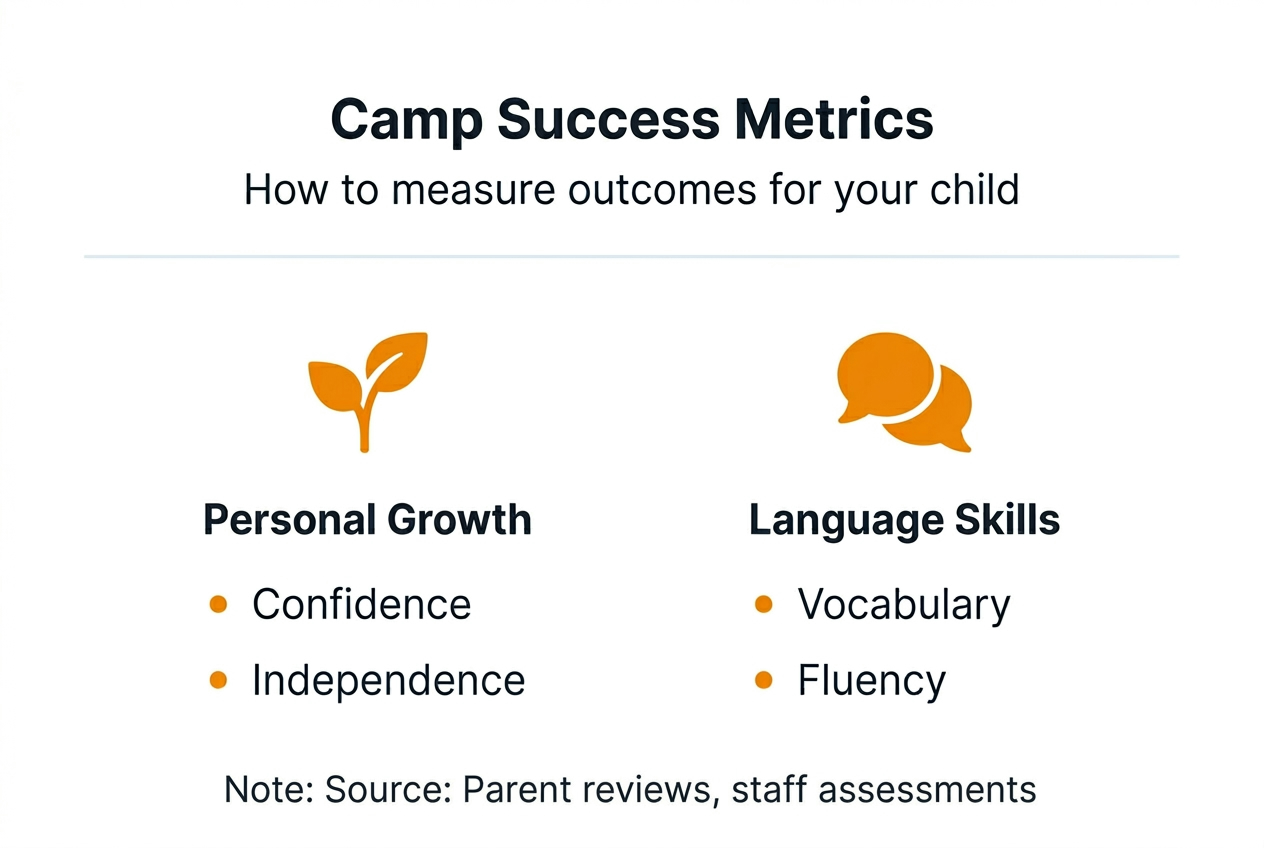
Measurable language gains depend on your child’s starting proficiency and camp duration, but authentic immersion typically produces noticeable improvements in conversational comfort, vocabulary range, and accent reduction. Ask camp staff for progress assessments and request examples of situations where your child successfully used their developing language skills. The mental health benefits of outdoor activities extend beyond camp through reduced anxiety and improved emotional regulation.
Positive feedback from both your child and camp counselors serves as a strong success indicator. Children should express enthusiasm about specific activities, friendships formed, and skills learned rather than vague generalities. Camp reports highlighting your child’s participation, attitude, and peer interactions provide objective verification of a beneficial experience.
Evaluate these success markers:
- Improved physical fitness and comfort with outdoor activities
- Voluntary use of learned language skills after returning home
- New friendships maintained through post-camp communication
- Increased willingness to try unfamiliar activities or foods
- Demonstrated teamwork and leadership in school or family settings
- Positive attitude toward future camp participation or outdoor pursuits
Review safety and health incident records from the camp to confirm appropriate supervision and response protocols worked effectively. Camps should provide transparent reporting about any issues and demonstrate how they addressed concerns promptly.
Explore Young Explorers Club’s bilingual adventure camps
Young Explorers Club delivers expertly designed bilingual programs combining certified staff, immersive French and English environments, and adventure activities that develop confidence and outdoor skills in children aged 8 to 17. Our Swiss-based camps emphasize personal growth through mountain biking, climbing, survival skills, and team challenges in stunning alpine settings.
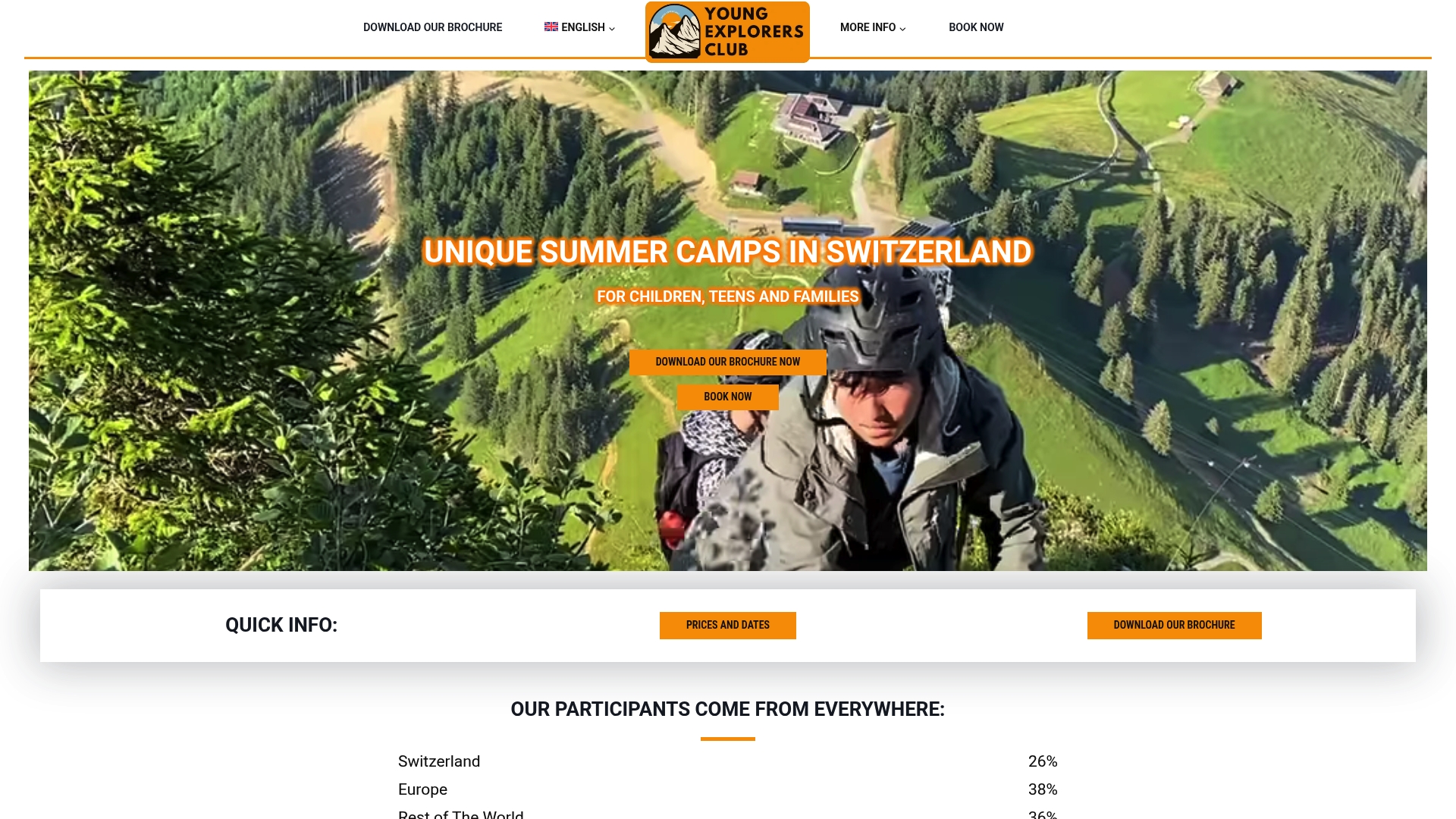
Flexible week-long sessions accommodate family schedules while providing enough time for meaningful skill development and language practice. Our camps encouraging kids to try new things create supportive environments where beginners feel comfortable taking risks. Summer camp for teens offers age-appropriate independence and advanced outdoor pursuits.
Early registration secures preferred dates and qualifies for discounts that make quality adventure camps accessible. Visit our camp registration page to explore available sessions and start your child’s journey toward confidence, bilingual fluency, and unforgettable summer memories.
FAQ
How do I know if a camp’s bilingual program is effective?
Check for camps employing certified bilingual staff who use both languages naturally throughout daily activities, not just formal lessons. Ask for specific examples of immersive language activities like cooking, sports commentary, or evening programs conducted bilingually. Request references from families whose children attended previously and inquire about measurable language progress their kids achieved.
What safety standards should I expect from a reputable summer camp?
Look for certified first aid training among all staff members and clearly documented emergency procedures covering medical issues, weather events, and evacuation protocols. Verify camp accreditation through recognized youth organizations and review their safety track record including how they’ve handled past incidents. Quality camps maintain low staff-to-camper ratios, conduct regular safety drills, and provide 24-hour medical support access.
How can I prepare my child physically for an adventure camp?
Encourage regular physical activities like hiking, swimming, or cycling at least three months before camp to build endurance and familiarity with outdoor movement. Gradually introduce camping skills such as backpack carrying, water bottle management, and blister prevention through weekend adventures. Consider joining local outdoor clubs or taking family trips that simulate camp conditions including group activities, rustic accommodations, and technology-free time.
Are there budget-friendly bilingual camps available in Switzerland?
Yes, many camps offer scholarships, sibling discounts, or early bird pricing that significantly reduce costs while maintaining accreditation and quality programming. Some affordable Swiss summer camps provide excellent value through shorter sessions or simplified accommodation without compromising safety or instruction. Research options thoroughly and ask directly about financial aid opportunities that may not be advertised publicly.
Recommended
- What Is An International Youth Camp? A 2026 Parent’s Guide
- Summer Camp Switzerland | International Camp And Travel
- Como Os Campos De Férias Bilingues Ajudam As Crianças A Aprender Mais Depressa (fr/en) | Young Explorers Club Switzerland
- Votre Guide Ultime Pour Choisir Le Meilleur Camp D’Été Vaud 2024 | Young Explorers Club Switzerland
