Residential Summer Camp: Fostering Growth for Youth
Residential summer camp builds independence, social skills, and bilingual fluency. Discover camp types, daily structure, safety, and key benefits.
Every parent faces the decision of how best to help their child grow into a confident, independent young person. For families across Europe, the search for a summer experience that balances adventure, language learning, and genuine personal discovery leads to Switzerland. Residential summer camps here offer immersive bilingual environments where children aged 8 to 17 build lifelong skills, develop global friendships, and explore unique outdoor challenges unavailable anywhere else. Discover what truly sets these camps apart and how your child can thrive far beyond traditional holiday activities.
Table of Contents
- Residential Summer Camp Defined and Debunked
- Core Camp Models and Unique Features
- Daily Life, Programming, and Language Options
- Safety, Accreditation, and Staff Qualifications
- Key Benefits for Children and Parents
Key Takeaways
| Point | Details |
|---|---|
| Immersive Growth Experience | Residential camps focus on personal discovery, growth, and the development of independence and social skills. |
| Variety of Camp Models | Different camp types—from adventure to language immersion—cater to diverse interests and help in personalized development. |
| Safety and Supervision Importance | Accreditation, low camper-to-staff ratios, and qualified personnel ensure a safe environment for children to thrive. |
| Long-Term Benefits | Experiences at camp lead to lasting improvements in social skills, academic engagement, and resilience beyond the summer. |
Residential Summer Camp Defined and Debunked
A residential summer camp is more than just a place where kids go to stay overnight. It’s an immersive experience where young people live away from home for multiple weeks, engaging in structured activities designed for growth, skill development, and personal discovery.
Unlike day camps where children return home each evening, residential camps offer something fundamentally different. Kids experience independence, build genuine friendships, and learn responsibility in a supportive community setting.
What Actually Happens at a Residential Camp
Many parents picture summer camp as kids sitting around a campfire singing songs. The reality is far richer.
At places like those offering residential summer camp experiences in Switzerland, campers engage in a carefully balanced mix of activities:
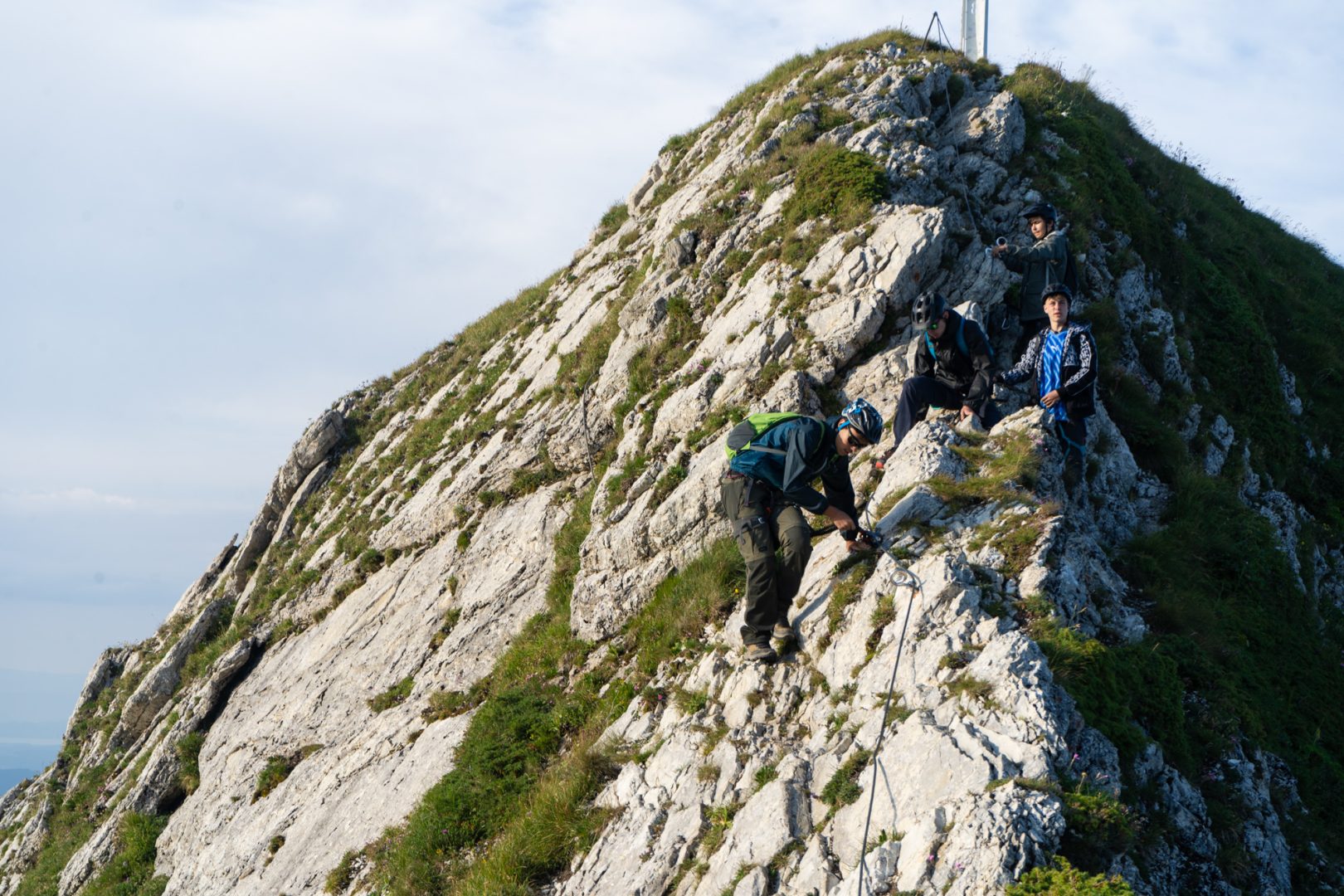
- Adventure activities like mountain biking, rock climbing, and outdoor survival skills
- Language learning and cultural exchanges in bilingual environments
- Team sports and competitive activities that build collaboration
- Personal development through mentorship and guided reflection
- Academic enrichment alongside recreational pursuits
The environment matters enormously. A smaller, family-style camp creates different dynamics than massive commercial operations with hundreds of kids.
Residential camps work because they combine structured learning with freedom to explore who you are—away from the pressures of home and school.
Common Misconceptions About Residential Camps
Parents often worry their child will feel homesick and miserable. Here’s what research shows: most kids experience initial adjustments within the first few days, then quickly become engaged and confident.
Another myth: residential camps are only for “athletic” or “outdoorsy” kids. Wrong. Camps serve children with varied interests—creative types, introverts, academic students, and adventure seekers all find their place.
Some believe residential camps are just extended recreation. Actually, they operate on intentional educational frameworks. When activities are well-designed around experiential learning principles, transformation happens.
Why Location and Environment Shape the Experience
The Alps setting creates unique opportunities you simply cannot replicate elsewhere. Campers don’t just learn survival skills; they practice them in authentic alpine terrain. They’re not just learning languages; they’re using them daily with international peers.
The physical environment becomes part of the educational experience itself. Kids develop resilience, environmental awareness, and confidence in ways that classroom-based programs cannot achieve.
Pro tip: When evaluating camps, ask specific questions about daily structure, instructor qualifications, and how personal development is measured—not just what activities are offered.
Core Camp Models and Unique Features
Swiss residential camps aren’t all the same. They range from adventure-focused programs to academic enrichment, language immersion to leadership development. Understanding these models helps you choose what fits your child’s interests and goals.
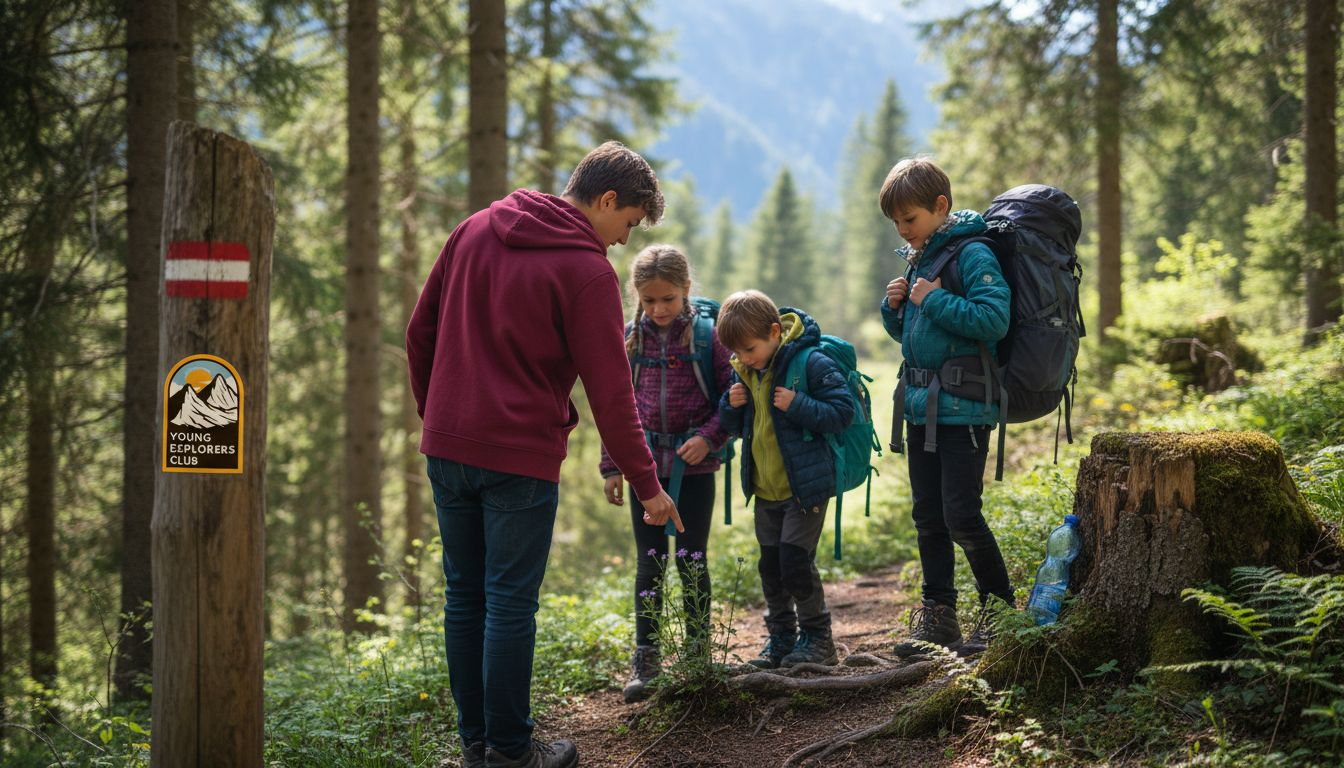
Each camp type offers distinct benefits. Some emphasize physical challenges and outdoor skills, while others blend sports with academics or cultural exploration. The variety means virtually every child can find a program aligned with their passions.
The Main Camp Models
Residential camps typically fall into several categories:
- Adventure camps focus on outdoor skills like climbing, mountain biking, and survival training in alpine environments
- Language immersion programs combine sports and activities with intensive English or French language learning
- STEAM academies blend science, technology, engineering, arts, and mathematics with hands-on exploration
- Leadership development camps teach teamwork, decision-making, and personal resilience through structured challenges
- Multisport programs rotate through various athletic activities, letting kids discover new favorites
Some camps combine multiple approaches. A single program might include morning language classes, afternoon adventure activities, and evening team-building exercises.
Here’s a side-by-side look at core Swiss residential camp models and who they best serve:
| Camp Model | Ideal For | Core Focus | Unique Advantage |
|---|---|---|---|
| Adventure | Outdoor enthusiasts | Physical and survival skills | Challenging alpine terrain |
| Language Immersion | Aspiring linguists | Intensive language practice | Daily use with global peers |
| STEAM Academy | Future innovators | Science and creative projects | Hands-on, integrated learning |
| Leadership Development | Emerging leaders | Teamwork, decision-making | Peer-led, structured challenges |
| Multisport | Sport explorers | Variety of athletic skills | Try new sports each week |
The best camp model matches your child’s developmental stage, interests, and growth goals—not just what sounds exciting in marketing materials.
What Makes Swiss Camps Distinctive
Adventure camps and language programs in Switzerland consistently feature smaller group sizes, which creates more personalized attention than larger commercial operations.
Multicultural environments distinguish Swiss camps from many alternatives. Kids work alongside peers from 20+ countries, naturally developing global awareness and cross-cultural communication skills.
Another defining feature: seamless integration of education and recreation. Unlike camps treating academics and fun as separate activities, strong residential programs weave them together throughout each day.
Flexibility and Customization
Modern camps recognize families have different needs. Some offer combined day and residential options, allowing gradual adjustment to overnight stays. Others provide age-grouped programming so seven-year-olds and sixteen-year-olds experience age-appropriate challenges.
Specialized coaching matters too. Expert-led instruction in sports, arts, robotics, or public speaking ensures skill development alongside personal growth.
Cultural excursions extend learning beyond camp grounds. Visits to museums, historical sites, and local communities transform geographic advantages into educational experiences.
Pro tip: Review specific daily schedules and activity rotations before enrolling—what’s offered in theory and what actually happens each day can differ significantly.
Daily Life, Programming, and Language Options
A typical day at residential camp follows a rhythm that balances structure with flexibility. Understanding what your child’s daily experience looks like helps ease transition concerns and sets realistic expectations.
Most camps operate on a predictable schedule. Kids know when meals happen, when activities start, and when downtime arrives. This consistency creates security while activities provide novelty and challenge.
The Typical Daily Structure
Mornings usually begin with language classes in English or French, divided by age and ability level. These aren’t boring grammar lectures—they’re immersive sessions where kids use language through games, discussion, and real conversation.
Afternoons shift to activity-based programming. Your child might choose from:
- Mountain biking and climbing on designated days
- Water sports and team challenges
- Creative arts and robotics workshops
- Sports coaching in soccer, tennis, or basketball
- Leadership training and outdoor survival skills
- Cultural excursions to Swiss landmarks and museums
Evenings balance social time with relaxation. Campers gather for group dinners, campfire activities, or low-key recreation in common spaces. Minimal screen time keeps focus on real human connection.
A well-designed daily structure gives kids freedom within boundaries—they choose activities but live in a supportive routine that prevents overwhelm.
Language Immersion That Actually Works
Bilingual camps in Switzerland offer genuine language development, not just exposure. Morning language tracks are complemented by peer interaction throughout the day, where kids use languages naturally during activities and meals.
Different camps structure language options differently. Some require morning classes for all campers, while others let advanced speakers skip to specialized tracks. The best programs match instruction to actual proficiency levels.
Language learning accelerates when kids are motivated and engaged. A child struggling in French class suddenly becomes invested after befriending a Swiss peer or needing French to navigate a climbing challenge.
Personalization and Choice
Flexible scheduling matters more than you’d expect. Camps offering multiple activity options each day let kids follow genuine interests rather than fitting predetermined slots.
Age-appropriate programming ensures seven-year-olds and teenagers experience different challenges. Younger children need more structured guidance and play-based learning. Teenagers thrive with increased autonomy and peer-led activities.
Some camps allow mid-week schedule adjustments. If your child discovers an unexpected passion for robotics over sports, quality programs accommodate that shift.
Pro tip: Ask camps for sample daily schedules and activity menus before enrolling—specific details about timing, choice frequency, and downtime availability reveal whether structure matches your child’s personality.
Safety, Accreditation, and Staff Qualifications
Safety is the foundation that allows everything else at camp to happen. Parents naturally want assurance that their child is protected, supervised, and cared for by qualified people. Understanding how camps maintain safety standards helps you evaluate options confidently.
Swiss residential camps operate under rigorous oversight. Unlike unregulated programs elsewhere, established camps follow specific accreditation and safety protocols that protect campers daily.
How Camps Maintain Safety Standards
Swiss summer camps are accredited by recognized educational and youth organizations, adhering to stringent safety and quality standards. This accreditation means independent auditors verify that camps meet established criteria.
Comprehensive safety policies include:
- 24/7 supervision with low camper-to-staff ratios
- Background checks for all staff members
- Emergency response protocols and risk assessments
- Health coverage and medical protocols
- Secure facilities with controlled access
- Regular safety training and drills
Camps maintain detailed emergency plans for medical issues, weather events, and other contingencies. Staff practice these protocols regularly, not just on paper.
Accreditation and documentation matter, but the real indicator of safety is daily supervision—staff who know your child, notice changes, and respond immediately to needs.
Staff Qualifications That Protect Kids
Quality camps require professional staff training in child care, sports coaching, and language instruction. This isn’t one-time orientation—it’s ongoing professional development.
Look for specific qualifications:
- First aid and CPR certification
- Activity-specific coaching credentials (climbing, water sports)
- Background verification checks
- Child protection training
- Mental health and safeguarding awareness
- Bilingual fluency for international camps
Staff-to-camper ratios matter significantly. Residential camps typically maintain ratios of 1 staff member per 6-8 campers, with lower ratios for younger children. Larger ratios create blind spots where problems go unnoticed.
Supervision and Camper Wellbeing
Experienced staff know the difference between normal camp adjustment and genuine distress. They understand homesickness, friendship conflicts, and the adjustment curve most kids experience.
Many camps assign campers to small group leaders who monitor emotional and physical wellbeing throughout their stay. These leaders communicate with parents about how kids are adapting.
Proactive camps identify concerns early. Regular check-ins, peer feedback, and observation help staff spot when a child needs additional support.
Pro tip: Before enrolling, ask camps directly about staff qualifications, training frequency, supervision ratios, and how they handle homesickness or behavioral concerns—the quality of their answers reveals their commitment to safety.
Key Benefits for Children and Parents
Residential summer camps deliver benefits that extend far beyond the weeks your child spends there. The growth happens on multiple levels—personal confidence, academic skills, social connections, and emotional resilience all develop simultaneously in the right camp environment.
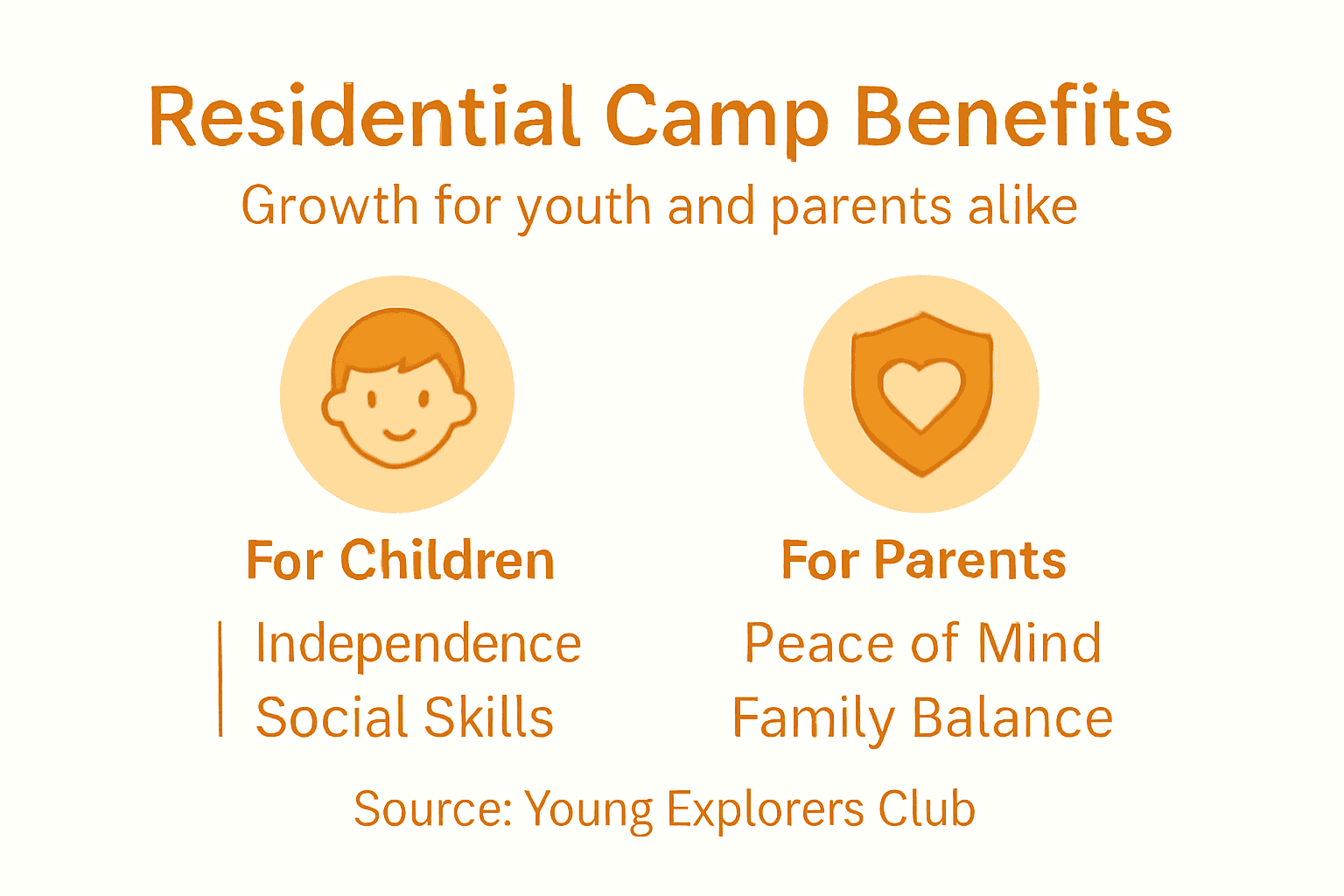
Understanding these benefits helps you see camp as an investment in your child’s development, not just a summer activity.
Benefits for Children
Children develop independence, confidence, and social skills while engaging in academic and recreational activities in a safe, supportive environment. These aren’t abstract gains—they’re concrete changes parents notice when kids return home.
Key developmental benefits include:
- Independence and self-reliance through managing daily tasks without parental help
- Confidence built by conquering new challenges and developing new skills
- Social competence from navigating friendships across cultures and backgrounds
- Resilience developed through handling challenges, adapting, and problem-solving
- Language acquisition through immersion and daily peer interaction
- Global awareness from friendships with peers from 20+ countries
Children often surprise themselves. A shy child finds their voice leading a group activity. An anxious child tackles a climbing wall. A struggling student suddenly cares about French because friends speak it.
Holistic development happens through cognitive, social, and physical growth when programming balances academics, outdoor adventures, and creative expression.
The magic of residential camp is that growth happens through genuine challenges and real relationships—not through adult instruction or forced activities.
Benefits for Parents
Parents gain peace of mind knowing their child is supervised by qualified professionals in a structured environment designed for safety and wellbeing. But the benefits extend beyond peace of mind.
Parents experience:
- Time and space to focus on work, relationships, or personal projects
- Confidence that their child is developing independence and resilience
- Perspective on their child’s capabilities and personality
- Relief from daily logistics and scheduling pressures
- Connection with other international families through camp networks
Many parents report that their child’s four-week independence helps reset family dynamics. Teens return with new maturity. Younger children surprise parents with newfound capabilities. The separation creates space for healthy development.
The table below summarizes how residential camp benefits extend to both children and parents:
| Benefit Type | For Children | For Parents |
|---|---|---|
| Independence | Manage life away from home | Gain confidence in child’s maturity |
| Social Skills | Build global friendships | Connect with other camp families |
| Academic Growth | Language and STEAM gains | See lasting school engagement |
| Emotional Growth | Develop resilience | Enjoy personal time and less stress |
| Perspective | Expand worldview | Gain new insight about their child |
Long-Term Impact
Benefits don’t disappear when camp ends. Research shows camp alumni develop stronger social skills, academic engagement, and resilience throughout their school years.
Children often maintain friendships with international peers, expanding their worldview permanently. They approach challenges differently after experiencing that they can succeed in unfamiliar situations.
The experience becomes part of their identity—something they’re proud of that shapes how they see themselves.
Pro tip: Ask camp directors for alumni feedback and parent testimonials about specific changes they noticed in their children after attending—genuine examples reveal realistic benefits beyond marketing language.
Discover How Residential Summer Camps Transform Youth Growth
Many parents worry about their child struggling with independence or missing out on meaningful social and language development during summer months. This article highlights how residential summer camps provide structured yet flexible programs where children build resilience, confidence, and global friendships in a supportive environment. If you’re seeking an immersive experience that balances adventure with personal growth in a bilingual setting, understanding these benefits is essential.
Young Explorers Club offers exactly this type of transformative residential summer camp in Switzerland. Our programs focus on outdoor activities like mountain biking, climbing, and survival skills combined with optional English and French language courses. With culturally diverse peers and expert staff, campers enjoy experiential learning that goes far beyond traditional classrooms.
Ready to give your child an unforgettable summer full of growth and adventure? Explore our offerings at Young Explorers Club, where every detail is designed to foster independence and confidence. Learn more about our unique approach by visiting our main landing page and take the next step toward enrolling in a life-changing camp experience today.
Frequently Asked Questions
What is a residential summer camp?
A residential summer camp is an immersive experience where children live away from home for several weeks, participating in structured activities that promote personal growth, skill development, and social interaction.
How do children benefit from attending a residential summer camp?
Children gain independence, confidence, social skills, and resilience while engaging in diverse academic and recreational activities, all in a safe environment.
What types of programs are typically offered at residential summer camps?
Residential summer camps often include adventure activities, language immersion, STEAM education, leadership development, and multisport options, allowing children to explore various interests and develop new skills.
How do camps ensure the safety and well-being of campers?
Camps maintain safety through strict accreditation standards, low camper-to-staff ratios, qualified personnel, background checks, and comprehensive safety protocols to address emergencies and health concerns.
Recommended
- Um Dia Na Vida De Um Campista Do Young Explorers Club | Young Explorers Club Switzerland
- Ein Tag Im Leben Eines Young Explorers Club Camper | Young Explorers Club Switzerland
- Exploring Swiss Culture Through Camp Activities | Young Explorers Club Switzerland
- Why Summer Camps In Switzerland Are The Ultimate Adventure Experience | Young Explorers Club Switzerland