Summer Camp In Switzerland Photos And Videos: Capturing Memories
Summer camp photography in Switzerland: plan shoots, secure parental consent & drone permits, capture golden-hour hero shots and secure backups.
Summer Camp in Switzerland Photos and Videos: Capturing Memories
Planning photo and video coverage for summer camps in Switzerland saves time and raises quality. We schedule shoots around the June–August season, with July as the peak month. Sessions vary by age group: minicamps 4–6, main 7–17, teens 13–17. Because of altitude, elevation affects lighting, battery life and UV exposure. Swiss data‑protection rules require explicit written parental consent for minors, collected via model release forms.
Timing and Coverage
We build coverage around camp rhythms and golden hours. Daily shot lists plus a set of golden‑hour hero frames guide the day. A compact 90‑second highlight storyboard captures arrivals, activities, portraits, landscapes and B‑roll for social and promotional use.
Gear and Environmental Considerations
At altitude, bring extra power: carry two to three batteries per body, and keep batteries warm when not in use. Use lens hoods and filters to manage glare and UV. Prepare exposure presets for bright alpine conditions and sudden weather changes.
Legal, Consent and Drone Operations
Swiss rules demand explicit written parental consent for minors. Use model release forms that include all required fields and assign a unique release ID to each form. For aerial capture, follow FOCA and local drone rules: secure permits, obtain drone‑specific consent and insurance, avoid flying over groups, and request permits for restricted or protected areas.
Workflow and Asset Management
A strict workflow keeps assets organized and compliant. Label releases, embed release IDs in IPTC/XMP metadata, and maintain redundant, encrypted backups. Verify transfers with checksums and keep at least two independent backups in separate locations.
Key Takeaways
- Consent and Releases: Obtain explicit written consent for minors via model releases that include all required fields. Track each form with a unique release ID linked to assets and embedded in metadata.
- Shoot Planning: Plan shoots around camp rhythms and golden hours using predefined shot lists and a 90‑second highlight storyboard to capture arrivals, activities, portraits, landscapes and B‑roll.
- Gear and Settings: Adjust equipment for altitude and weather: carry multiple batteries, use lens hoods and filters, and prepare recommended camera and lens choices with exposure presets.
- Storage and Verification: Implement a strict storage workflow:
- Copy cards daily to an SSD.
- Verify transfers with checksums.
- Keep at least two independent, encrypted backups in separate locations.
- Embed release IDs in IPTC/XMP metadata for every deliverable.
- Aerial Capture Compliance: Follow FOCA and local drone rules, secure drone‑specific consent and insurance, avoid flying over groups, and obtain permits for restricted or protected areas.
https://youtu.be/mk6u4XKmgkw
Essential camp details, dates, scale, altitude and consent requirements
We, at the young explorers club, run our main summer season from June–August with a peak in July. I schedule sessions in 1‑week, 2‑week, 3‑week and 4‑week blocks; this year’s example session is July 3–17, 2026.
I set clear age brackets so parents know what to expect: general camper ages 7–17 years; minicamps for ages 4–6; teen programs specifically 13–17. I also define camp size and supervision to convey scale and safety: small camps host about 20–40 participants, medium 40–120, and large 120–300+. Camper-to-staff ratios commonly range from 6:1 up to 12:1 depending on age and activity, and I publish each session’s capacity and exact staff ratio before registration.
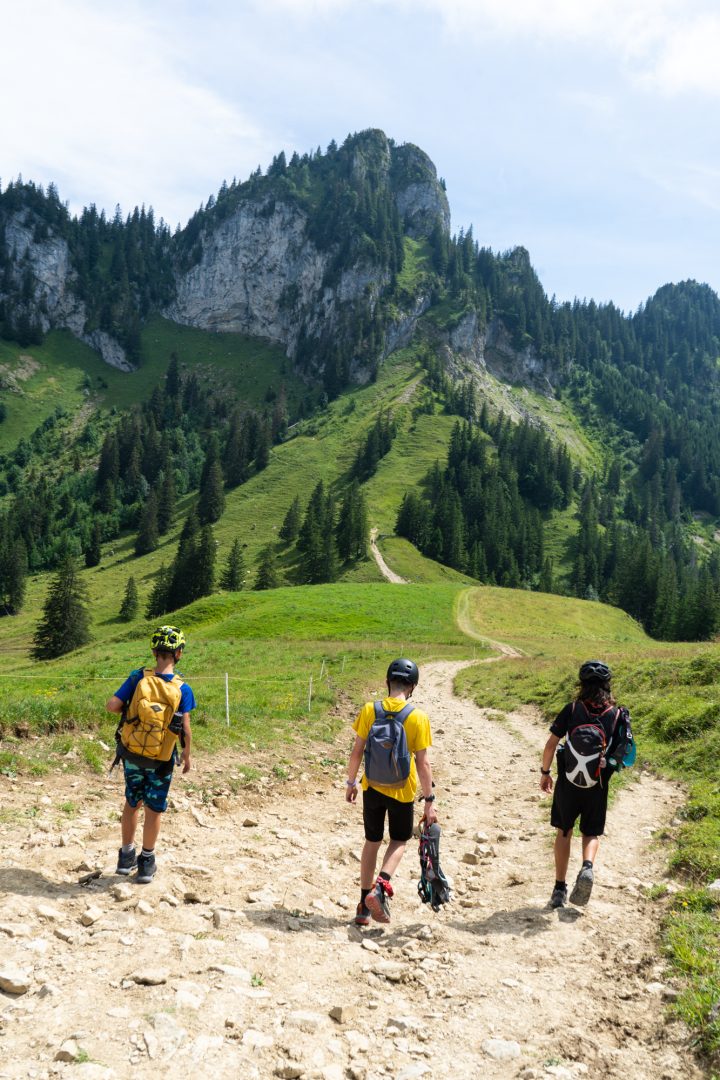
Our featured camp sits at 1,450 m elevation (nearest town elevation listed with GPS coordinates). Altitude matters for gear and photography — lighting, battery life and sun exposure change noticeably with elevation. Lowland sites (≈300–700 m) are typically warmer and a bit more humid with lower UV intensity. Alpine sites (1,200–2,200 m+) are cooler, have clearer air, shorter day–night temperature swings and stronger sun/UV. For perspective, Switzerland’s highest peak, Dufourspitze, rises to 4,634 m.
I keep parents informed about weather and safety: expected average summer temperatures in the lowlands are about 18–25°C; in alpine zones 5–15°C. Afternoon thunderstorms are common; sun and UV increase with altitude. I recommend sunscreen SPF 30+ and layered clothing for photos and outdoor activities. Charge spare batteries and bring lens hoods for sudden glare at higher elevations.
Swiss law affects how we handle images and video. The Swiss Federal Act on Data Protection (FADP) applies; personal data for minors needs careful handling and explicit consent. I explain consent forms and sharing rules in pre-camp materials and link to our photo consent guidance for parents — photo consent policies.
Below I list the concise details every family asks for.
Quick facts
- Season: June–August (peak July).
- Example session: July 3–17, 2026.
- Session lengths: 1, 2, 3, 4 weeks.
- Ages: 4–6 (minicamps); 7–17 (main); 13–17 (teen programs).
- Camp sizes: small 20–40; medium 40–120; large 120–300+.
- Typical staff ratios: 6:1 to 12:1 (age/activity dependent).
- Camp elevation (featured): 1,450 m — note GPS/nearest town elevation is provided.
- Temperature snapshot: lowland 18–25°C; alpine 5–15°C; frequent afternoon storms.
- Protective gear: sunscreen SPF 30+, layers, spare batteries.
- Legal: Swiss Federal Act on Data Protection (FADP) — explicit consent required for minors’ images.
- Emergency numbers: ambulance 144; police 117; fire 118; EU emergency 112.

Permissions, consent forms, legal must-haves and how to store releases
We, at the Young Explorers Club, require written parental consent for anyone under 18 before we capture or distribute photos or video. We also collect a separate written camp permission that covers on-site capture and any group distribution. We prepare release forms in German, French and Italian so families can sign in their preferred language.
Required releases and mandatory fields
Use the following fields on every model release — I keep the list short so staff can check every form quickly:
- Child full name and date of birth
- Camp session (name and dates)
- Clear usage rights (promotional, social, web, internal camp memories)
- Duration of rights (example: 5 years stated explicitly)
- Commercial use allowed: yes / no checkbox
- Parent/guardian printed name, signature and date
- Photographer or camp staff ID and contact details
- Drone consent checkbox if aerial images will include minors
Label each form with a unique release ID and scan it immediately after signing.
Scope, duration, revocation, storage and data protection
I state the purpose of media use on every form and set a firm duration — five years is a practical default. I also include a clear revocation procedure: parents send a written revocation to the named camp contact. I explain limits in the form: revocation can’t retract copies already published or distributed externally.
If we plan aerial shots, I add a specific drone consent checkbox that spells out altitude and platform use. That prevents surprises and keeps compliance simple.
For storage I keep signed releases in encrypted cloud storage or in a locked physical cabinet, depending on family preference and sensitivity. I maintain a digital index and attach the release ID to each photo or video file. I recommend embedding that release ID in IPTC/XMP metadata so every asset carries its consent link.
Remember that explicit consent is required for minors under the FADP, and we treat internal camp-memory use differently from commercial or promotional use. Internal use may need narrower consent; any external promotion requires a full model release. For practical guidance on consent specifics, consult our overview of Swiss photo consent.
I train staff to verify language, signature and ID before shooting. I run periodic audits of stored releases and metadata to ensure every published asset has a matching release ID.
Planning shoots, daily schedules, shot lists and storytelling arcs
We, at the Young Explorers Club, plan shoots around camp rhythms so coverage feels natural, not forced. I recommend arriving 30–60 minutes before key events to rig lights, test audio, and capture setup frames. Midsummer golden hours are long here: roughly sunrise 05:00–06:30 and sunset 20:30–22:30, though times vary by region and date — schedule those windows for hero and lake shots.
Shot list, story arc and sample storyboard
Use these lists as a checklist on every day of shooting.
Core coverage categories to capture:
- Arrival / departures (first interactions, hugs, luggage)
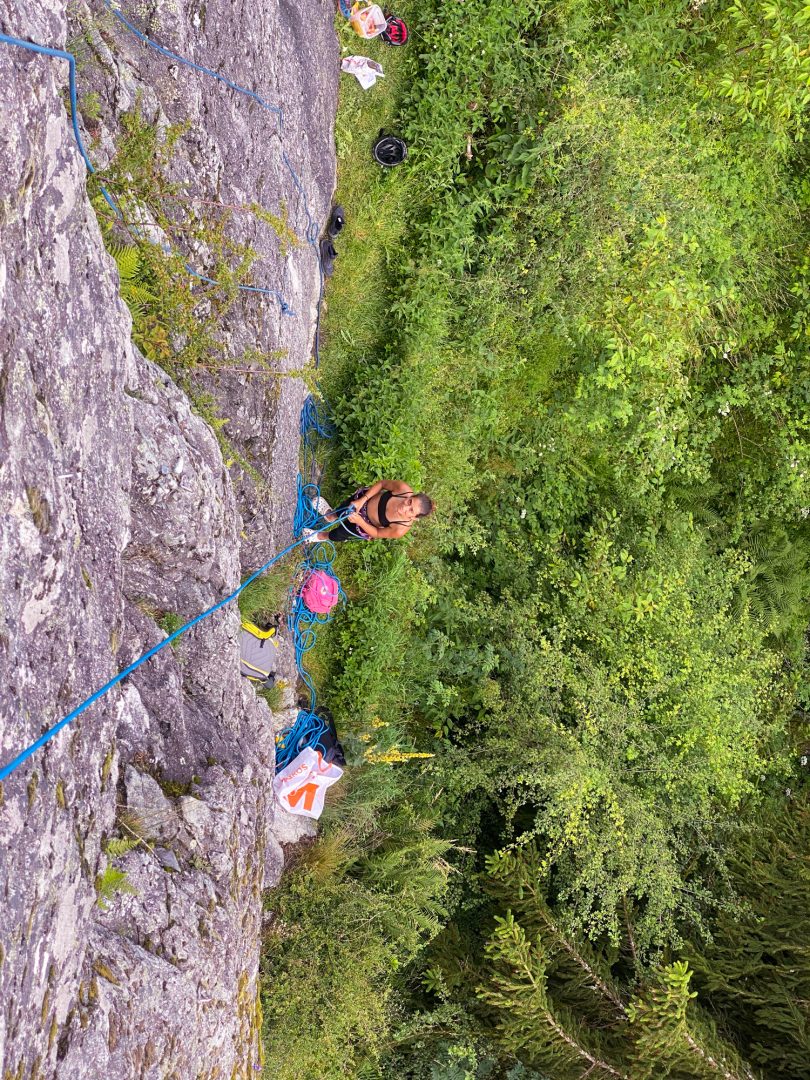
- Activities (water, climbing, team games, crafts)
- Portraits (individual and group, environmental)
- Mealtimes and counselors in action
- Night-time campfire and reflection moments
- Landscape establishing shots and drone overviews
- Detail macros (boots, badges, wet ropes, name tags)
- B-roll: timelapses, candid reactions, slow-motion highlights
Shot types to build an arc:
- Hero shot: wide establishing landscape at golden hour
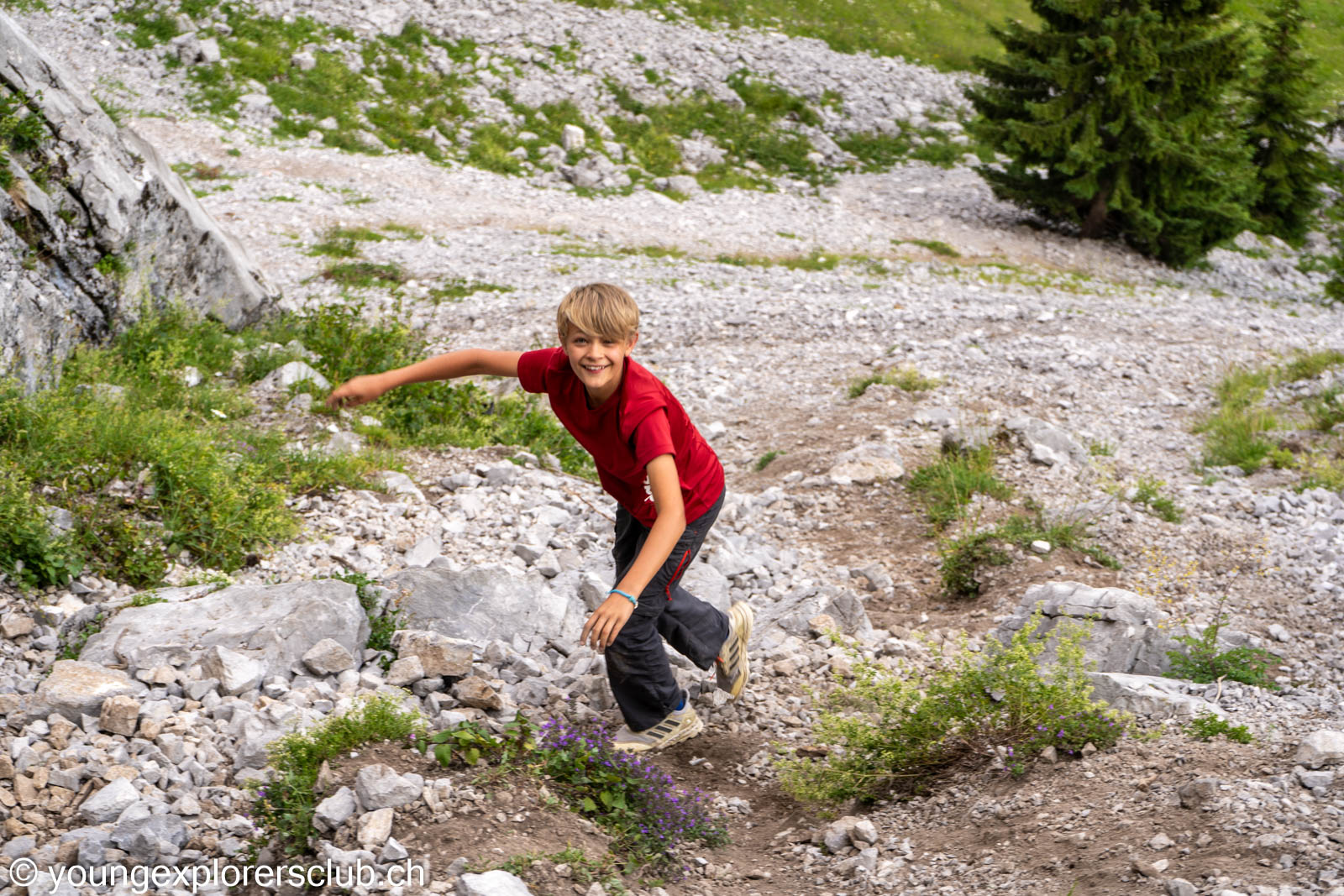
- Candid action: medium/close handheld for energy
- Environmental portrait: subject in context, paused expression
- Detail macro: tactile close-ups for texture and memory
- Timelapse and drone overview for scale and transitions
- Interview soundbites: 30–90 seconds, single-question answers
Sample 90s highlight storyboard:
- 0–10s: establishing hero and timelapse
- 10–30s: arrivals and first interactions
- 30–60s: activity montage and action cuts
- 60–75s: slow-motion emotional moments and close portraits
- 75–90s: reflective closing, overlay credits
Short interview prompts that work on-site:
- “What was your favorite challenge today?”
- “How did you feel when you reached the top?”
- “What will you tell your friends about camp?”
Daily blocks, consent and metadata
A practical sample day I use maps deliverables to time:
- 08:00–09:00 — breakfast candids
- 09:30–12:00 — Activity A: capture setup, action, reaction
- 12:30–13:30 — lunchtime group shots
- 14:00–16:30 — Activity B
- 17:30–18:30 — golden‑hour lake shots
- 20:00–21:00 — campfire/closing
Label each deliverable against footage so editors can pull the 90s storyboard quickly.
I insist on short, consented interviews with parental release when required; use multilingual signage and staff translators so every child can participate. On-set notes and metadata matter: shoot tethered when possible, log activity name, session and participant IDs, and attach release IDs to files. For guidance on preserving those finished assets, see how we preserve camp memories for years to come.

Recommended gear, storage planning and technical capacity estimates
Recommended gear and stabilization
Below I list camera bodies, action cams, drones and support kit that I trust for alpine summer camps.
- Mirrorless bodies: Canon EOS R6, Sony A7 IV, Nikon Z6 II, Fujifilm X-T4 — all balance low‑light performance with reliable autofocus. I pick one as a primary and a lighter body as a backup.
- Action cameras: GoPro HERO11 Black, DJI Action 2 — ideal for water activities and POV shots; use hard mounts and float backers.
- Drones (check local rules): DJI Mini 3 Pro, DJI Air 2S, DJI Mavic 3 — I fly conservatively around camps and always confirm Swiss restrictions before takeoff.
- Lenses & stabilization: 16–35mm (wide), 24–70mm (walkaround), 35mm or 50mm prime for portraits, 70–200mm tele, and a macro if you plan detail shots. Add a gimbal like the DJI Ronin‑SC and a compact tripod such as the Manfrotto Befree.
- Extras: ND and polarizing filters, weatherproof covers, and reliable straps or sling systems for hikes.
- Software I use for post: Adobe Lightroom, Adobe Premiere Pro, Final Cut Pro, DaVinci Resolve, LRTimelapse, Topaz DeNoise AI — pick the tools that match your speed and style.
Storage, power and capacity planning
I plan power and storage before I leave, and we, at the young explorers club, make redundancy non‑negotiable. Expect batteries to drain faster in cold alpine mornings and at altitude; carry 2–3 times your typical battery count per device and rotate spares through warm pockets. Keep a small charging kit and a multi‑port PD charger for overnight top‑ups.
For media, use SD cards between 64GB and 512GB rated U3/V30 or higher. I shoot to SD for capture, then copy to a fast SSD daily — Samsung T7 works well for speed, LaCie Rugged offers physical protection. For longer trips add a portable RAID or cloud backup for a second copy.
Plan capacity with these rough figures: 4K60 video usually consumes about 30–60 GB per hour depending on codec and settings. That means a typical three‑day mix of 4K clips plus stills will need at least 500 GB of working storage; I recommend staging 1–2 TB to avoid running out. Label folders by date and camera, verify copies each evening, and delete only after two independent backups pass a checksum or visual check.
- Daily routine: Copy card → Copy to fast SSD → Verify copies (checksum or visual) → Store cards in a safe place.
- Backup rule: Keep at least two independent copies before deleting originals from cards.
- Power rule: Carry 2–3× batteries per device, keep spares warm, and use a multi‑port PD charger for quick overnight charging.
If you want tips on long‑term preservation and presentation, see how to preserve camp memories for years to come for workflows and display ideas.

Camera settings, composition and practical shooting cheat-sheets
We, at the Young Explorers Club, set simple camera rules that get reliable results fast. Follow these specs and you’ll spend less time guessing and more time shooting.
Photo basics
We use aperture to control depth of field: f/2.8–f/4 for subject separation and dreamy backgrounds, f/5.6–f/8 for group shots and landscapes. Keep shutter speed high for movement: action at 1/500s or faster and sports at 1/1000s+. Static portraits work well at 1/125–1/250s. Always aim for the lowest ISO that still gives correct exposure; daytime ISO 100–400, and push to ISO 1600–3200 only when light forces you.
Video basics
We shoot 4K (3840×2160). Pick frame rates by motion: 24p for cinematic feel, 25/30p for regular playback, 50/60p if you plan smooth slow motion. Record in H.264 or H.265 for efficient files. When you expect to grade, capture RAW photo files and use log profiles for video so you retain color latitude.
Composition & exposure tips
We use the rule of thirds and leading lines to make images feel intentional. Place faces slightly off-center and keep background context visible to tell the camp story. Environmental portraits sell the experience — include tents, ropes, lakes or alpine ridges. Capture candid expressions; they make memories authentic. For backlit faces, switch to spot metering to expose skin correctly and avoid blown highlights. When the sun’s in frame, angle the lens down slightly or use a small flag — never point straight at the sun for long.
Scenario cheat-sheet examples
- Sunny lake midday — 24–70mm, f/5.6, 1/500s, ISO 100.
- Golden hour portrait — 50mm, f/2.8, 1/200s, ISO 200.
- Action sports (kayaking, climbing) — 24–70mm or 70–200mm, f/4–f/5.6, 1/1000s+, burst mode, ISO 400–800.
- Cinematic motion — 4K at 50–60fps, then slow to 24fps in editing for smooth slow-motion.
On-the-day practicals
- We always shoot RAW for photos and log for video if we plan to grade.
- Pack lens cloths, rain sleeves and spare batteries.
- Avoid pointing lenses at the sun to protect sensors.
- Note exposure and white balance settings in metadata or on-set notes so you can match footage later.
- Finally, keep one consistent workflow so you can easily preserve camp memories across seasons.

Drone operations, legal compliance and aerial safety checklist
We, at the Young Explorers Club, treat aerial filming as mission-critical work: safety, legality and respect for campers guide every decision. I check the Swiss Federal Office of Civil Aviation (FOCA) rules before each operation and confirm any cantonal or municipal restrictions that apply.
Swiss rules and operational limits
The FOCA sets the baseline: respect maximum flight altitudes, follow the line-of-sight requirement and never fly over crowds. Local and cantonal rules can add further no‑fly zones around airports, protected nature reserves and certain municipal areas. I keep a current FOCA briefing on hand and map any nearby restricted zones before planning a sortie.
Key operational rules I enforce on every flight:
- Maintain visual line of sight with the aircraft.
- Never fly over groups of campers or crowded camp events.
- Avoid restricted zones such as airports and certain protected reserves.
- Comply with cantonal and municipal ordinances that may limit altitudes or areas.
Insurance, permissions and documentation
Commercial drone operations in Switzerland commonly require liability insurance. I verify cover limits and carry proof on site. If a flight needs a permit, I obtain it well in advance and keep written permissions available for inspections. For any footage that will be used commercially or published, I include drone-specific consent in the model release and confirm parental approvals where relevant.
Preflight & operational safety checklist
Check these items before every flight:
- Registration and insurance proof on hand and readable.
- Confirm current FOCA guidance and local restrictions.
- Flight plan filed and NOTAM/airspace check completed.
- Weather check focused on wind speed and gusts.
- Battery health, charger and spare batteries inspected.
- Prop guards fitted when operating near people or structures.
- Clear landing/takeoff zone and crew assigned to watch for obstacles.
- Maintain a 50–100 m buffer from people and property where required.
- Drone-specific consent confirmed for any minors likely to appear in aerial footage.
Environmental and protected-area considerations
I avoid flying in protected ecosystems unless a special permit allows it; this includes areas such as the UNESCO Swiss Alps Jungfrau‑Aletsch. FOCA compliance remains mandatory even with permits. For any aerial capture of children, I secure parental consent in writing and reference drone use explicitly — read more on Swiss photo consent to make sure forms cover aerial imagery.
Practical reminders from the field
Before powering up I always check the camp’s canton and the nearest control zone. I never fly over assembled groups, mealtimes or sleeping facilities. If you plan repeat coverage, build buffer time for permit approvals and insurance checks. When in doubt, land and consult local authorities rather than risk a violation or unsafe operation.

Sources
Swiss Federal Statistical Office — Population and languages of Switzerland
Switzerland Tourism — Facts and figures
Federal Office of Civil Aviation (FOCA) — Drones and model aircraft (UAS) — rules and safe operation
Federal Act on Data Protection (FADP) — Federal Act on Data Protection (FADP)
MeteoSwiss — Climate and weather in Switzerland
UNESCO — Swiss Alps Jungfrau-Aletsch
Nikon — Z 6II Reference Manual
DJI — Mini 3 Pro — Specifications & FlySafe information
GoPro — HERO11 Black — Specifications and best practices
Adobe — Lightroom Classic User Guide
Adobe — Premiere Pro User Guide
Blackmagic Design — DaVinci Resolve — Manual & training resources