Summer Camp In Switzerland Graduation: Celebrating Achievements
Young Explorers Club graduation: 50-min ceremony celebrating skills, leadership and certificates for two-week sessions; inclusive photo-consent.
Graduation Ceremony Overview
We, at the Young Explorers Club, use the graduation ceremony to blend emotional recognition of skills, social growth and leadership with measurable outcomes like certificates and activity completion rates. That makes the final day memorable and backed by data.
Program Length and Structure
For two-week sessions we run a focused 50-minute program. The ceremony is tightly timed to keep families engaged and campers comfortable.
- Welcome and brief orientation (opening 2–3 minutes).
- Two to three short speeches from staff or camper representatives.
- Highlight reel — a 3–5 minute video showcasing activities and milestones.
- Awards — typically five to ten recognitions with clear criteria.
- Camper performance (song, skit or demonstration).
- Group photo and closing remarks.
Attendance, Media, and Metrics
We set clear targets and capture media to demonstrate impact.
- Attendance target: approximately 90%.
- Photos and video: roughly 300 photos, a 4-minute highlight reel and a 60-second social cut.
- Measurables: certificates issued, activity completion rates and skill gains are recorded for follow-up reporting.
Inclusion and Logistics
Staff enforce rules and accommodations to keep events inclusive and compliant.
- Photo-consent: only publish opt-in images; consent managed before the event.
- Accessibility: captions, interpretation and alternative arrangements are provided on request.
- Logistics: clear arrival/check-in, seating and photo-consent processes to streamline flow.
- Staffing ratios: counselor 1:8 and first aid coverage around 1:30–1:50.
Recognition and Follow-up
Recognition is standardized and families receive clear follow-up materials.
- Awards: transparent criteria and consistent selection process.
- Certificates: standardized A4 or A5 layout with signatures.
- Post-ceremony packets: information and next steps sent to families.
- Alumni engagement: planned outreach for 6–12 months after the session.
Key Takeaways
- Purpose: Graduation balances emotional closure—pride and belonging—with documented achievements; we record certificates and measurable skill gains.
- Format and timing: Two-week sessions run a tight, 50-minute ceremony with defined segments: speeches, a 3–5 minute reel, five to ten awards and a closing photo.
- Metrics and media: Target attendance is about 90%. We capture roughly 300 photos and produce a 4-minute highlight reel plus a 60-second social cut to showcase progress.
- Inclusion and logistics: We enforce photo-consent and publish only opt-in images. Captions and interpretation accompany published media. Alternative arrangements cover accessibility needs. Staffing meets safe ratios: counselor 1:8 and first aid 1:30–1:50.
- Recognition and follow-up: Clear award criteria and standardized A4/A5 certificates with signatures are used. Post-ceremony packets go to families and an alumni engagement plan runs for 6–12 months.
Graduation Ceremony Essentials: Purpose, Timing and Key Metrics
We, at the Young Explorers Club, hold the graduation ceremony as a formal recognition of camper progress — skills, social growth and leadership — and as the core of our celebration of achievements. The event should deliver emotional impact: pride, belonging and visible milestones. It should also communicate measurable outcomes, like certifications and activity completion rates, so families see both feeling and fact.
I set the timing to match our session model. Our session length: 2 weeks, which sits squarely in the typical session length: 1–4 weeks range. That middle-ground lets campers make meaningful progress without stretching schedules or family commitments. A concise ceremony cadence fits a two-week arc and keeps momentum through to the final day.
I planned the ceremony length at 50 minutes to fit the ceremony 45–60 minutes benchmark. That window balances recognition time with attention spans and evening curfews. A 50-minute program lets me include national and camp greetings, two to three short speeches, a 3–5 minute highlight reel, awards and certificates, a brief camper performance, and a closing group photo without rushing.
I monitor attendance as a key metric for engagement. Historical attendance shows stable, high participation: 2022: 92%; 2023: 88%; 2024: 90%. Current-session projected attendance: 90%, which sits inside attendance 80–100%. Those figures prove that awards and group recognition drive retention and support.
Key metrics and the operational checklist
Below are the core benchmarks and practical actions I use when planning the ceremony:
- Session length: 2 weeks — optimal for focused learning and a tight ceremony schedule.
- Typical session length: 1–4 weeks — I plan pacing with that range in mind.
- Ceremony length: 50 minutes planned (benchmark: ceremony 45–60 minutes).
- Attendance target: 90% projected (benchmark: attendance 80–100%).
- Awards cadence: 5–10 awards, allot ~30–40 seconds per award to keep flow and meaning.
- Media: 3–5 minute highlight reel to showcase skill progression and social moments.
- Speeches: 2–3 short remarks; coach these to 60–90 seconds each.
- Photography: schedule group photo immediately after closing remarks to capture cohort energy.
Practical tips I apply to stay on time and meaningful: rehearse transitions, cue music for each segment, and assign a timekeeper. I prepare certificates in advance and group awards by theme (skills, leadership, teamwork) so families understand the metric behind each recognition. I train speakers to focus on a single takeaway for clarity and impact.
For inclusion and follow-up I keep accessibility and family engagement front of mind. I plan alternative arrangements for campers unable to attend and create a post-ceremony packet with certifications and a short summary of measurable outcomes. I also encourage families to continue recognition at home — for suggestions on how to celebrate further, readers can celebrate camp achievements with simple rituals that reinforce progress.
I use the graduation ceremony to signal both emotional closure and documented achievement. That dual focus — celebrating achievements and showing measurable progress — makes the final day both memorable and meaningful for campers and families.
Ceremony Format, Script and Multimedia Plan
We, at the Young Explorers Club, plan a tight 50-minute ceremony that honors achievement and keeps families engaged. I’ll outline timing, speaker limits, media benchmarks, staffing and consent rules so you can execute with confidence.
Suggested 50-minute timeline
- 0–5 min: Welcome, national and camp greetings — brief and energetic.
- 5–15 min: Short speeches — camp director plus up to two guests (max 3 speakers, 3–7 minutes each).
- 15–25 min: Highlight video (3–5 minutes planned) followed by a photo montage.
- 25–45 min: Awards and certificates — 5–10 awards, ~30–40 seconds per award.
- 45–50 min: Camper performance or group song.
- 50–50+ min: Closing remarks and group photo (allow five extra minutes if needed).
Keep speeches tight and meaningful. Limit speakers to three and coach each for a 3–7 minute window. Offer live interpretation and captions if families speak multiple languages so every child’s moment is accessible.
Multimedia benchmarks and workflow
I aim for clear multimedia benchmarks. We’ll shoot 300 photos during sessions. The highlight reel will be a 4-minute cut and the social cut will be 60 seconds.
Follow this sample workflow:
- Shoot: Capture 300 photos during sessions.
- Edit: Reduce to 40 highlight images.
- Assemble: Create a 4-minute reel in Adobe Premiere Pro.
- Export: Produce a 60-sec social cut and add quick text overlays in Canva.
- Upload: Tag media and upload to CampMinder for family access.
Staffing and budget
Staffing and budget choices vary by scale. You can hire one professional for a half-day or use one to two trained staff photographers. Budget examples range CHF 200–800 per shoot; we plan CHF 500 for a half-day professional plus staff support. Verify local rates before you finalize.
Live streaming
Live streaming should use YouTube Live, Facebook Live or Zoom. Test captions and a reliable uplink/Wi‑Fi beforehand. Assign a staff member to monitor chat, start/stop the stream and troubleshoot bandwidth issues.
Photo-consent rules
I enforce strict photo-consent rules. If 90% of families opt in, public reels and social posts use only those camper images. Keep separate internal albums for opt-out campers and never publish their photos publicly. Use CampMinder to manage permissions and distribution so families can access albums securely.
Tie awards to documented progress and growth and make that evidence available to families; you can track progress in CampMinder. Prepare short presenter scripts for each award (name, achievement, one-sentence anecdote). That keeps momentum and prevents repetition.
Sample presenter script structure:
- Name — clearly state the recipient.
- Achievement — one short phrase describing the award reason.
- Anecdote — a one-sentence example of the child’s progress or impact.

Awards, Certificates and Recognition Types
We keep recognition straightforward and meaningful. I set a target of 5–12 distinct awards per session plus participation certificates for every camper. I balance achievement-focused prizes with recognition for effort, growth and community contribution.
Common recognition categories
Below are the award types I issue most often; they fit a two-week session structure and give every camper a realistic goal.
- Certificate of Completion (all campers)
- Skill Badges — e.g., Swimming / Lakeside Safety
- Most Improved (skill-based)
- Leadership Award
- Team Spirit
- Activity MVP (per major activity)
- Eco Champion (sustainability efforts)
- Counselor’s Choice (peer support/attitude)
- Special Achievement (unique contributions)
Certificate specs, production and measurable criteria
I size certificates at A4 or A5 and include camper name, session dates, a skills/badge list, signatures (director + lead counselor) and our camp logo. I keep a printable PDF master for the press and provide PNG digital badges for website or Badgr-style display. Every master includes signature fields so printed and digital copies are clearly authentic.
For production I estimate ordering 300 copies per season and recommend ordering about 10% more than enrolled campers for staff extras. Typical cost runs CHF 2–18 each depending on paper weight and print run. I provide both a print-ready PDF and separate PNGs for each badge so families can share achievements online.
I use measurable award criteria so recognition is fair and defendable. Examples I apply:
- Most Improved: pre/post skill assessments; improvement ≥40% qualifies.
- Leadership Award: counselor nominations based on a rubric (led a group activity; resolved conflicts on 3+ occasions).
- Skill Badge — Swimming Safety: passed in-session water-safety test and instructor sign-off.
I track camper progress with digital systems and periodic skill checks; you can see how we track progress in practice here.
Sample certificate wording I use as a template:
“Certificate of Completion presented to [Camper Name] for successfully completing the [Session Name] (2‑week session), demonstrating growth in [key skills]. Signed: [Director] | [Lead Counselor] | Date: [DD/MM/YYYY].”
I keep language short and consistent across certificates so badges and signatures carry clear meaning. I also archive a digital master for each camper to issue replacements quickly.

Program Highlights and Measurable Outcomes
We, at the Young Explorers Club, highlight 12 activities during this two-week session and record clear metrics to justify awards and skill badges. I track progress with structured assessments and a daily log, and we use systems to track individual progress so outcomes are transparent to families.
Session activities and key metrics
-
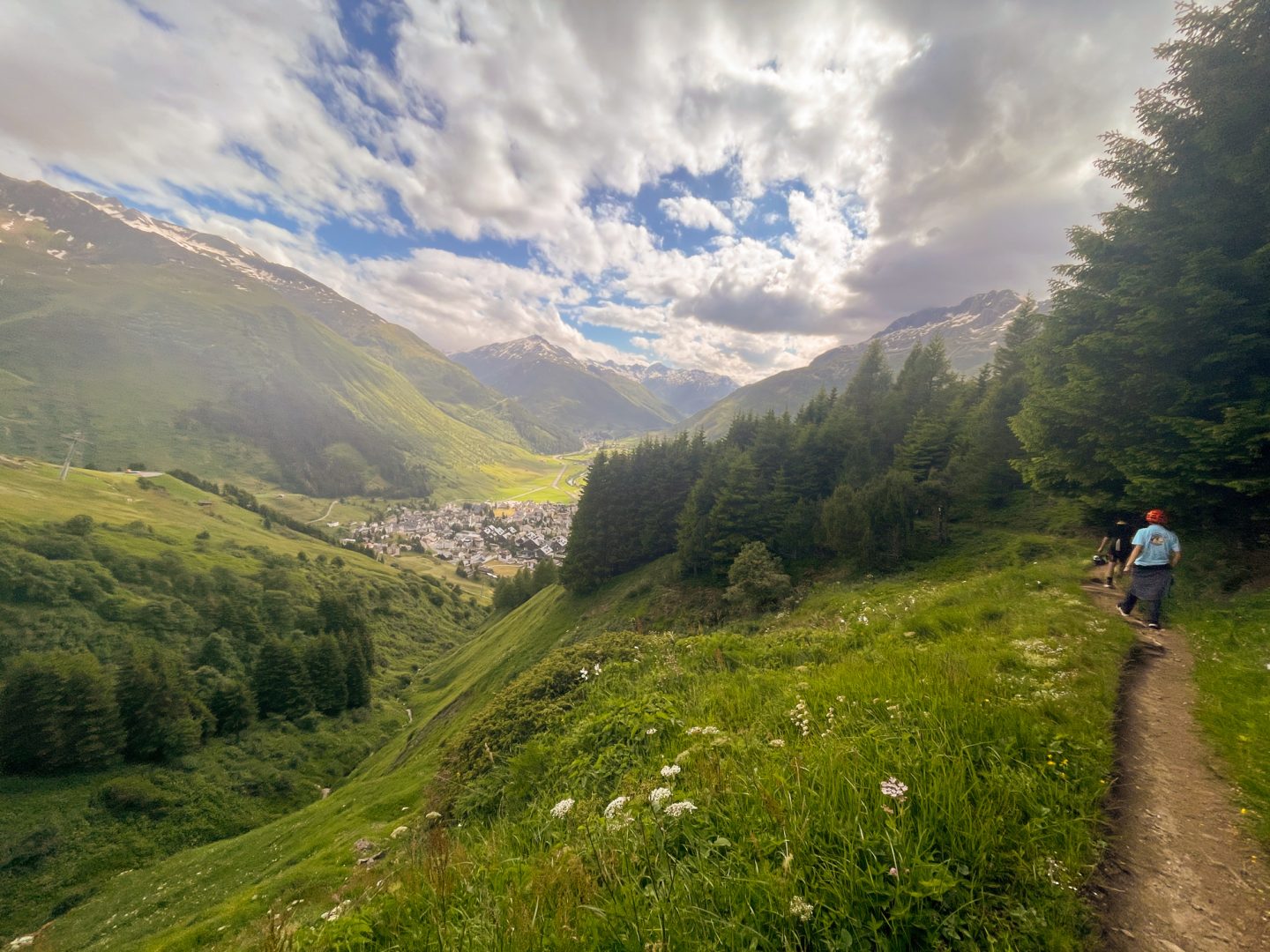
Alpine hiking — Route: 12 km completed; 95% of campers finished the route.
Before/After: 40% → 90% comfortable on long ascents.
-
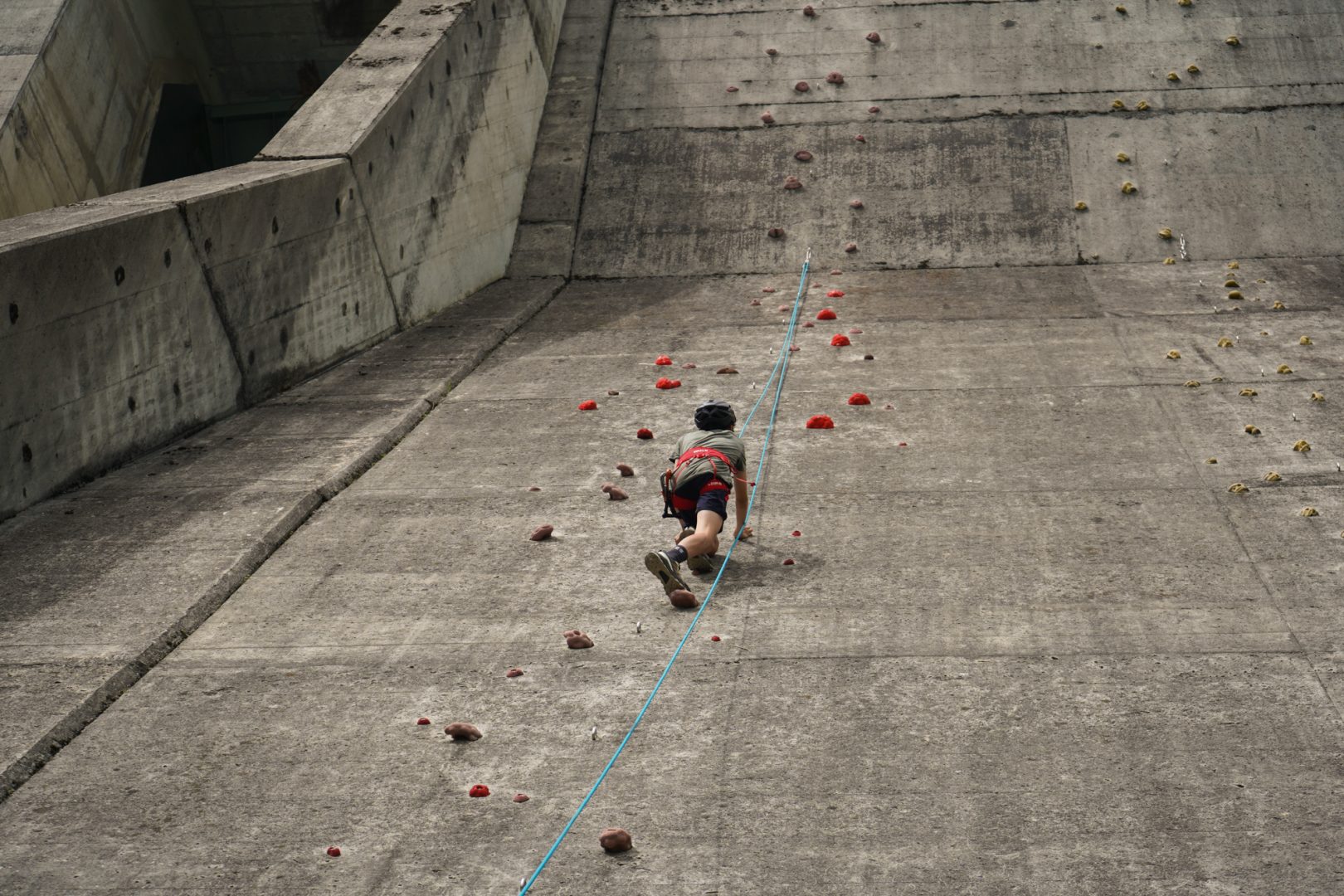
Climbing — Performance: 20 campers reached grade 5a.
Before/After: basic belay skills 35% → 88%; top-rope completions logged for each camper.
-
Ropes course — Challenge completions: 88% of groups finished the full course.
Leadership metric: 6 peer-led belays; confidence rating rose from 2.6 to 4.3/5.
-
Kayaking / lake activities — Safety outcome: Basic Water-Safety — Swiss Lifesaving Association: 18 campers certified.
Skill gain: capsize recovery 22% → 80%.
-
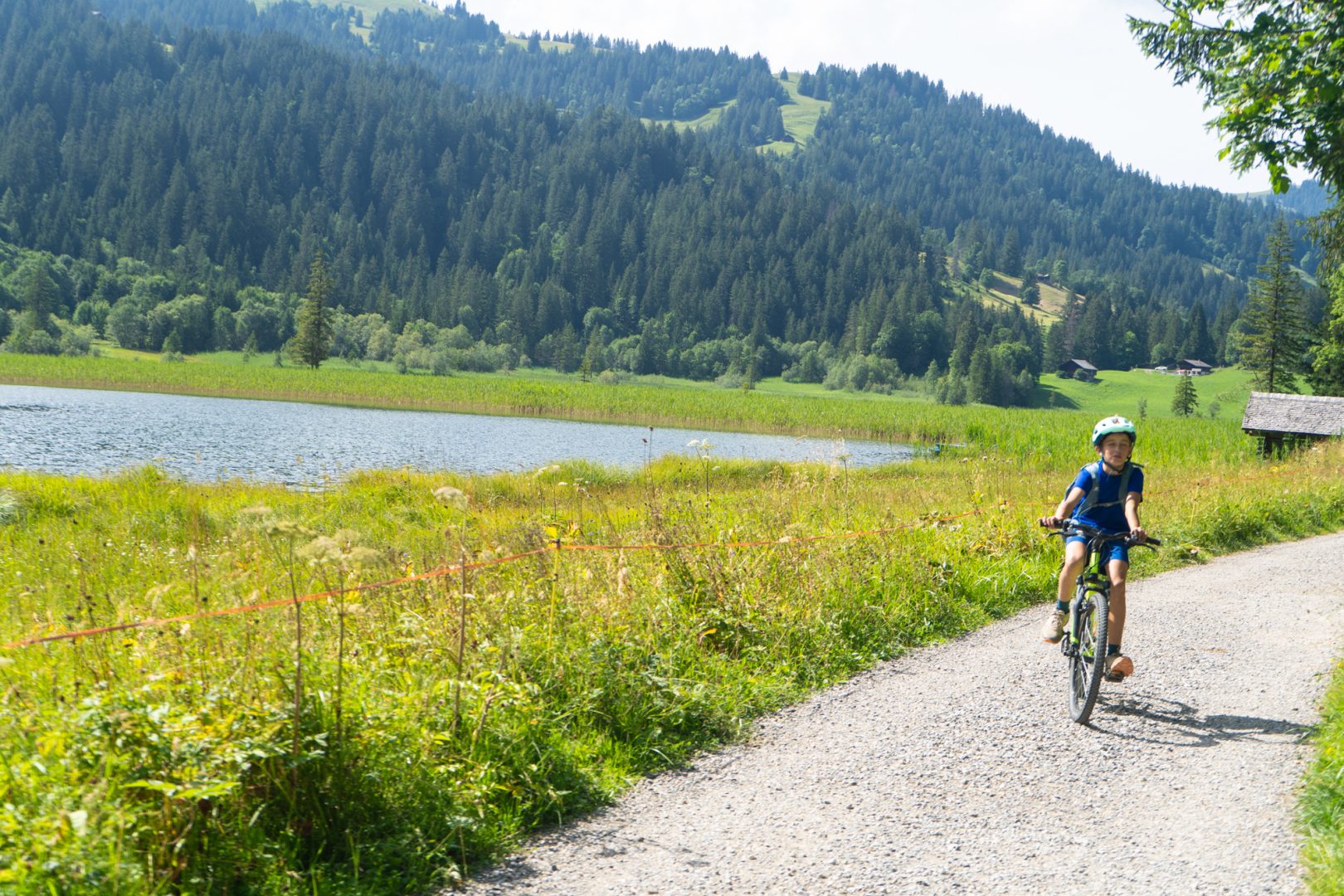
Mountain biking — Trail completion: average loop time improved 18%.
Technical skills: cornering success 30% → 76%.
-
Campfire performances — Participation: 95% of campers performed or contributed.
Presentation growth: public-speaking comfort 28% → 83%.
-
Arts & crafts — Project hours: average 6 hours per camper with 92% project completion.
Creativity index: collaborative piece scores rose 40%.
-
Language projects — Project hours: 10 hours of group work logged per project.
Proficiency change: conversational phrases retained 20% → 78%.
-
Leadership challenges — Roles held: every camper led at least one activity.
Responsibility metric: task delegation success 33% → 86%.
-
Knot-tying drills — Competency: essential knots pre/post test 30% → 85%.
Speed metric: average tie time reduced by 55%.
-
Community service — Engagement: 8 hours per camper dedicated to local projects.
Impact: rated useful by community partners; teamwork scores up 60%.
-
Safety & first aid drills — Certification: basic first-aid badges awarded where applicable.
Response time: simulated scenarios improved average response by 42%.
I provide these metrics in camper reports and use them when recommending awards and badges. Assessment combines direct observation, timed drills, and short pre/post tests so progress is measurable and meaningful.
Audience, Staffing, Safety and Venue Logistics
We, at the Young Explorers Club, plan graduations around clear audience segments and practical staff ratios. Our typical age range is ages 7–17, split into 7–10, 11–13 and 14–17 groups. For reference, our example session has 70 campers total — 25 aged 7–10, 30 aged 11–13 and 15 aged 14–17. We run sessions across small, medium and large sizes, with camp size 60–120 a common operational band for multi-week programs.
Staffing, medical coverage and languages
We staff to standards so the event runs smoothly and safely. We use a counselor-to-camper ratio of 1:8 (benchmark). For 70 campers that means about 9 counselors (70 ÷ 8 ≈ 8.75 → staff 9 counselors). We staff medical coverage to typical first-aid ratios; our planning follows first aid staff 1:30–1:50, so we assign 2 trained first-aiders on site for 70 campers. We keep an AED on site and publish an emergency action plan to staff before the session starts. Nearest hospital response times should be confirmed for your venue; aim for <20 minutes where possible.
We expect a modest portion of campers to need special menus. Plan for dietary restrictions 10–20%; our tracked rate is about 12%. Emergency contacts and completed medical forms are on file for 100% of campers. All staff complete background checks and police clearances before arrival. Our camps are multilingual; with international campers 20% we run German, French, Italian and English across activities and provide interpretation or captions during the ceremony as needed. For records and recognition, guests can review our notes on graduation certificates via graduation certificates. We also track individual progress — see how we track progress — and use evaluation systems to shape awards (evaluation systems).
Venue, AV, permits and checklist
Plan venue capacity around total attendees. Here’s how we calculate and what we check before the day.
- Seating and capacity: attendees = 70 campers + 12 staff + 150 family guests → seating for 232. Ensure venue capacity ≥ calculated number and consider fire exits and wheelchair access.
- Indoor backup: Swiss weather changes fast; reserve an indoor space as backup.
- AV essentials: public-address PA system, at least one handheld mic for speeches, projector for the highlight reel, stage or risers, and evening lighting.
- Safety and permits: check municipal noise and curfew rules and obtain permits for events over 50.
- Extras we provide: captions or interpreters for multilingual ceremonies, printed recognitions and secure storage for medical forms.
We also prepare for emotional closure and follow-up. Offer families guidance on how to celebrate achievements at home through practical tips like memory books and display options; learn ways to celebrate achievements and to display certificates. For last-day programming, consider organized farewell activities and ritual moments that recognize badges and milestones — we find achievement badges boost motivation. Capture the ceremony on video and collect feedback; use our post-camp guidance on post-camp debriefing and strategies to follow-up on goals. Share success stories with families and alumni — check some alumni stories to show how camp milestones translate to life after the program.

Budget, Sustainability, Measurement and Post-Graduation Engagement
Budget benchmarks and sample line items
I set clear financial guardrails so every graduation feels special without breaking the program. Standard ranges we use are: day camp CHF 150–500/week and residential CHF 800–2,500/week. For ceremonies I budget event budget CHF 200–1,500 depending on scale. Photographer/videographer runs CHF 200–800 per event, and certificates CHF 2–18 each.
Below I list a practical example for a 2-week session graduation and how numbers add up:
- Professional photographer (half-day): CHF 500
- Printing certificates (70 campers × CHF 4 each): CHF 280
- AV rental (projector + PA): CHF 200
- Refreshments for guests: CHF 250
- Staff overtime / event coordination: CHF 150
- Miscellaneous (props, signage): CHF 100
Total event budget (example): CHF 1,480 (within benchmark CHF 200–1,500).
I recommend building a 10–15% contingency line for last-minute needs. Our financing mix pairs program fees with modest sponsorships and alumni donations. We track per-camper cost and report variances after every session.
Sustainability, measurement and alumni follow-up
I push for local sourcing targets and measurable waste reduction. Our local suppliers 50–80% goal guides catering and prizes. Last season we hit about 65% local produce and cut landfill waste by roughly 28%, close to the 30% waste reduction target. We also award an eco-prize for campers who choose local artisan rewards.
For post-event metrics we report:
- Attendance % (ceremony attendance): 90% (example)
- Retention rate: 70% (target)
- Parent satisfaction: 90% (target)
- NPS: target +30
- Number of skills/certifications issued: tallied by certifying body and published in the session report
I build an alumni and follow-up plan across 6–12 months. Typical timeline:
- First month: send an alumni newsletter.
- Three months: early-bird discounts go out.
- Six months: invitations to leadership tracks and CIT programs arrive.
Our CIT conversion target is 5–15% (aim ~10%). For example: 70 graduates × 10% = 7 CITs. We monitor conversion and adjust outreach cadence if numbers fall short.
We encourage families to continue recognition at home and provide guidance on how to celebrate achievements; see celebrate camp achievements for practical ideas. We publish a short post-session metrics summary so funders and parents see impact, and we use those figures to refine budgets and sustainability goals for the next season.
https://youtu.be/Dp6CTV4pWuc
Sources
Swiss Federal Statistical Office — Tourism and leisure statistics
Switzerland Tourism — Summer in Switzerland
Federal Office of Public Health (FOPH) — Kinder und Jugendliche / Children and adolescents
Swiss Red Cross — First aid and first-aid training
Federal Data Protection and Information Commissioner (FDPIC) — Data protection in Switzerland
Swiss Alpine Club (SAC) — Hiking and mountain safety
CampMinder — Resources for camp management and best practices
CampBrain — Camp program organisation and resources
Eventbrite — The Ultimate Event Planning Checklist